Retro Revival: Frosted Glass Front Doors That Bring Back the Charm!
Ah, the sweet allure of nostalgia mixed with the crisp edge of modern design! It’s a blend that’s taking the home decor world by storm, and at the heart of this trend? Frosted glass front doors. They’re not just any doors for access; they’re the gatekeepers of style. Each frosted glass front door marrying historical elegance with contemporary design elements in a way that’s both inviting and awe-inspiring.
The Appeal of Retro Glass Front Doors
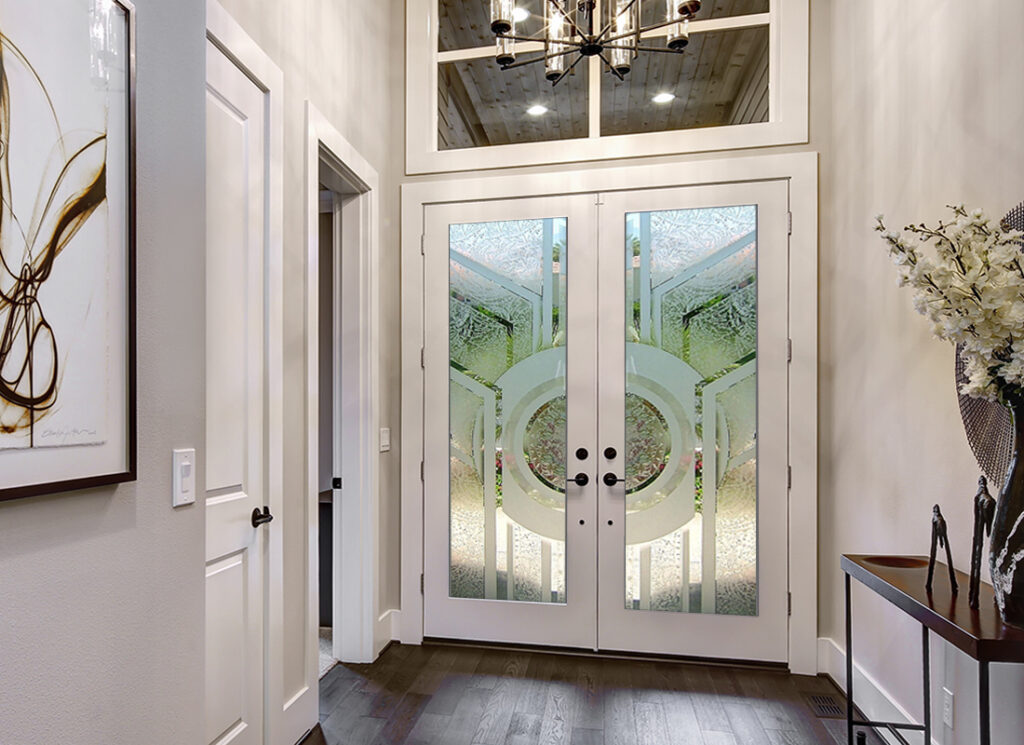
There’s something undeniably charming about a decorative glass front door. It’s like a welcoming smile, brightening up your entryway with natural light and offering a sneak peek into your home’s character. But it’s not just about looks; these decorative glass front doors complement a myriad of architectural styles. Each door reinforcing your home’s overall aesthetic and making a statement that, yes, design matters.
Timeless Beveled Glass
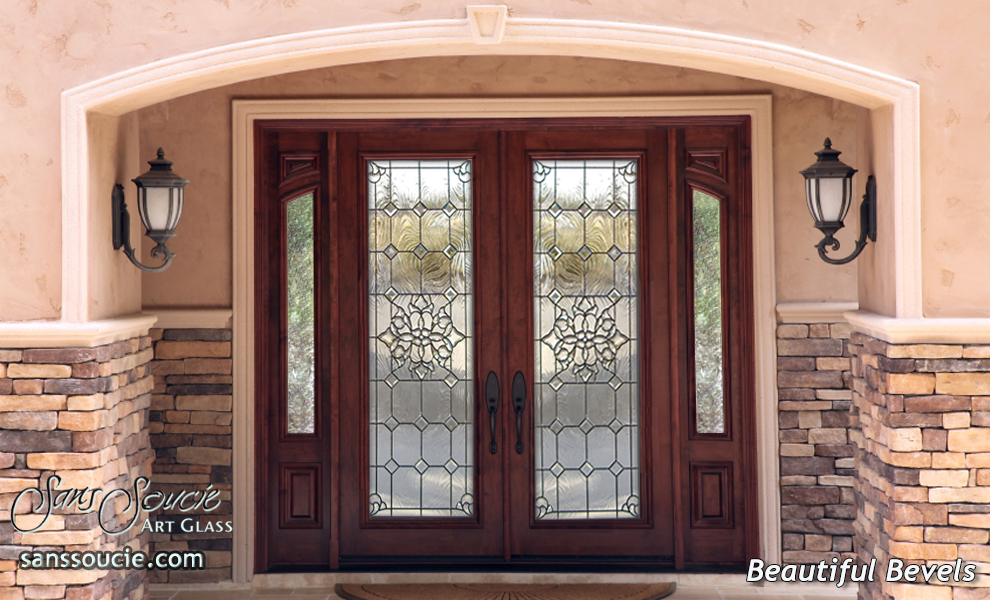
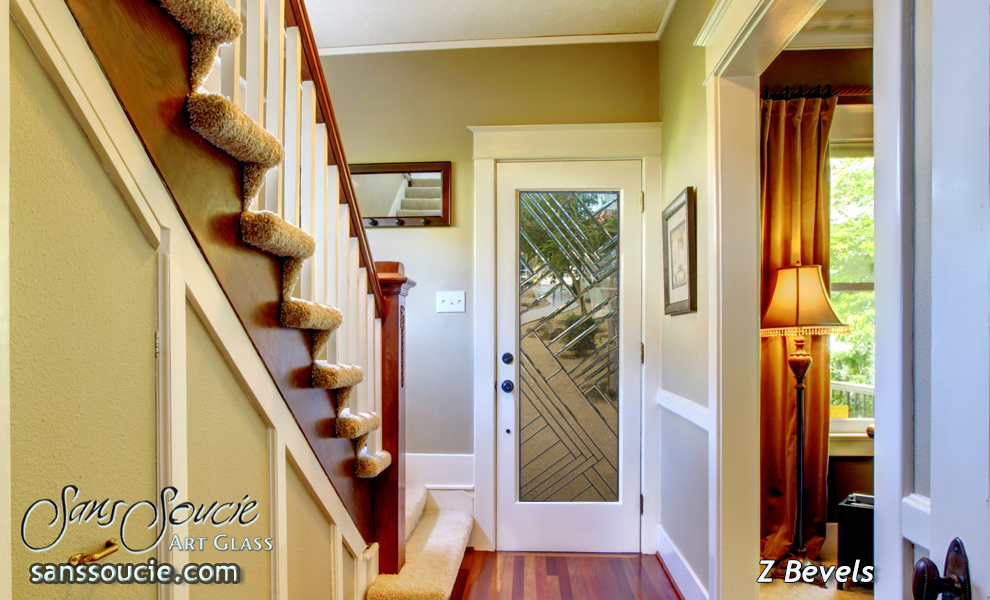
For a touch of timeless elegance that never goes out of style, beveled glass exterior doors are the way to go. These doors catch and reflect light and brighten in a way that’s purely magical, creating a sparkling effect that breathes life into your entryway. The beveled edges add a dimensional depth to the glass, making your door not just a barrier, but a piece of art. Plus, you get that delightful mix of privacy and openness. It’s perfect for those who appreciate the finer details and want their home to make a quietly sophisticated statement.
Bold Geometric Patterns
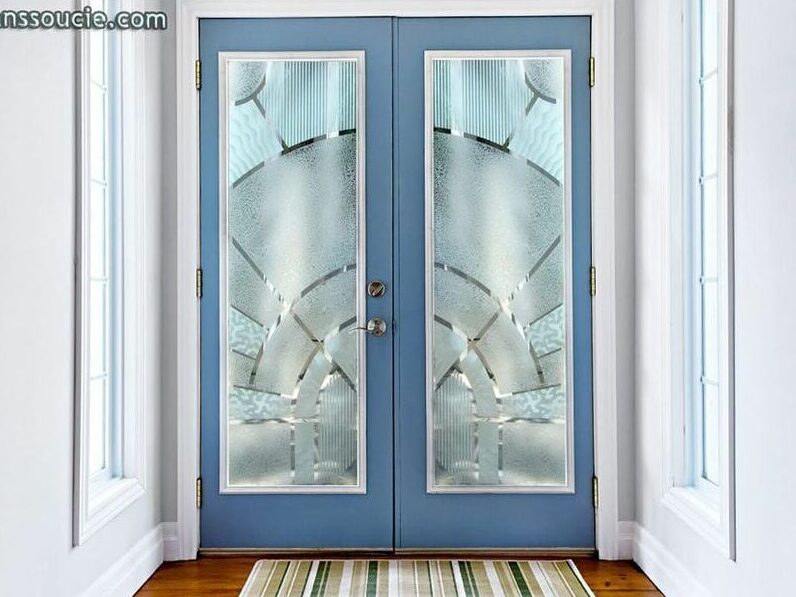
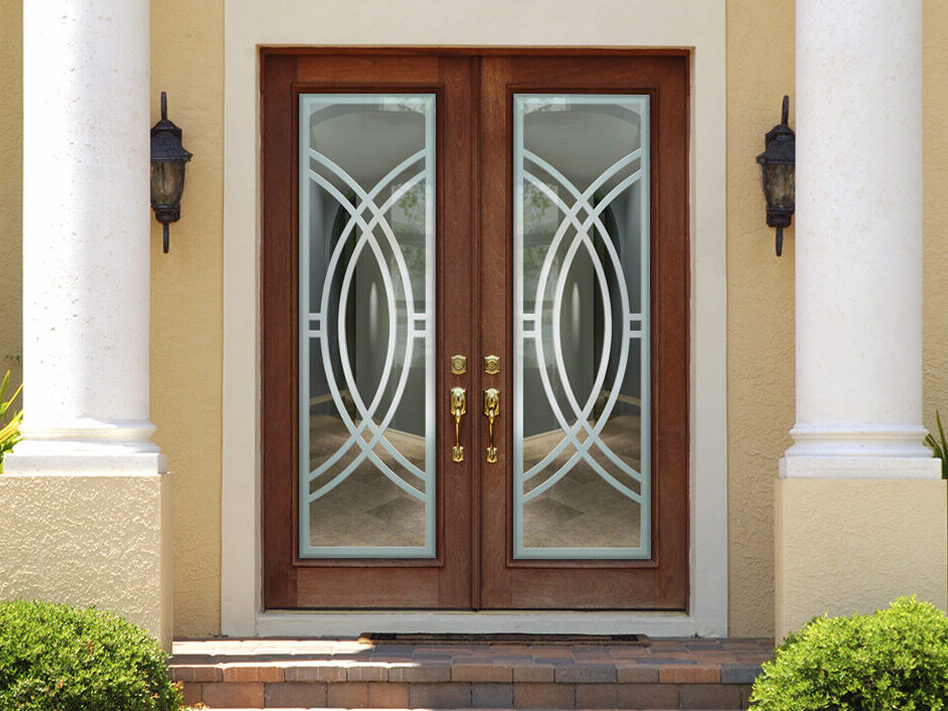
Geometric patterns in a glass panel? Absolutely! Front doors with glass bring a retro-modern vibe that’s hard to beat, with options ranging from clear to frosted glass finishes to match your privacy needs. It’s a way to make a statement while keeping things light and airy—or cozy and secluded, depending on your preference.
Art Deco Inspiration
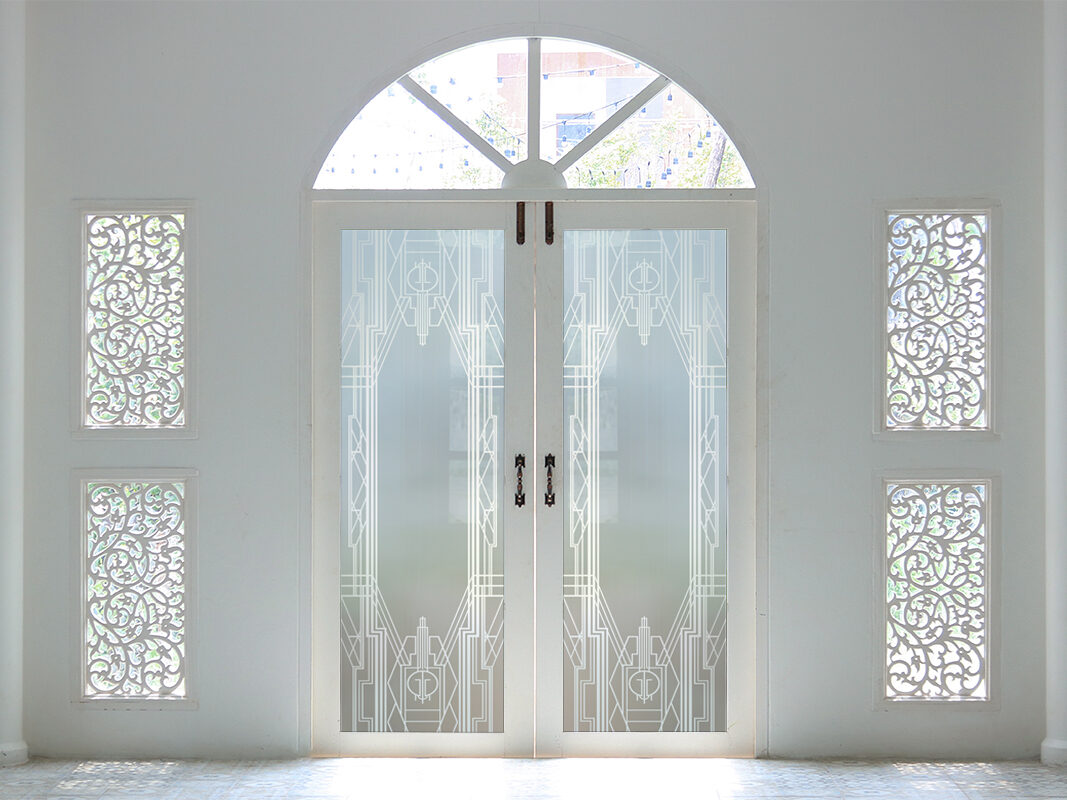
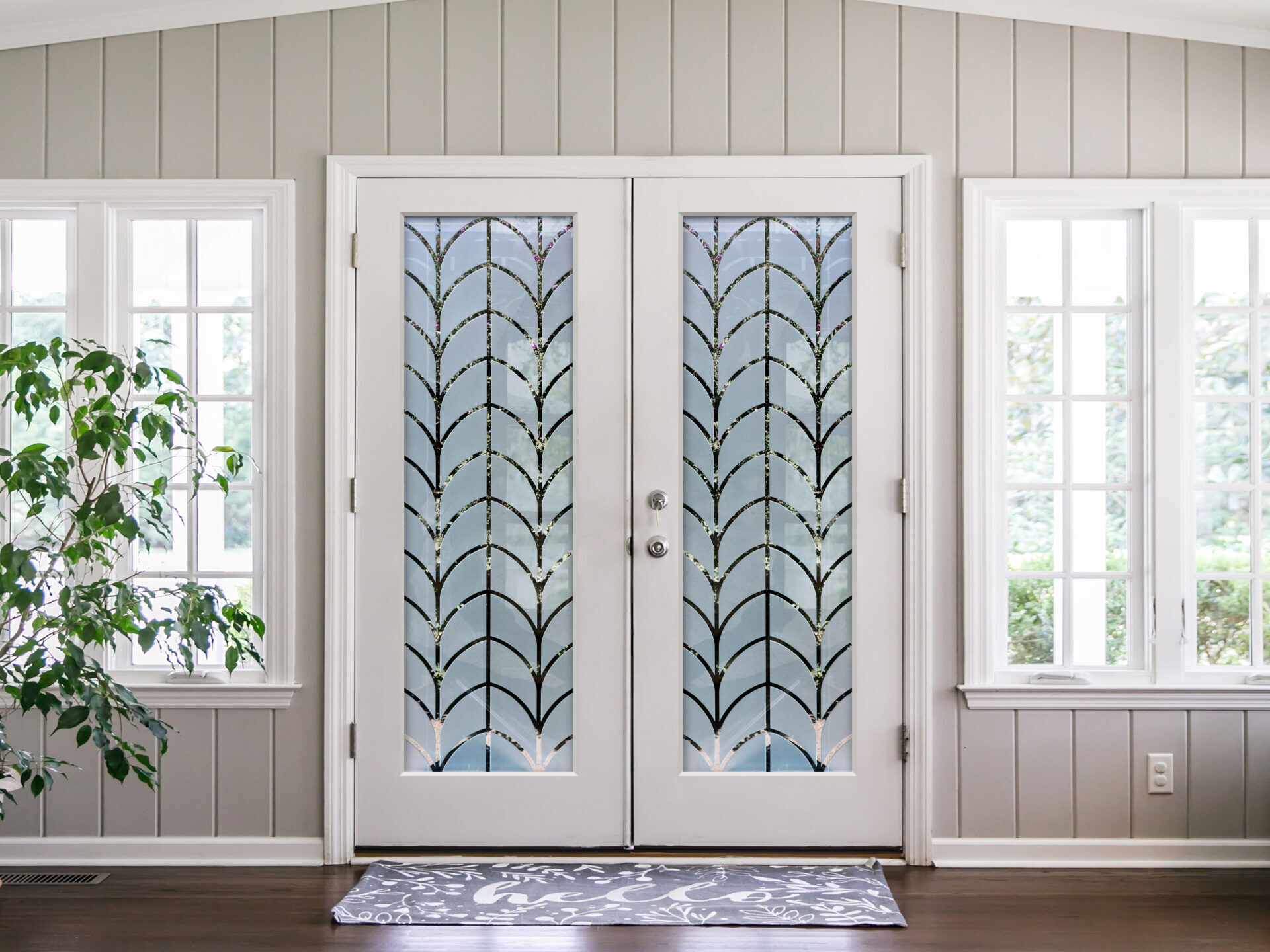
The glamour of the Art Deco era is making a comeback in all glass front doors, with frosted and gluechip glass options that scream luxury. These designs feature bold lines and lavish details, perfect for those looking to add a touch of opulence to their entryway.
Craftsman Style
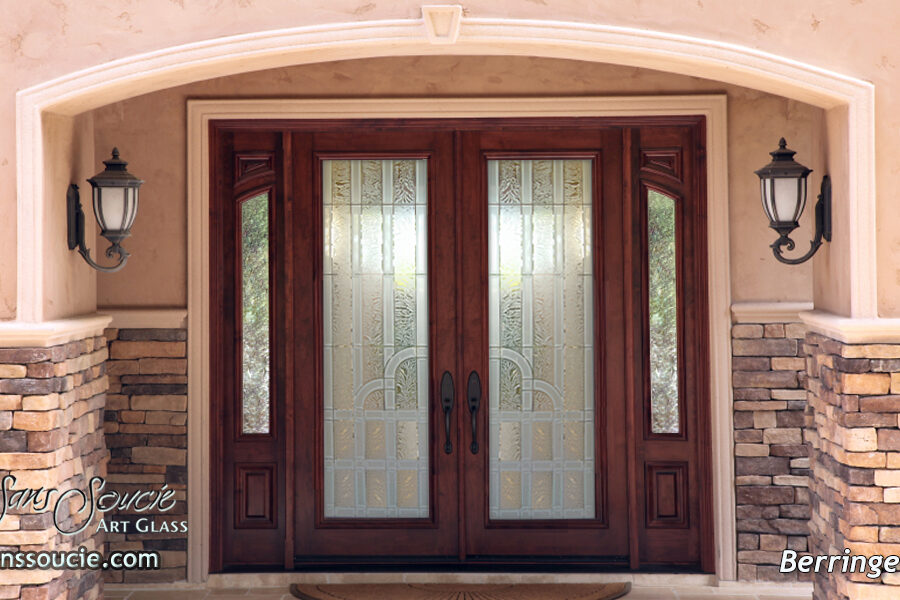
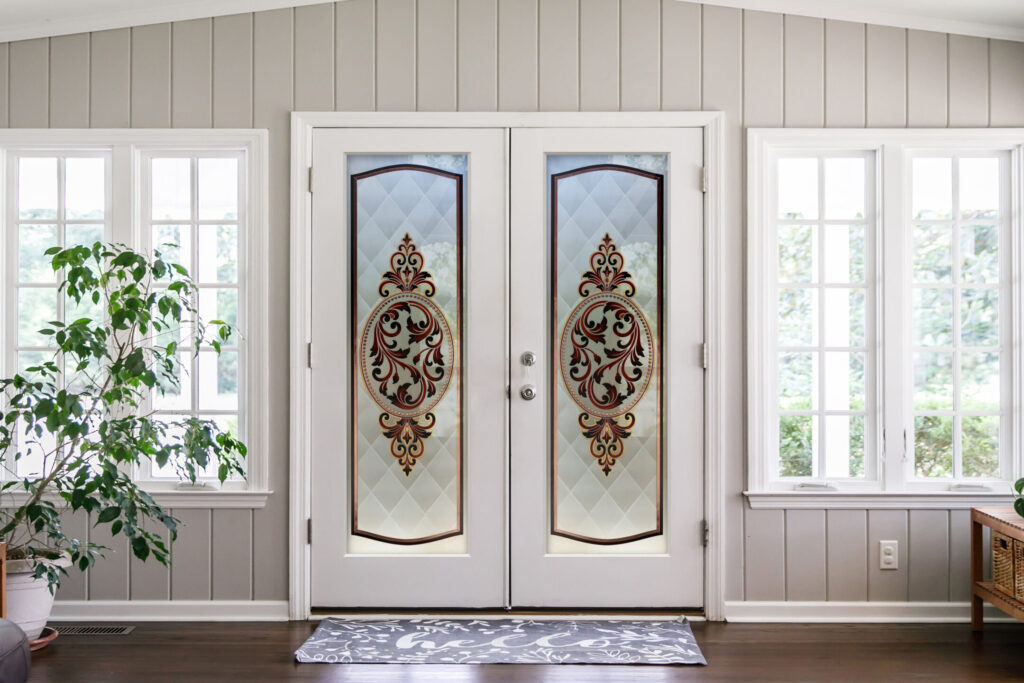
Craftsman-style doors have a timeless appeal, blending woodworking with glass elements for a look that’s both charming and private. Craftsman doors emphasize natural materials and feature frosted or amber glass in grid patterns. Whether it’s stained or frosted glass panes, these doors add character and warmth, making your home feel welcoming and lived-in.
Classic Stained Glass
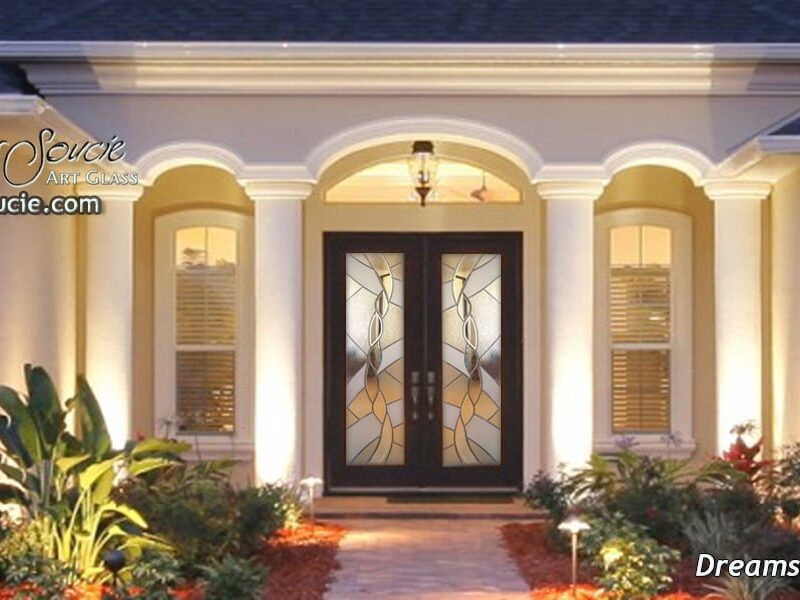
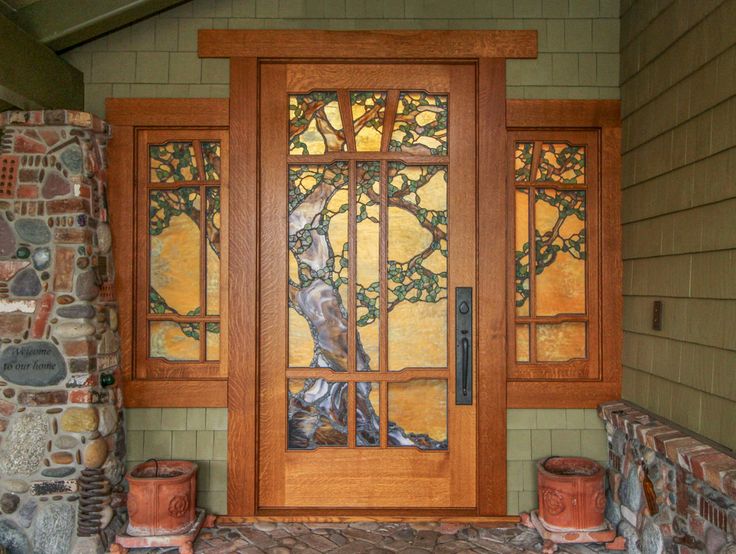
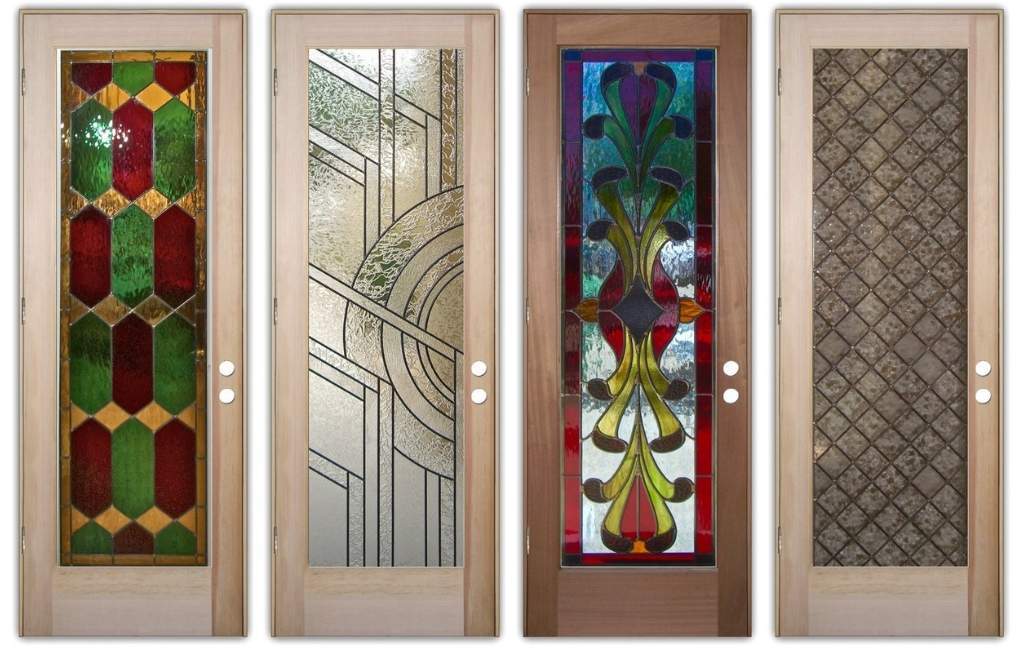
Remember the stained glass door at Grandma’s house? It’s back in vogue, but with a modern twist. Today’s stained glass doors are all about adding a pop of color and an artistic touch, with patterns ranging from simple to intricate. These exterior doors are perfect for adding privacy while still letting in light, making your entryway a focal point of creativity and style.
What Defines a Retro Front Door?
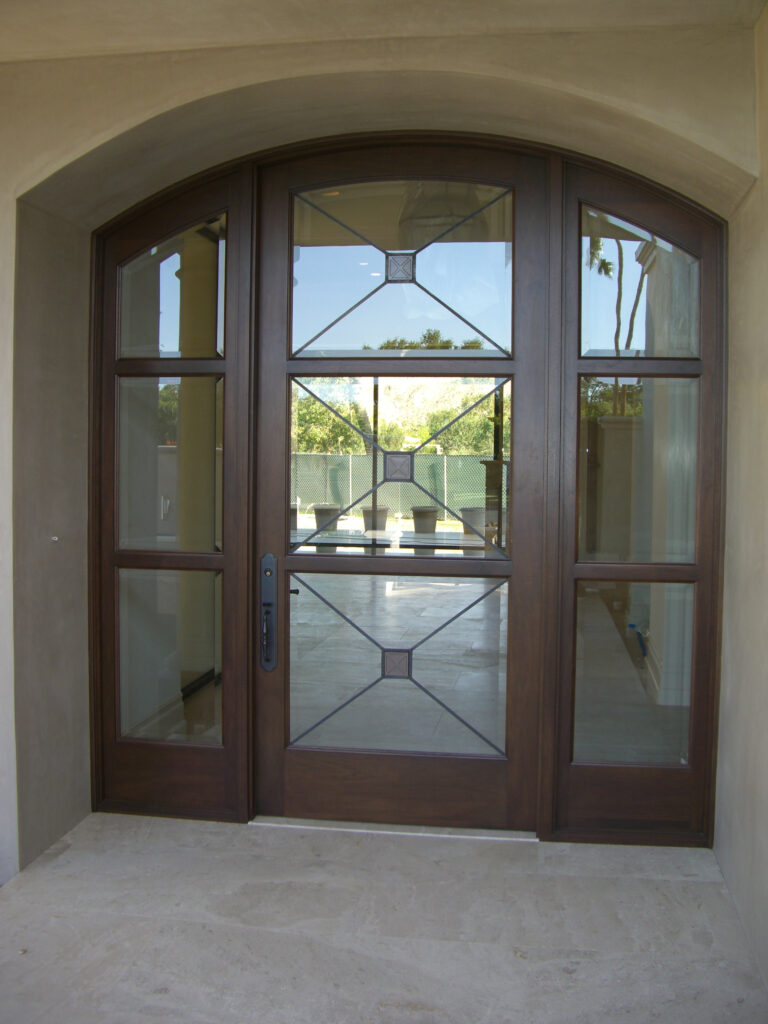
A true retro front door is not a replica of an old door—it’s a modern door inspired by design principles from past eras, most often mid-century modern and Art Deco. These retro style front doors emphasize clean lines, balanced proportions, and intentional geometry rather than ornate or heavily carved details.
Key defining characteristics include:
- Simplified forms with strong vertical or horizontal emphasis
- Geometric or linear glass patterns that feel intentional, not decorative for decoration’s sake
- A focus on form and function, blending style with everyday usability
- Materials and construction designed to be durable and suitable for modern homes
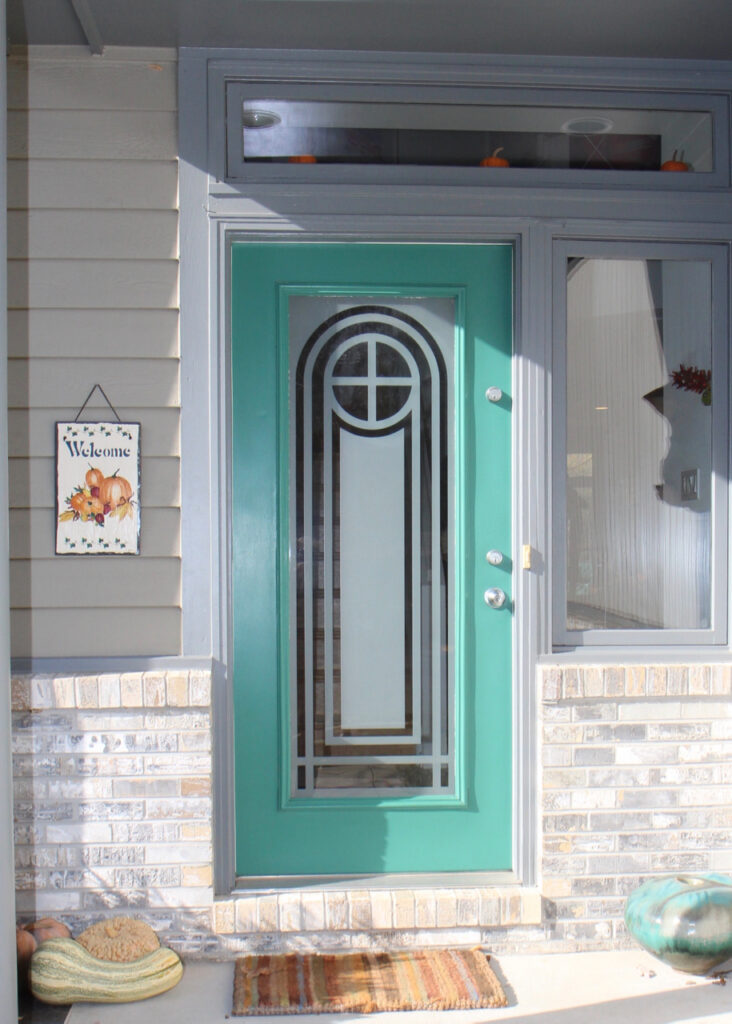
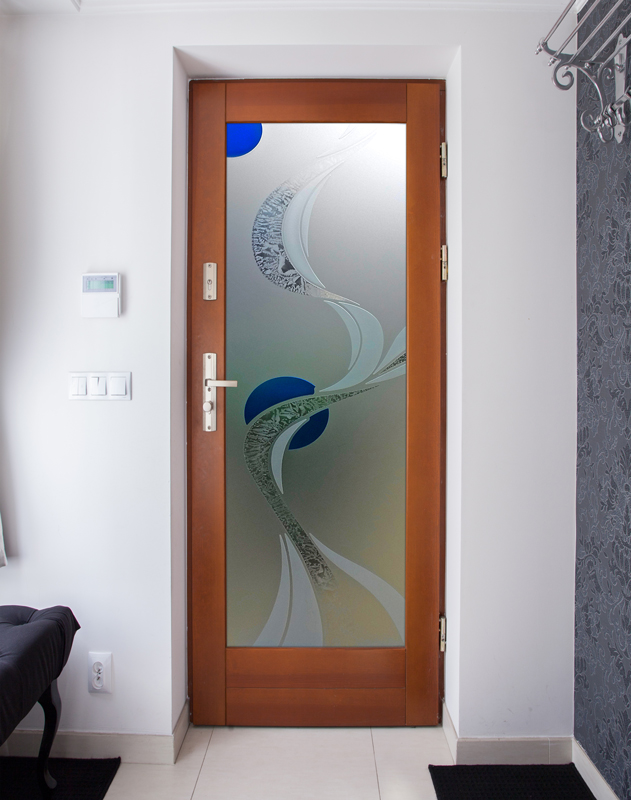
Frosted glass plays a central role in retro front doors because it aligns with the era’s emphasis on light, openness, and privacy without visual clutter. The result is a stylish entry that feels timeless rather than trendy—clearly rooted in vintage influence, but engineered for today’s performance expectations.
Retro vs. Vintage vs. Antique Front Doors: What’s the Difference?
Retro Front Doors
Charming retro front doors are newly manufactured doors inspired by historical design periods. They replicate the visual language of the past—such as mid-century geometry or Art Deco symmetry—while using modern materials and building standards. This makes them ideal for homeowners who want period character without sacrificing durability, energy efficiency, or customization options. Retro doors are commonly chosen for renovation or new-build projects.
Vintage Doors
Vintage doors are typically reclaimed or salvaged doors from previous decades. While they offer authentic character, they often require modification to fit modern door sizes and may not meet current performance or insulation standards. Vintage doors can work well for interior or decorative applications but may require additional effort for exterior use.
Antique Front Doors
Antique front doors are original historic pieces, often 100 years old or more. While visually striking, they can present challenges related to structural integrity, weather resistance, and long-term maintenance. For many homeowners, antiques are better suited as display items or specialty architectural features rather than primary exterior doors.
Choosing Your Retro Glass Front Door
Architectural Harmony
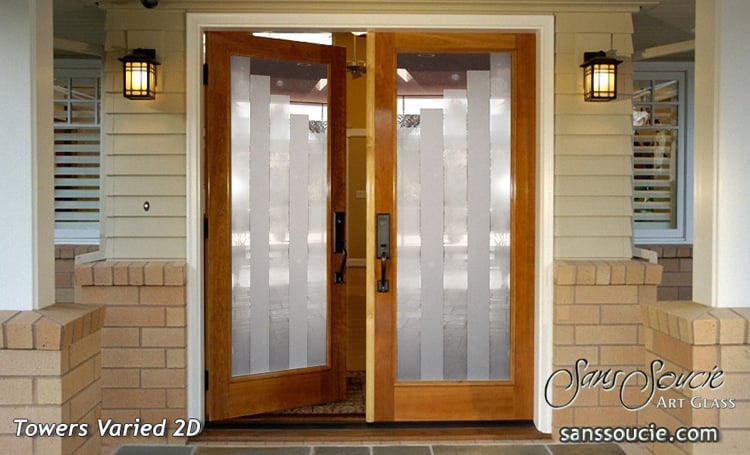
When selecting your patterned glass door, consider the architectural style of your home. A frosted glass front door should complement, not clash, enhancing your home’s character and curb appeal. Whether it’s the door size, privacy level needed, etc., let’s dive into what you need to know!
Privacy and Light
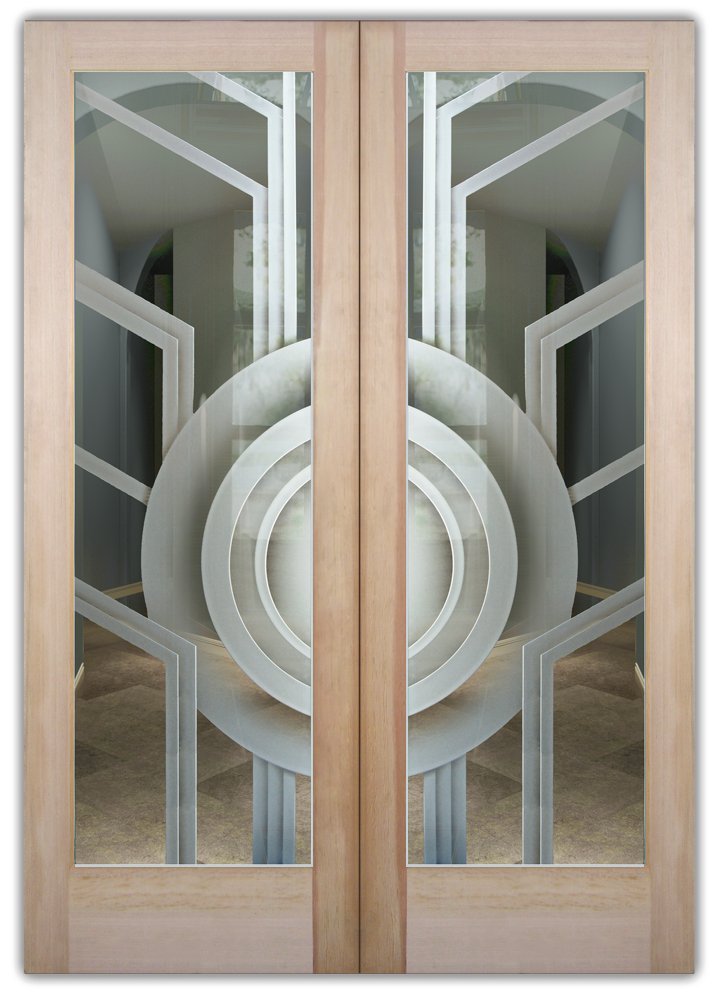
Clear Glass Finish (not private)
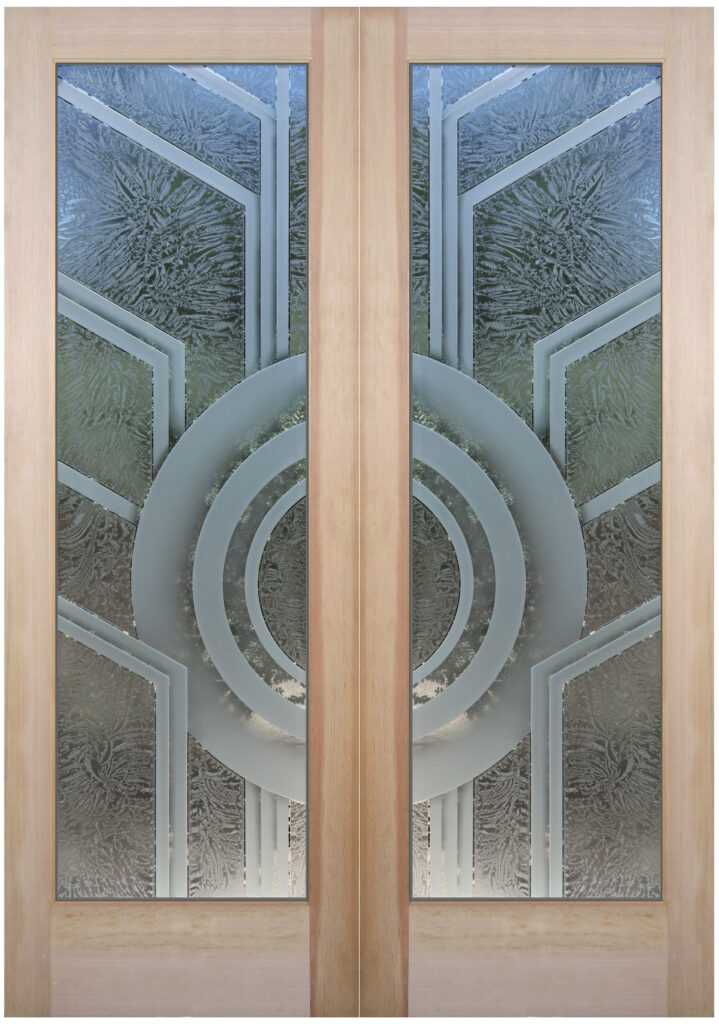
Gluechip Glass Finish (semi-private)
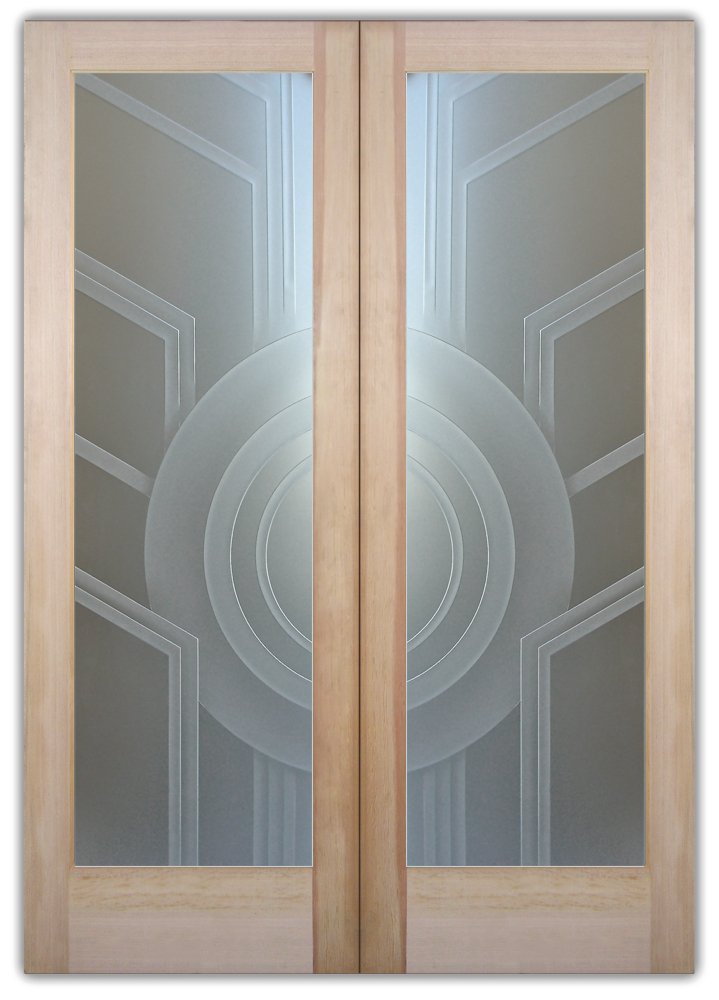
Frosted Glass Finish (private)
It’s all about balance. Decide how much natural light you want versus the level of privacy you need. Clear glass is perfect for a bright and open feel, while the texture of gluechip glass offers a decorative touch with semi-privacy. And then there’s are front doors with frosted glass that provide full privacy without skimping on style.
That’s why here at Sans Soucie we offer 3 different glass finishes, each one providing a different level of privacy. These glass finishes include: clear glass (not private), gluechip glass (semi-privacy), and frosted glass (private). This is the foundation of your glass door, aside from the actual art design that you want.
Glass Effects
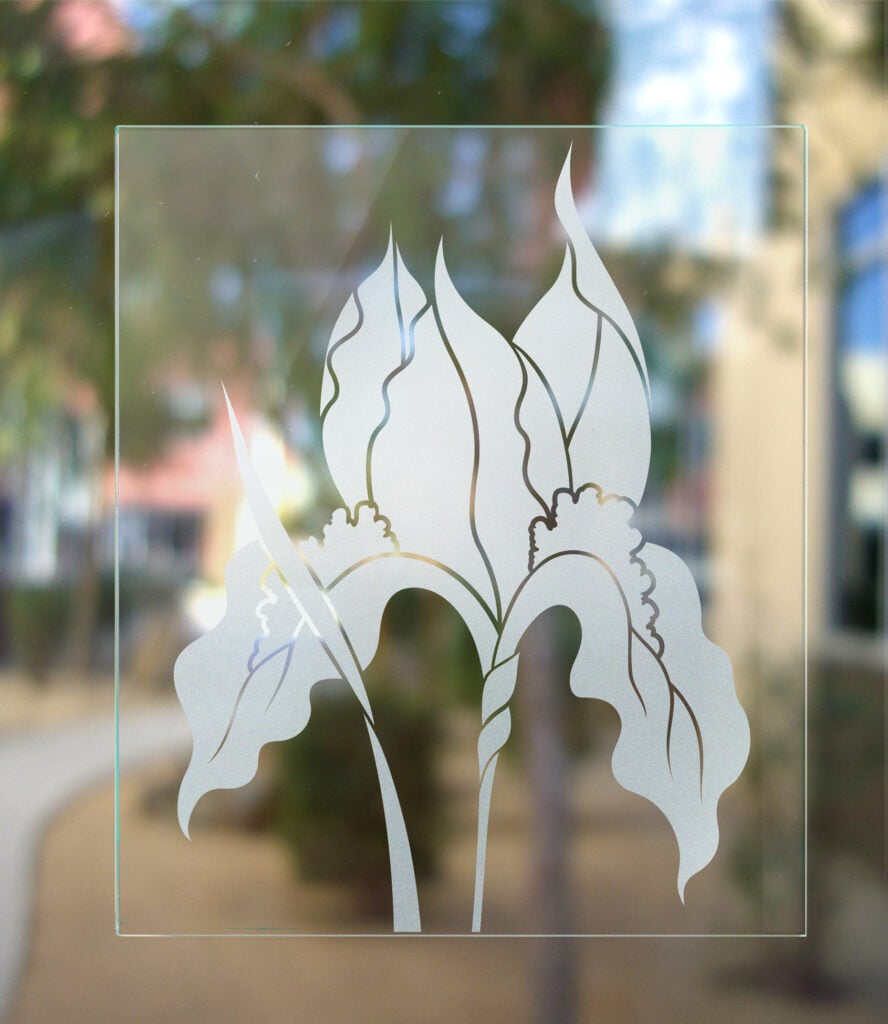
1D Effect Clear Glass Finish
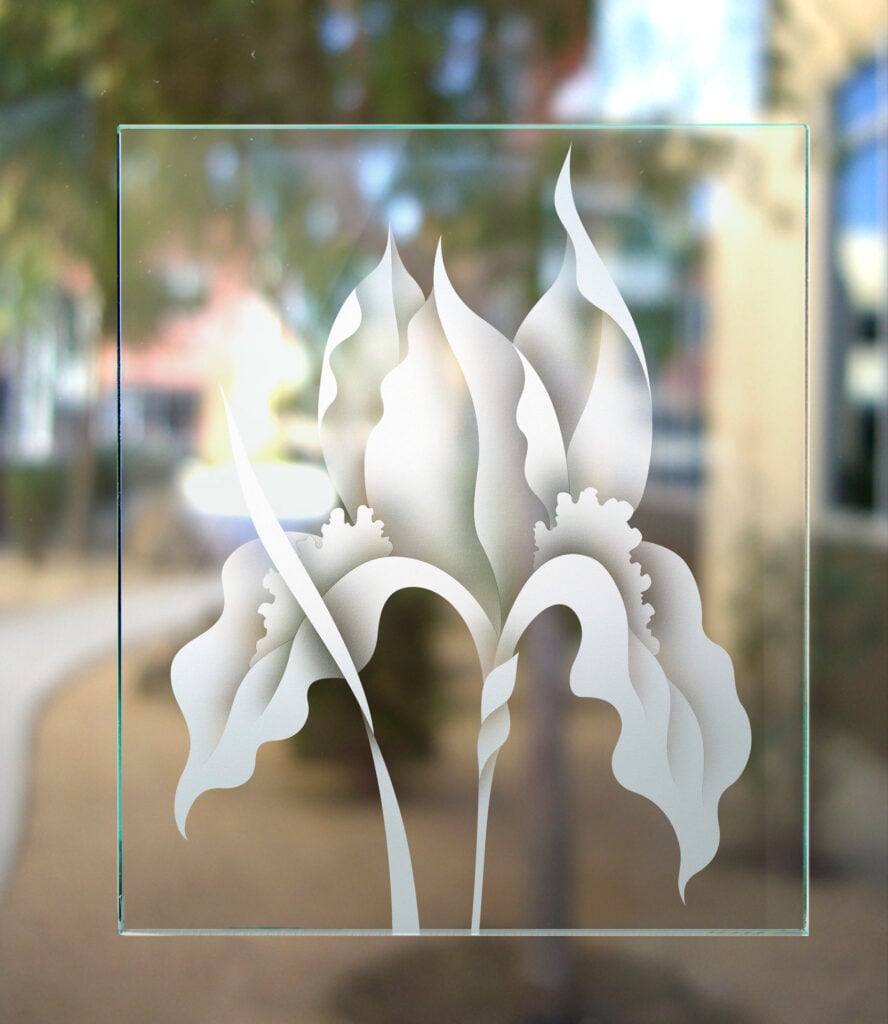
2D Effect Clear Glass Finish
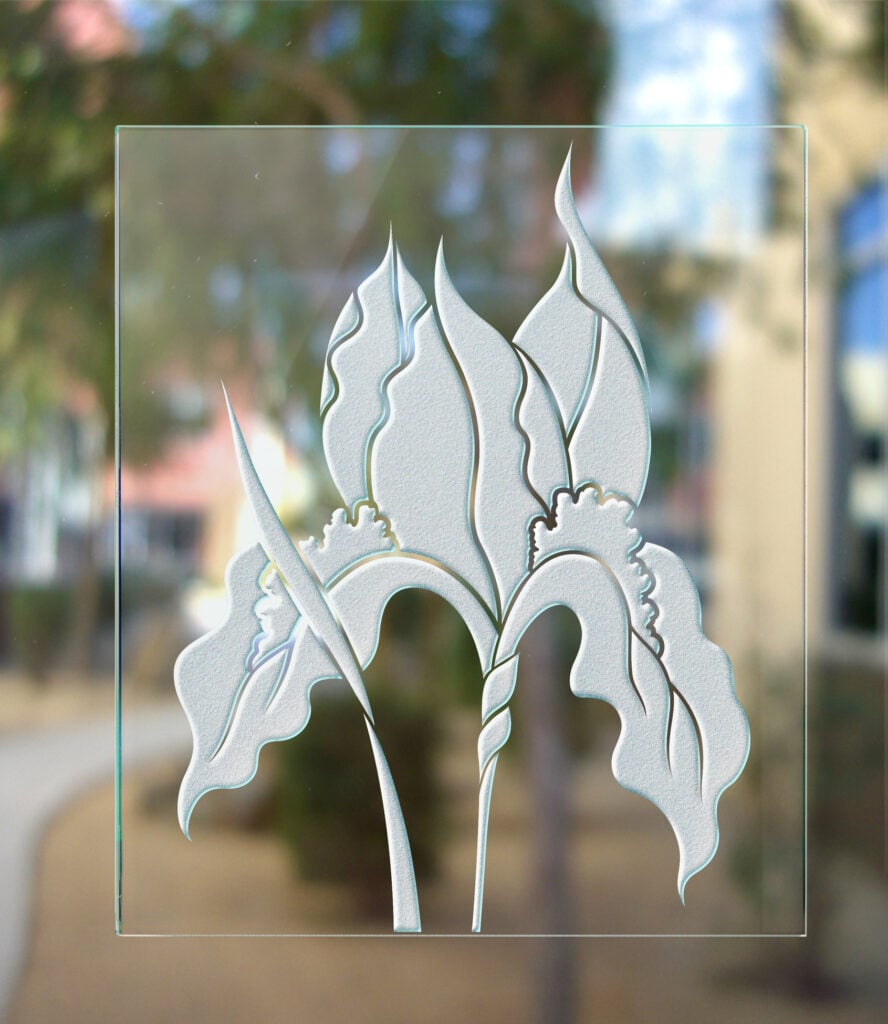
3D Effect (Solid) Clear Glass Finish
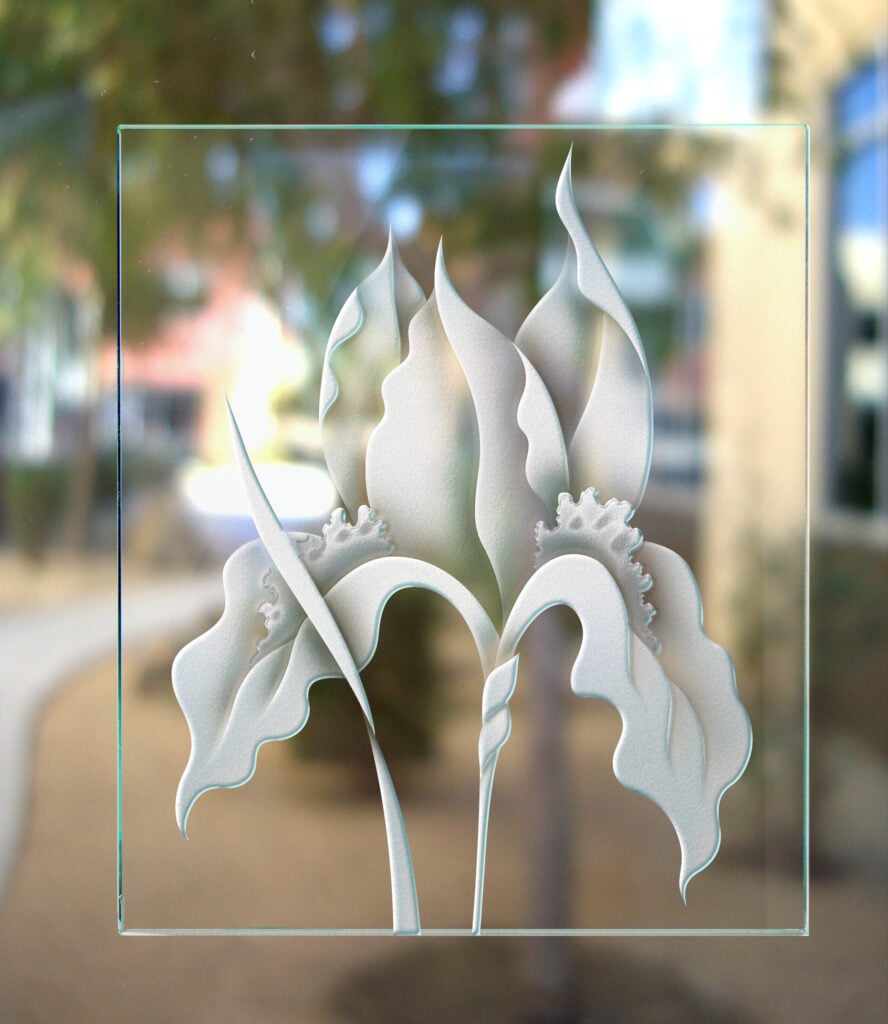
3D (Enhanced) Effect Clear Glass Finish
When it comes to customizing your door design once’ve selected your glass finish, we have 3 glass effects to choose from. They include: 1D, 2D, and 3D (solid and enhanced). These glass effects are hand sandblasted by our talented artisans, since our designs are never done with stencils. We can take any design and have it done 3 different ways. From simple and chic, to more detailed and luxurious you can the design you want and stay within your budget!
Energy Efficiency and Maintenance
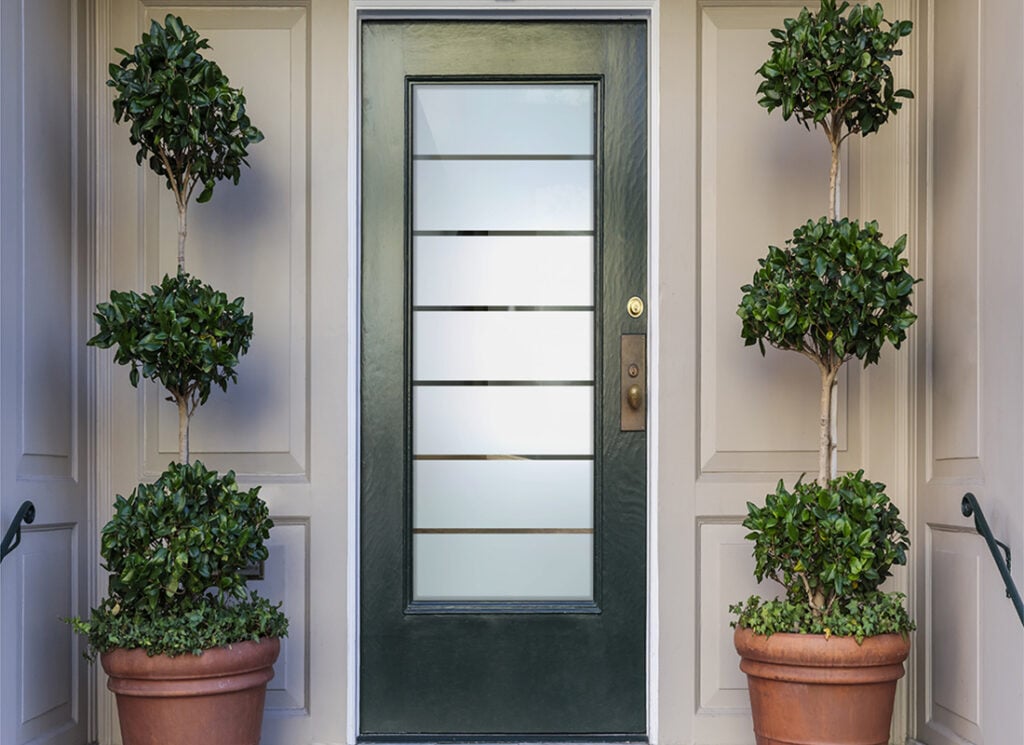
Modern glass doors come with insulation features that keep your home comfortable year-round, without compromising on aesthetics. And added bonus, when it comes to maintenance, each glass finish has its own needs, but with the right care, your door will continue to impress for years to come.
Slab vs. Prehung Retro Exterior Doors: Choosing the Right Glass Door
When you’re in the market for a new glass door, you’ll encounter two main types: slab and prehung. Slab doors, are essentially the door without any framing. They are ideal for the DIY enthusiast or for replacing an existing door without changing the frame. They offer the freedom to choose custom fittings and hardware to match your unique style.
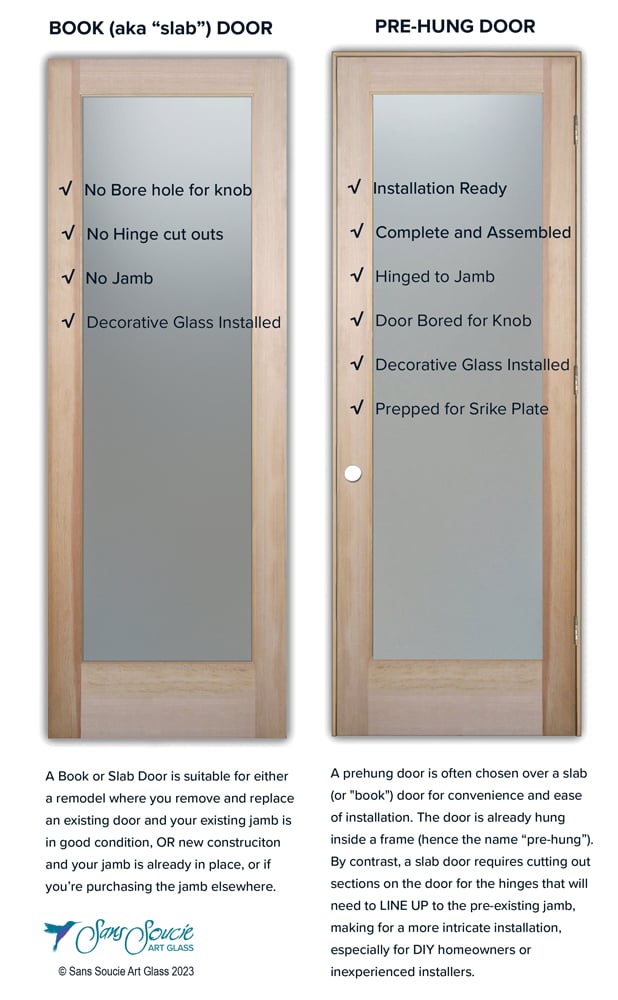
Prehung doors provide a complete solution with a frame, hinges, and sometimes pre-drilled holes, perfect for new installations or when upgrading from a compromised frame. At Sans Soucie, our selection includes both slab and prehung doors available in solid wood across 8 different wood species, primed options, or two types of fiberglass finishes. Every door we offer is SOLID—not hollow—ensuring durability and quality. Arriving unfinished, they’re ready for you to prep and personalize. With hinges available in nearly all popular metal finishes, matching your decor has never been easier. Whether you prefer the tailor-made approach of a slab or the convenience of a prehung door, we provide the quality materials you need to create a beautiful entrance.
Using Sidelights and Transoms to Elevate a Retro Front Door
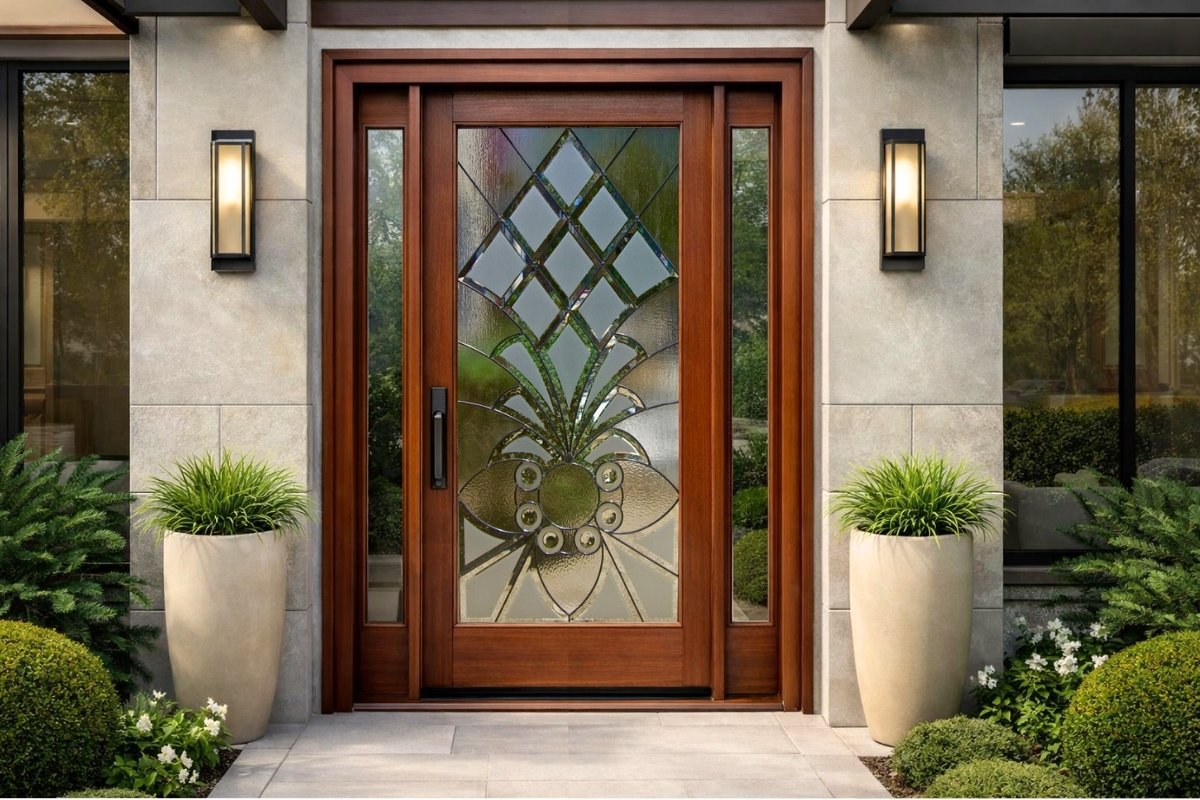
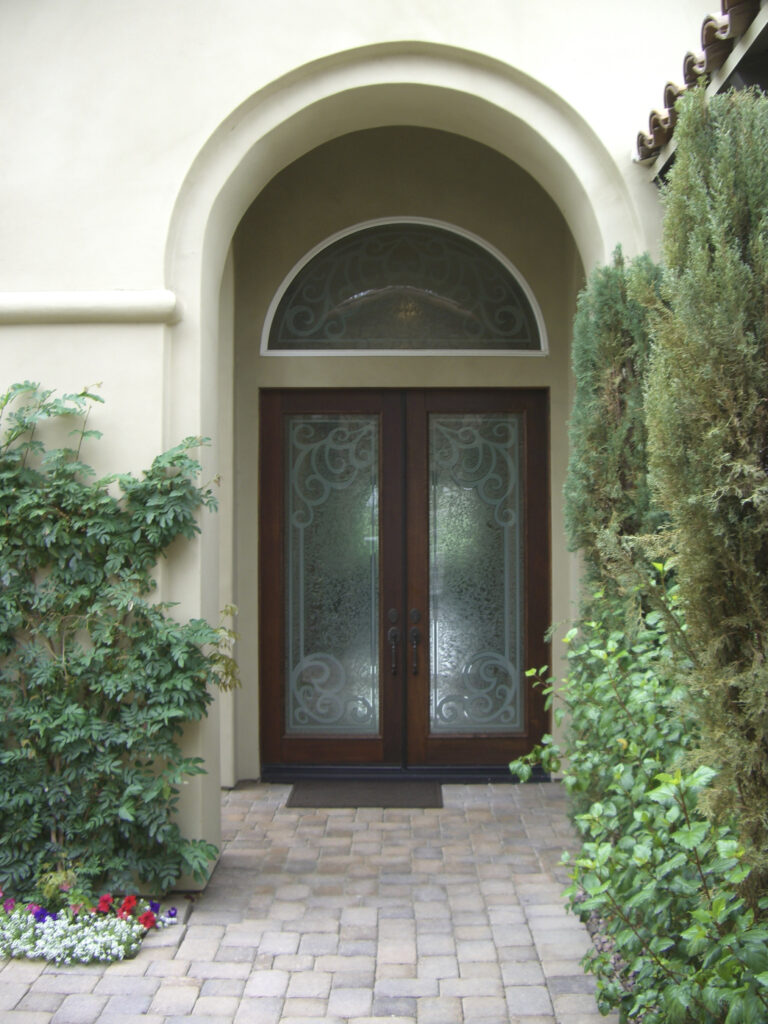
Architectural glass elements such as sidelights and a transom can significantly enhance the presence of a retro front door while staying true to period-inspired design.
- Sidelights: Vertical glass panels placed alongside a single door expand the visual width of the entry and allow additional natural light into the interior. When designed with matching frosted or patterned glass, sidelights reinforce symmetry and strengthen the retro aesthetic.
- Transoms: A transom window above the door emphasizes vertical proportion and adds architectural interest. In retro designs, transoms often feature simple geometric layouts that echo the door glass below.
- Design cohesion: Using the same glass finish and design language across the door, sidelights, and transom creates a unified look. This consistency helps transform a standard entry into a more intentional, design-forward focal point.
Together, sidelights and transoms elevate a retro front door from a single element into a complete architectural composition.
More Inspiration: Retro Front Door Design Ideas
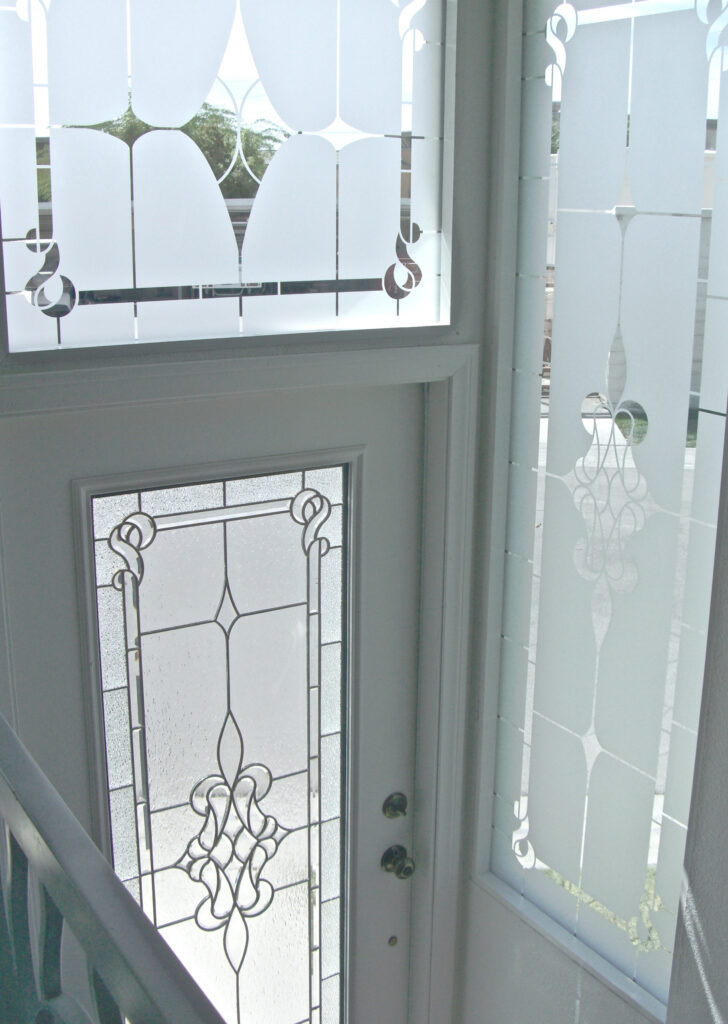
Looking for more inspiration for your home’s entrance? Dive into these stunning retro front door design ideas that combine style, functionality, and personality. From geometric patterning to innovative sandblast etching and carved glass, each door design offers unique features to elevate your exterior. Whether you love the idea of a frosted glass finish for added privacy level or prefer the elegance of a beveled edge, there’s something here for every taste and home.
Art-Deco & Retro Mid-Century Front Door Ideas You’ll Love
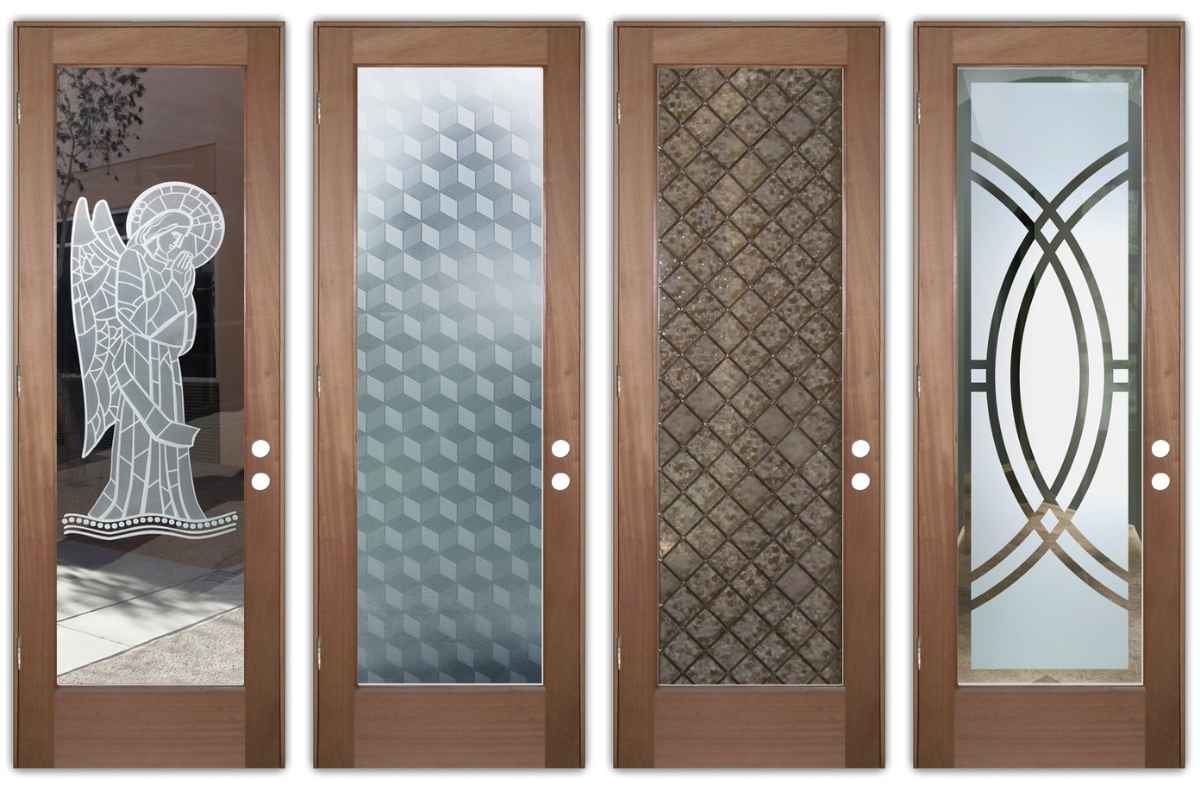
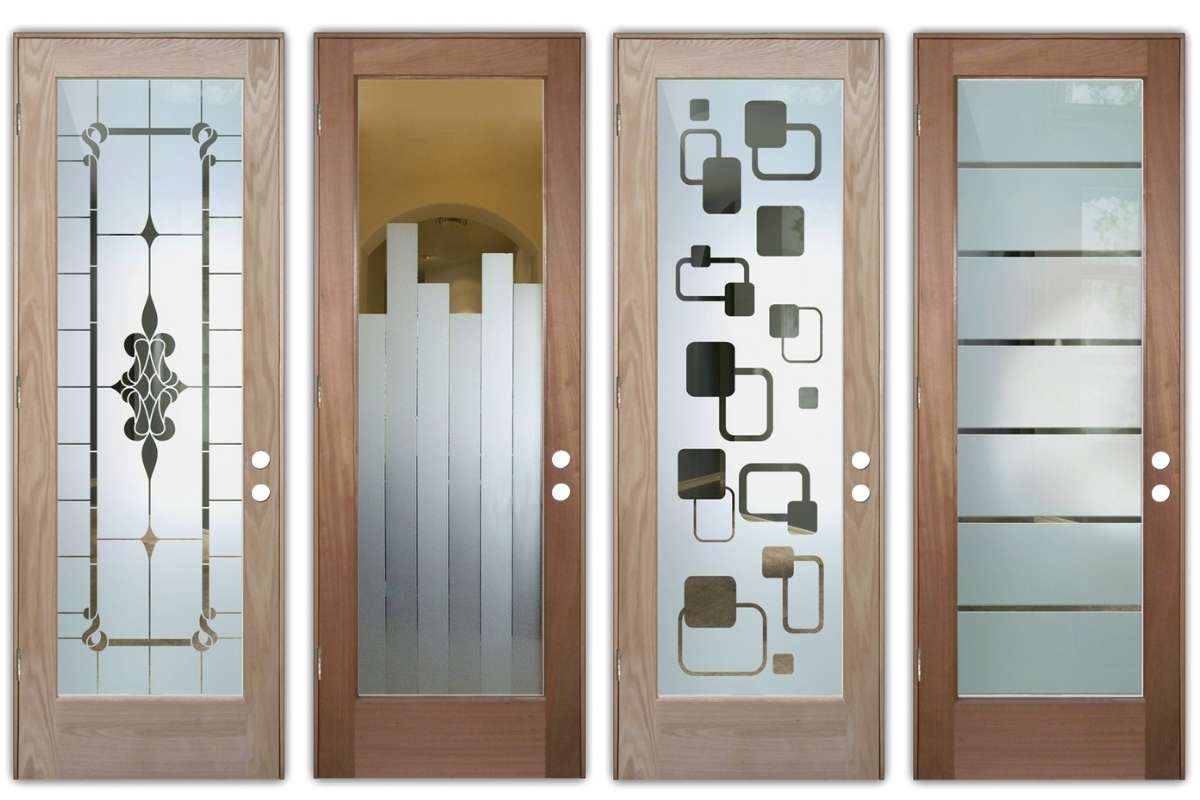
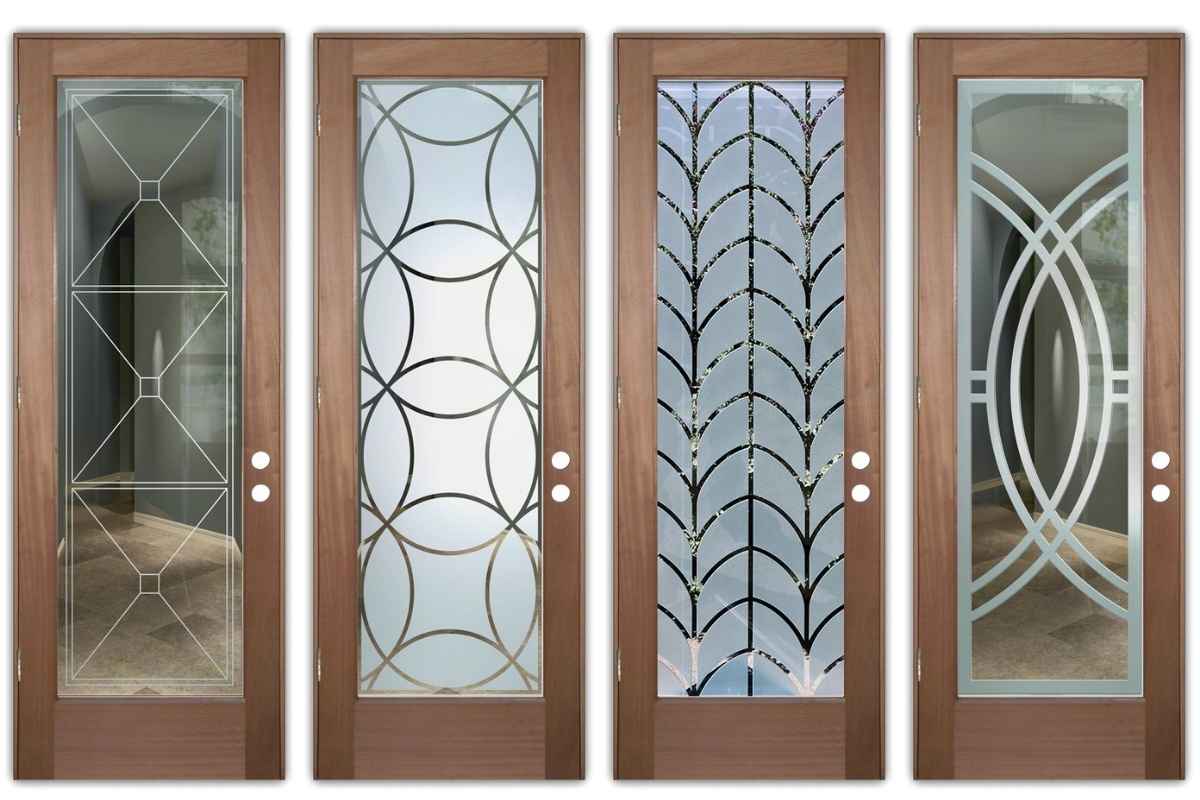


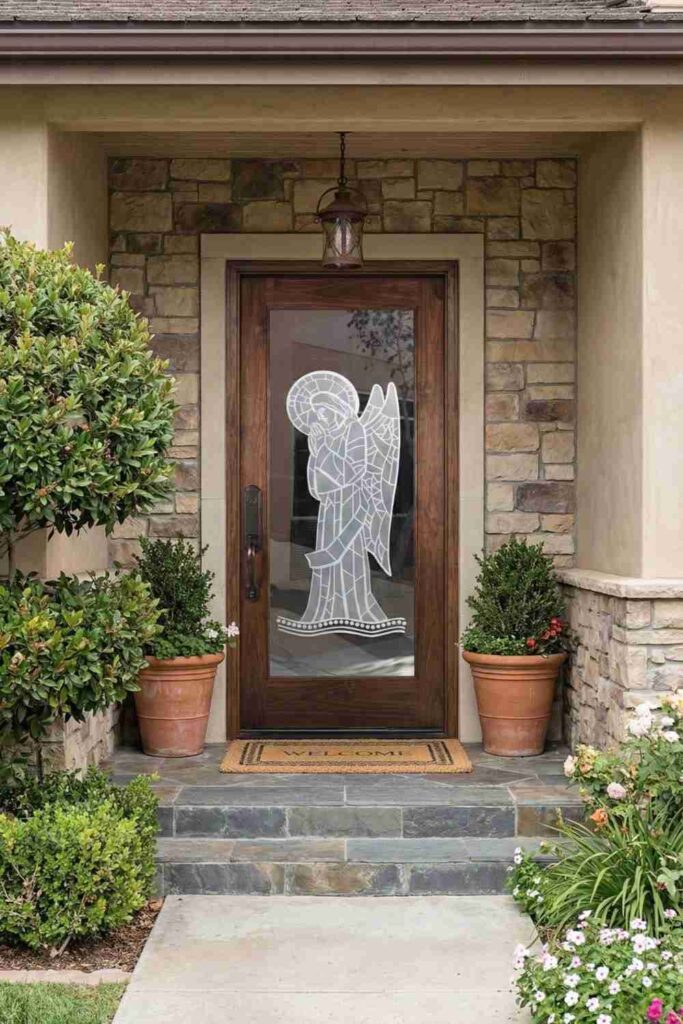
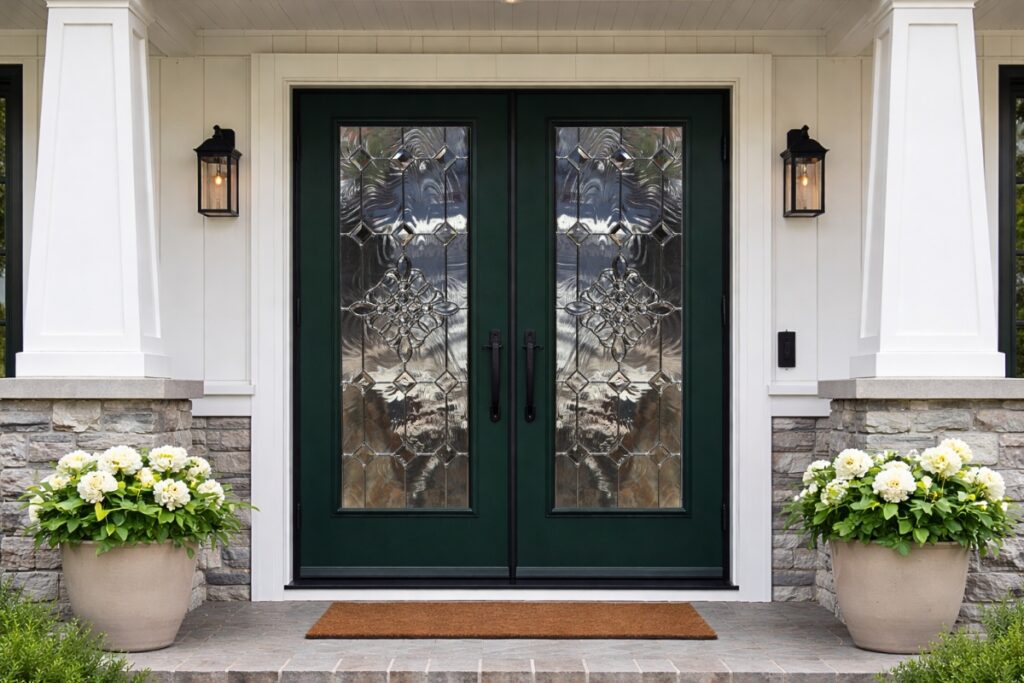
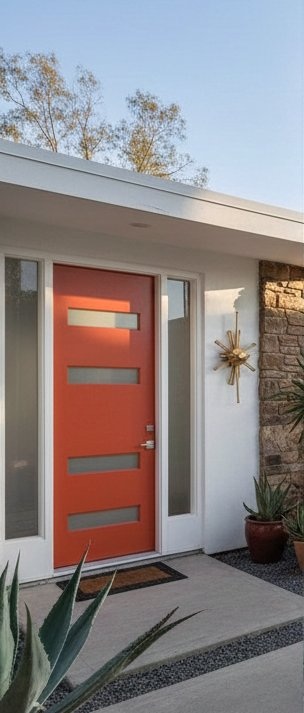
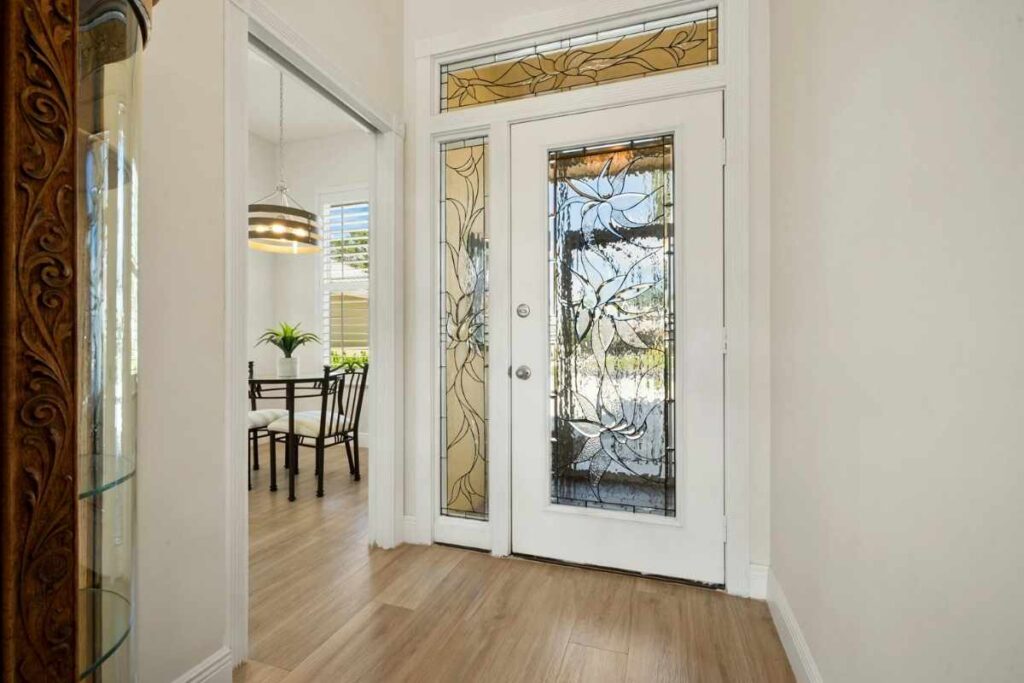
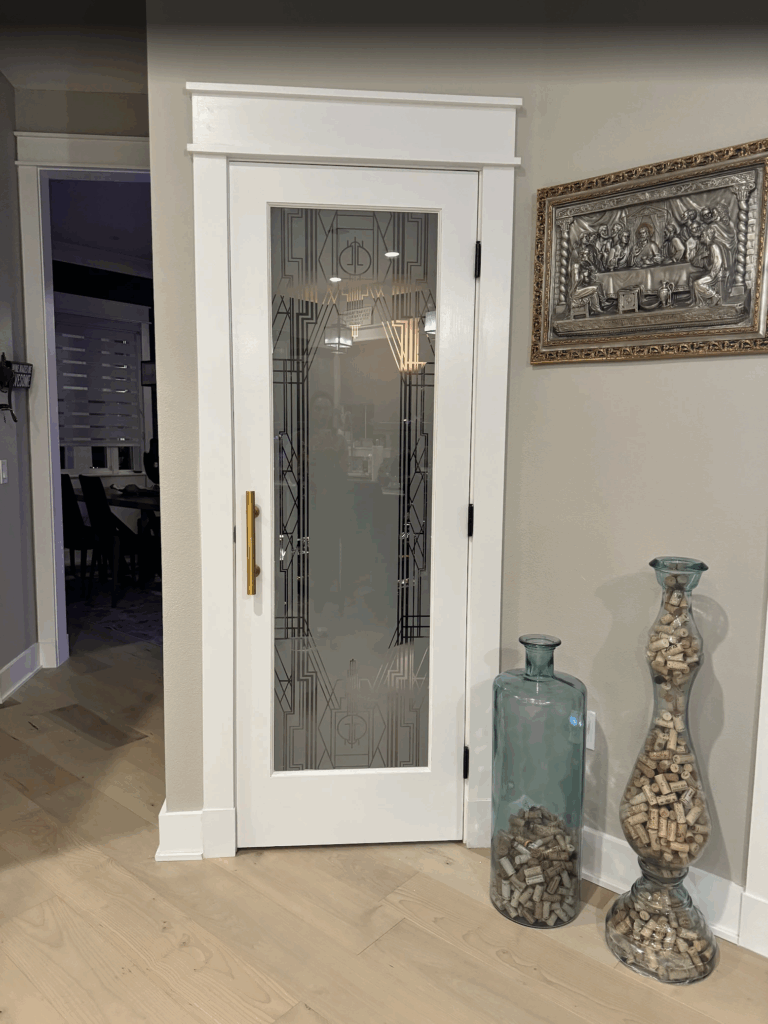
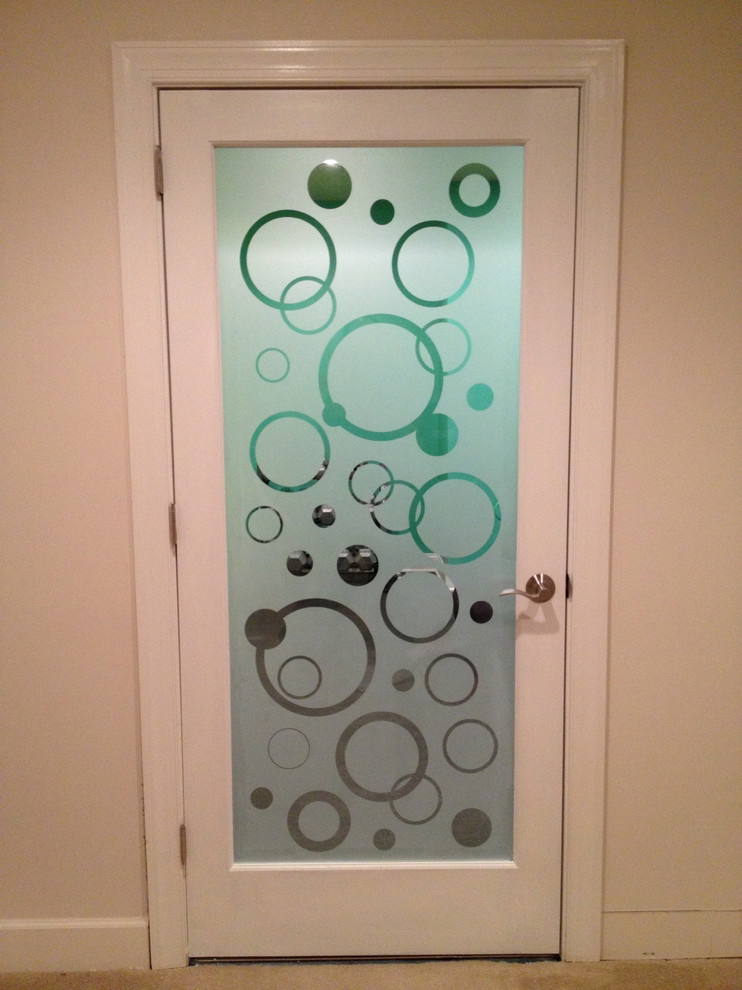
Ready to explore more? Search through our collection to find the perfect door, or purchase your favorite design today. Wait no longer to transform your entrance—add that perfect architectural proportion and modern touch with exterior-grade glass doors.
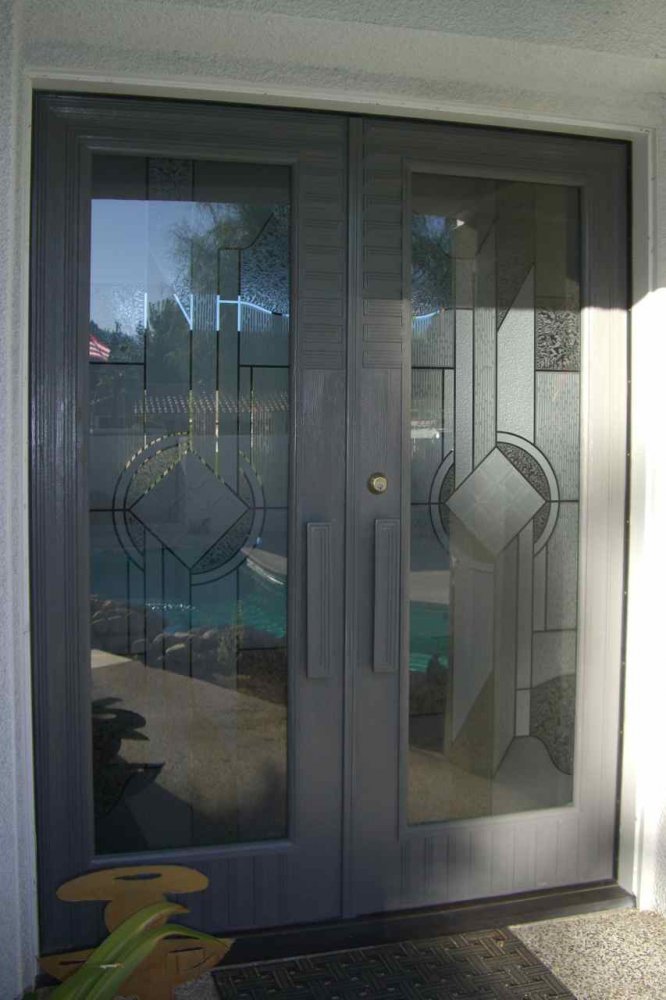
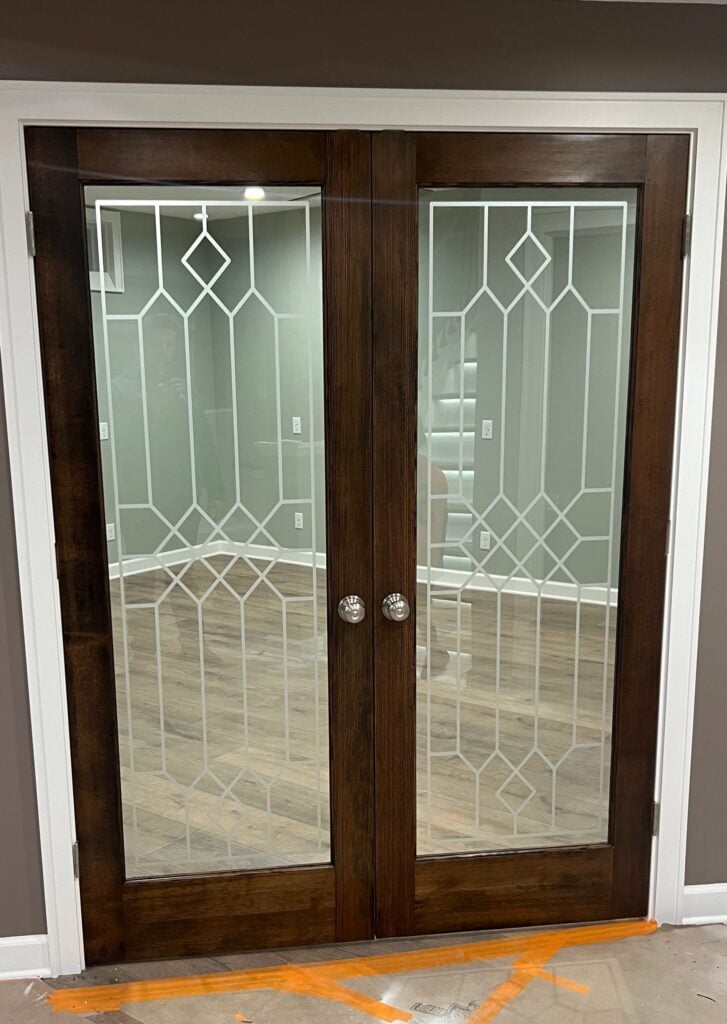
Here’s a handy list of the most popular retro glass finishes to consider: frosted glass for privacy, clear glass for openness, or gluechip glass for a bit of artistic flair. Each option brings its own unique advantages, allowing you to choose what works best for your home.


⁉️ Frequently Asked Questions
What are the best wood species for retro style front doors?
When selecting wood species for retro style front doors, popular choices include oak, mahogany, teak, and pine. These woods offer a mix of durability and aesthetic appeal that complements the clean lines and natural finishes typically associated with retro and mid-century modern design.
Is a Retro Frosted Glass Front Door Right for Your Project?
A retro frosted glass front door is a strong choice if you want vintage-inspired character with modern performance. It works especially well for remodels or new builds where you want privacy, natural light, and a distinctive design without using reclaimed or antique materials. This type of door balances style and practicality for long-term exterior use.
What makes a front door retro?
A front door is considered retro when its design is inspired by past eras—most commonly mid-century modern or Art Deco—while being newly manufactured. Retro doors feature clean lines, geometric glass patterns, balanced proportions, and minimal ornamentation. Details of retro style front doors are often subtle, allowing the overall form to take precedence.
Are retro front doors still in style?
Yes. Retro front doors remain popular because they feel timeless rather than trend-driven. Their emphasis on simplicity, geometry, and light aligns well with both contemporary and transitional architecture. It also complements coordinated indoor design elements such as furniture and finishes. Popular retro door styles include Mid-Century Modern, Victorian, Craftsman, and Cottage.
What is the difference between retro and vintage front doors?
Retro front doors are newly made doors inspired by historical styles. Vintage front doors are typically original doors from past decades that have been reclaimed or reused. Retro doors offer modern durability and sizing consistency, while vintage doors may require restoration or modification.
Do retro front doors work on modern homes?
Yes. Retro front doors pair especially well with modern homes because both styles emphasize clean lines and intentional design. Frosted glass helps set visual continuity between the exterior entry and modern indoor spaces.
What glass styles are used in mid-century entry doors?
Mid-century front doors commonly use frosted glass, patterned glass, beveled glass, or gluechip glass. Designs are usually geometric or linear rather than ornate, supporting clarity and balance. Designs may include muted tones such as blue or green for added visual interest. These glass styles provide a variety of privacy and light-control options.
Can a retro front door be custom designed?
Yes. Retro front doors can be fully customized, including glass pattern, privacy level, door size, wood species, glass finish, and hardware. Customization allows the retro style front doors to match both the home’s architecture and functional needs.
Are retro glass front doors energy efficient?
Modern retro glass front doors are built to current standards and can include insulated glass and solid door construction. When properly manufactured and installed, they offer good thermal performance for exterior use.
Should I choose a slab or prehung retro front door?
A slab door is ideal if you’re replacing an existing door and frame. A prehung door is better for new construction or when the existing frame is damaged or being replaced. Both options work well for retro designs.
Do sidelights work with retro front doors?
Yes. Sidelights complement retro front doors by adding symmetry, light, and architectural presence. When designed with matching glass patterns, they enhance the overall retro aesthetic rather than distracting from it.
What materials are best for retro style front doors?
Materials for retro doors include solid wood like oak and walnut, fiberglass, and aluminum-clad options. Solid wood and fiberglass are the most common materials. Oak or walnut align well with retro design, while fiberglass offers durability and low maintenance with a similar visual effect. Both materials support a wide variety of retro-inspired designs.
Conclusion
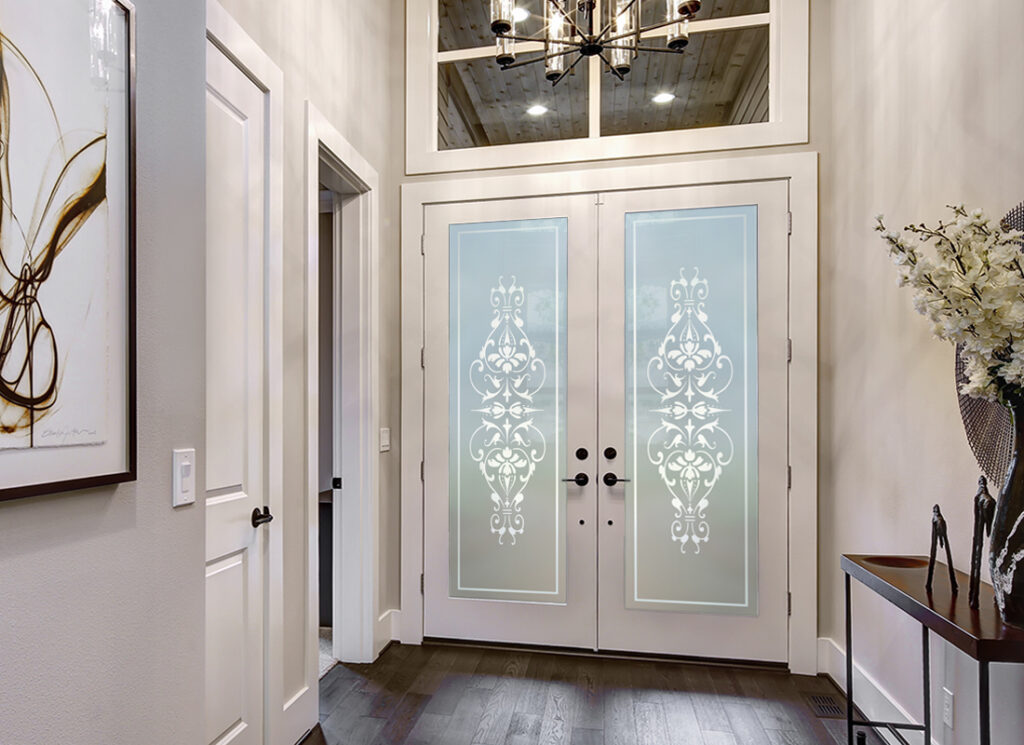
Retro frosted glass front doors are more than just an entryway; they’re a statement. They enhance curb appeal, offer personalized levels of privacy, and serve as a bridge between the charm of the past and the functionality of the present. So, why not make a bold move and let one of these doors redefine your home’s first impression?
Call to Action
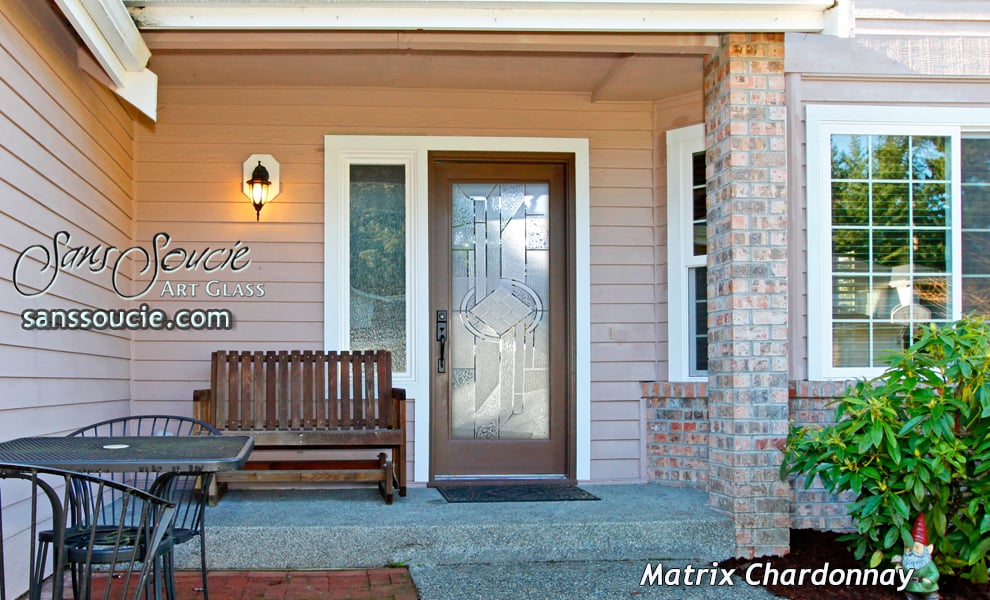
Feeling inspired? Dive deeper into design options and consult with our professionals to find the frosted glass entry door that perfectly matches your privacy needs and style preferences. It’s time to bring that retro charm to your modern home!
Remember, choosing a glass front door is about more than just aesthetics; it’s about crafting an inviting atmosphere. One that reflects your personal style while paying homage to the timeless appeal of retro design. Whether it’s the intricate patterns of stained glass, or the boldness of geometric patterns, your decorative glass entry door is your home’s handshake, welcoming the world with style and grace.
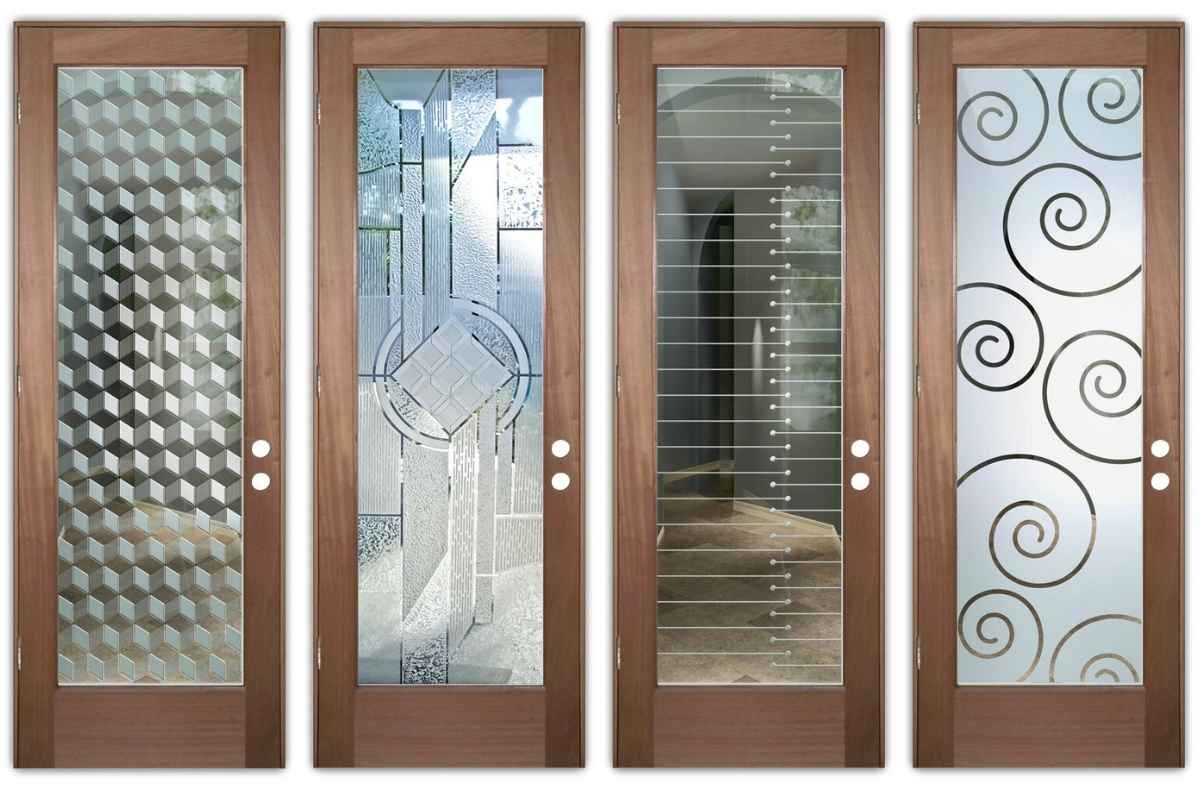
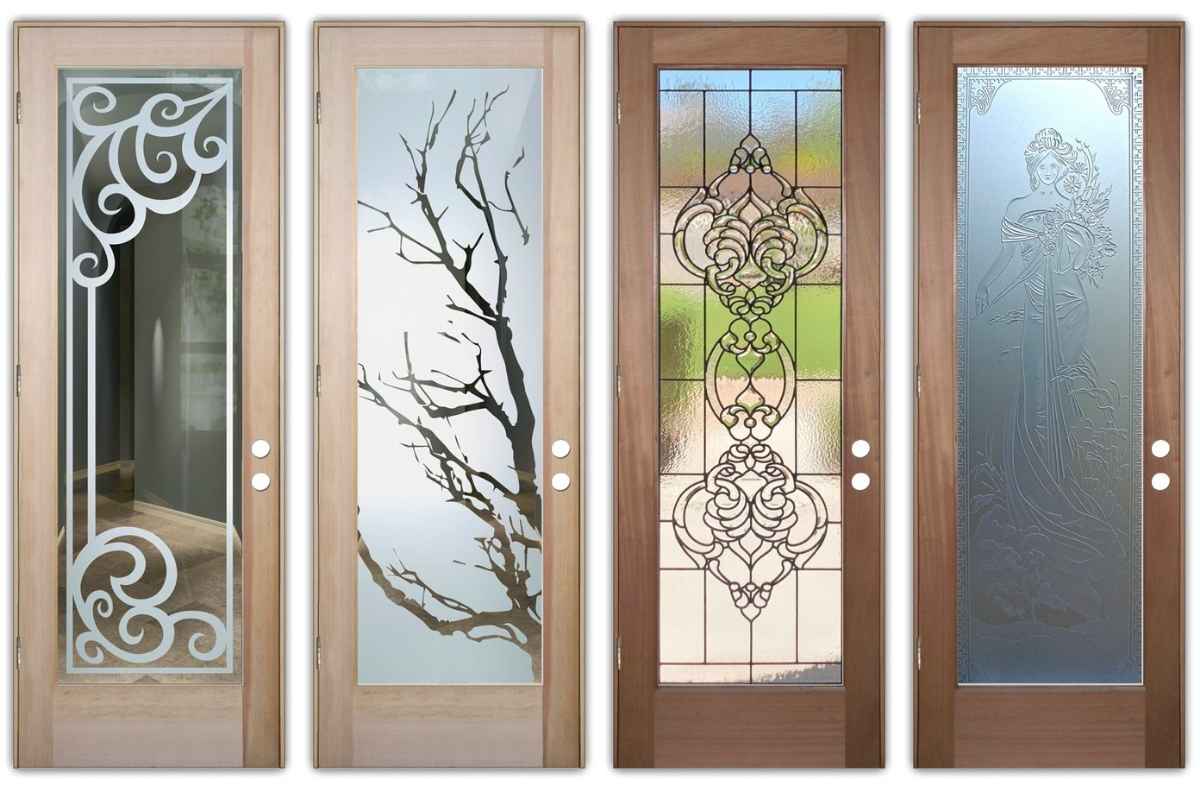
Want to learn how to choose the perfect retro frosted glass door? Our team is here to guide you through the design and customization process. Our glass designs are carefully crafted, offering you the option to screen out the outside world while still allowing light to filter in.
FREE SHIPPING ON MOST ORDERS

Sans Soucie Art Glass: Decorative, Custom & Frosted Glass Doors, Windows, Showers & Stained Glass Since 1976
Family-owned and operated since 1976, Sans Soucie Art Glass leads the industry in decorative glass and custom glass design — from sandblast frosted glass and carved glass to hand-painted and stained glass art — transforming ordinary glass into Works of Art Captured in Glass recognized worldwide.
Innovative Frosted Glass Door Designer Tool
In 2010, we invented and launched our Frosted Glass Pantry Door Designer – a fun, easy-to-use tool that makes it simple for anyone to design and customize not only pantry doors, but a wide range of frosted glass doors for every room.
Explore our Frosted Glass Doors Collection
Our custom frosted glass doors include a beautiful variety for every style and space:
- Pantry Doors
- Frosted Glass Interior Door
- Interior Doors with Frosted Glass
- Frosted Glass French Doors
- Frosted Glass Front Door
- Front Doors with Frosted Glass
- Interior Glass Doors
- Glass Barn Doors
- Frosted Glass Barn Door
- Sliding Glass Barn Door
- All Glass Doors Interior
- All Glass Front Doors
- Bathroom Doors with Frosted Glass
- Laundry Room Doors
- Wine Room Doors
If you already have a door, and only need the glass insert, we also offer:
- Frosted Glass for Interior Doors
- Door Glass Inserts for Front Doors
- Glass Panels for Pantry Doors
- Frosted Glass Inserts for Bathroom Doors
- Laundry Room Door Glass Inserts
- Glass Panels for Interior Wine Cellar Doors
Elegant Frosted Glass Throughout Your Home
While our frosted glass doors are a top choice, we also create stunning glass products for every area of your home, including:
- Frosted Glass Shower Doors
- Glass Shower Partition
- Frosted Glass Shower Panel
- Frosted Glass Showers
- Frosted Glass Windows
- Bathroom Window Frosted Glass
- Decorative Window Glass, Window Frosting
- Custom Glass Dining Table
- Custom Glass Coffee Table
- Glass Shelves, Custom Glass Shelves
- Hand Carved & Painted Mirrors
- Frosted Glass Signs, Etched Glass Signs
- Cabinet Door Glass Inserts, Frosted Glass Inserts for Cabinet Doors
- Glass Wall Art, Wall Art on Glass
Looking for Inspiration? Explore Our Galleries
Discover visual idea boards, style concepts, décor applications, real project photos, and helpful information in our expanding gallery collection:
- Custom Glass
- Custom Glass Edges
- Custom Mirror
- Decorative Glass
- Decorative Glass Doors
- Decorative Glass Front Doors
- Decorative Glass Interior Doors
- Decorative Glass Window
- Stained Glass
- Stained Glass Doors
- Stained Glass Front Doors
- Stained Glass Windows
Free Shipping. Expert Packing, Peace of Mind
With FREE SHIPPING on most orders and worldwide delivery from our studio in Palm Desert, California, every order is packed in-house by our expert glaziers using custom materials and proven methods — ensuring safe arrival with a damage rate of less than 1%!
Explore our complete frosted glass doors collection and find the perfect frosted glass door for your space. Have questions? Contact us today!
Copyright © 2025, Sans Soucie Art Glass. All rights reserved.