What Is Frosted Glass? (Simple Definition + Uses, Benefits & Design Options)
Frosted glass is one of the most popular solutions for adding privacy without sacrificing natural light. Whether used in doors, windows, or showers, frosted glass offers a clean, timeless look while serving a functional purpose.
What Is Frosted Glass? (Quick Answer)
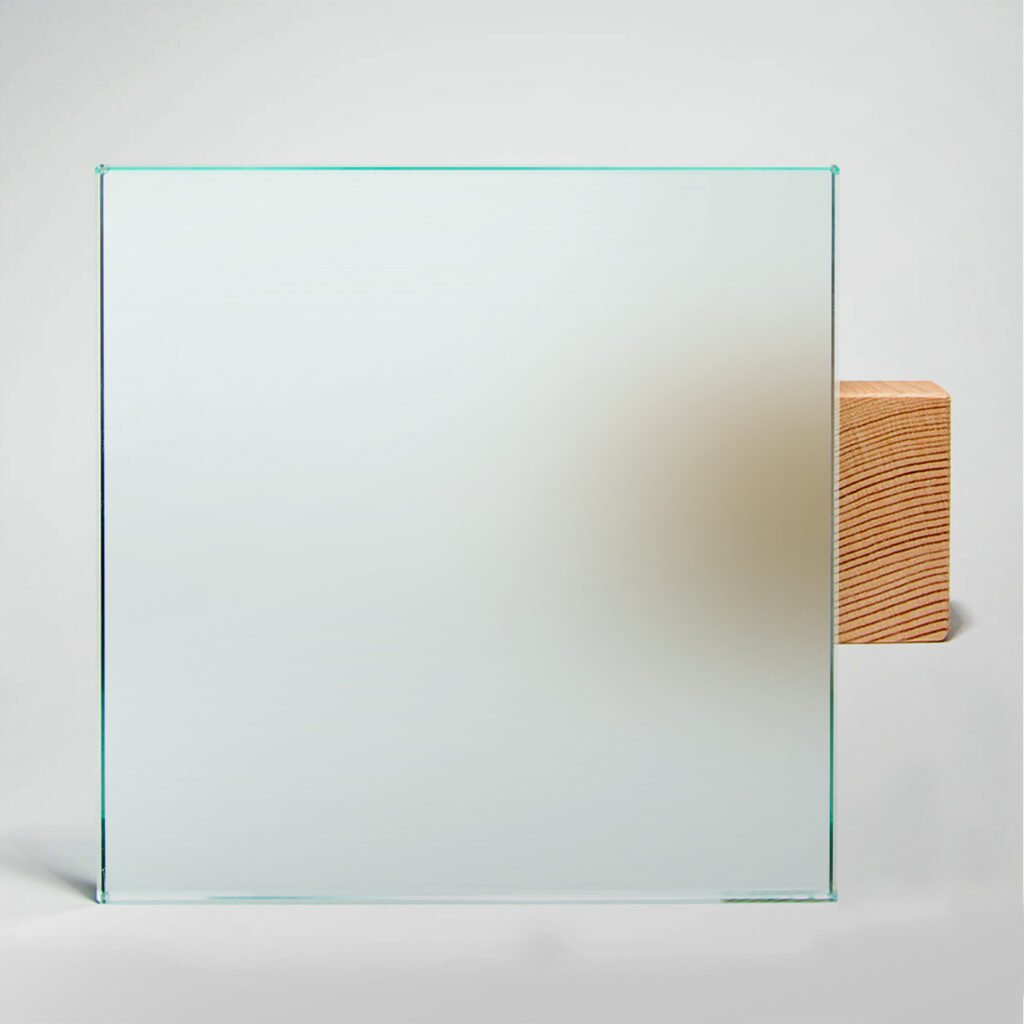
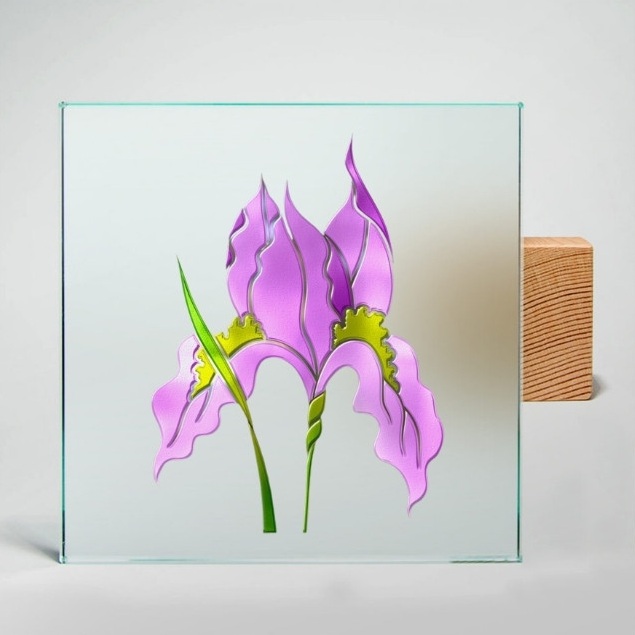
Frosted glass is glass that has been treated to produce a smooth or subtly textured, translucent surface that obscures visibility. Frosted glass allows light to pass through while preventing clear views, making it ideal for privacy.
This effect is typically created through sandblasting or acid etching, which alters the surface of the glass to diffuse light. The result is a soft, matte appearance that can range from fully opaque to partially transparent depending on the design.
Popular Uses for Frosted Glass
- Frosted glass for decorative purposes
- Frosted glass for enhanced privacy
- Frosted glass for light control
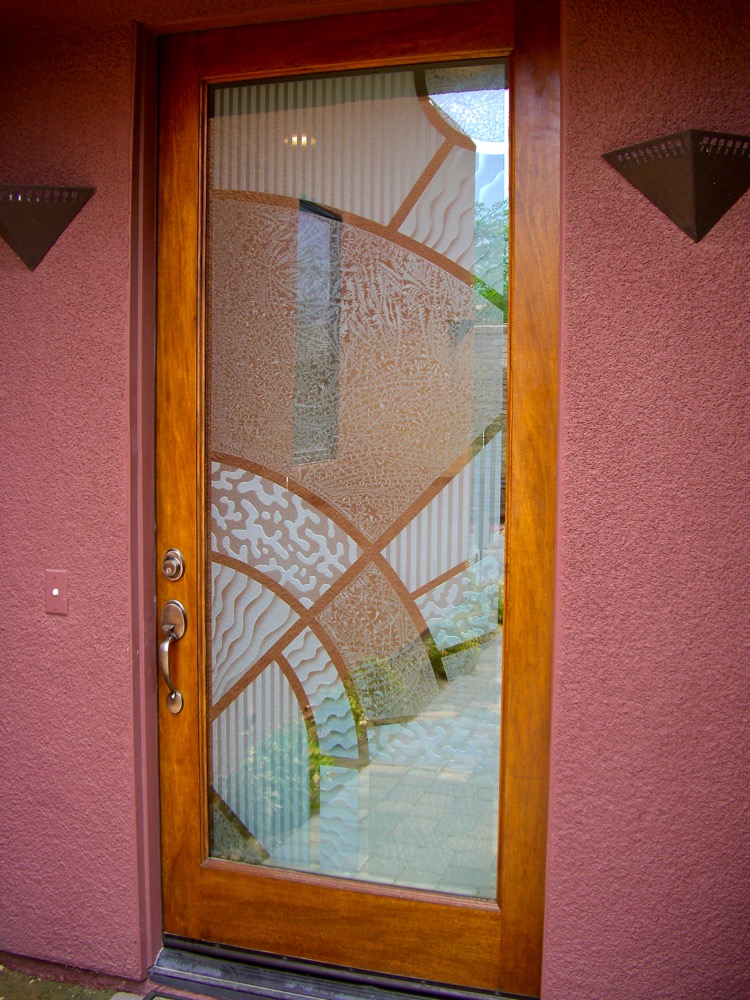
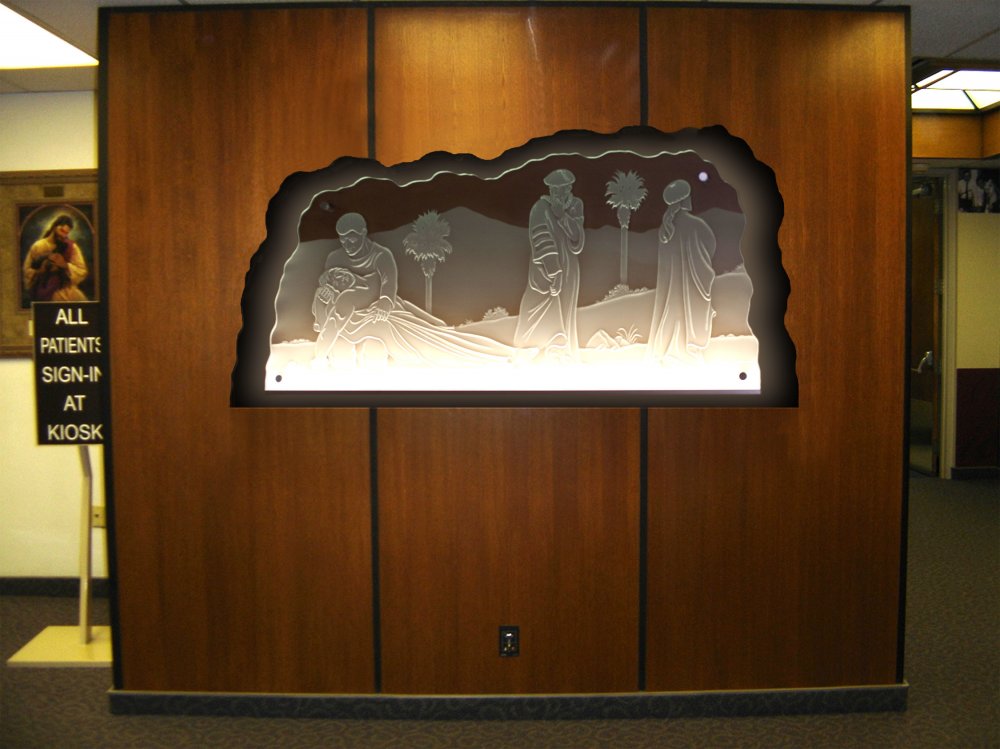
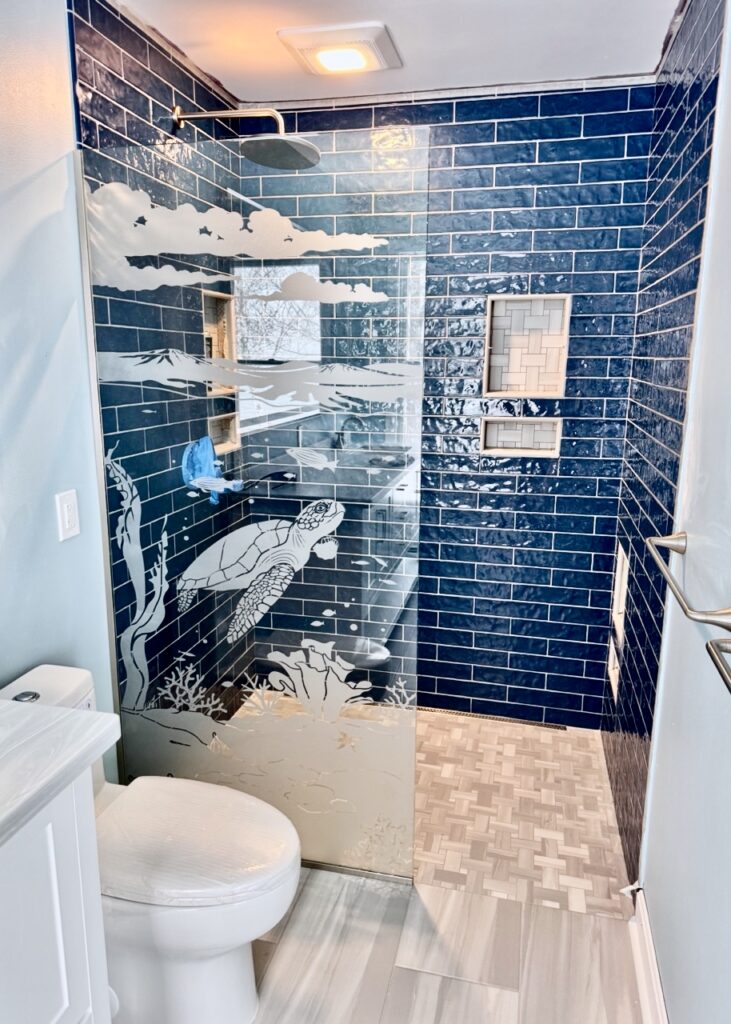
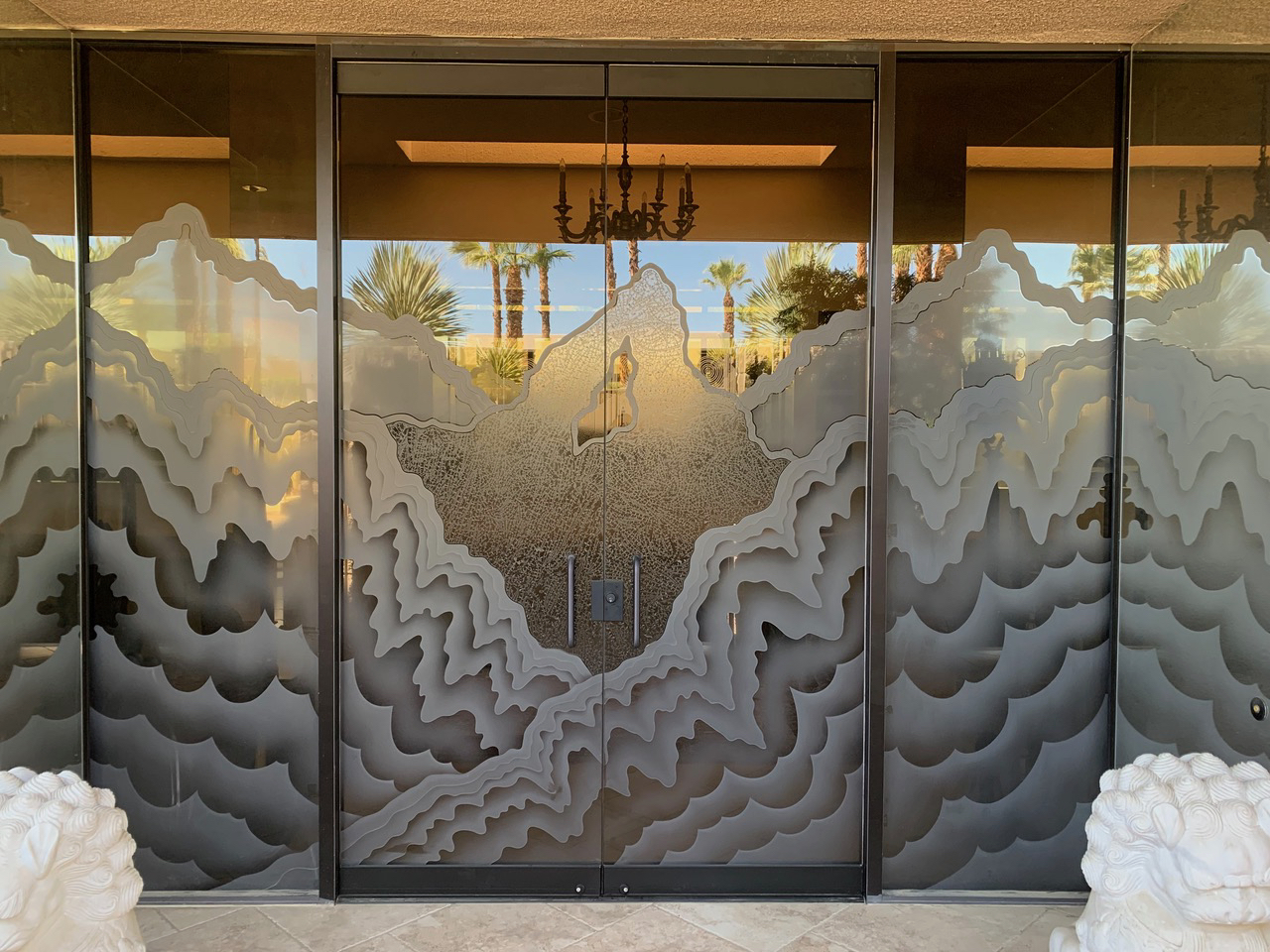
Stunning Frosted Glass for Decorative Purposes
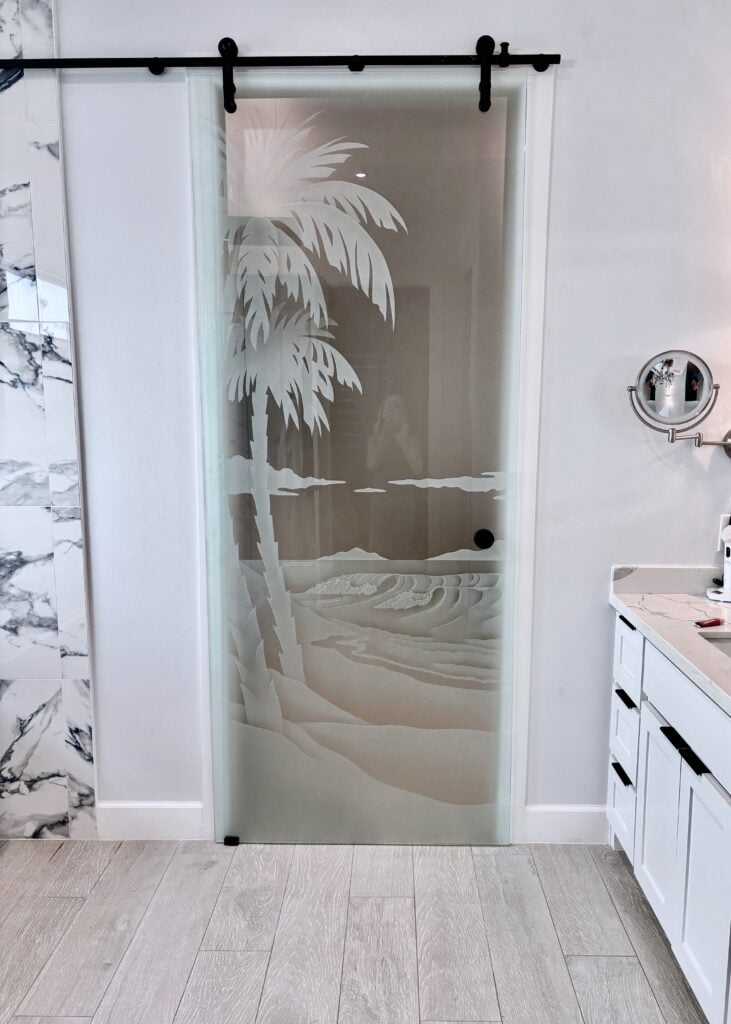
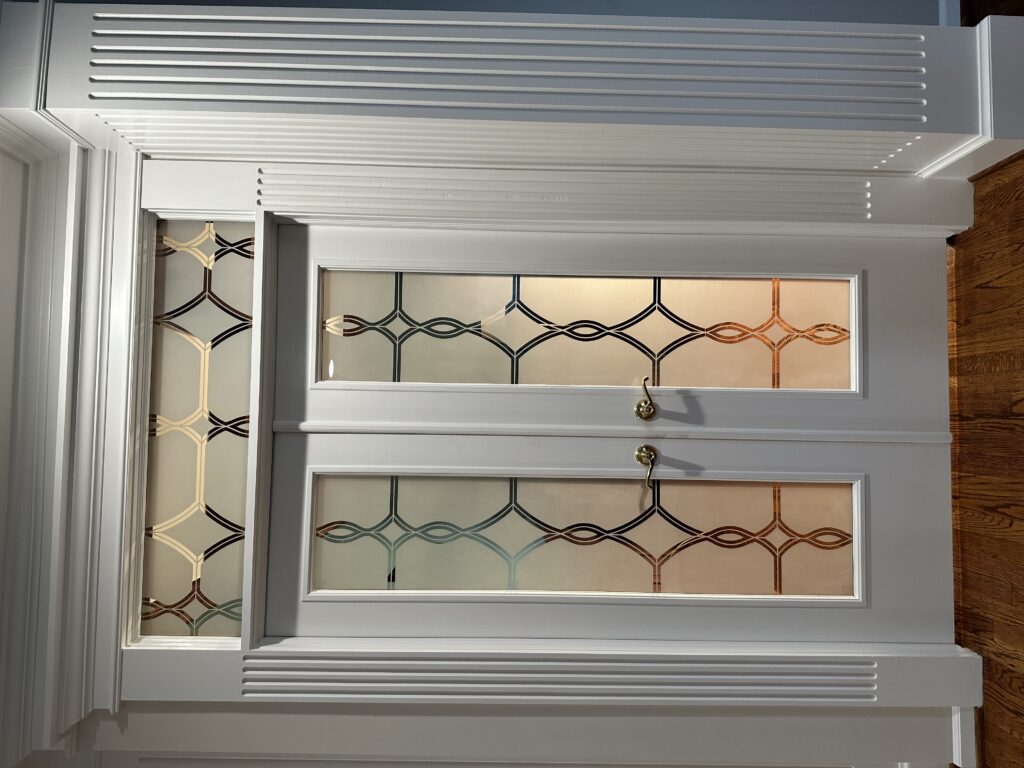
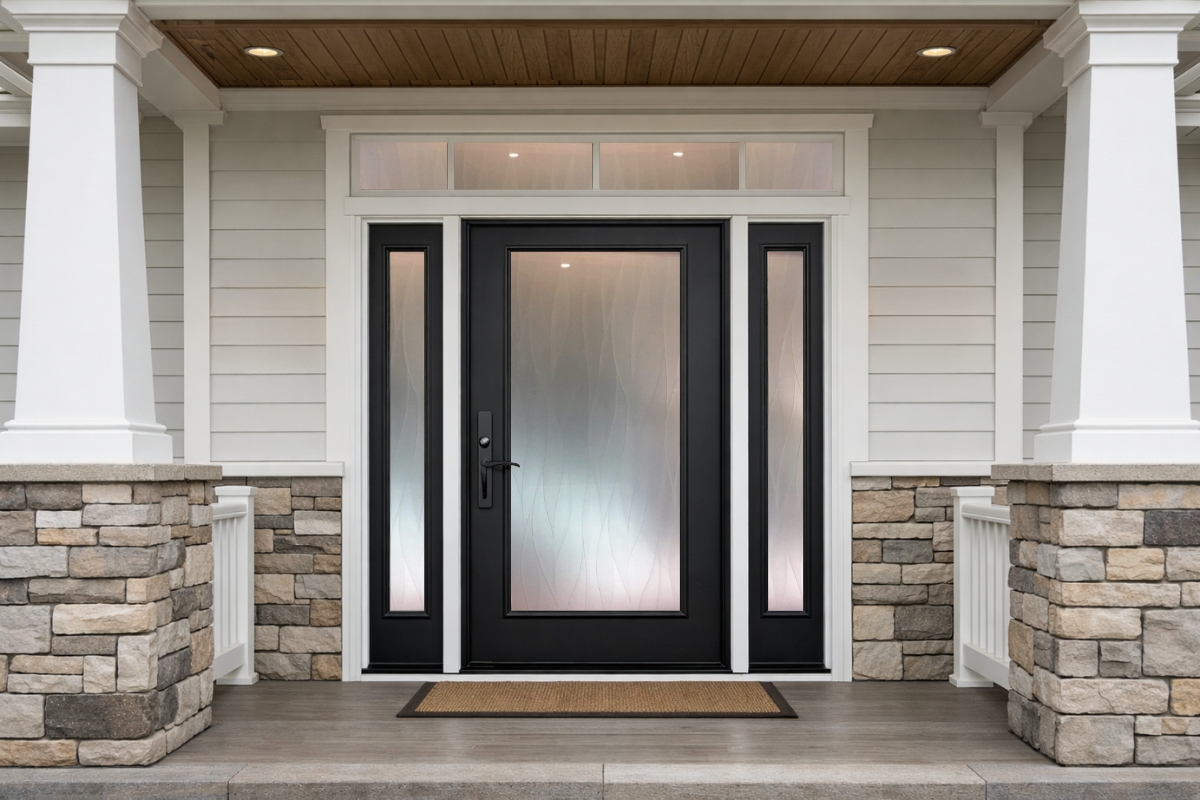
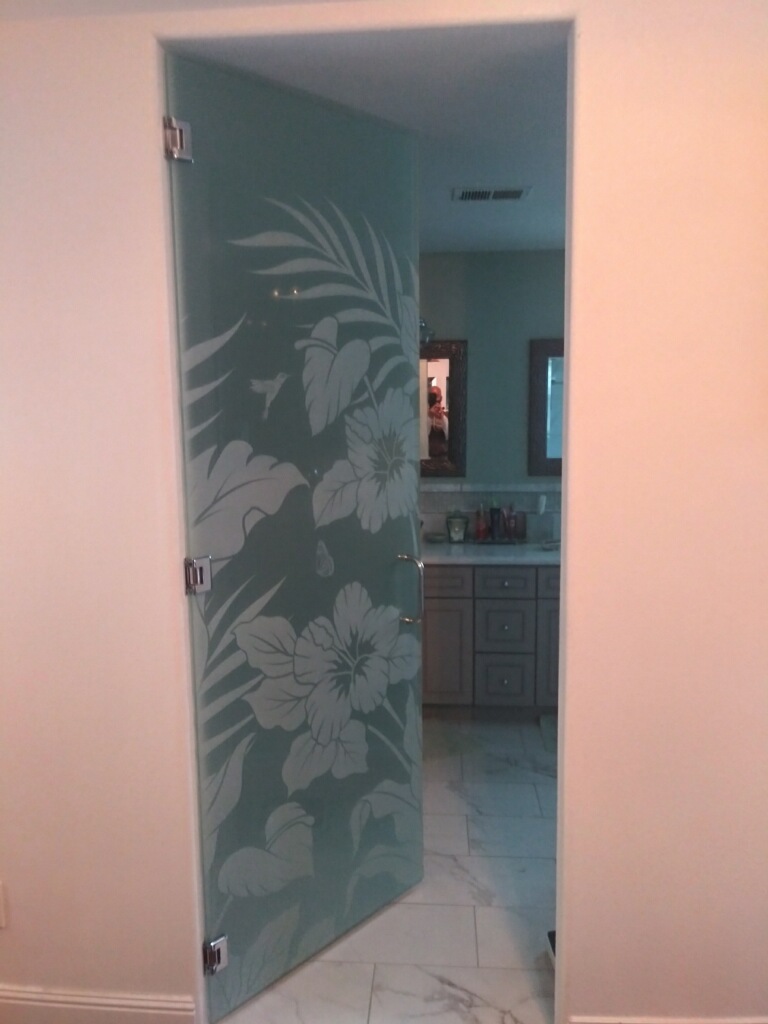
Frosted Glass for Enhanced Privacy



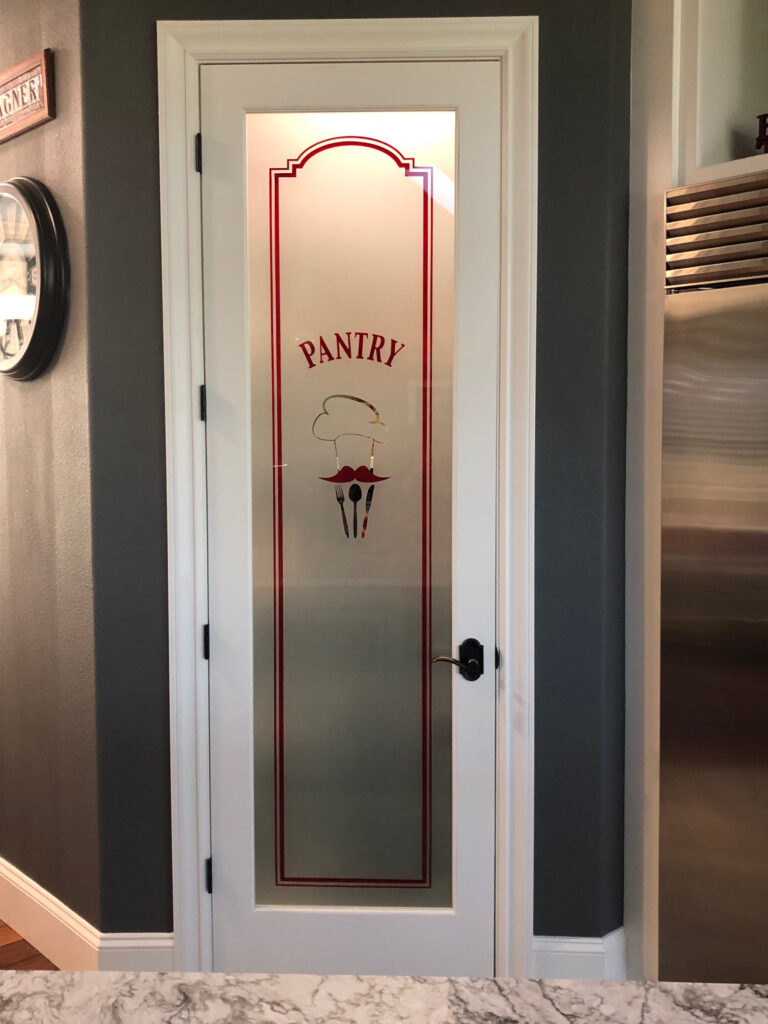
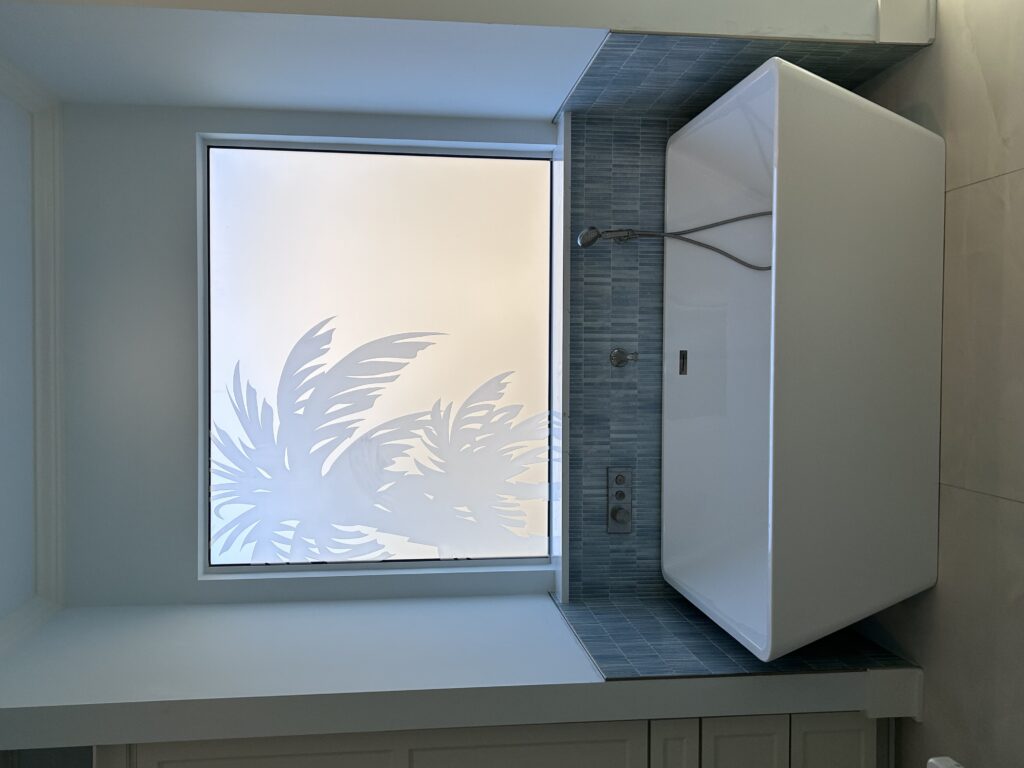
Frosted Glass for Light Transmission


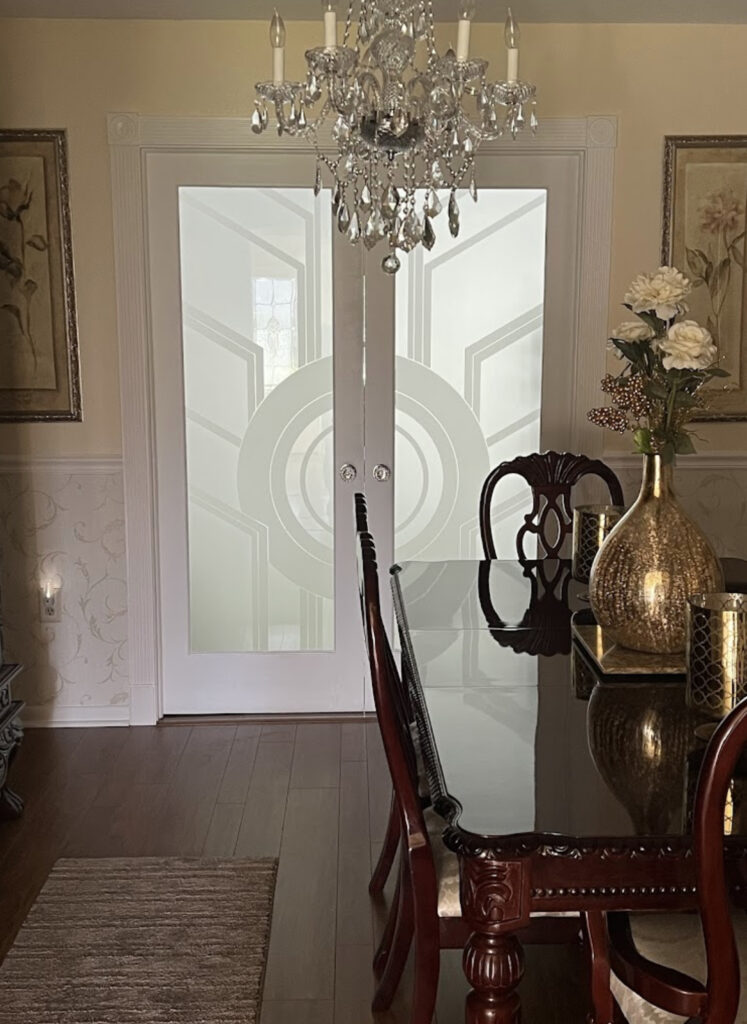
How Frosted Glass Works (Light, Texture & Visibility Explained)
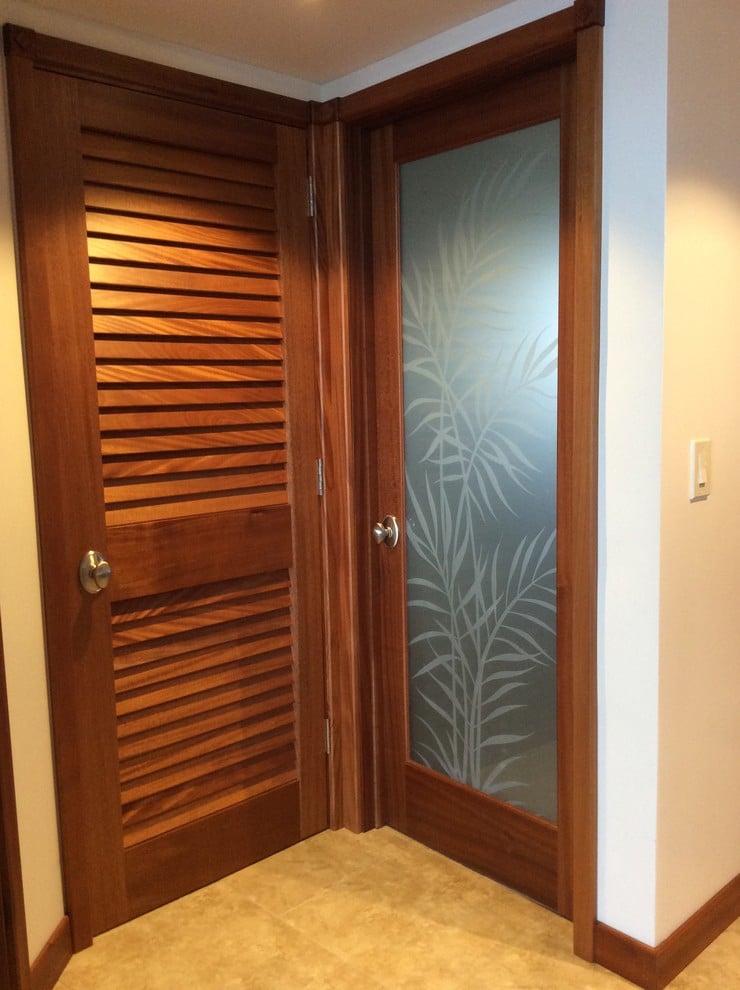

Why Frosted Glass Looks Blurry
Frosted glass appears “blurry” because its surface is microscopically textured. Instead of light passing straight through like clear glass, the texture scatters light in multiple directions, preventing clear images from forming.
Light Transmission vs Privacy
One of the key benefits of frosted glass is that it maintains brightness in a space while adding privacy. Light continues to flow through the glass, but details on the other side are obscured. The level of privacy depends on how heavily the glass is frosted.
Clear vs Frosted Areas (How Designs Affect Privacy)
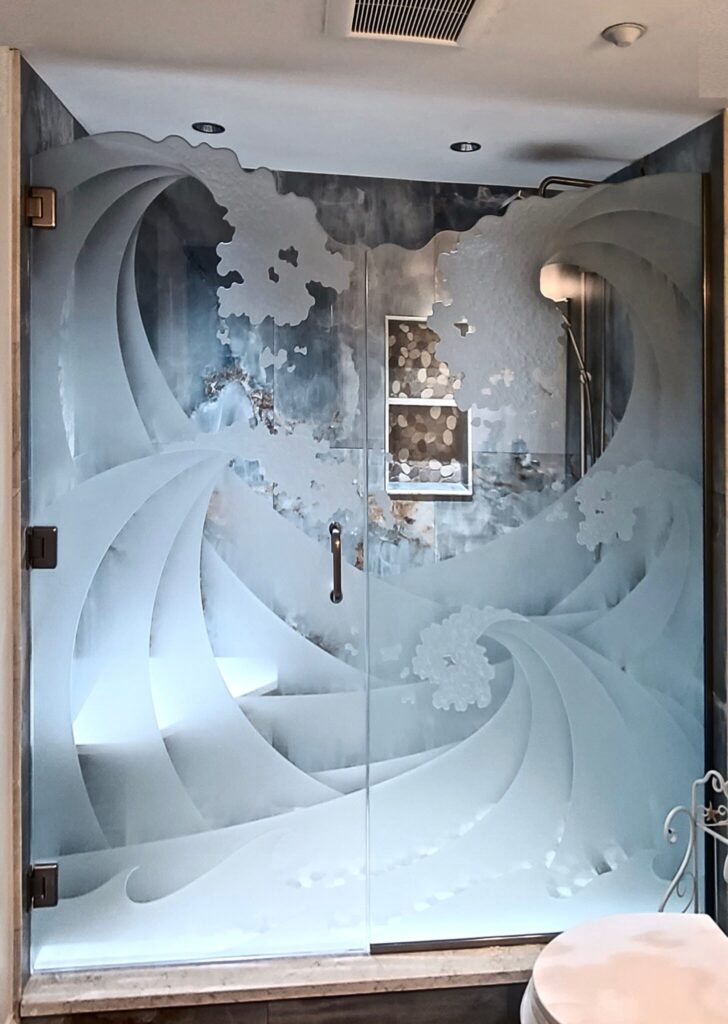
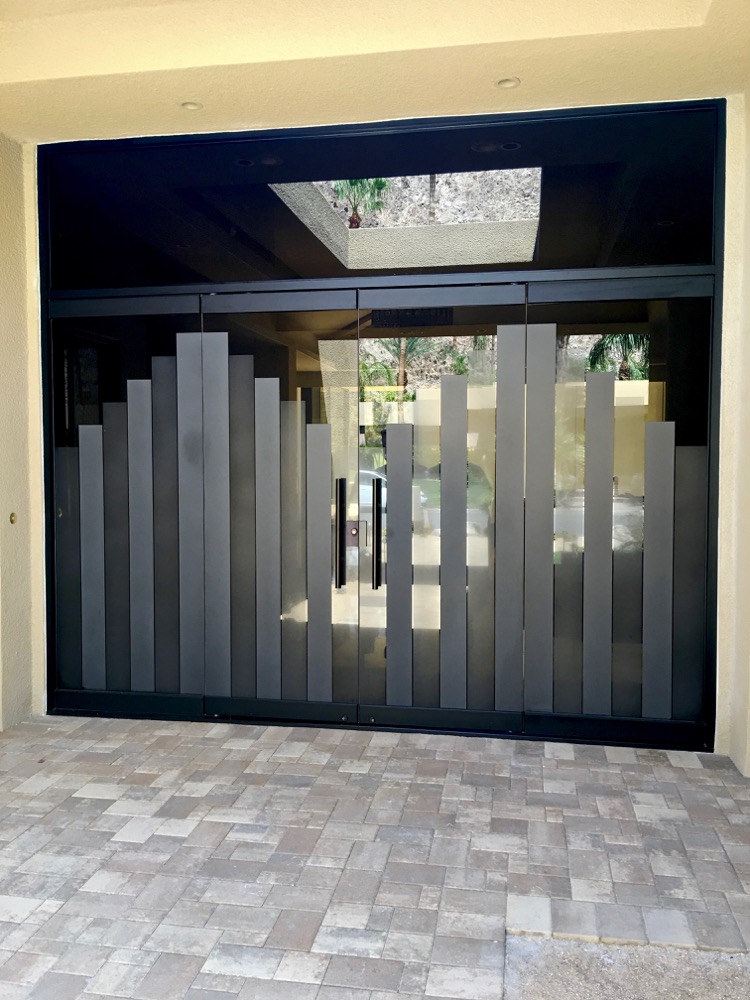
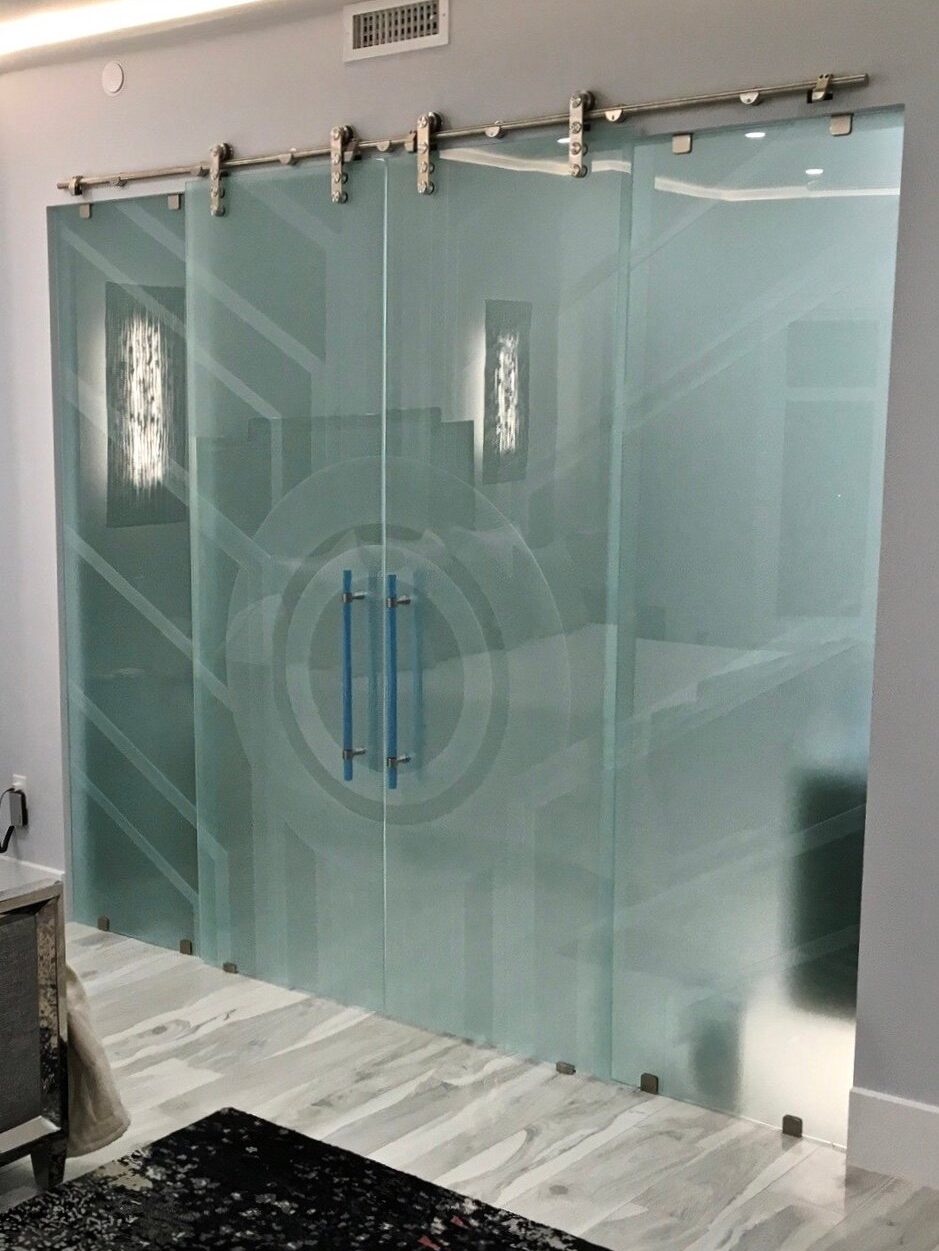
In decorative frosted glass, privacy can vary within the same piece. Frosted areas provide privacy, while clear sections remain transparent. These clear elements act like small windows within the design, allowing visibility in select areas and creating a dynamic balance between privacy and openness.
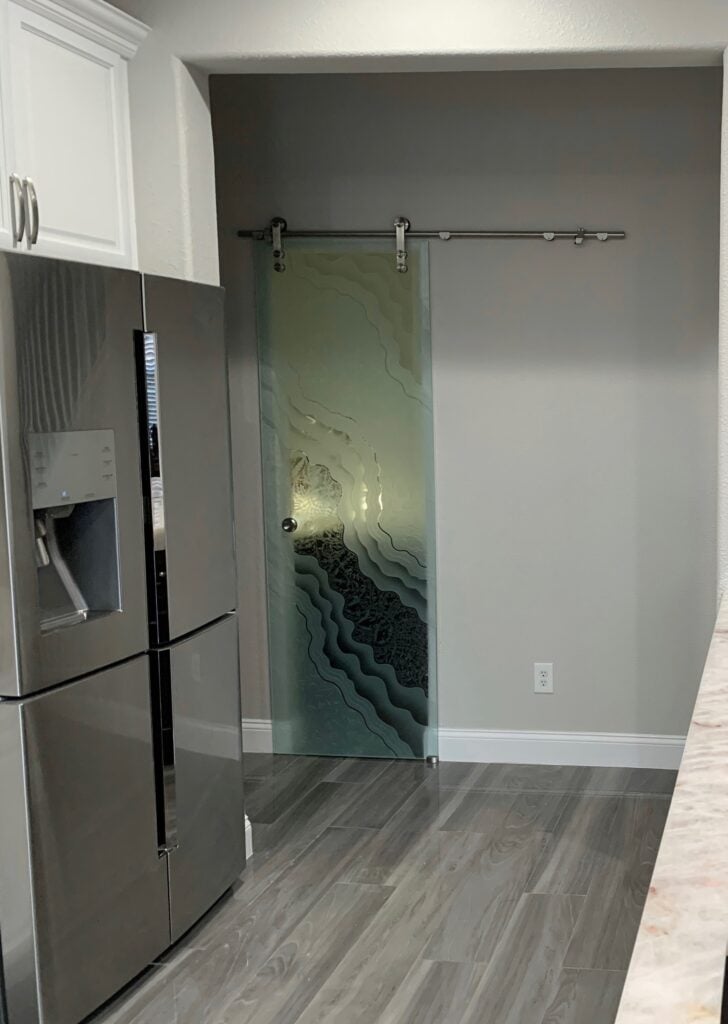
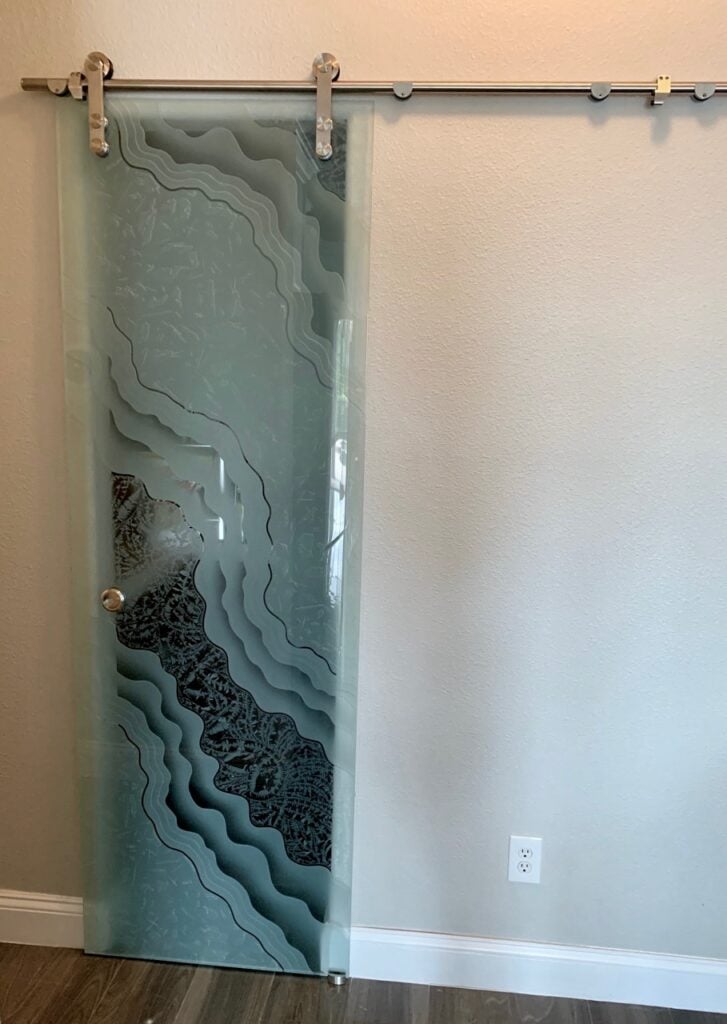
How Frosted Glass Is Made
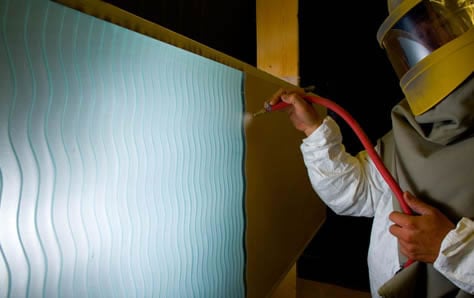
Sandblasted Frosted Glass
Sandblasting is one of the most common methods used to create frosted glass. A high-pressure stream of abrasive material is applied to the surface, permanently etching it to produce a frosted appearance. This method allows for a wide range of effects, from light surface frosting to deep, dimensional carving, making it ideal for both simple privacy glass and highly detailed designs.
Acid-Etched Frosted Glass
Acid etching uses a chemical process to create a smooth, uniform frosted finish. Unlike sandblasting, which can add texture and depth, acid-etched glass typically has a more consistent, satin-like appearance. It’s often used when a clean, even look is desired across the entire surface.
Decorative & Custom Techniques
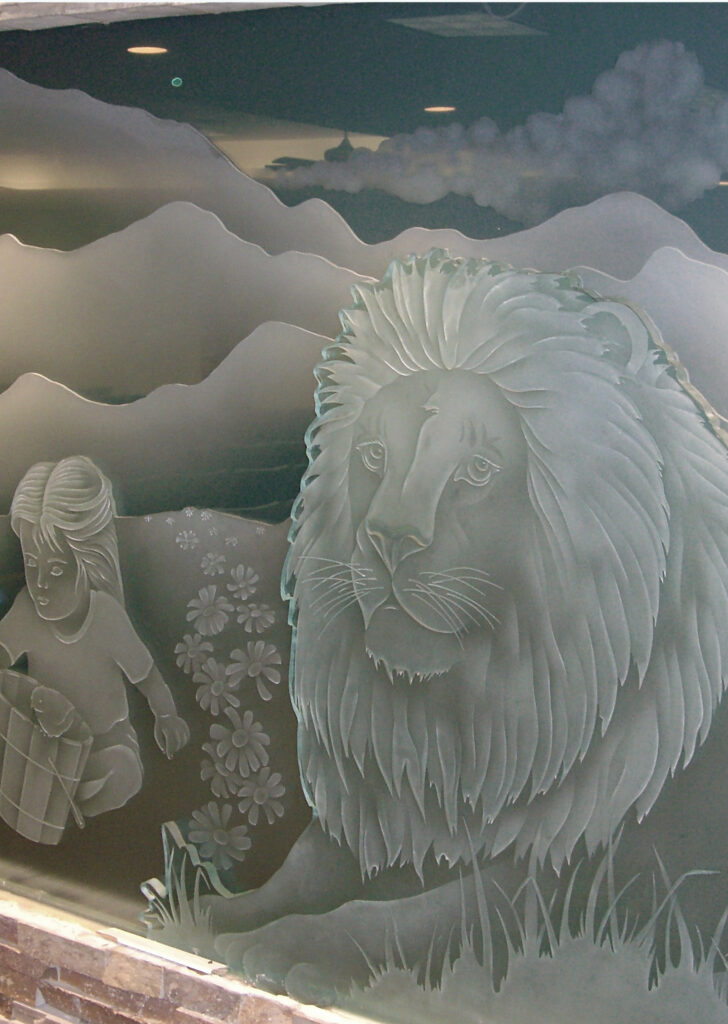
Beyond basic frosting, advanced techniques can transform glass into a true work of art. Multi-stage sandblasting, shading, and carving create varying depths and tones within the glass. These methods allow for intricate patterns, realistic imagery, and custom designs, all while maintaining the privacy benefits of frosted glass.
Sandblasting Density and Privacy Levels in Frosted Glass
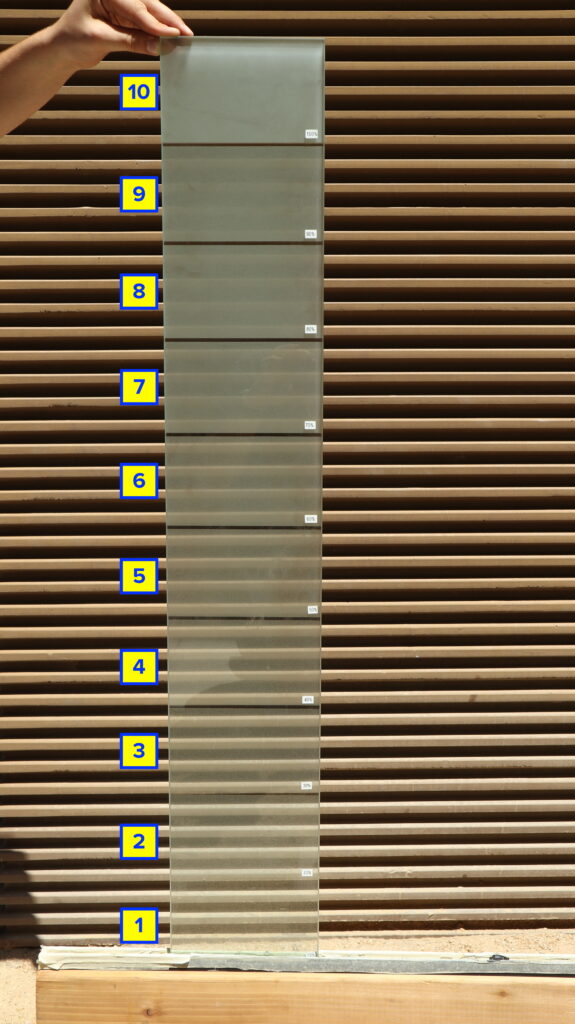
Sandblasting density directly affects how much privacy frosted glass provides. By adjusting the intensity and layering of the sandblasting process, the glass can range from lightly frosted (low privacy) to fully opaque (high privacy). As shown in the sample, lower levels allow more visibility and light clarity, while higher-density levels create a heavier frost that increasingly obscures what’s behind the glass.
This ability to control density is what makes sandblasted glass so versatile. It allows for custom privacy levels within the same piece, especially in decorative designs where clear and frosted areas are combined. Whether you need subtle diffusion or complete privacy, the sandblasting process can be tailored to achieve the exact balance of light and seclusion for your space.
Watch the Privacy Effect of Decorative Frosted Glass
Decorative Frosted Glass (Functional Privacy + Stunning Design)
What Makes Decorative Frosted Glass Different
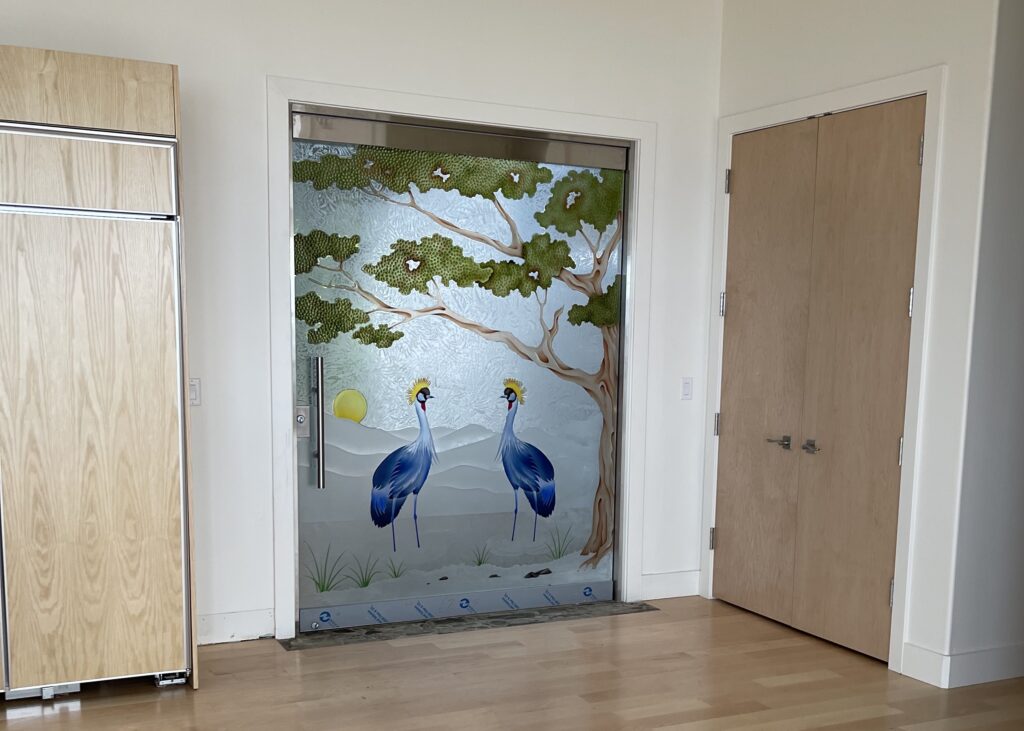
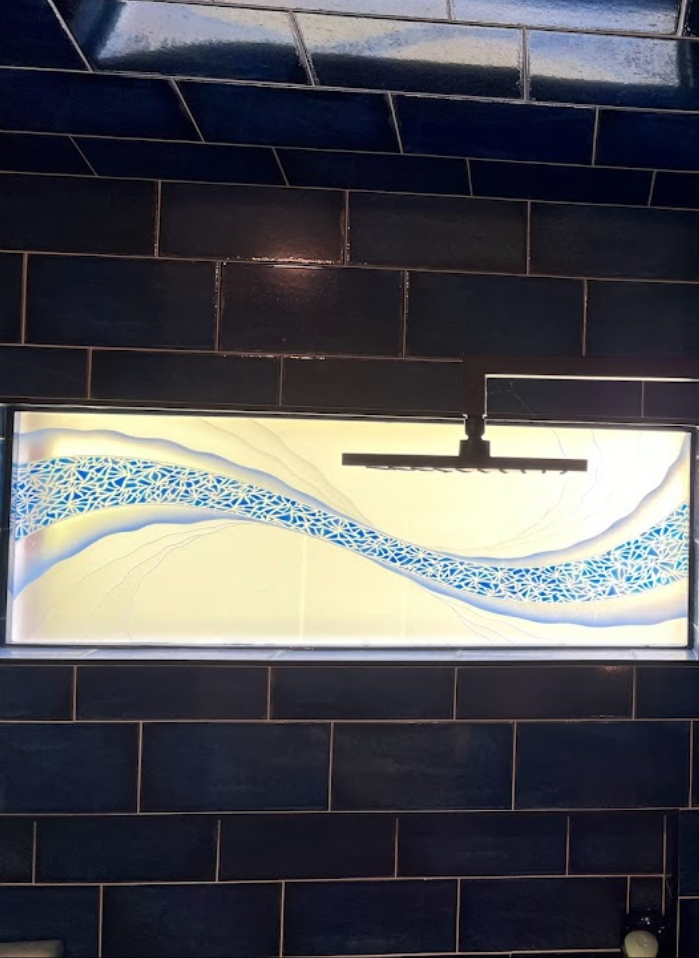
Decorative frosted glass goes beyond a simple frosted surface by incorporating patterns, textures, and artistic elements. Instead of just providing privacy, it becomes a design feature that enhances the overall look of a space.
Frosted Glass with Stunning Designs
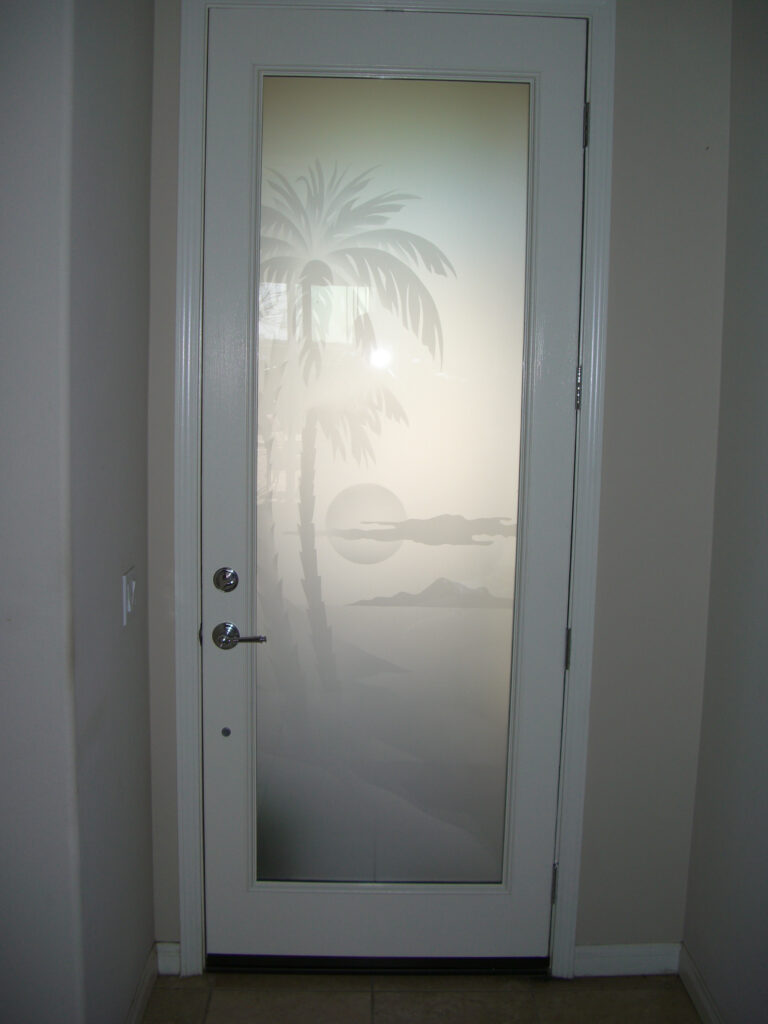
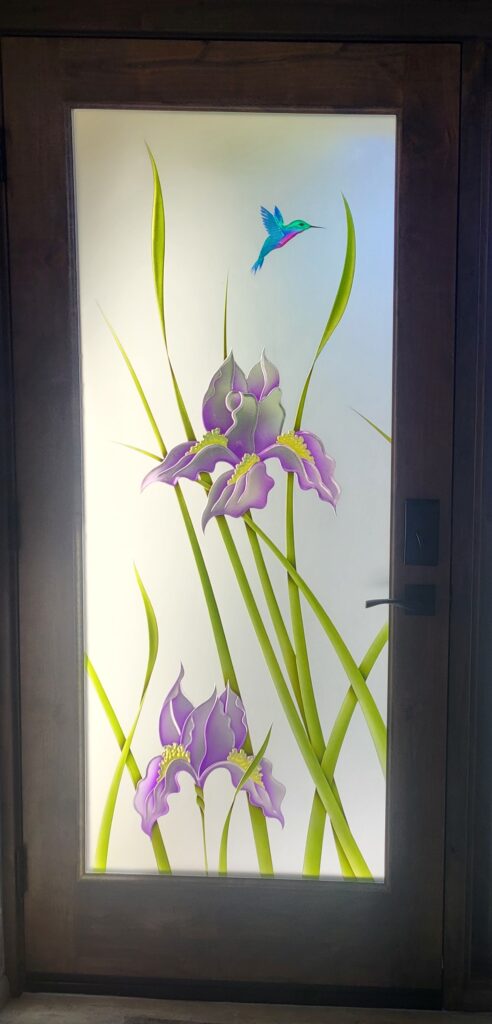
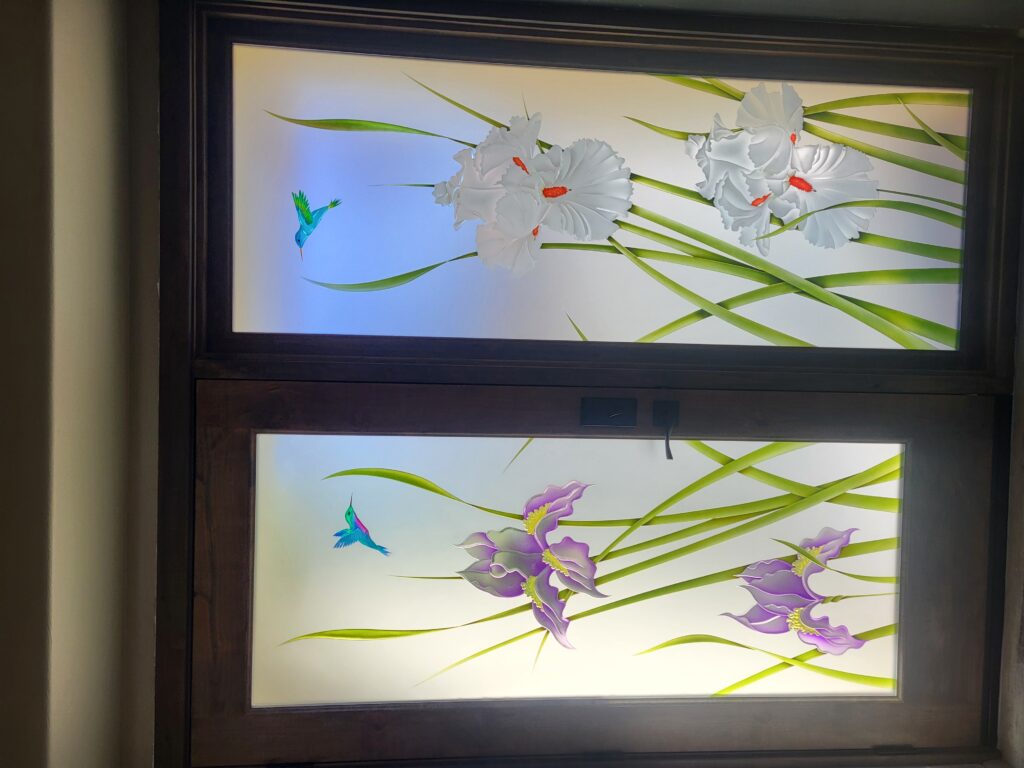
Frosted glass can be customized into virtually any design style. From clean, modern lines to detailed nature scenes and classic ornamental patterns, the possibilities are nearly endless. Custom artwork, logos, and personalized elements can also be incorporated, turning functional glass into a one-of-a-kind focal point.
Privacy Levels in Decorative Glass
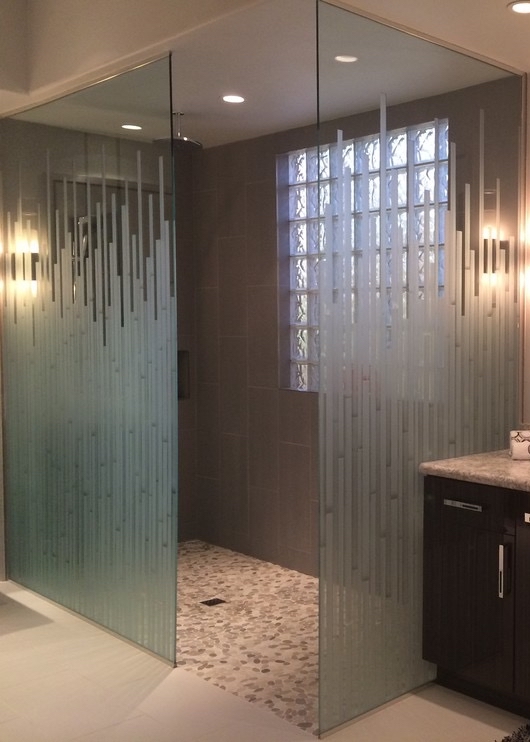
One of the unique advantages of decorative frosted glass is the ability to control privacy within the design itself. Fully frosted backgrounds provide high privacy, while designs with clear elements offer a semi-private effect. This balance allows you to tailor both the look and function of the glass to fit the space perfectly.


ALSO READ: Can You See Through Frosted Glass Doors at Night?
Common Uses of Frosted Glass (Where It Works Best)
Doors (Interior & Front Doors)
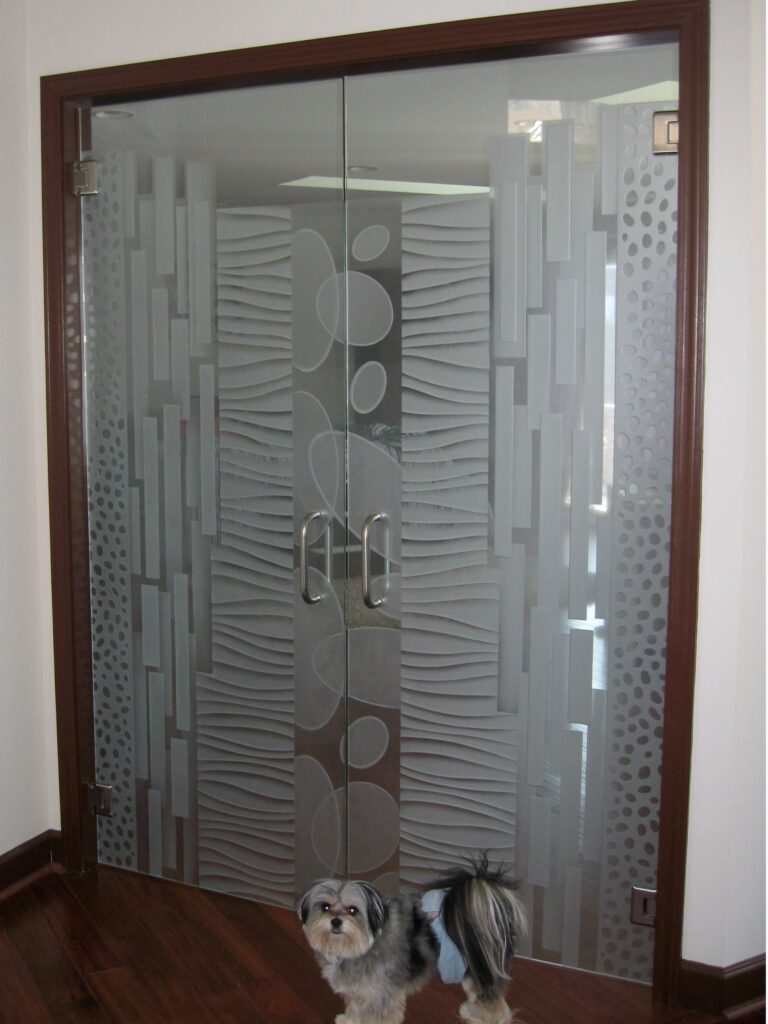
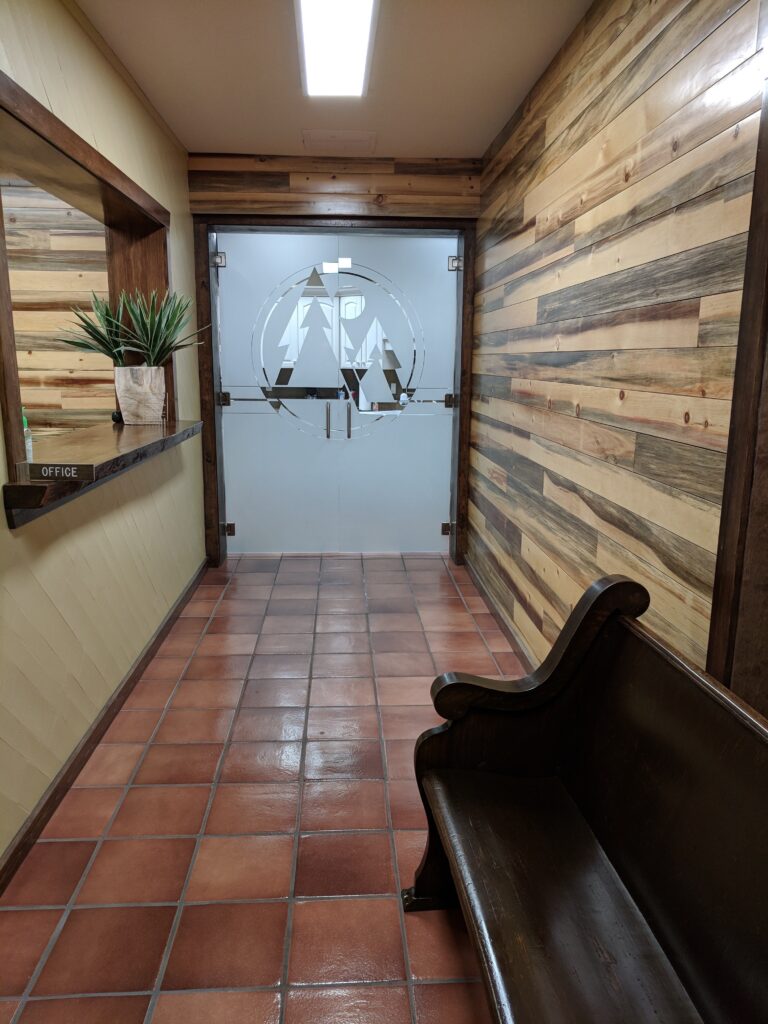
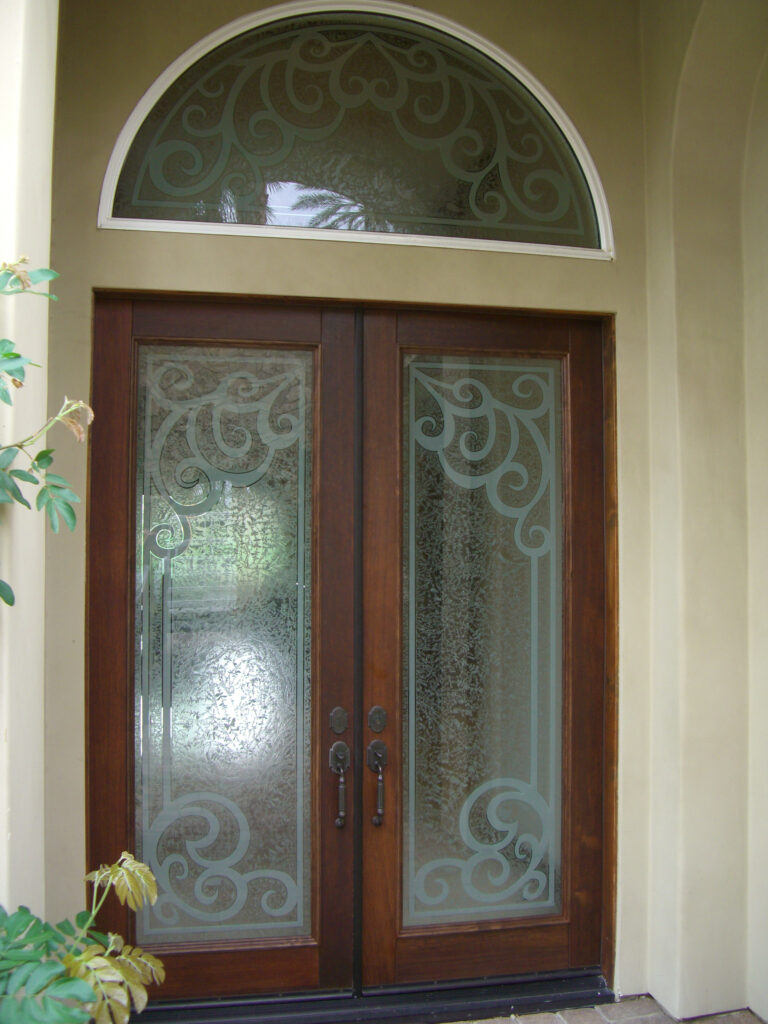
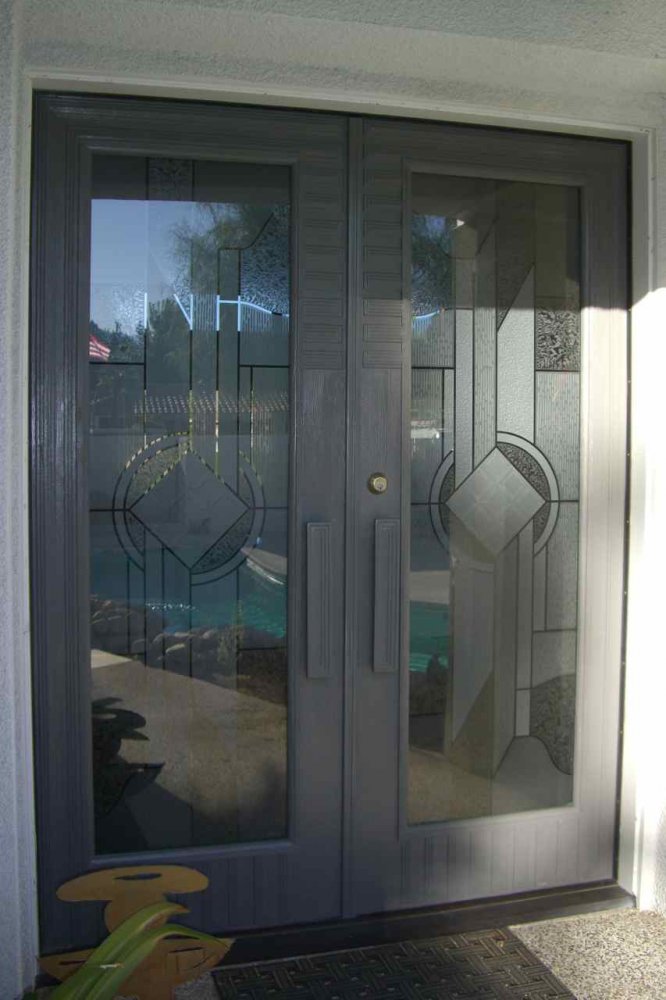
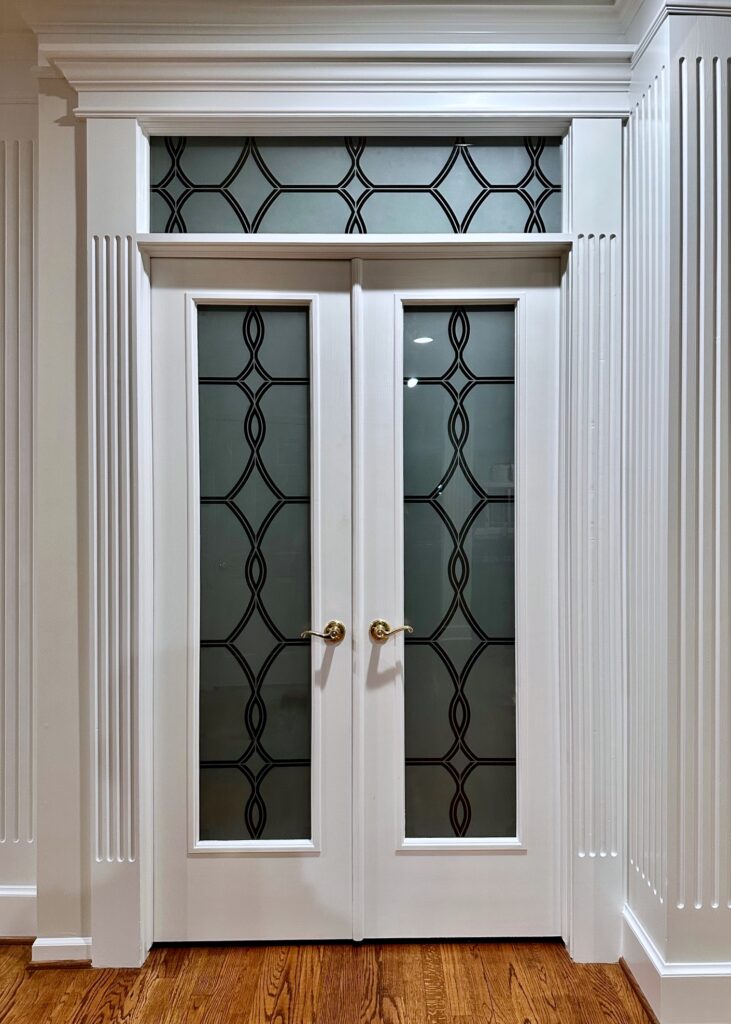
Frosted glass is widely used in doors to create privacy while still allowing light to flow between spaces. It’s especially popular for pantry doors, bathroom doors, interior French doors, and front doors with frosted glass panels. Decorative frosted glass doors can also turn the door into a focal point while maintaining function.
Shower Glass & Bathroom Applications
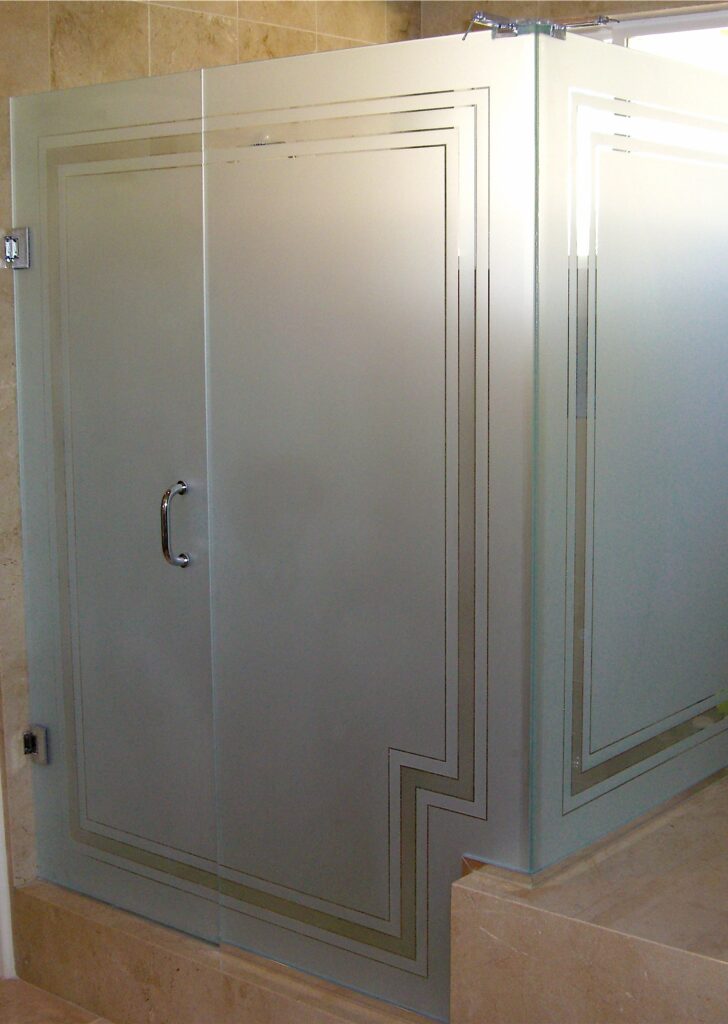
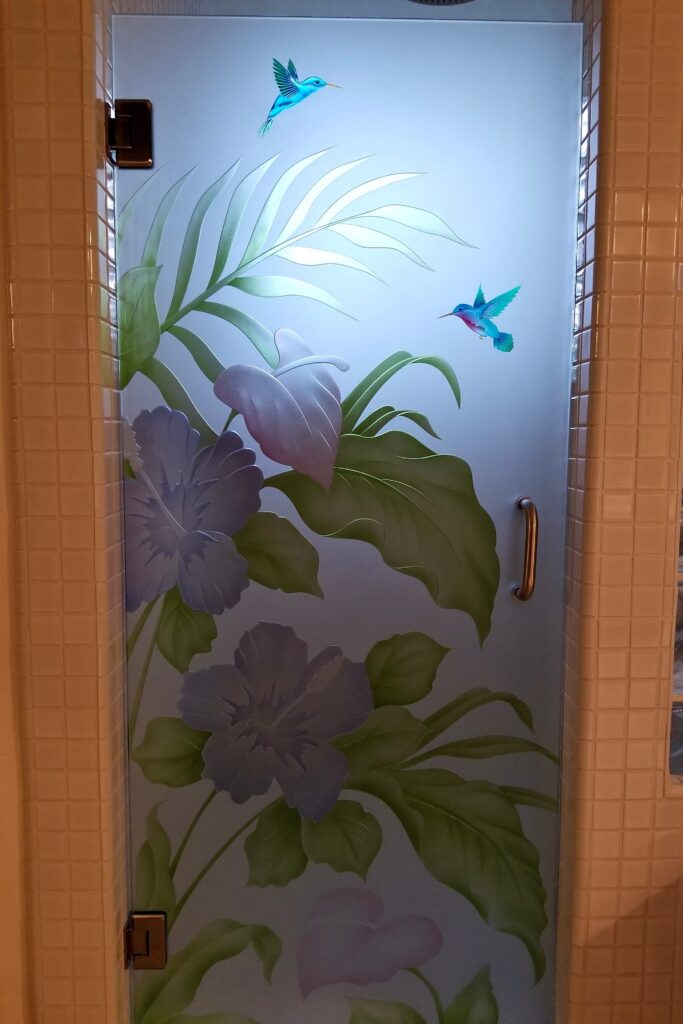
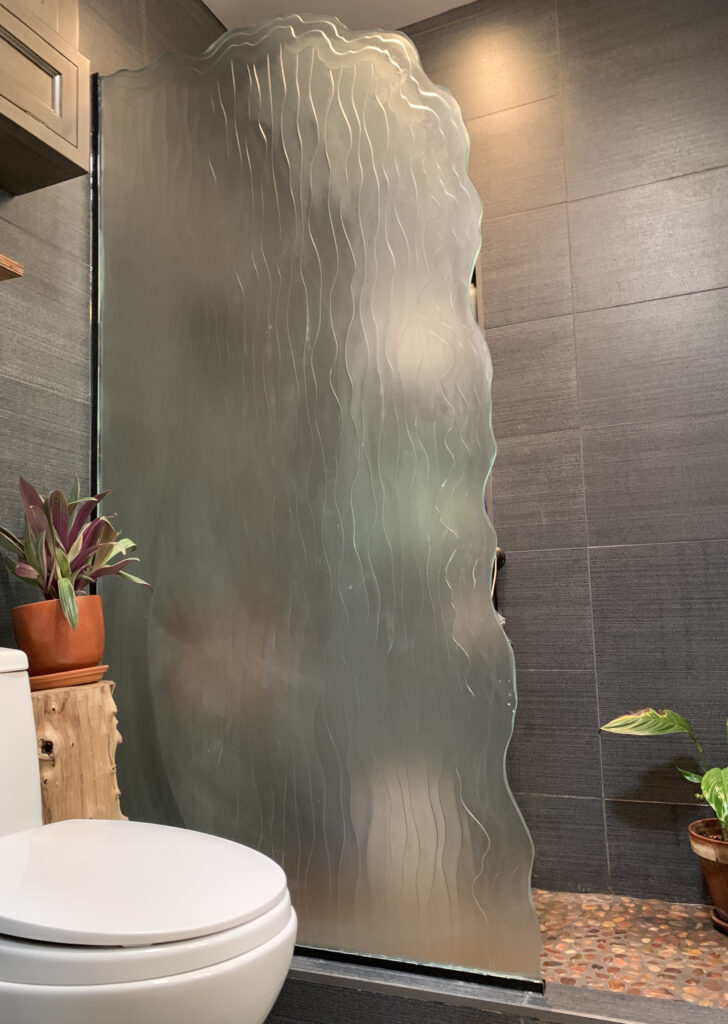

In bathrooms, frosted glass is ideal for shower doors, enclosures, and bathroom windows where privacy is essential. It provides seclusion without making the space feel dark or closed in, helping maintain a bright, open look.
Windows & Sidelights
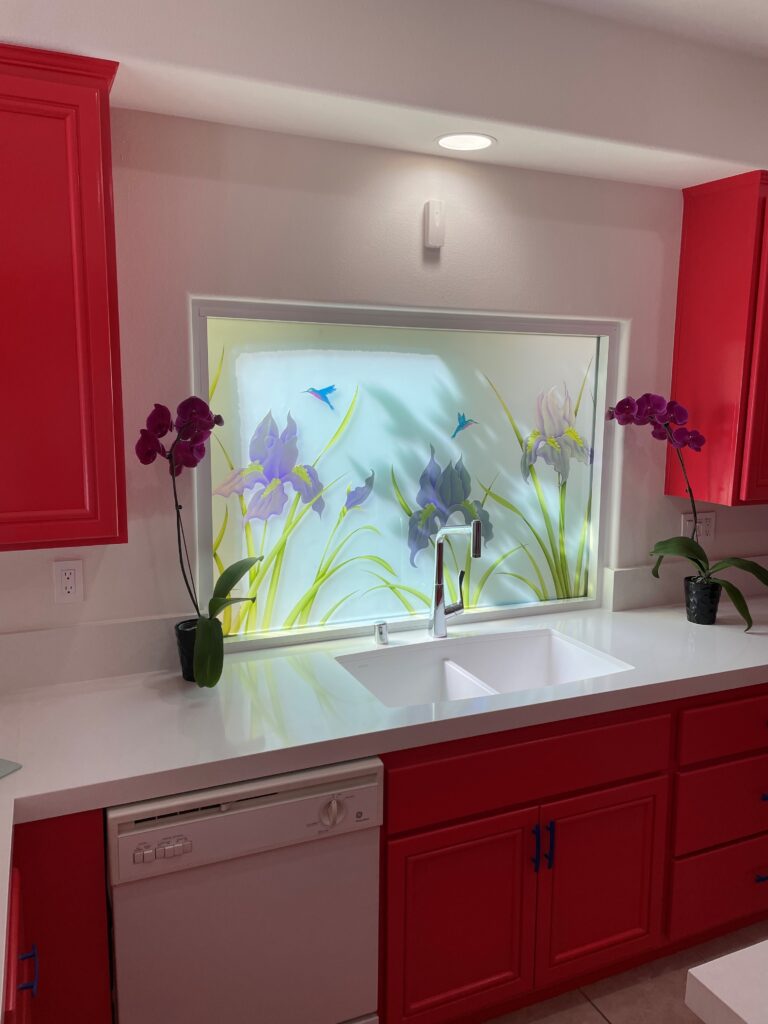
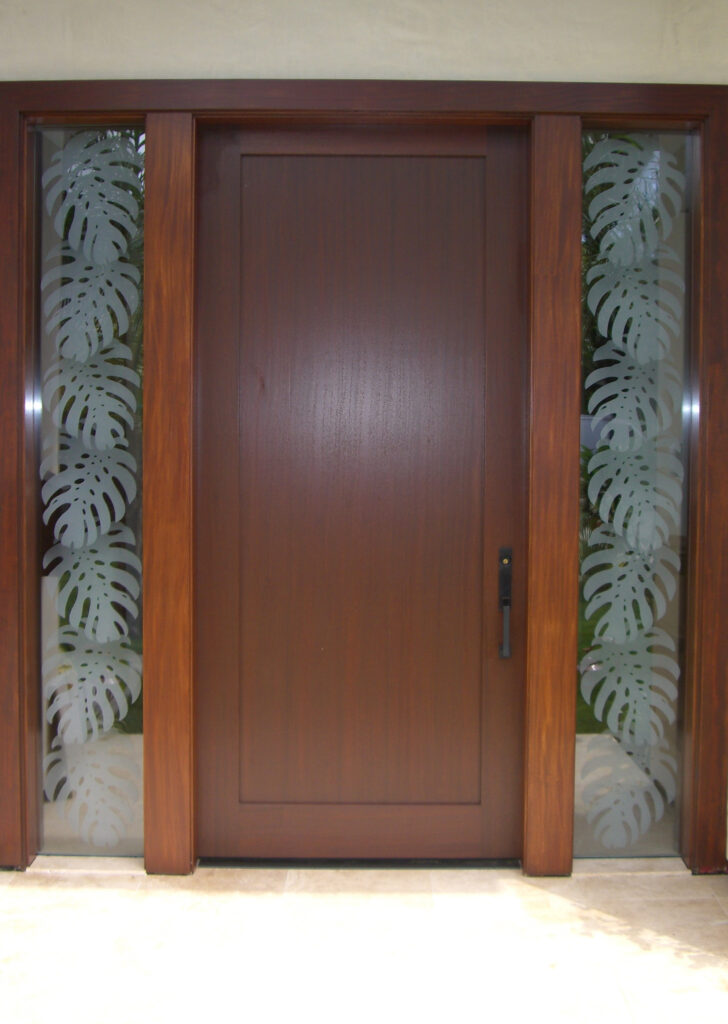
Frosted glass works well for street-facing windows, sidelights, and transoms where privacy is needed but natural light is still desired. It’s a great alternative to blinds or curtains, offering a clean, low-maintenance solution.
Glass Partitions & Office Spaces
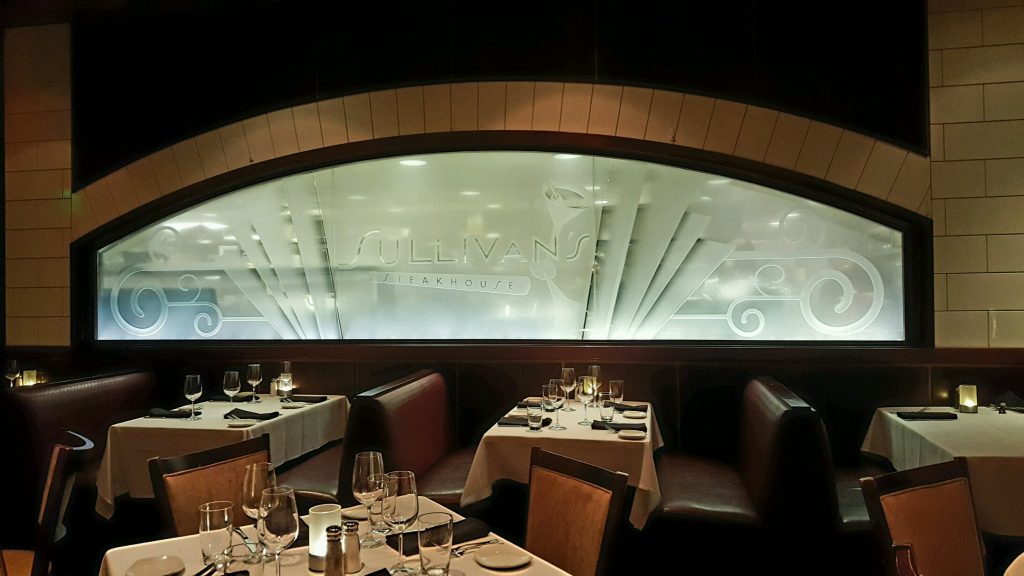

In both homes and commercial settings, frosted glass is commonly used for partitions, glass conference rooms, and office dividers. It creates separation and privacy without blocking light, making spaces feel more open and modern.
Decorative & Architectural Features
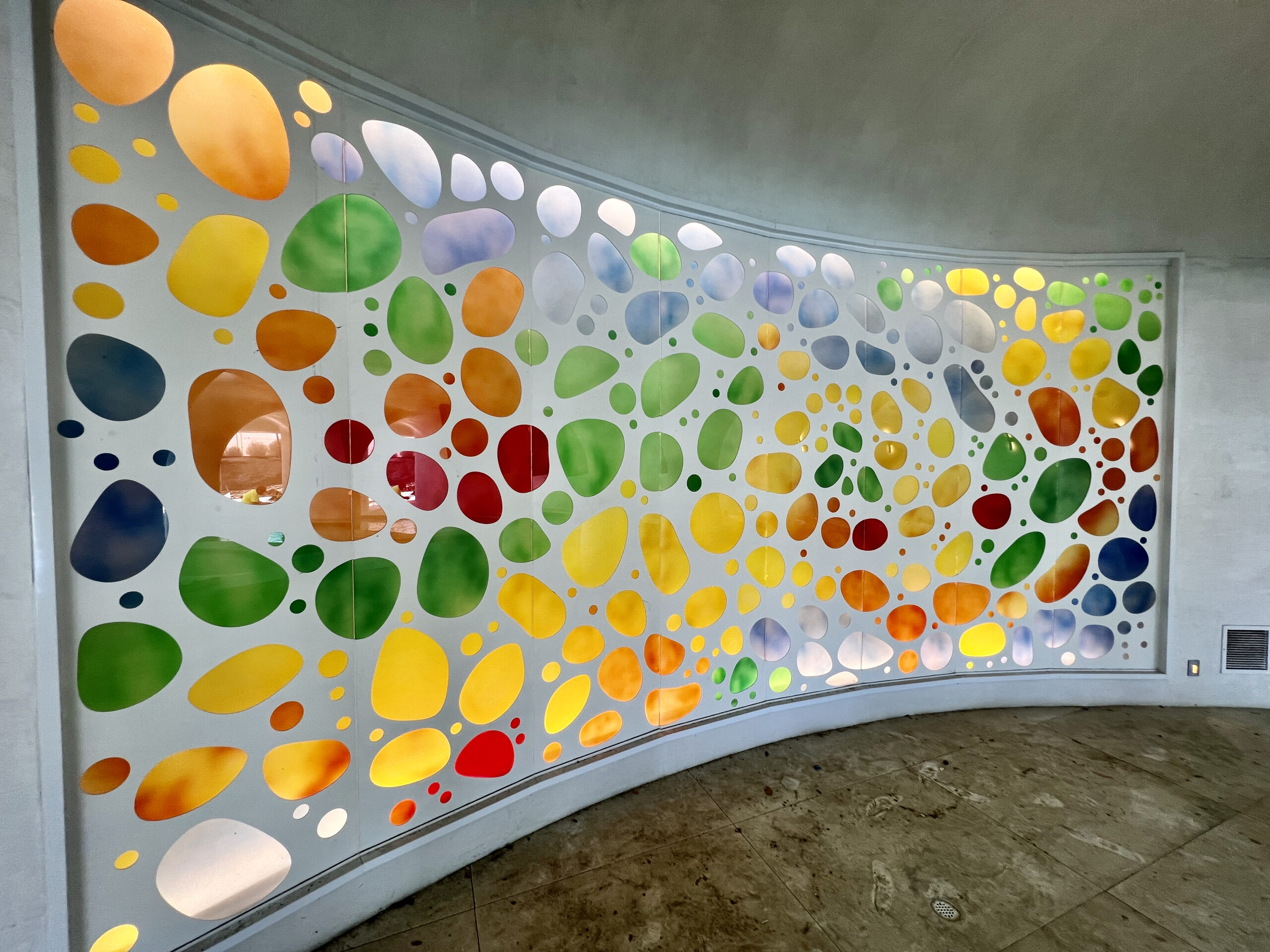
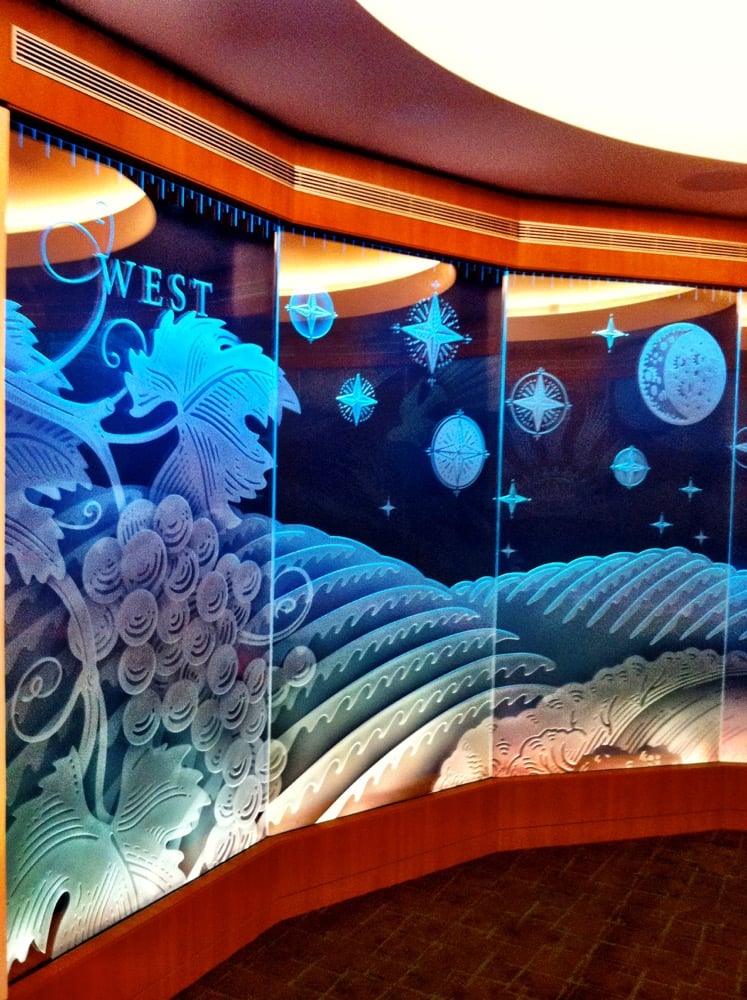
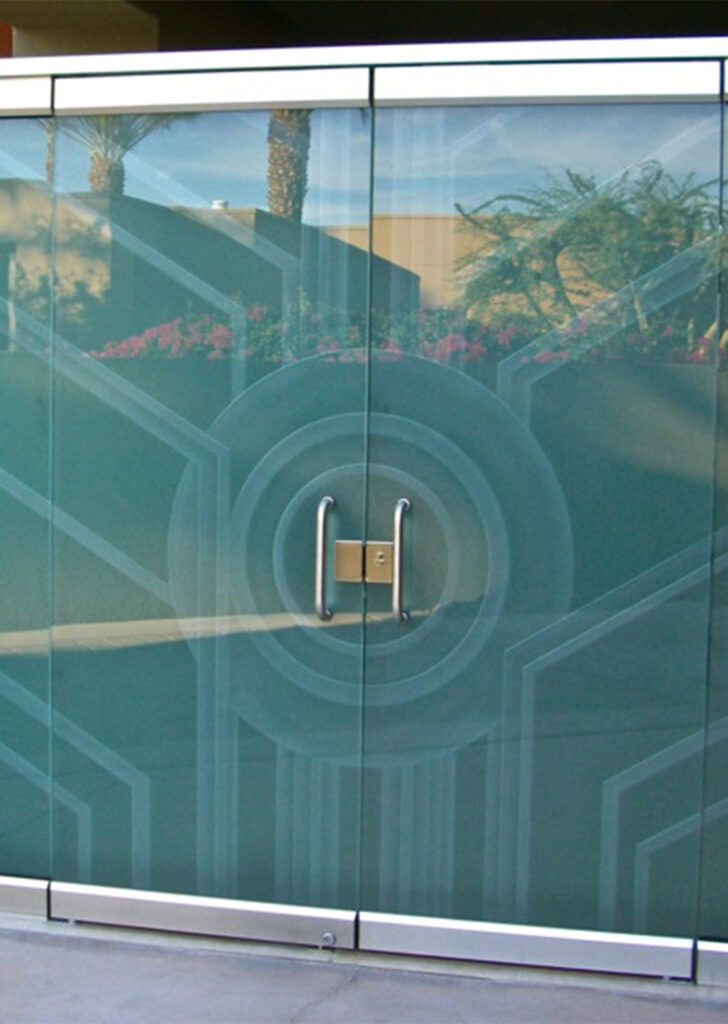
Beyond functional uses, frosted glass is often incorporated into decorative elements such as glass wall art, cabinet glass, railings, signage, and partition walls. With custom designs, it adds both visual interest and a layer of privacy, blending beauty with practicality.
SEE ALSO
- Art Glass Doors YOU Customize to Suit Your Style! (and budget!)
- Glass Doors, Interior Glass Doors with Frosted Designs
Benefits of Frosted Glass
Privacy Without Blocking Natural Light
Frosted glass allows daylight to pass through while obscuring visibility, making it ideal for spaces where you want both brightness and privacy.
Clean, Timeless Aesthetic
With its soft, matte appearance, frosted glass works with virtually any design style—from modern to traditional—adding a refined, finished look.
Decorative + Functional in One
Unlike plain glass or coverings, decorative frosted glass combines privacy with design. Patterns, textures, and custom artwork turn the glass into a focal point while still serving a practical purpose.
Permanent, Built-In Solution
Frosted glass that is sandblasted glass is a long-term solution that won’t peel, bubble, or wear out like temporary films. It’s part of the glass itself, not an applied layer.
Low Maintenance & Durable
It’s easy to clean and designed to last. The frosted glass surface resists everyday wear and continues to look consistent over time.
ALSO READ: How to Clean Frosted Glass: The Ultimate Guide!


Difference Between Frosted Glass and Obscure Glass
Frosted and obscure glass are both used to create privacy, but they’re not the same thing.
What Is Frosted Glass?
Frosted glass is a type of glass that has been etched or sandblasted to create a translucent, matte surface. This finish diffuses light and softens visibility while maintaining a clean, consistent appearance. It can also be customized into decorative frosted designs, offering everything from simple frosted panels to detailed, artistic glass with varying levels of privacy.
What Is Obscure Glass?
Obscure glass is an umbrella term used to describe any glass that obscures or distorts visibility through it. Instead of referring to one specific process, it includes a range of glass types designed for privacy.
This can include:
- Frosted glass
- Textured glass or patterned glass (like rain or reeded glass)
- Other specialty privacy glass finishes
Because it’s a category, obscure glass can vary widely in appearance, texture, and level of distortion.
Frosted Film vs Frosted Glass
Frosted film is a thin adhesive layer applied to clear glass to create a frosted look, while frosted glass is permanently altered at the surface level through processes like sandblasting or acid etching. Although film can mimic the appearance of frosted glass from a distance, it lacks the depth, clarity, and refined finish of true frosted glass.
Frosted window film is often used as a temporary or budget-friendly solution, but it can peel, bubble, or discolor over time—especially in high-moisture or sun-exposed areas. Frosted glass, on the other hand, is a long-lasting, maintenance-friendly option that won’t degrade or change in appearance. For a more durable, high-end result—especially when incorporating decorative designs—frosted glass offers significantly greater quality and longevity.
Is Frosted Glass Right for Your Home?
When to Choose Frosted Glass
- You want privacy without curtains or blinds
- You want a clean, modern or decorative look
- You want a long-term, built-in solution
When to Choose Decorative Frosted Glass
- You want your glass to be a focal point
- You want custom design + privacy combined
- You want a more luxury, high-end finish
Key Takeaways About Frosted Glass
- Frosted glass is translucent glass designed for privacy and light
- It can be simple or highly decorative
- Works in both residential and commercial spaces
- Decorative frosted glass transforms glass into a work of art with function
Conclusion: Frosted Glass Is Privacy + Design in One
Frosted glass is a simple yet powerful solution that combines privacy, natural light, and design in a way few materials can. By diffusing light and obscuring visibility, it creates comfortable, bright spaces without the need for blinds or curtains.
From basic frosted finishes to fully customized decorative designs, frosted glass can be tailored to fit any style, space, or level of privacy. Whether used in doors, windows, showers, or partitions, it offers a clean, modern look that also adds long-term value.
If you’re looking for a solution that goes beyond function, decorative frosted glass transforms everyday glass into a true design feature—bringing both beauty and purpose into your home or space.
Ready to Upgrade to Custom Frosted Glass?
At Sans Soucie Art Glass, we’ve been family-owned and operated since 1976, proudly serving for over 50 years with expertly crafted frosted glass for both residential and commercial applications. Whether you’re looking for elegant privacy solutions or statement pieces with custom patterns and elevated aesthetic appeal, our team specializes in bringing your vision to life with fully tailored customization options designed to meet your specific requirements. If you’re ready to transform your space with beautiful, functional decorative glass, request your free quote today and discover the difference of true handcrafted quality.


FAQs About Frosted Glass
Can frosted glass be customized with specific designs or patterns?
Yes. Frosted glass can be fully customized with unique designs, patterns, or even logos. Unlike standard privacy glass, decorative frosted glass allows you to control both the look and the level of privacy, making it ideal for homeowners and businesses wanting something personalized and design-driven.
Does frosted glass reduce heat or improve energy efficiency?
Frosted glass can help slightly reduce glare and diffuse sunlight, but it is not primarily designed for insulation. For energy efficiency, it’s often paired with insulated or double-pane glass. The frosting itself mainly enhances privacy and light diffusion rather than significantly impacting heat transfer.
Is frosted glass good for front doors or entryways?
Yes, frosted glass is an excellent choice for front doors because it provides privacy while still allowing natural light into the entry. Decorative frosted glass doors can also enhance curb appeal and create a strong first impression.
Will frosted glass show fingerprints or smudges easily?
Frosted glass tends to hide fingerprints better than clear glass, especially in fully frosted areas. However, oils from hands can still leave marks, so occasional cleaning is recommended to maintain a clean, uniform appearance.
Can frosted glass be used for both modern and traditional designs?
Absolutely. Frosted glass is extremely versatile and works across all design styles. It can feature sleek, minimal patterns for modern spaces or intricate, classic designs for more traditional interiors.
Is frosted glass safe for high-traffic or everyday use?
Yes. Frosted glass is just as durable as standard glass when properly manufactured (such as tempered or laminated glass). It’s commonly used in doors, showers, and partitions where daily use is expected.
Can you remove or change frosted glass once it’s made?
No, true frosted glass is permanent because the surface has been altered. If you want flexibility to change the look later, frosted film would be the temporary alternative—but it does not offer the same quality or longevity.
Does frosted glass look different in different lighting conditions?
Yes, lighting can significantly affect how frosted glass appears. In bright light, it can look lighter and more glowing, while in lower light it may appear slightly darker. Decorative designs with clear elements will also change in appearance depending on what’s behind the glass.
ALSO READ: How Lighting Changes the Look of Frosted Glass Doors (Real-Life Examples)
Is frosted glass better than curtains or blinds for privacy?
In many cases, yes. Frosted glass provides constant privacy without needing to open or close anything, while still allowing light to pass through. It also creates a cleaner, more streamlined look compared to fabric or window coverings.
How long does frosted glass last?
Frosted glass is a long-term solution that can last the lifetime of the glass itself. Because the finish is permanently etched into the surface, it won’t peel, fade, or wear off over time like applied films.
Is satin glass the same as frosted glass?
Satin glass is often used interchangeably with frosted glass, but it typically refers to glass that has been chemically treated—usually with hydrofluoric acid—to create a smooth, consistent finish. In comparison, frosted glass made through the sandblasting process may have a slightly more textured or even lightly pitted surface, depending on the technique used. Both offer privacy, but the visual finish and feel can vary.
Can frosted glass be added to existing glass?
Yes, in some cases, frosted effects can be applied to existing glass through surface treatments like sandblasting or by using film. However, for the highest quality and durability—especially for decorative applications—it’s often best to have the glass professionally treated or replaced, depending on your specific needs and the type of glazing already in place.
Is frosted glass suitable for commercial buildings and business environments?
Frosted glass is widely used in commercial buildings and business environments because it provides privacy while maintaining an open, modern feel. It’s especially popular in meeting rooms, office partitions, and entry areas where light flow is important but visibility needs to be controlled.
Can frosted glass include a company logo or branding?
Yes, frosted glass is an excellent option for incorporating a company logo or branding elements. Using techniques like sandblasting, logos and custom graphics can be etched directly into the glass, making it a professional and long-lasting solution for offices and commercial spaces.
How does frosted glass compare to other types of privacy glass?
When comparing frosted glass vs other types of privacy glass, frosted glass offers more flexibility in design and customization. While some glass types rely on pre-made textures, frosted glass can be tailored to achieve different levels of privacy and detail, making it one of the best glass options for both function and aesthetics.
Is frosted glass a cost-effective solution for privacy?
Frosted glass can be a cost-effective long-term solution because it eliminates the need for additional window coverings like blinds or curtains. While the upfront cost may be higher than temporary options, its durability and low maintenance make it a smart investment over time.
Does frosted glass provide any level of security?
Frosted glass enhances privacy, which can contribute to a sense of security by limiting visibility into a space. However, for physical security, it’s often combined with tempered glass or laminated glass, depending on the application and required level of protection.
What should you consider when choosing the best frosted glass for your project?
Choosing the best glass depends on your goals, whether it’s privacy, design, or performance. Consider factors like the level of frosting, design complexity, installation method, and how it will be used. Different projects may require different finishes or glazing options to ensure the glass is both functional and visually aligned with your space.


Helpful Resources

Sans Soucie Art Glass: Decorative, Custom & Frosted Glass Doors, Windows, Showers & Stained Glass Since 1976
Family-owned and operated since 1976, Sans Soucie Art Glass leads the industry in decorative glass and custom glass design — from sandblast frosted glass and carved glass to hand-painted and stained glass art — transforming ordinary glass into Works of Art Captured in Glass recognized worldwide.
Innovative Frosted Glass Door Designer Tool
In 2010, we invented and launched our Frosted Glass Pantry Door Designer – a fun, easy-to-use tool that makes it simple for anyone to design and customize not only pantry doors, but a wide range of frosted glass doors for every room.
Explore our Frosted Glass Doors Collection
Our custom frosted glass doors include a beautiful variety for every style and space:
- Pantry Doors
- Frosted Glass Interior Door
- Interior Doors with Frosted Glass
- Frosted Glass French Doors
- Frosted Glass Front Door
- Front Doors with Frosted Glass
- Interior Glass Doors
- Glass Barn Doors
- Frosted Glass Barn Door
- Sliding Glass Barn Door
- All Glass Doors Interior
- All Glass Front Doors
- Bathroom Doors with Frosted Glass
- Laundry Room Doors
- Wine Room Doors
If you already have a door, and only need the glass insert, we also offer:
- Frosted Glass for Interior Doors
- Door Glass Inserts for Front Doors
- Glass Panels for Pantry Doors
- Frosted Glass Inserts for Bathroom Doors
- Laundry Room Door Glass Inserts
- Glass Panels for Interior Wine Cellar Doors
Elegant Frosted Glass Throughout Your Home
While our frosted glass doors are a top choice, we also create stunning glass products for every area of your home, including:
- Frosted Glass Shower Doors
- Glass Shower Partition
- Frosted Glass Shower Panel
- Frosted Glass Showers
- Frosted Glass Windows
- Bathroom Window Frosted Glass
- Decorative Window Glass, Window Frosting
- Custom Glass Dining Table
- Custom Glass Coffee Table
- Glass Shelves, Custom Glass Shelves
- Hand Carved & Painted Mirrors
- Frosted Glass Signs, Etched Glass Signs
- Cabinet Door Glass Inserts, Frosted Glass Inserts for Cabinet Doors
- Glass Wall Art, Wall Art on Glass
Looking for Inspiration? Explore Our Galleries
Discover visual idea boards, style concepts, décor applications, real project photos, and helpful information in our expanding gallery collection:
- Custom Glass
- Custom Glass Edges
- Custom Mirror
- Decorative Glass
- Decorative Glass Doors
- Decorative Glass Front Doors
- Decorative Glass Interior Doors
- Decorative Glass Window
- Stained Glass
- Stained Glass Doors
- Stained Glass Front Doors
- Stained Glass Windows
Free Shipping. Expert Packing, Peace of Mind
With FREE SHIPPING on most orders and worldwide delivery from our studio in Palm Desert, California, every order is packed in-house by our expert glaziers using custom materials and proven methods — ensuring safe arrival with a damage rate of less than 1%!
Explore our complete frosted glass doors collection and find the perfect frosted glass door for your space. Have questions? Contact us today!
Copyright © 2025, Sans Soucie Art Glass. All rights reserved.