How Lighting Changes the Look of Frosted Glass Doors (Real-Life Examples)

When it comes to decorative frosted glass, one of the biggest surprises for homeowners is how dramatically the glass can look different depending on lighting. The same design can appear bold and high-contrast in one moment—and soft and subtle in another.
The same glass can look dramatically different depending on whether light is coming from the front, behind, or not at all. Understanding how lighting affects frosted glass doors helps set the right expectations and allows you to fully appreciate the design, detail, and functionality of the glass. Whether you’re viewing it in natural daylight or with interior lights on, lighting plays a major role in how the glass is perceived.
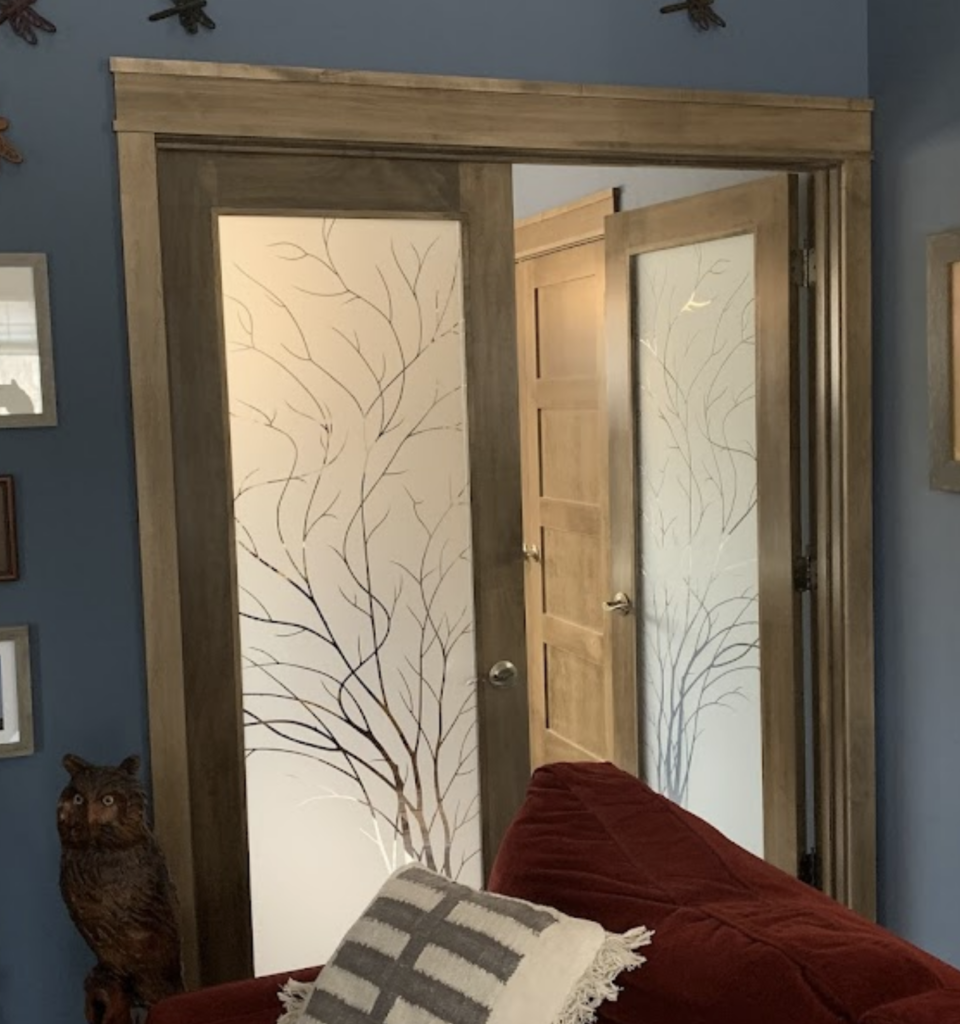
Project Spotlight: Diamond Beads 1D Negative Effect Frosted Glass Interior Doors in Different Lighting
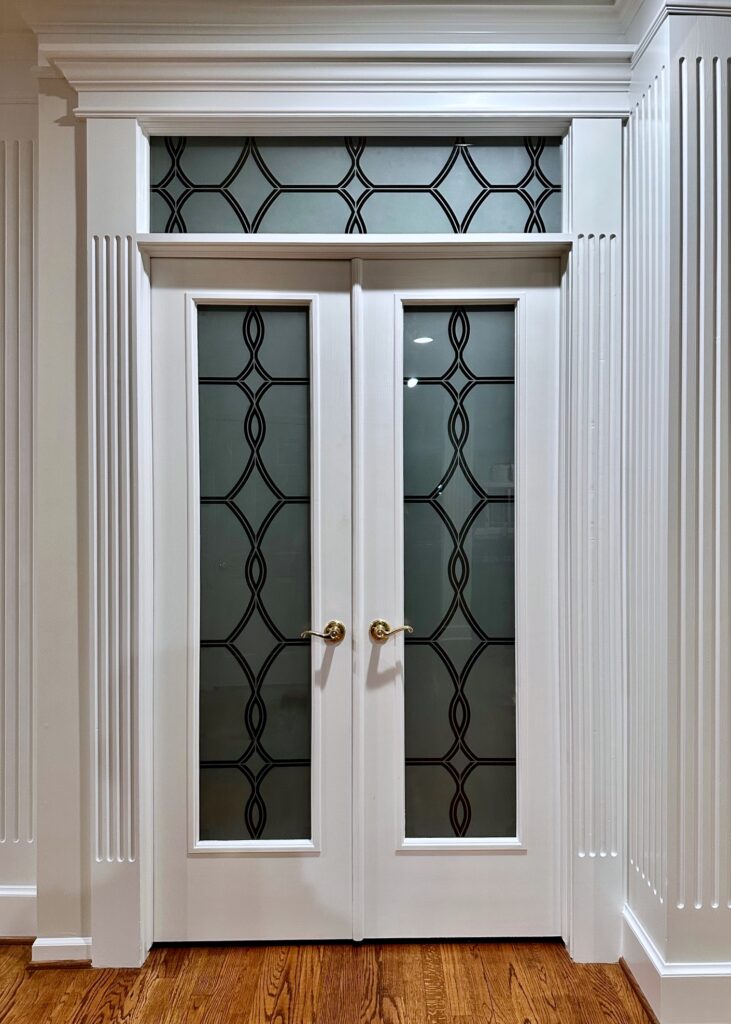
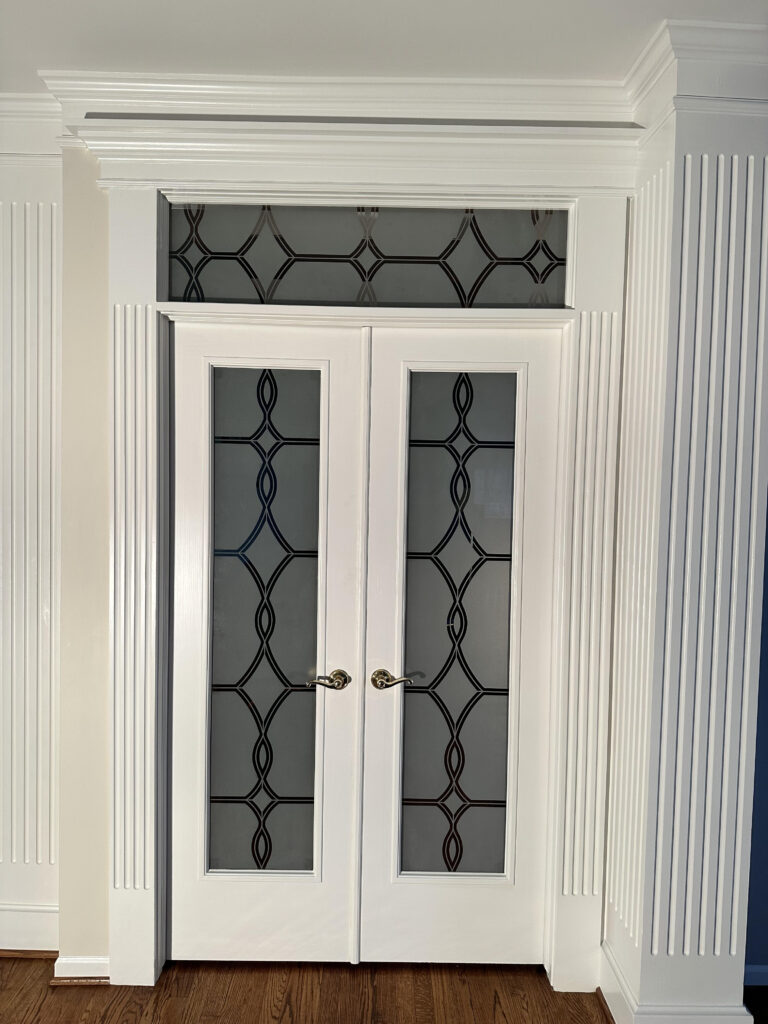
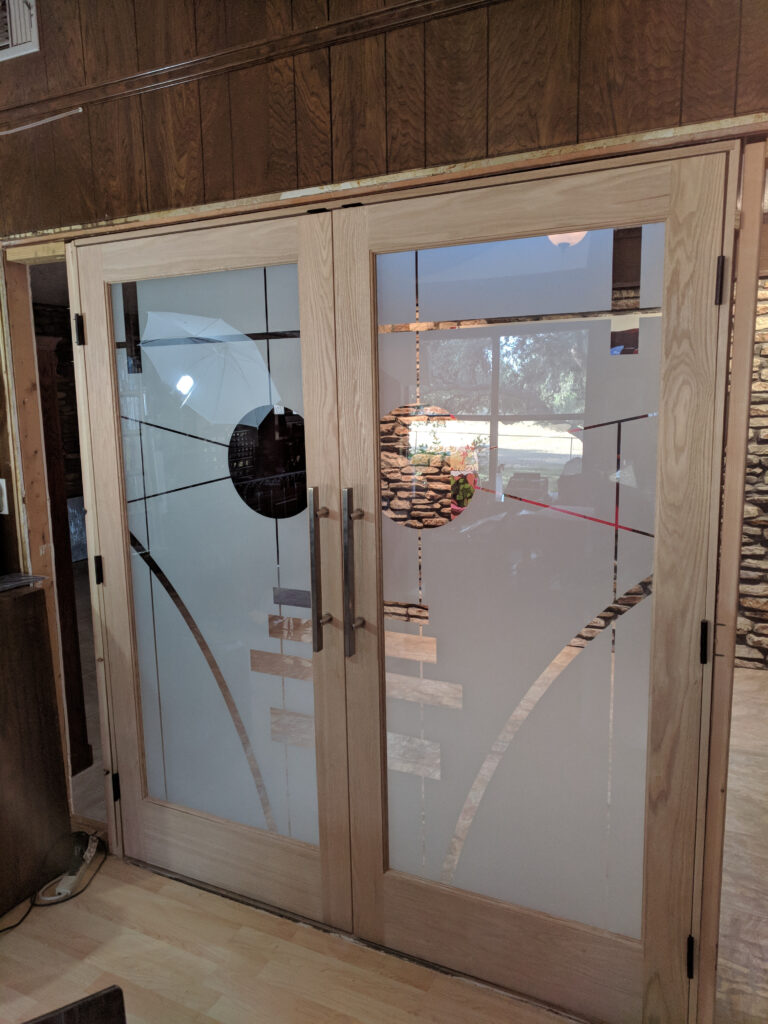
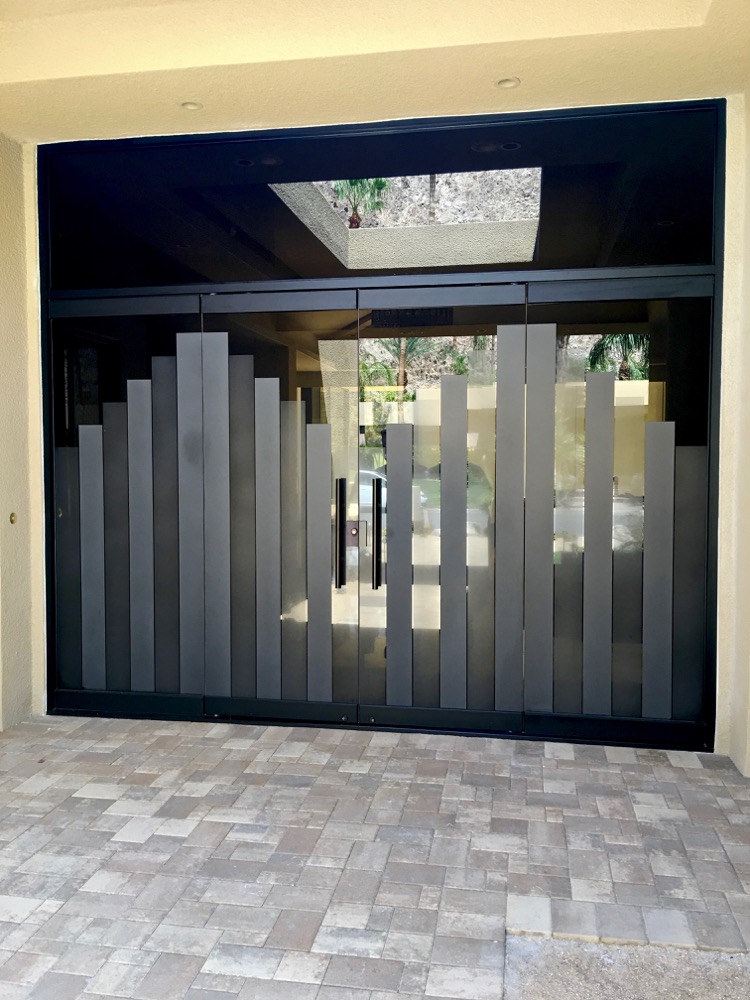
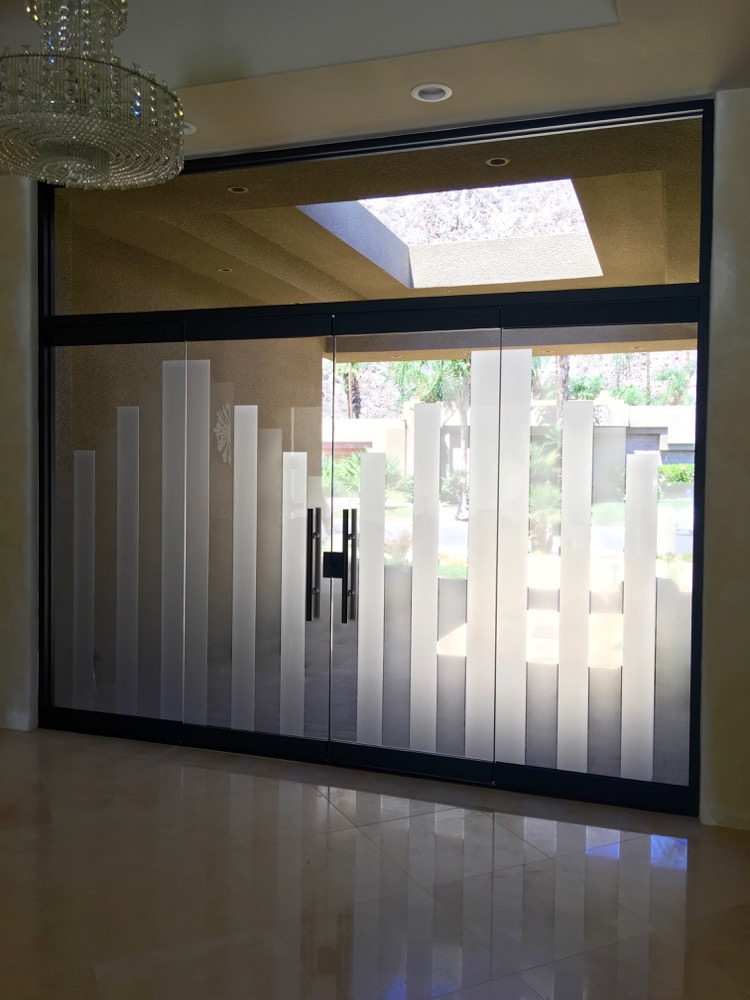
This real-life installation beautifully demonstrates how lighting completely transforms the look of decorative frosted glass doors. The design featured here is Diamond Beads in a 1D Negative effect, used in a pair of interior doors with a coordinating transom window above.
- Clear glass design elements (the “bands”)
- Solid sandblast frosted background (white)
- Semi-private effect (privacy varies depending on how much clear glass is in the design)
In this case, the client purchased glass only and had it installed into their own doors and transom — a great option for those working with a contractor or existing frames.
In this effect, the design itself is clear glass, while the background is solid sandblast frosted white. That means the pattern isn’t applied color—it’s transparent. Because of this, the clear elements behave much like a window, constantly interacting with whatever is behind the glass.
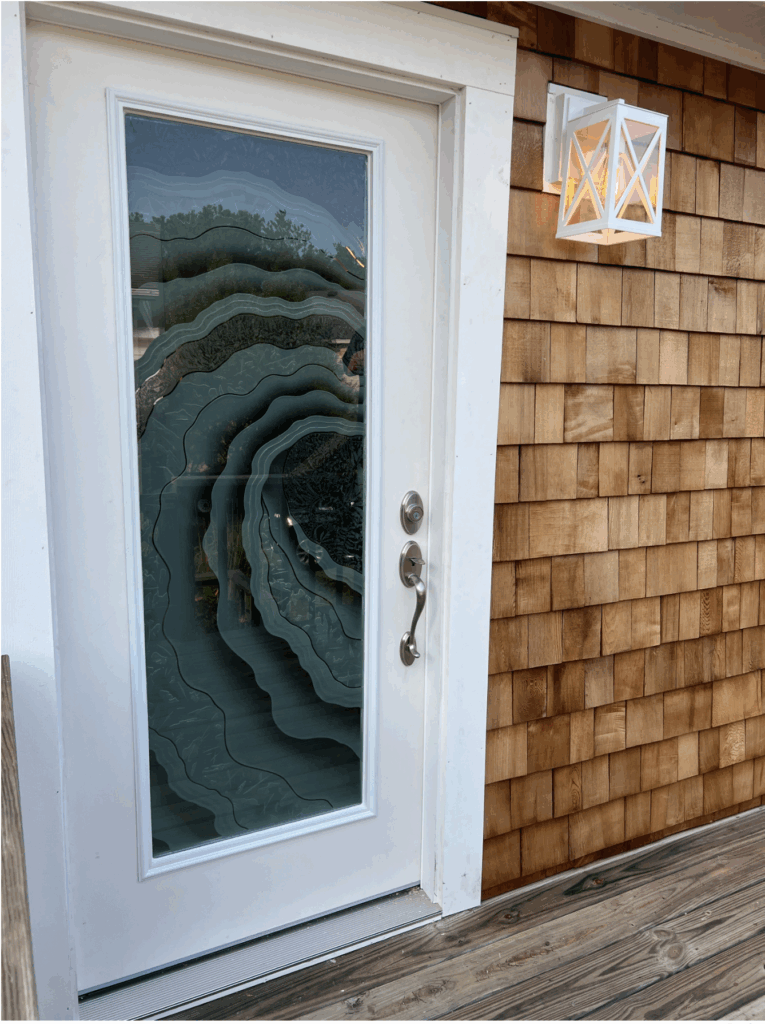
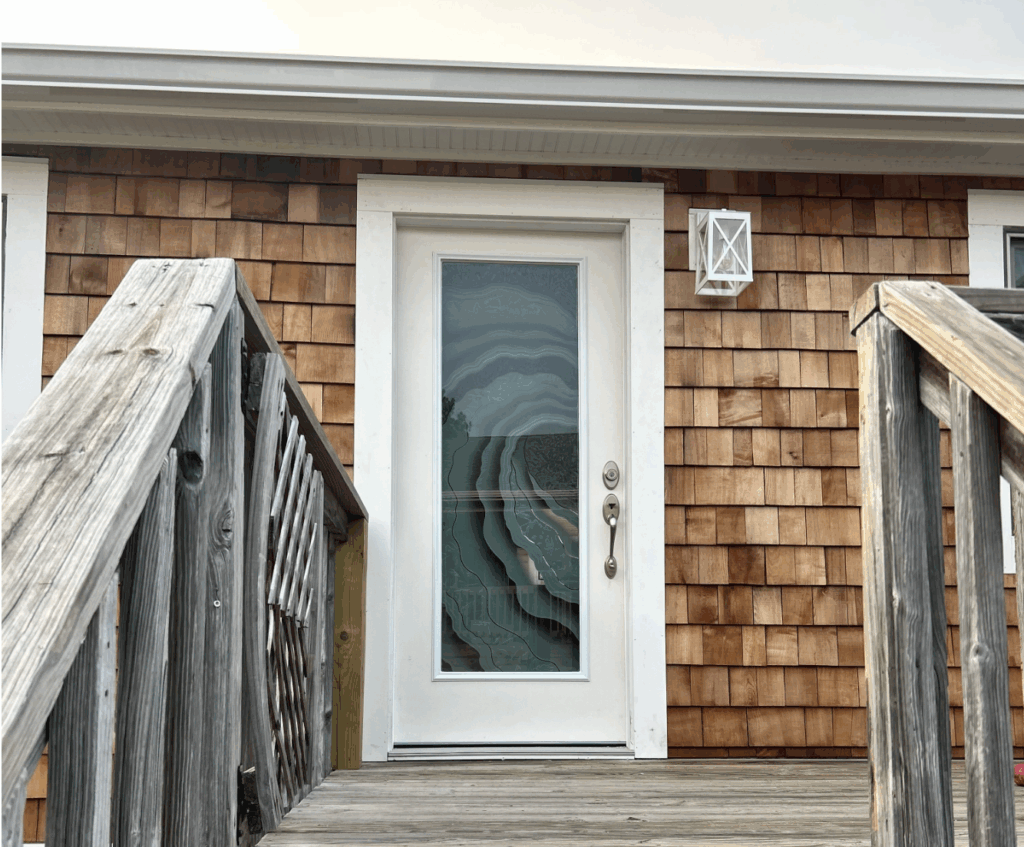
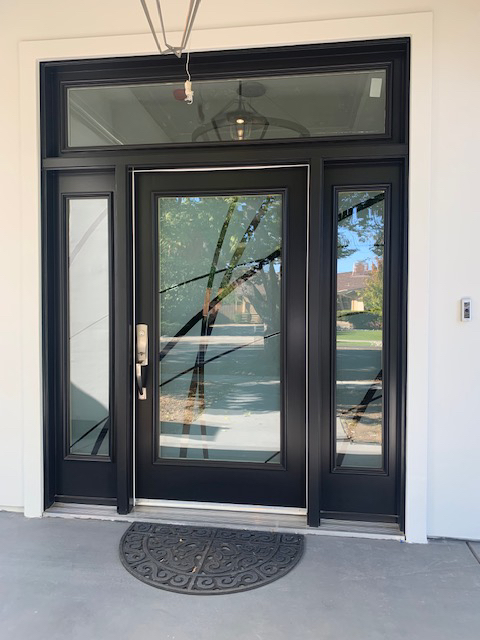
In the image where the room on the opposite side is dark, the clear lines appear deep gray or even black. This often surprises people at first, but what you’re seeing is simply reflection and lack of transmitted light—not pigment. The glass is picking up the darker environment beyond it.
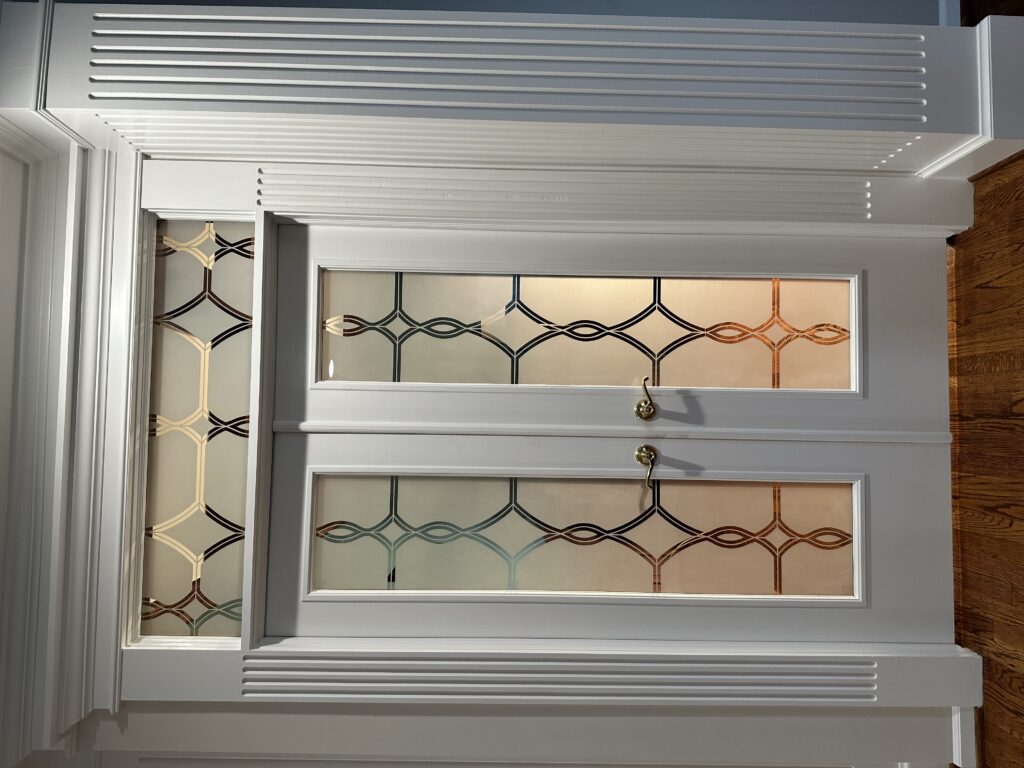
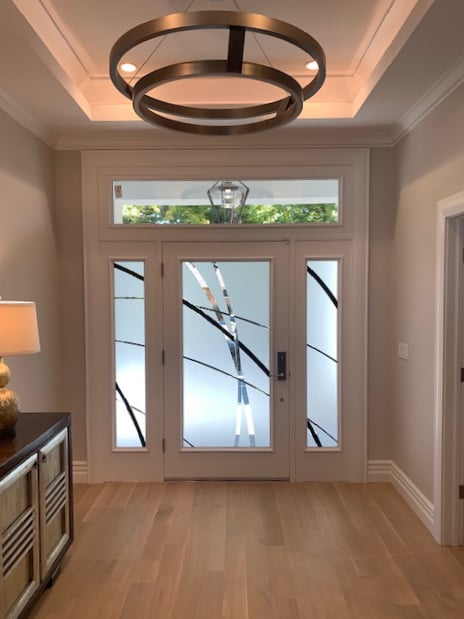
As soon as lighting is introduced behind the glass, everything changes. The frosted background brightens and glows, while the clear design begins to reveal color, depth, and even subtle tones from the surrounding space.
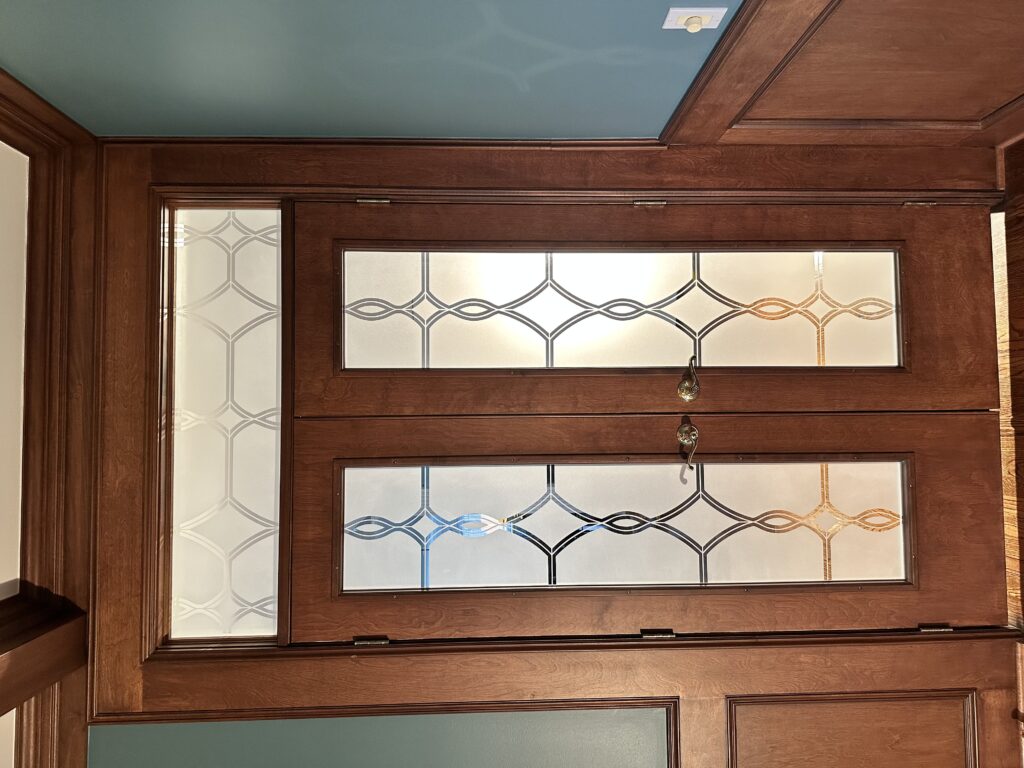
When lights are on both sides, the design reaches its most balanced and visually dynamic state. The contrast between frosted and clear areas is crisp, the glass feels brighter overall, and the entire composition—from the doors to the transom—works together as one cohesive architectural feature.
This project also highlights how a transom window amplifies the effect. By allowing additional light to pass through above the doors, it enhances the overall brightness and helps unify the look across the full opening.
The key takeaway is simple: the frosted glass itself never changes. What you’re seeing in each image is the same design, viewed under different lighting conditions. And because this style uses clear glass as the design element, it naturally becomes more responsive—almost like a live surface that reflects and adapts to its environment.
Why Clear Glass Can Look Dark or “Black” (Common Misconception Explained)
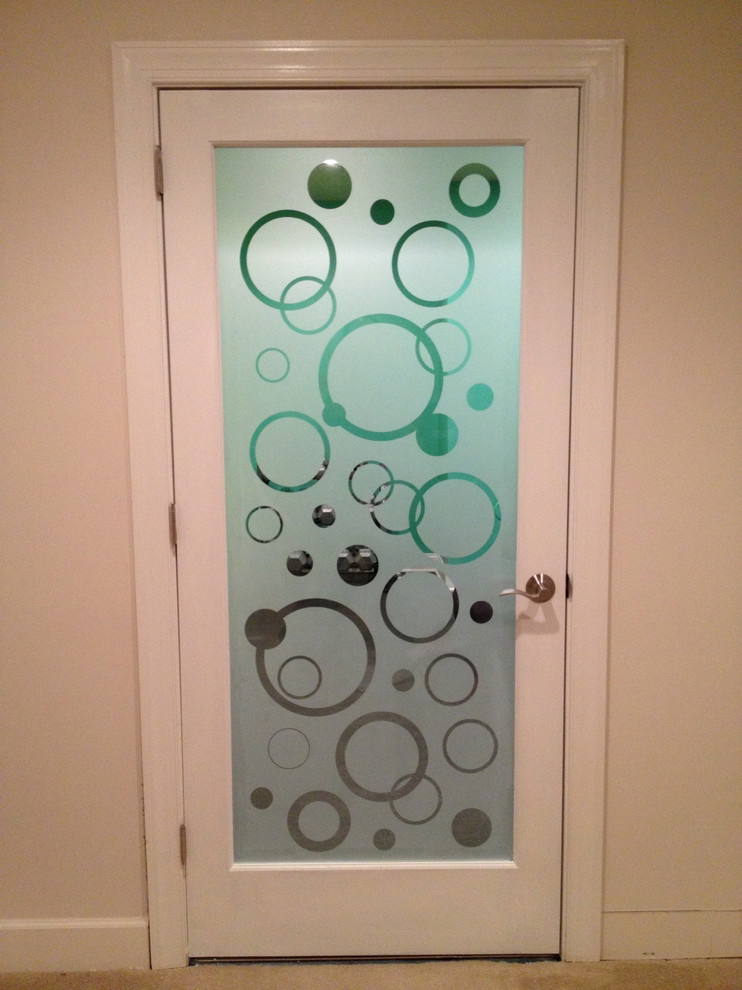
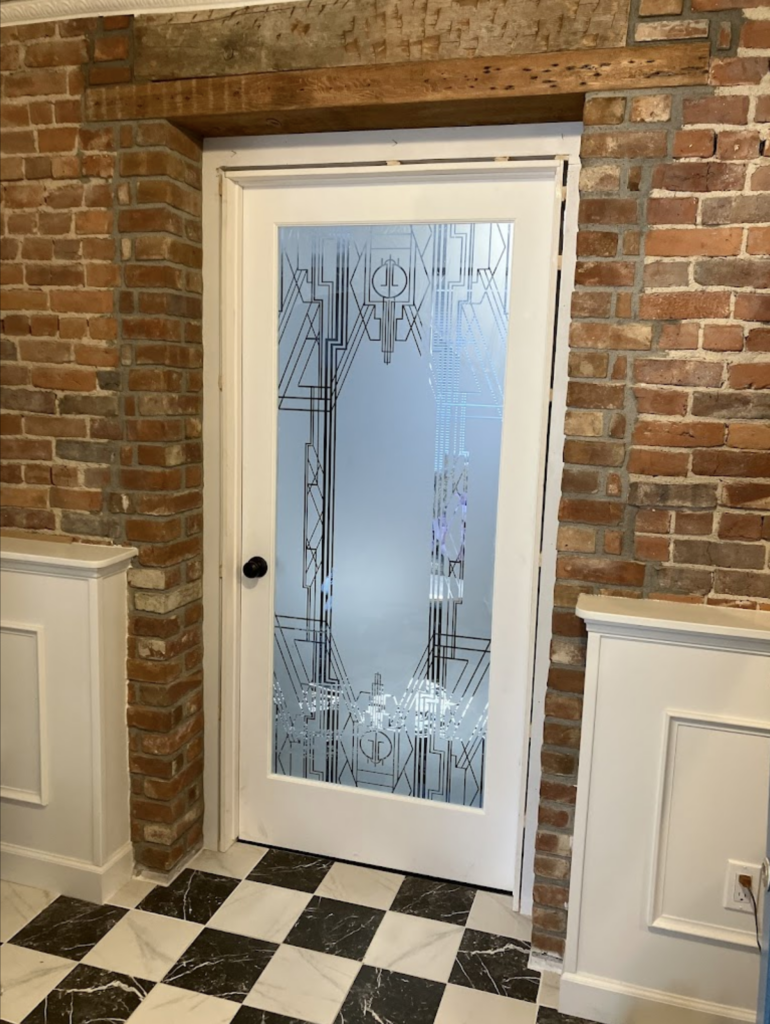
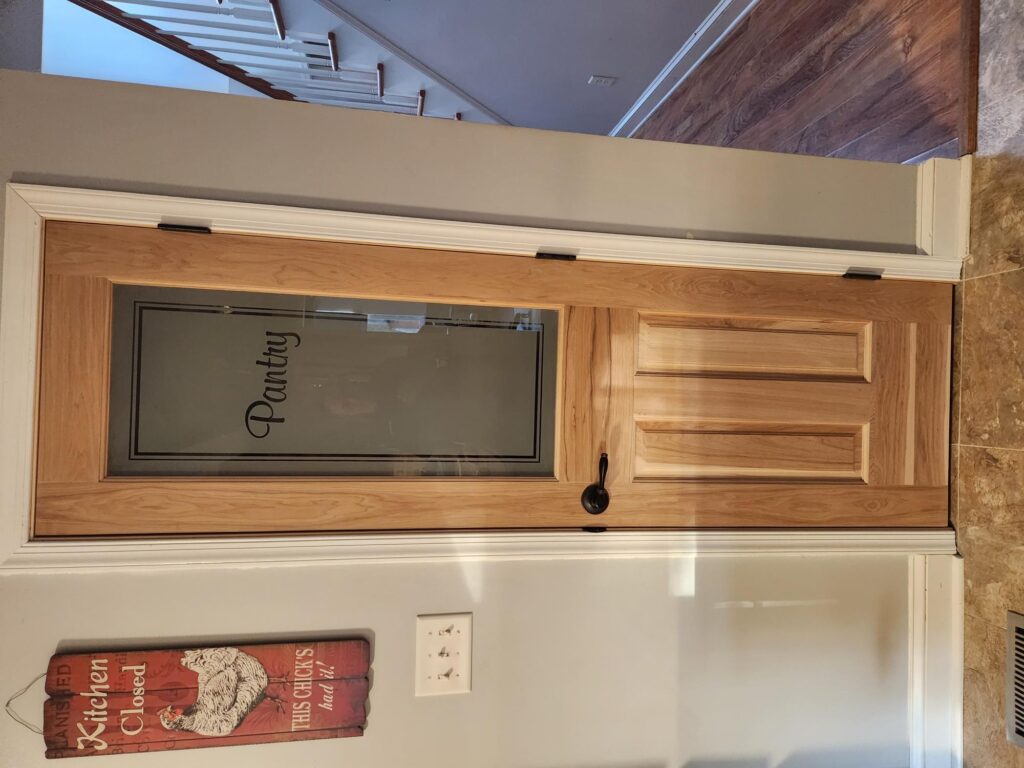
One of the most common misconceptions we hear: “Are those black lines painted on the glass?”
They’re not.
Those “dark” lines are actually clear glass.
Here’s what’s happening:
- Clear glass reflects and transmits whatever is behind it
- If the room beyond is dim, shadowed, or darker in tone, the clear areas will appear dark
- This can make the design look like it has black or painted elements—even though it doesn’t
It’s simply a visual effect created by contrast and lighting—not color.
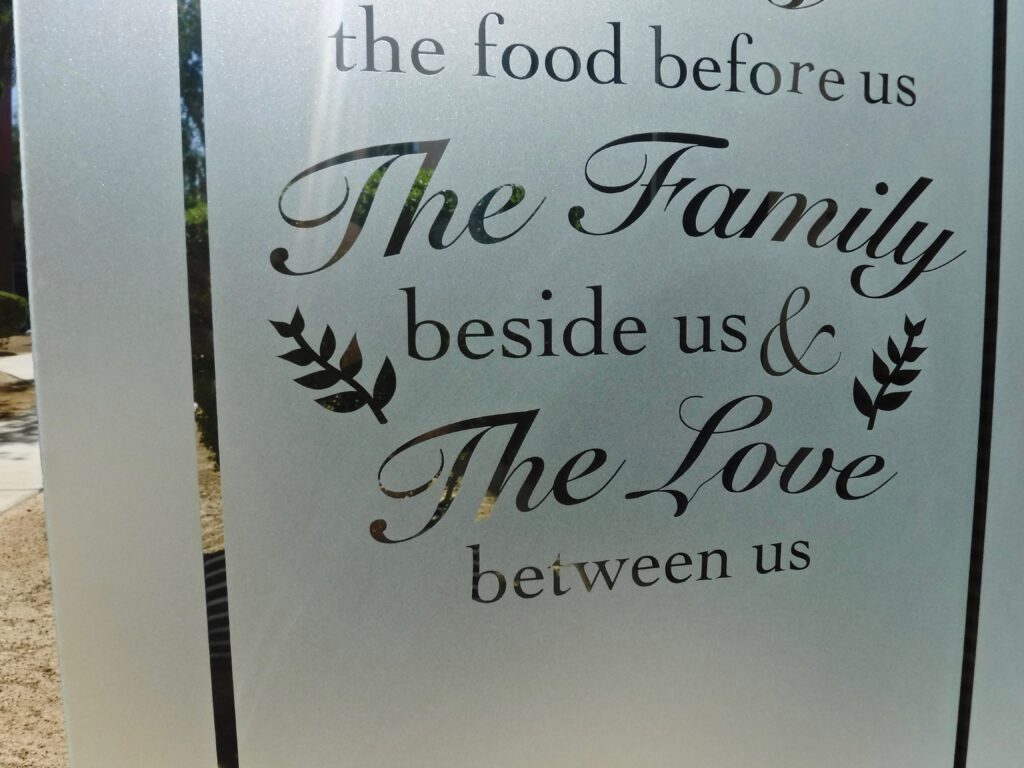
Why Frosted Glass Looks Different in Various Lighting Conditions
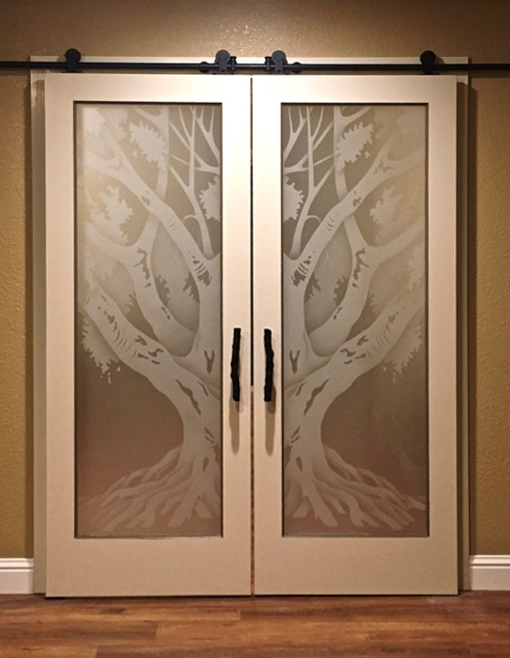


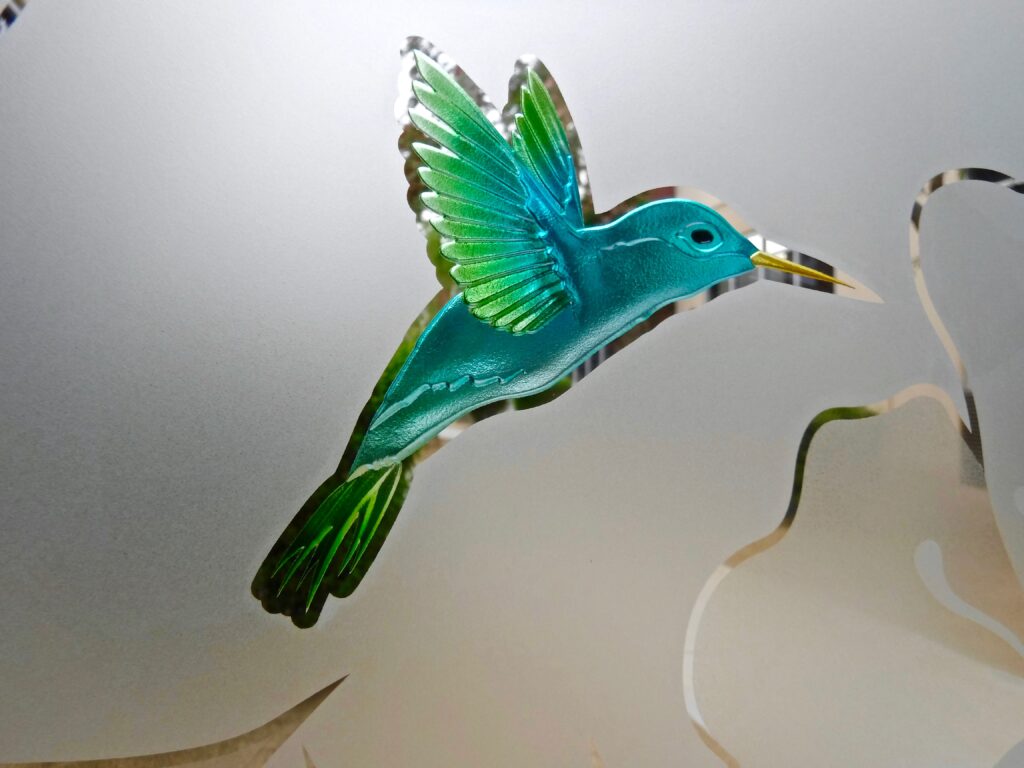
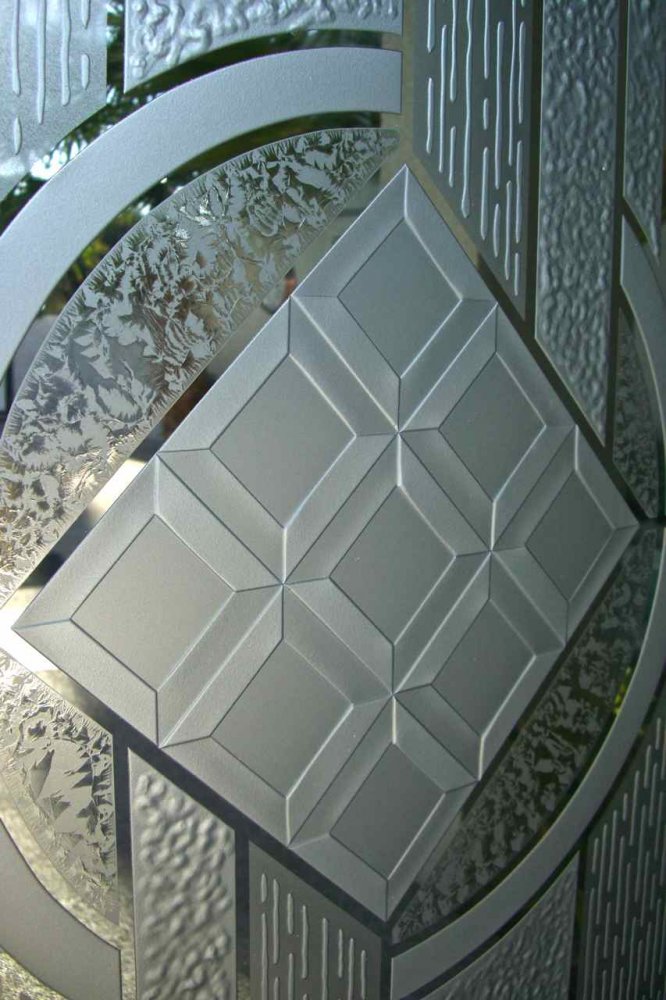
Frosted glass is a textured material that diffuses light. The sandblasted or etched finish scatters light as it passes through, creating that soft, blurred look while still allowing brightness to come through.
Because of this, its appearance changes depending on how much light is present and where it’s coming from. With more light behind the glass, it looks brighter and more luminous. With less light, it appears softer and more muted.
Clear areas within the design behave differently. Instead of diffusing light, they transmit and reflect what’s on the other side—sometimes appearing darker when the space beyond is dim.
In short, frosted glass is dynamic. Its appearance shifts throughout the day and in different environments, making lighting an essential part of how the final design is experienced.
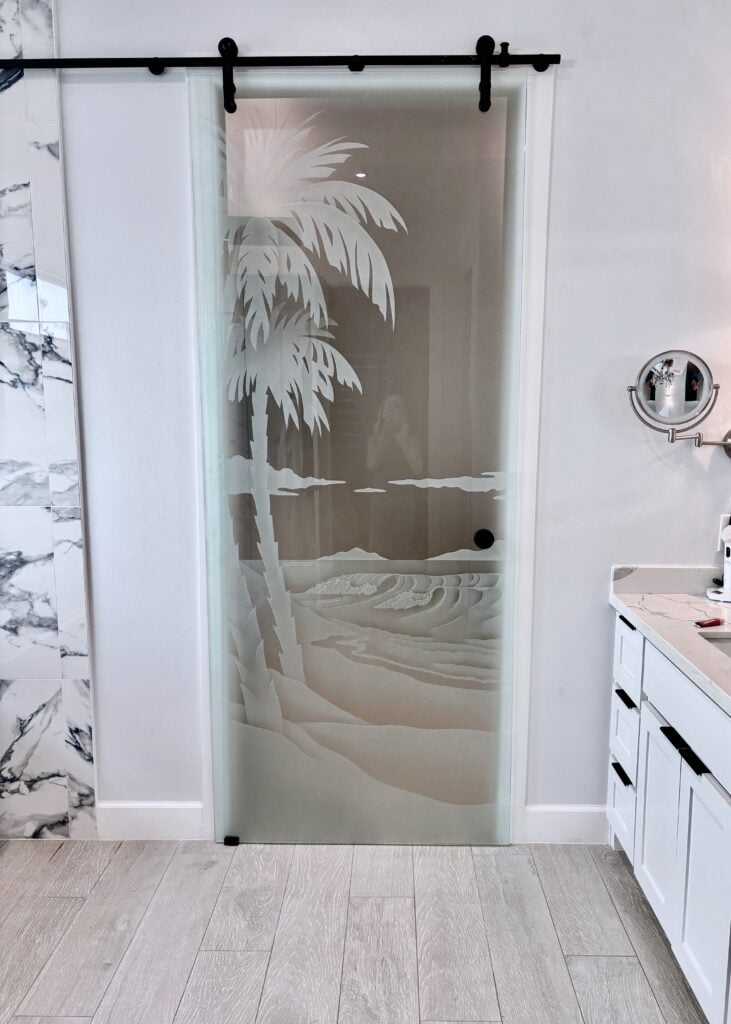
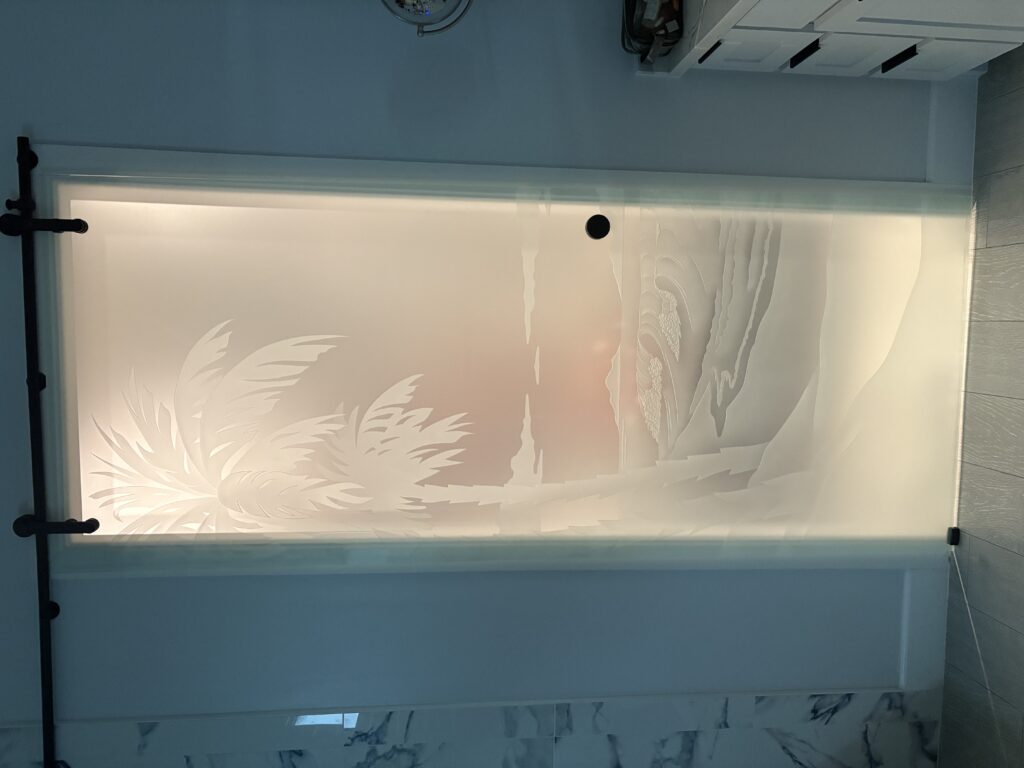
How Natural Light Changes Frosted Glass Throughout the Day

Natural light is constantly changing, which means the appearance of frosted glass doors evolves from morning to night. This is completely normal and part of what gives decorative frosted glass its dynamic quality.
Morning Light (Soft & Directional)
In the early part of the day, light tends to be softer and comes in at a lower angle. This creates a gentle glow on frosted glass, with more subtle contrast between clear and etched areas. Designs appear calm and understated.
Midday Light (Bright & Direct)
At midday, when the sun is strongest, frosted glass appears at its brightest. The increased light passing through the glass enhances visibility of the design and creates the highest contrast between clear and frosted sections. This is often when the details of the artwork are most noticeable.
Evening & Low Light (Dim & Warm)
As natural light fades, the glass takes on a deeper, more muted appearance. Frosted areas may look darker, and design elements become less pronounced. If there is little to no light behind the glass, it will rely more on interior lighting or appear more opaque overall.
See More Examples Below:
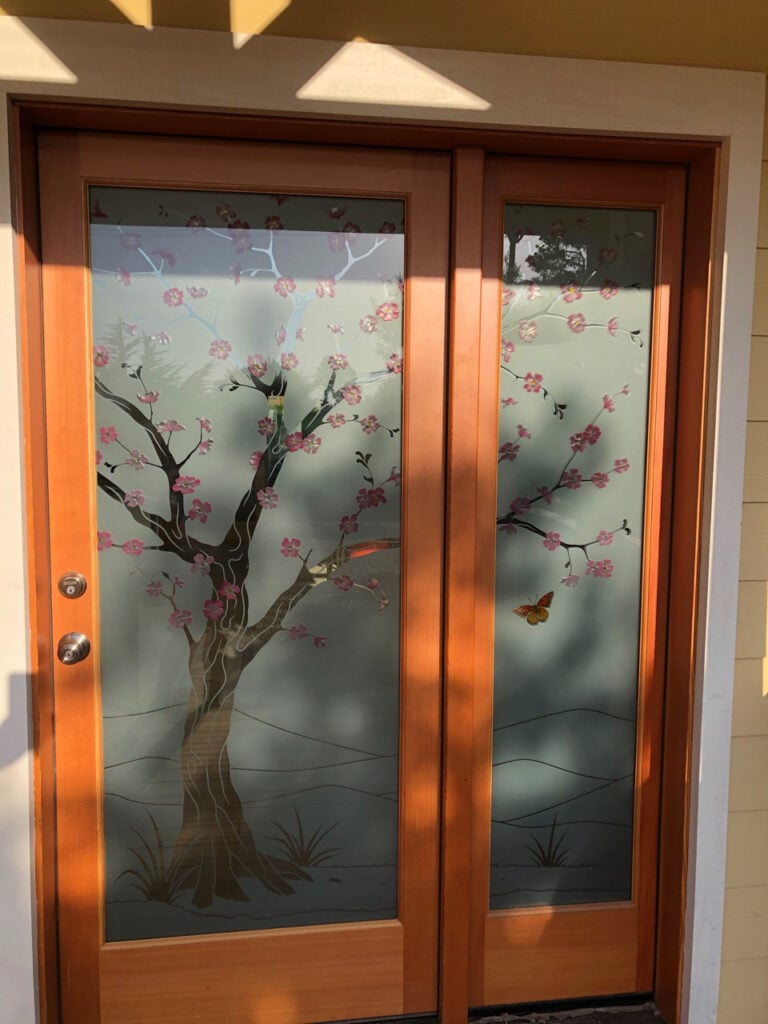
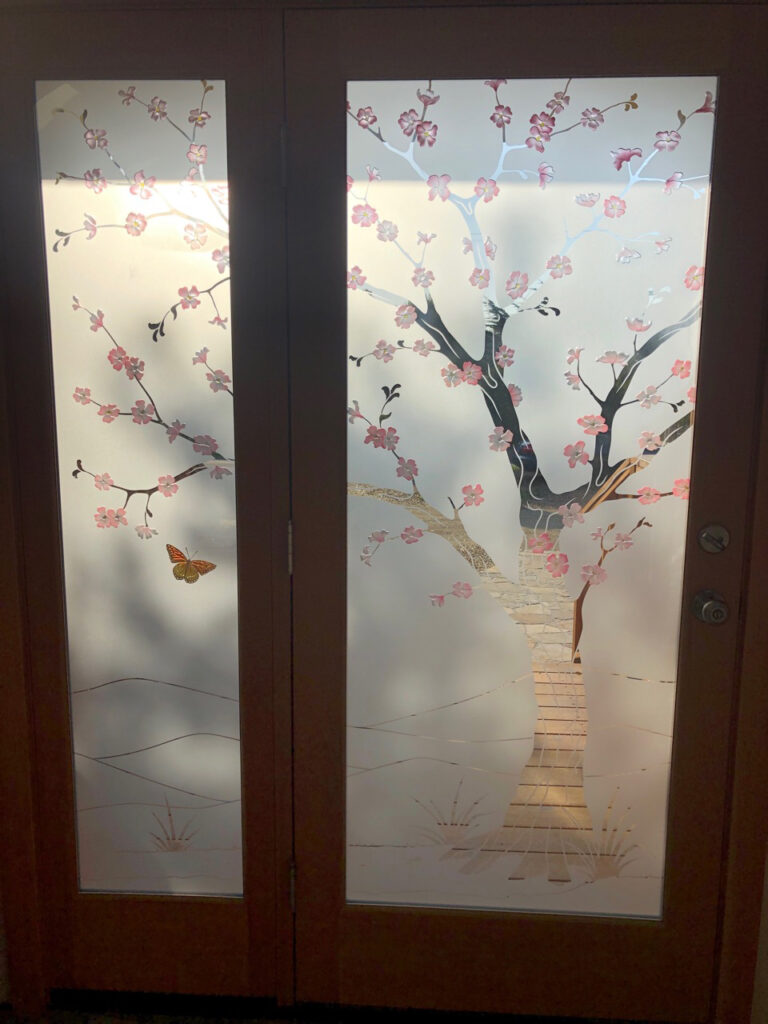
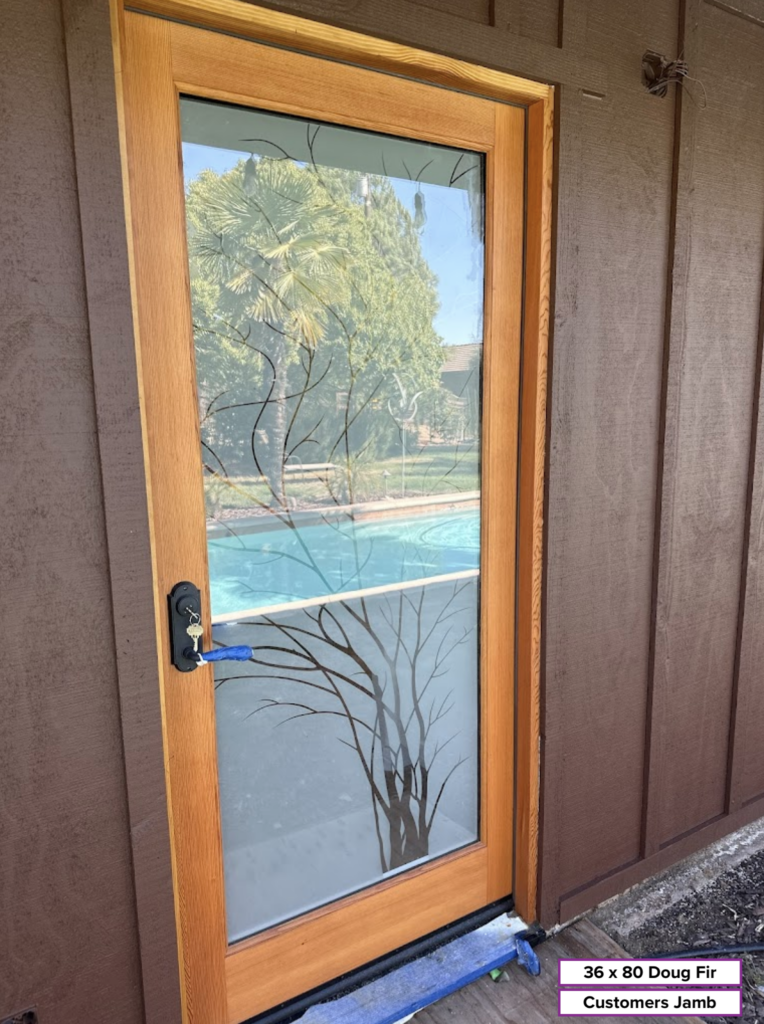
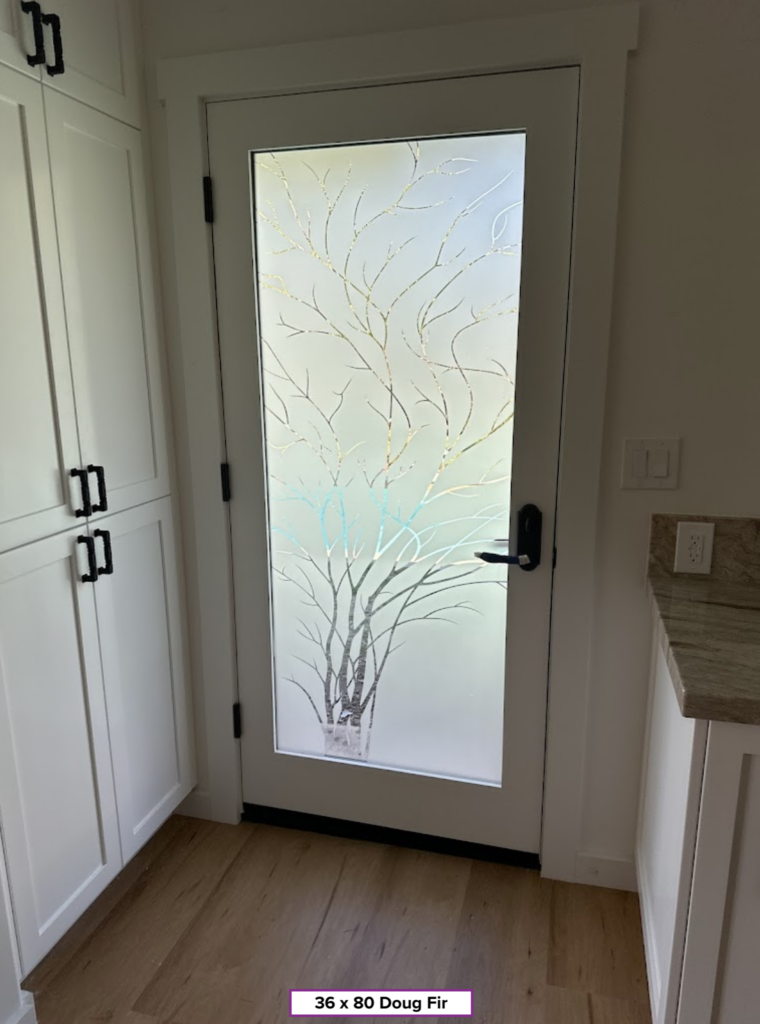
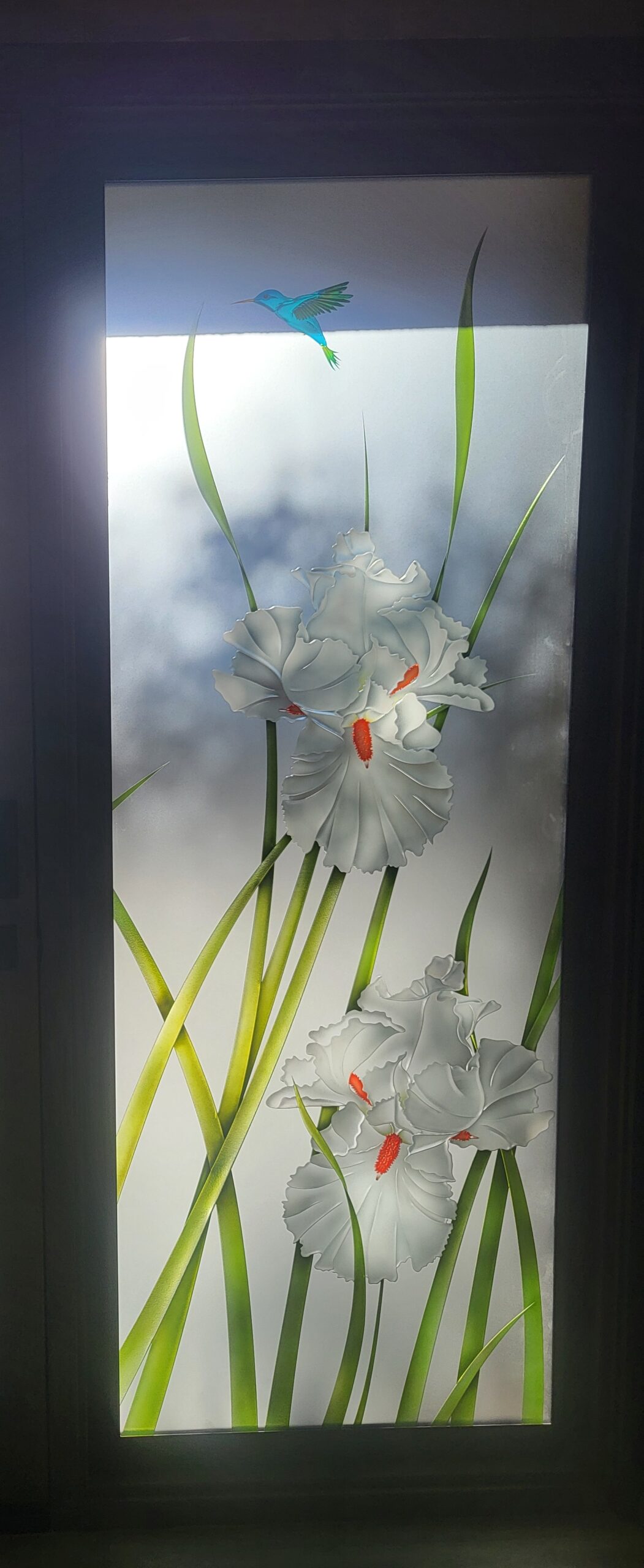
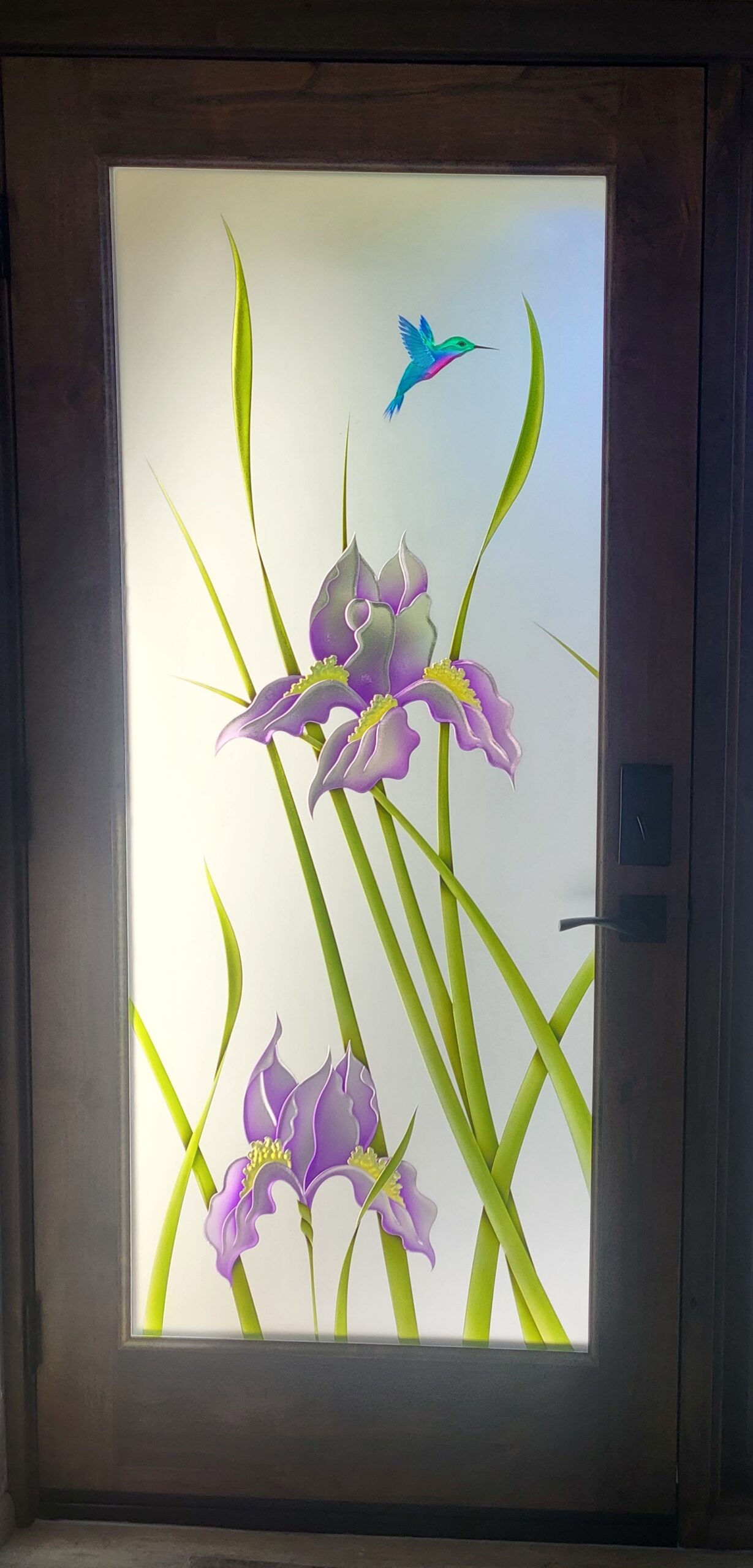
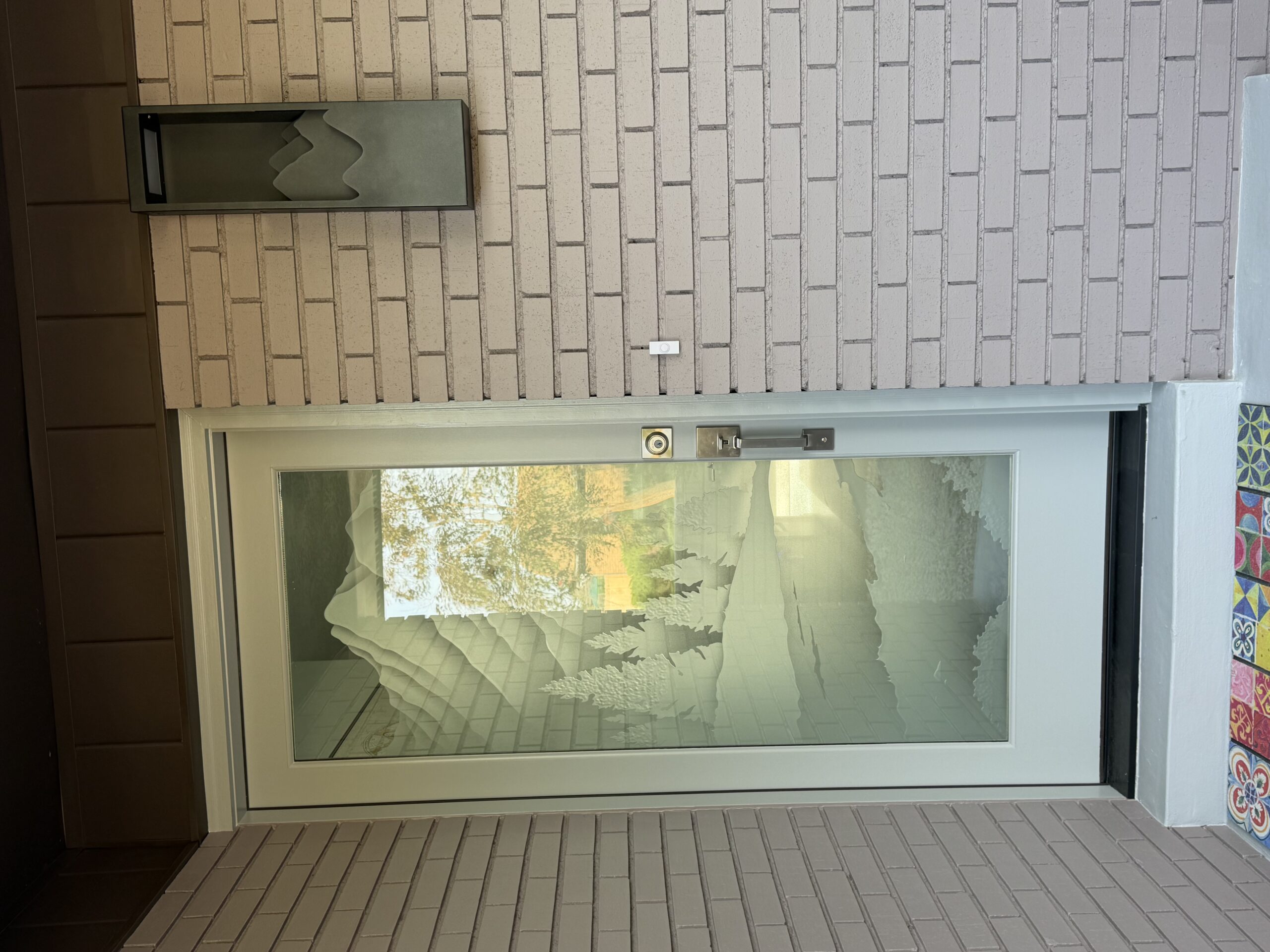
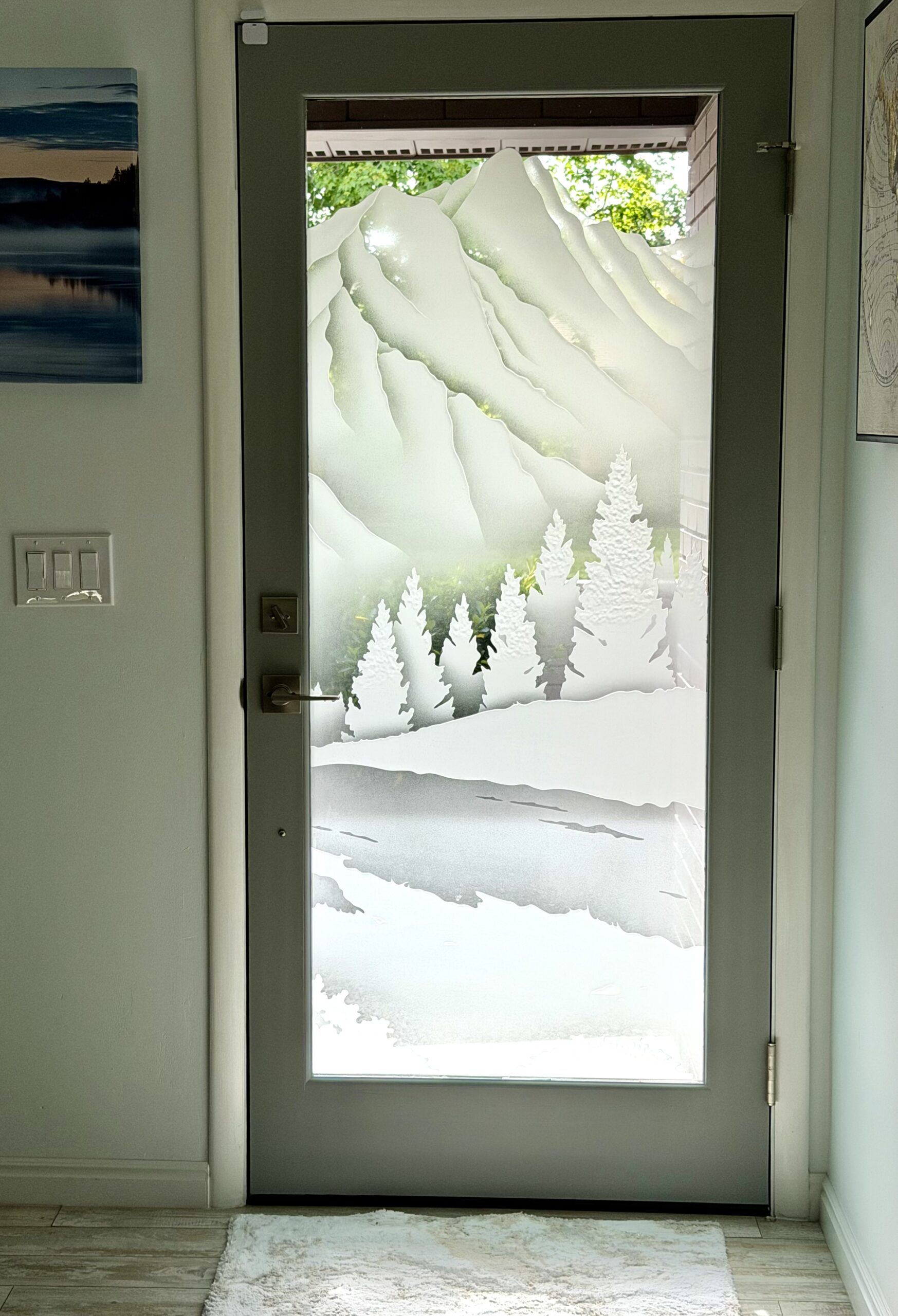
How Artificial Lighting Affects Frosted Glass Doors
Artificial lighting plays a major role in how frosted glass doors look at night or in interior spaces without strong natural light. The type, color, and placement of lighting all influence the final appearance.
Warm Lighting (Soft White / Yellow Tones)

Warm lighting adds a softer, slightly golden tone to the glass. This can make frosted areas feel more subtle and inviting, while slightly reducing contrast between clear and etched elements. It creates a cozy, ambient look.
Cool Lighting (Bright White / Daylight LEDs)
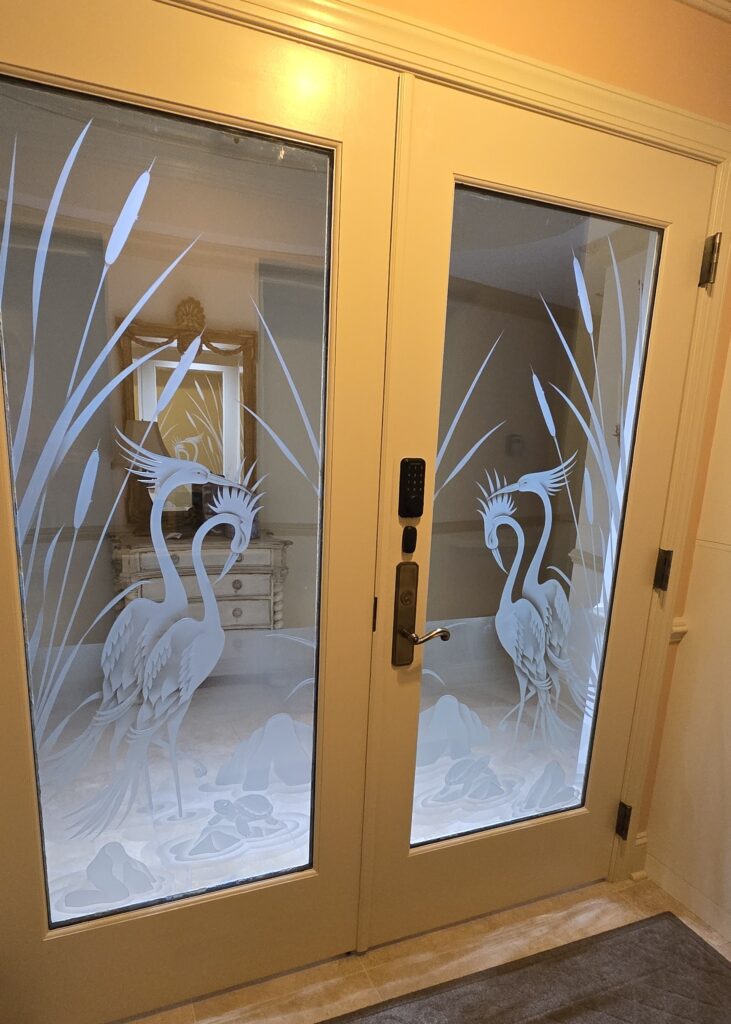
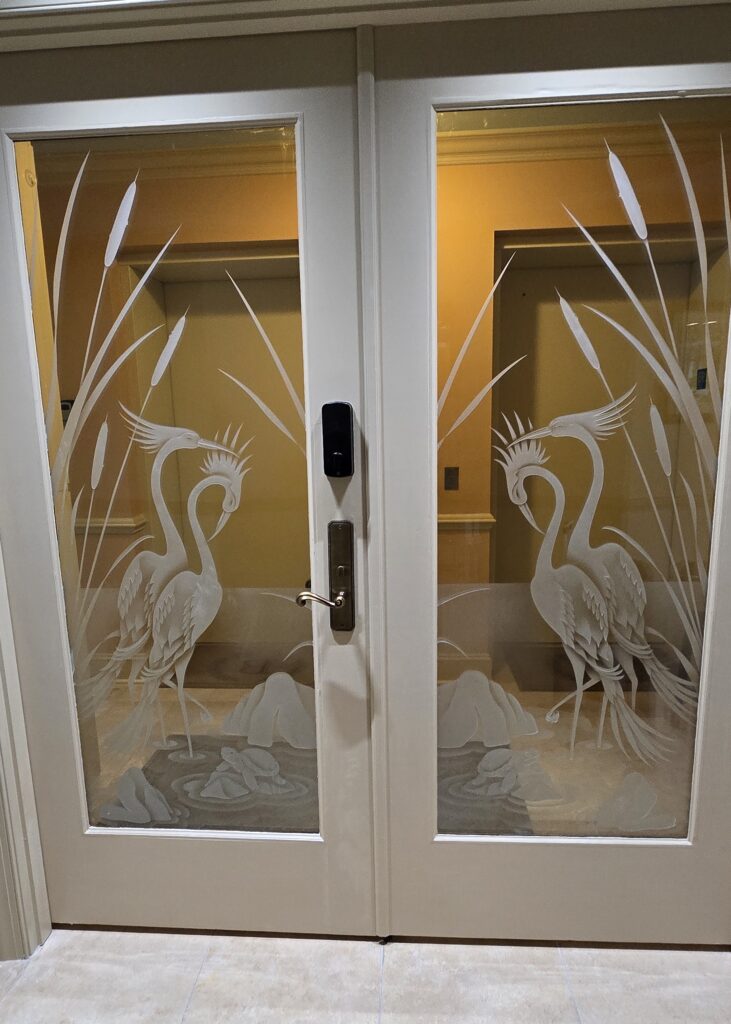
Cool lighting produces a crisper, cleaner appearance. It enhances the brightness of frosted areas and can make design details appear more defined. This type of lighting is often preferred for showcasing intricate etched or sandblasted patterns.
Interior Lights On vs Off
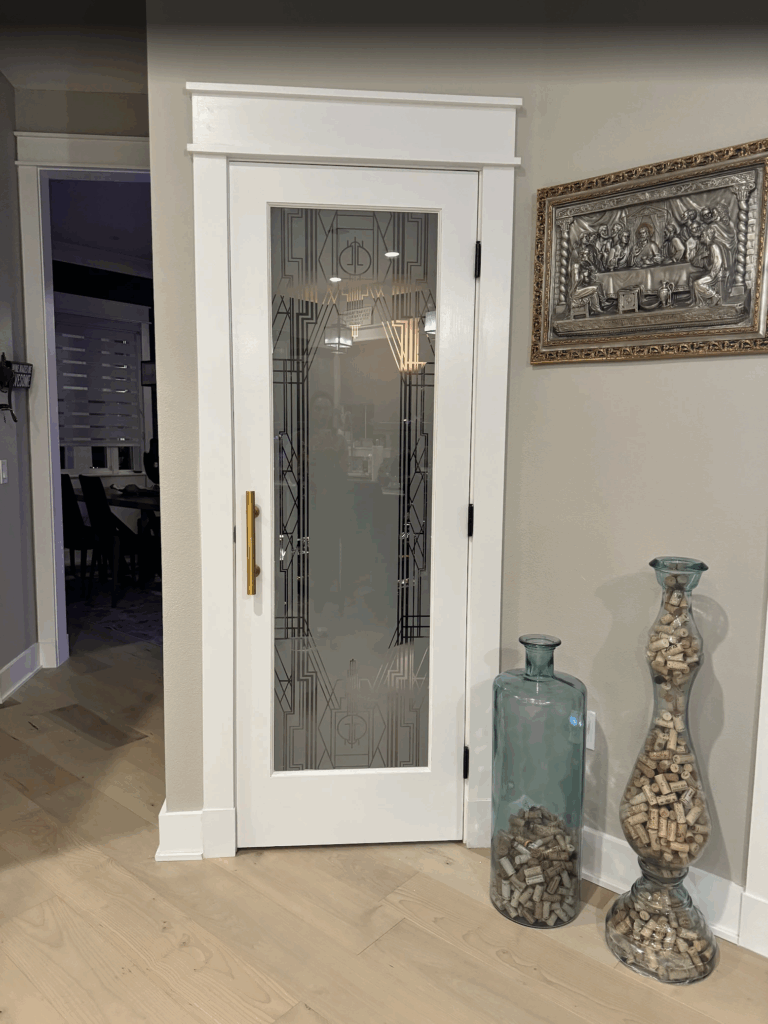
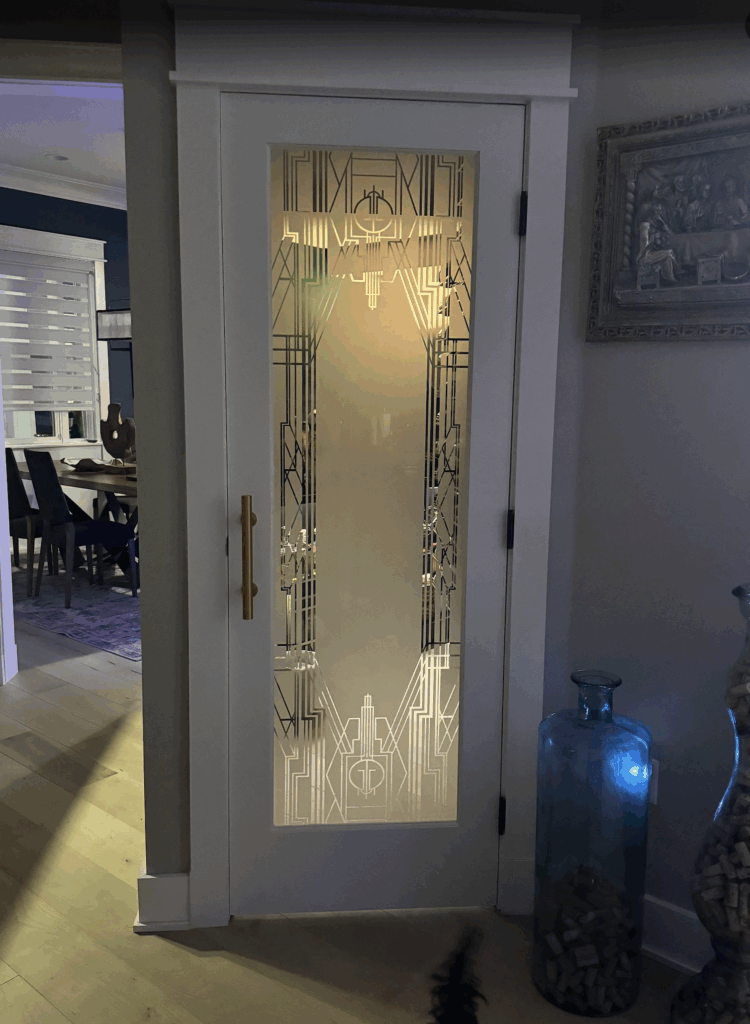
Whether the lights are on or off behind the glass makes a significant difference. With lights on, the glass becomes more illuminated and the design stands out more clearly. With lights off, especially at night, the glass may appear darker and more reflective, with less visible detail.
How Lighting Affects Privacy in Frosted Glass Doors
Frosted glass doors are designed to provide privacy while still allowing light to pass through—but that privacy can shift depending on lighting conditions.


Bright Side vs Dark Side Effect
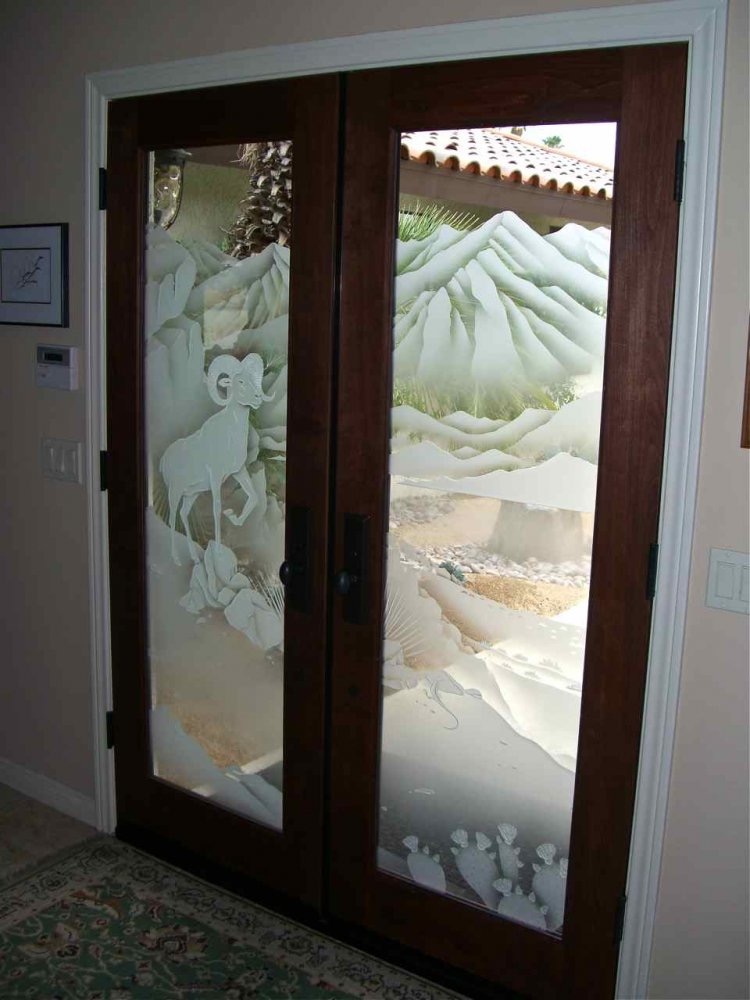
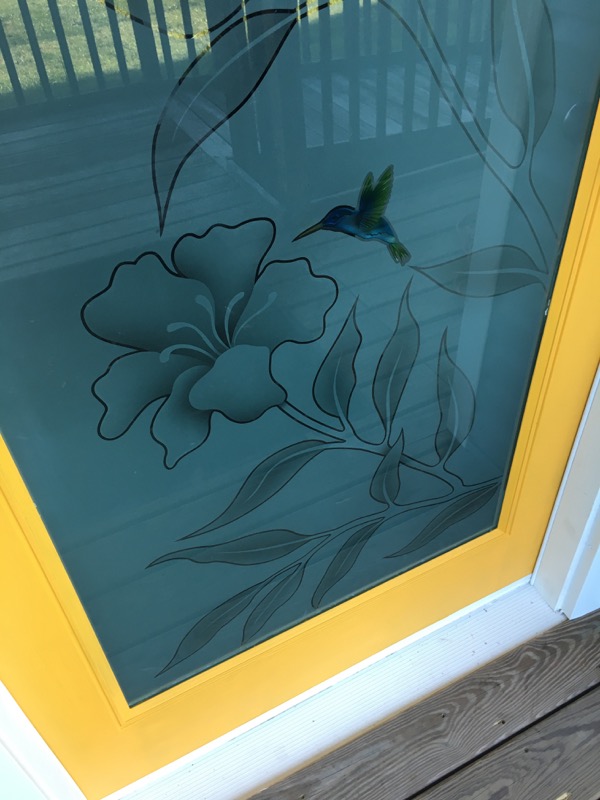
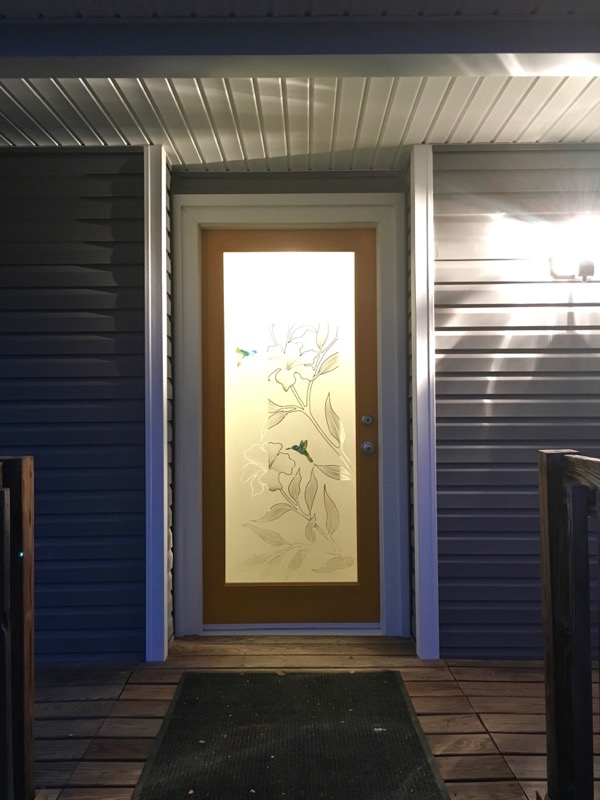
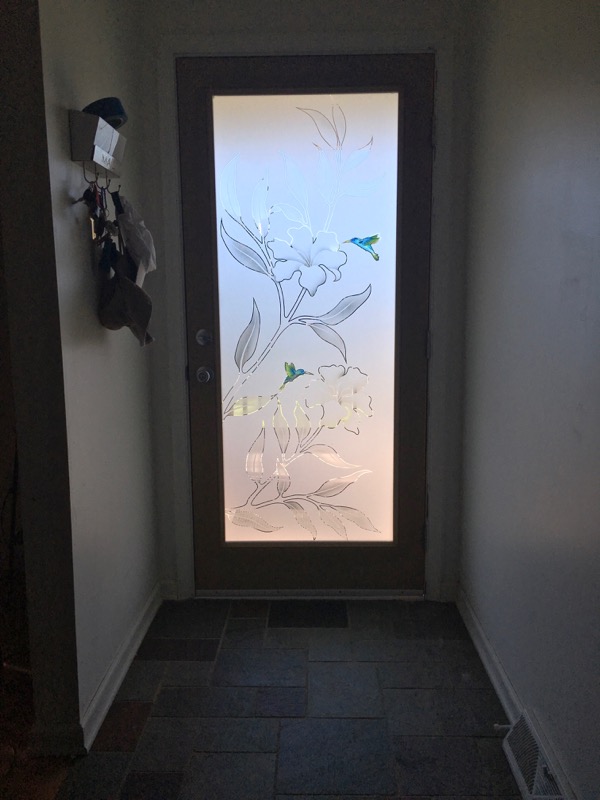
The general rule is simple: the brighter side of the glass sees less, and the darker side sees more. When one side of the glass is brightly lit and the other is darker, visibility increases from the darker side looking toward the brighter side.
Real-World Privacy Scenarios
During the day, when natural light is stronger outside, people inside typically have more privacy because the exterior is brighter. At night, this effect reverses. If interior lights are on and it’s dark outside, visibility into the space increases slightly from the outside.
That said, frosted glass still obscures detail. Shapes, movement, and light may be visible, but clear identification is minimized—especially with more private glass effects.
Watch How Frosted Glass Provides Privacy in Every Space!
Common Misconceptions About Frosted Glass and Lighting
One of the most common misconceptions is that clear design elements are colored, tinted, or painted when they appear dark. In reality, this effect is almost always caused by reflection or low light behind the glass.
Another misconception is that frosted glass should always look bright white. While it often appears this way with strong backlighting, it can look softer, gray, or more muted depending on the lighting environment. This is completely normal and expected.
People also sometimes assume the glass “looks different than it should,” when in fact, they are simply seeing it under different lighting conditions. The design itself hasn’t changed—only the way light is interacting with it.
What to Keep in Mind When Choosing Your Design
When selecting your decorative frosted glass, it’s important to think beyond just the pattern:
- What lighting conditions will the glass be in most of the time?
- Will there be light behind the glass (hallway, room, exterior)?
- Do you want higher contrast or a softer, more subtle look?
Our team can guide you through this so your final result looks exactly the way you envision—day and night.

Create Your Own Custom Frosted Glass Door
At Sans Soucie Art Glass, every decorative frosted glass door we create is handcrafted with care, precision, and decades of expertise. As a family-owned and operated studio since 1976, we’ve proudly spent nearly 50 years helping homeowners bring beautiful, custom glass designs to life.
If you’re ready to transform your space with decorative frosted glass that’s both functional and truly one-of-a-kind, we’re here to help every step of the way. Explore our frosted glass door designs or start your custom project today.

Prices are subject to change at any time without prior notice.


FREE SHIPPING on Most Orders
Final Takeaway: Lighting Is Part of the Design
Frosted glass doors aren’t meant to look the same in every setting—and that’s exactly what makes them so beautiful. Unlike flat, static materials, decorative frosted glass is designed to interact with light, changing throughout the day and in different environments.
Lighting affects everything: how bright the glass appears, how strong the contrast is between clear and frosted areas, and even how much privacy the glass provides. What you’re seeing isn’t inconsistency—it’s the glass doing exactly what it’s designed to do.
When you understand how lighting works with frosted glass, you can better anticipate how your doors will look in real life. You can also use lighting intentionally to enhance the design, highlight details, and create the exact mood you want in your space.
Frequently Asked Questions About Frosted Glass Doors and Lighting
How does lighting affect the appearance of frosted glass doors?
Frosted glass can look brighter, whiter, or more muted depending on the direction, intensity, and distance of the light source. For example, backlighting can make it appear more luminous, while low or front lighting can create a softer, darker effect. Distance from the light source also impacts the intensity and spread of illumination, with closer light creating a more localized effect and distant light offering a softer, more even glow.
Why does frosted glass sometimes look gray instead of white?
Frosted glass appears gray when there is less light passing through it. Without strong backlighting, the diffused surface reflects less light, creating a softer, more muted tone instead of a bright white appearance.
Does the thickness of the glass affect how it looks with lighting?
Glass thickness doesn’t significantly change how light interacts with frosted designs. The visual effect is primarily determined by the surface treatment (sandblasted or etched) and the lighting environment. However, thicker glass can enhance the overall sense of depth and quality.
How does etching or sandblasting change the way glass interacts with light?
Sandblasting or etching creates microscopic surface texture on the glass, which scatters (diffuses) incoming light in multiple directions. This reduces direct visibility while maintaining brightness, giving frosted glass its soft, glowing appearance instead of clear transparency.
Are some frosted glass designs more affected by lighting than others?
Yes. Designs that include clear glass elements (like 1D Negative effects) are more responsive to lighting changes because they reflect and transmit what’s behind them. Fully frosted designs tend to appear more consistent, while carved or shaded designs can show more depth as lighting changes.
Will adding a transom or sidelights change how the glass looks?
Yes, additional glass elements like transoms or sidelights can increase the amount of light passing through the space. This can brighten the overall appearance, enhance contrast, and create a more cohesive, luminous look across the entire entry or opening.
What type of lighting is best to highlight decorative frosted glass?
If you want to emphasize detail and contrast, brighter, cooler lighting (like daylight LEDs) works well. For a softer, more ambient look, warm lighting creates a more subtle effect. The “best” choice depends on the mood and style you want to achieve in your space.
Can you see through frosted glass at night with lights on?
You may see more movement or shadows at night if lights are on inside, but frosted glass still obscures clear detail. The level of visibility depends on the glass effect and lighting difference between both sides.
Does low-iron glass change how frosted glass looks in different lighting?
Yes. Low-iron glass reduces the green tint found in standard clear glass, resulting in a cleaner, more neutral appearance—especially noticeable in brighter lighting conditions and lighter design elements.


Sans Soucie Art Glass: Decorative, Custom & Frosted Glass Doors, Windows, Showers & Stained Glass Since 1976
Family-owned and operated since 1976, Sans Soucie Art Glass leads the industry in decorative glass and custom glass design — from sandblast frosted glass and carved glass to hand-painted and stained glass art — transforming ordinary glass into Works of Art Captured in Glass recognized worldwide.
Innovative Frosted Glass Door Designer Tool
In 2010, we invented and launched our Frosted Glass Pantry Door Designer – a fun, easy-to-use tool that makes it simple for anyone to design and customize not only pantry doors, but a wide range of frosted glass doors for every room.
Explore our Frosted Glass Doors Collection
Our custom frosted glass doors include a beautiful variety for every style and space:
- Pantry Doors
- Frosted Glass Interior Door
- Interior Doors with Frosted Glass
- Frosted Glass French Doors
- Frosted Glass Front Door
- Front Doors with Frosted Glass
- Interior Glass Doors
- Glass Barn Doors
- Frosted Glass Barn Door
- Sliding Glass Barn Door
- All Glass Doors Interior
- All Glass Front Doors
- Bathroom Doors with Frosted Glass
- Laundry Room Doors
- Wine Room Doors
If you already have a door, and only need the glass insert, we also offer:
- Frosted Glass for Interior Doors
- Door Glass Inserts for Front Doors
- Glass Panels for Pantry Doors
- Frosted Glass Inserts for Bathroom Doors
- Laundry Room Door Glass Inserts
- Glass Panels for Interior Wine Cellar Doors
Elegant Frosted Glass Throughout Your Home
While our frosted glass doors are a top choice, we also create stunning glass products for every area of your home, including:
- Frosted Glass Shower Doors
- Glass Shower Partition
- Frosted Glass Shower Panel
- Frosted Glass Showers
- Frosted Glass Windows
- Bathroom Window Frosted Glass
- Decorative Window Glass, Window Frosting
- Custom Glass Dining Table
- Custom Glass Coffee Table
- Glass Shelves, Custom Glass Shelves
- Hand Carved & Painted Mirrors
- Frosted Glass Signs, Etched Glass Signs
- Cabinet Door Glass Inserts, Frosted Glass Inserts for Cabinet Doors
- Glass Wall Art, Wall Art on Glass
Looking for Inspiration? Explore Our Galleries
Discover visual idea boards, style concepts, décor applications, real project photos, and helpful information in our expanding gallery collection:
- Custom Glass
- Custom Glass Edges
- Custom Mirror
- Decorative Glass
- Decorative Glass Doors
- Decorative Glass Front Doors
- Decorative Glass Interior Doors
- Decorative Glass Window
- Stained Glass
- Stained Glass Doors
- Stained Glass Front Doors
- Stained Glass Windows
Free Shipping. Expert Packing, Peace of Mind
With FREE SHIPPING on most orders and worldwide delivery from our studio in Palm Desert, California, every order is packed in-house by our expert glaziers using custom materials and proven methods — ensuring safe arrival with a damage rate of less than 1%!
Explore our complete frosted glass doors collection and find the perfect frosted glass door for your space. Have questions? Contact us today!
Copyright © 2025, Sans Soucie Art Glass. All rights reserved.