How to Replace a Bathroom Window

Bathroom windows face constant challenges, such as steam, humidity, and the need for privacy. Over time, frames warp, seals break, and glass clouds or cracks. Replacing that window creates a cleaner, brighter, and more comfortable space.
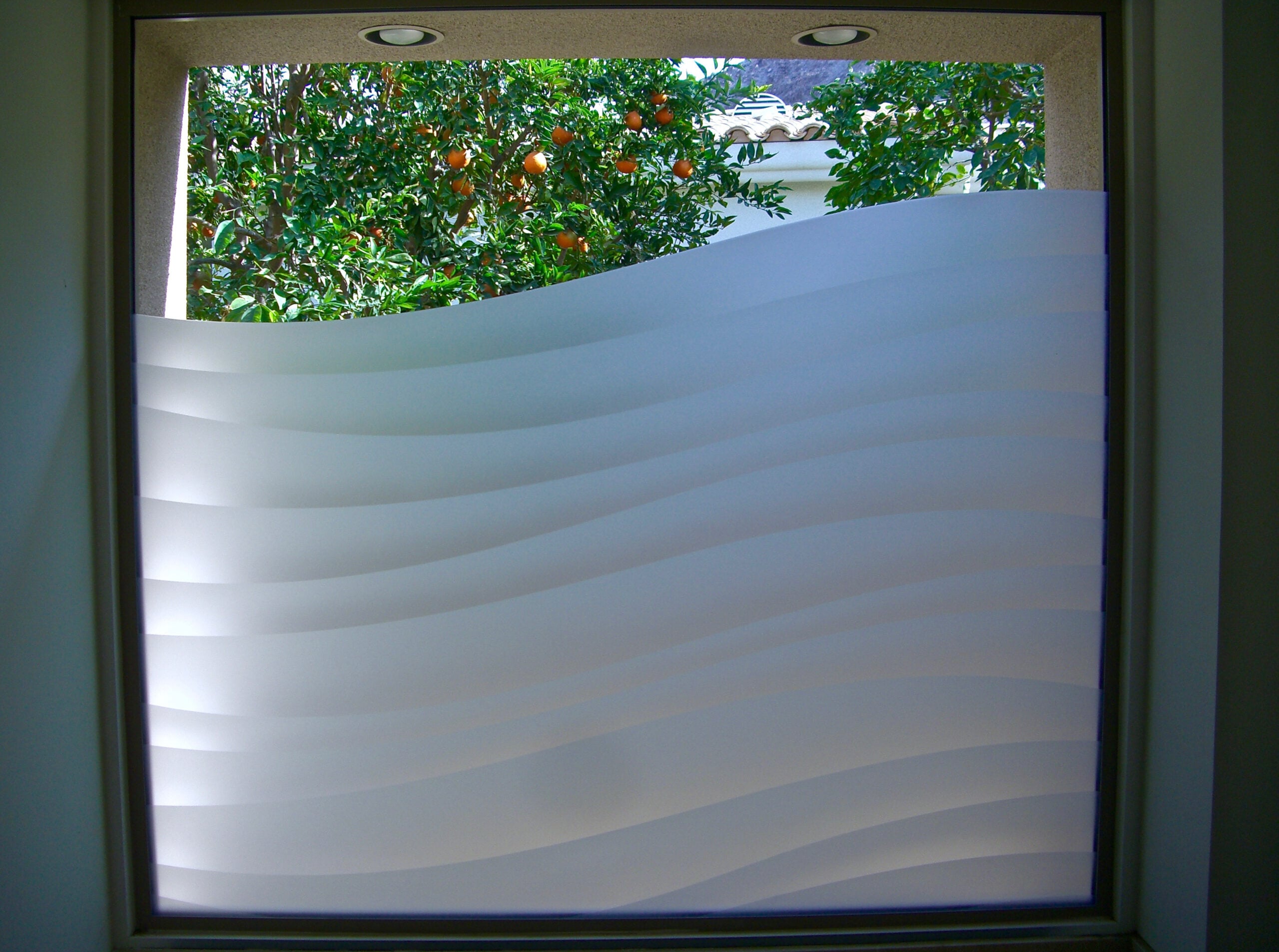
Many homeowners now choose high-quality frosted glass as a practical and stylish solution. It softens the incoming light while fully blocking the view from outside. This makes a bathroom window with frosted glass a smart upgrade for anyone who wants privacy without heavy blinds or curtains.
This guide shows you how to replace a bathroom window step by step. Remove the old frame, fit the new frosted window, and seal it to protect against moisture. Refresh your bathroom with a window that works as hard as the space around it.
When to Replace a Bathroom Window
Not every bathroom window needs replacing right away, but some signs shouldn’t wait. Look for moisture damage, peeling paint, visible mold, or a persistent draft. These issues often point to a failing seal or a deteriorated frame.
Cracked or foggy glass also signals trouble. If the window traps condensation between panes or feels cold to the touch, it likely lost its insulating power. A worn or outdated window can drive up energy costs and invite mold growth in a high-humidity area like a bathroom.
- Water stains or soft wood around the frame
- Glass that feels cold or sweats excessively
- Drafts, even when closed
- Difficulty opening or closing the window
- Outdated glass that lacks privacy or safety
Some homeowners also replace windows for better privacy or style. If your current window feels too open or lacks character, a new window glass design can completely shift the look and feel of the room.
How to Measure for a Bathroom Window Replacement
Start with accurate measurements. This ensures your new window fits right and seals tightly.

What to Measure
Width: Measure across the top, middle, and bottom of the existing window opening. Use the smallest number.
Height: Measure from the top of the frame to the bottom sill in three places. Again, use the smallest.
Depth: Measure from the interior to the exterior edge. Standard bathroom windows usually work with a 3¼” depth, but check yours.
Tips
Use a metal tape measure for precise results. For a sash-only replacement, measure the visible glass area or follow the manufacturer’s sash measurement guide. If replacing the entire window frame, measure the full opening and include any tile or wall overlap to ensure a proper fit.
Take your time. Double-check each number before shopping for a new window or ordering a custom bathroom window frosted glass.
Choosing the Best Window for Your Bathroom
Bathrooms need windows that block moisture, protect privacy, and bring in natural light. Choose one that handles all three.
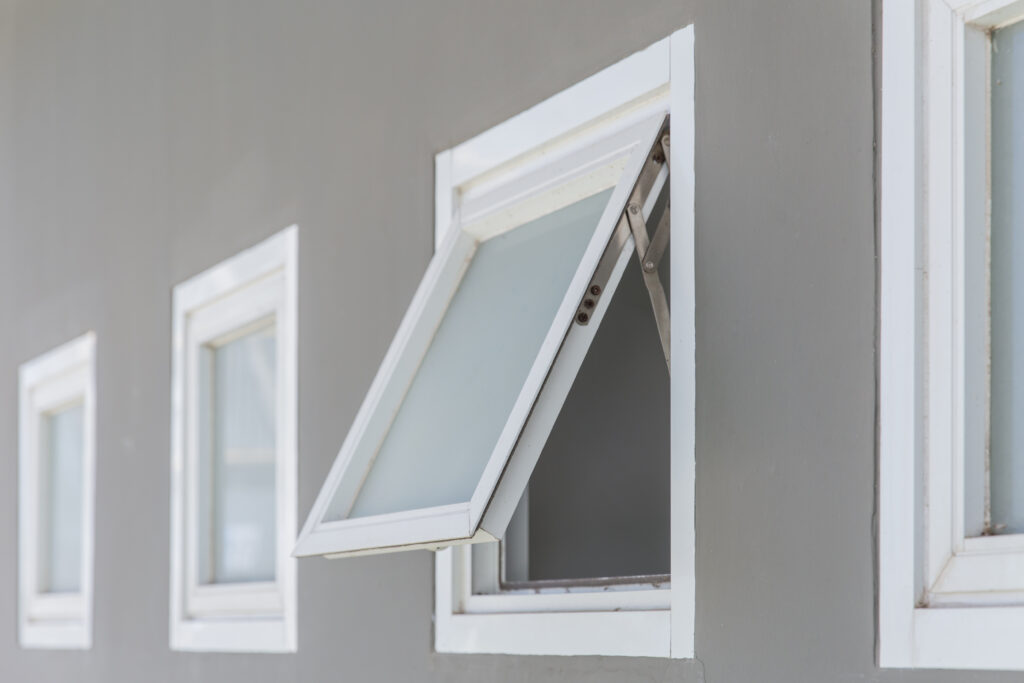
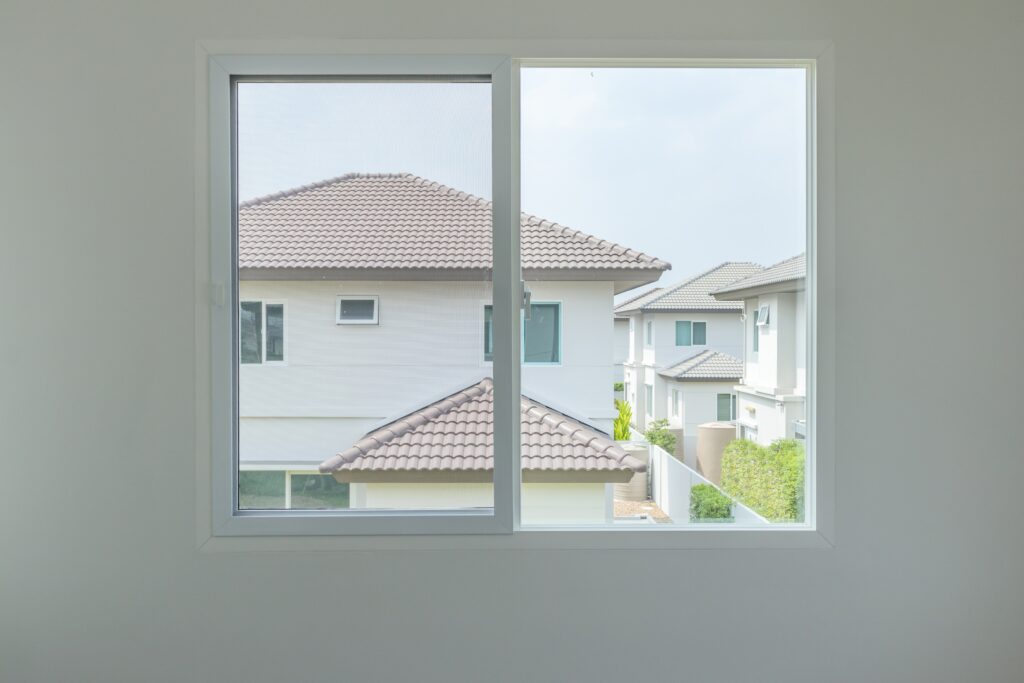
Common Bathroom Window Types:
- Awning windows: Hinge at the top. Open outward. Great for ventilation.
- Slider windows: Slide open horizontally. Compact and easy to use.
- Casement windows: Hinge on the side. Open wide. Good for airflow.
- Fixed windows: Don’t open. Use for light only.
- Single hung windows: Have two sashes, but only the bottom sash moves up and down.
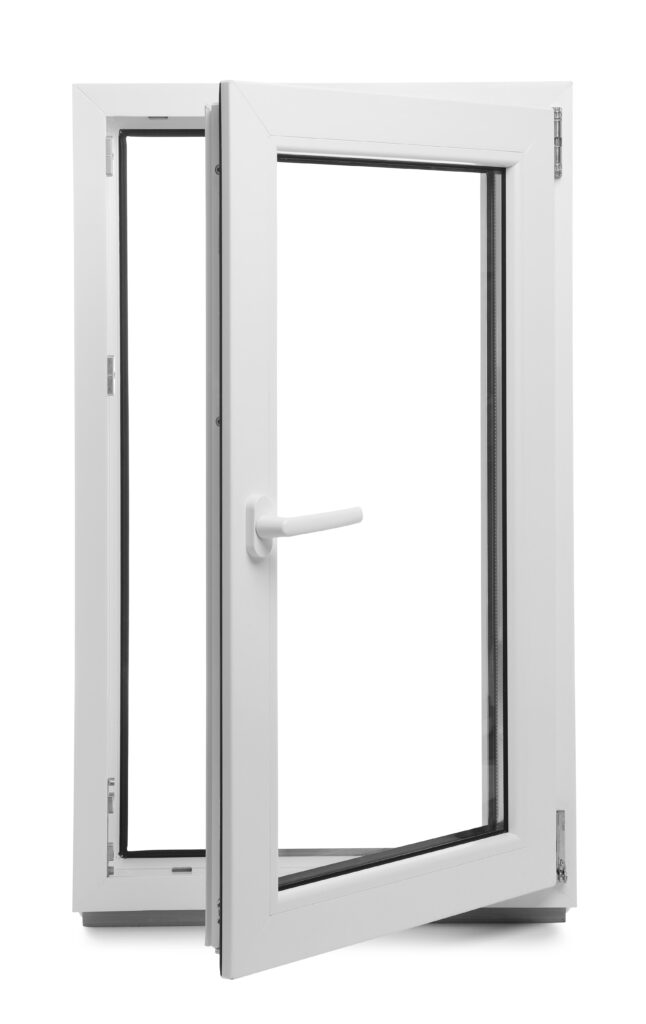
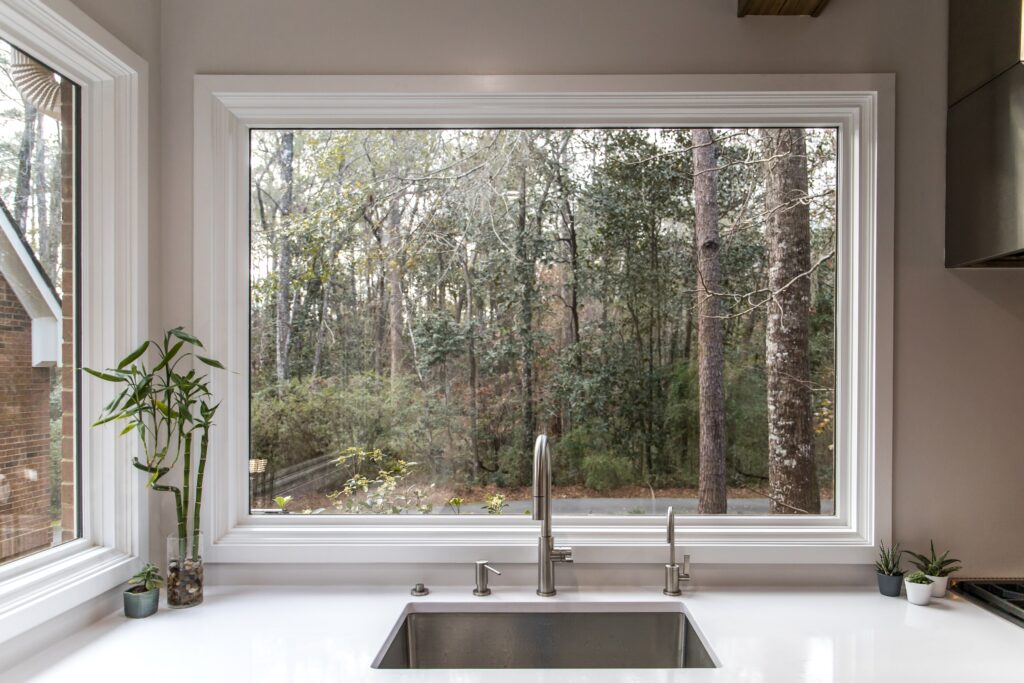
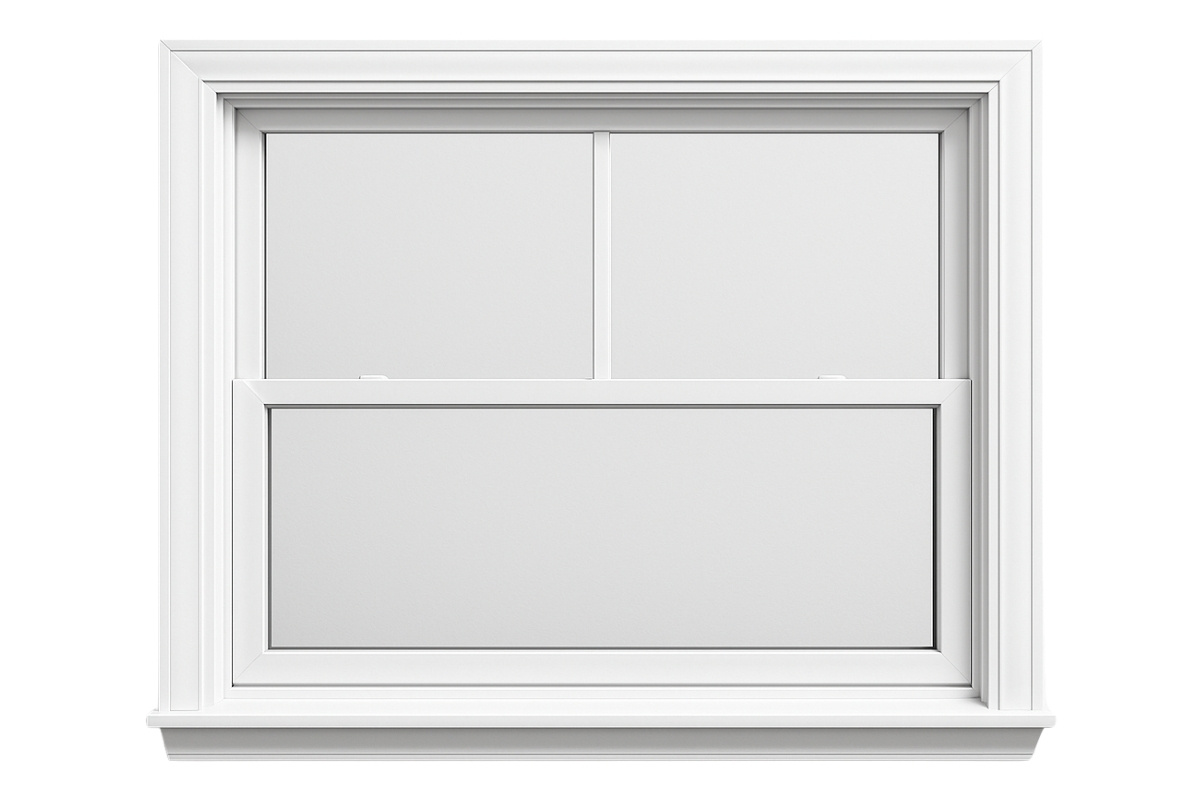
Bathroom Window Glass Options
When choosing glass for your bathroom window, tempered glass is a must in wet areas, as building codes require it and it’s designed to break safely on impact. Frosted glass is a popular choice for privacy while still allowing natural light to filter in, making it ideal for showers and half-baths. Gluechip adds a textured, decorative element that offers semi-privacy. Clear glass is also an option if privacy isn’t a concern, providing an unobstructed view and maximum daylight.

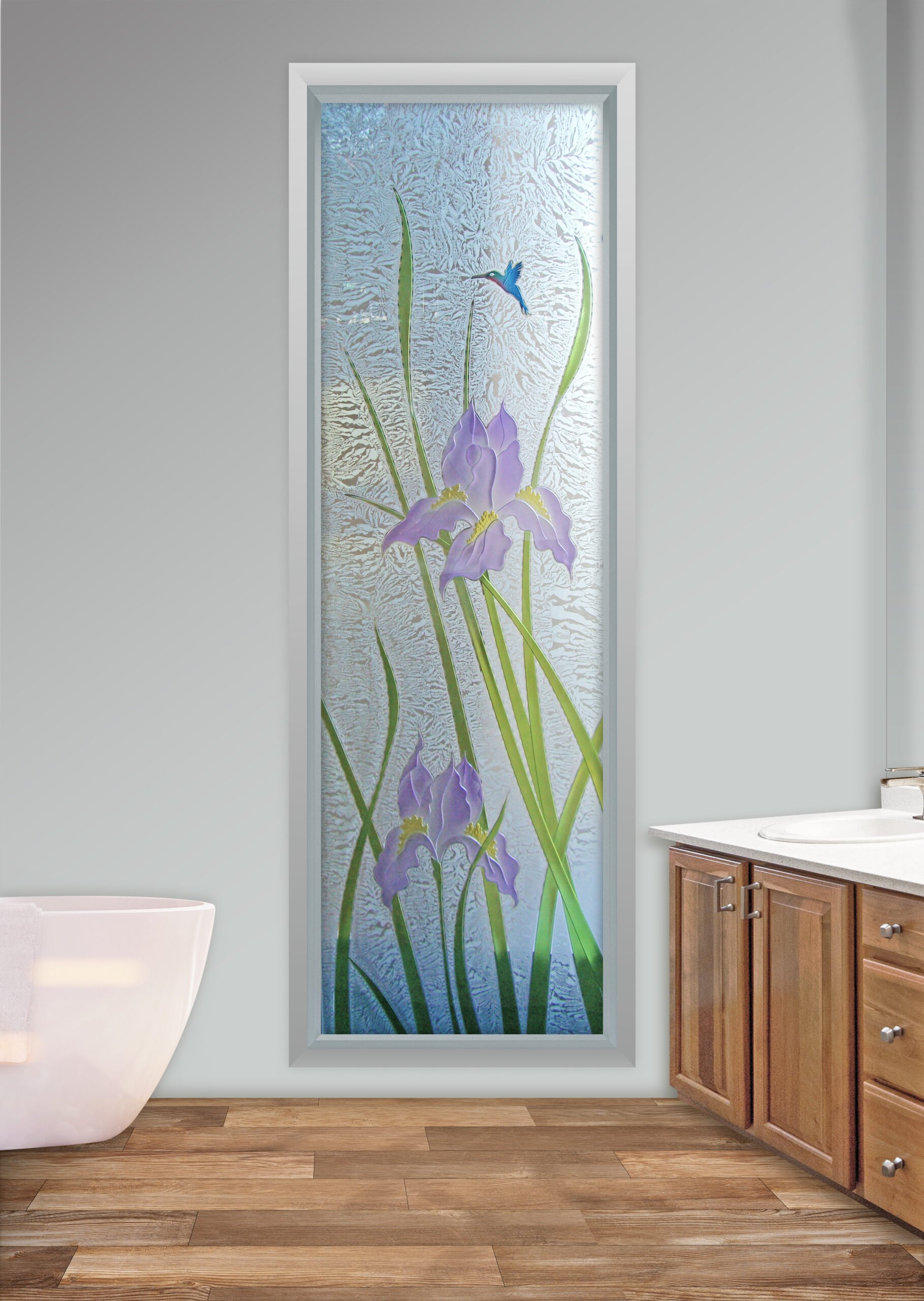

A frosted glass option works well in almost any bathroom. It softens daylight, hides shadows, and looks polished from both inside and out. Choose a frosted window that fits your needs, matches your style, and meets building safety codes.
Window Installation Tools and Materials You’ll Need
Replacing a bathroom window takes more than just a new window. The right tools make the job smoother, safer, and more precise, especially in a moisture-heavy space like a bathroom.

- Pry bar
- Utility knife
- Tape measure
- Caulking gun
- Drill
- Level
- Flashing tape
- Waterproof sealant
Most of these tools are basic and easy to find at your local hardware store. You’ll also need a moisture-resistant window rated for bathrooms. Choose one with tempered or frosted glass for added privacy and safety. Use waterproof flashing and silicone caulk to protect the frame from future leaks.
If you’re removing an old aluminum or wood window, prepare for some light demolition. Expect to cut through caulk, unscrew brackets, and possibly deal with old insulation or rotted framing.
Before you start, clear the area around the window. Lay down a drop cloth and keep all tools within reach. This prep step saves time and avoids accidents once you’re mid-installation.
How to Remove an Old Bathroom Window

Removing an old bathroom window takes patience and care. Moisture damage, caulk buildup, or tile around the frame can make this step tricky, but breaking it down into small actions makes it manageable.
Step 1: Score the Caulk and Paint Lines
Use a utility knife to slice through the old caulk around the interior and exterior edges of the window. Cut along the paint lines too. This prevents chipping or tearing the wall or trim during removal.
Step 2: Remove the Interior Trim
Gently pry off the trim using a flat pry bar or putty knife. Start at one corner and work slowly around the frame. If you plan to reuse the trim, pull it off cleanly and set it aside.
Step 3: Cut Through Fasteners
Look for screws, nails, or brackets holding the window in place. Use a screwdriver or reciprocating saw to cut through them. Some older windows use hidden fasteners, so check all sides carefully.
Step 4: Loosen the Window Frame
With the fasteners gone, wiggle the window to break it free from the opening. If it doesn’t move easily, tap the corners gently with a rubber mallet or pry outward from the inside. Go slow to avoid cracking tile or damaging surrounding walls.
Step 5: Lift Out the Window
Once loosened, grab the window from both sides and lift it out of the opening. Watch for sharp edges, especially on aluminum or metal frames. Wear gloves for safety.
Step 6: Clean the Rough Opening
Scrape away old caulk, insulation, and debris. Check for water damage, soft wood, or mold. Let the area dry fully before installing the new window.
Prepare the Opening for Window Installation
Once the old window is removed, make sure the opening is clean, level, and watertight. Inspect the frame for rot, mold, or soft spots, replacing any damaged sections. Wipe and fully dry the surface to prevent trapped moisture. Check that the opening is level and square, adding shims if needed. Apply flashing tape—starting at the bottom, then the sides, and finishing at the top—to block water intrusion. Finally, dry fit the new window to ensure it sits snugly, operates smoothly, and is ready for installation.
Installing the New Bathroom Window
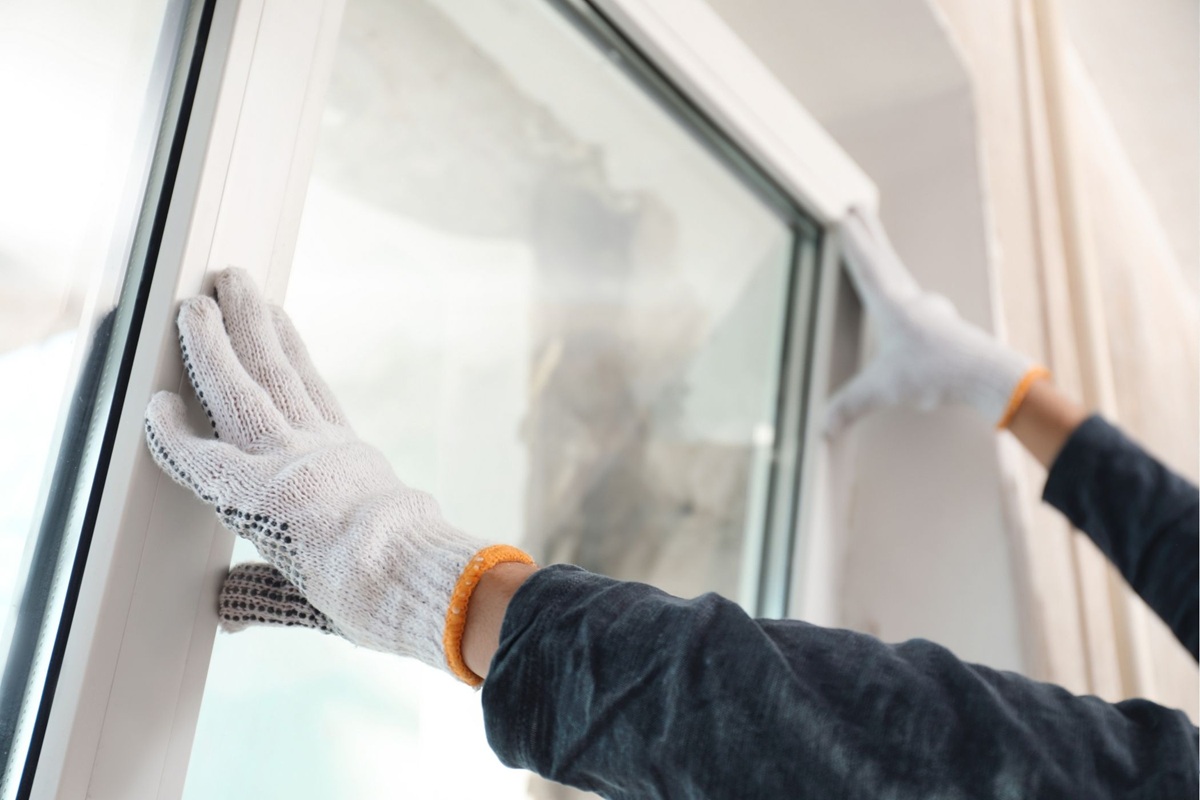
Step 1: Apply Sealant to the Opening
Run a thick bead of waterproof silicone caulk along the inside edge of the exterior trim or nailing fin area. This creates the first line of defense against moisture. Use exterior-grade sealant only—bathroom conditions demand long-lasting protection.
Step 2: Insert the Window into the Opening
Lift the new window and slide it into place from the outside. Center it in the opening. Press it firmly against the caulked surface. Make sure the window sits flush against the wall and does not tilt forward or back.
Step 3: Check for Level and Plumb
Place a level across the top and both sides of the window. Adjust with shims behind the nailing fins or frame until the bubble sits centered. This prevents the window from sticking or wearing unevenly.
Step 4: Secure the Window
Drill pilot holes, then drive screws through the nailing fin or screw holes in the frame. Follow the manufacturer’s pattern, spacing screws evenly along all sides. Avoid overtightening—this can warp the frame and affect the seal.
Step 5: Insulate the Gaps
From inside the bathroom, spray low-expansion foam or insert fiberglass insulation between the frame and wall. Fill all gaps but don’t overpack. Airflow or moisture in this space can reduce energy efficiency or lead to mold.
Step 6: Seal the Exterior
Apply flashing tape over the top edge of the nailing fin. Press it flat against the house wrap or siding. Then, run a final bead of exterior caulk along all exposed edges of the window frame. Smooth it with a gloved finger for a clean, sealed finish.
Once installed, the window should feel solid, open smoothly, and show no light or gaps around the edges. A well-installed bathroom window frosted glass creates a watertight seal, filters light beautifully, and gives your bathroom the upgrade it deserves.
Sealing and Waterproofing for Long-Term Protection
Now that the window is in place, seal every edge thoroughly to keep moisture out. Bathrooms create constant humidity, and even small gaps can lead to mold, rot, or peeling paint. Use a high-quality, waterproof exterior-grade caulk around the outside perimeter. Smooth it out to create a tight, even line where the window frame meets the wall or siding.
Inside the bathroom, check the trim or tile lines around the frame. Add a thin line of silicone caulk wherever the window touches the wall. Focus especially on corners and the bottom edge, where water tends to collect. Allow everything to cure for at least 24 hours before exposing it to moisture.
A proper seal does more than just block water. It insulates the bathroom, keeps drafts out, and extends the life of your new tempered bathroom windows. Take time with this step. A few extra minutes now saves you from major repairs later.
Finishing Touches
With the window sealed and secure, finish the interior for a polished look. Reinstall the trim if you removed it earlier. If the old trim doesn’t fit, cut new pieces to match your frame. Nail them in place, fill the gaps with caulk, and touch up with paint or stain. If your bathroom walls are tiled right up to the window, run a bead of waterproof silicone along the edge where the tile meets the frame.
Wipe the glass with a clean, soft cloth. Remove any fingerprints or sealant smudges before the caulk cures. If you installed a frosted glass window, avoid abrasive cleaners—use alcohol or vinegar-based solutions instead to keep the surface clear and streak-free.
Once everything dries, open and close the window a few times to confirm smooth operation. A freshly replaced bathroom window adds light, privacy, and a fresh finish that elevates the entire space.
Pro Tips for a Trouble-Free Install
Install on a dry, mild day to avoid moisture issues while sealing. Always double-check the level before fastening the window frames, as leaning or twisting will cause future leaks or sticky operation. Don’t skip the flashing tape. It might seem optional, but it blocks water from creeping behind the siding or wall.
Use low-expansion spray foam only. Standard foam expands too much and can bow the frame. For tile-lined walls, work slowly and use painter’s tape to protect surfaces while applying caulk. Always use tempered glass in a bathroom to meet safety codes, especially near showers or tubs.
If you’re unsure at any step, pause and research or get help. A window installed correctly lasts decades. A rushed job leads to drafts, leaks, or even water damage within the wall.
Where to Buy Bathroom Windows with Privacy Glass
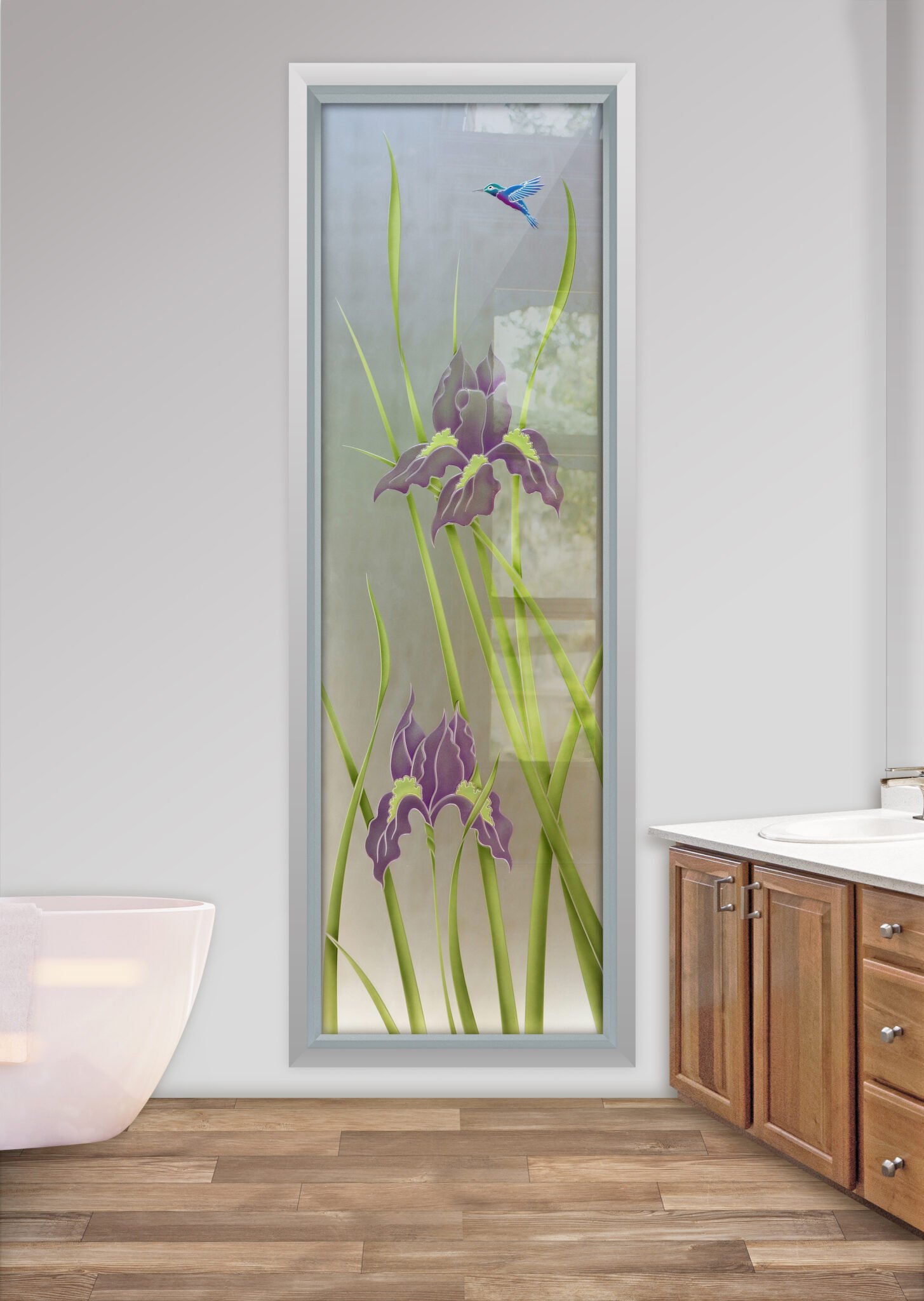

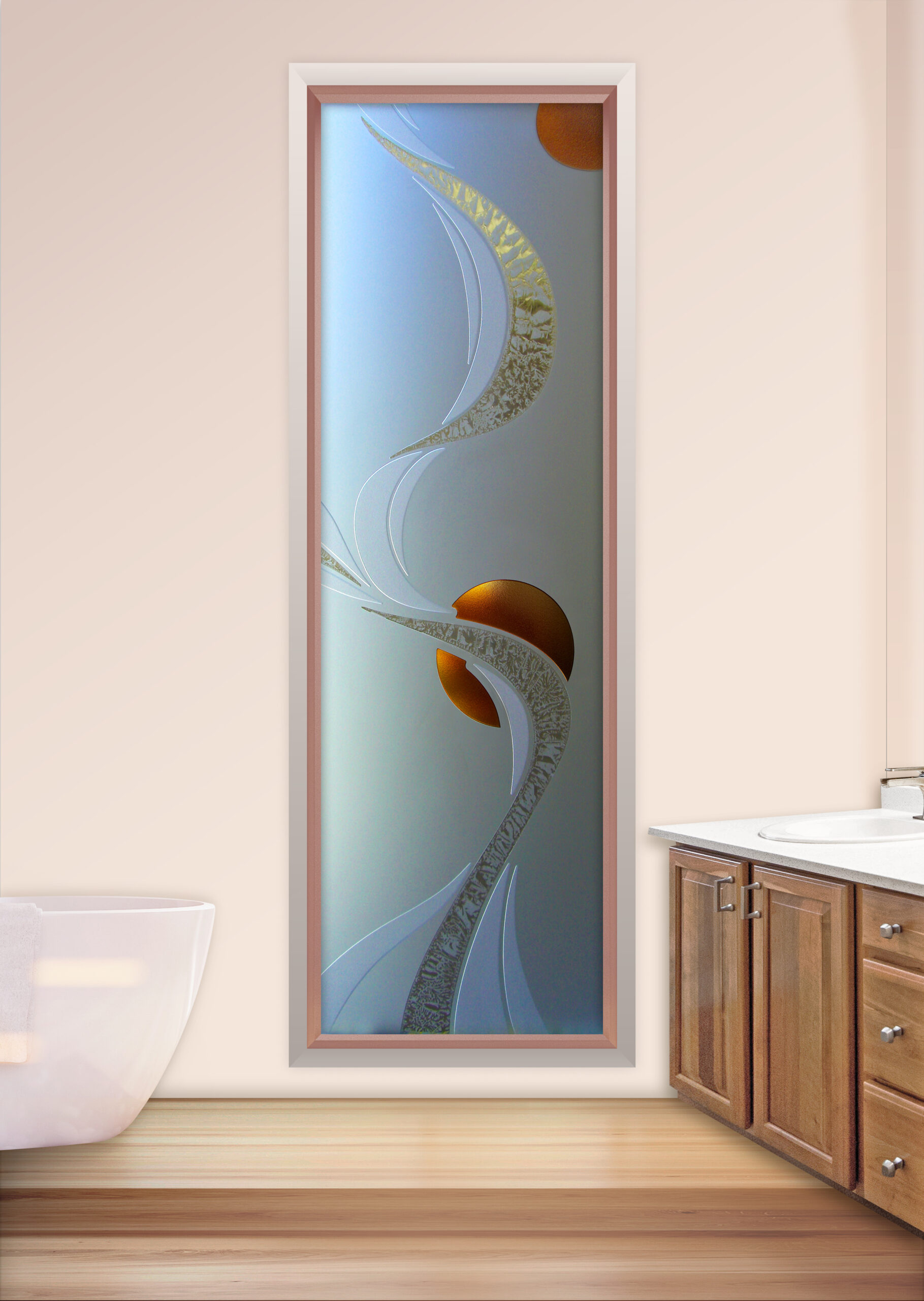
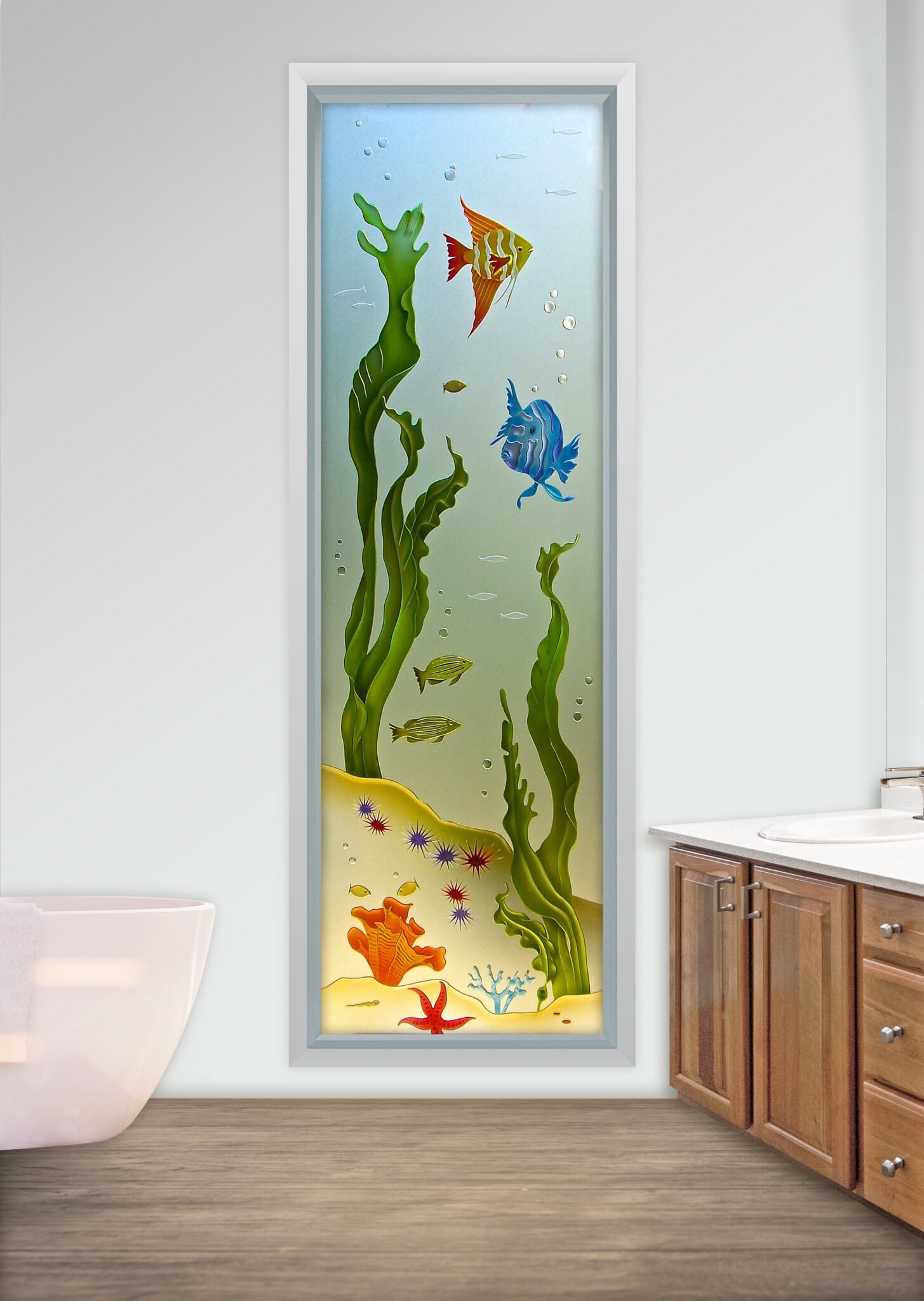


When choosing your window replacement, look for windows designed for wet areas—built with moisture resistance, tempered safety glass, and privacy built in. Many home improvement stores carry standard options, but if you want a window that does more than just block the view, custom privacy glass gives you more control over light, style, and detail.
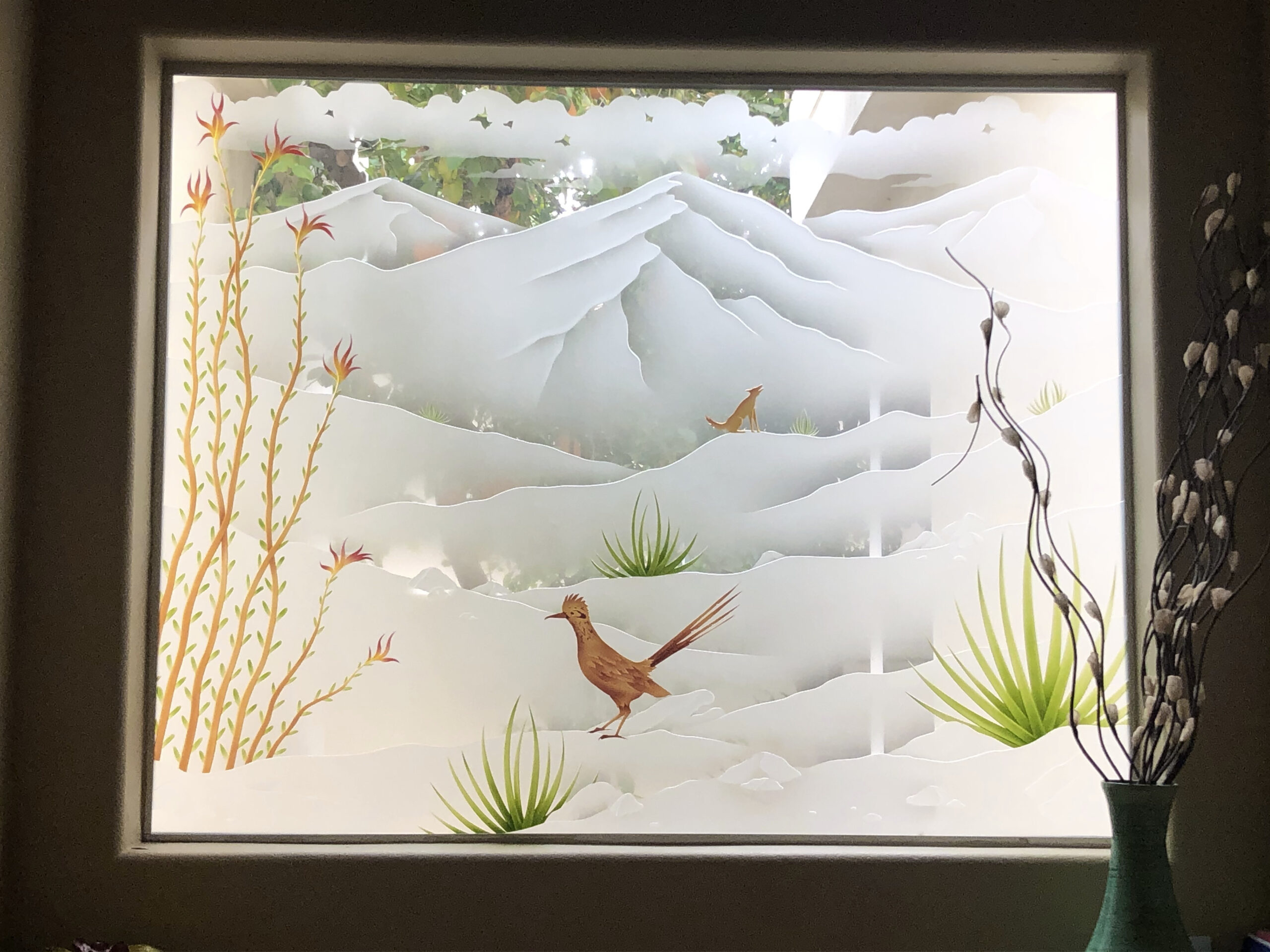
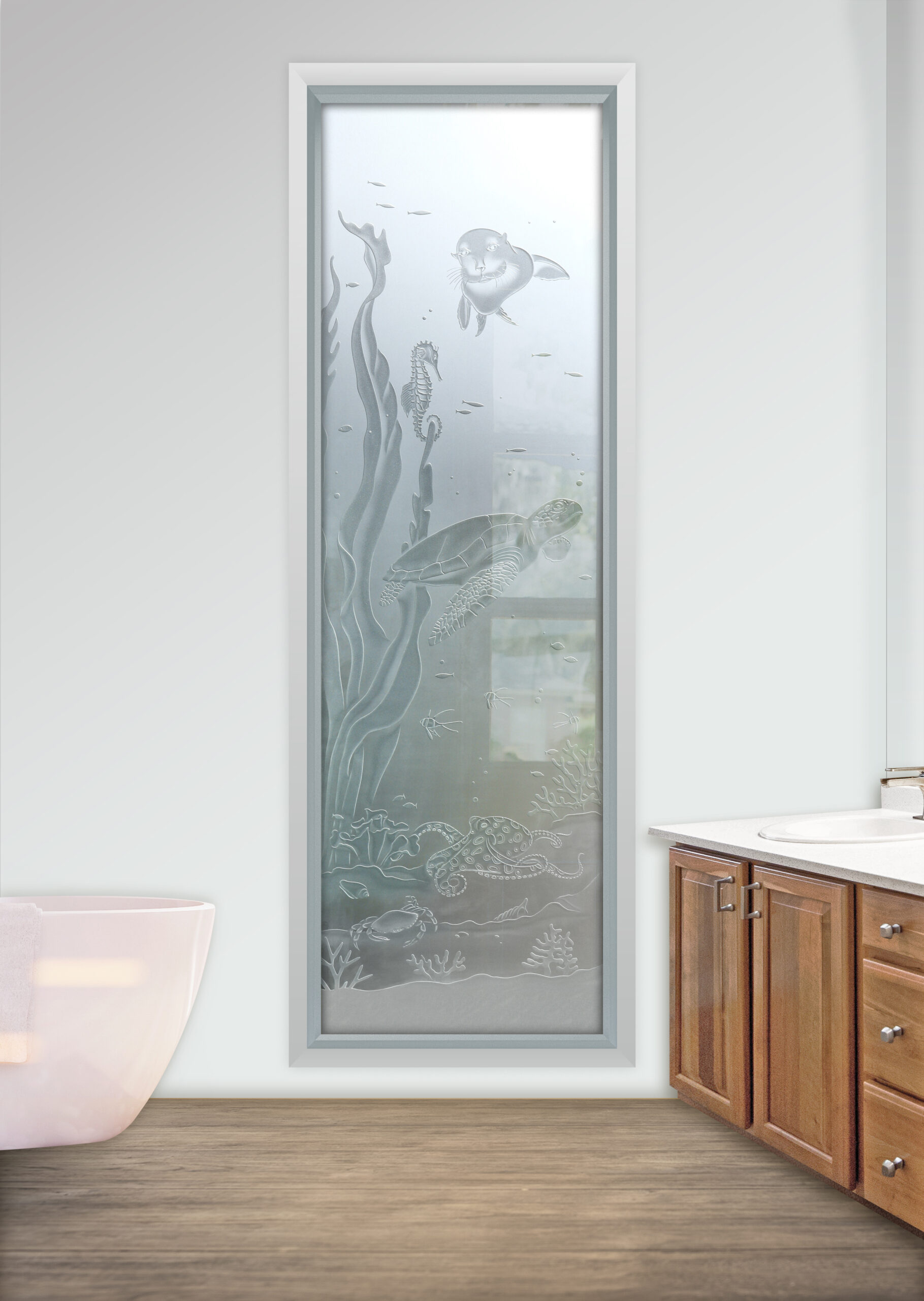
A bathroom window with frosted glass creates a soft, diffused glow while fully obscuring visibility. It’s a popular choice for showers, powder rooms, and any space where privacy matters without sacrificing light. For those looking to upgrade beyond plain panes, frosted glass designs offer everything from subtle textures to artistic patterns.
At Sans Soucie Art Glass, you can customize the glass, window glass design, size, and privacy level of your bathroom window. Whether you need a single replacement or a fully coordinated glass design across doors and windows, our handcrafted privacy glass makes the difference.




Conclusion
Learning how to replace a bathroom window may feel intimidating at first, but with the right prep, tools, and materials, you can install a new window that performs better, seals tighter, and looks even better than the last. From removing the old frame to sealing and finishing the new one, every step protects your home from moisture and enhances comfort.
Choose a privacy option that fits your style and space. A decorative window glass blends function and beauty with zero need for curtains or blinds. Ready to start? Explore custom privacy window options and let your next bathroom upgrade begin with the glass.
Frequently Asked Questions
What is the best type of frosted glass for a bathroom window?
Acid-etched or sandblasted frosted glass offers the best privacy and moisture resistance for bathroom windows. For full privacy, choose a bathroom window with frosted glass with a fully etched background and minimal clear areas.
Also read: Decorative Etched Glass Window for Privacy by Sans Soucie Art Glass Studios
Can you see through frosted glass at night?
No, frosted glass for bathrooms blocks visibility both day and night. It diffuses light and obscures the view, even with lights on inside.
How private is frosted glass for bathroom use?
Bathroom windows with frosted glass provide privacy. Choose a 100% obscured frosted finish for maximum coverage in showers or toilets.
👉 Learn more about our various types of privacy glass.
Does frosted glass still let in natural light?
Yes. Frosted glass bathroom windows soften daylight while blocking visibility. They brighten the room without exposing the interior.
Is frosted glass better than blinds or curtains for bathrooms?
Yes. A frosted glass window offers permanent privacy and resists mold or mildew, unlike fabric blinds or curtains in damp areas.
How do you clean a frosted bathroom window?
Use a soft cloth and non-abrasive cleaner. For tougher spots, use alcohol or vinegar-based spray. Frosted glass bathroom window panels clean easily without scratching.
Can I customize a design on a frosted bathroom window?
Yes. You can create a custom frosted glass bathroom window with your own text, pattern, or artwork. We offer full design flexibility. 👉 Request a Quote for a Custom Design
Is frosted glass energy-efficient?
Yes. When paired with double-pane or insulated tempered glass, a frosted bathroom window can help maintain indoor temperatures and reduce drafts. The effect is even stronger if the frame is made of vinyl, fiberglass, or thermally broken aluminum, as these materials resist heat transfer better than untreated wood or standard aluminum. For bathrooms with high humidity, always choose moisture-resistant frames to prevent warping over time.
Is frosted glass durable and scratch-resistant?
Yes. Etched and carved frosted glass is permanent and won’t peel or fade. Sandblasted finishes resist surface scratches and moisture damage.
Does frosted glass reduce glare or heat?
Yes. A high-quality frosted bathroom window softens harsh daylight and cuts glare, making the space feel more comfortable. While it naturally diffuses sunlight, pairing frosted glass with a low-E coating or light tint provides extra heat control. The combination filters UV rays, reduces heat buildup, and still lets in plenty of natural light.
What are some modern bathroom frosted glass window design ideas?
Popular choices include etched patterns, botanical motifs, geometric lines, or full frosted glass window bathroom panels with no clear areas. These styles suit both modern and traditional spaces.
See the artistry behind our frosted glass designs!

Sans Soucie Art Glass: Decorative, Custom & Frosted Glass Doors, Windows, Showers & Stained Glass Since 1976
Family-owned and operated since 1976, Sans Soucie Art Glass leads the industry in decorative glass and custom glass design — from sandblast frosted glass and carved glass to hand-painted and stained glass art — transforming ordinary glass into Works of Art Captured in Glass recognized worldwide.
Innovative Frosted Glass Door Designer Tool
In 2010, we invented and launched our Frosted Glass Pantry Door Designer – a fun, easy-to-use tool that makes it simple for anyone to design and customize not only pantry doors, but a wide range of frosted glass doors for every room.
Explore our Frosted Glass Doors Collection
Our custom frosted glass doors include a beautiful variety for every style and space:
- Pantry Doors
- Frosted Glass Interior Door
- Interior Doors with Frosted Glass
- Frosted Glass French Doors
- Frosted Glass Front Door
- Front Doors with Frosted Glass
- Interior Glass Doors
- Glass Barn Doors
- Frosted Glass Barn Door
- Sliding Glass Barn Door
- All Glass Doors Interior
- All Glass Front Doors
- Bathroom Doors with Frosted Glass
- Laundry Room Doors
- Wine Room Doors
If you already have a door, and only need the glass insert, we also offer:
- Frosted Glass for Interior Doors
- Door Glass Inserts for Front Doors
- Glass Panels for Pantry Doors
- Frosted Glass Inserts for Bathroom Doors
- Laundry Room Door Glass Inserts
- Glass Panels for Interior Wine Cellar Doors
Elegant Frosted Glass Throughout Your Home
While our frosted glass doors are a top choice, we also create stunning glass products for every area of your home, including:
- Frosted Glass Shower Doors
- Glass Shower Partition
- Frosted Glass Shower Panel
- Frosted Glass Showers
- Frosted Glass Windows
- Bathroom Window Frosted Glass
- Decorative Window Glass, Window Frosting
- Custom Glass Dining Table
- Custom Glass Coffee Table
- Glass Shelves, Custom Glass Shelves
- Hand Carved & Painted Mirrors
- Frosted Glass Signs, Etched Glass Signs
- Cabinet Door Glass Inserts, Frosted Glass Inserts for Cabinet Doors
- Glass Wall Art, Wall Art on Glass
Looking for Inspiration? Explore Our Galleries
Discover visual idea boards, style concepts, décor applications, real project photos, and helpful information in our expanding gallery collection:
- Custom Glass
- Custom Glass Edges
- Custom Mirror
- Decorative Glass
- Decorative Glass Doors
- Decorative Glass Front Doors
- Decorative Glass Interior Doors
- Decorative Glass Window
- Stained Glass
- Stained Glass Doors
- Stained Glass Front Doors
- Stained Glass Windows
Free Shipping. Expert Packing, Peace of Mind
With FREE SHIPPING on most orders and worldwide delivery from our studio in Palm Desert, California, every order is packed in-house by our expert glaziers using custom materials and proven methods — ensuring safe arrival with a damage rate of less than 1%!
Explore our complete frosted glass doors collection and find the perfect frosted glass door for your space. Have questions? Contact us today!
Copyright © 2025, Sans Soucie Art Glass. All rights reserved.