Front Door with Glass vs. Front Door without Glass
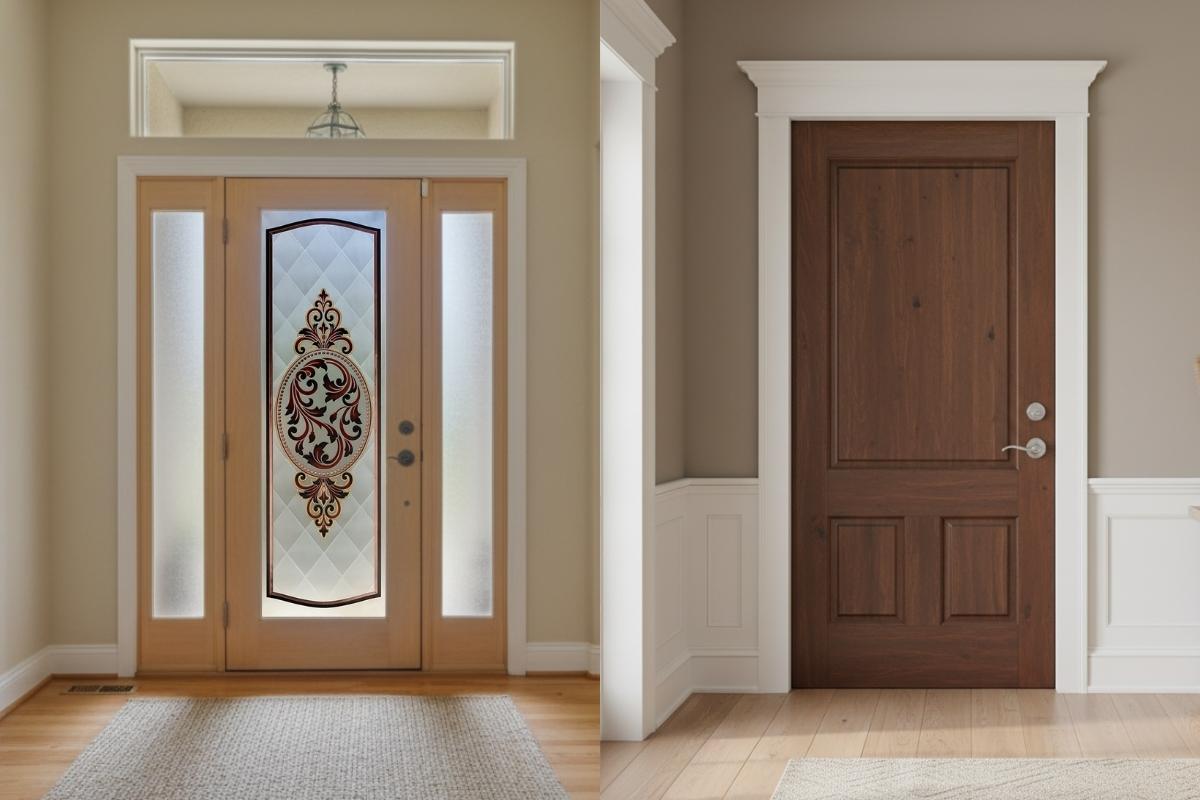
Your front door does more than welcome guests — it defines your home’s character, security, and comfort. One of the biggest choices homeowners face is whether to install front doors with frosted glass or stick with a front door without glass. Both styles offer distinct advantages in design, privacy, and performance, but the right choice depends on what matters most to you.
Glass front doors bring in natural light and add visual appeal, while solid front doors deliver full privacy and insulation. Understanding the differences helps you strike the perfect balance between style and function for your entryway. In this guide, we’ll compare front doors with glass vs. front doors without glass to help you choose the best option for your home.
Front Door with Glass – Bright, Stylish, and Inviting
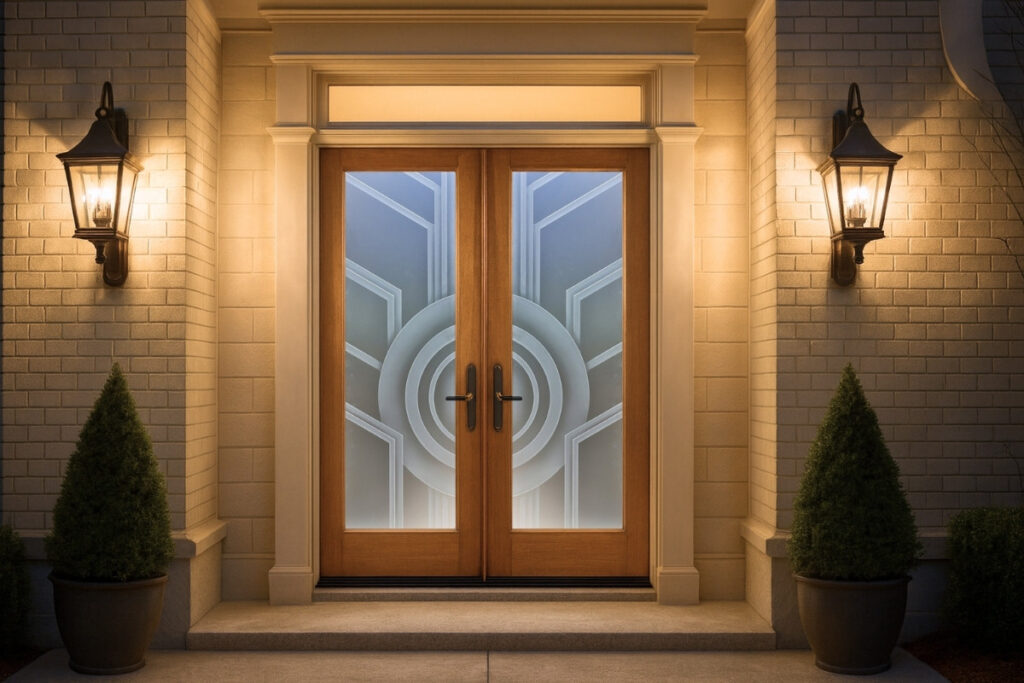
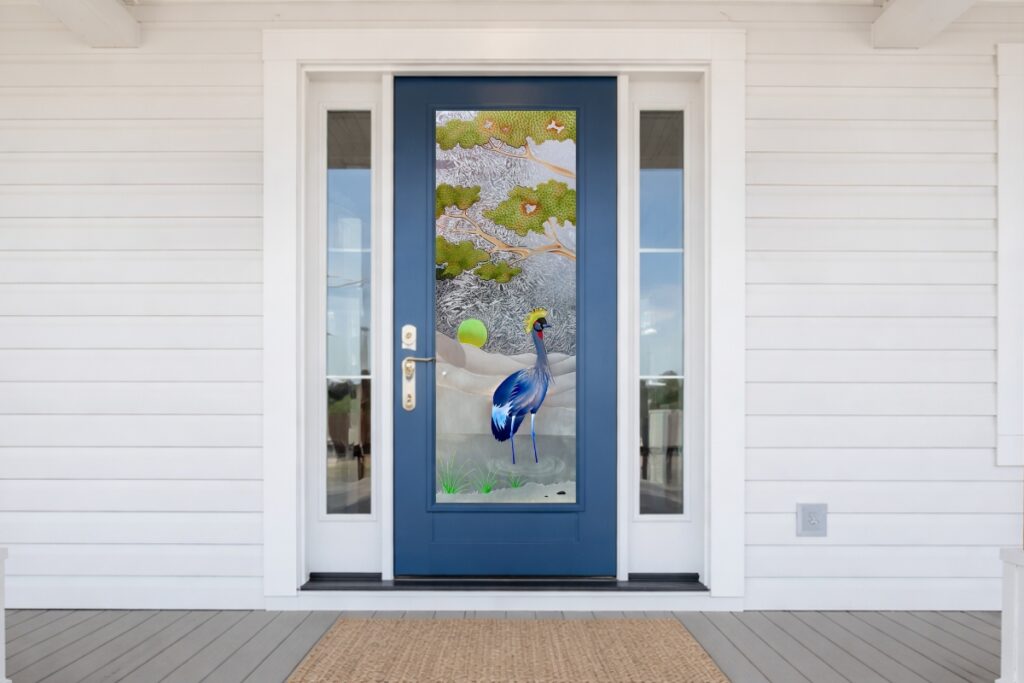
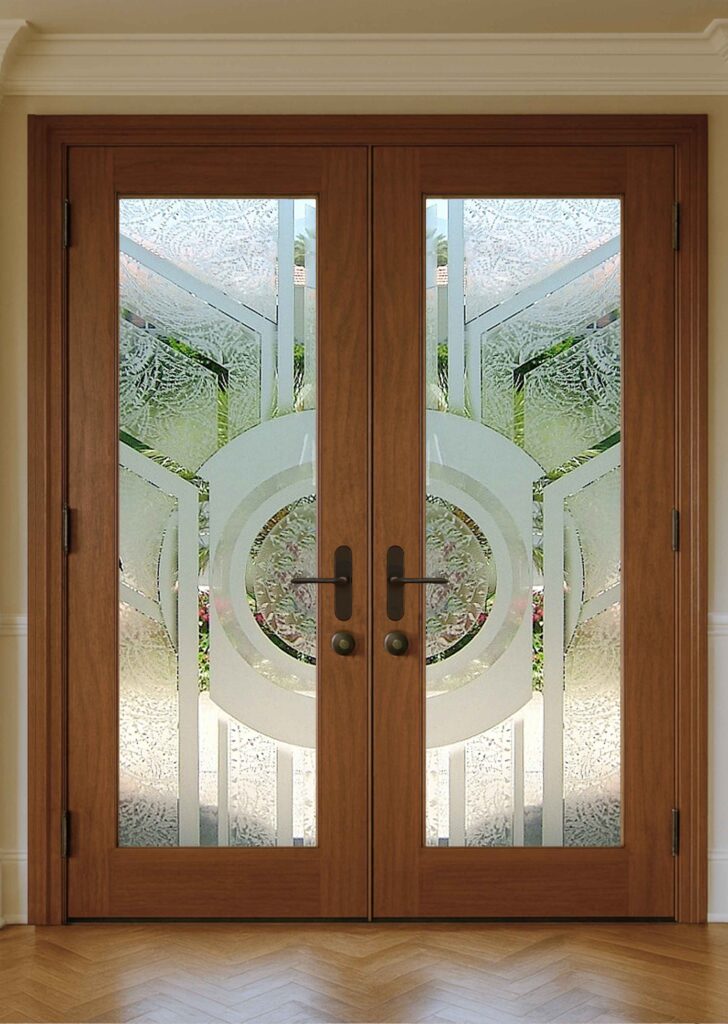
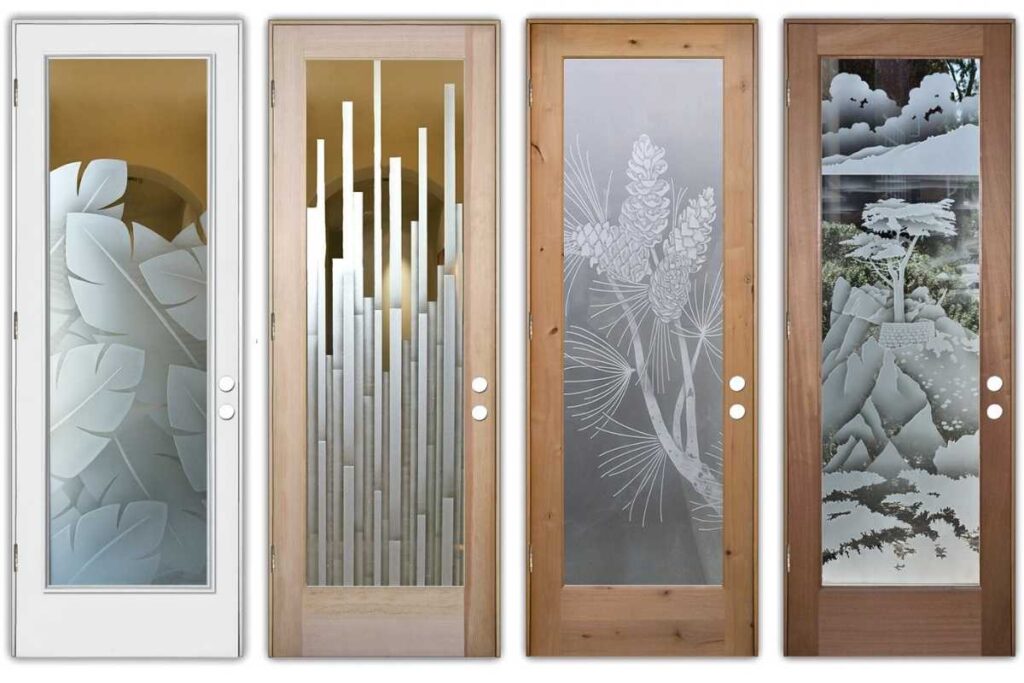
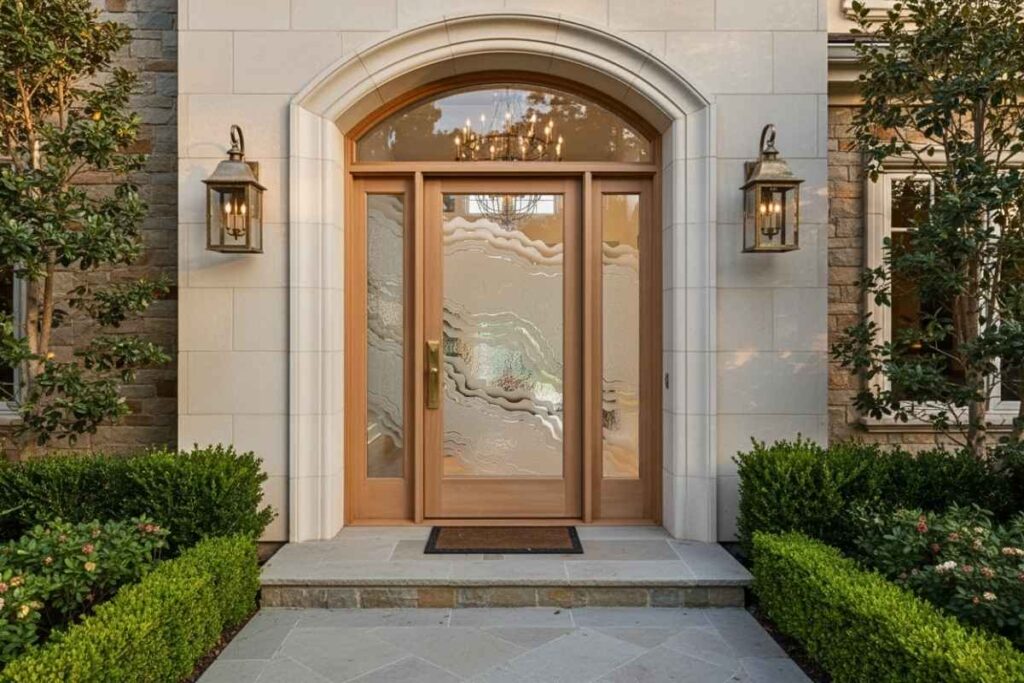
A front door with glass panels instantly transforms the entryway by filling it with natural light and creating a warm, welcoming atmosphere. It’s a popular choice for homeowners who want their entrance to feel open, elegant, and full of character. Whether frosted glass front doors or solid doors accented with decorative glass inserts, this option offers unmatched visual appeal and flexibility.
Advantages

- Natural Light: Glass panels brighten dark foyers and make interiors feel larger and more inviting.
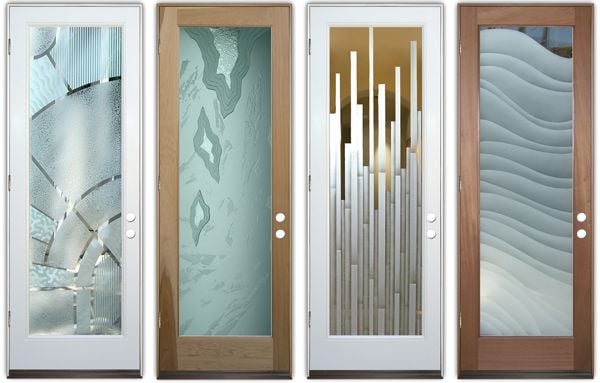
- Design Variety: Choose from clear, frosted glass front doors, or decorative glass doors to match modern, traditional, or craftsman-style homes.
- Customizable Privacy: Options like frosted or etched glass let you enjoy daylight without sacrificing privacy.
- Curb Appeal: Decorative or carved glass enhances your home’s exterior and increases its resale value.
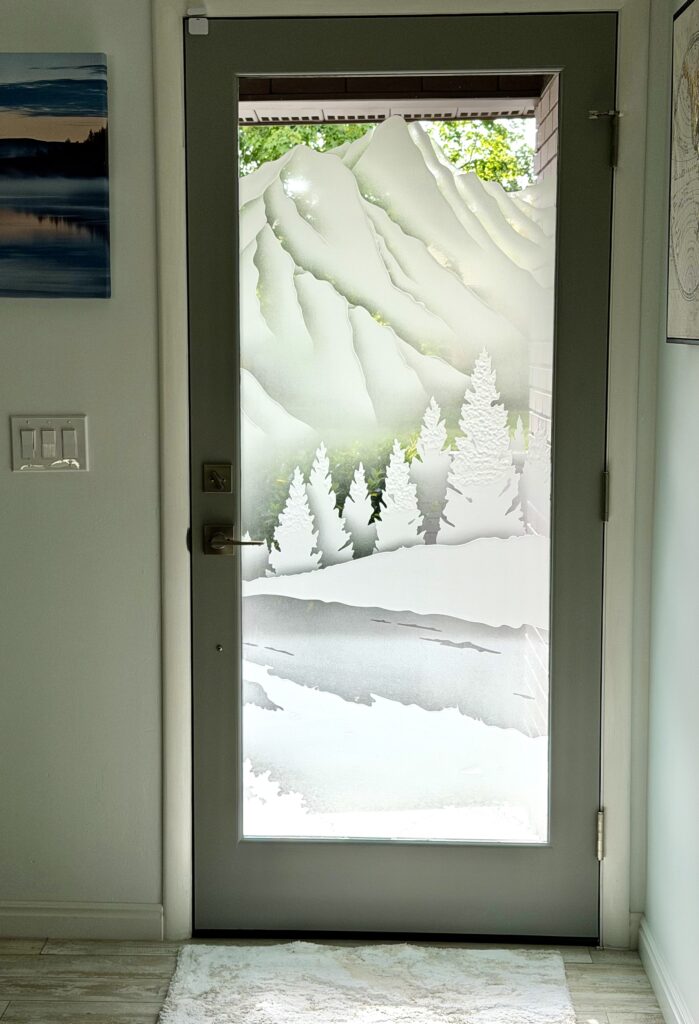
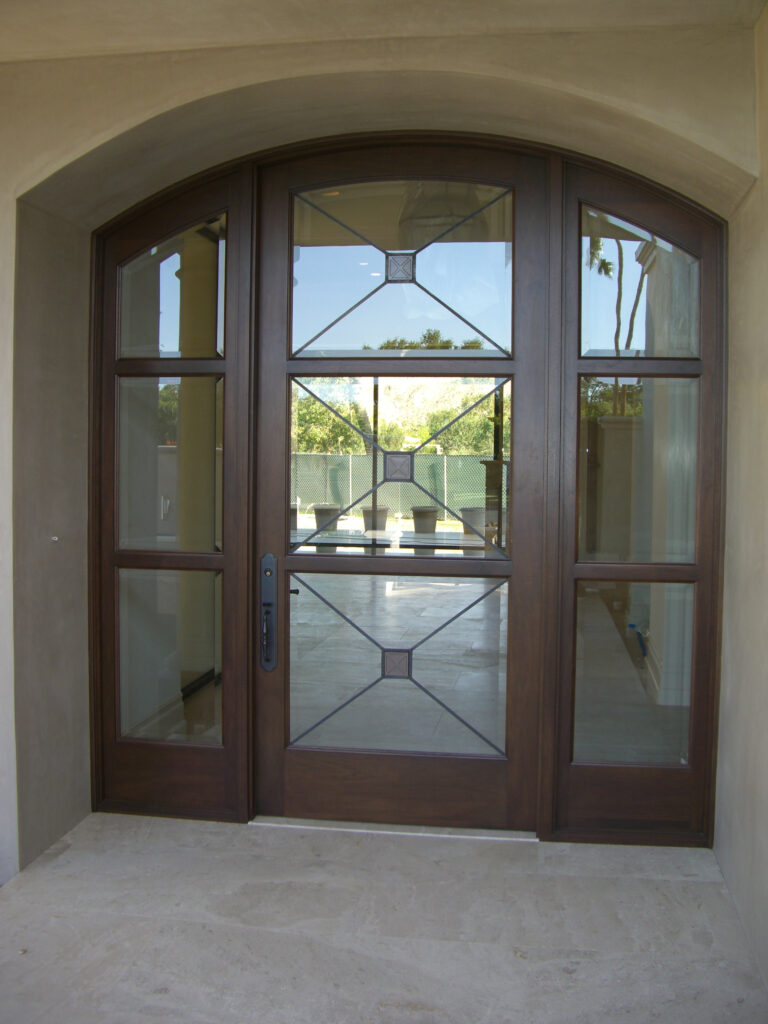
Drawbacks
- Maintenance: Glass requires occasional cleaning to stay streak-free.
- Cost: Custom decorative glass designs can be pricier than standard solid doors.
- Energy Efficiency: Single-pane glass may transfer more heat, though modern insulated glass panels solve this issue.
Well-designed glass front doors combine transparency and artistry — offering beauty you can customize to your privacy needs. For homeowners who want to maximize light and style, it’s an elegant way to make your home’s first impression unforgettable.
Front Door without Glass – Private, Secure, and Energy Efficient
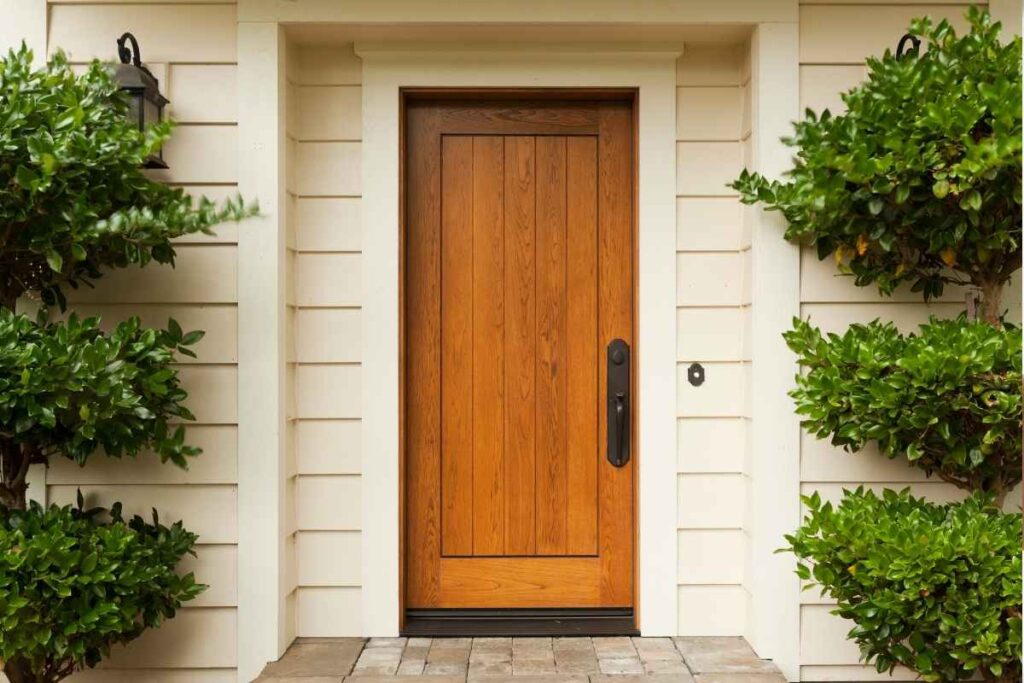
A front door without glass remains a timeless favorite for homeowners who prioritize privacy, insulation, and strength. Built from durable materials like wood, fiberglass, or steel, a solid front door provides a clean, classic look that suits nearly any architectural style — from colonial to contemporary.
Advantages
- Maximum Privacy: With no transparent panels, you’ll enjoy complete seclusion from outside view.
- Enhanced Security: Solid doors offer strong resistance against break-ins and weather impact.
- Better Insulation: No glass means fewer heat or air leaks, helping regulate indoor temperatures and improve energy efficiency.
- Low Maintenance: Easier to clean and less prone to smudges, fingerprints, or condensation.
Drawbacks
- Limited Natural Light: Without glass panels, entryways may feel darker or more enclosed.
- Simpler Aesthetic: Offers fewer design variations compared to decorative glass doors.
For homeowners who value peace, security, and energy savings above all else, a solid front door delivers dependable performance with timeless appeal. It’s the go-to option for those who want strength and simplicity without compromise.
Key Differences: Front Door with Glass vs. Front Door without Glass
Choosing between glass doors and front doors without glass comes down to balancing light, privacy, and performance. Here’s a simple comparison to help you decide which fits your home best:
|
Feature |
Front Door without Glass |
|
|---|---|---|
|
Natural Light |
Brightens entryways with daylight through clear or frosted panels |
Keeps interiors shaded and private |
|
Privacy |
Adjustable with frosted, etched, or decorative glass |
Naturally provides full privacy |
|
Security |
Reinforced or tempered glass improves safety; still slightly less solid |
More impact-resistant and harder to break |
|
Energy Efficiency |
Insulated glass can retain heat, but less than solid materials |
Superior insulation and energy control |
|
Design Flexibility |
Wide range of glass styles and patterns for any aesthetic |
Simpler look with limited customization |
|
Maintenance |
Requires occasional cleaning to remove smudges |
Easier upkeep with minimal care |
|
Curb Appeal |
Adds elegance and modern charm |
Offers traditional and classic appeal |
Both types can elevate your home’s entrance — it all depends on what matters most: light and style, or privacy and strength.
Front Door with Glass vs. Front Door without Glass: How to Choose What’s Right for You
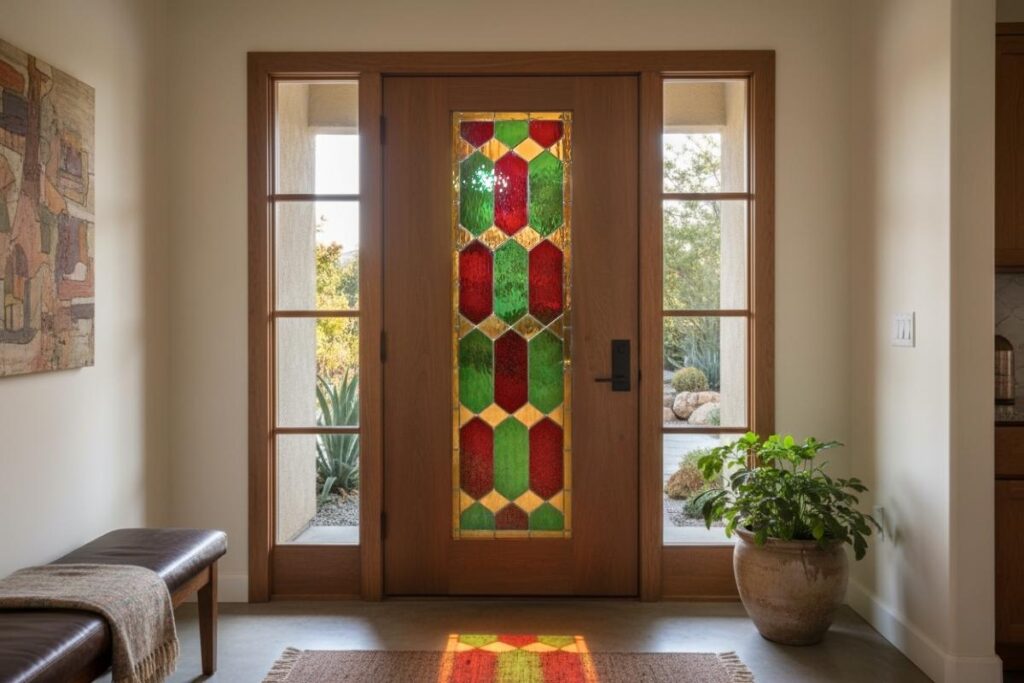
The best choice between glass doors and front doors without glass depends on your lifestyle, location, and design goals. Before deciding, think about what you want your entryway to do for you — brighten the space, enhance privacy, or improve energy efficiency.
1. Prioritize Natural Light vs. Privacy
- If your entryway feels dark or enclosed, glass front doors can open up the space and make it feel more welcoming.
- If your home faces a busy street or you prefer seclusion, a solid front door provides full privacy and peace of mind.
2. Consider Your Home’s Style and Architecture
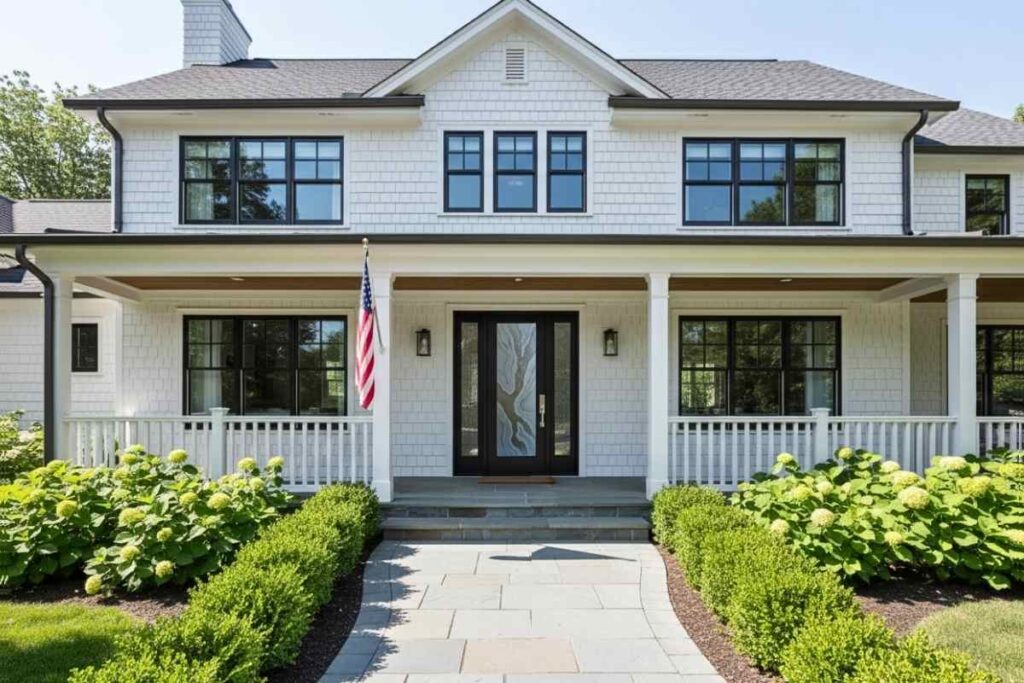
- Modern and contemporary homes often favor front doors with frosted glass with clean lines or frosted panels.
- Traditional or rustic homes may look best with solid wood or fiberglass doors for a classic, grounded aesthetic.
3. Think About Energy and Climate
- In colder climates, a solid front door or insulated glass panel helps retain warmth.
- In warmer areas, glass with low-E coatings can filter sunlight while keeping interiors cool.
4. Balance Aesthetics and Functionality
If you want both beauty and privacy, consider frosted or etched glass. These styles diffuse light while keeping interiors hidden, giving you the best of both worlds — elegance and comfort.
Ultimately, the right choice is the one that matches your home’s personality and your daily needs.
Final Thoughts
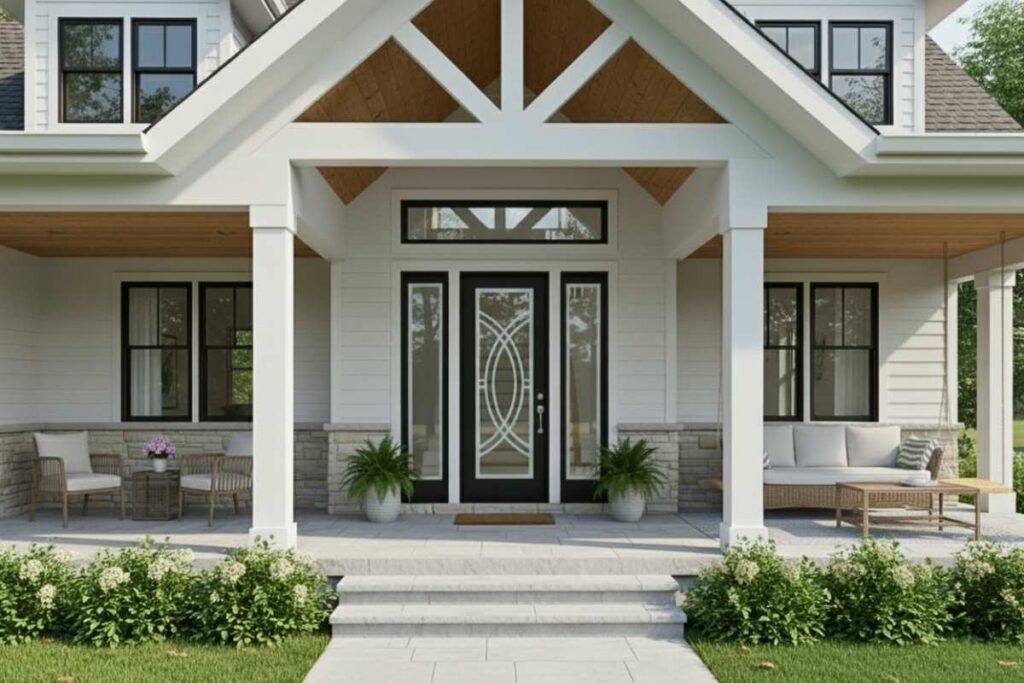
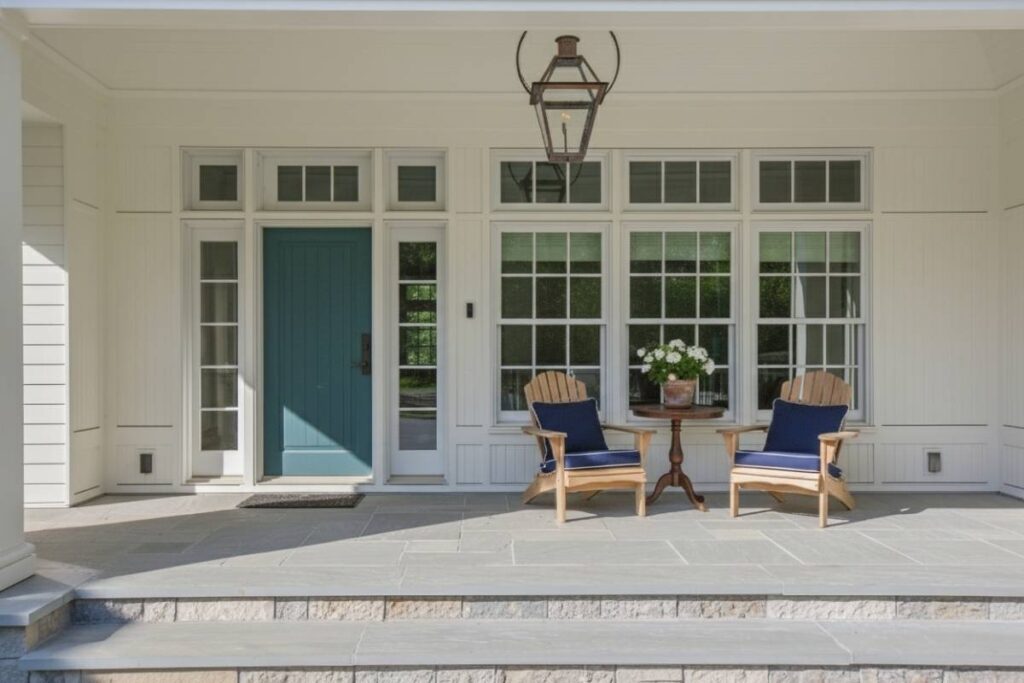
Both glass doors and front doors without glass can beautifully define your home’s entryway — the difference lies in what you value most. If you want natural light, openness, and visual charm, front doors with frosted glass offer endless design possibilities, from frosted and etched panels to fully decorative glass art. But if your priority is privacy, insulation, and long-term durability, a solid front door provides unmatched strength and simplicity.
The good news is you don’t have to compromise. Today’s glass front doors — especially those featuring frosted or sandblasted glass — give you the perfect blend of privacy and style. They let light in while keeping your home secure and comfortable.
Explore how a handcrafted frosted glass front door can elevate your home’s design while balancing elegance, light, and privacy — a true reflection of your personal style and the artistry that welcomes you home.
Frequently Asked Questions
Are front doors with glass energy efficient?
Yes — as long as the glass panels are insulated. Most modern glass front doors use double or triple-pane glass with low-E coatings to minimize heat transfer. This means the space between the panes is filled with gas (like argon) that helps keep warm air in during winter and hot air out during summer, improving your home’s overall energy efficiency.
What type of glass is safest for front doors?
For security and durability, frosted glass front doors typically use tempered or laminated safety glass. Tempered glass is heat-treated to resist breakage and, if it does shatter, breaks into small, blunt pieces instead of sharp shards. Laminated glass, on the other hand, has an inner plastic layer that holds the glass together even if cracked — ideal for added protection and sound reduction. 👉 What Is Tempered Glass? Benefits, Safety Standards, and Uses
Can a front door with glass affect insulation or indoor temperature?
A poorly insulated glass door might cause minor temperature fluctuations near the entryway. To prevent this, choose a door with an insulated core and energy-rated glass inserts. Weatherstripping around the frame also plays a big role in maintaining consistent indoor temperatures and blocking drafts.
How do I maintain the seal around glass panels?
Check the caulking and glazing seals once or twice a year. Over time, exposure to sunlight and temperature changes can cause the sealant around glass panels to dry out or crack. Resealing prevents air leaks and moisture buildup between the panes, which can lead to condensation or fogging.
Is it possible to replace just the glass on my front door?
In most cases, yes. If your frosted glass insert becomes damaged or outdated, you can often replace only the glass panel without changing the entire door. However, this depends on the manufacturer’s design — some glass doors have fixed glass, while others use removable inserts for easy replacement or upgrades.
Does a glass front door require special cleaning products?
Not necessarily. Regular glass cleaner or a vinegar-water mix works well. However, if you have etched, frosted glass doors, or decorative glass, use a soft microfiber cloth and avoid abrasive pads that can dull or scratch the textured surface. Always clean both sides — the frosted surface for clarity and the smooth side for shine. 👉 ALSO READ: Cleaning And Maintenance For Your Frosted Glass
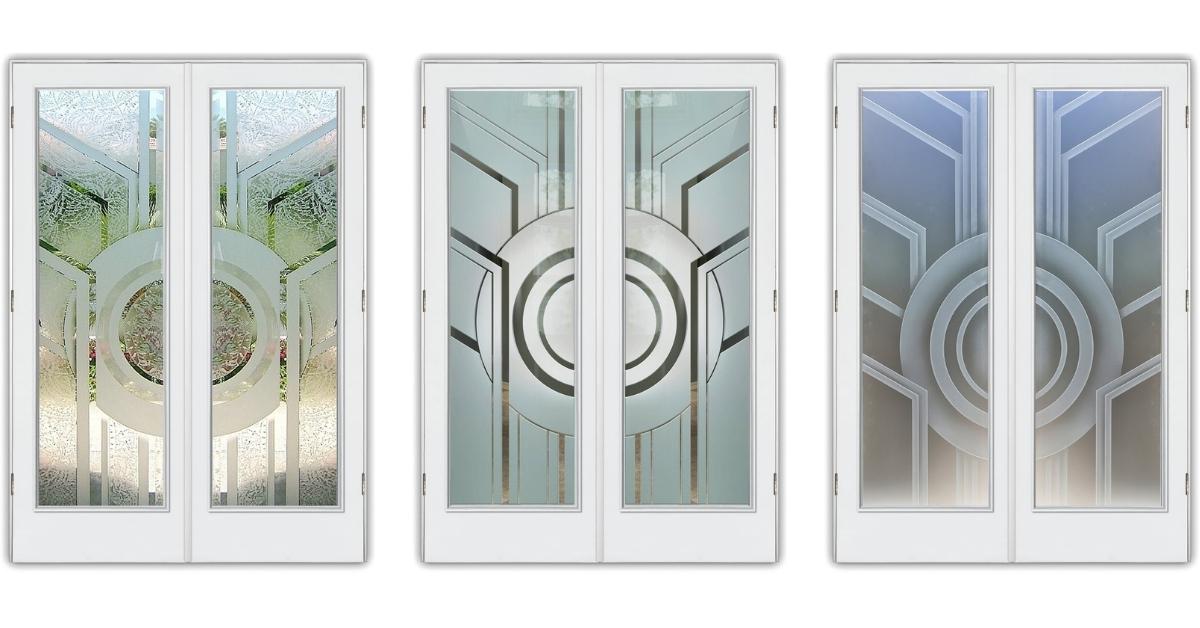

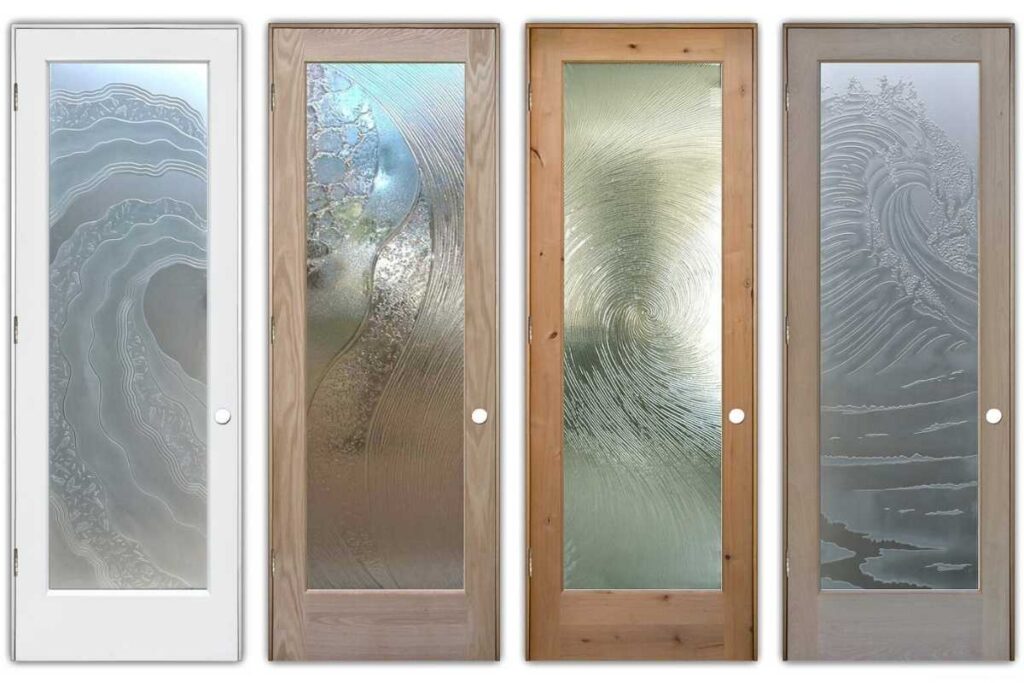
Customize Abstract Liquid

Sans Soucie Art Glass: Decorative, Custom & Frosted Glass Doors, Windows, Showers & Stained Glass Since 1976
Family-owned and operated since 1976, Sans Soucie Art Glass leads the industry in decorative glass and custom glass design — from sandblast frosted glass and carved glass to hand-painted and stained glass art — transforming ordinary glass into Works of Art Captured in Glass recognized worldwide.
Innovative Frosted Glass Door Designer Tool
In 2010, we invented and launched our Frosted Glass Pantry Door Designer – a fun, easy-to-use tool that makes it simple for anyone to design and customize not only pantry doors, but a wide range of frosted glass doors for every room.
Explore our Frosted Glass Doors Collection
Our custom frosted glass doors include a beautiful variety for every style and space:
- Pantry Doors
- Frosted Glass Interior Door
- Interior Doors with Frosted Glass
- Frosted Glass French Doors
- Frosted Glass Front Door
- Front Doors with Frosted Glass
- Interior Glass Doors
- Glass Barn Doors
- Frosted Glass Barn Door
- Sliding Glass Barn Door
- All Glass Doors Interior
- All Glass Front Doors
- Bathroom Doors with Frosted Glass
- Laundry Room Doors
- Wine Room Doors
If you already have a door, and only need the glass insert, we also offer:
- Frosted Glass for Interior Doors
- Door Glass Inserts for Front Doors
- Glass Panels for Pantry Doors
- Frosted Glass Inserts for Bathroom Doors
- Laundry Room Door Glass Inserts
- Glass Panels for Interior Wine Cellar Doors
Elegant Frosted Glass Throughout Your Home
While our frosted glass doors are a top choice, we also create stunning glass products for every area of your home, including:
- Frosted Glass Shower Doors
- Glass Shower Partition
- Frosted Glass Shower Panel
- Frosted Glass Showers
- Frosted Glass Windows
- Bathroom Window Frosted Glass
- Decorative Window Glass, Window Frosting
- Custom Glass Dining Table
- Custom Glass Coffee Table
- Glass Shelves, Custom Glass Shelves
- Hand Carved & Painted Mirrors
- Frosted Glass Signs, Etched Glass Signs
- Cabinet Door Glass Inserts, Frosted Glass Inserts for Cabinet Doors
- Glass Wall Art, Wall Art on Glass
Looking for Inspiration? Explore Our Galleries
Discover visual idea boards, style concepts, décor applications, real project photos, and helpful information in our expanding gallery collection:
- Custom Glass
- Custom Glass Edges
- Custom Mirror
- Decorative Glass
- Decorative Glass Doors
- Decorative Glass Front Doors
- Decorative Glass Interior Doors
- Decorative Glass Window
- Stained Glass
- Stained Glass Doors
- Stained Glass Front Doors
- Stained Glass Windows
Free Shipping. Expert Packing, Peace of Mind
With FREE SHIPPING on most orders and worldwide delivery from our studio in Palm Desert, California, every order is packed in-house by our expert glaziers using custom materials and proven methods — ensuring safe arrival with a damage rate of less than 1%!
Explore our complete frosted glass doors collection and find the perfect frosted glass door for your space. Have questions? Contact us today!
Copyright © 2025, Sans Soucie Art Glass. All rights reserved.