Sliding vs Hinged Shower Doors: Pros and Cons
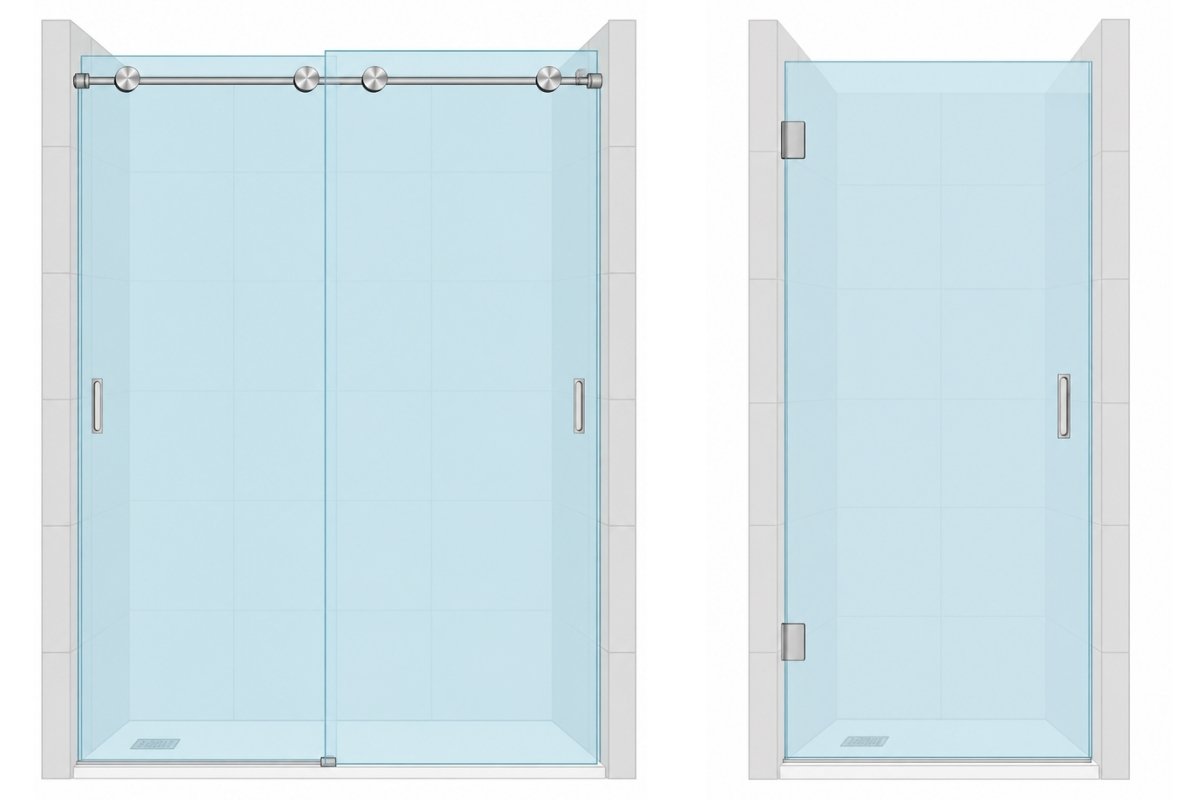
Choosing between sliding and hinged shower doors comes down to space, layout, and how you use your shower. Each option offers distinct advantages, so understanding the pros and cons will help you select the right fit for your bathroom. For those seeking both privacy and style, frosted glass shower doors offer an ideal solution that works beautifully with both sliding and hinged designs.
What Are Sliding Shower Doors?
Sliding shower doors consist of glass panels that glide horizontally along a track or rail system. Typically designed with two panels—one fixed and one sliding, or both sliding—they are commonly used in alcove and tub-shower setups. Because they don’t swing open, sliding doors are ideal for bathrooms where space is limited.
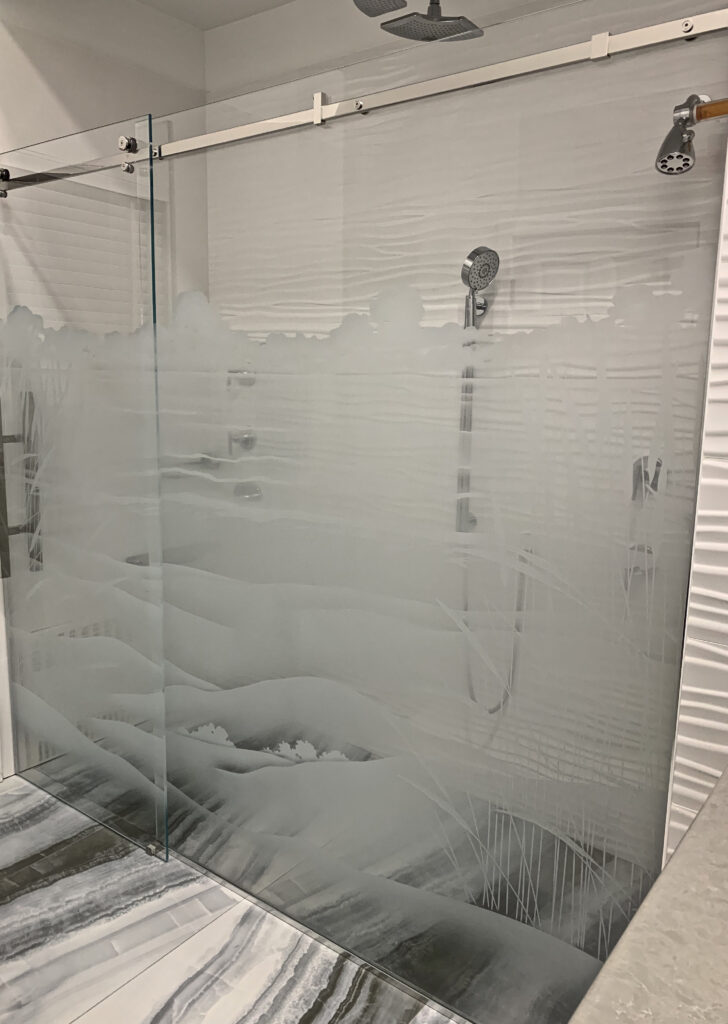
One of their biggest advantages is the ability to maximize usable space without sacrificing functionality. These are among the most popular options for compact bathrooms and tub-shower combinations.
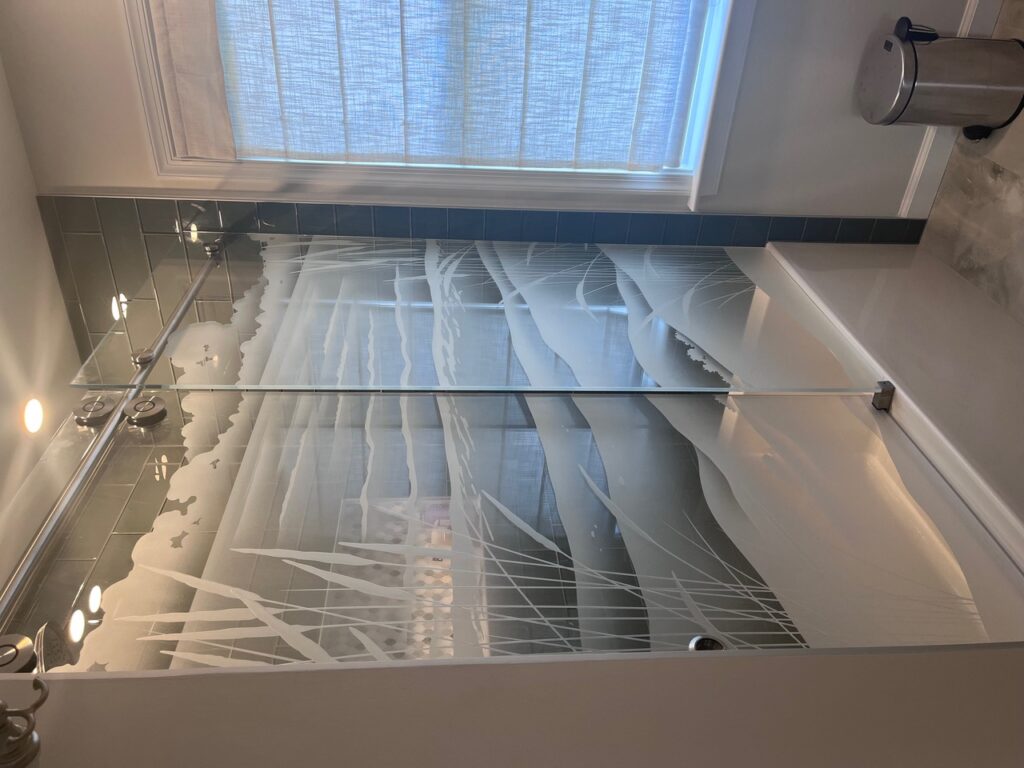
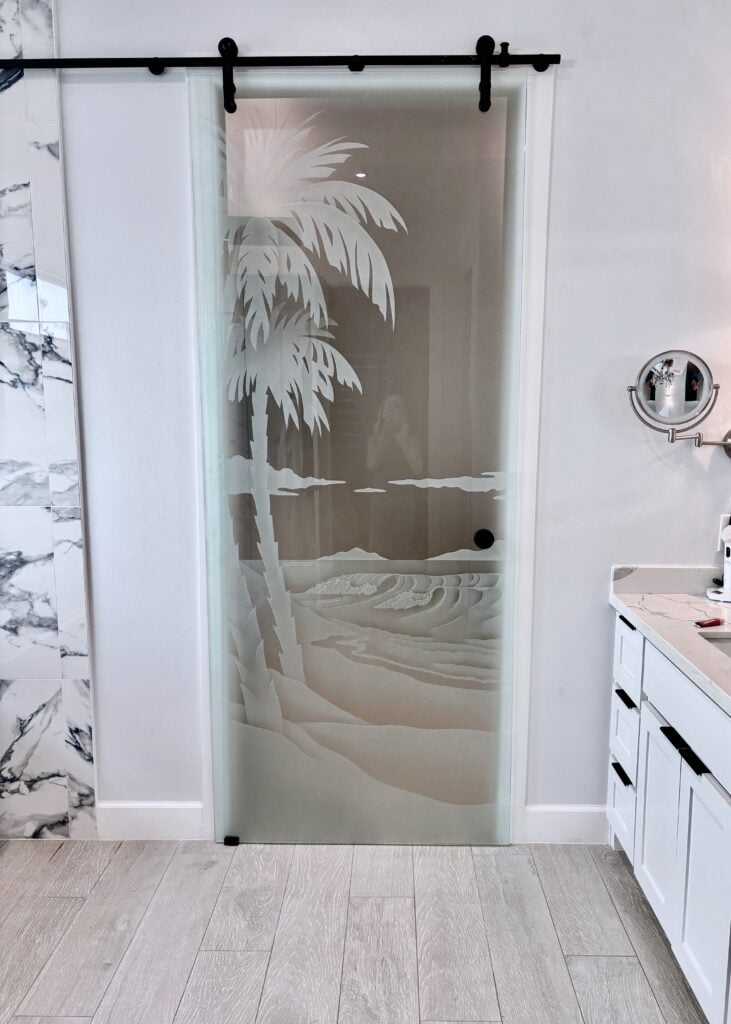
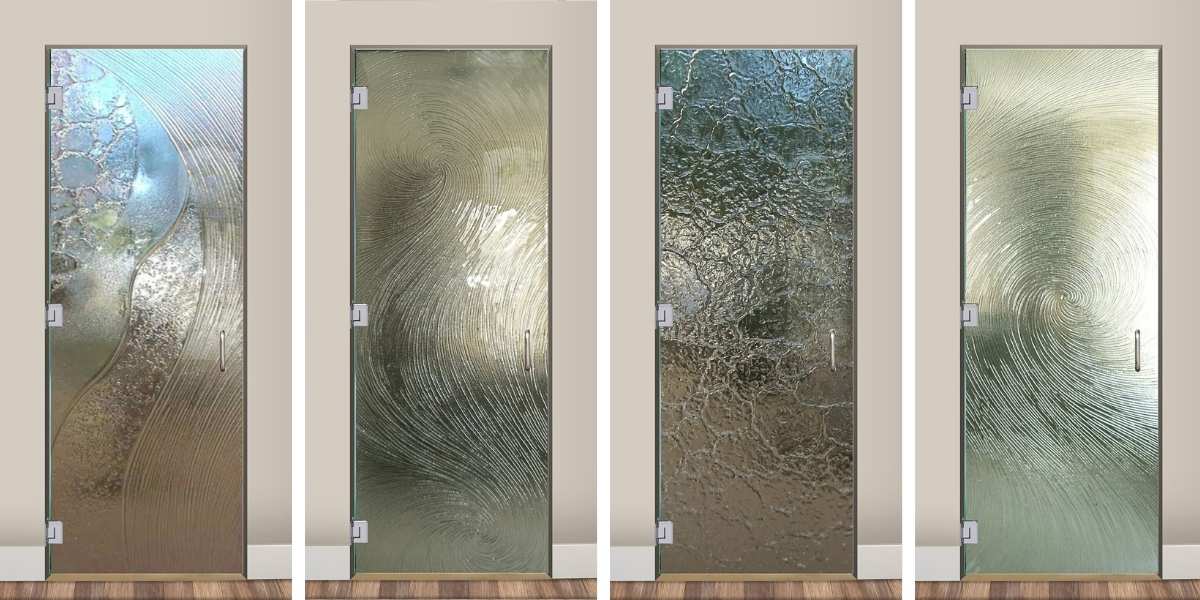
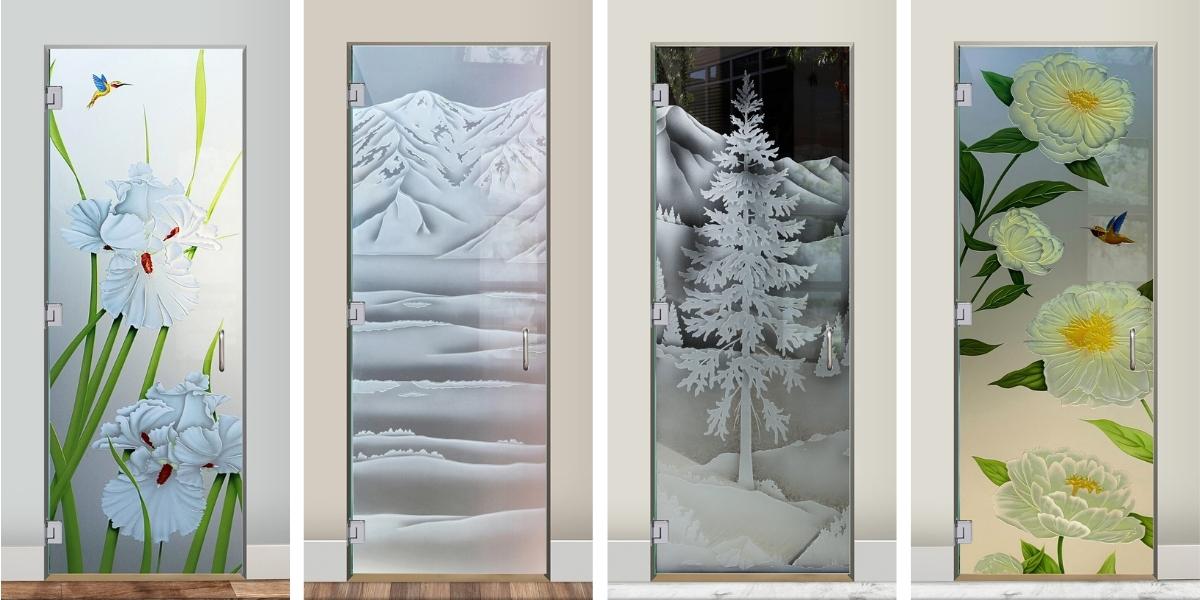
For a unique touch, consider frosted shower doors with custom designs that add both privacy and a personalized style to your space. Whether you prefer bold patterns or subtle textures, these custom designs can transform your bathroom into a refined retreat.
What Are Hinged Shower Doors?
Hinged shower doors open outward like a traditional door using pivot or side-mounted hinges. They can be configured as a single door or as part of a larger enclosure with fixed glass panels. Hinged doors are most often used in walk-in showers and frameless designs, offering a wider opening and a more open, high-end look.
This style closely resembles a standard door, making it intuitive and easy to use for most people. They’re also a great choice for users with mobility issues, offering wider and more accessible entry.

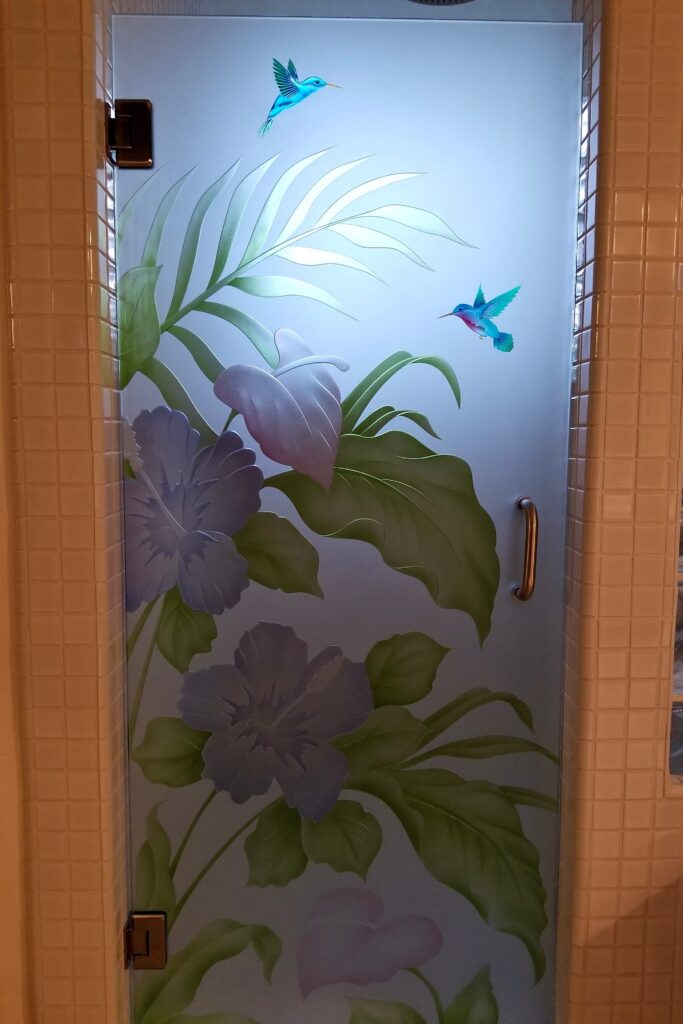
For a sleek, modern aesthetic, you can choose frosted glass shower doors, which provide privacy while maintaining style. Alternatively, clear glass doors create an airy, spacious feel while showcasing the shower’s design.
Sliding Shower Doors: Pros and Cons
Pros of Sliding Shower
- Space-saving design: No swing clearance required, making them ideal for tight layouts. This design greatly improves space efficiency, especially in smaller bathrooms or tight layouts.
- Great for alcove and tub showers: Fits standard openings efficiently
- Modern look: Available in frameless styles with clean lines
- Flexible configurations: Single or double sliding panels for easier access
Cons of Sliding Shower
- Limited entry width: Only part of the opening is accessible at a time
- Track and roller maintenance: Can require periodic cleaning and upkeep
- More components: Additional hardware may impact long-term durability if low quality
- Cleaning challenges: Tracks can collect soap scum and debris. Tracks can also trap moisture, leading to buildup of soap residue and mineral deposits over time.
Hinged Shower Doors: Pros and Cons


Pros of Hinged Shower
- Full, wide entry access: Door swings open for easy in-and-out use
- Clean, minimal look: Fewer moving parts and minimal hardware in frameless designs
- Easier to clean: No bottom track, fewer areas for buildup. With fewer crevices, they support easy cleaning and reduce the likelihood of buildup.
- High-end appearance: Often used in luxury, spa-style bathroom remodels
Cons of Hinged Shower
- Requires clearance space: Needs room for the door to swing open. Because they swing open, they require extra clearance, which can limit placement in tighter spaces.
- Not ideal for tight layouts: Can interfere with nearby fixtures or walls
- Water control depends on layout: Improper placement can allow water to escape. Improper positioning may increase the risk of potential water leakage outside the shower area.
- Higher cost in some cases: Especially with thick frameless glass and premium hardware
Sliding vs Hinged Shower Doors: Key Differences
Feature |
Sliding Shower Doors |
Hinged Shower |
|---|---|---|
Space Requirements |
No swing clearance needed; ideal for tight spaces and alcove showers |
Requires open floor space for door swing; best for larger layouts |
Entry Access |
Partial opening; one side accessible at a time |
Full-width opening; easier entry and exit |
Design Style |
Clean, modern, functional look |
Minimal, high-end, spa-like appearance |
Best Use Case |
Small bathrooms, tub-shower combos, narrow layouts |
Walk-in showers, larger bathrooms |
Maintenance |
Tracks and rollers require periodic cleaning |
Fewer moving parts; easier to maintain |
Installation Flexibility |
Works well in standard openings |
Often custom-fit for precise alignment |
Water Containment |
Good when properly sealed; track helps contain water |
Depends on proper placement and sealing |
Overall Function |
Space-efficient and practical |
Open, accessible, and design-focused |
Both options are available in various styles, allowing you to match your shower design to the rest of your bathroom. Custom sizing ensures a perfect fit, especially in non-standard or remodeled spaces. For many homeowners, the decision comes down to balancing layout constraints with daily comfort and long-term usability.
How to Choose the Right Option for Your Bathroom
Your final decision should reflect both your layout needs and your aesthetic preferences.
Choose Sliding Shower Doors If
- You have limited space or a tight layout
- Your shower is in an alcove or over a tub
- You want a space-saving, functional solution
- You prefer a clean, modern look with efficient use of space
Choose Hinged Shower Doors If
- You have a larger bathroom with room for door swing
- You want full, unobstructed access to the shower
- You’re designing a walk-in or frameless enclosure
- You prefer a more open, high-end, spa-like feel
Common Mistakes to Avoid
Not Accounting for Door Clearance
Choosing a hinged door without enough space for it to swing can create daily usability issues. Always check surrounding fixtures and layout before deciding.
Prioritizing Style Over Function
A door may look great but not work well for your space. Make sure your choice supports how the shower will be used day-to-day.
Ignoring Bathroom Layout and Obstacles
Toilets, vanities, and walls can block access. The door type should complement the layout, not compete with it.
Choosing Low-Quality Hardware
Inferior rollers, hinges, or seals can lead to poor performance over time. Invest in quality materials for durability and smooth operation.
Bring Your Farmhouse Shower Door Vision to Life
Upgrade your bathroom with custom glass shower doors designed to elevate both style and function. At Sans Soucie Art Glass, every piece is handcrafted with precision and artistry—creating a frosted glass shower door that’s as beautiful as it is practical. As a family-owned and operated company proudly serving for 50 years since 1976, we bring decades of expertise, care, and craftsmanship to every project. Design your perfect glass shower door today and experience the difference of true artisan quality.

FAQs: Hinged vs Sliding Shower Door
How do I choose the right shower door for my specific layout?
Choosing the right shower door starts with evaluating your bathroom space, layout, and how you use the shower daily. A sliding glass door works well when you need to maximize space efficiently, especially in alcove setups. If you have more space and want easier access, hinged doors swing open and provide a wider entry. The goal is to balance function, layout, and design so the entire door system works seamlessly within your shower enclosure.
What are the main cons of sliding shower doors to consider?
One of the primary cons of sliding shower designs is the limited opening width, since only one panel moves at a time. Over time, tracks can also accumulate soap scum and require regular cleaning. However, modern systems are designed for smoother operation, and when properly maintained, the panels slide easily and perform reliably.
Do hinged shower doors require a lot of bathroom space?
Yes, hinged doors require enough room to function properly because they swing outward. You’ll need extra clearance in front of the shower to avoid hitting nearby fixtures like vanities or toilets. In larger bathrooms, this isn’t an issue and can actually enhance accessibility and comfort.
Can sliding or hinged doors work with any shower enclosure?
Both options can be adapted to fit most shower enclosure designs, including alcove, corner, and walk-in layouts. Sliding systems are commonly used where space is tighter, while hinged configurations are often preferred in open, walk-in showers or designs that incorporate fixed panels or even double doors for a more expansive entry.
Are frameless glass shower doors available in both sliding and hinged styles?
Yes, frameless shower doors are available in both configurations. Sliding frameless designs offer a sleek, modern aesthetic with minimal visible hardware, while hinged frameless doors highlight clean lines and openness. Both options can be customized with different hardware finishes to match your bathroom design.
How do shower doors compare to using a shower curtain?
A glass shower door provides a more permanent and polished solution compared to a shower curtain. It enhances curb appeal, improves light flow, and creates a more refined look. Glass also tends to be more durable and easier to maintain long-term, especially when designed with quality materials.
What style works best for different bathroom designs?
Glass shower doors are versatile and complement many bathroom styles, from modern to traditional. Sliding doors often suit contemporary layouts, while hinged options—especially in a semi frameless style preferences—can bridge classic and modern aesthetics. The key is selecting a design that blends with your finishes, layout, and overall vision.
Do hardware options impact performance or just appearance?
Hardware plays a role in both function and design. High-quality rollers ensure sliding panels slide smoothly, while durable hinges create stable movement for doors that swing outward. At the same time, selecting the right hardware finishes allows you to coordinate with fixtures and elevate the overall look of the space. Finishes like chrome, brushed nickel, and matte black allow you to coordinate with fixtures and create a cohesive look.
Are glass shower doors safe?
Yes. Glass shower doors are made from tempered safety glass, which is significantly stronger than standard glass and designed to break into small, rounded pieces if damaged—reducing the risk of injury. Both sliding and hinged shower doors are built to meet safety standards, and when properly installed with high-quality hardware, they provide a secure and durable solution for everyday use.
Find the Perfect Shower Door for Your Space
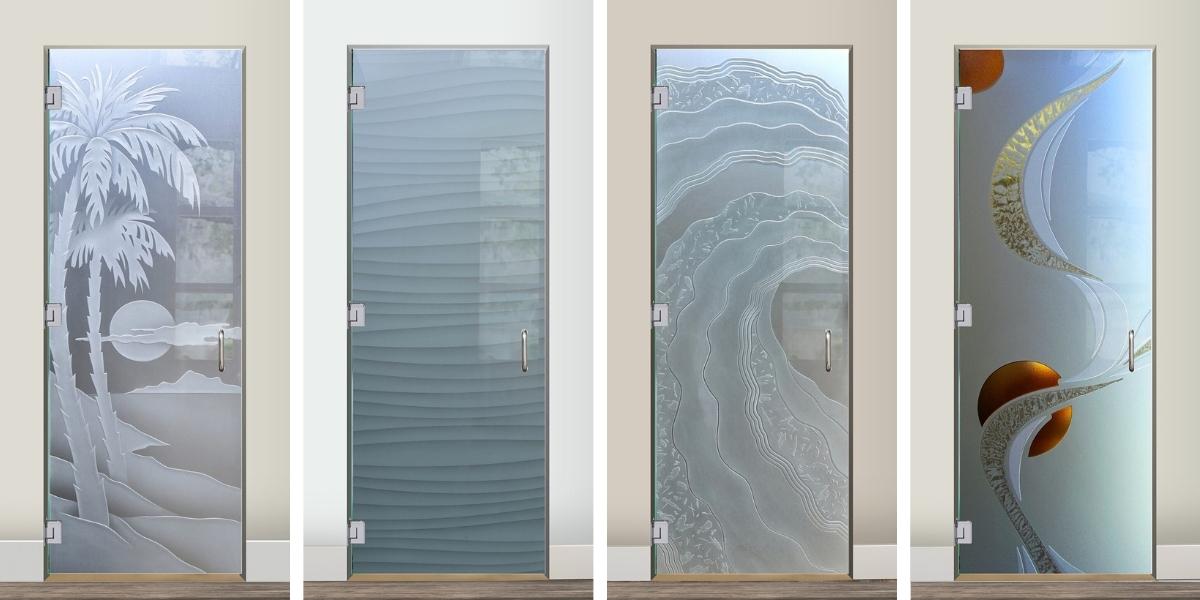
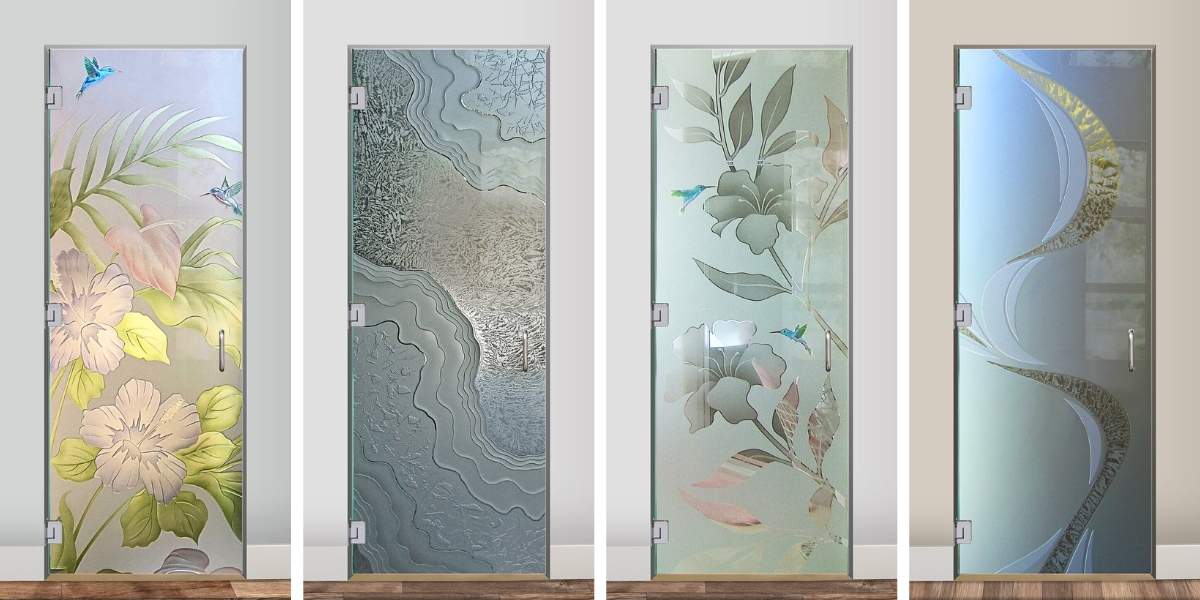
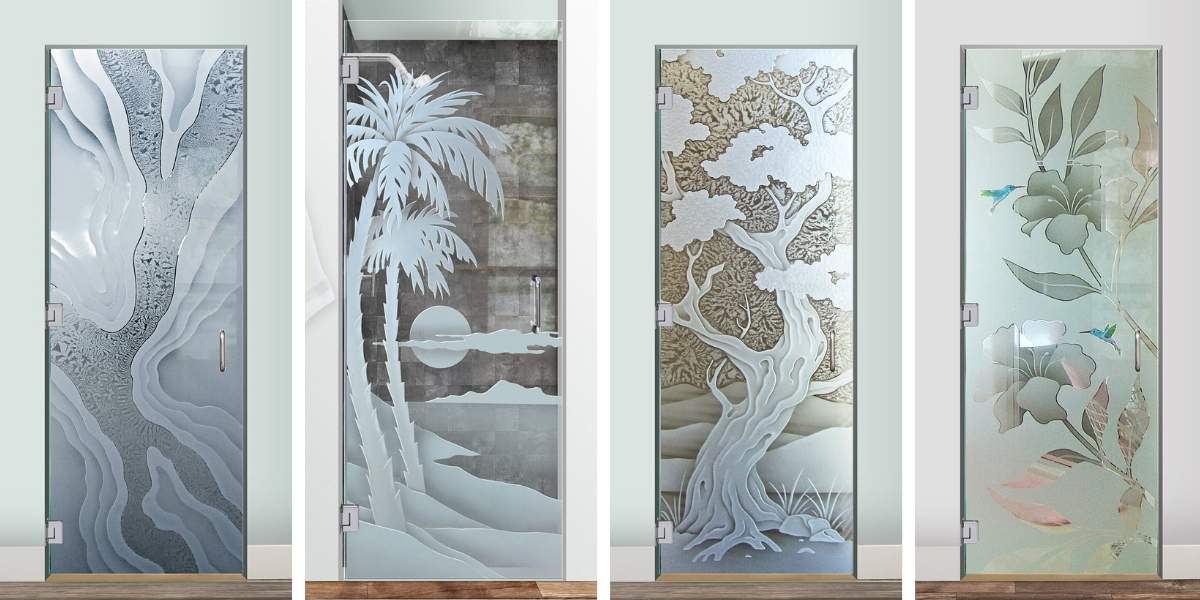
Upgrade your bathroom with a custom sliding or hinged shower door designed for the perfect balance of style, function, and fit. At Sans Soucie Art Glass, every etched glass shower door is handcrafted using our signature sandblast techniques—offering everything from sleek clear glass to beautifully designed frosted and carved glass for added privacy.
Whether you need a space-saving sliding enclosure or a wide-opening hinged design, our team creates high-quality, custom solutions tailored to your exact layout. Explore your frosted glass options and design a shower that’s both functional and a true work of art captured in glass.
HELPFUL RESOURCES
- How to Install a Glass Shower Door
- Glass Size Calculator
- Square Foot Calculator
- Decorative Glass Gallery

Sans Soucie Art Glass: Decorative, Custom & Frosted Glass Doors, Windows, Showers & Stained Glass Since 1976
Family-owned and operated since 1976, Sans Soucie Art Glass leads the industry in decorative glass and custom glass design — from sandblast frosted glass and carved glass to hand-painted and stained glass art — transforming ordinary glass into Works of Art Captured in Glass recognized worldwide.
Innovative Frosted Glass Door Designer Tool
In 2010, we invented and launched our Frosted Glass Pantry Door Designer – a fun, easy-to-use tool that makes it simple for anyone to design and customize not only pantry doors, but a wide range of frosted glass doors for every room.
Explore our Frosted Glass Doors Collection
Our custom frosted glass doors include a beautiful variety for every style and space:
- Pantry Doors
- Frosted Glass Interior Door
- Interior Doors with Frosted Glass
- Frosted Glass French Doors
- Frosted Glass Front Door
- Front Doors with Frosted Glass
- Interior Glass Doors
- Glass Barn Doors
- Frosted Glass Barn Door
- Sliding Glass Barn Door
- All Glass Doors Interior
- All Glass Front Doors
- Bathroom Doors with Frosted Glass
- Laundry Room Doors
- Wine Room Doors
If you already have a door, and only need the glass insert, we also offer:
- Frosted Glass for Interior Doors
- Door Glass Inserts for Front Doors
- Glass Panels for Pantry Doors
- Frosted Glass Inserts for Bathroom Doors
- Laundry Room Door Glass Inserts
- Glass Panels for Interior Wine Cellar Doors
Elegant Frosted Glass Throughout Your Home
While our frosted glass doors are a top choice, we also create stunning glass products for every area of your home, including:
- Frosted Glass Shower Doors
- Glass Shower Partition
- Frosted Glass Shower Panel
- Frosted Glass Showers
- Frosted Glass Windows
- Bathroom Window Frosted Glass
- Decorative Window Glass, Window Frosting
- Custom Glass Dining Table
- Custom Glass Coffee Table
- Glass Shelves, Custom Glass Shelves
- Hand Carved & Painted Mirrors
- Frosted Glass Signs, Etched Glass Signs
- Cabinet Door Glass Inserts, Frosted Glass Inserts for Cabinet Doors
- Glass Wall Art, Wall Art on Glass
Looking for Inspiration? Explore Our Galleries
Discover visual idea boards, style concepts, décor applications, real project photos, and helpful information in our expanding gallery collection:
- Custom Glass
- Custom Glass Edges
- Custom Mirror
- Decorative Glass
- Decorative Glass Doors
- Decorative Glass Front Doors
- Decorative Glass Interior Doors
- Decorative Glass Window
- Stained Glass
- Stained Glass Doors
- Stained Glass Front Doors
- Stained Glass Windows
Free Shipping. Expert Packing, Peace of Mind
With FREE SHIPPING on most orders and worldwide delivery from our studio in Palm Desert, California, every order is packed in-house by our expert glaziers using custom materials and proven methods — ensuring safe arrival with a damage rate of less than 1%!
Explore our complete frosted glass doors collection and find the perfect frosted glass door for your space. Have questions? Contact us today!
Copyright © 2025, Sans Soucie Art Glass. All rights reserved.