Glass Front Doors for Desert, Coastal, or Sunny Climates
Glass front doors are a beautiful way to welcome natural light into your home, but climate plays an important role in choosing the right design. In sunny regions such as desert areas, coastal communities, and tropical environments, entry doors are often exposed to intense sunlight, heat, humidity, and changing weather conditions.
Fortunately, modern glass door construction offers solutions that allow homeowners to enjoy bright, open entryways without sacrificing comfort, privacy, or durability. From insulated glass panels to frosted and decorative designs that soften direct sunlight, today’s glass front doors can be tailored to perform well even in the brightest climates.
Why Climate Matters When Choosing a Glass Front Door
When selecting a glass front door, it’s important to consider how the surrounding climate will affect both the appearance and long-term performance of the door. Homes in desert, coastal, or sunny environments experience conditions that can impact heat control, durability, and overall comfort.
Intense Sun Exposure
Homes located in sunny climates often receive strong direct sunlight throughout the day. Without the right type of glass, this can create excessive glare in entryways and increase heat entering the home. Decorative, frosted, or textured glass doors help diffuse harsh sunlight while still allowing natural light to brighten the space.
Salt Air and Coastal Humidity
In coastal regions, salt air and moisture can affect certain materials over time. Choosing durable glass units and weather-resistant door construction helps ensure that the door performs well even in humid environments exposed to ocean air.
Temperature Extremes in Desert Climates
Desert areas frequently experience large temperature swings between hot days and cooler nights. High-quality tempered and insulated glass panels help maintain stability and energy efficiency, preventing excessive heat transfer while protecting the door structure from expansion and contraction.
By considering the specific climate conditions of your location, homeowners can select a high-quality glass front door that delivers lasting beauty, comfort, and performance.
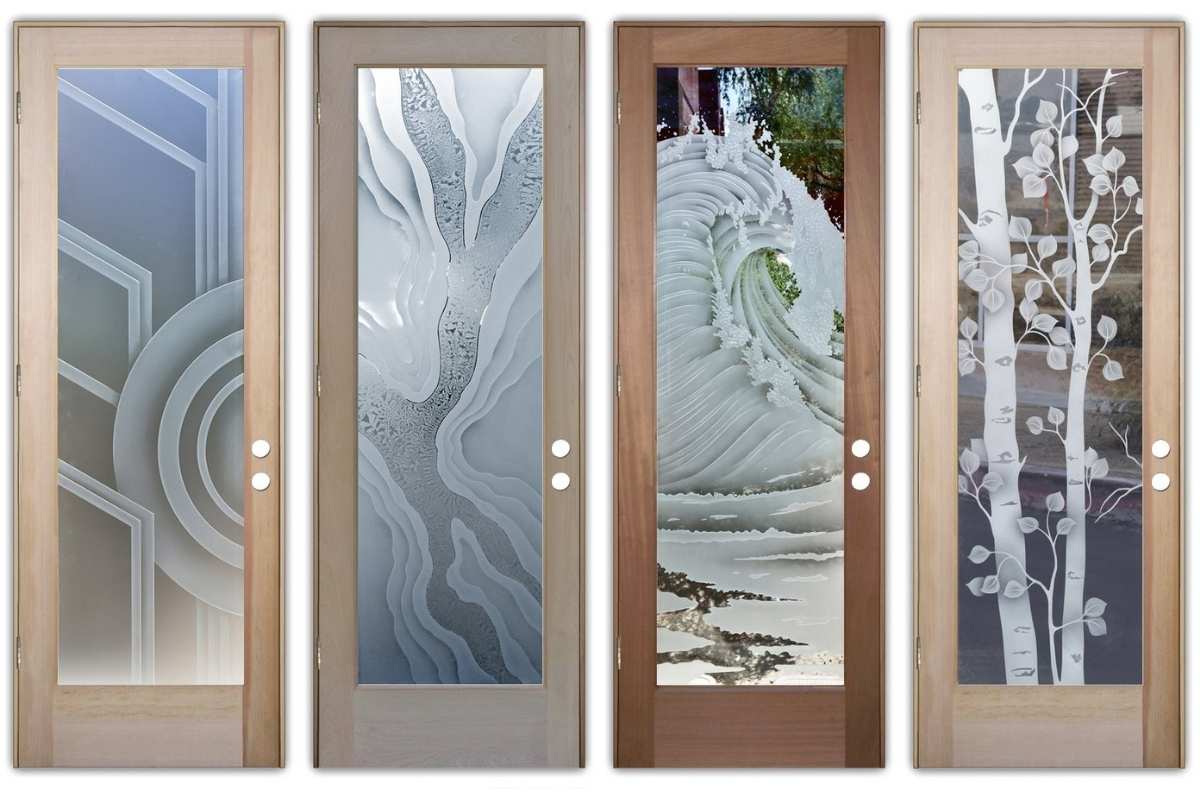
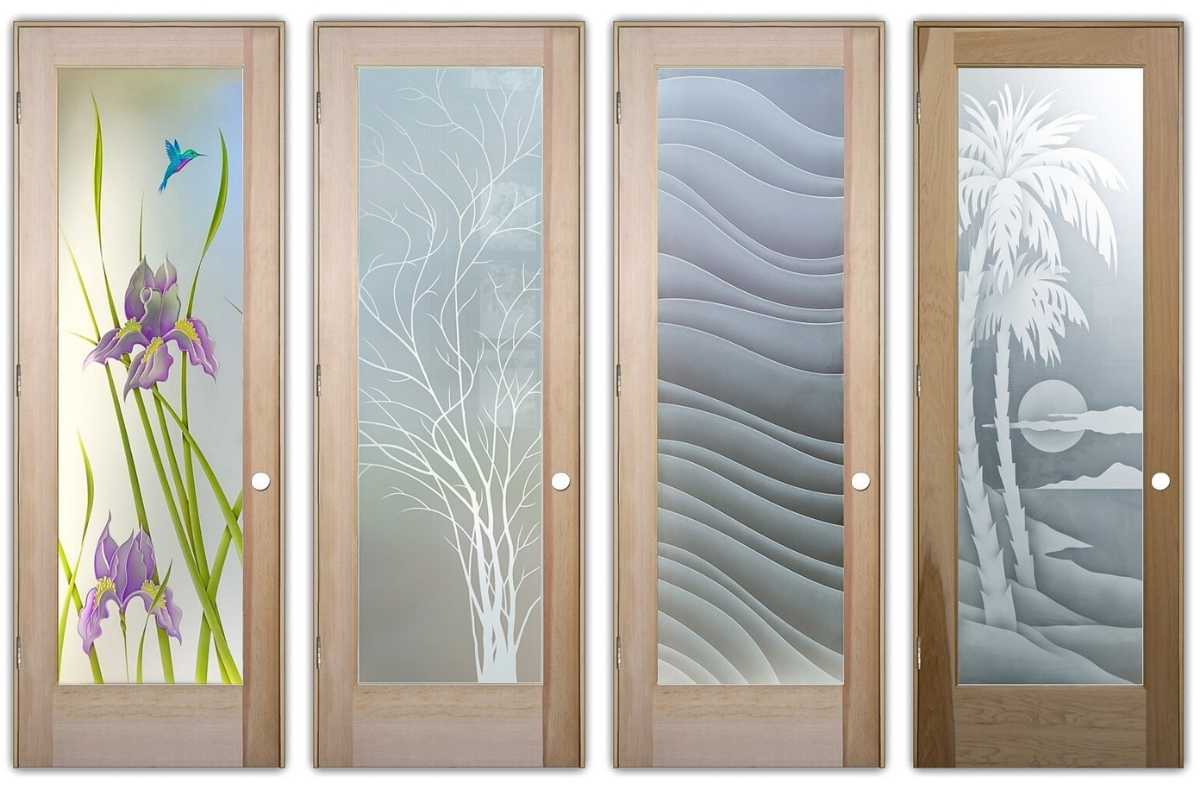
Best Types of Glass Front Doors for Sunny Climates
Not all glass front doors perform the same in bright environments. The best options combine durability, light diffusion, and energy efficiency to create a comfortable entryway while still showcasing beautiful design.
Decorative Frosted Glass Front Doors
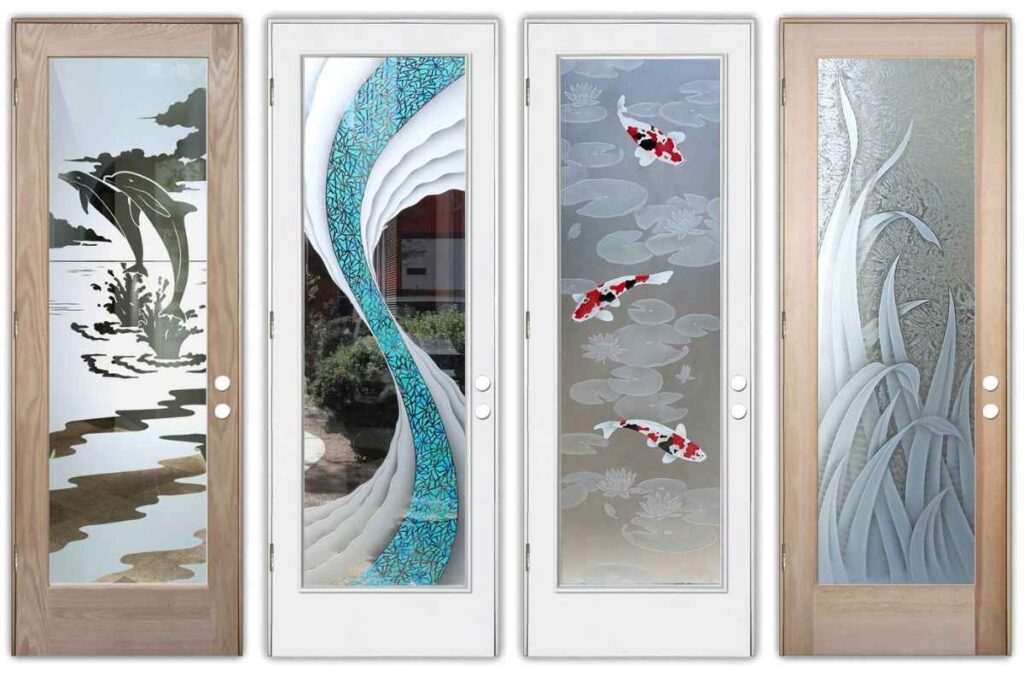
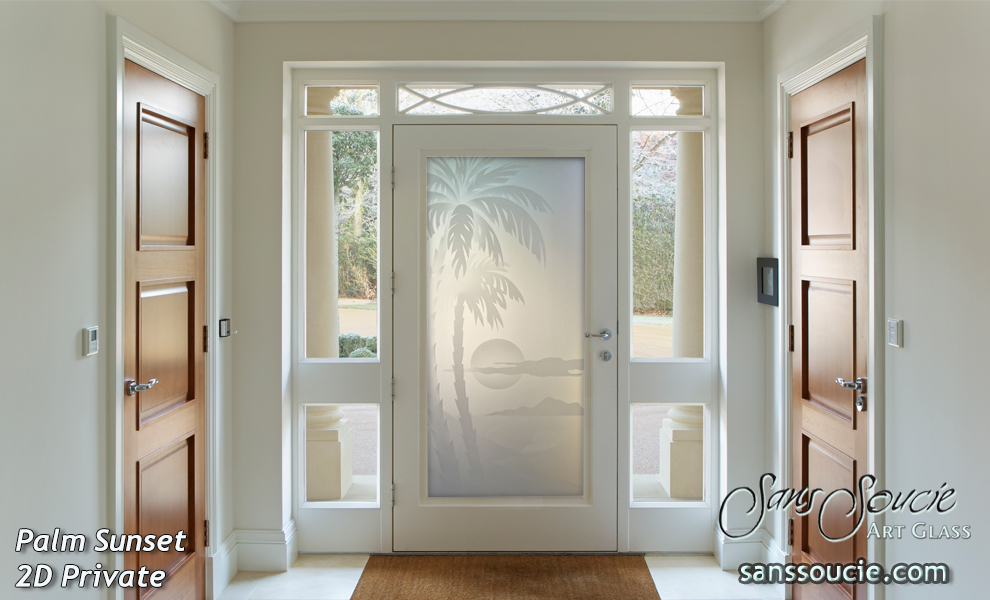
Frosted glass is one of the most popular choices for homes in sunny climates. The soft, etched surface scatters incoming sunlight, reducing glare while maintaining privacy. A frosted glass front door allows daylight to enter the entryway without creating harsh brightness inside the home.
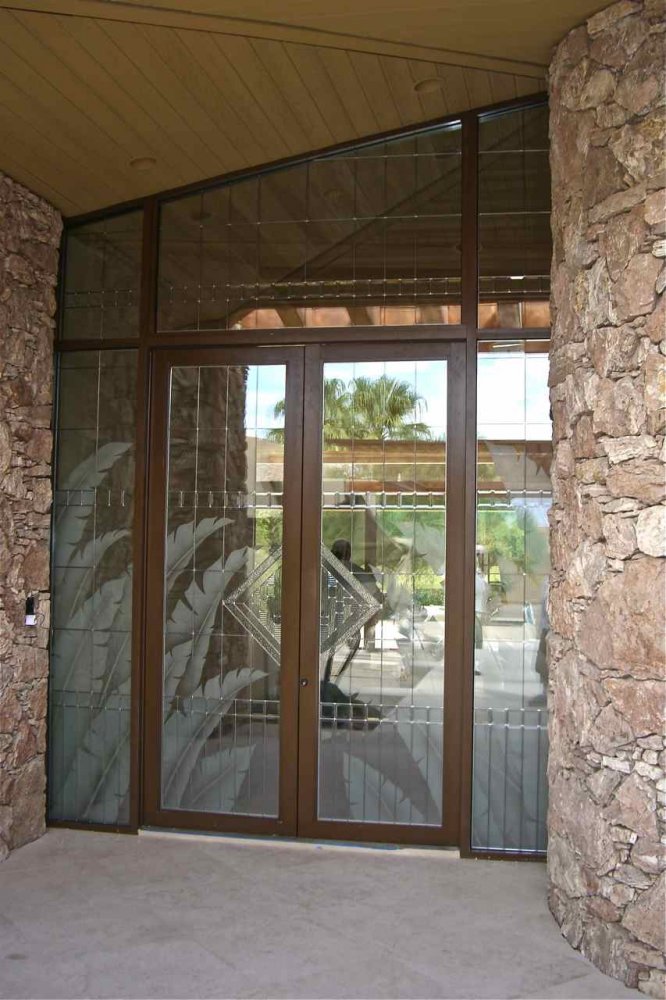
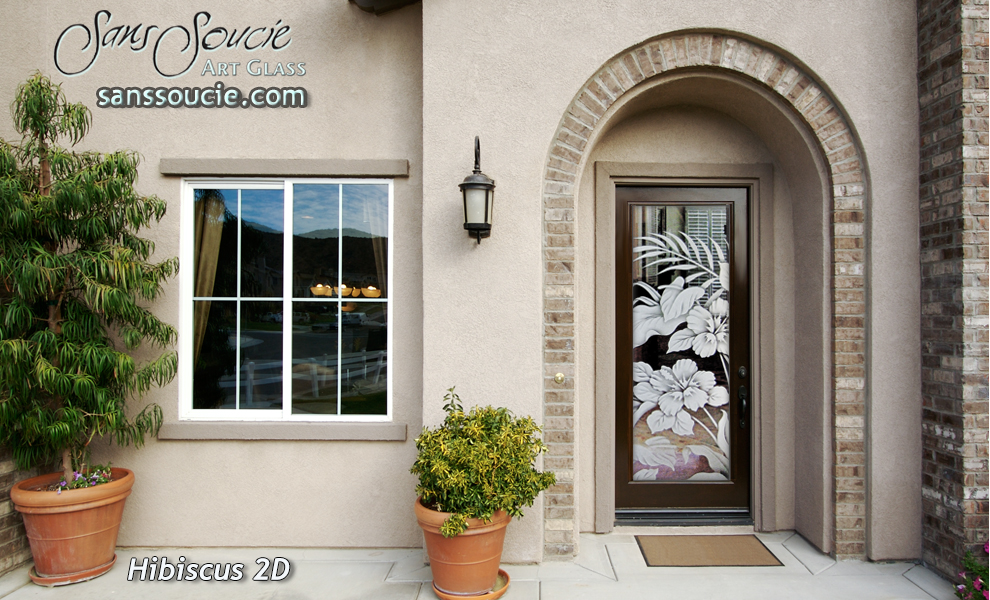
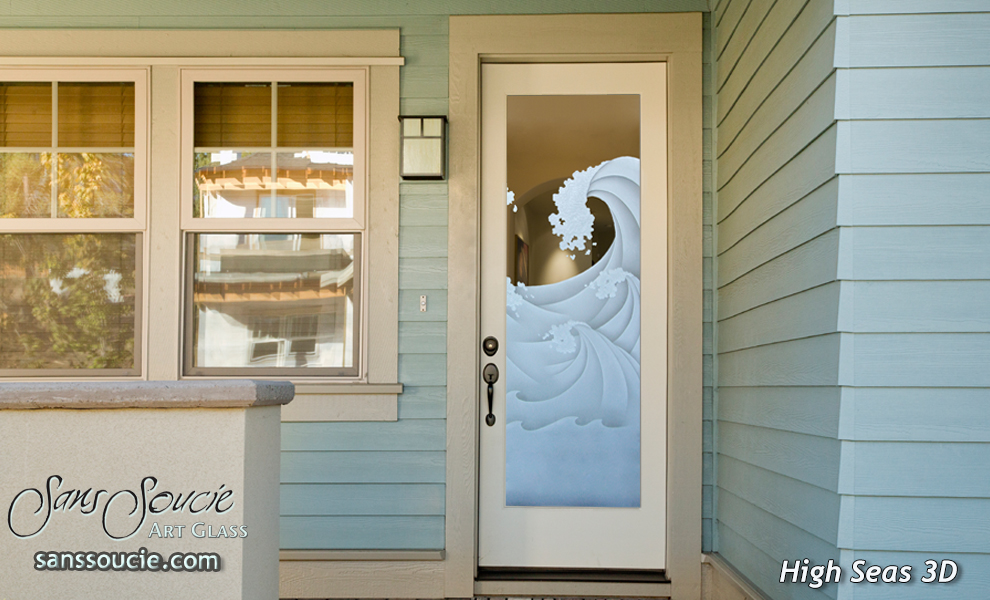
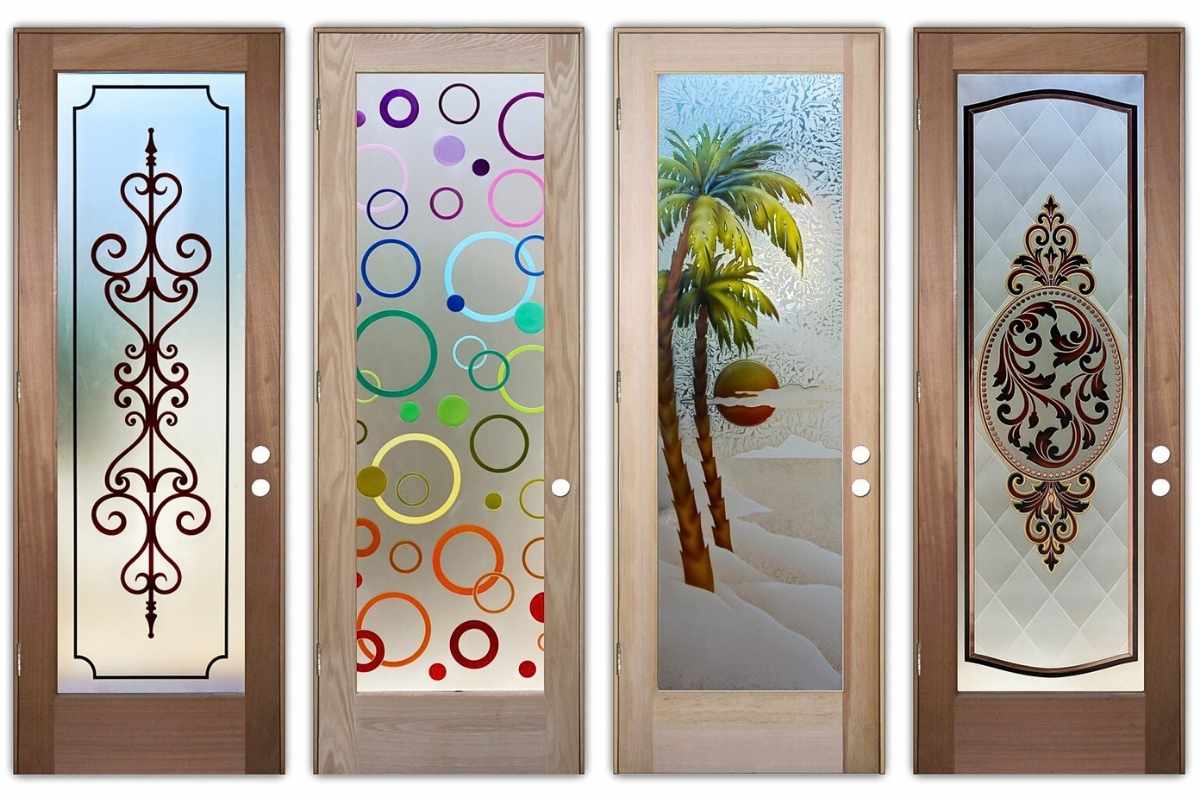
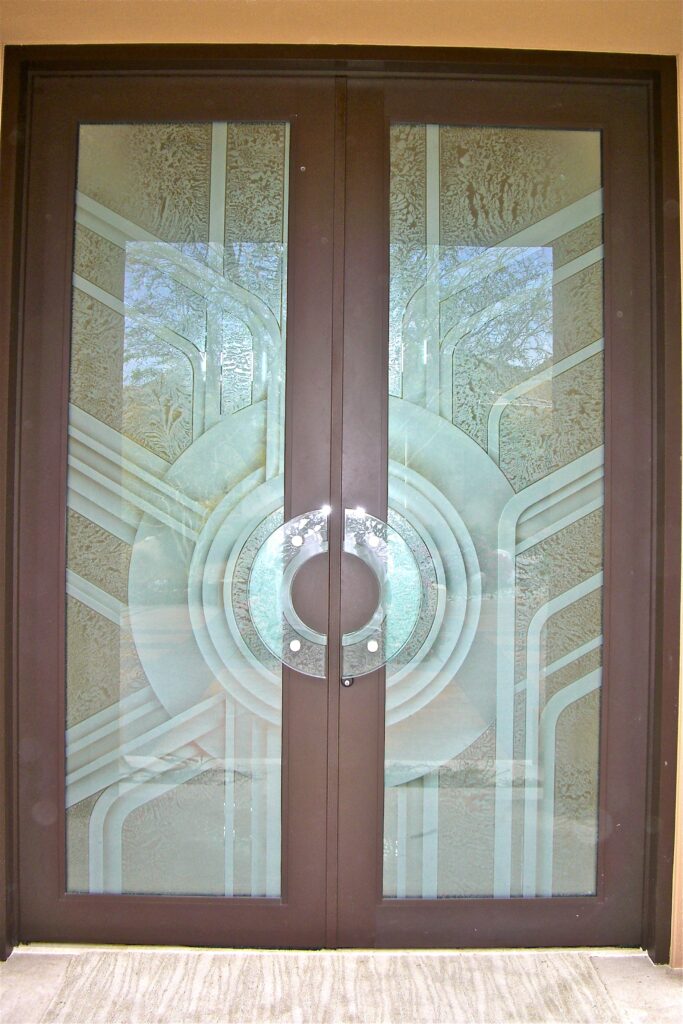
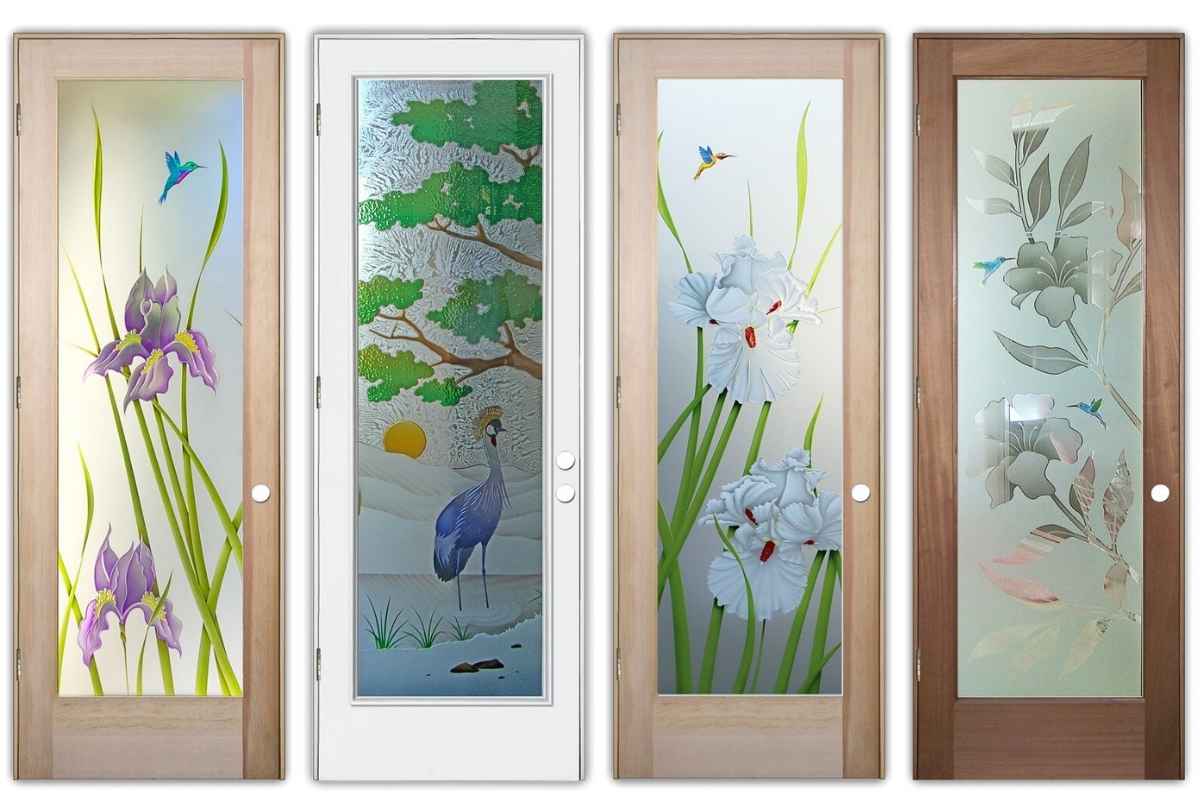
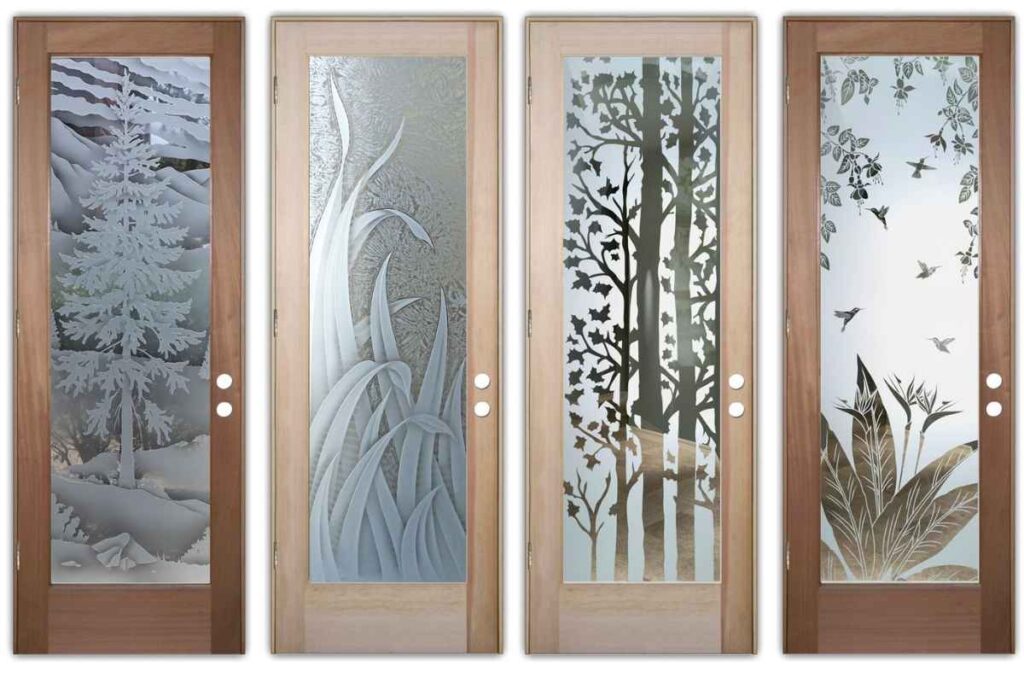
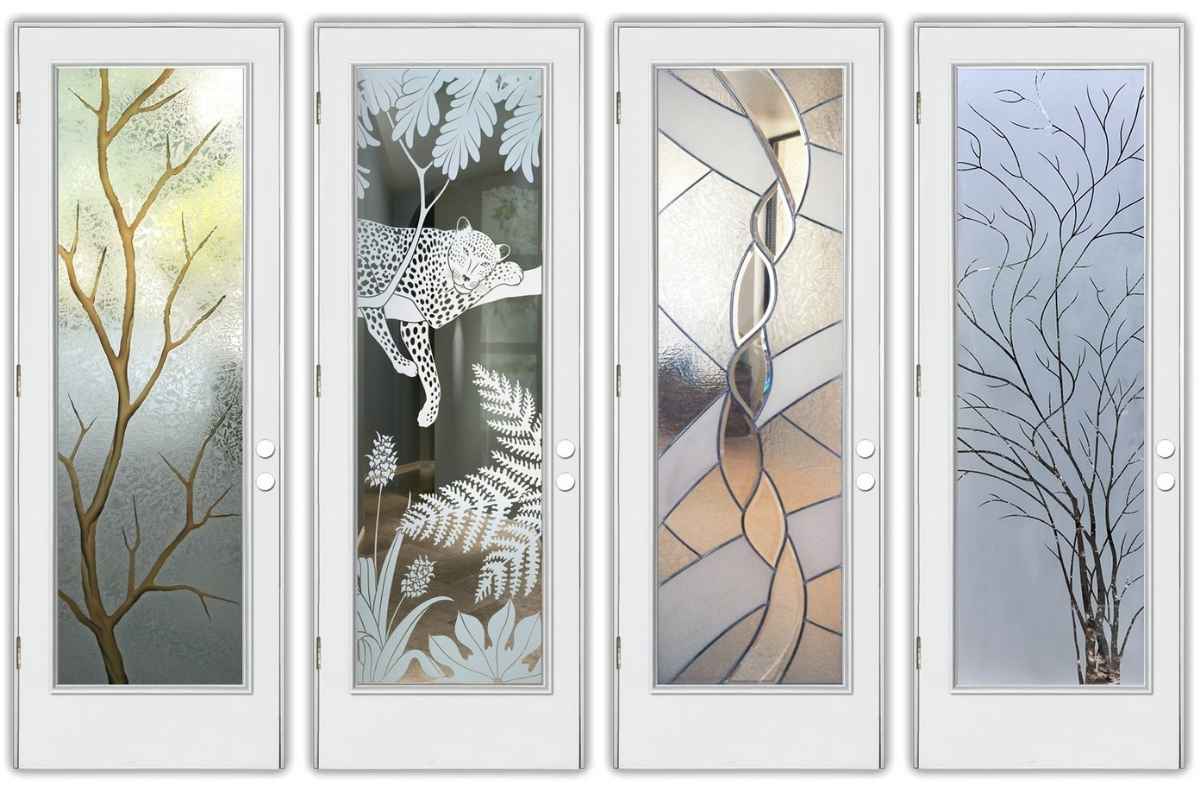
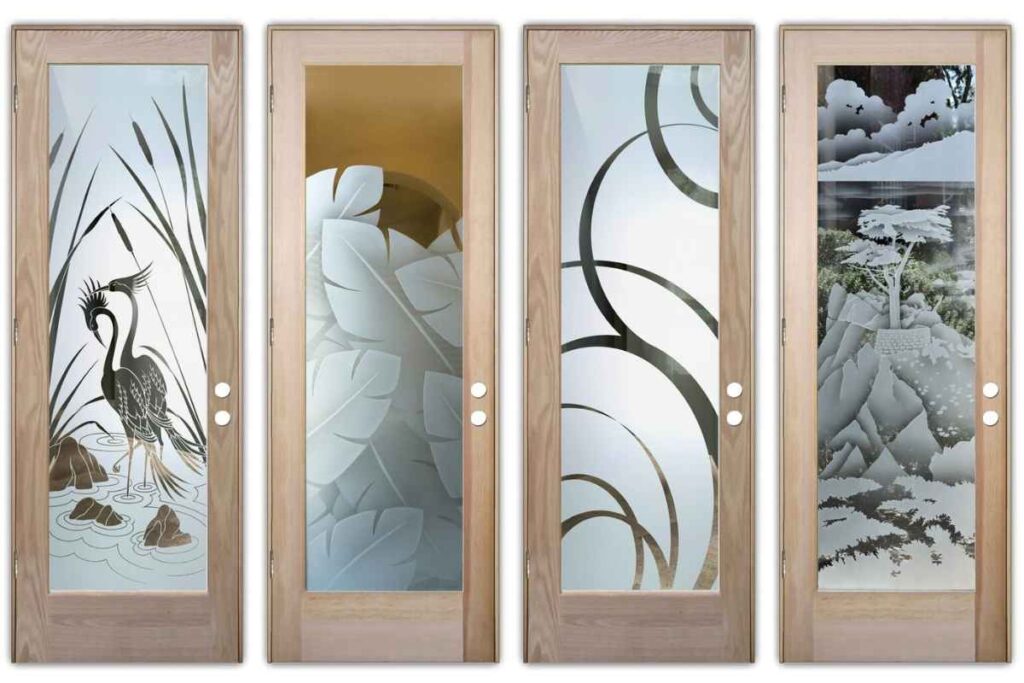
Decorative sandblasted or etched glass adds both artistry and function to a front door. The carved or textured patterns naturally diffuse light, helping soften intense sunlight while creating a visually striking focal point for the home’s exterior.
Insulated or Laminated Glass Panels
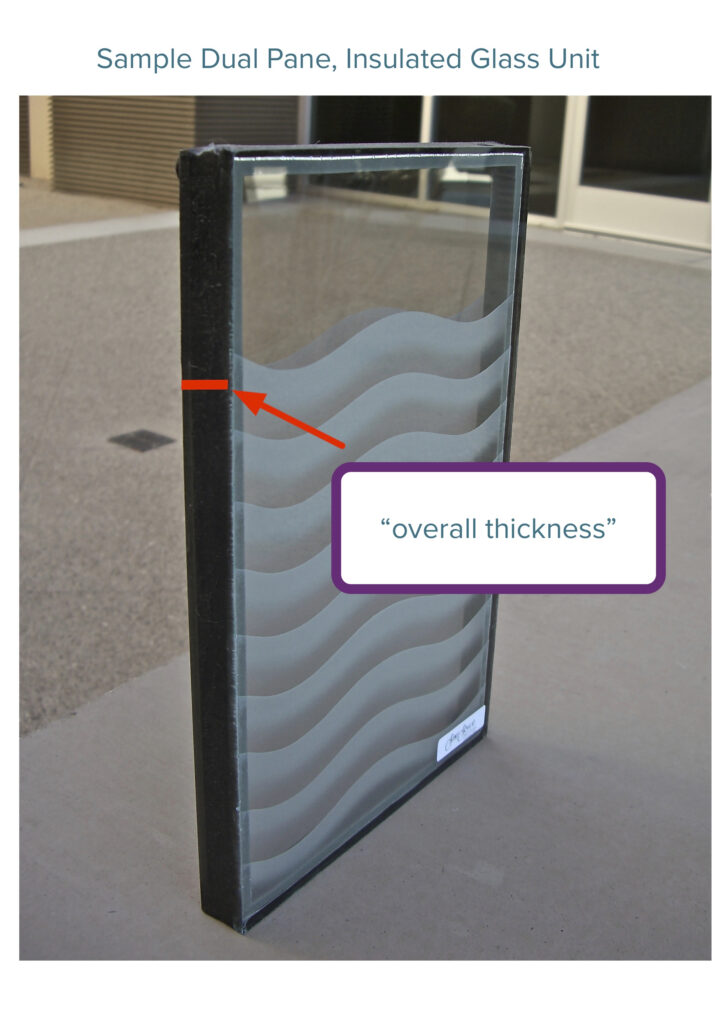
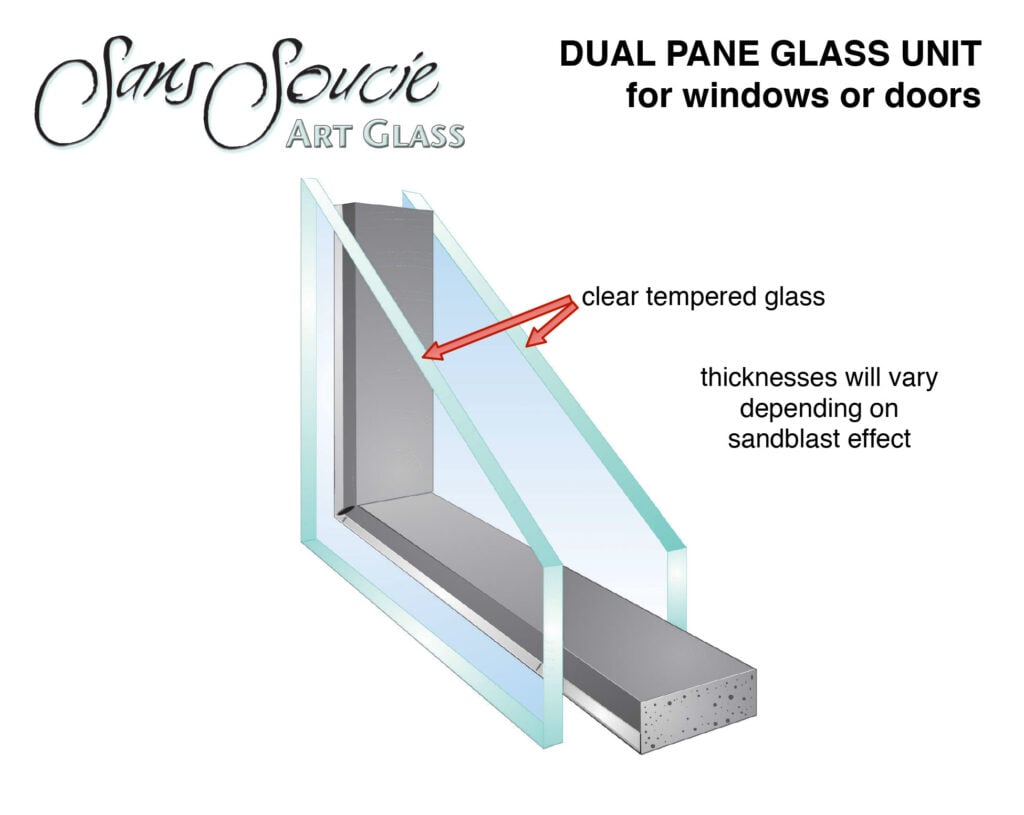
Insulated glass units contain multiple layers of glass separated by a sealed air space. This construction improves energy efficiency by reducing heat transfer, which is especially important for homes in hot or sunny climates.

Glass Front Doors with Sidelights or Transoms
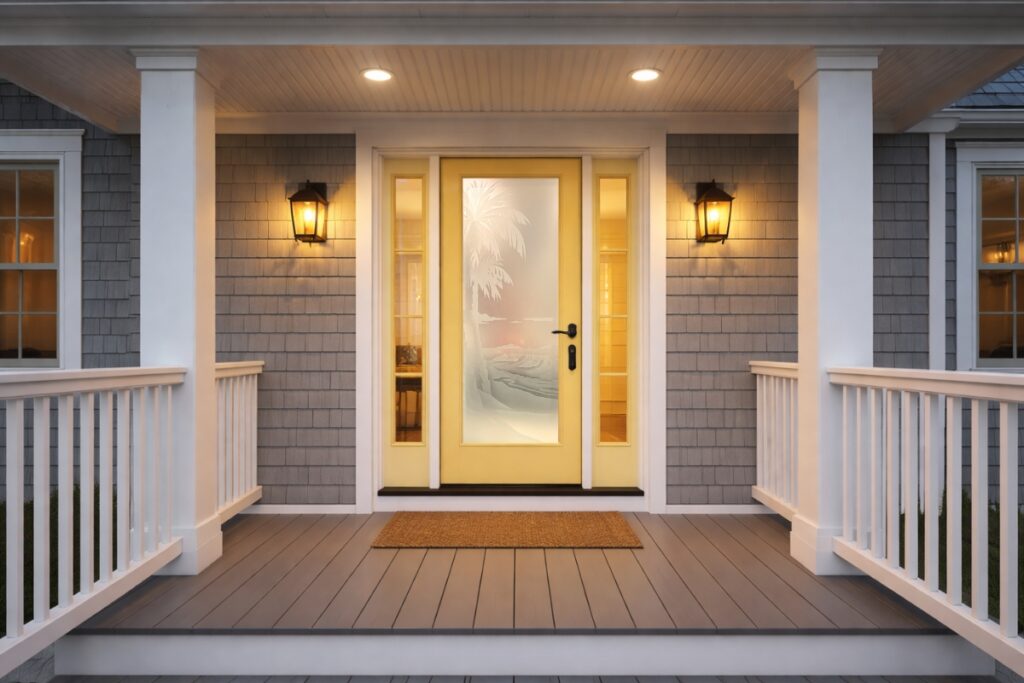
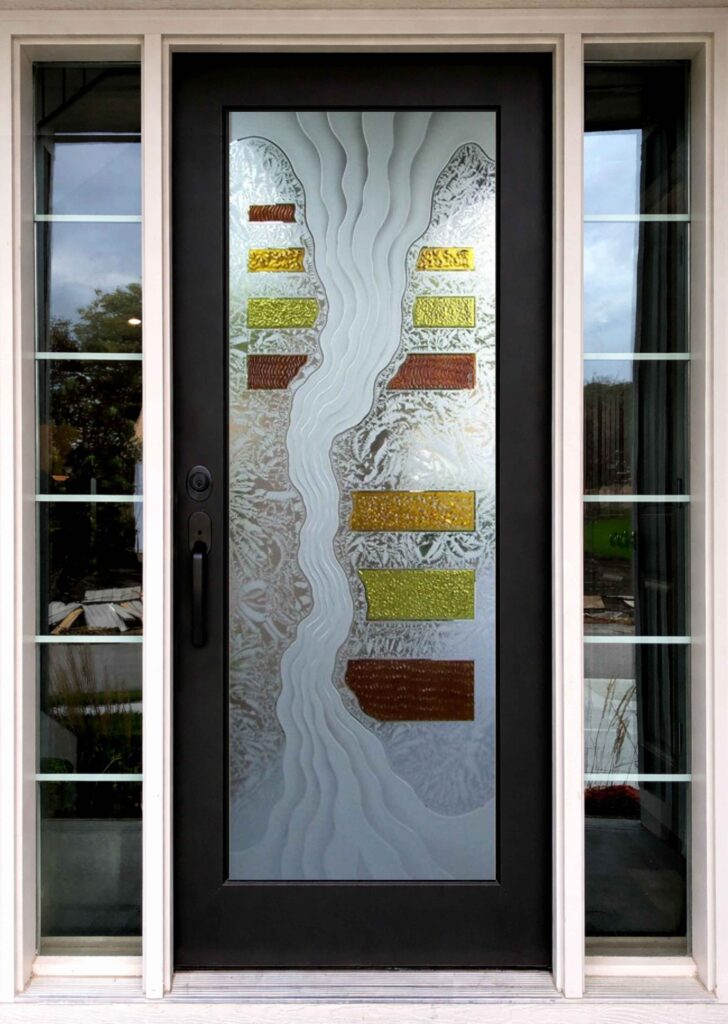
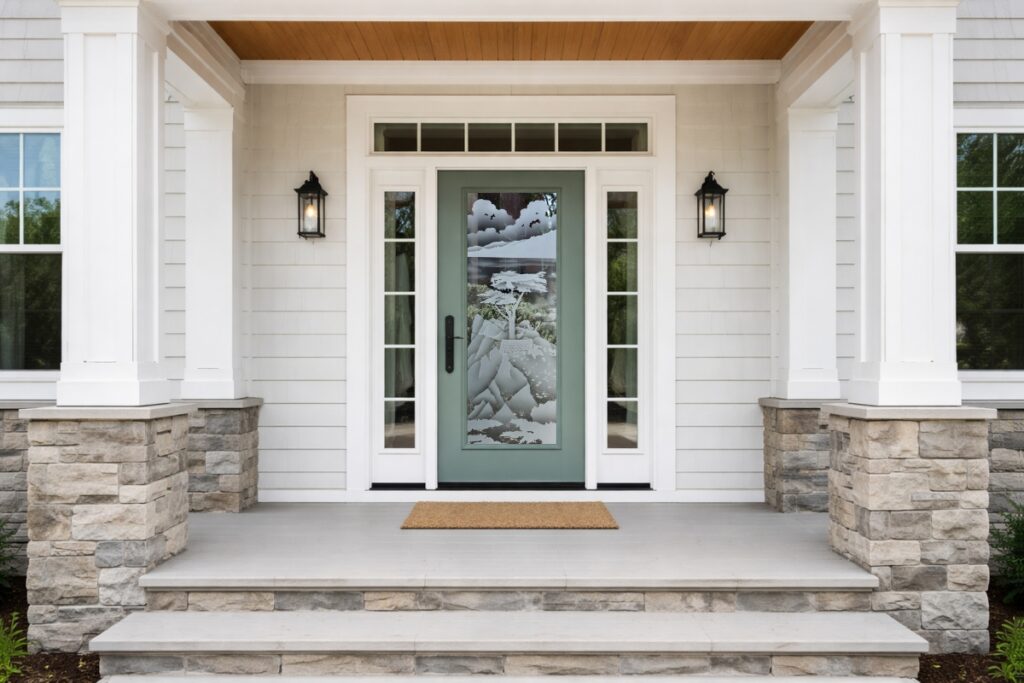
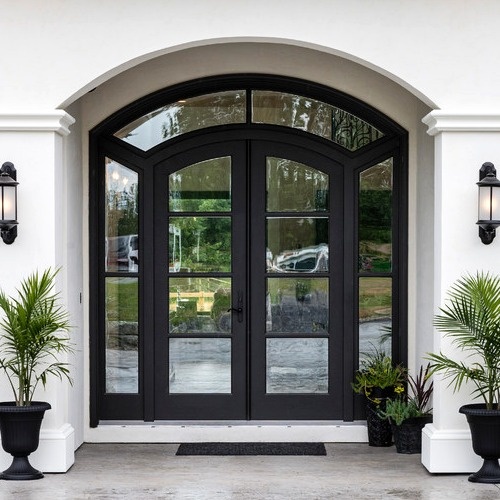
Adding sidelights or transoms can increase natural light in an entryway, but using decorative or frosted glass in these panels helps maintain privacy and reduces direct glare. This approach allows homeowners to enjoy a bright, welcoming entrance while keeping the interior comfortable.
How Decorative Glass Helps Control Light and Privacy

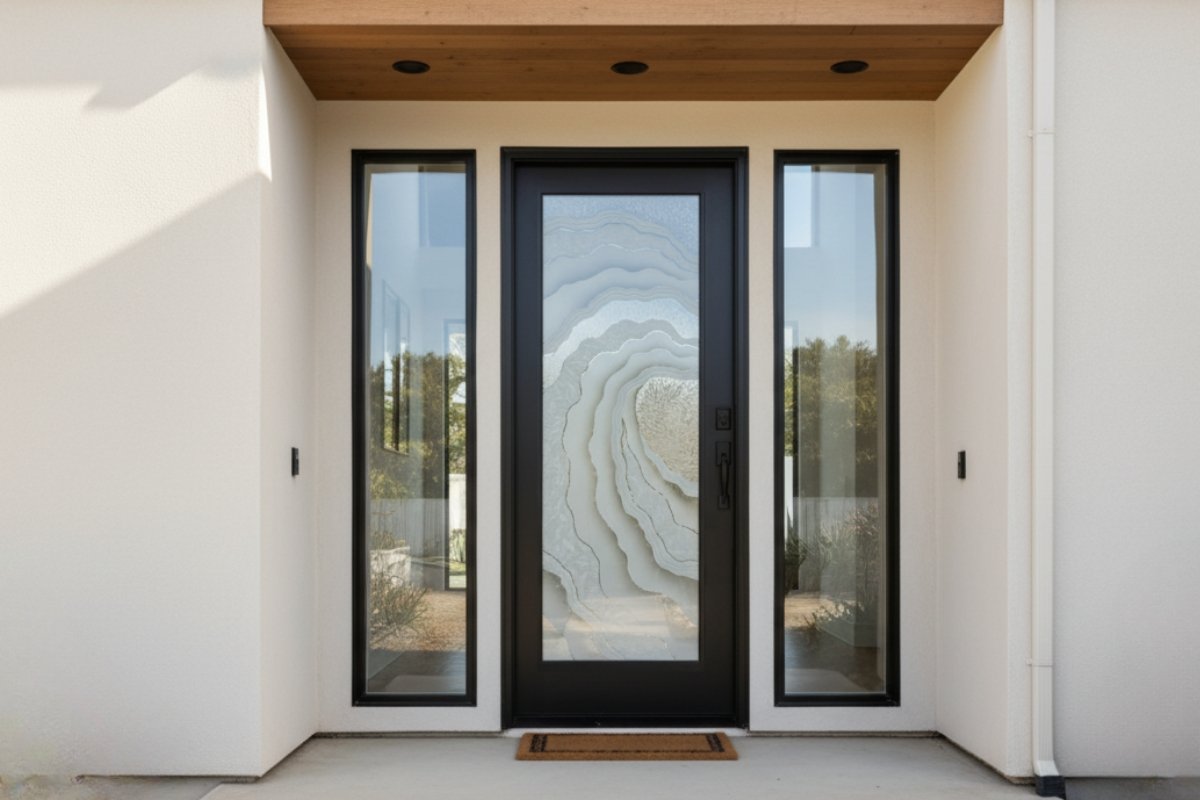
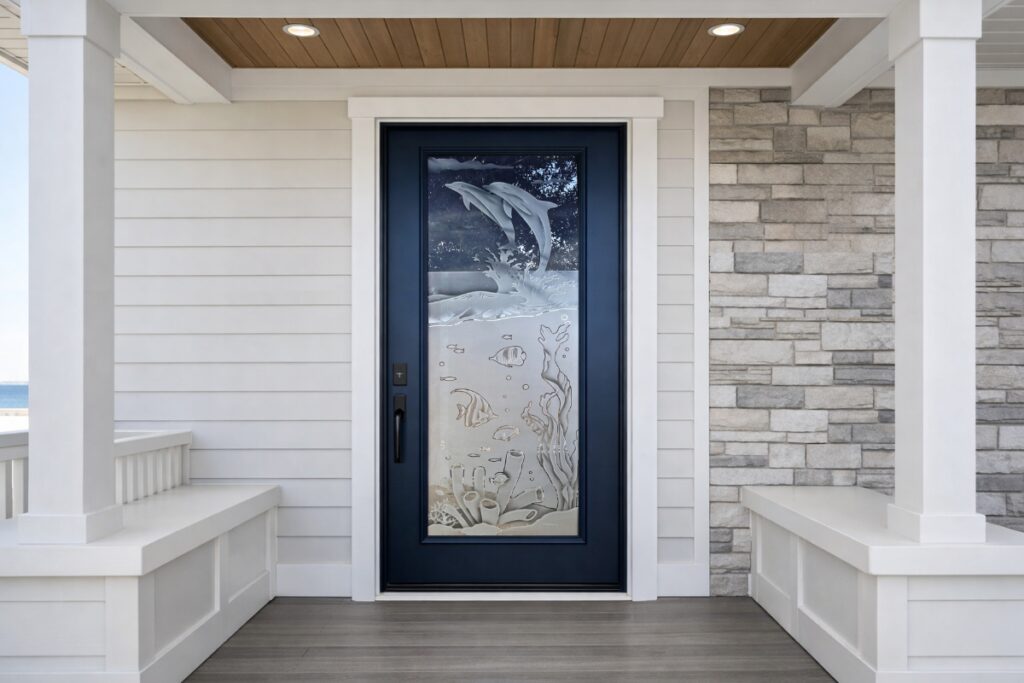

Decorative glass plays an important role in balancing natural light, privacy, and comfort in a glass front door. Instead of allowing direct sunlight to pass through completely clear glass, textured and frosted surfaces soften and scatter incoming light. A decorative front door with glass creates a bright entryway without the harsh glare that can occur in sunny climates.
Diffusing Harsh Sunlight
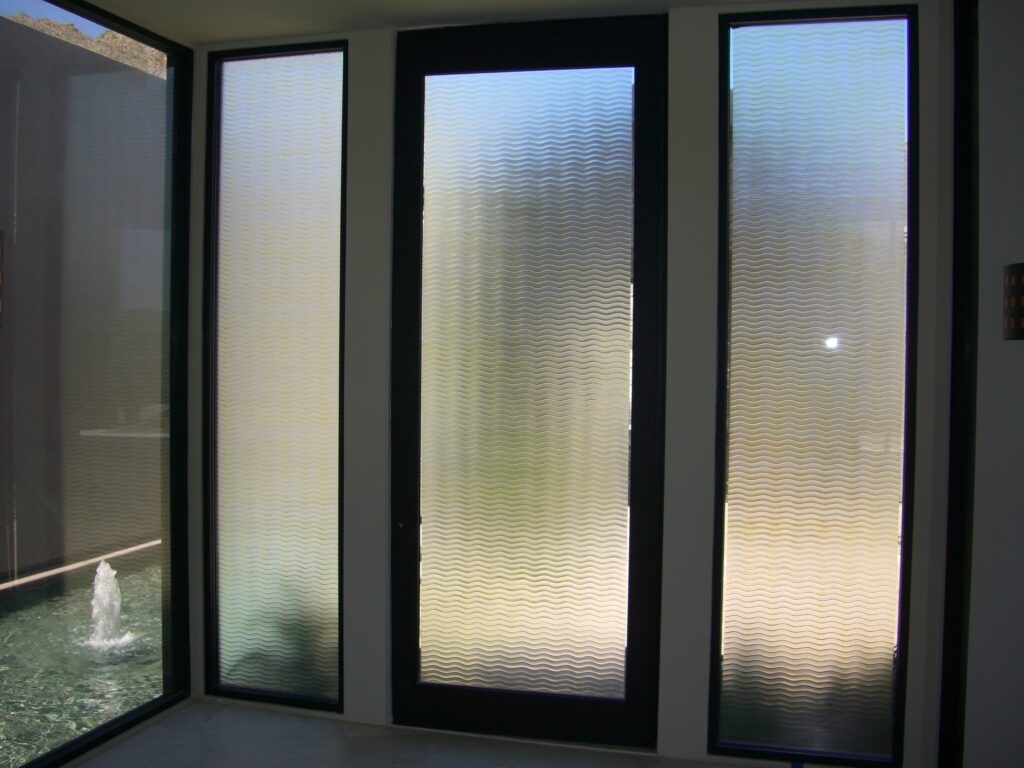
Decorative glass designs often include frosted areas, carved textures, or patterned surfaces that break up direct light. Rather than shining straight into the home, sunlight is gently dispersed across the glass surface, producing a softer and more comfortable glow in the entryway.
Creating Daytime Privacy
One of the biggest advantages of decorative glass is its ability to allow light in while limiting visibility from outside. A frosted front door and textured areas obscure the view through the glass, making it difficult to see inside while still maintaining a bright and open feeling in the home.
Reducing Glare in Entryways
Homes with west-facing or south-facing front doors often experience intense afternoon sunlight. Decorative glass helps reduce glare by scattering light before it enters the home, preventing overly bright entryways and improving visual comfort throughout the day.
By combining design and function, decorative glass allows homeowners to enjoy the benefits of natural light while maintaining privacy and reducing the impact of strong sunlight.
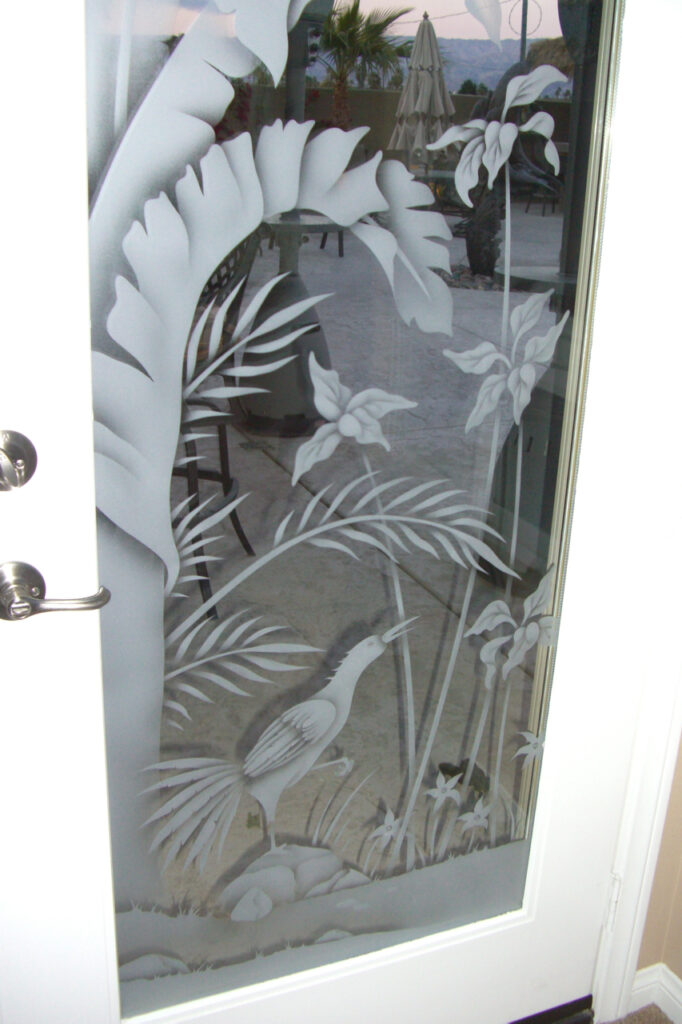
Ideal Glass Designs for Desert, Coastal, and Tropical Homes
A glass door design can help reinforce the architectural style and surrounding environment of a home. In sunny climates, many homeowners choose decorative glass patterns that reflect the natural landscape and relaxed atmosphere of their region.
Nature-Inspired Designs for Desert Homes
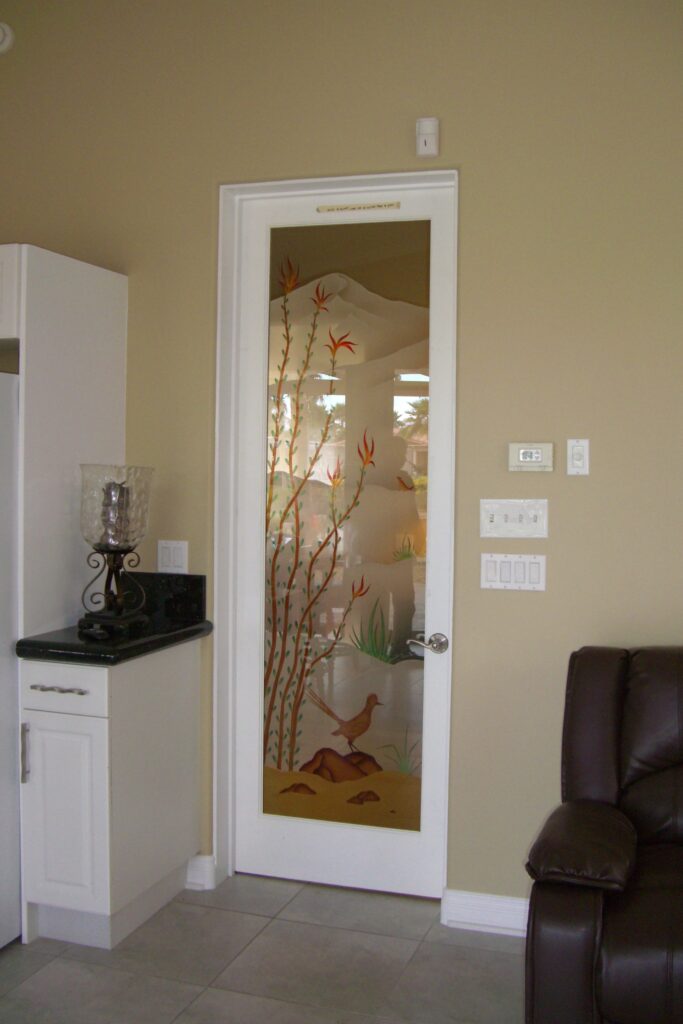
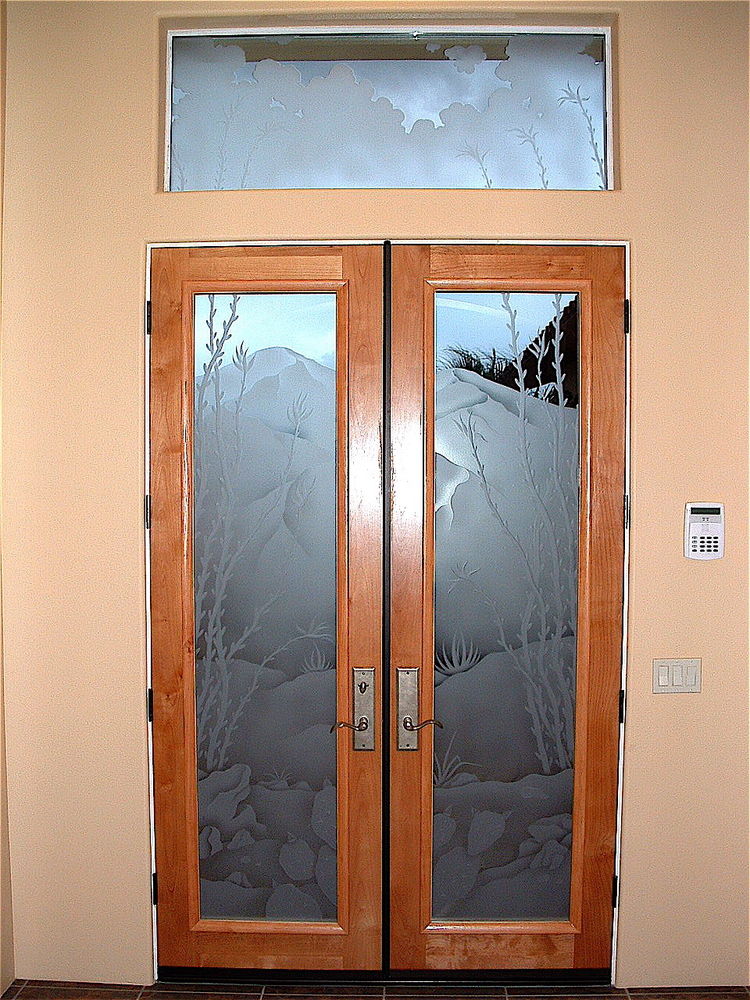

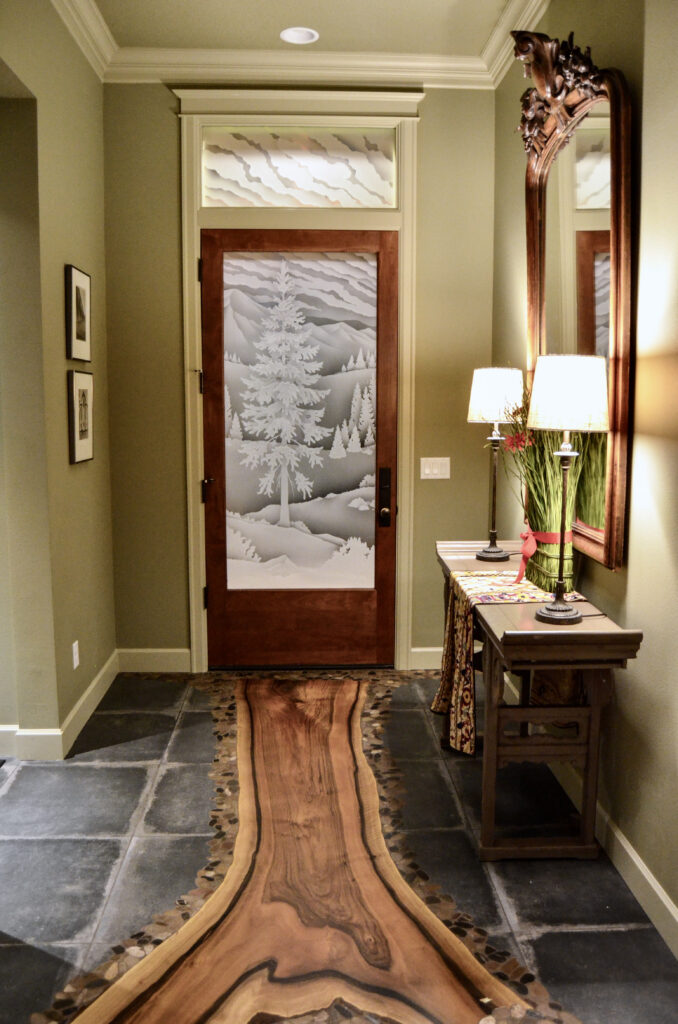
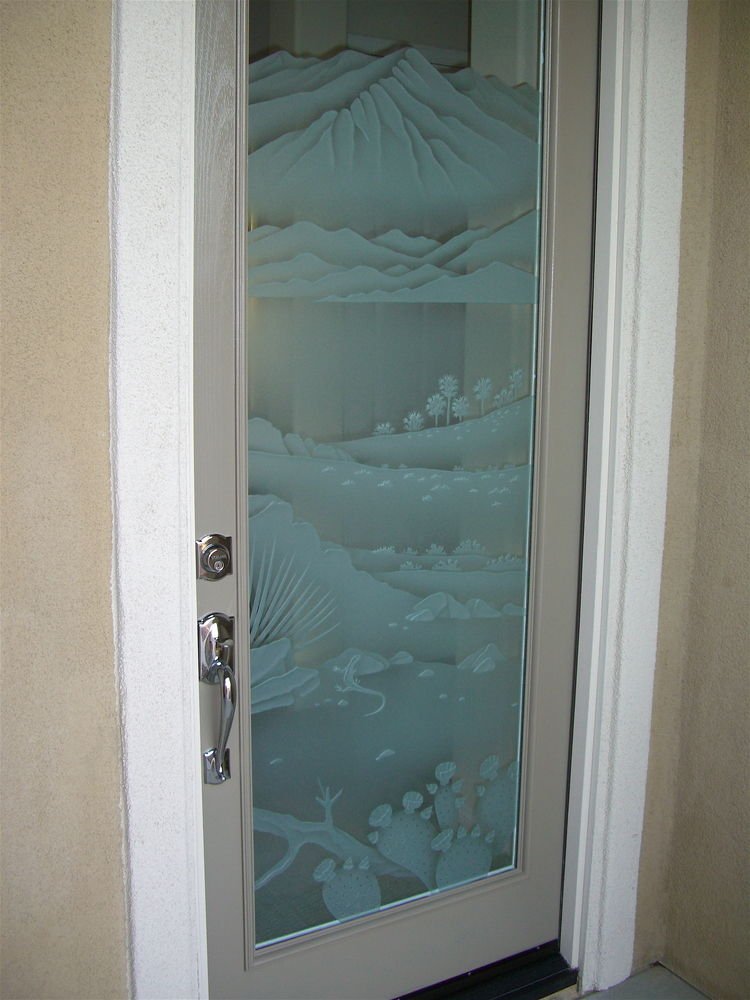
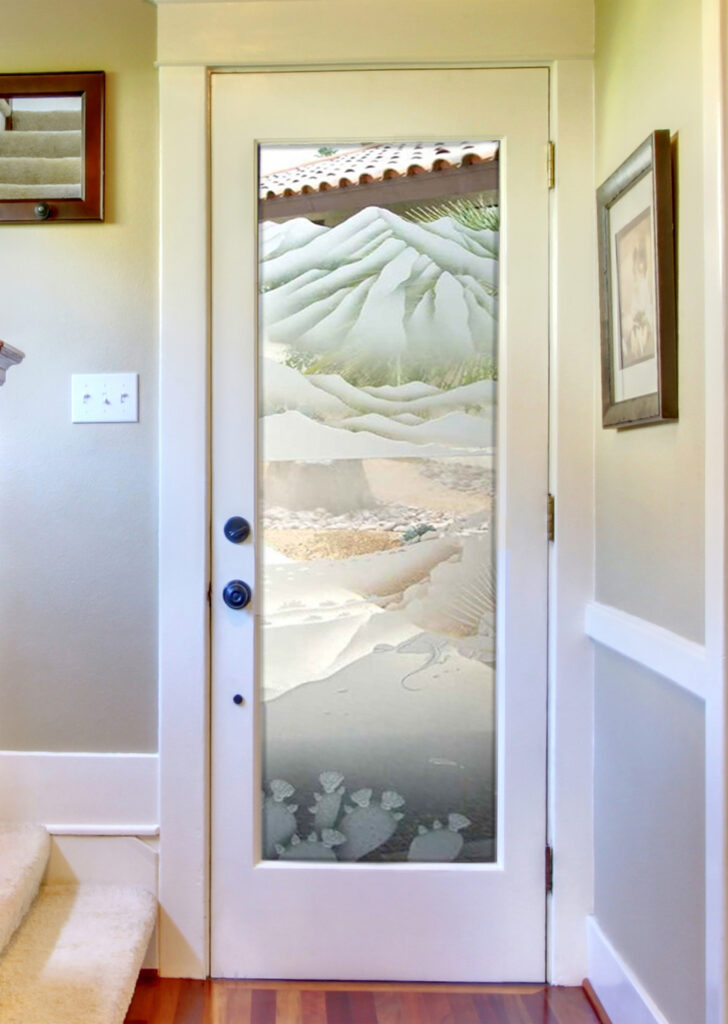
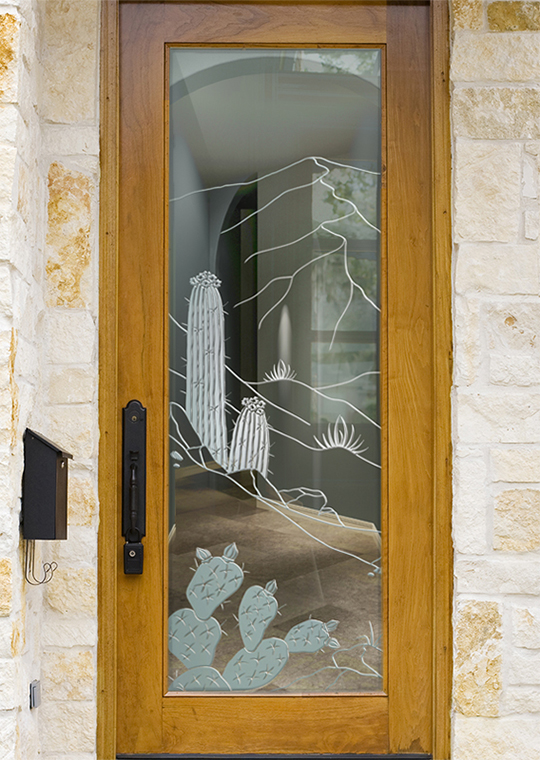
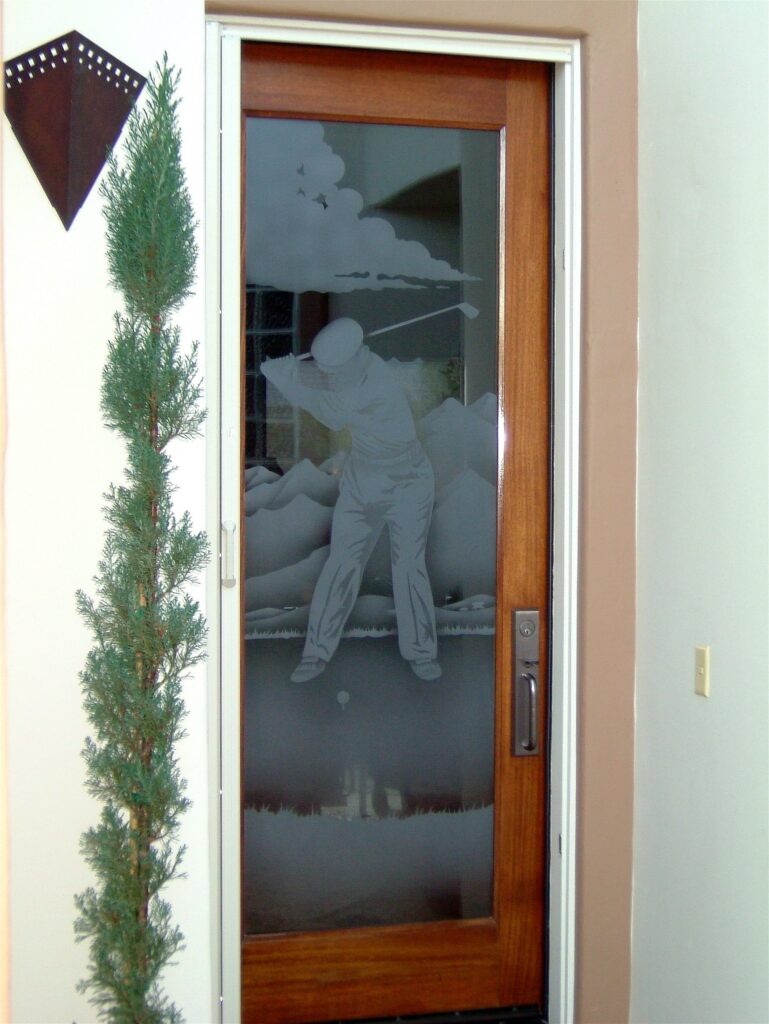
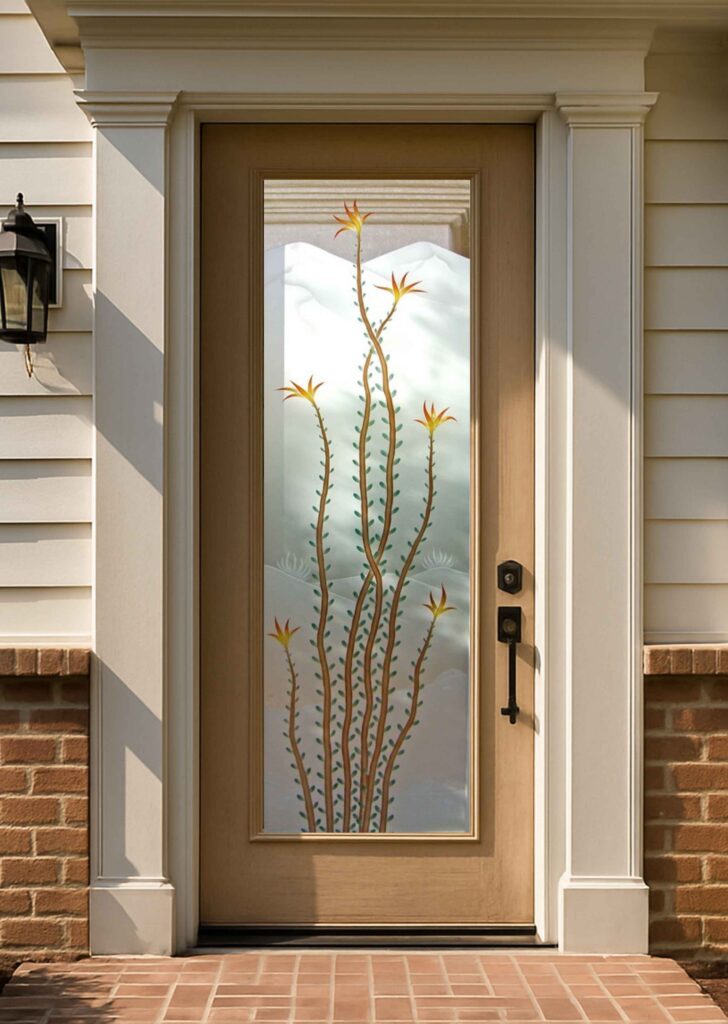
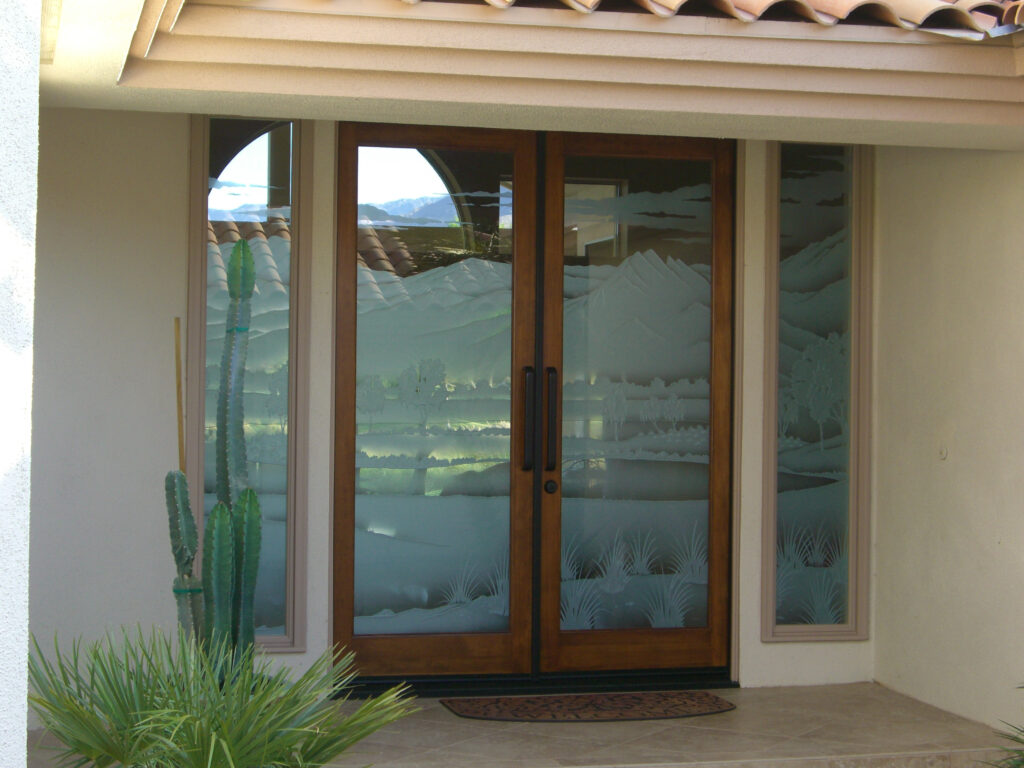
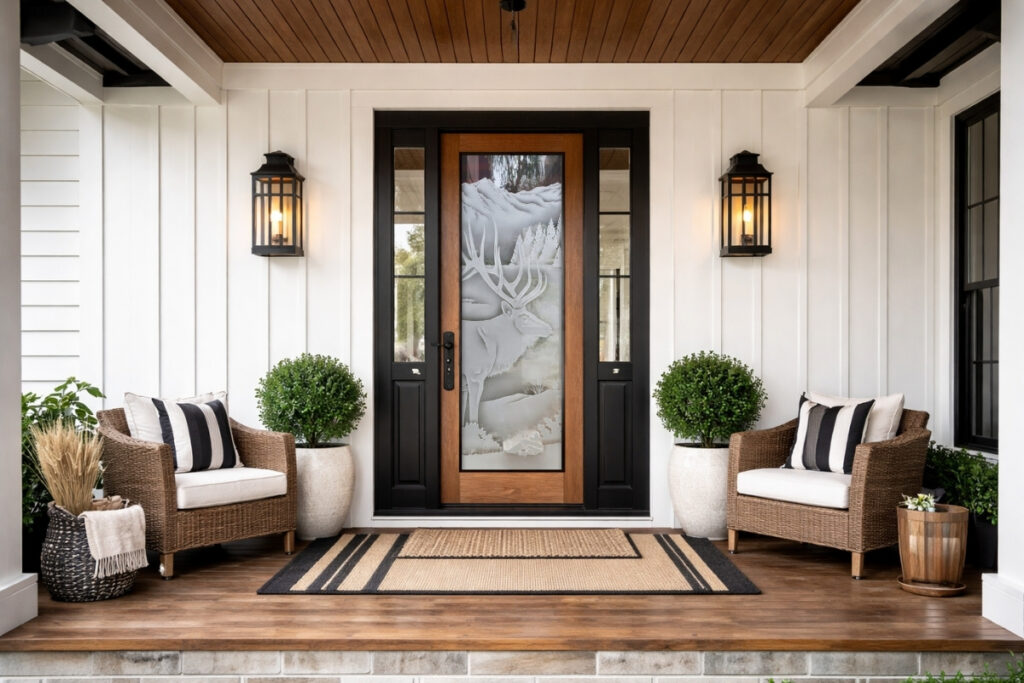
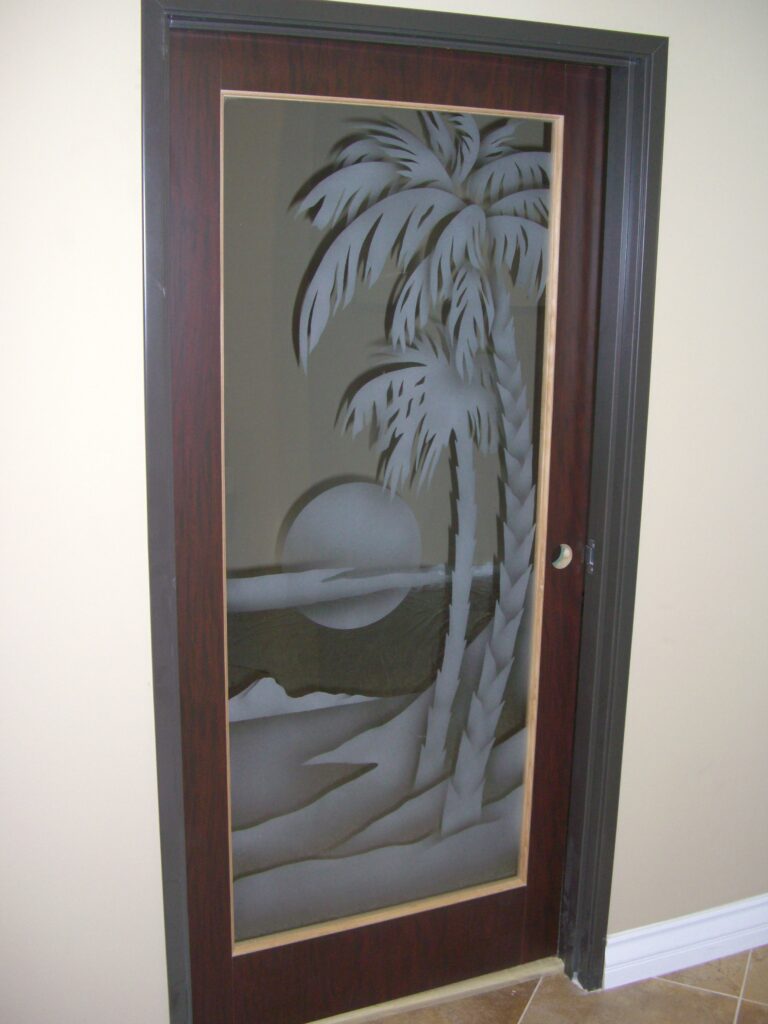
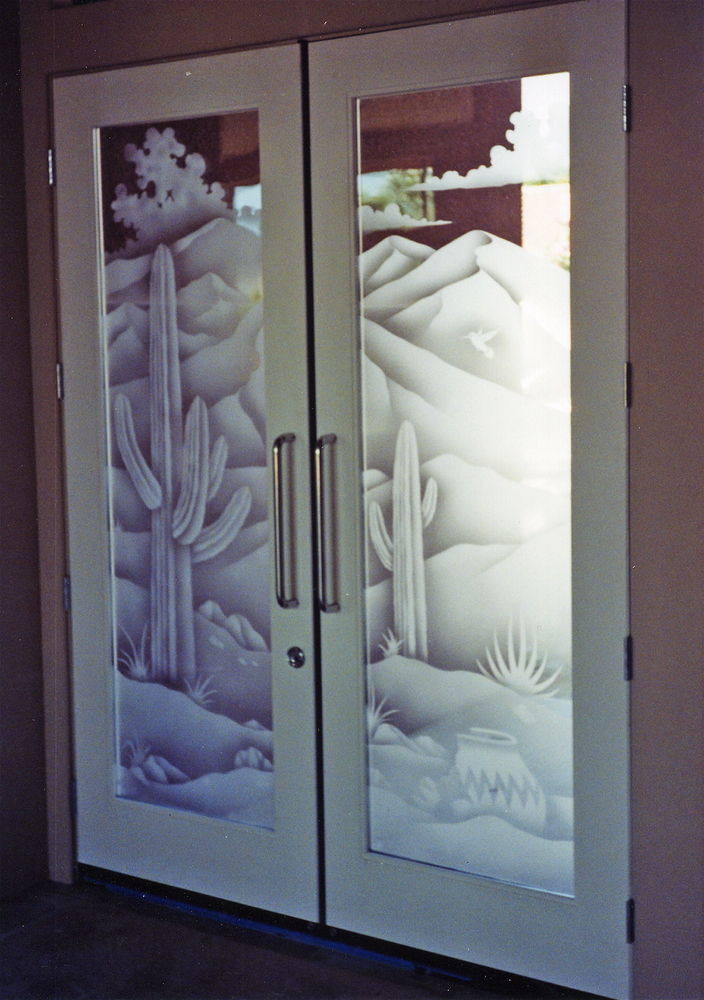


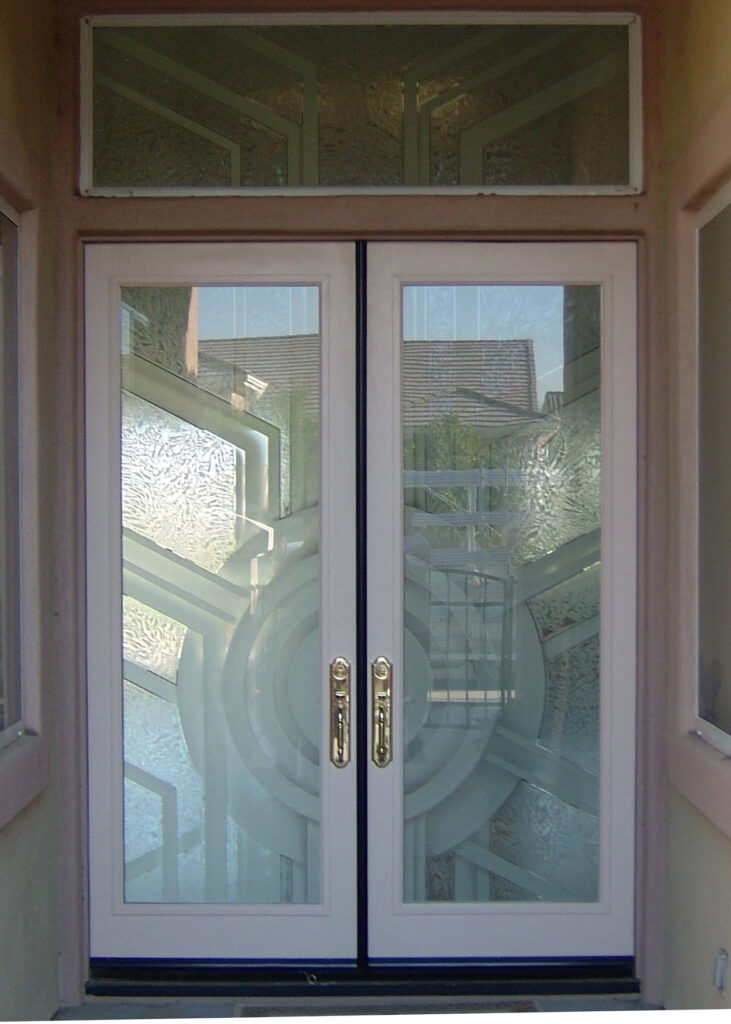
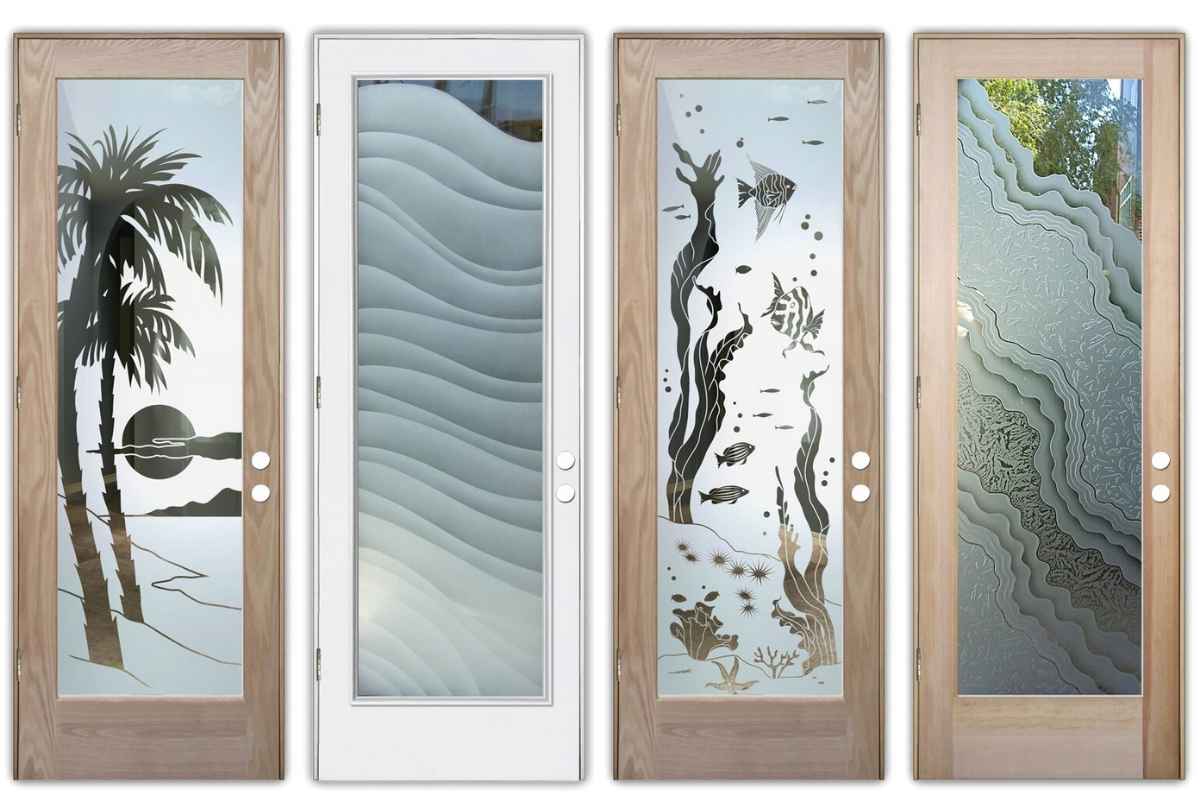
Desert homes often feature glass designs inspired by the surrounding landscape. Patterns incorporating agave plants, cactus silhouettes, sunbursts, and geometric desert motifs complement Southwestern and contemporary desert architecture while still providing privacy and filtered light. These artistic patterns work beautifully in custom glass doors, creating a striking focal point while maintaining the light-filled openness desert homes are known for.
Coastal and Ocean-Inspired Designs
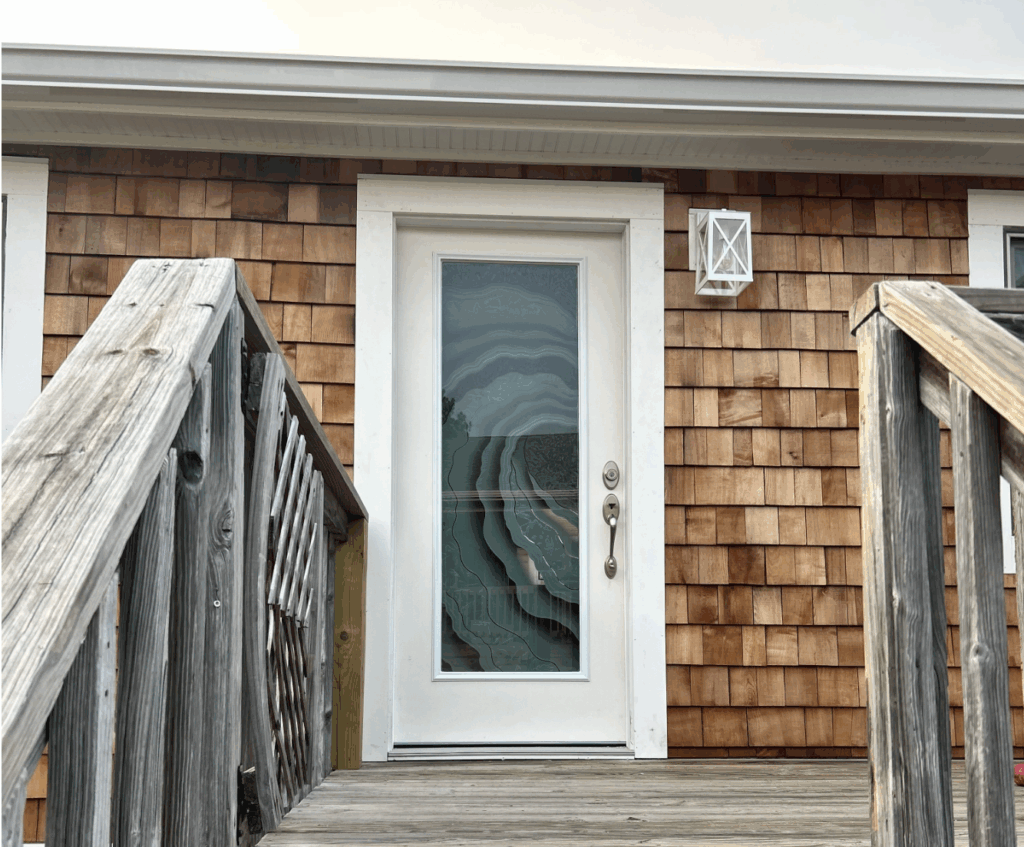
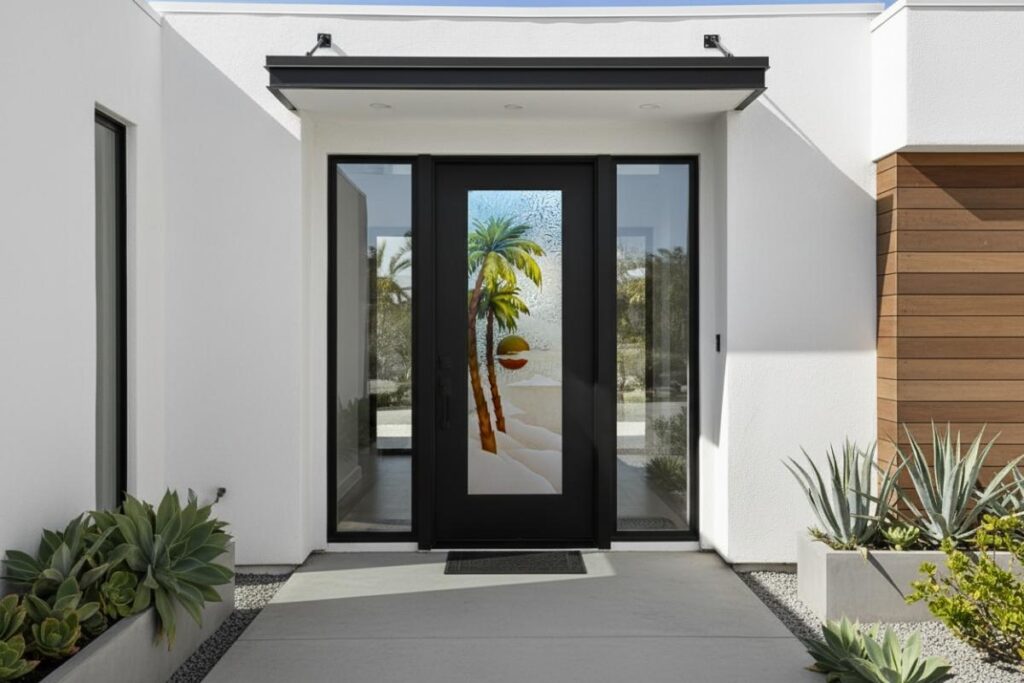
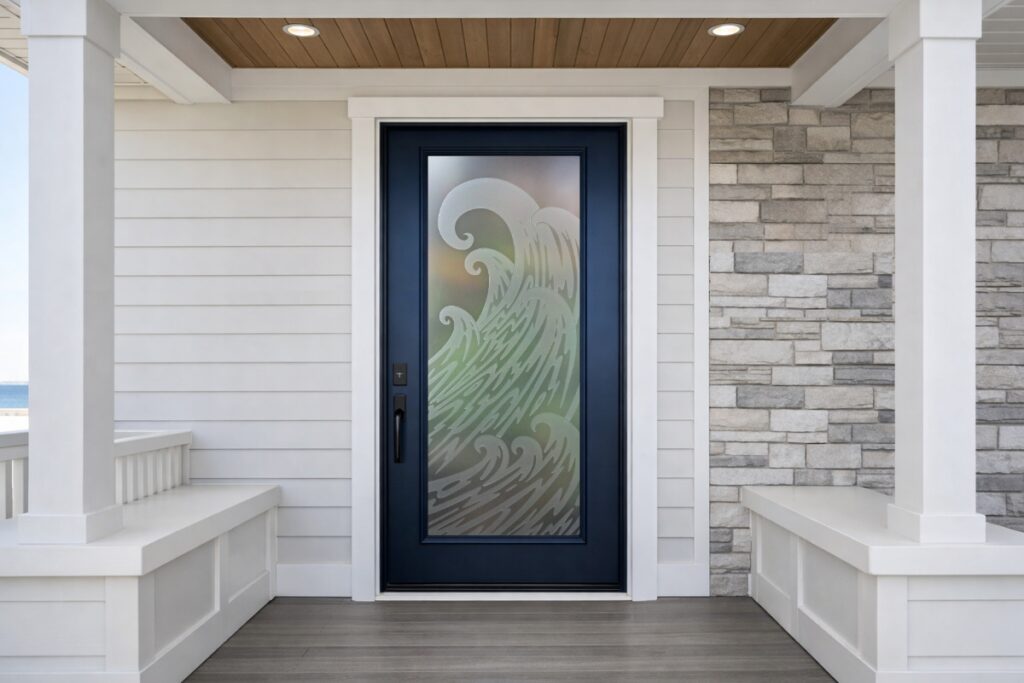
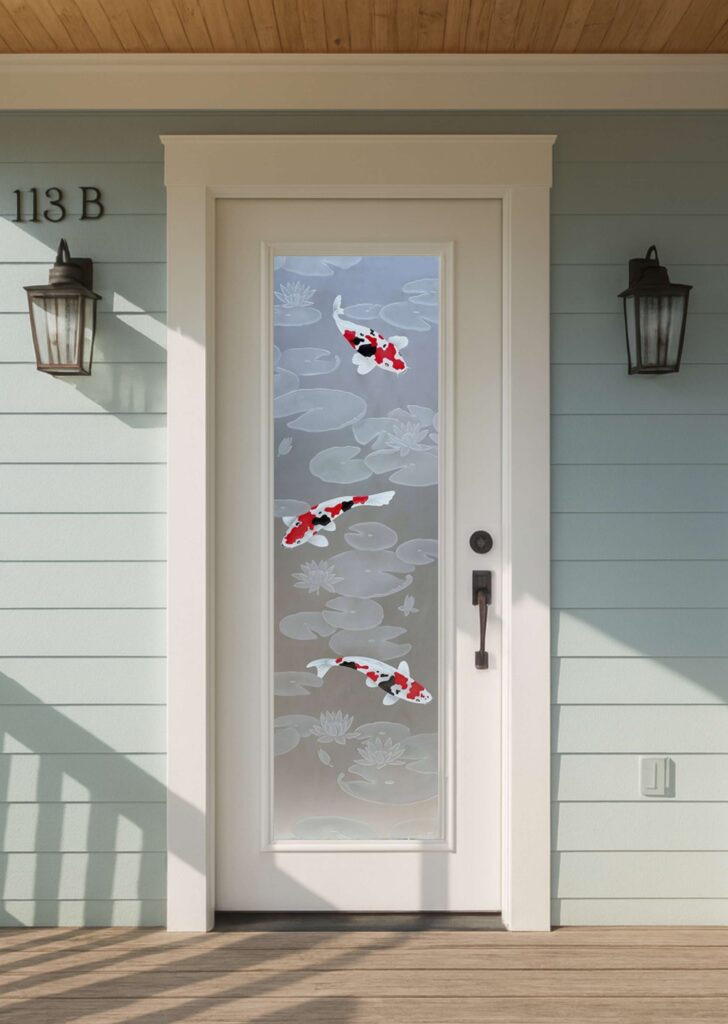
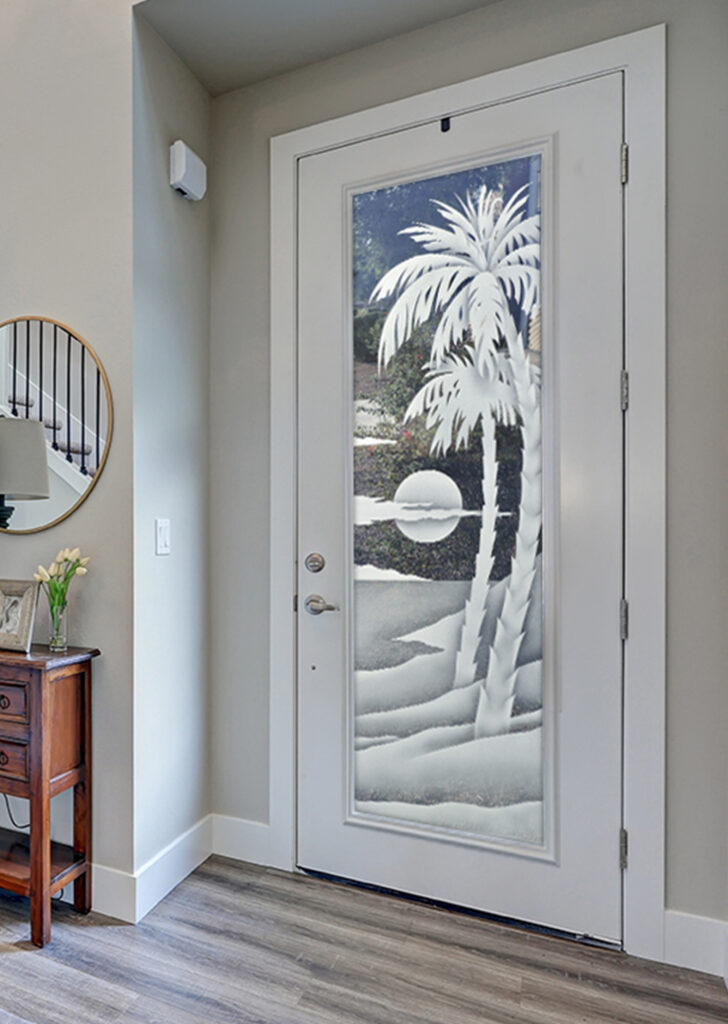

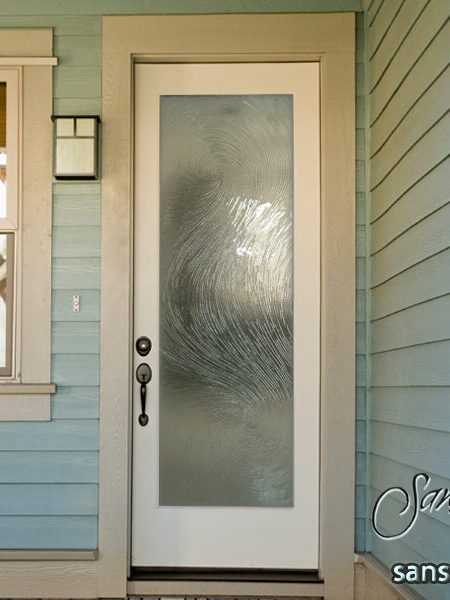
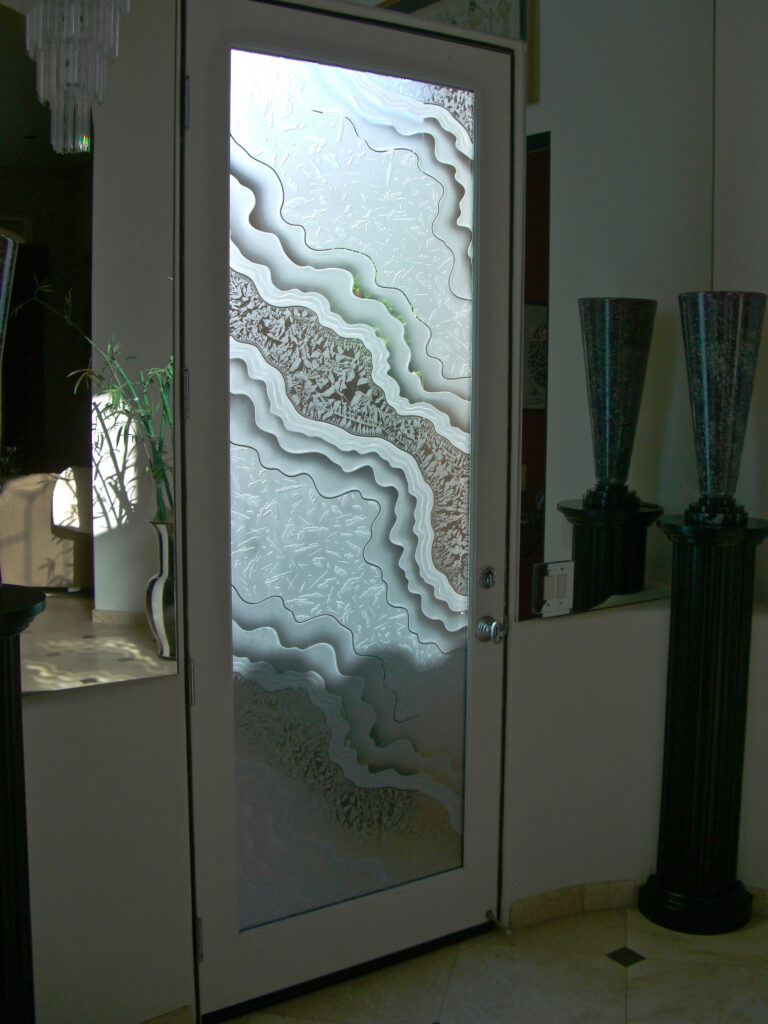

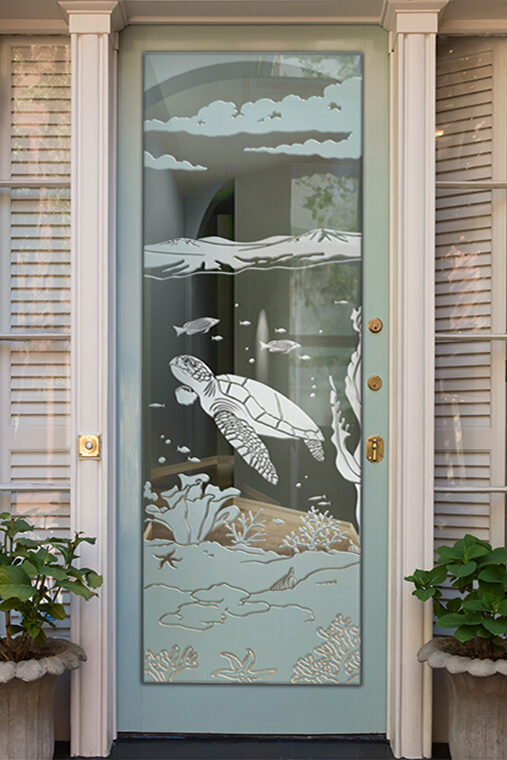
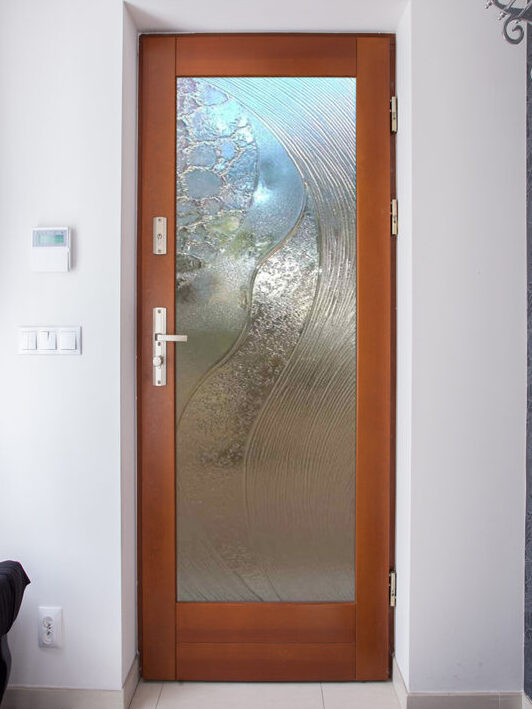
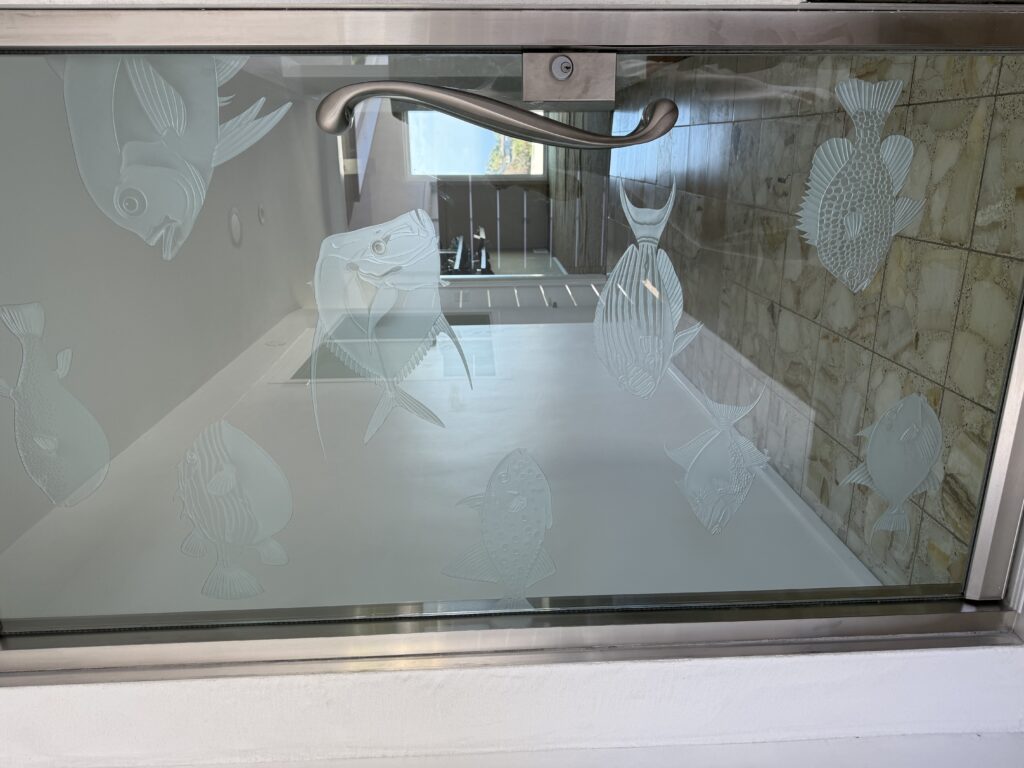
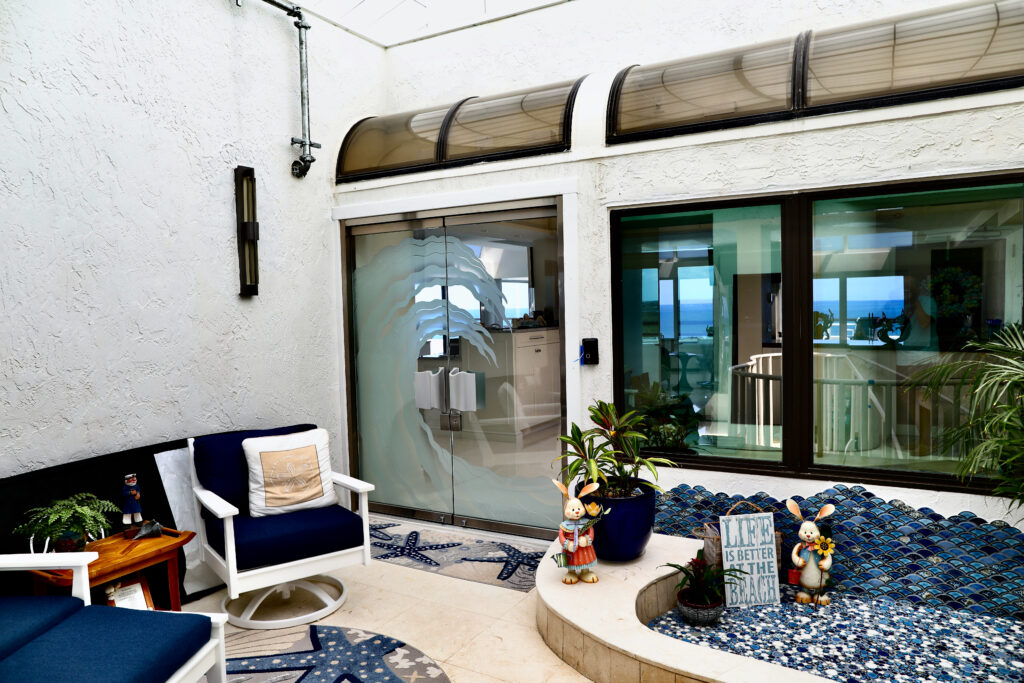
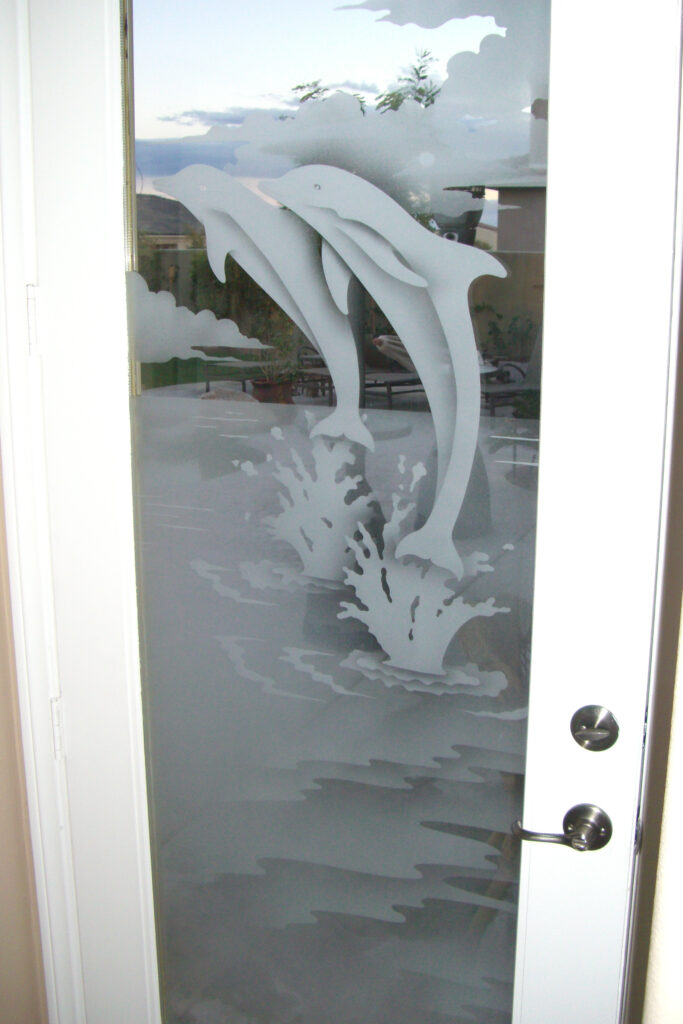
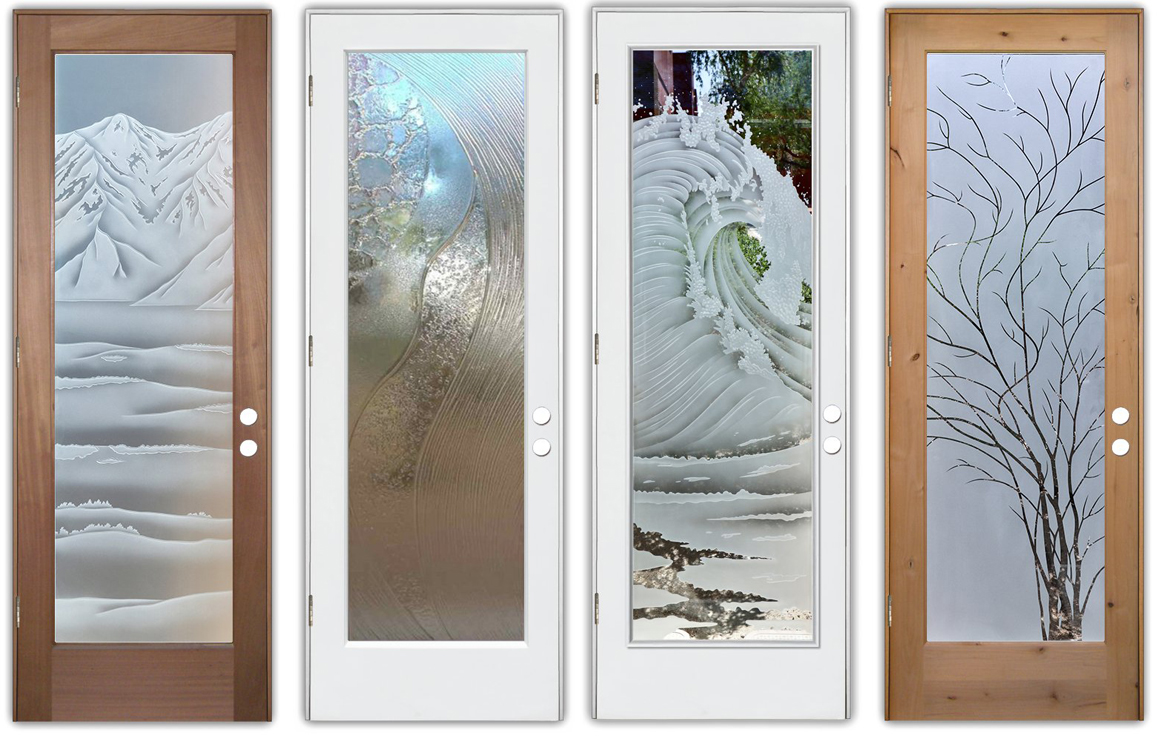
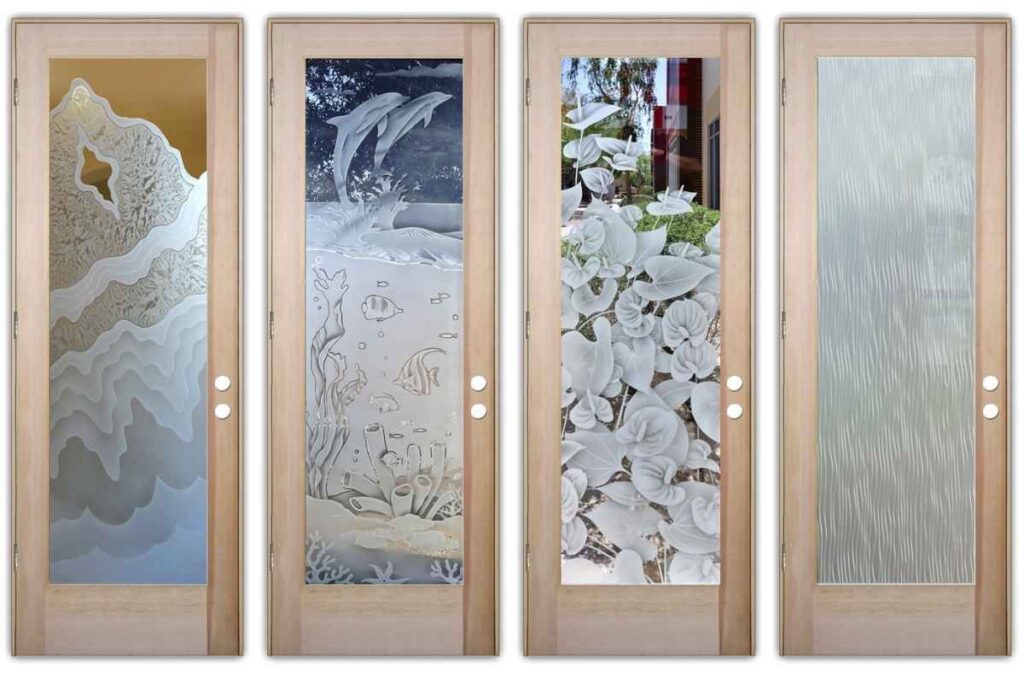
For homes near the ocean, a decorative glass design that reflects coastal elements can enhance the overall theme of the entryway. Flowing wave patterns, sea life, coral shapes, and organic curves work beautifully in beach homes, creating a relaxed and airy feel that pairs well with coastal architecture.
SEE ALSO: Top 16 Frosted Glass Doors for a Coastal Decor: Enhance Your Beachside Home
Tropical and Sun-Inspired Patterns
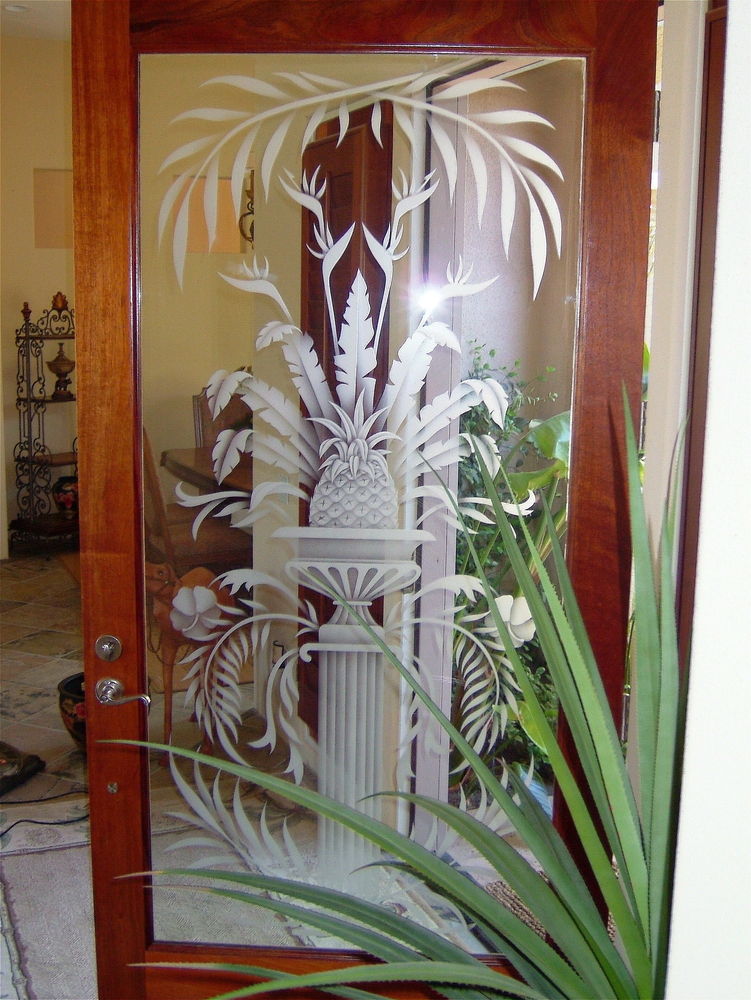
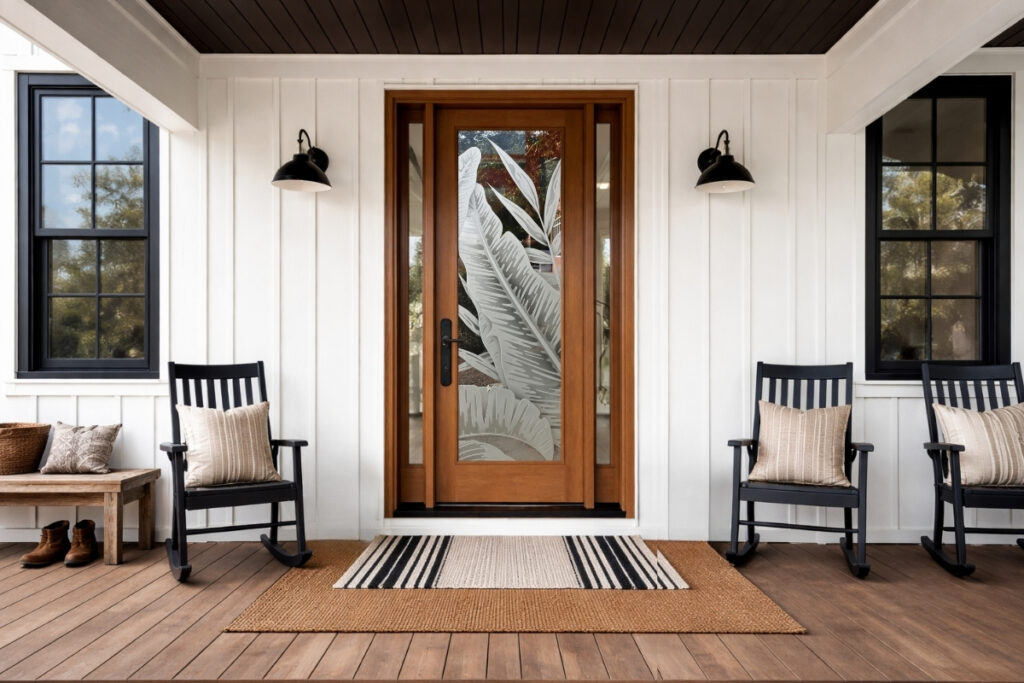
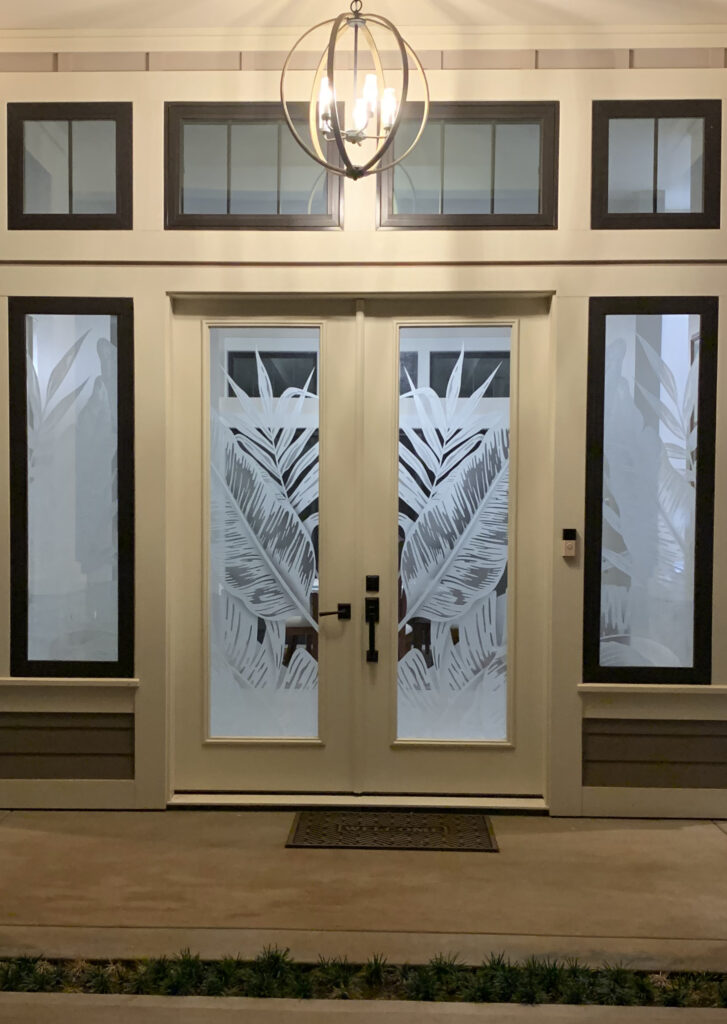
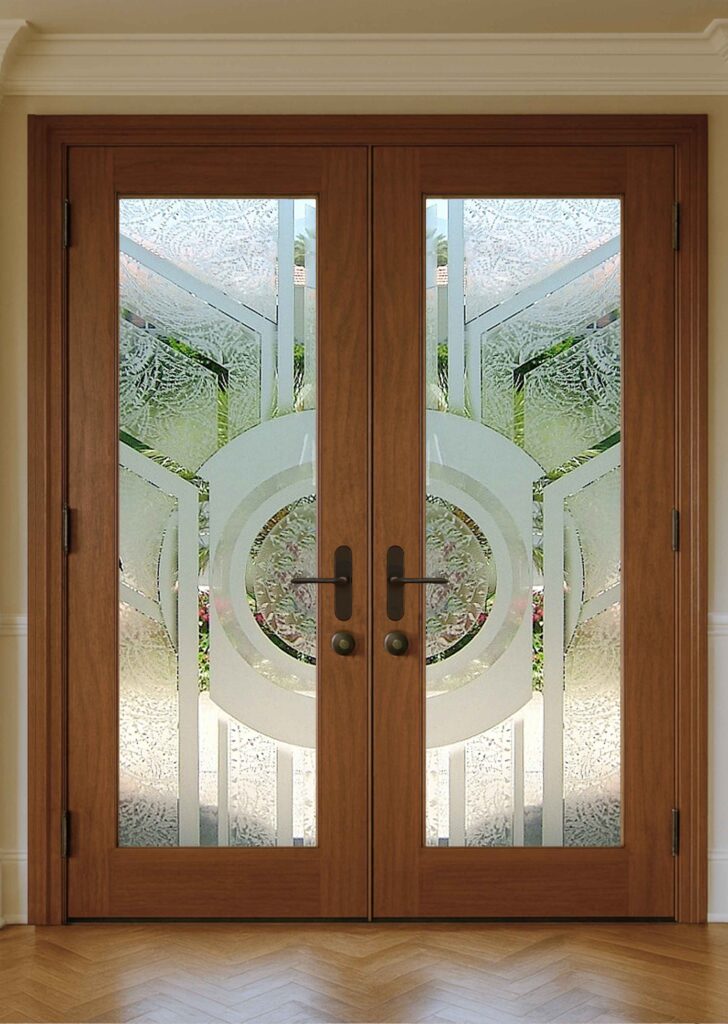
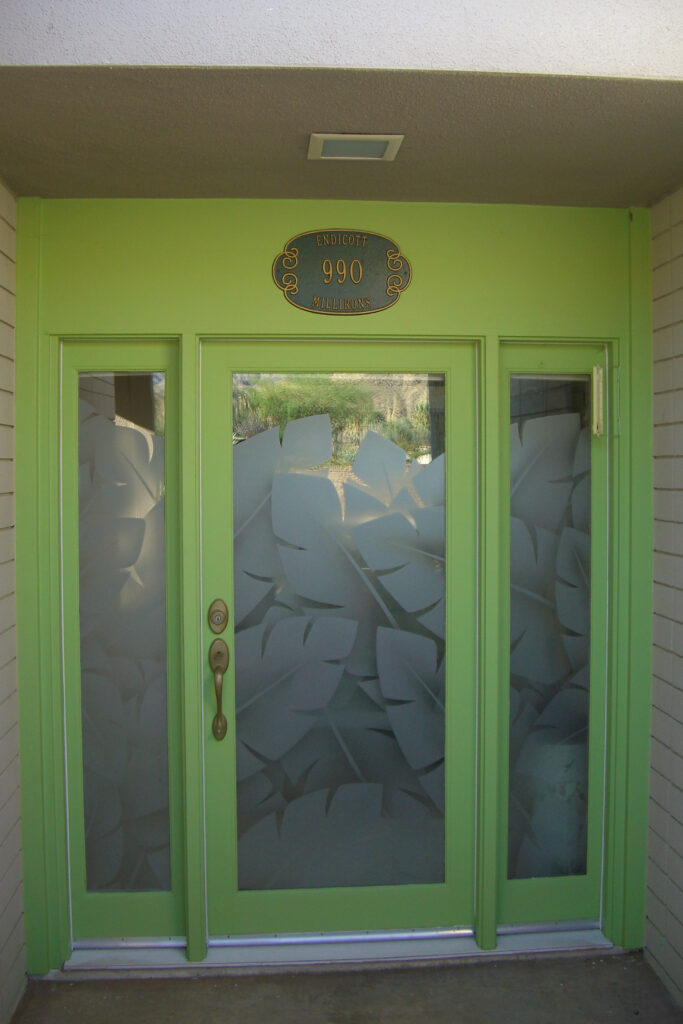
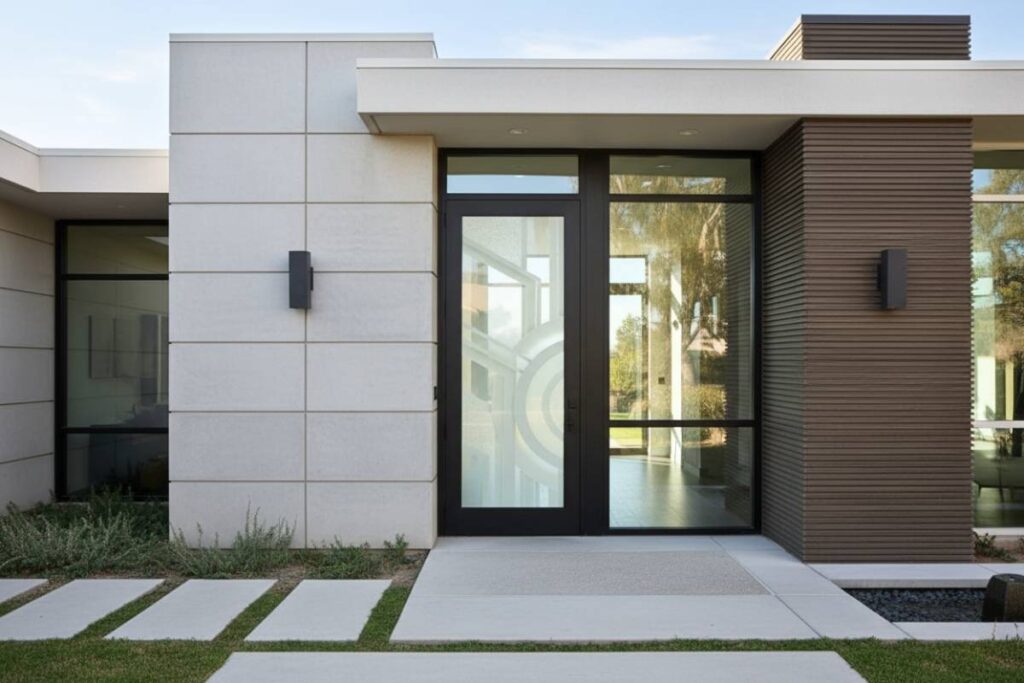
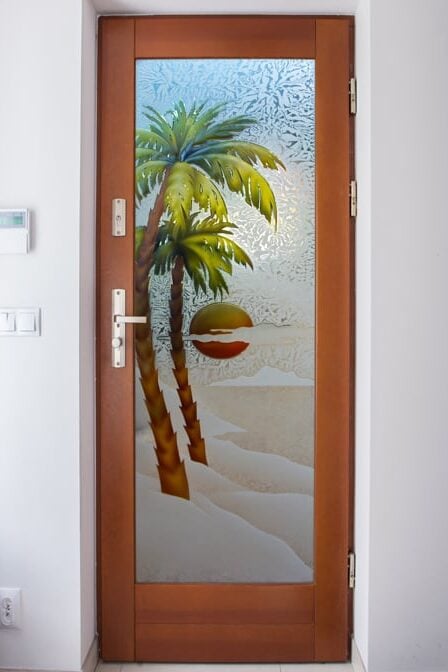
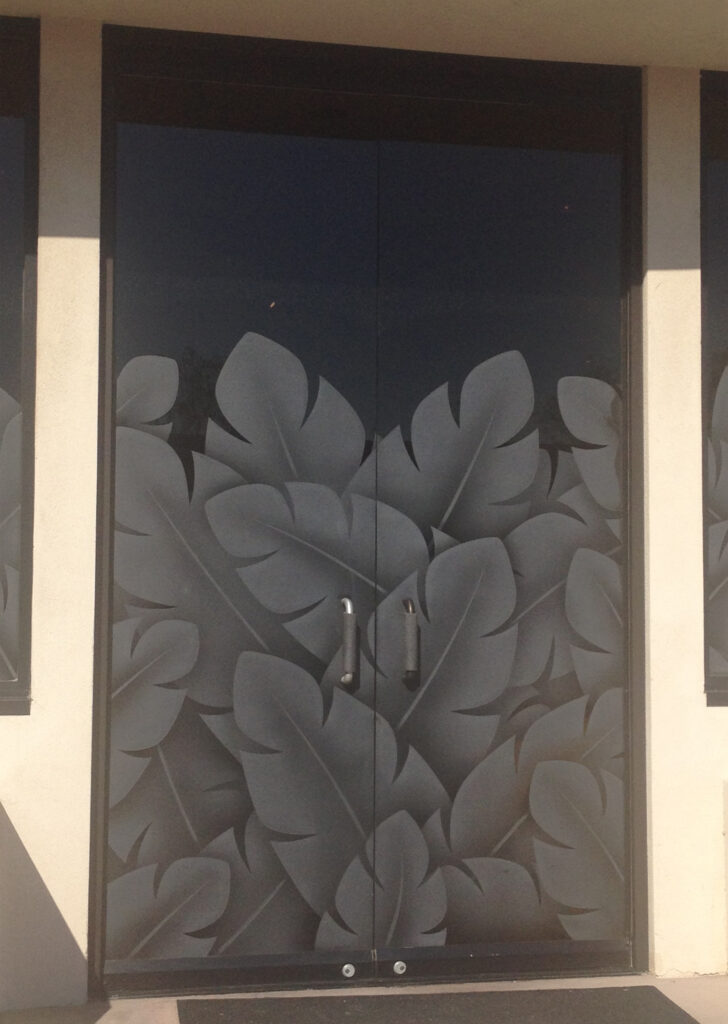
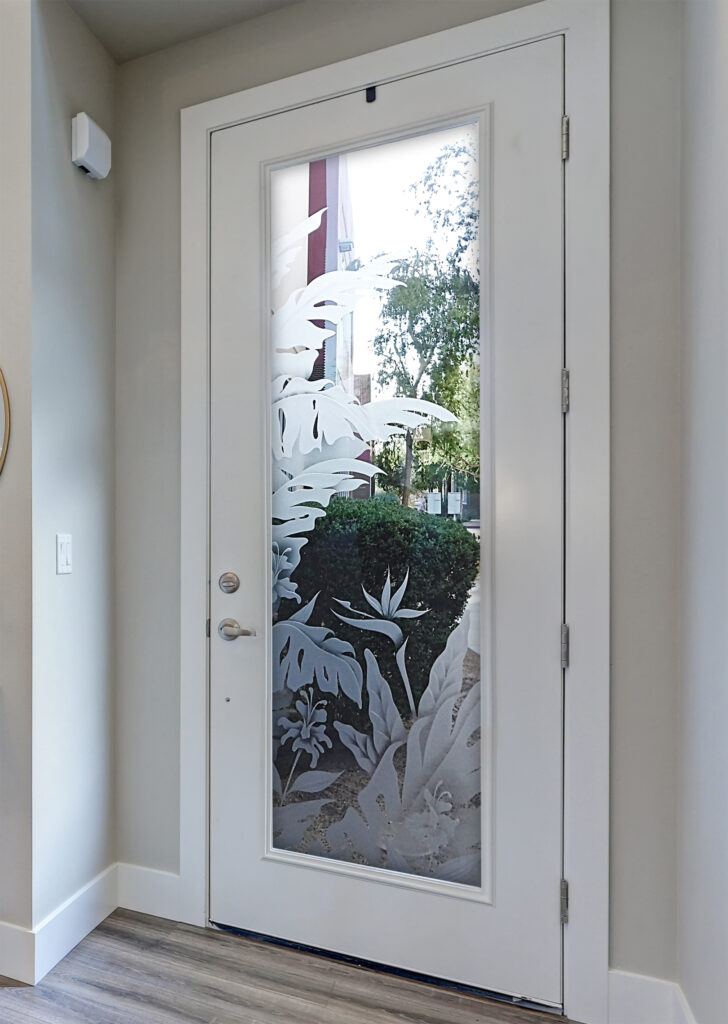
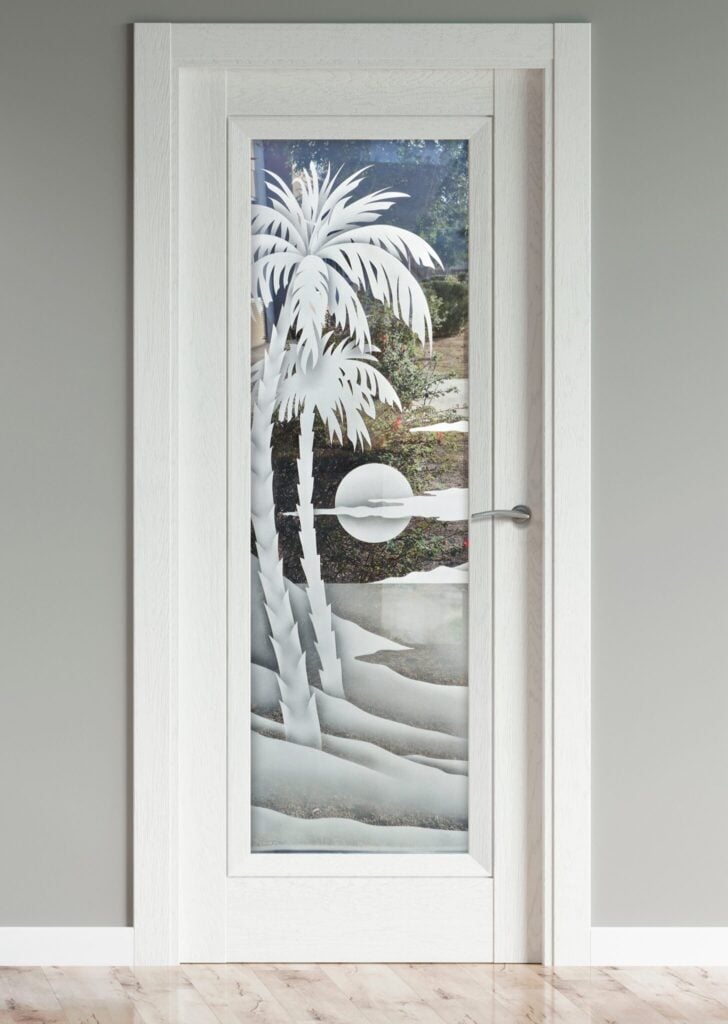
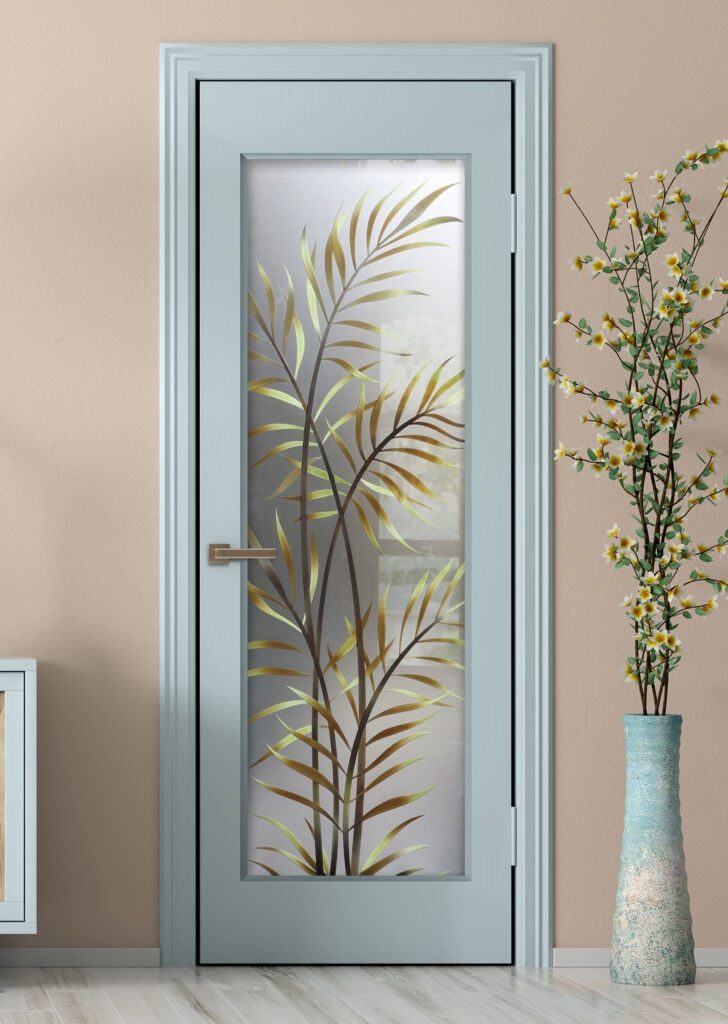
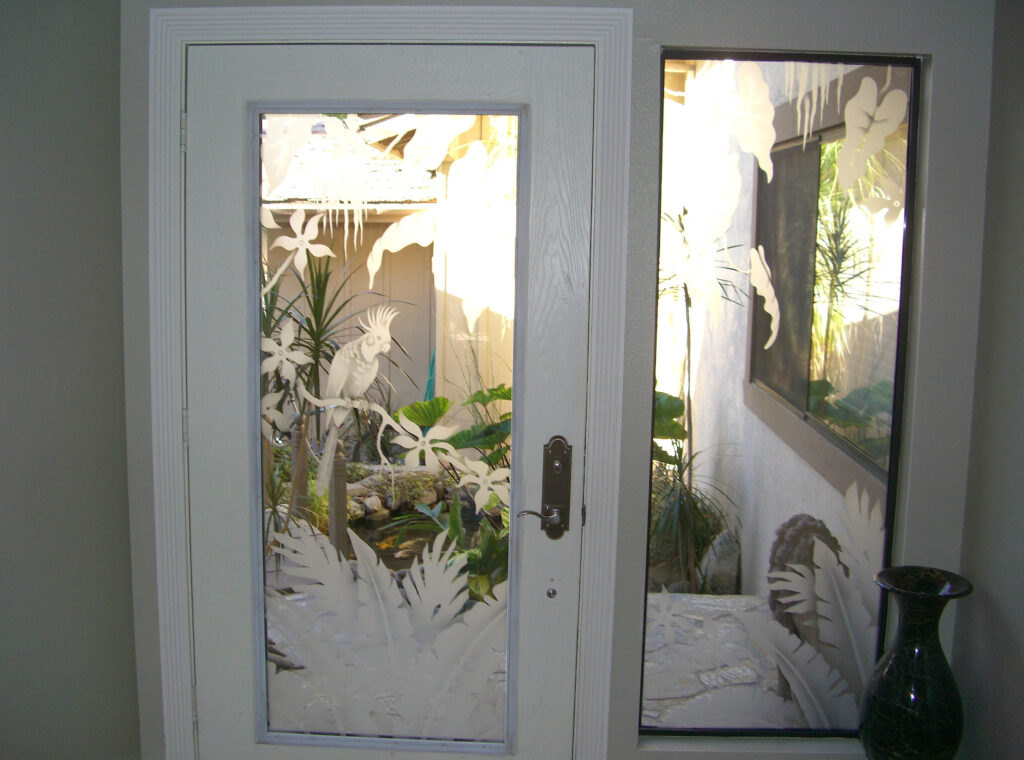
In tropical climates, glass designs often feature palm leaves, floral motifs, and flowing organic patterns that reflect the lush surroundings. These styles allow sunlight to filter through textured surfaces while reinforcing the warm, vibrant character of tropical homes.
Elevate Your Entry with Custom Decorative Glass
For nearly 50 years, Sans Soucie Art Glass has been creating custom decorative glass doors that combine privacy, natural light, and artistic design. Our handcrafted sandblast etched and carved glass transforms any entry into a stunning focal point, whether you’re looking for a beautifully designed frosted glass front door or a one-of-a-kind decorative panel made to fit your exact door size and style. Explore our collections and discover how a custom glass entry can bring lasting beauty and character to your home.
Energy Efficiency Considerations for Glass Front Doors
Energy efficiency is an important factor when installing a glass front door in desert, coastal, or sunny climates. Because entry doors often receive direct sunlight, choosing the right glass construction can help maintain a comfortable interior temperature while reducing strain on heating and cooling systems.
Insulated Glass Units
Many modern glass front doors use insulated glass units, which consist of two or more panes of glass separated by a sealed air space. This layered construction helps reduce heat transfer, keeping hot outdoor air from easily entering the home while helping maintain a stable indoor temperature.
Low-E Coatings and UV Protection
Low-emissivity (Low-E) coatings are thin, nearly invisible layers applied to the glass surface that help reflect heat and block harmful UV rays. This technology helps minimize solar heat gain while protecting interior flooring, furniture, and artwork from fading caused by prolonged sun exposure.
Proper Door Orientation and Overhangs
The placement of your front door can also influence energy performance. Homes with west-facing doors may experience stronger afternoon sunlight, so incorporating architectural shading such as entry overhangs, porch covers, or recessed doorways can help reduce direct heat and glare.
Choosing the Right Door Material for Hot or Coastal Climates
The material used for the door frame is just as important as the glass itself, especially in climates that experience strong sun, humidity, or salt air. Selecting a durable glass door helps ensure long-term performance and minimizes maintenance.
Wood Entry Doors

Wood doors are known for their warmth and natural beauty, making them a popular choice for decorative glass inserts. However, in hot or humid climates they typically require proper sealing. Wood doors also need periodic refinishing to protect the wood from sun exposure and moisture.
Fiberglass Doors
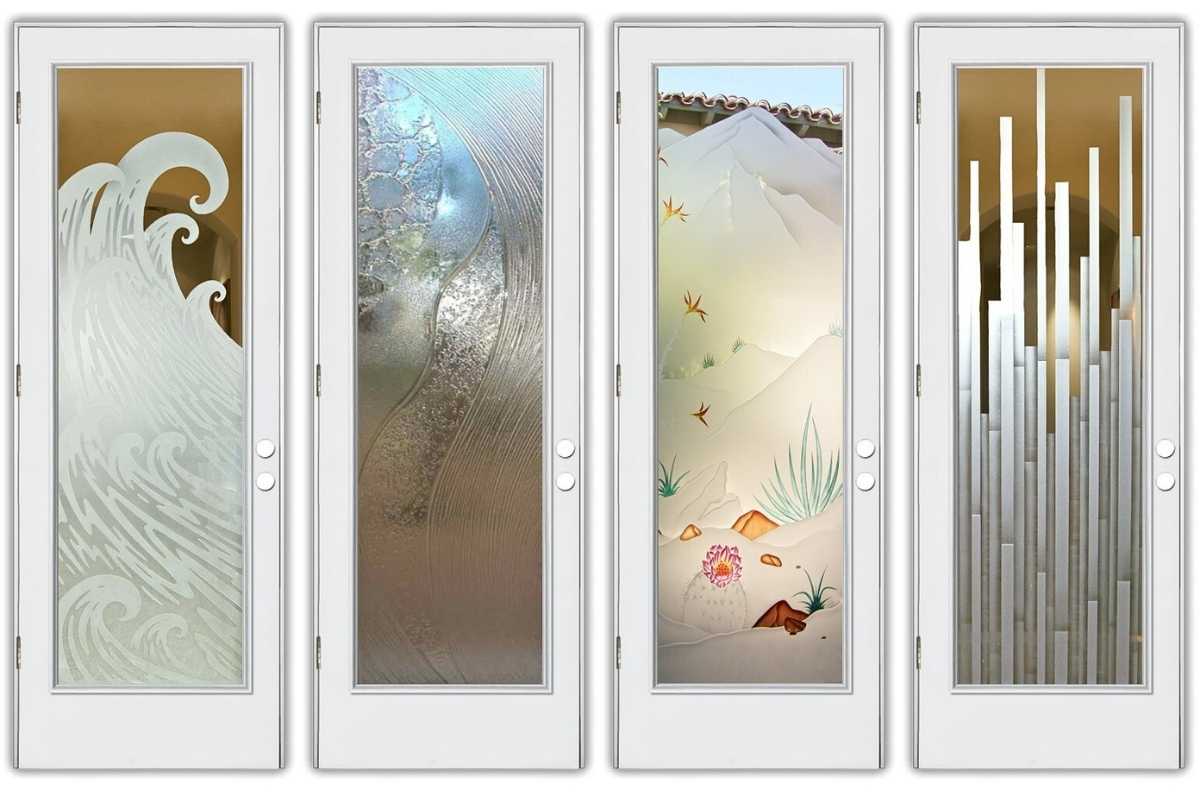
Fiberglass entry doors are highly durable and resistant to humidity, warping, and temperature fluctuations. They are a practical option for coastal or sunny regions because they maintain their shape well and often provide excellent insulation.
Steel Doors
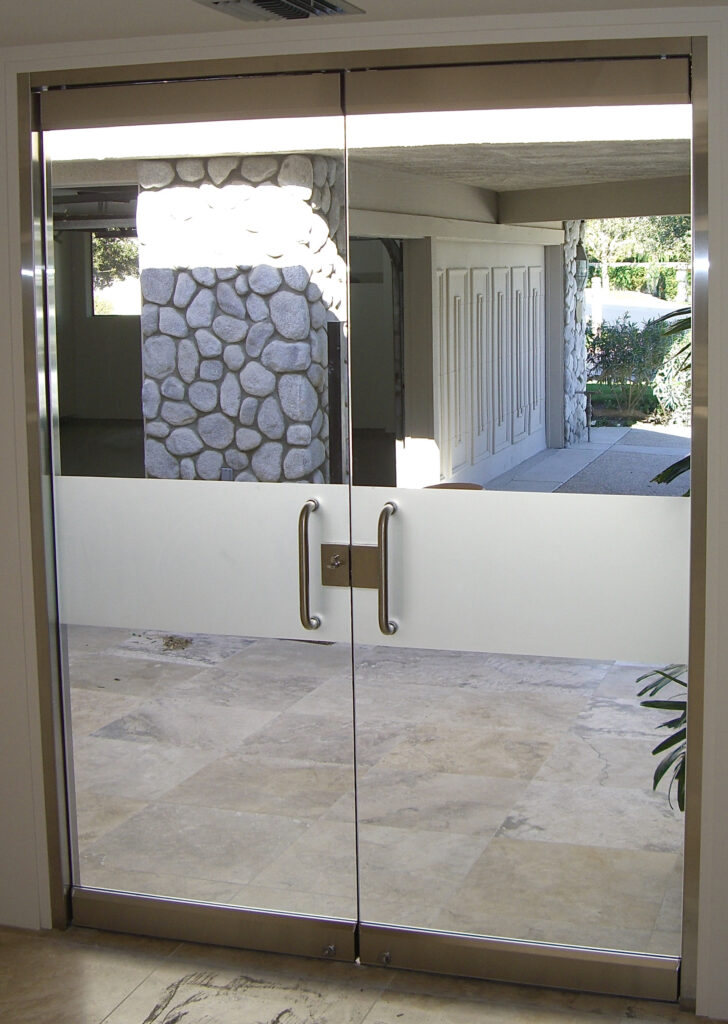

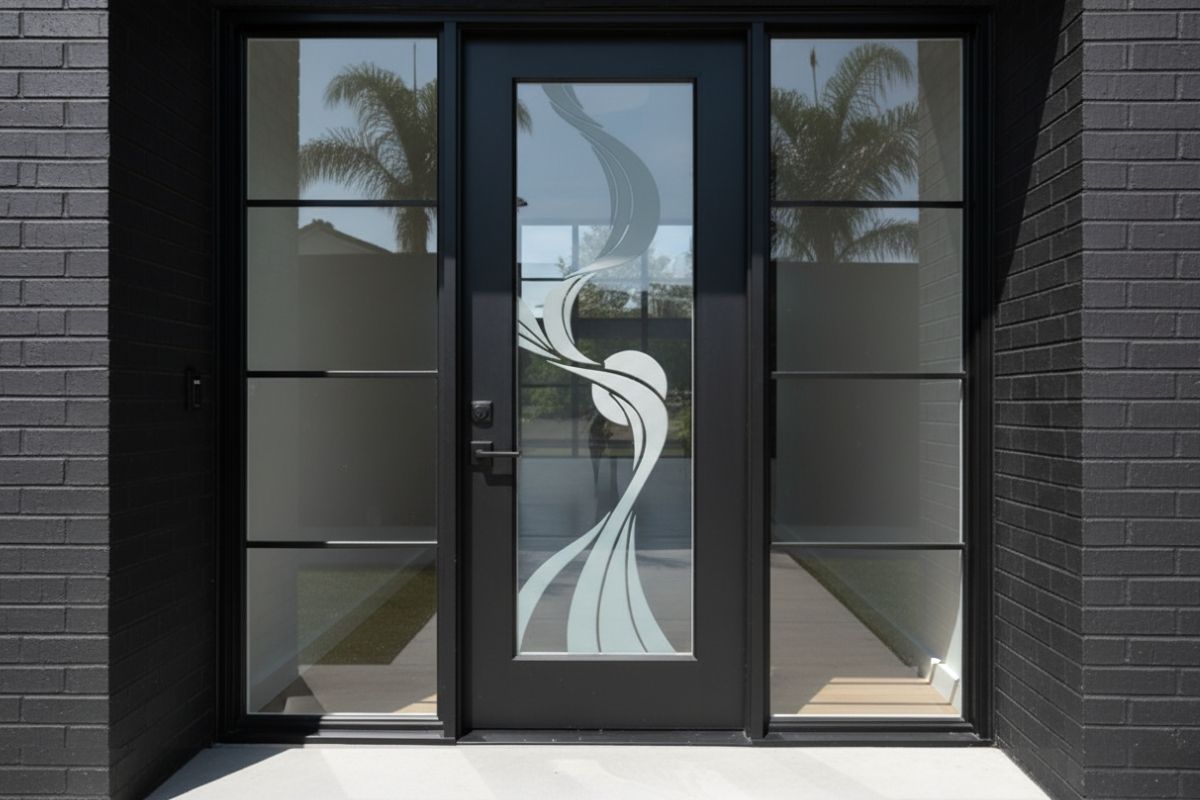
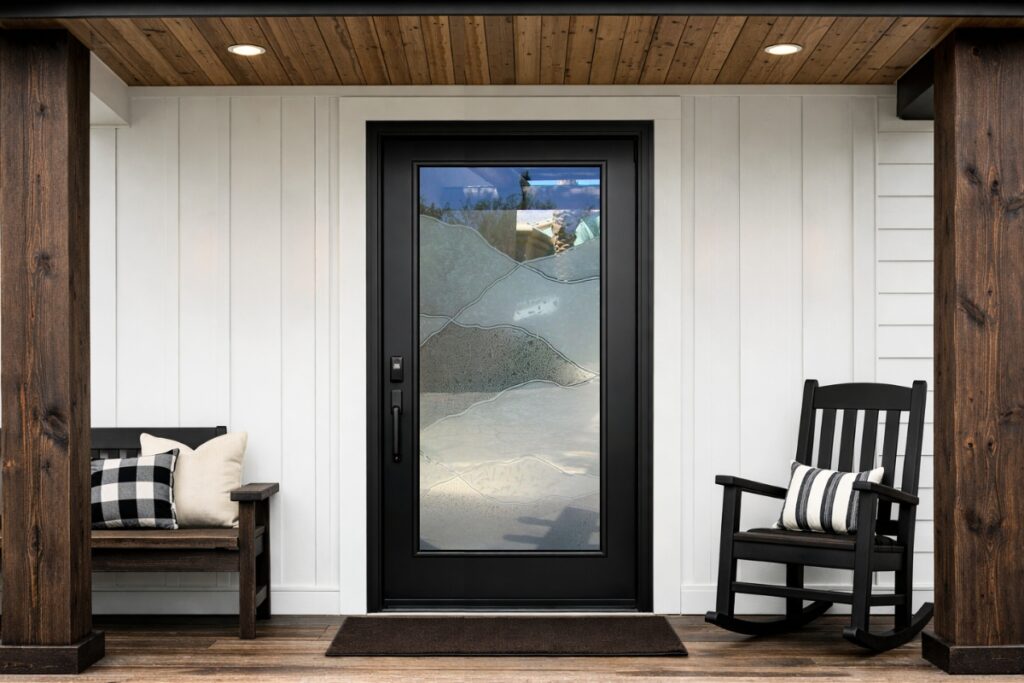
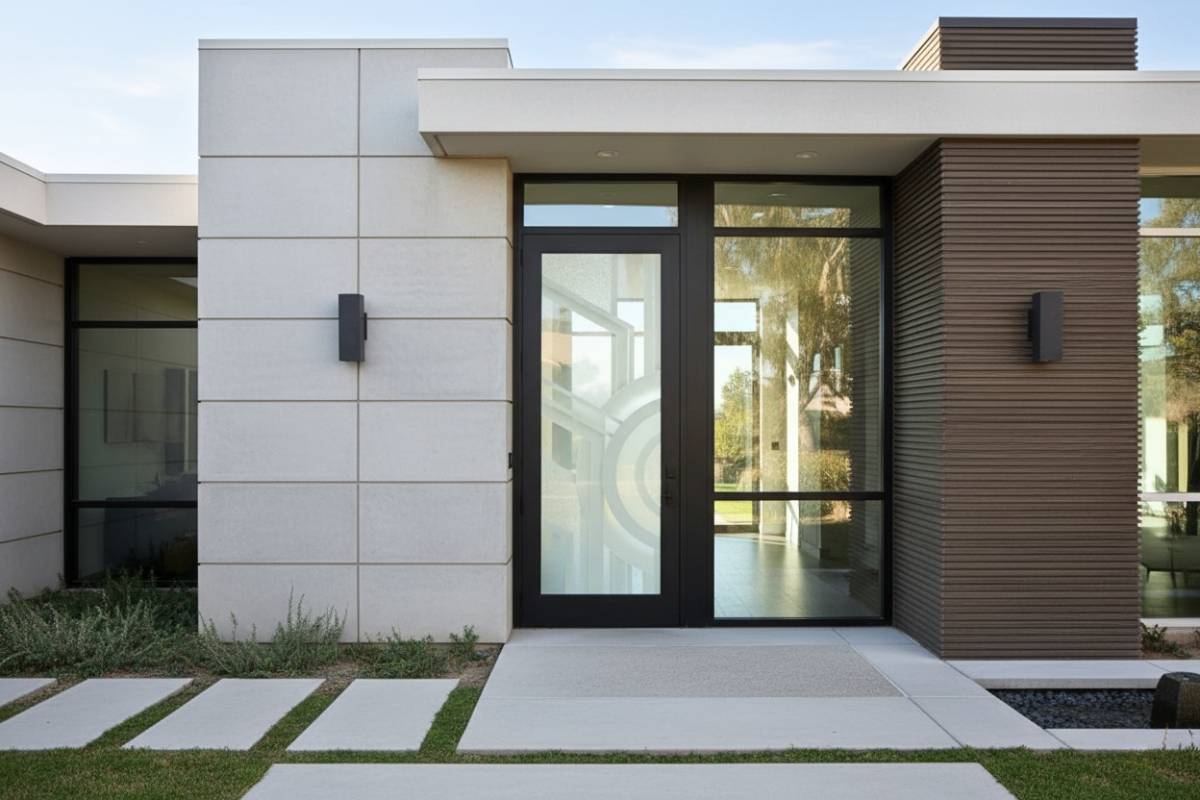
Steel entry doors offer strength, security, and insulated cores that can improve energy efficiency. With the right protective finish, they can perform well in sunny environments while providing a stable frame for decorative glass panels.
Maintenance Tips for Glass Front Doors in Sunny Environments
Glass front doors in sunny climates generally require minimal maintenance, but regular care can help keep them looking beautiful for years. Periodically cleaning the glass with a non-abrasive cleaner removes dust, fingerprints, and outdoor debris,. Inspecting door finishes and hardware helps ensure long-term durability in areas exposed to strong sunlight or coastal humidity.
RELATED: How to Clean Frosted Glass: The Ultimate Guide!
Are Glass Front Doors Safe for Hot or Coastal Climates?
Yes, modern glass front doors are designed to perform safely and reliably even in hot, sunny, or coastal environments. Most entry door glass is made from tempered safety glass, which is significantly stronger than standard glass and engineered to break into small, less dangerous pieces if damaged. Many glass doors also use laminated or insulated glass units that add additional strength, durability, and weather resistance, making them well suited for homes exposed to strong sun, temperature fluctuations, humidity, or coastal conditions.
Frequently Asked Questions
Do glass front doors make a home hotter?
Not necessarily. Modern glass front doors often use insulated glass units and energy-efficient coatings that help reduce heat transfer. Frosted or decorative glass surfaces can also diffuse direct sunlight, helping maintain a comfortable entryway.
What type of glass reduces glare the most?
Frosted front door and decorative etched or sandblasted glass are excellent for reducing glare. The textured surface scatters incoming sunlight instead of allowing it to pass straight through, creating softer, more comfortable lighting in the entryway.
How does textured or frosted glass reduce glare?
Frosted and textured glass surfaces contain microscopic surface irregularities that scatter incoming light in multiple directions. This diffusion softens direct sunlight and reduces glare while still allowing natural light to pass through the glass.
What is an insulated glass unit (IGU) in a front door?
An insulated glass unit consists of two or more panes of glass sealed together with a spacer and an air or gas-filled cavity between them. This sealed construction reduces heat transfer, improves energy efficiency, and helps minimize condensation compared to single-pane glass.
Do glass front doors provide UV protection?
Many insulated glass units include Low-E coatings or laminated interlayers that block a significant percentage of ultraviolet (UV) radiation. This helps protect interior furnishings, flooring, and artwork from fading caused by prolonged sun exposure.
What thickness of glass is commonly used in glass front doors?
Decorative glass inserts are commonly made with ¼-inch tempered glass panels, often combined into insulated units such as ¼” over ¼” double-pane glass. Some decorative carved glass panels may use thicker glass, such as ⅜-inch glass, to allow deeper carving and added visual dimension.
Are frosted glass front doors good for privacy in sunny areas?
Yes. Frosted glass front doors provide an excellent balance of privacy and natural light. The obscured surface makes it difficult to see inside while still allowing daylight to brighten the interior space.
Can decorative glass withstand desert heat or coastal humidity?
Yes. Decorative glass used in entry doors is typically tempered and sealed within insulated units, which helps protect it from environmental exposure. This construction allows the glass to perform well in hot climates, humid coastal regions, and other sunny environments.
What type of glass is typically used in front doors?
Most glass front doors use tempered safety glass, which is heat-treated to be about four times stronger than standard annealed glass. Tempered glass is required by building codes for door applications because, if broken, it shatters into small rounded pieces rather than sharp shards.
Are decorative glass designs applied to the surface or built into the glass?
In high-quality decorative frosted glass doors, designs are permanently etched, sandblasted, or carved into the glass surface itself. Because the design is physically part of the glass rather than a film or coating, it will not peel, fade, or wear off over time.
Will sunlight damage decorative glass designs over time?
Decorative door designs created through sandblasting, etching, or carving are permanent features of the glass surface. Because the design is physically textured into the glass rather than applied as a coating, it will not fade or peel from sun exposure.
Final Thoughts: Choosing the Right Glass Front Door for Bright Climates
Glass front doors can be a beautiful and practical choice for homes in desert, coastal, and sunny regions. By selecting the right combination of durable materials, insulated glass construction, and decorative designs that diffuse light, homeowners can enjoy bright entryways that offer privacy, comfort, and long-lasting performance.
Transform Your Entry with Decorative Glass
Looking to bring more light, privacy, and artistry to your entryway? At Sans Soucie Art Glass, we specialize in handcrafted glass doors that combine beauty with function. Our custom designs are sandblast etched and carved directly into the glass, creating stunning patterns that diffuse sunlight while maintaining privacy.
Whether you’re searching for elegant front doors with frosted glass or a completely custom glass design inspired by your home’s architecture, our artists create one-of-a-kind decorative glass made to fit your exact door size and style.
FREE SHIPPING on Most Orders
FREE SHIPPING on Most Orders
RELATED ARTICLES
- Sea Charm: Best Glass Front Doors for Beach Decor Style Homes
- Art Glass Doors YOU Customize to Suit Your Style! (and budget!)
- Top Types of Front Doors With Glass: A Visual Guide

Sans Soucie Art Glass: Decorative, Custom & Frosted Glass Doors, Windows, Showers & Stained Glass Since 1976
Family-owned and operated since 1976, Sans Soucie Art Glass leads the industry in decorative glass and custom glass design — from sandblast frosted glass and carved glass to hand-painted and stained glass art — transforming ordinary glass into Works of Art Captured in Glass recognized worldwide.
Innovative Frosted Glass Door Designer Tool
In 2010, we invented and launched our Frosted Glass Pantry Door Designer – a fun, easy-to-use tool that makes it simple for anyone to design and customize not only pantry doors, but a wide range of frosted glass doors for every room.
Explore our Frosted Glass Doors Collection
Our custom frosted glass doors include a beautiful variety for every style and space:
- Pantry Doors
- Frosted Glass Interior Door
- Interior Doors with Frosted Glass
- Frosted Glass French Doors
- Frosted Glass Front Door
- Front Doors with Frosted Glass
- Interior Glass Doors
- Glass Barn Doors
- Frosted Glass Barn Door
- Sliding Glass Barn Door
- All Glass Doors Interior
- All Glass Front Doors
- Bathroom Doors with Frosted Glass
- Laundry Room Doors
- Wine Room Doors
If you already have a door, and only need the glass insert, we also offer:
- Frosted Glass for Interior Doors
- Door Glass Inserts for Front Doors
- Glass Panels for Pantry Doors
- Frosted Glass Inserts for Bathroom Doors
- Laundry Room Door Glass Inserts
- Glass Panels for Interior Wine Cellar Doors
Elegant Frosted Glass Throughout Your Home
While our frosted glass doors are a top choice, we also create stunning glass products for every area of your home, including:
- Frosted Glass Shower Doors
- Glass Shower Partition
- Frosted Glass Shower Panel
- Frosted Glass Showers
- Frosted Glass Windows
- Bathroom Window Frosted Glass
- Decorative Window Glass, Window Frosting
- Custom Glass Dining Table
- Custom Glass Coffee Table
- Glass Shelves, Custom Glass Shelves
- Hand Carved & Painted Mirrors
- Frosted Glass Signs, Etched Glass Signs
- Cabinet Door Glass Inserts, Frosted Glass Inserts for Cabinet Doors
- Glass Wall Art, Wall Art on Glass
Looking for Inspiration? Explore Our Galleries
Discover visual idea boards, style concepts, décor applications, real project photos, and helpful information in our expanding gallery collection:
- Custom Glass
- Custom Glass Edges
- Custom Mirror
- Decorative Glass
- Decorative Glass Doors
- Decorative Glass Front Doors
- Decorative Glass Interior Doors
- Decorative Glass Window
- Stained Glass
- Stained Glass Doors
- Stained Glass Front Doors
- Stained Glass Windows
Free Shipping. Expert Packing, Peace of Mind
With FREE SHIPPING on most orders and worldwide delivery from our studio in Palm Desert, California, every order is packed in-house by our expert glaziers using custom materials and proven methods — ensuring safe arrival with a damage rate of less than 1%!
Explore our complete frosted glass doors collection and find the perfect frosted glass door for your space. Have questions? Contact us today!
Copyright © 2025, Sans Soucie Art Glass. All rights reserved.