What Is a Shower Enclosure? A Homeowner’s Complete Guide
What Is a Shower Enclosure?
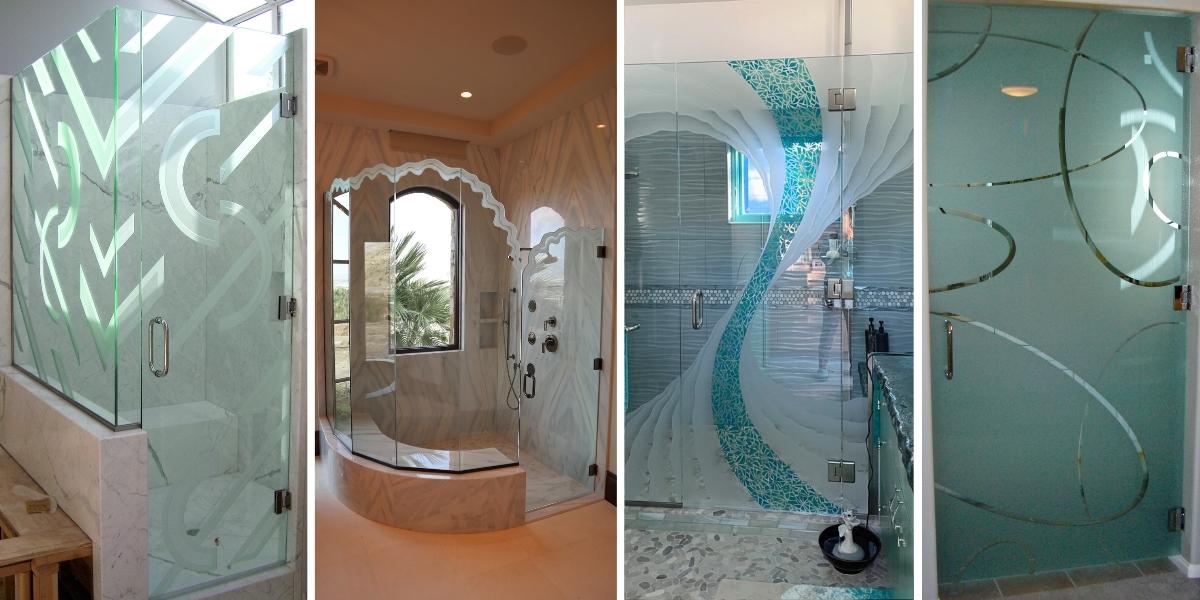
If you’re planning a bathroom remodel or researching modern shower designs, you may be wondering: what is a shower enclosure? A shower enclosure is a structured shower system made of glass panels and a door that fully surrounds the shower area to contain water. It creates a defined, sealed space that prevents splashing, protects surrounding walls and floors, and delivers a more polished, modern appearance.
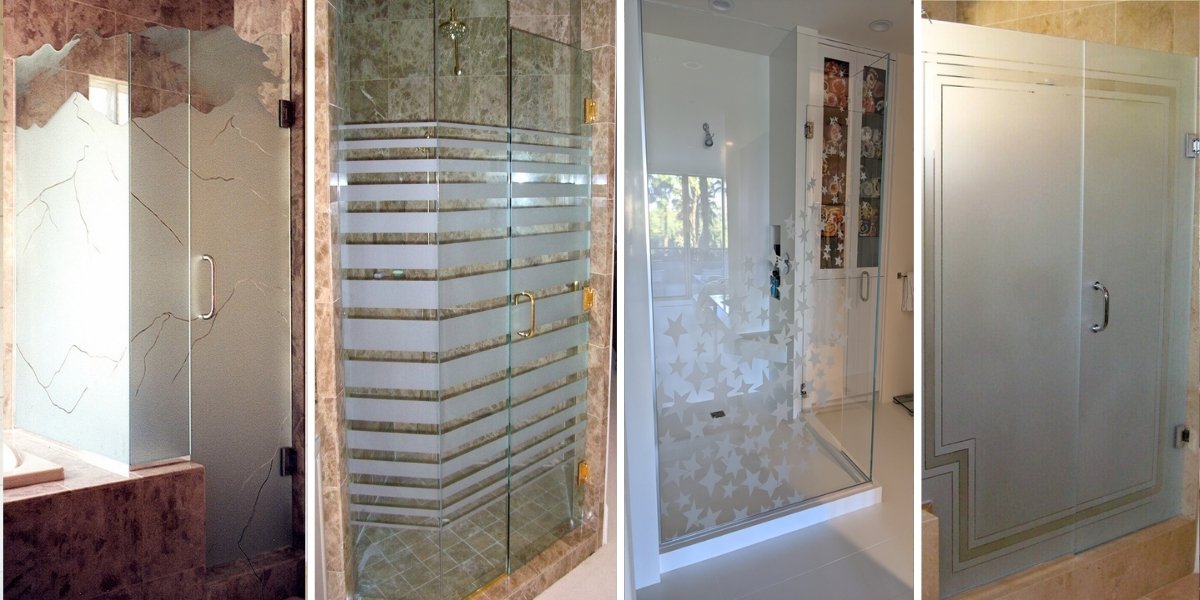
Most shower enclosures are built using tempered safety glass and can be frameless, semi-frameless, or framed. They may include a hinged or sliding door and are designed to fit a specific layout—such as a corner, alcove, or walk-in shower. Glass options include clear, tinted, and frosted glass, with frosted glass showers providing added privacy while maintaining a sleek, contemporary look.

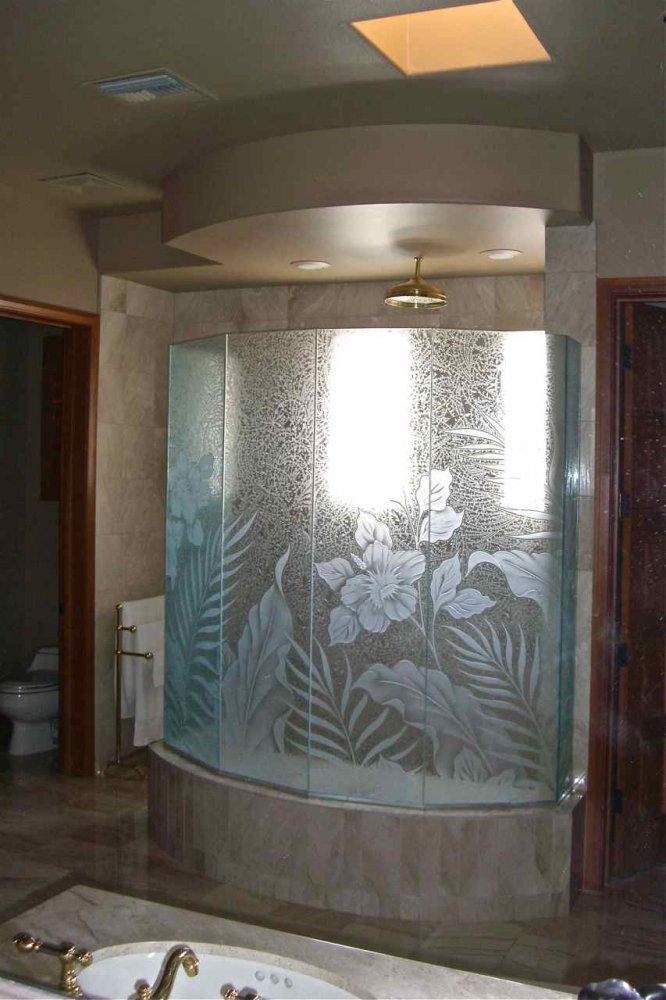
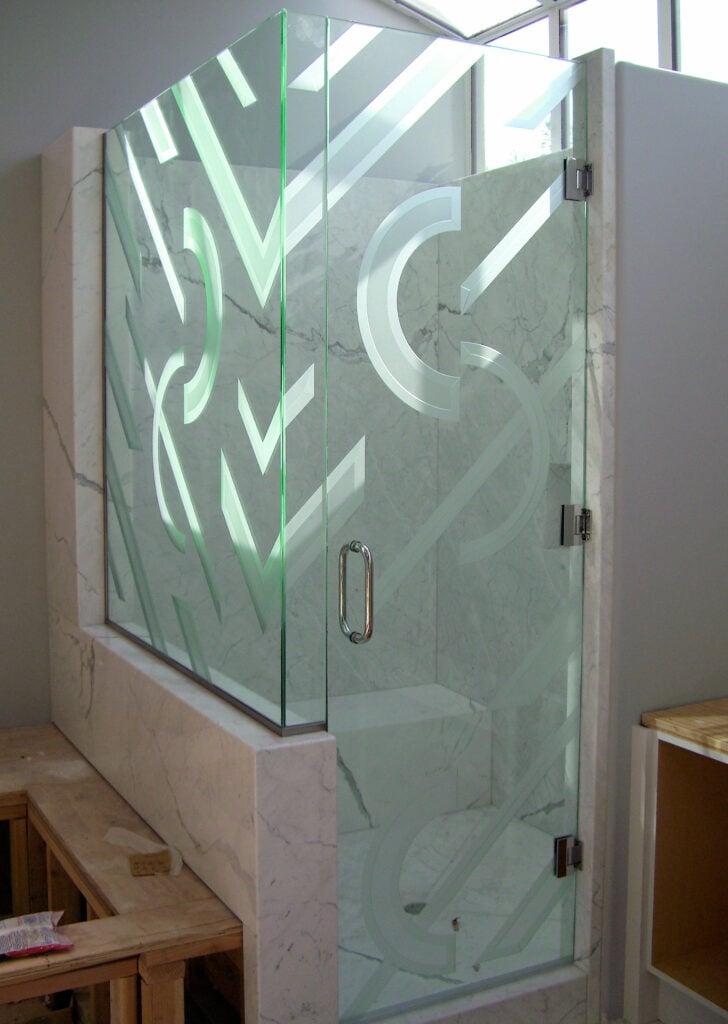
When homeowners ask what is a shower enclosure, the key distinction is that an enclosure is a complete system—not just a door or curtain—engineered for durability, water control, and long-term performance.
SHOP SHOWERS BY SANS SOUCIE!
SELECT SHOWER TYPE BELOW!



Key Components of a Shower Enclosure
A shower enclosure is made up of several essential components that work together to contain water, provide stability, and create a finished, functional shower space:
- Glass Panels – Fixed glass walls that form the enclosure, directing water back into the shower while allowing light to pass through
- Shower Door – A hinged or sliding door that provides access while maintaining a watertight seal when closed
- Tempered Safety Glass – Heat-strengthened glass designed for durability and safety in wet environments
- Hardware & Mounting Brackets – Hinges, handles, clamps, and supports that secure the glass panels in place
- Water Seals & Sweeps – Clear seals installed along glass edges and doors to prevent leaks and splashing
- Threshold or Curb – A low barrier at the base of the enclosure that helps keep water inside the shower
- Optional Curbless Base – A flush, walk-in design that offers a seamless look and improved accessibility
Each of these components plays a role in making a shower enclosure both functional and visually refined, ensuring reliable water containment and long-term performance.
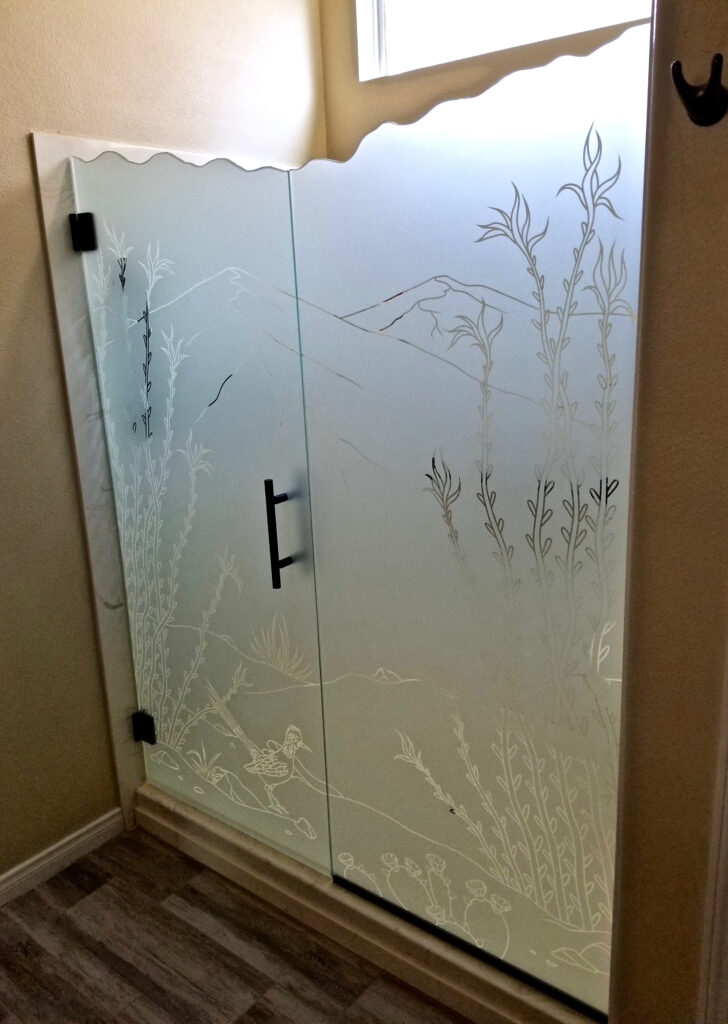
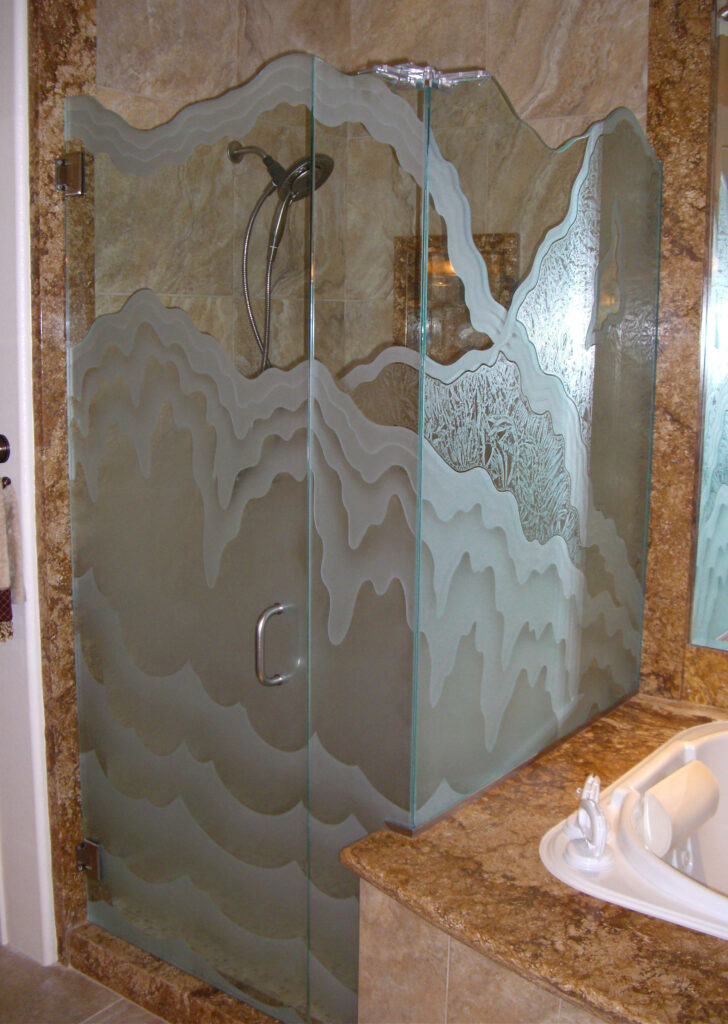
Key Features of a Shower Enclosure
- Fully enclosed glass system that keeps water contained inside the shower
- Clean, modern appearance that enhances the overall bathroom design
- Tempered safety glass built for durability and everyday use
- Improved light flow compared to shower curtains or solid walls
- Custom sizing and layouts to fit a wide range of bathroom spaces
- Optional privacy glass without sacrificing brightness
- Easy-to-clean surfaces with fewer areas for moisture buildup
These features make shower enclosures a practical, stylish upgrade for both new bathrooms and remodels.
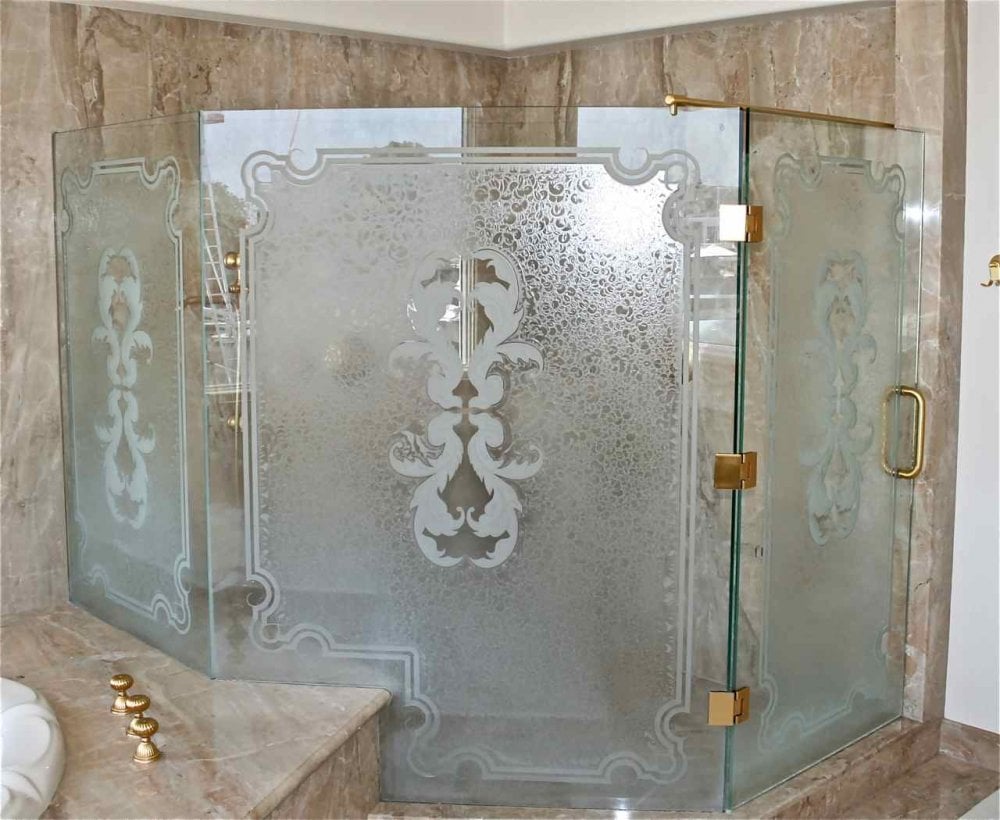
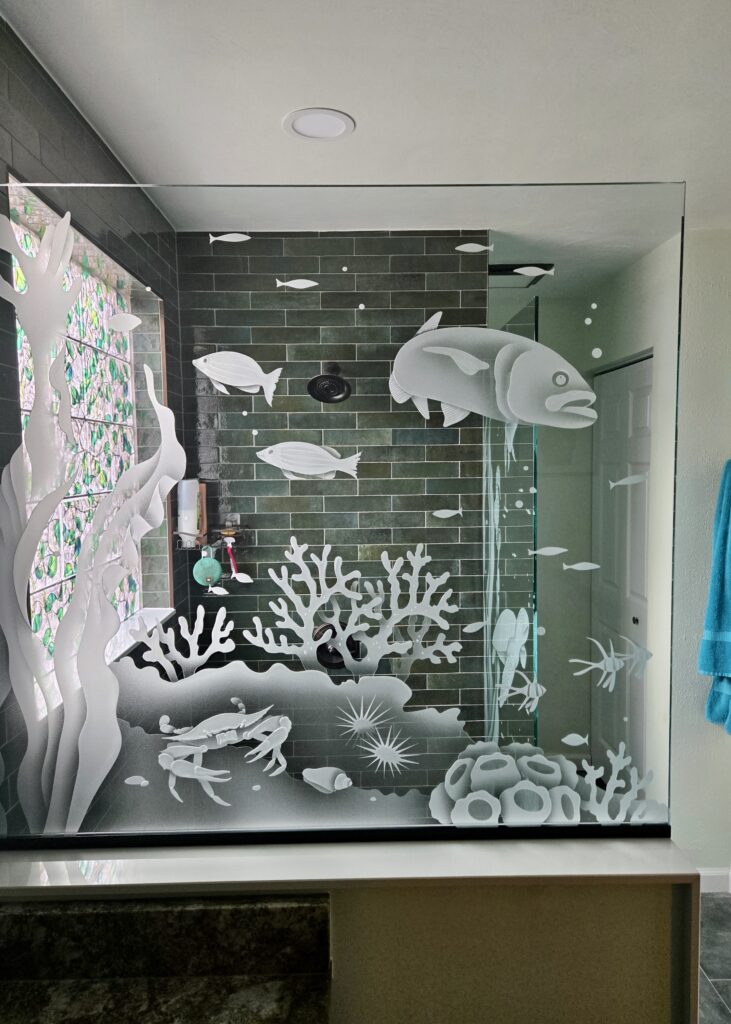

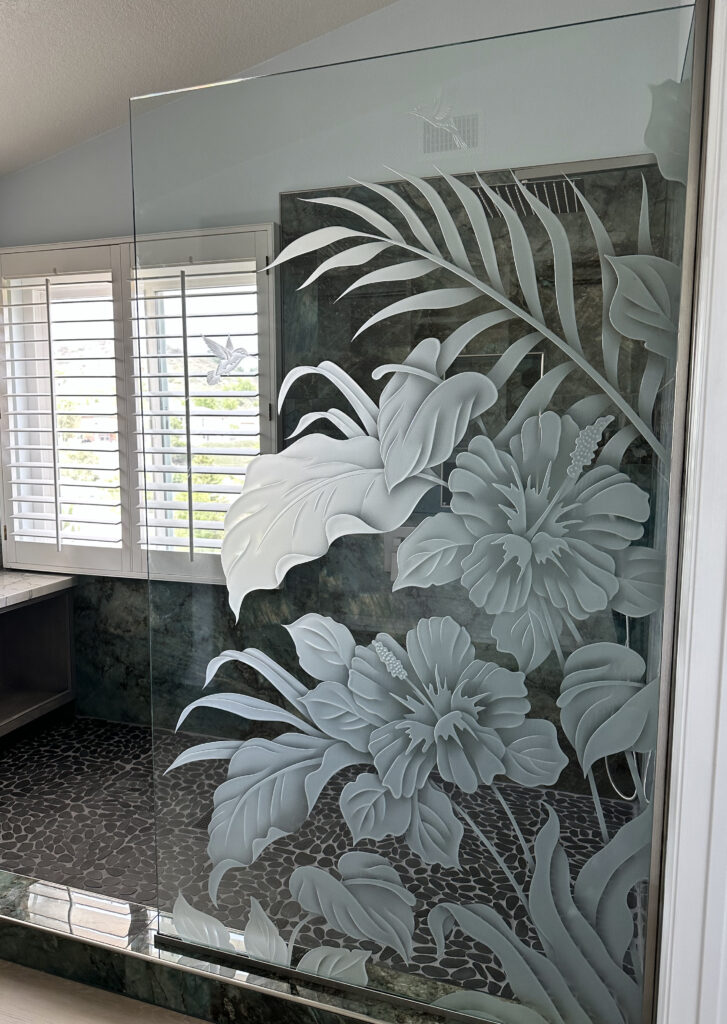
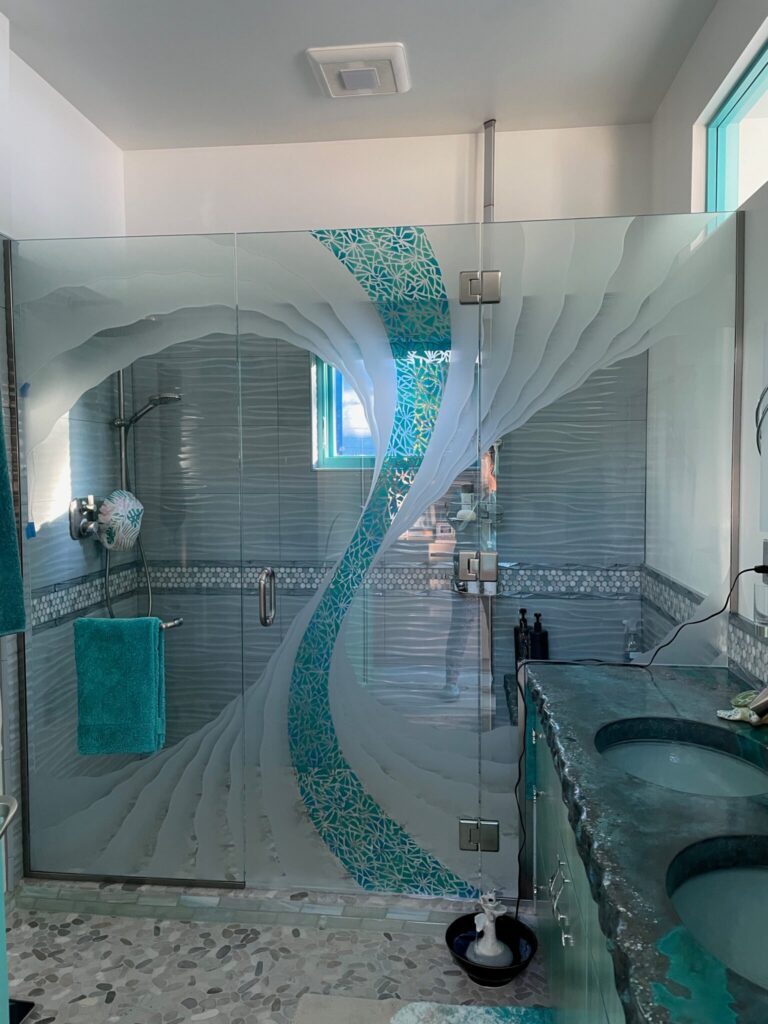
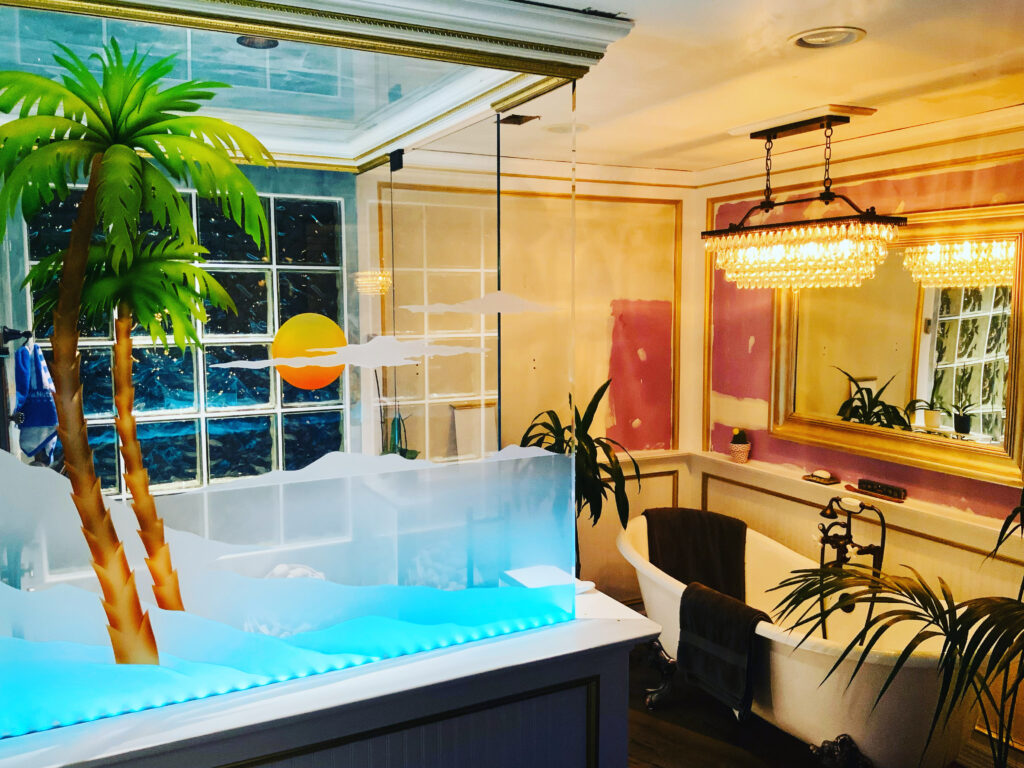
Types of Shower Enclosures
Understanding the different types of shower enclosures can help you choose the best option for your bathroom layout, style preferences, and functional needs.
Framed Shower Enclosures
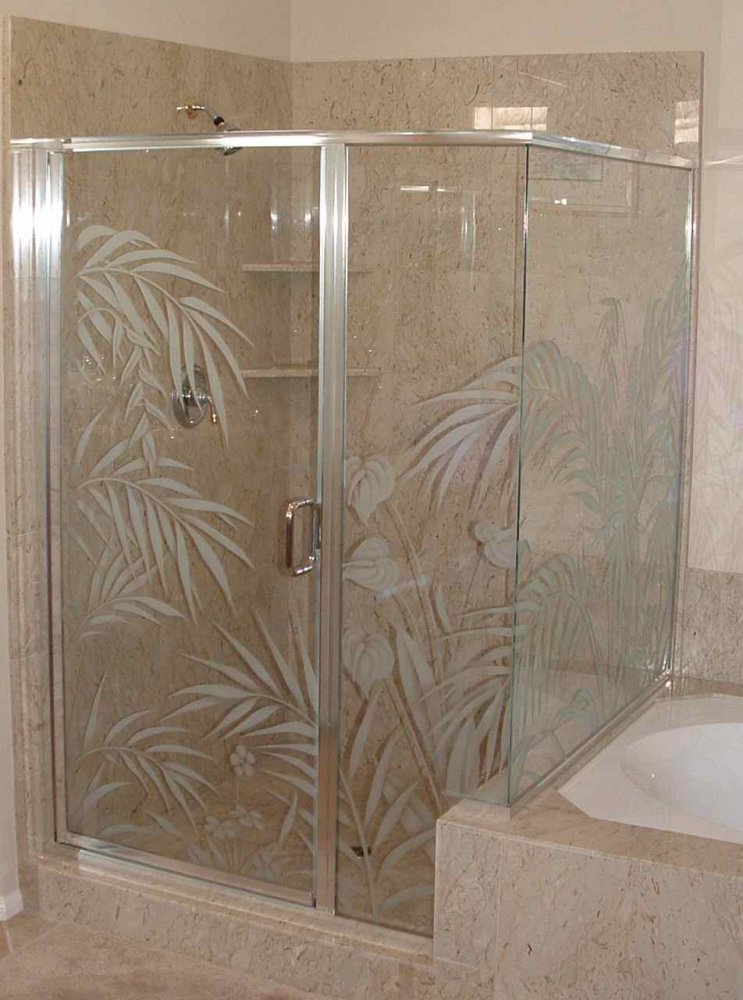

Framed shower enclosures use metal framing around the glass panels and door for added structure and support. They are durable, budget-friendly, and effective at containing water, making them a practical choice for many bathrooms.
Pros
- More affordable than most other enclosure types
- Strong water containment with tight seals
- Durable and forgiving of slight wall or floor irregularities
Cons
- Heavier visual appearance
- Metal framing requires more cleaning
- Less modern aesthetic
Frameless Shower Enclosures
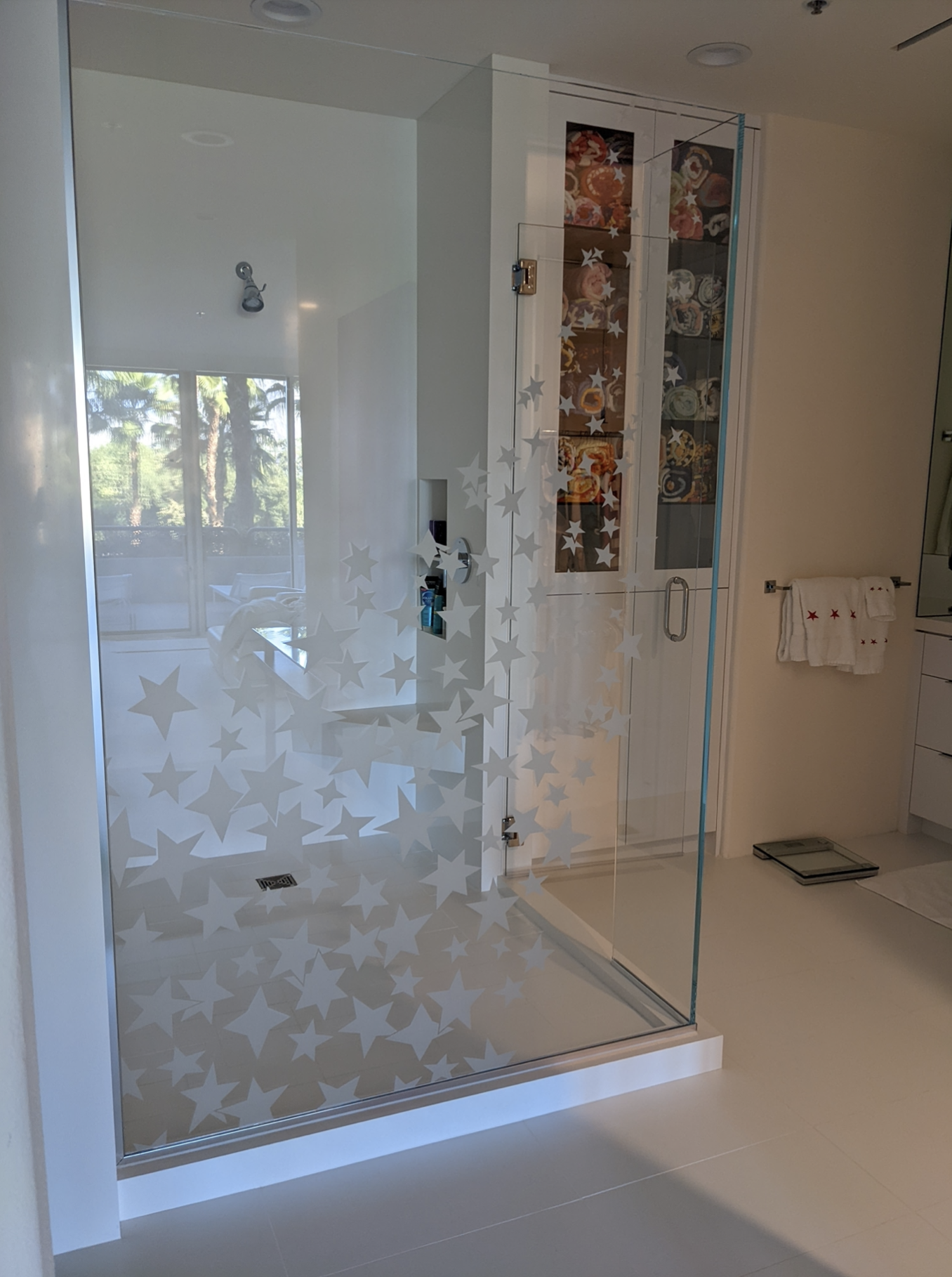
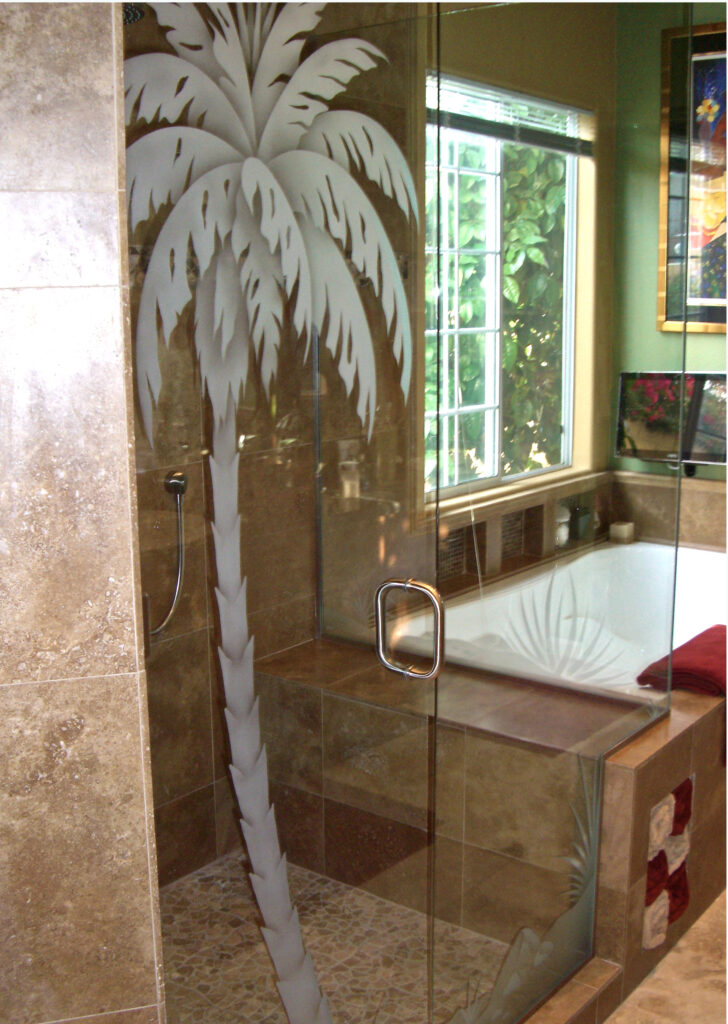
Frameless shower enclosures feature thick tempered glass with minimal or no metal framing. This style creates a clean, open look that highlights the glass itself and is popular in modern and high-end bathroom designs. You must have adequate fall away from the entrance of the frameless area or a very small set down.
Pros
- Clean, open, high-end appearance
- Spa-like style shower enclosure
- Makes bathrooms feel larger and brighter
- Easier to clean with fewer metal parts (fewer crevices)
Cons
- Higher cost due to thicker glass and precision installation
- Less water containment than fully framed systems
- Requires very accurate installation
Semi-Frameless Enclosures
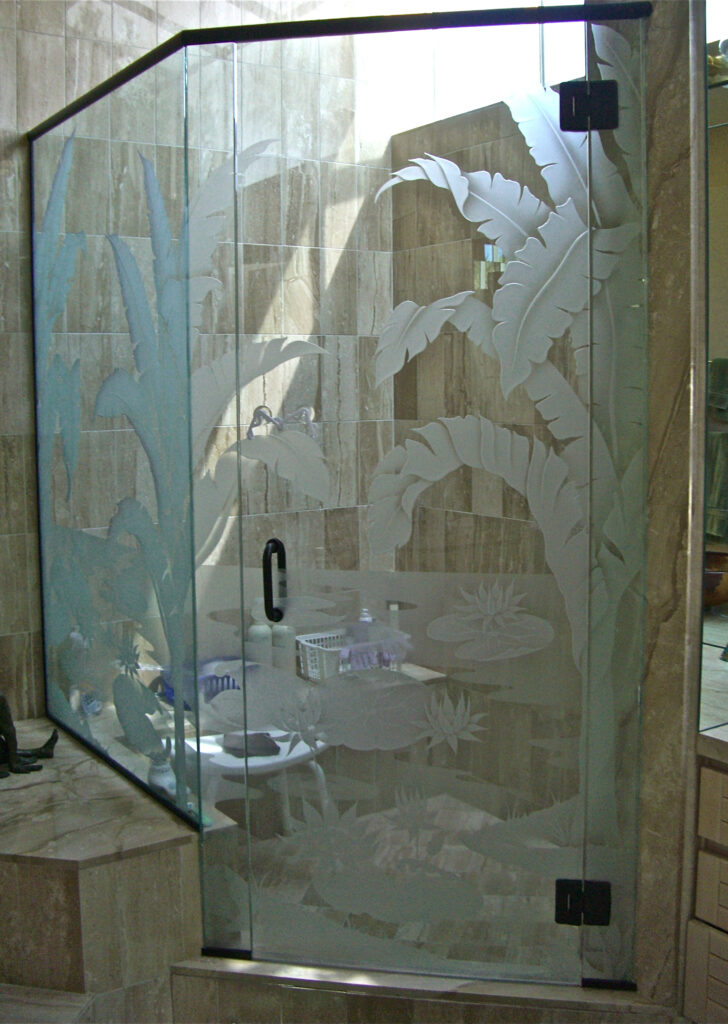
Semi-frameless enclosures combine elements of both framed and frameless designs. They typically have subtle framing around select edges while keeping the door and main viewing areas largely frame-free for a balanced, contemporary appearance.
Pros
- Balanced look between framed and frameless
- More affordable than fully frameless
- Better water control than frameless designs
Cons
- Some visible hardware remains
- Not as visually seamless as frameless
- Design options can be more limited
Tub Shower Enclosures

A tub shower enclosure is a glass enclosure installed around a bathtub to contain water when the tub is used as a shower. A tub shower enclosure typically consists of fixed glass panels and/or a glass door mounted along the edge of the tub, replacing a traditional shower curtain. Tub shower enclosures are designed to improve water containment, enhance safety, and provide a more durable, finished appearance while still allowing the bathtub to be used normally.
Pros
- Significantly better water containment than shower curtains
- More durable and long-lasting
- Creates a cleaner, more finished bathroom look
- Easier to clean and maintain than fabric curtains
Cons
- Higher cost than a basic shower curtain
- Requires precise installation for proper sealing
- Less flexible to remove or change once installed
- Can limit tub access depending on door type
Sliding Glass Doors
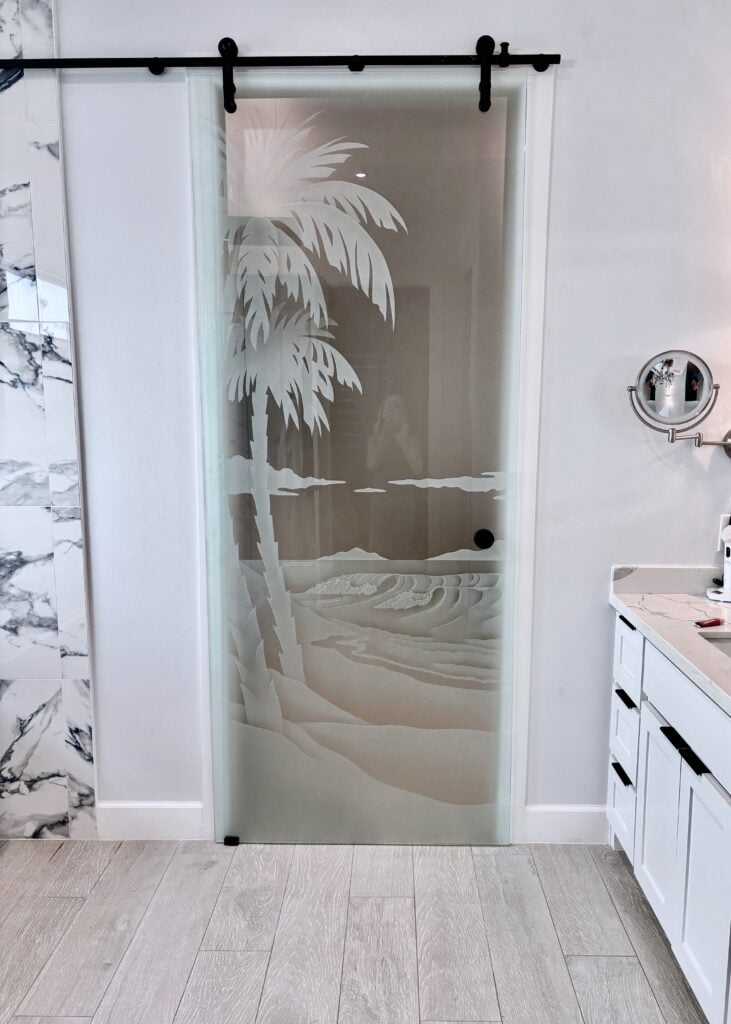
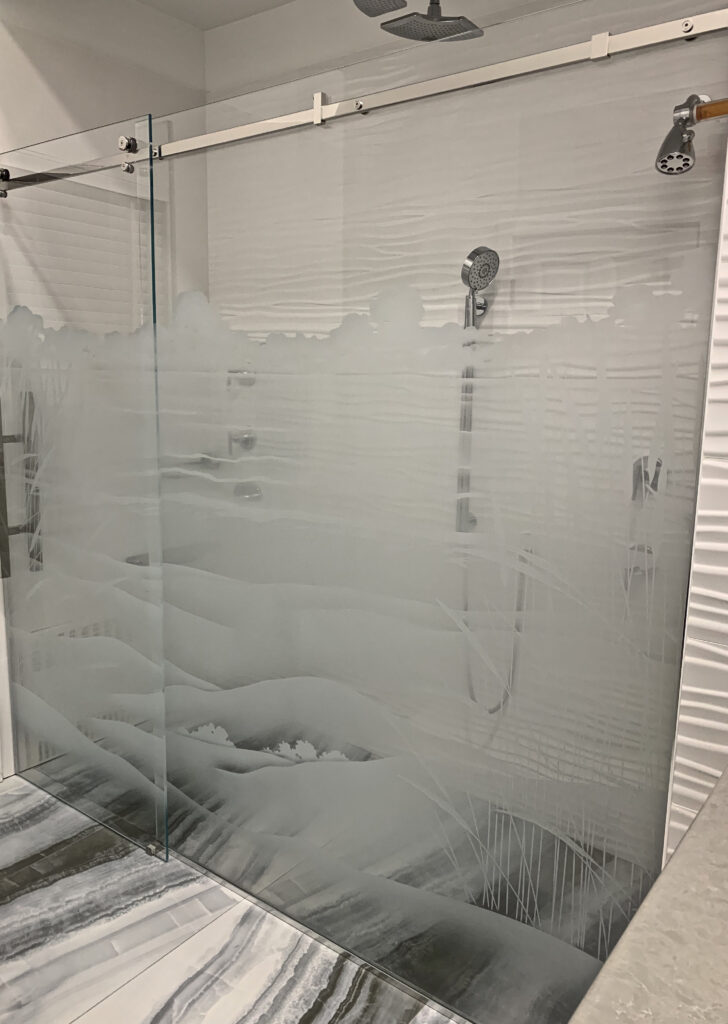
Sliding glass shower enclosures use doors that glide along a track instead of swinging open. They are ideal for bathrooms with limited space, as they don’t require clearance for a hinged door.
Pros
- Ideal for small bathrooms with limited clearance
- Smooth, space-saving operation
- Available in framed and semi-frameless styles
Cons
- Tracks can collect water and debris
- Less opening width than hinged doors
- Hardware may require regular maintenance
Shower Partition
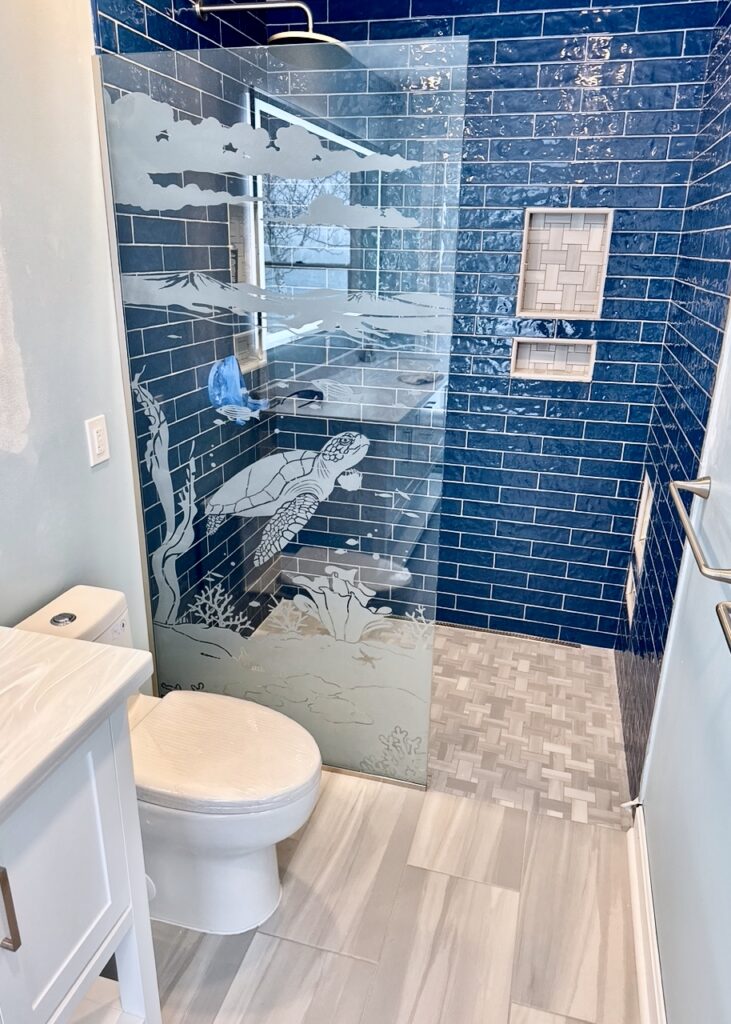
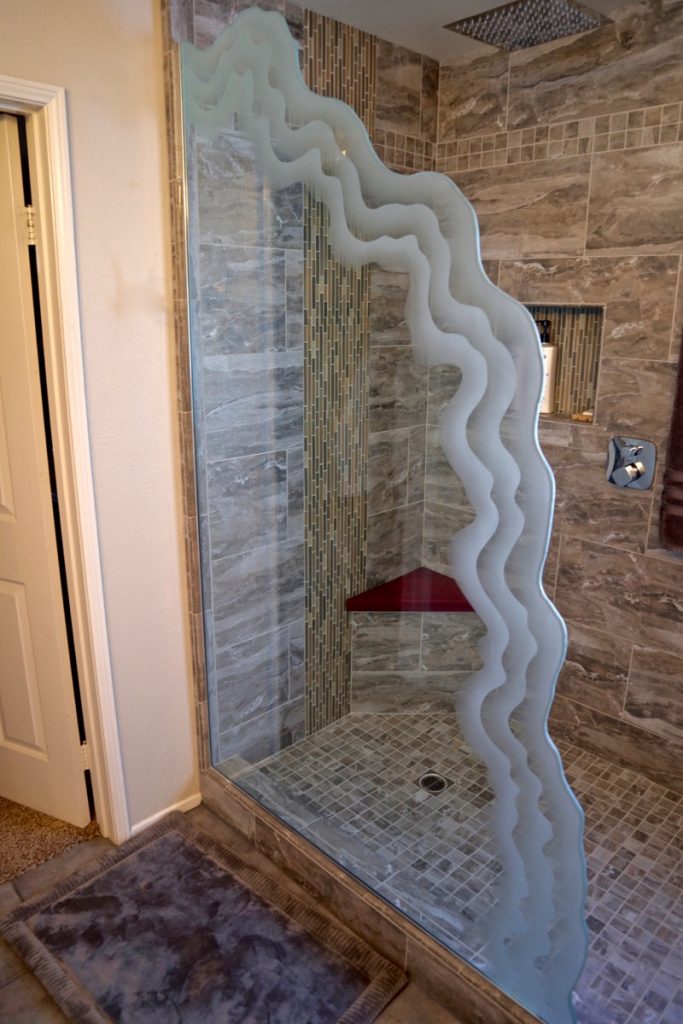
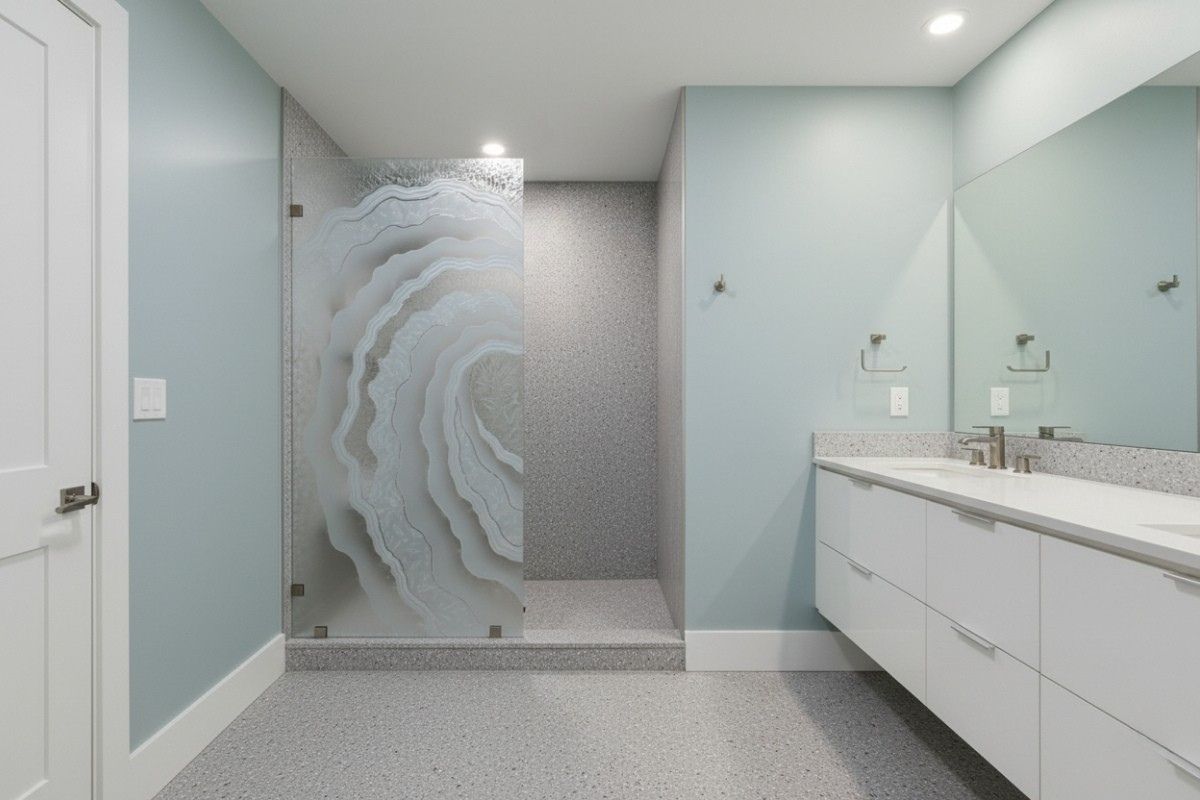
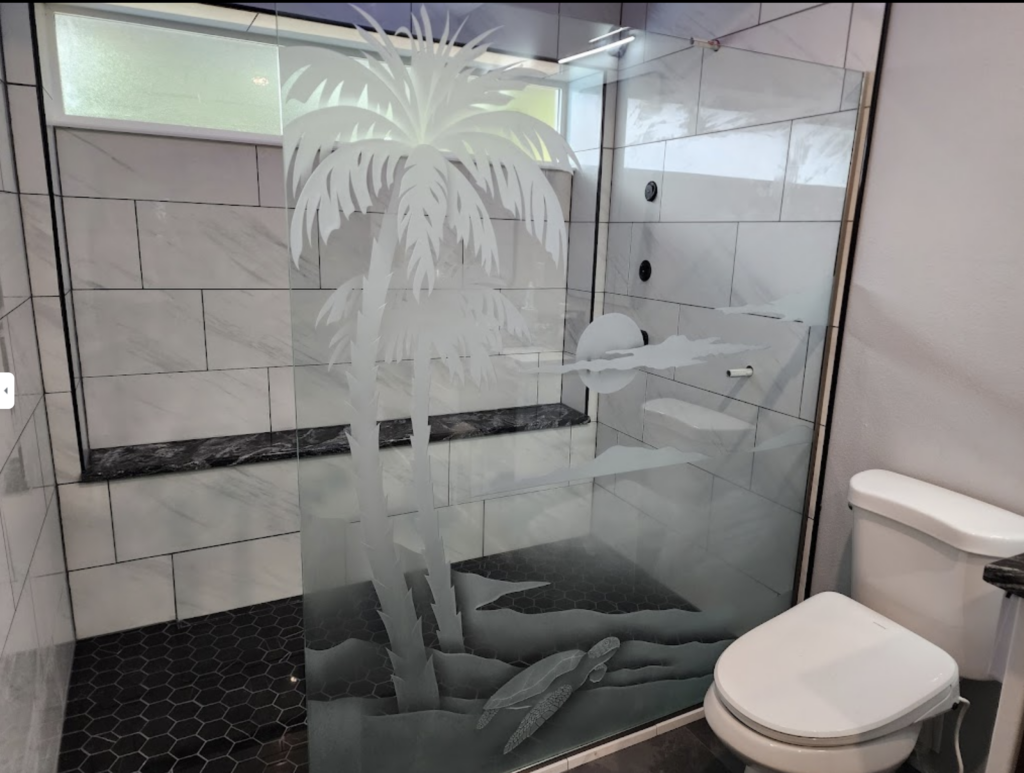
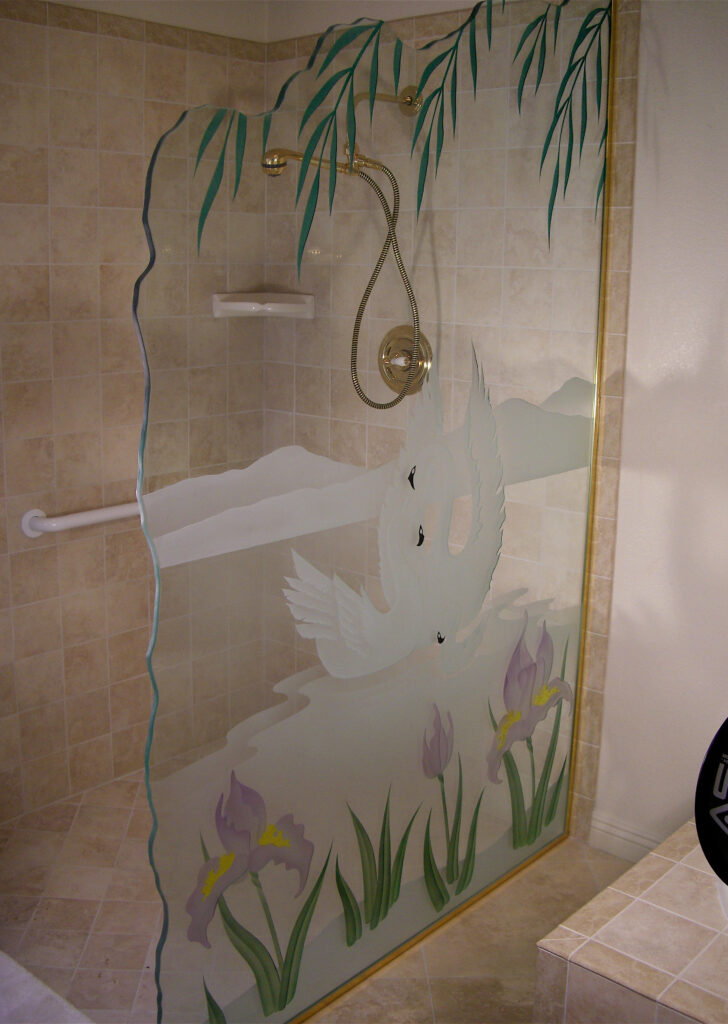
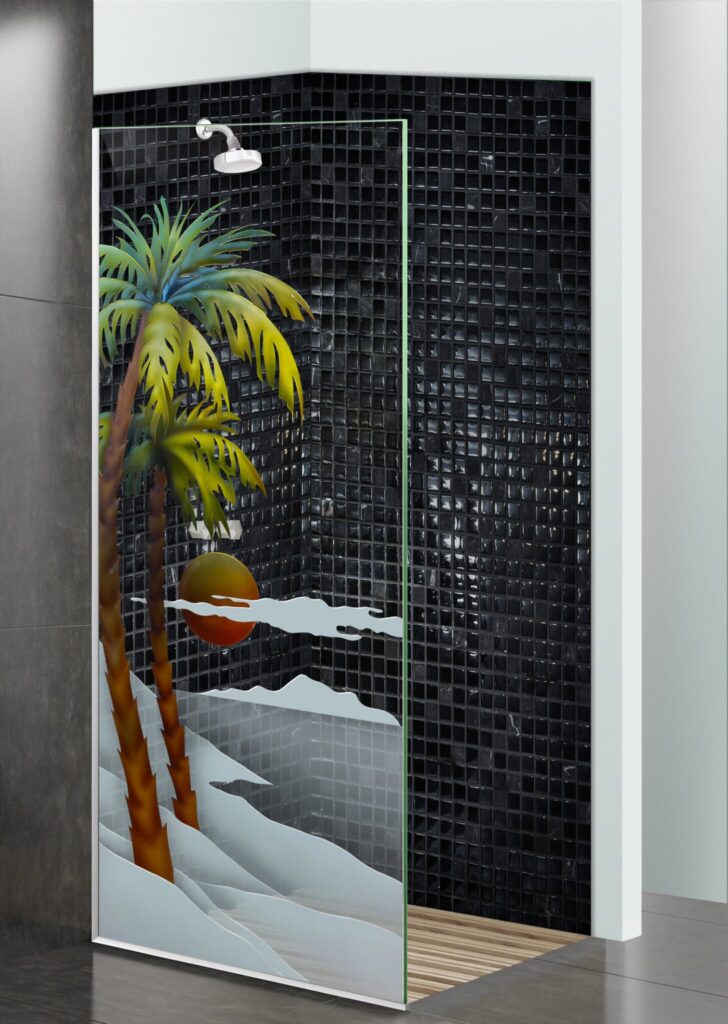
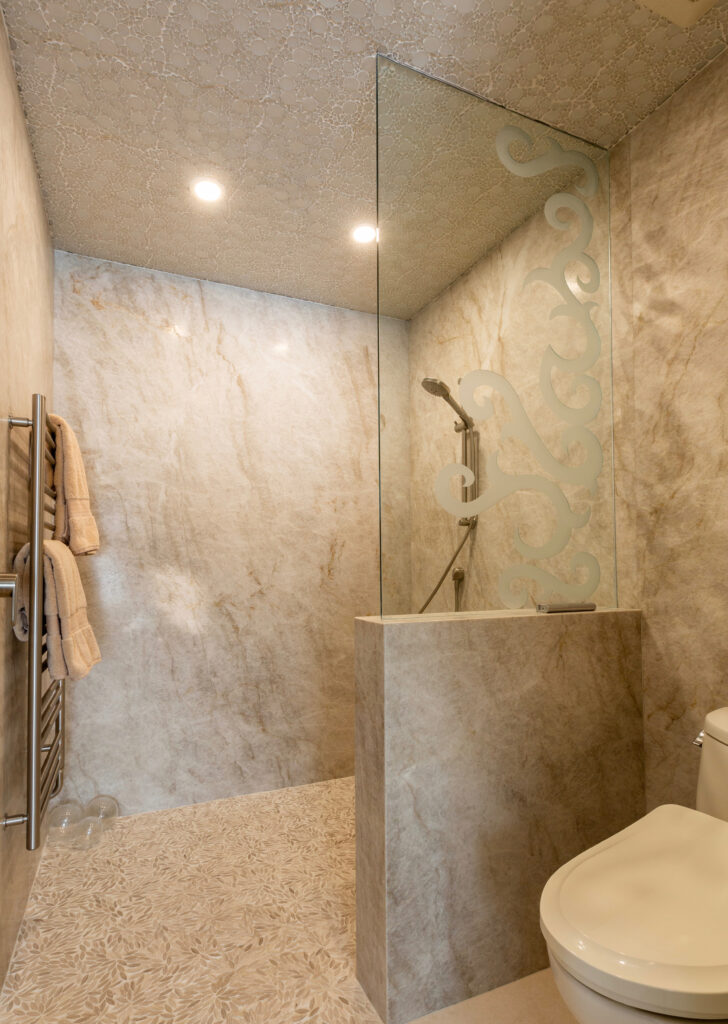
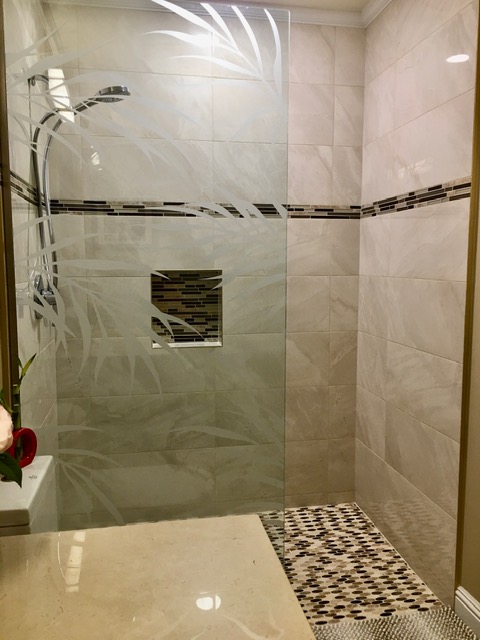
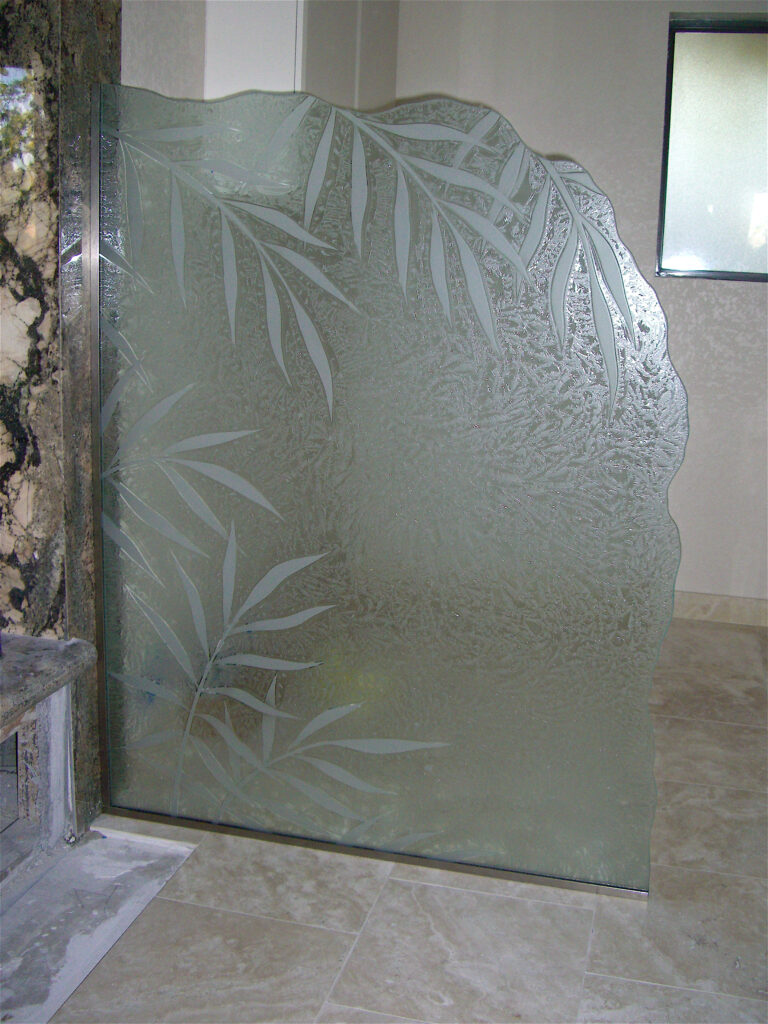
A shower partition consists of a single fixed glass panel rather than a fully enclosed system. Often used in walk-in showers, partitions provide splash control while maintaining an open, airy feel. Bathtub setups often use partial glass panels rather than a full enclosure.
Pros
- Open, airy, minimalist look
- Easy entry and exit
- Simple design with fewer components
- Easier to maintain and minimal joints for scum build up
Cons
- Limited splash and water control
- Not ideal for colder bathrooms
- Less privacy than enclosed showers
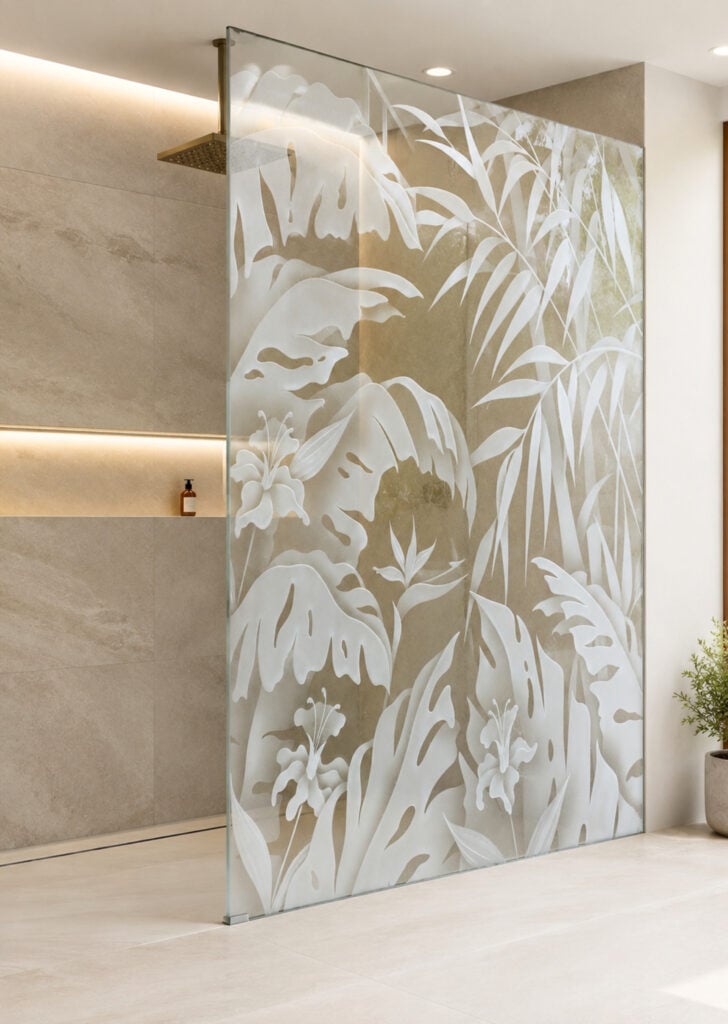
Walk-In Showers
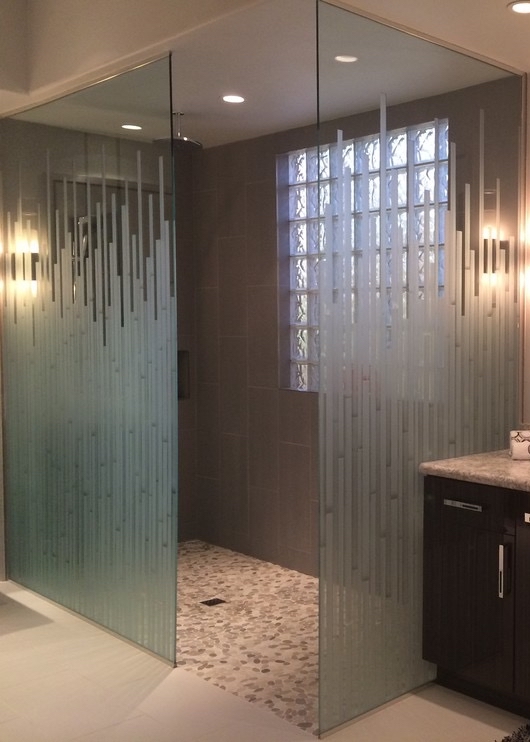
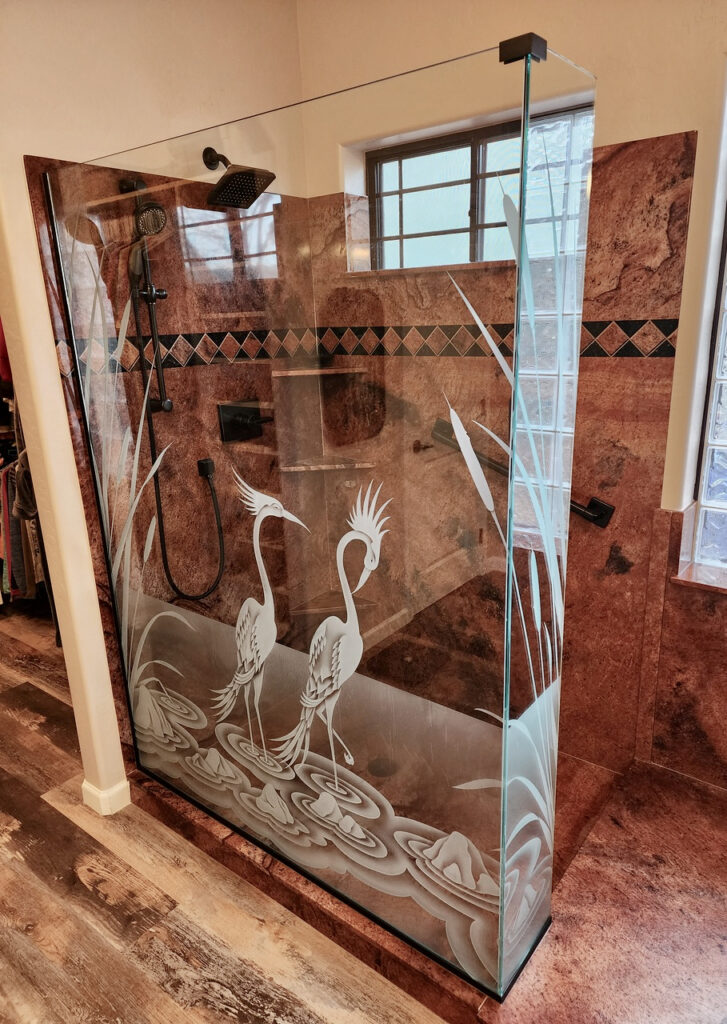
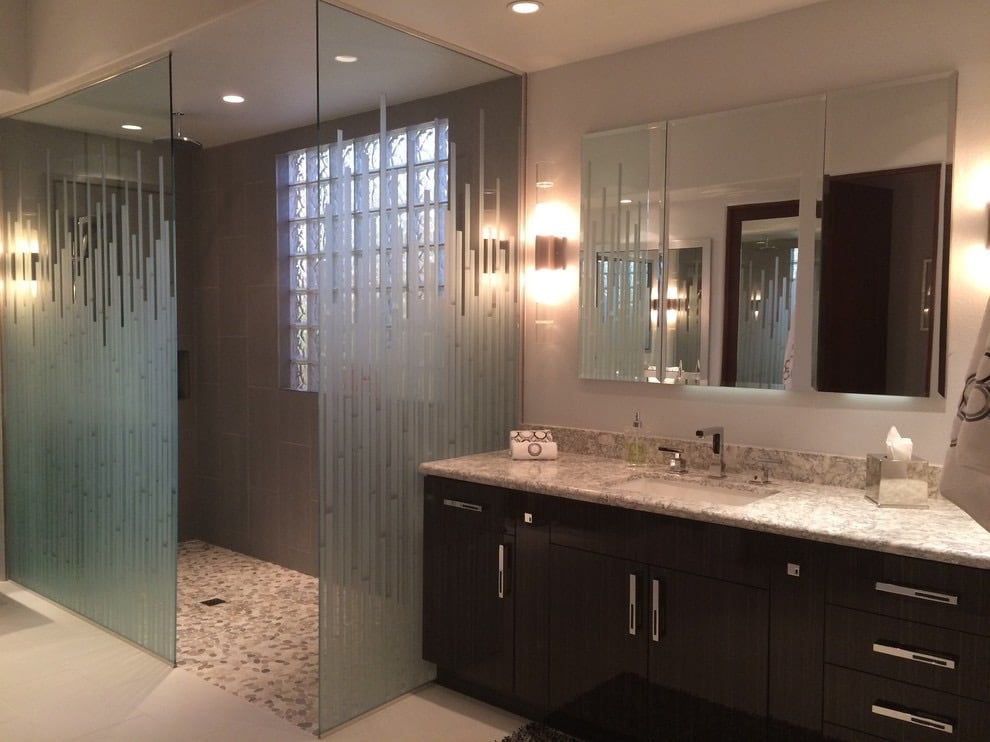
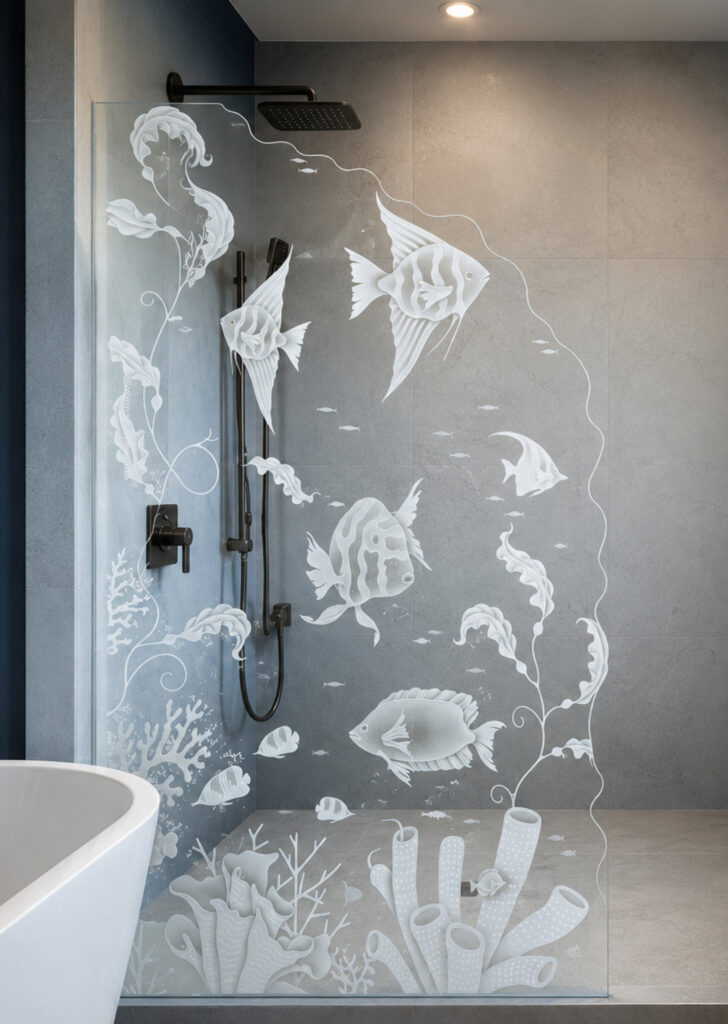
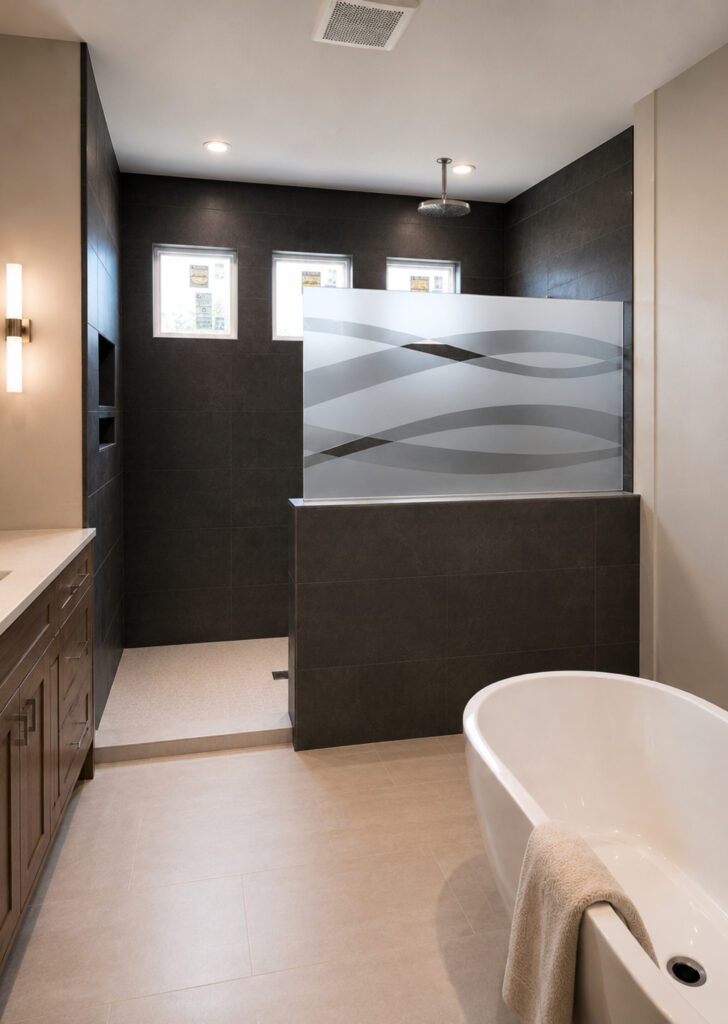
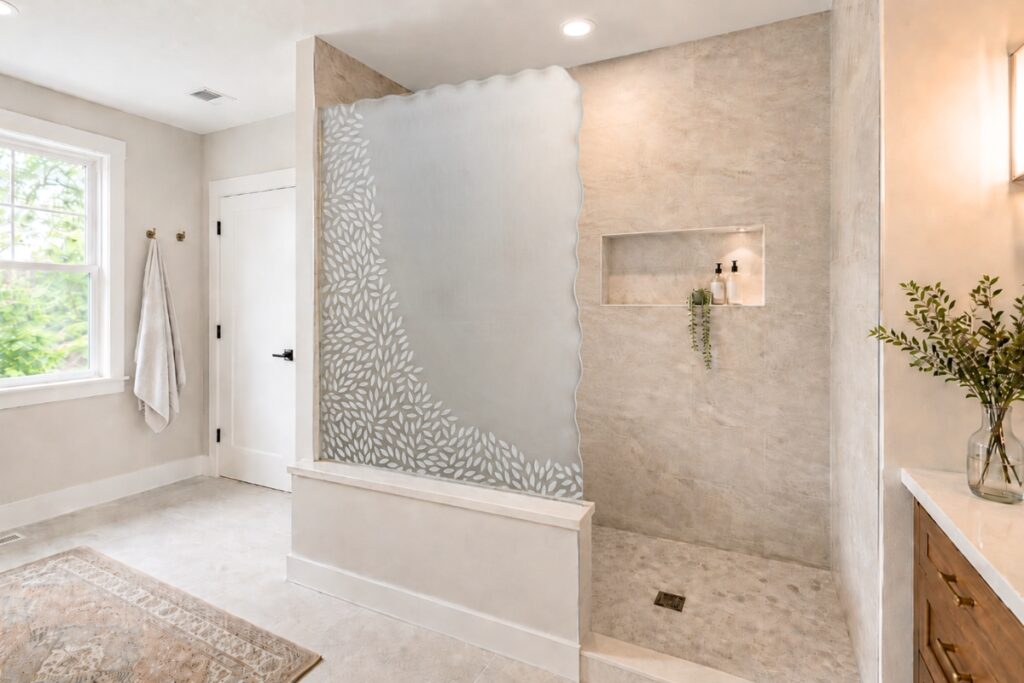
Walk-in shower enclosures are designed with easy entry and often feature minimal or no doors. They can be curbed or curbless and are valued for their accessibility, modern look, and spacious feel. Low-threshold or curbless shower enclosures are also essential for aging-in-place design, providing safe and barrier-free access.
Pros
- Highly accessible and aging-in-place friendly
- Spacious, modern appearance
- Flexible layout and design options
- Easier to maintain
Cons
- Requires careful planning for drainage
- May allow water to escape if poorly designed
- Can be more expensive to build
Hinged Shower Doors
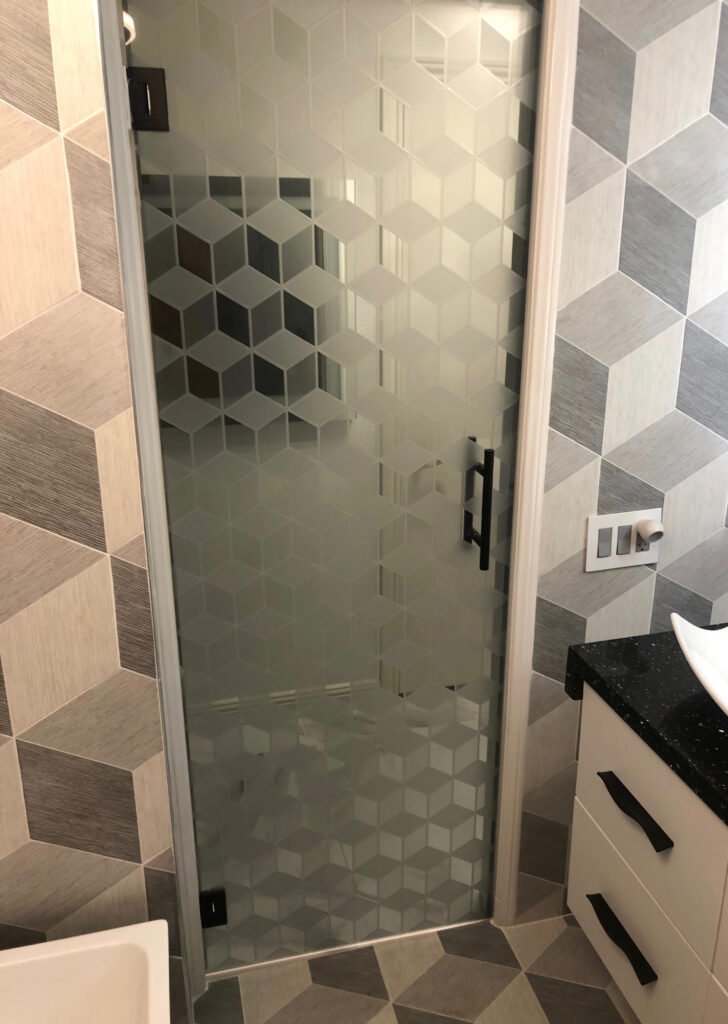

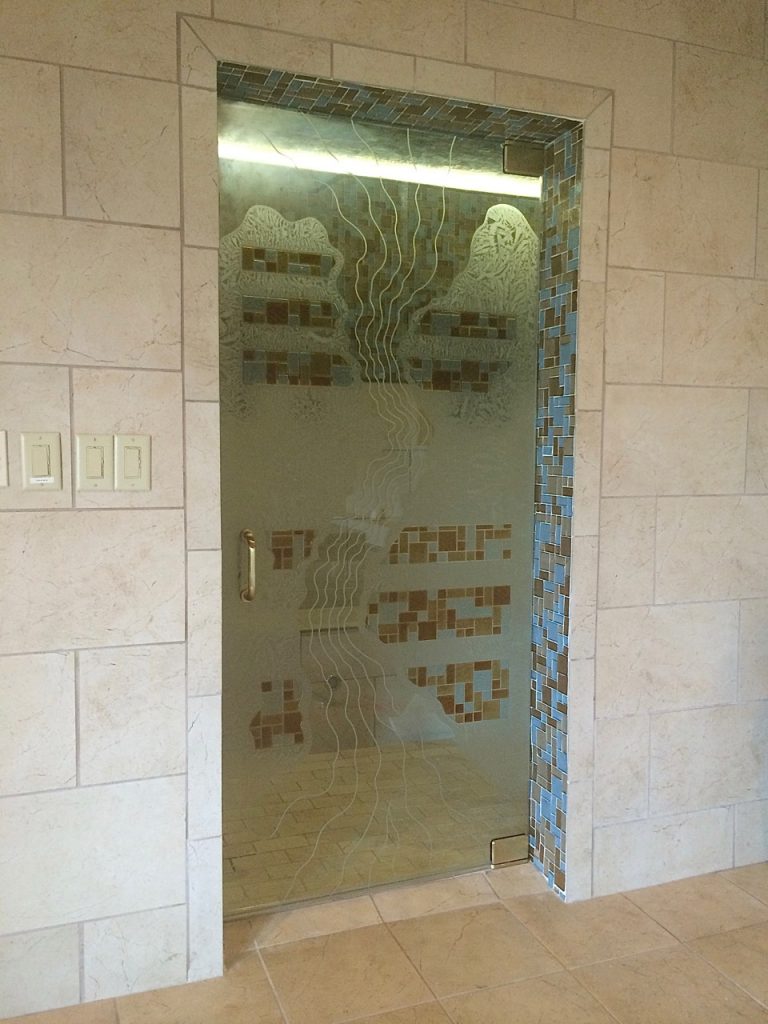
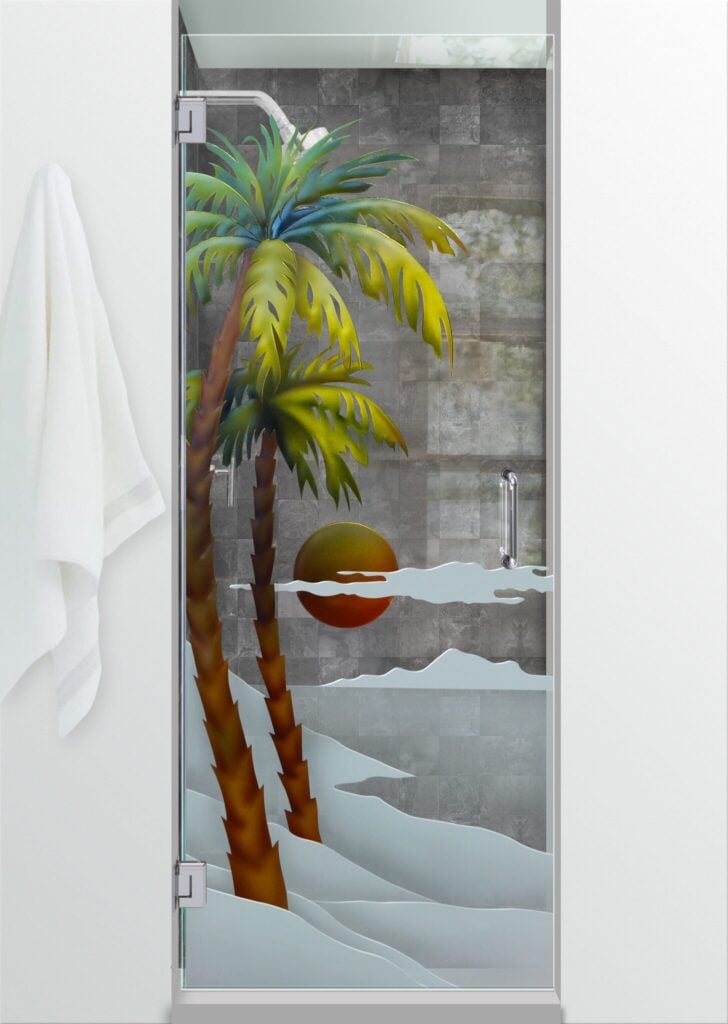
Hinged shower doors are glass shower doors that pivot open on fixed hinges attached to the wall or a stationary glass panel. Instead of sliding, the door swings open to provide a full, open entry into the shower. Many homeowners choose hinged styles with frosted shower doors to maintain privacy without sacrificing openness.
Pros
- Wide, comfortable opening for easy entry and exit
- Clean, modern appearance with minimal hardware
- No bottom track, making cleaning easier
- Works well with frameless and semi-frameless designs
Cons
- Requires sufficient clearance for the door to swing open
- Not ideal for very small bathrooms
- Hinges must be properly aligned for smooth operation
- Can allow minor water escape if not correctly positioned
Corner Enclosures
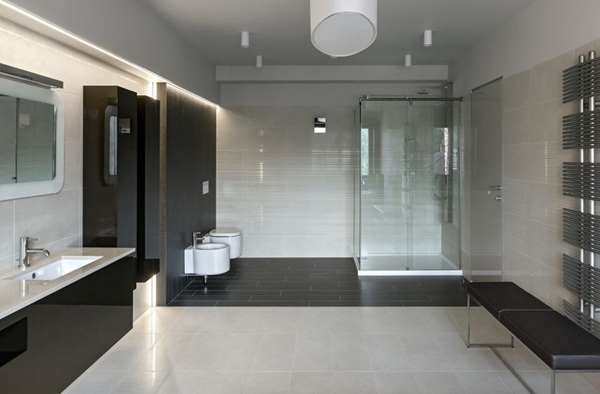
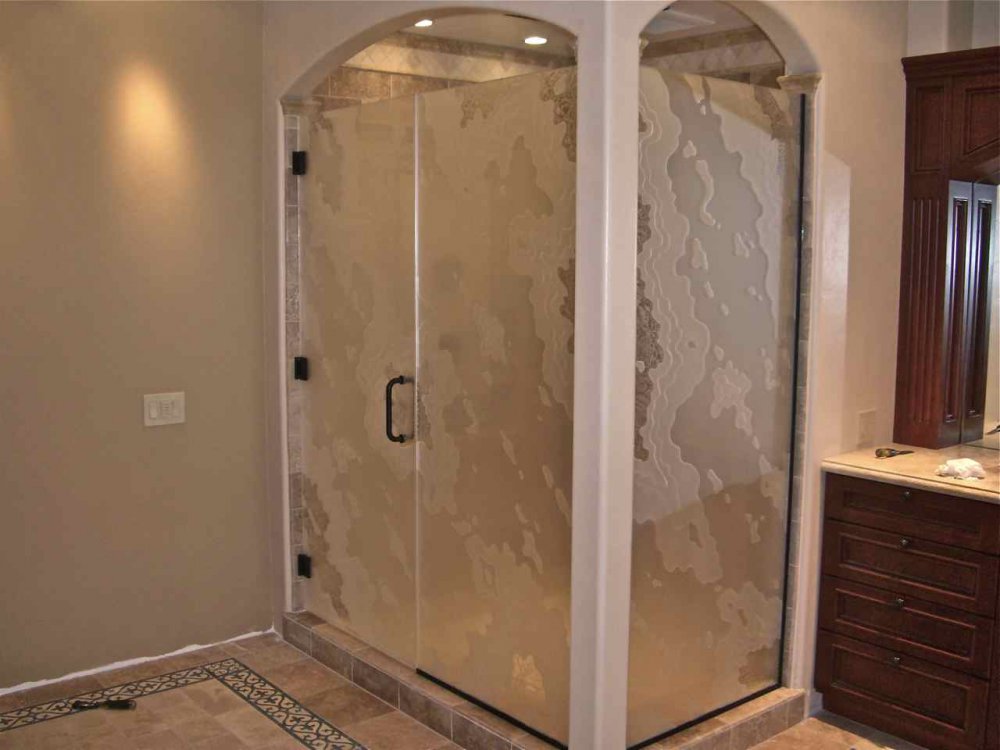
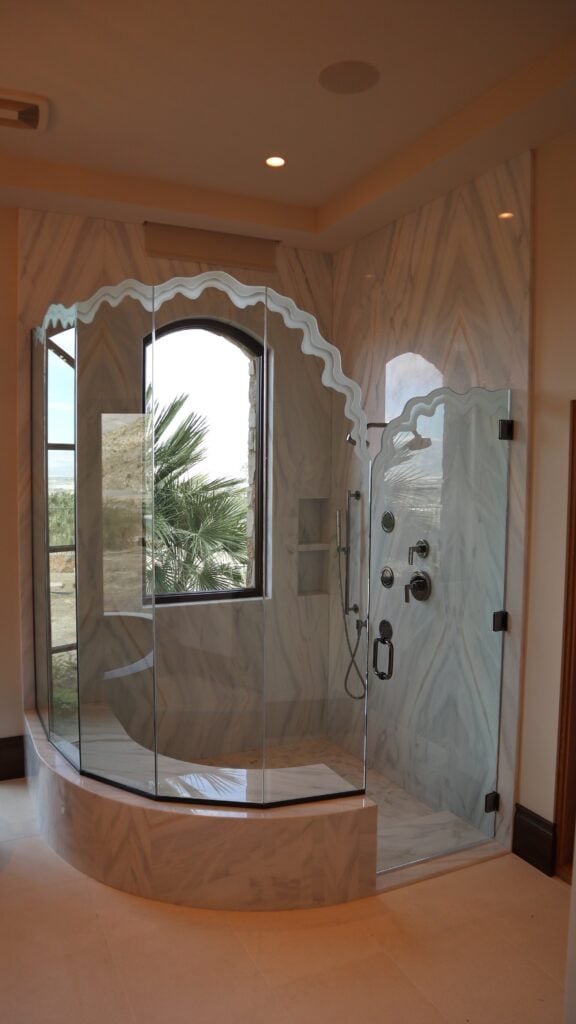
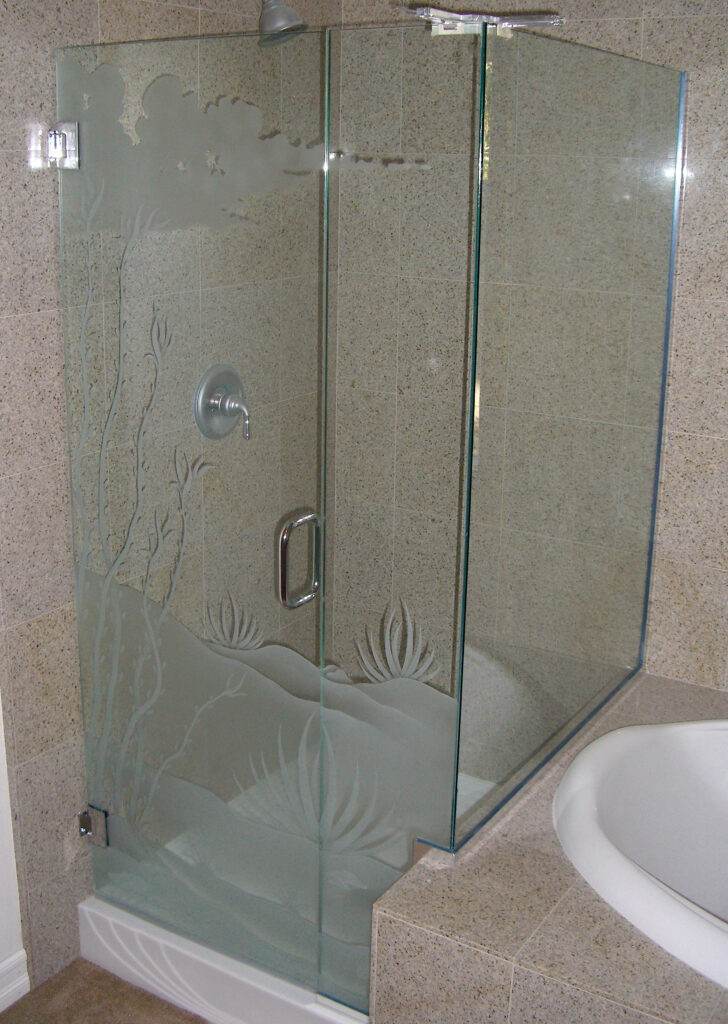
Corner shower enclosures are designed to fit into the corner of a bathroom, using two glass panels and a door. This layout maximizes space efficiency and works well in smaller bathrooms.
Pros
- Excellent space-saving solution
- Works well in smaller bathrooms
- Available in many shower door styles
Cons
- Smaller interior shower space
- Limited design flexibility
- Can feel enclosed compared to open layouts
Quadrant Shower Enclosures

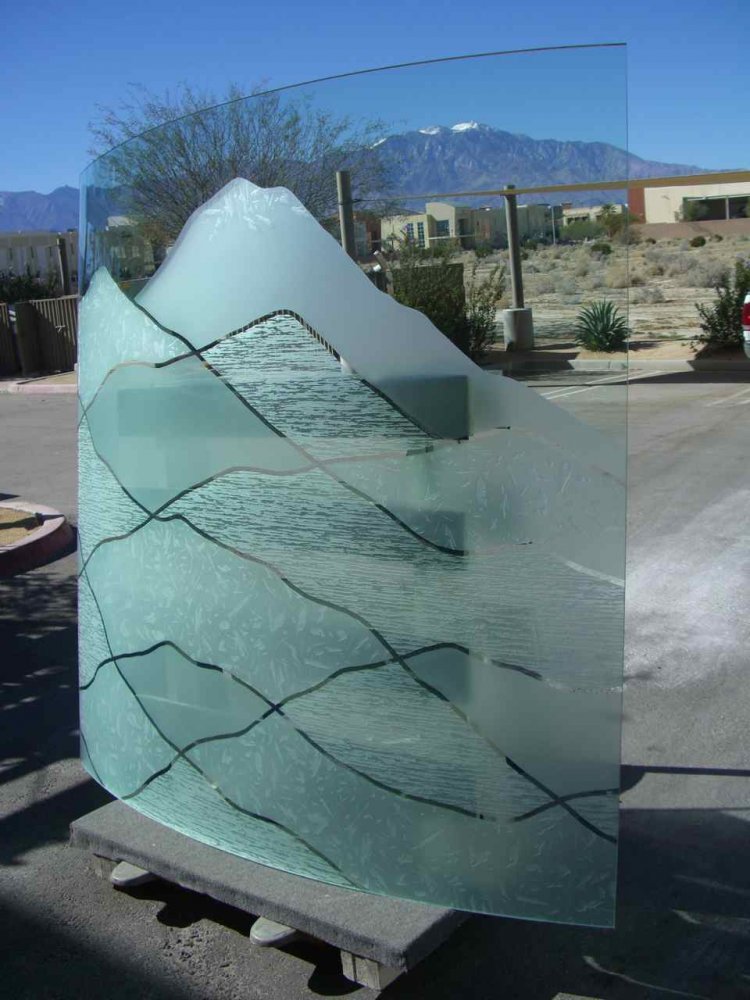
Quadrant enclosures feature a curved front with two straight sides that fit neatly into a corner. The rounded design saves space while softening the overall look of the bathroom. Quadrant shower enclosures feature curved doors and are popular in smaller bathrooms, maximizing space without sacrificing style.
Pros
- Rounded front saves floor space
- Softens sharp bathroom lines
- Comfortable entry in tight layouts
Cons
- Curved glass increases cost
- Fewer design and hardware options
- More complex replacement if damaged
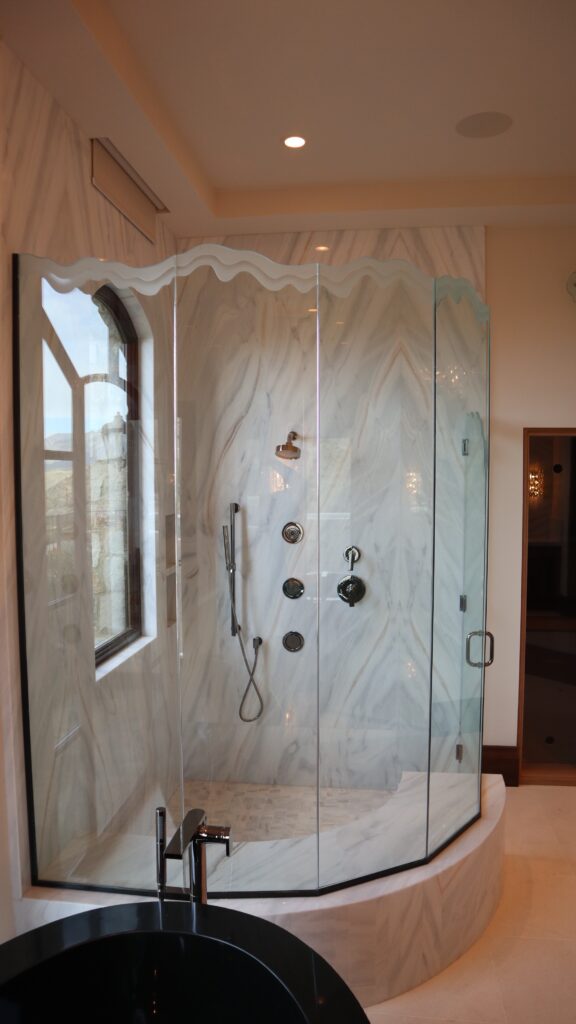
Neo-Angle Showers
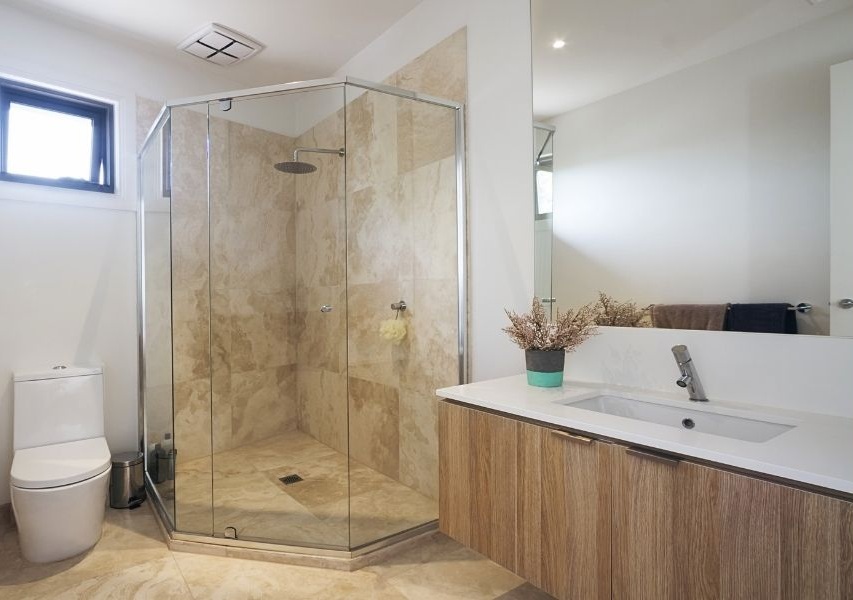
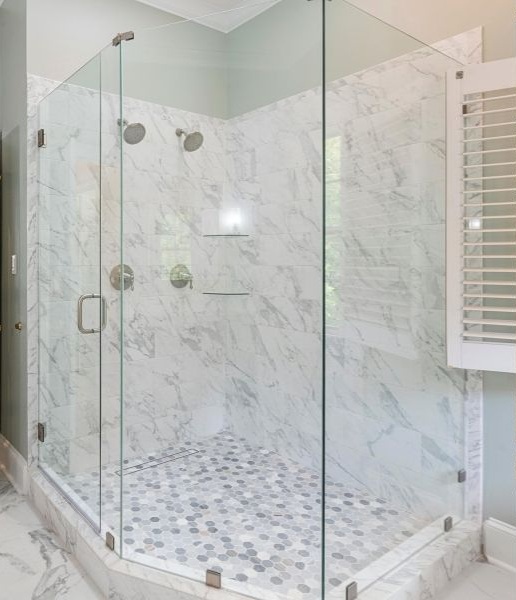
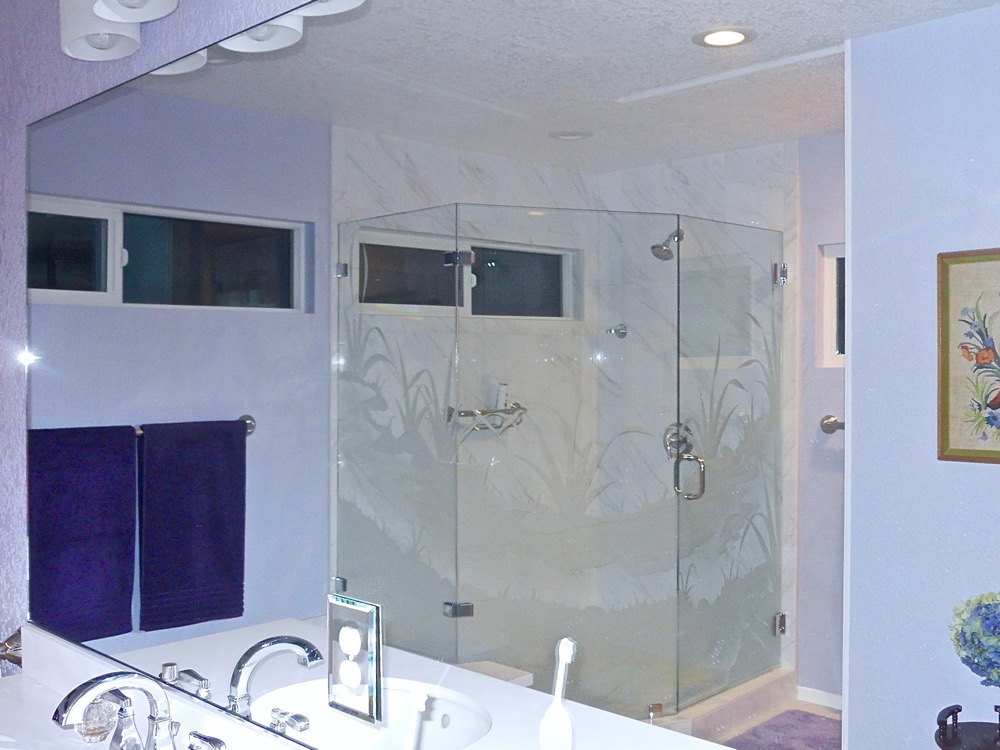
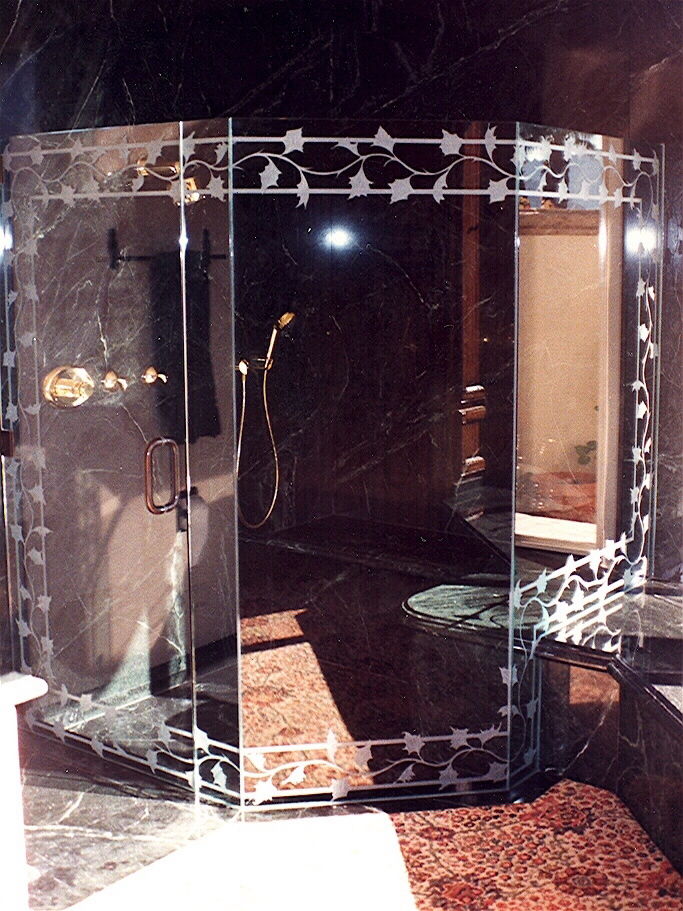
Neo-angle shower enclosures have an angled door with two side panels, creating a distinctive geometric shape. They are commonly used in corner installations and offer a stylish alternative to traditional square designs.
Pros
- Unique, geometric design
- Efficient use of corner space
- Wider door opening than standard corner units
Cons
- Takes up more room than quadrant designs
- Angled glass increases fabrication cost
- Requires precise installation
Double Shower Enclosures
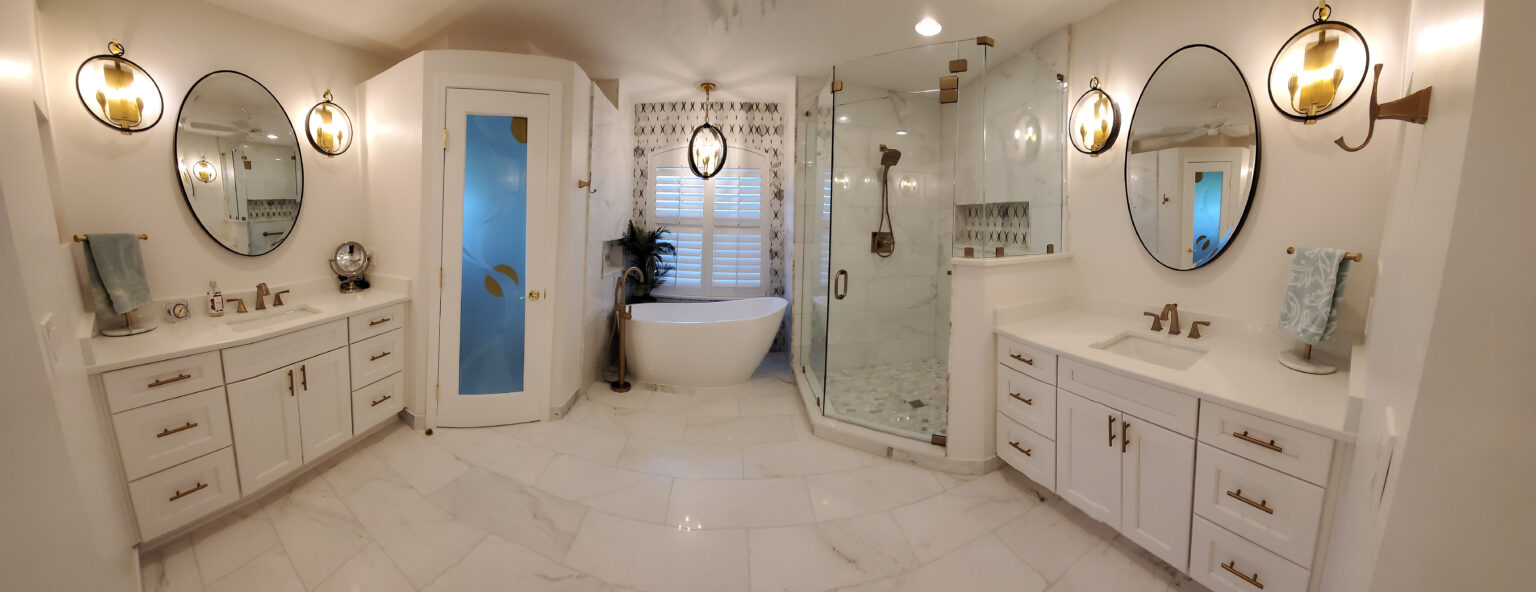
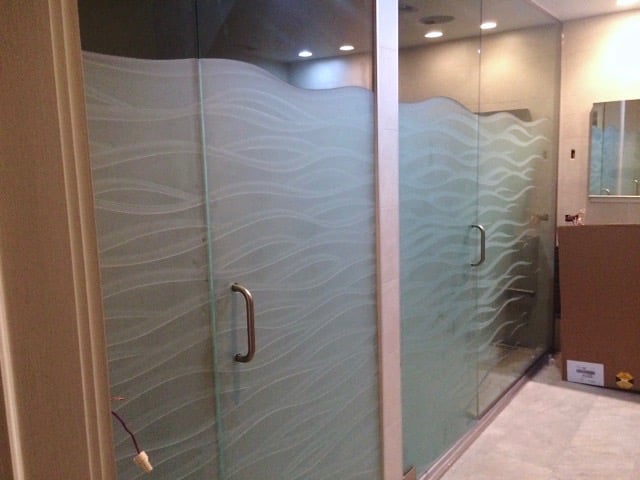
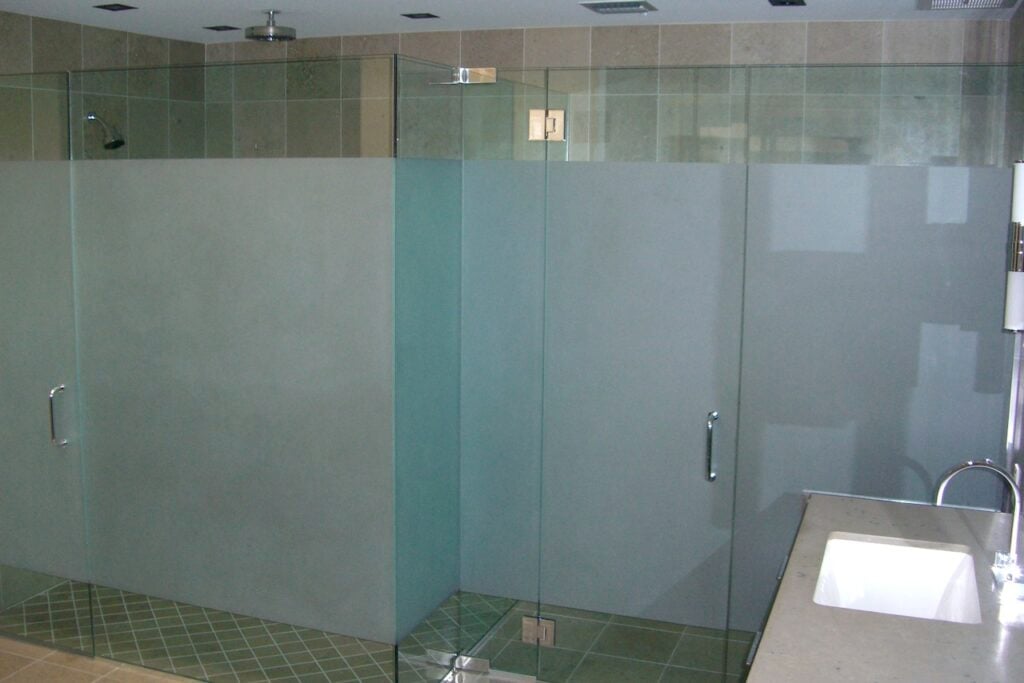
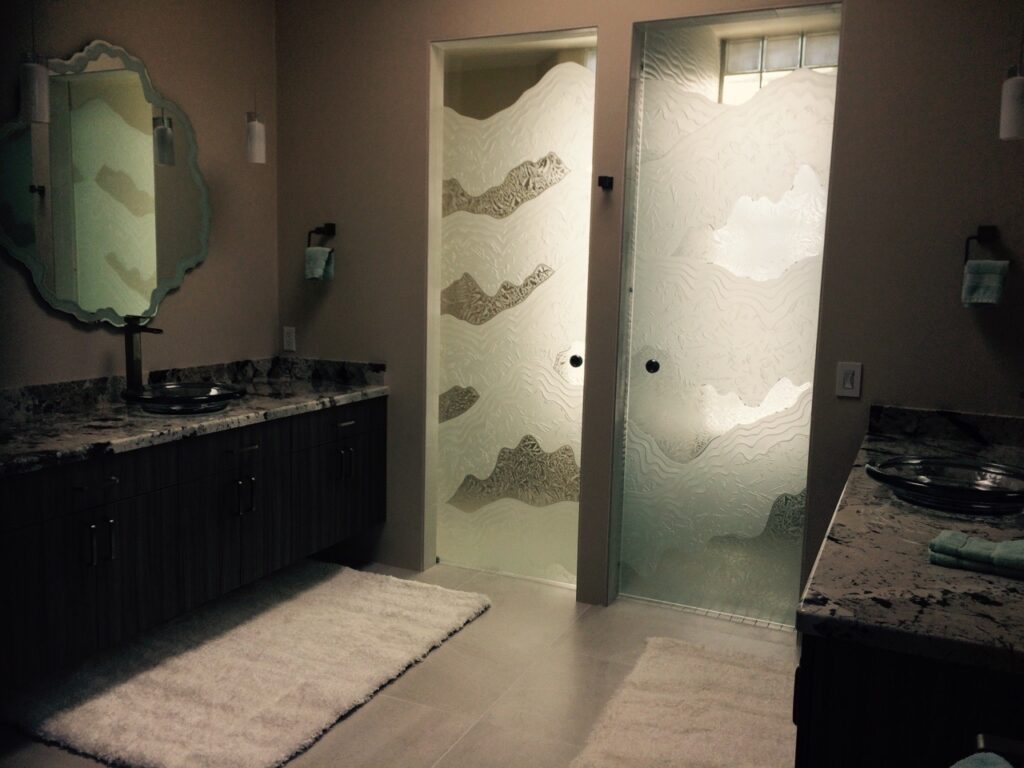
Dual entrance enclosures include two access points, often with doors on opposite sides. This design is ideal for larger bathrooms or shared showers, offering convenience and improved flow.
Pros
- Convenient for shared or large showers
- Improved traffic flow
- Luxurious, custom feel
Cons
- Requires a larger bathroom footprint
- Higher material and installation cost
- More hardware and seals to maintain
Steam Shower Enclosure
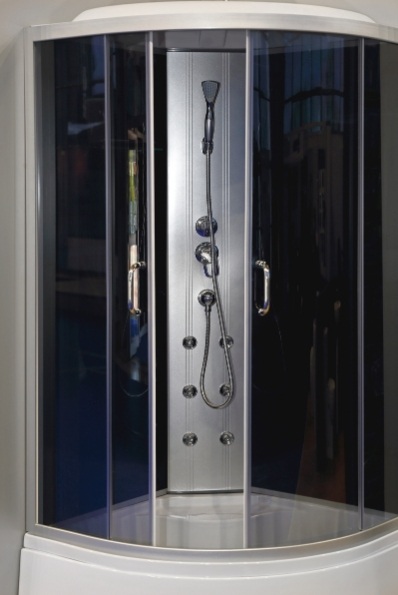
Steam shower enclosures are fully sealed systems designed to retain heat and steam. They typically include insulated glass, tight seals, and specialized hardware to support steam-generating systems.
Pros
- Spa-like experience at home
- Excellent heat and moisture retention
- Can add wellness value to the bathroom
Cons
- Must be fully sealed and professionally installed
- Higher upfront and operating costs
- Requires regular maintenance and ventilation
Benefits of a Shower Enclosure
Shower enclosures offer both practical and modern aesthetic advantages, making them a popular home improvement choice for homeowners upgrading their bathrooms.
Superior Water Containment
A shower glass enclosure is designed to fully contain water within the shower area. Glass panels, doors, and seals work together to reduce splashing and leaks, helping protect surrounding walls and flooring from moisture damage. Modern glass enclosures can create a warmer “cocoon-like” environment by capturing steam and improving heat retention. With proper drainage and a sealed design, shower enclosures deliver reliable performance day after day.
Cleaner, More Modern Look
With sleek glass panels and minimal hardware, shower enclosures create a refined, contemporary appearance. They eliminate the visual clutter of curtains and liners, giving the bathroom a more polished, upscale feel.
Increased Light & Openness
Glass shower enclosures allow natural and artificial light to flow freely through the space. This makes bathrooms feel larger and brighter, especially when compared to enclosed walls or opaque barriers. Thoughtful glass selection by design experts ensures the right balance of light, privacy, and visual flow.
Easier Maintenance
Unlike shower curtains that trap moisture and require frequent replacement, shower enclosures are easy to maintain. Smooth glass surfaces resist mildew buildup and can be cleaned quickly with routine care. Shower enclosures often feature protective coatings that repel soap scum, limescale, and bacteria, making them resistant to mold.
Increased Home Value
A well-designed shower glass enclosure is often viewed as a premium bathroom feature. Its durability, modern visual appeal, and long-lasting functional features enhance overall bathroom quality and add value to the home. As a smart home improvement upgrade, it can increase buyer appeal.
Common Shower Enclosure Layouts
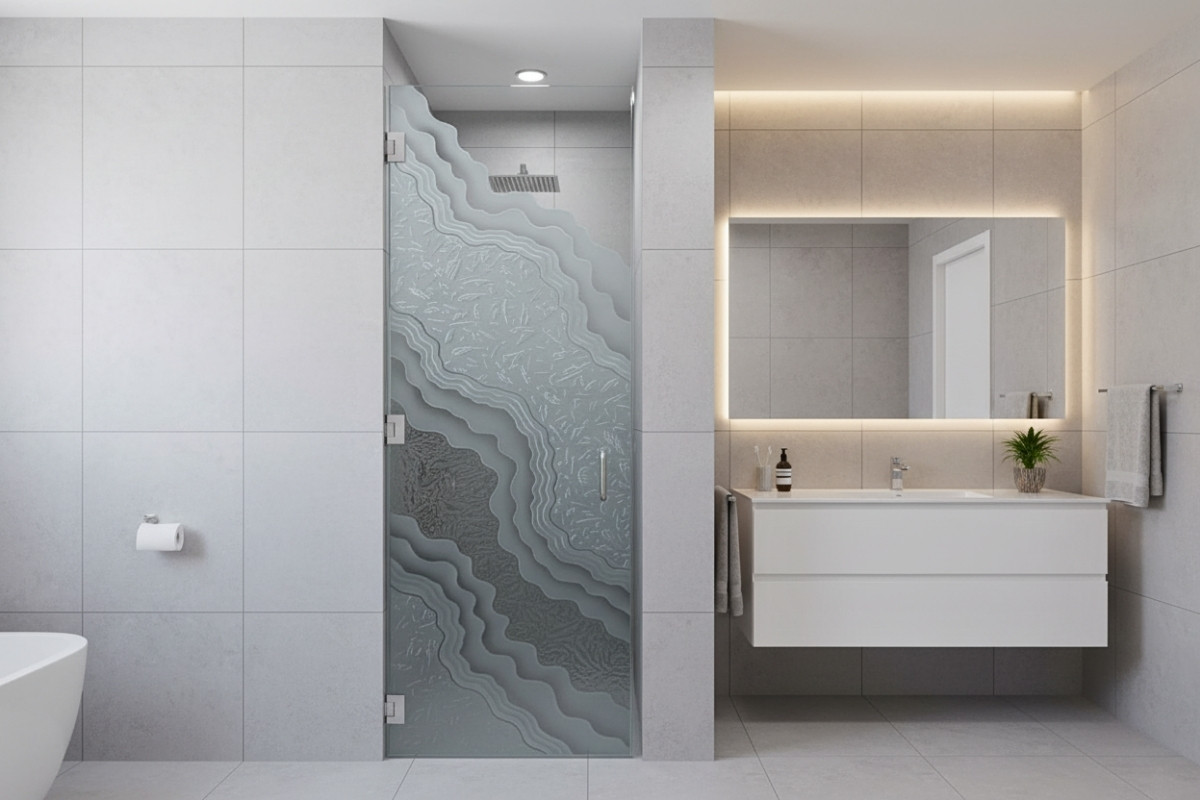
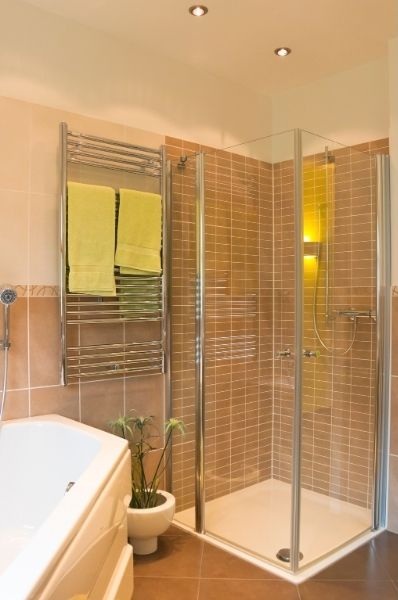
Shower enclosures can be designed to fit a wide range of bathroom sizes and floor plans. Choosing the right layout helps maximize space, comfort, and bathroom’s functionality.
Alcove Shower Enclosures
Alcove enclosures are installed between three walls, with glass enclosing the open front. This is one of the most common layouts and works well in both small and large bathrooms.
Corner Shower Enclosures
Corner enclosures fit neatly into a bathroom corner using two glass panels and a door. They are space-efficient and ideal for bathrooms where maximizing floor area is a priority.
Walk-In Shower Glass Enclosures
Walk-in enclosures feature an open entry with minimal or no door. Often paired with a fixed glass panel or partition, this layout creates a modern, spa-like feel and works well in larger bathrooms.
How Much Space Do You Need for a Shower Enclosure?
The amount of shower space needed depends on comfort, layout, and local building requirements, but there are general guidelines most homeowners can follow.
- Minimum Size: Many shower enclosures start at 36″ x 36″, which provides basic comfort for daily use
- More Comfortable Sizes: Larger enclosures such as 42″ x 60″ allow for easier movement and a more open feel
- Door Clearance: Hinged doors require additional clearance, while sliding doors are better for tight spaces
- Ceiling Height: Standard shower enclosures typically require at least 80 inches of height, though taller designs are common
- Walk-In Designs: Walk-in shower enclosures benefit from extra width to reduce water splash and improve accessibility
Proper sizing ensures the shower enclosure functions well, feels comfortable, and integrates smoothly into your bathroom layout. A full enclosure combines functional features with refined style for everyday comfort and long-term reliability.
Design Considerations
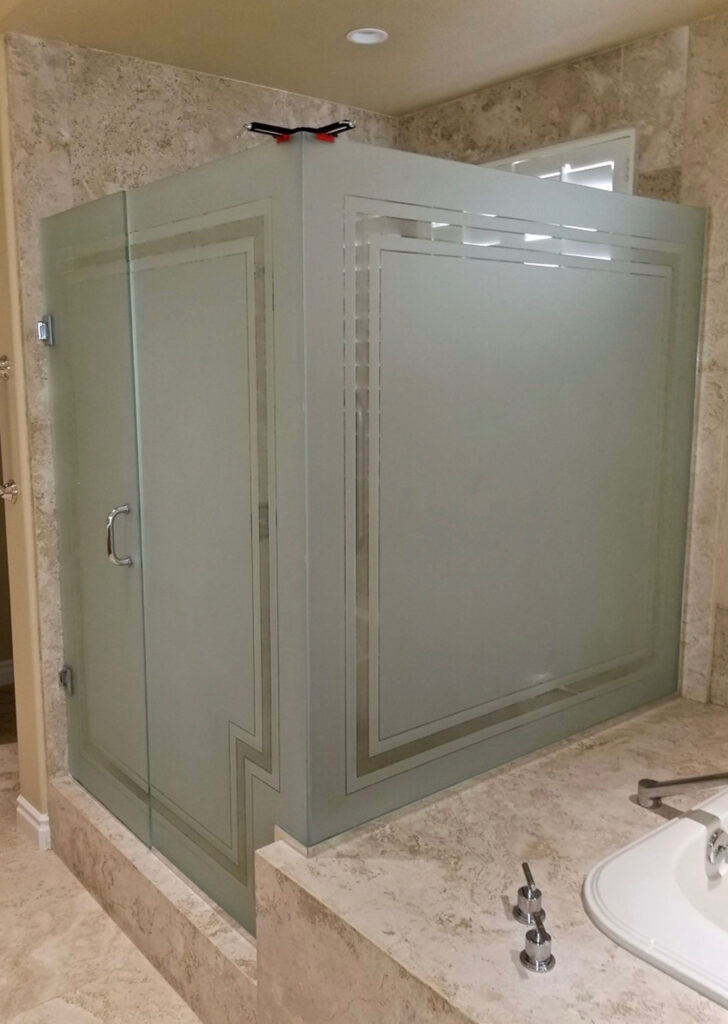
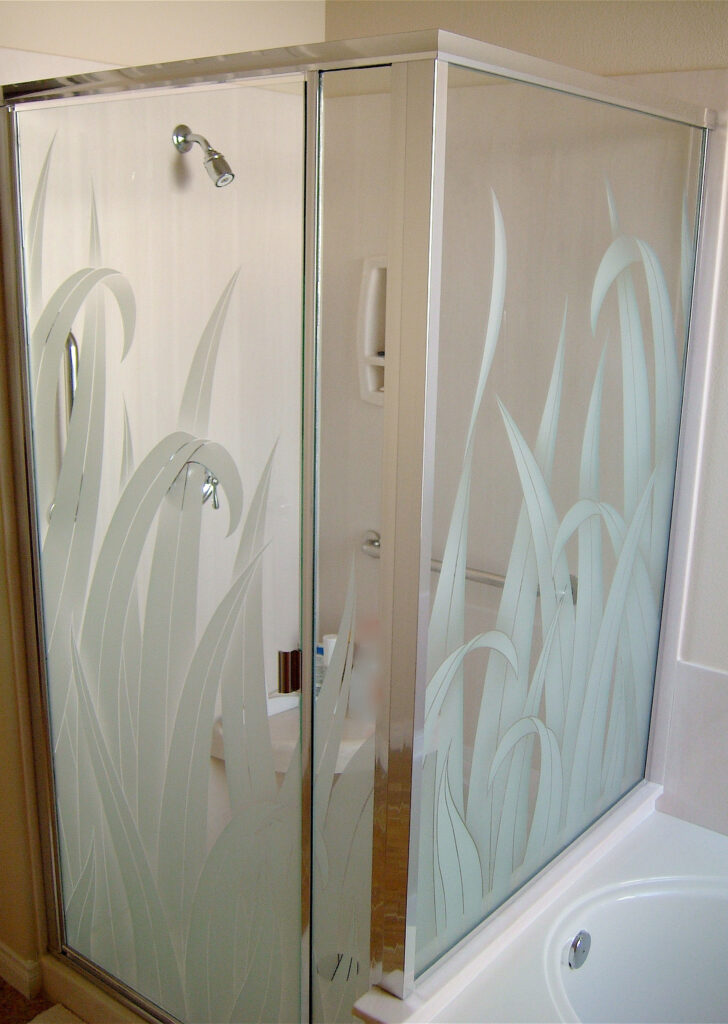
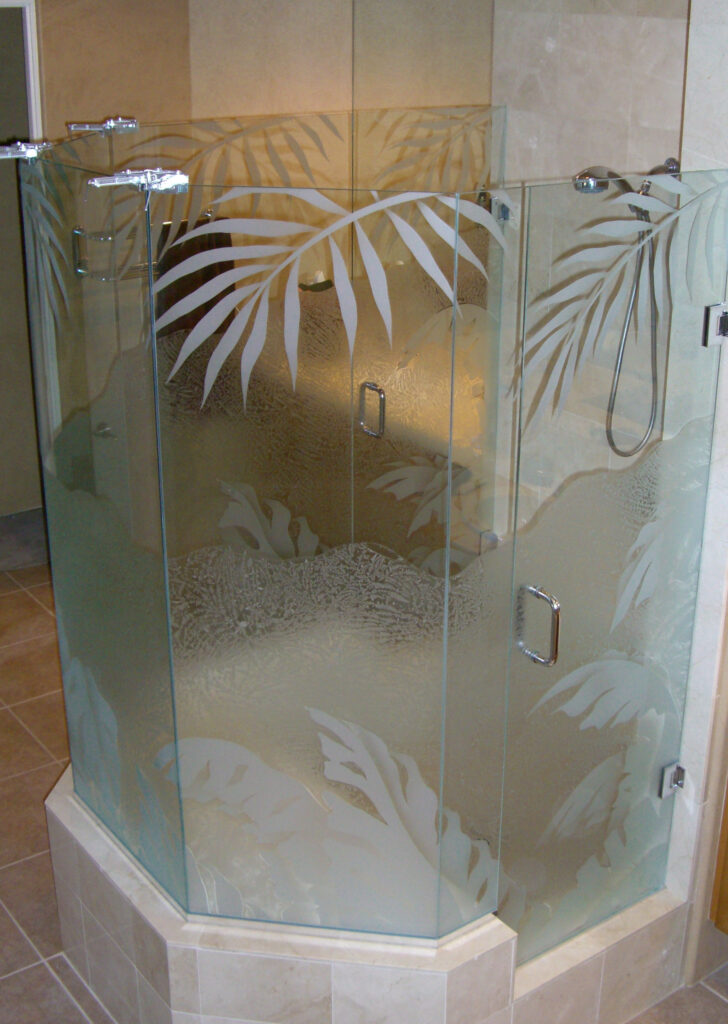
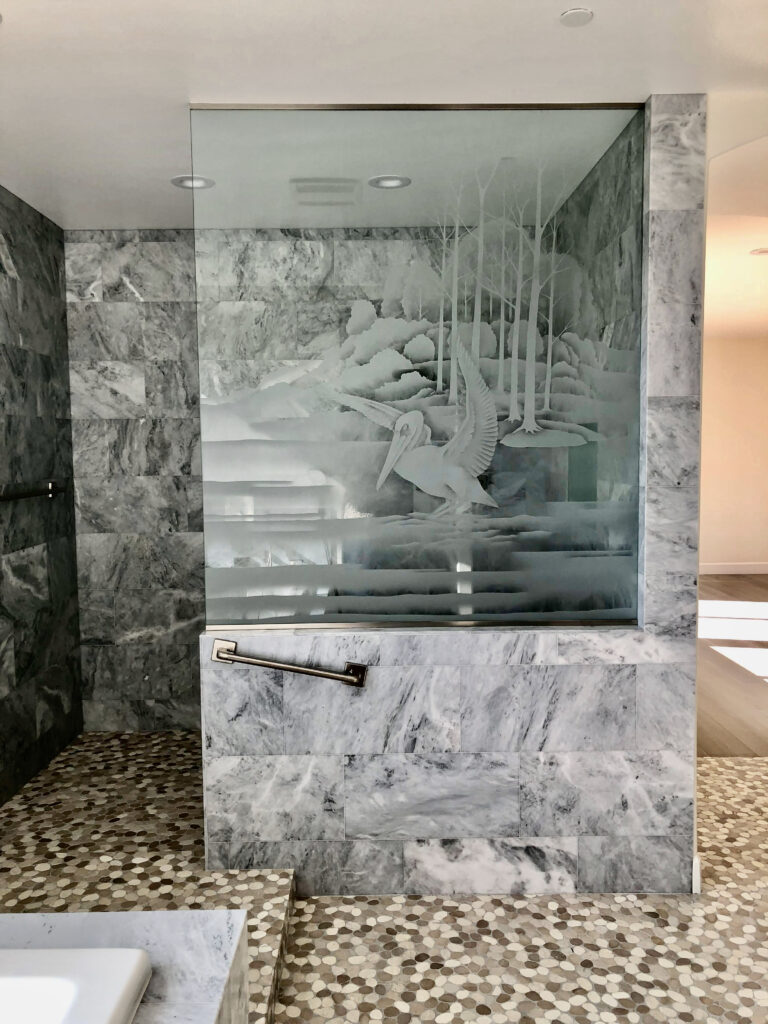
When choosing a shower enclosure, it’s important to balance style, function, and practicality. Consider how the enclosure will complement your bathroom’s overall design, including tile, fixtures, and lighting. Door style and layout should suit the available space, ensuring comfortable entry and movement. The result is a sense of luxury that instantly elevates the space and contributes to a more spa-like atmosphere.
Glass choice also plays a key role—clear glass emphasizes openness, while frosted or decorative glass adds privacy and visual interest.
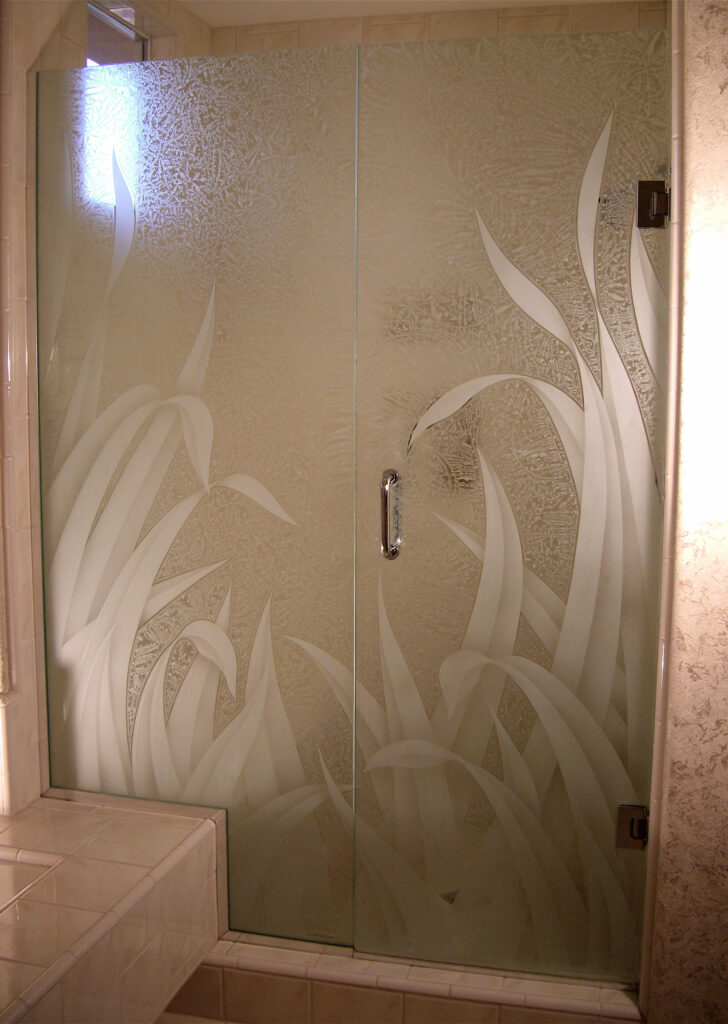
- Textured glass patterns such as frosted glass showers or rain glass are popular for added privacy and aesthetics.
- Transparent glass enclosures make small bathrooms feel larger and more open due to the allowance of visual continuity across the space.
- Frameless and semi-frameless designs emphasize clean lines, helping the enclosure blend seamlessly into modern bathroom layouts.
- Shower enclosures pair especially well with neutral palettes like white, off white, and soft stone tones, allowing the glass to enhance light and openness.
Finally, think about long-term use, maintenance, and accessibility to ensure the enclosure fits your lifestyle as well as your design goals.
Glass Options for Shower Enclosures
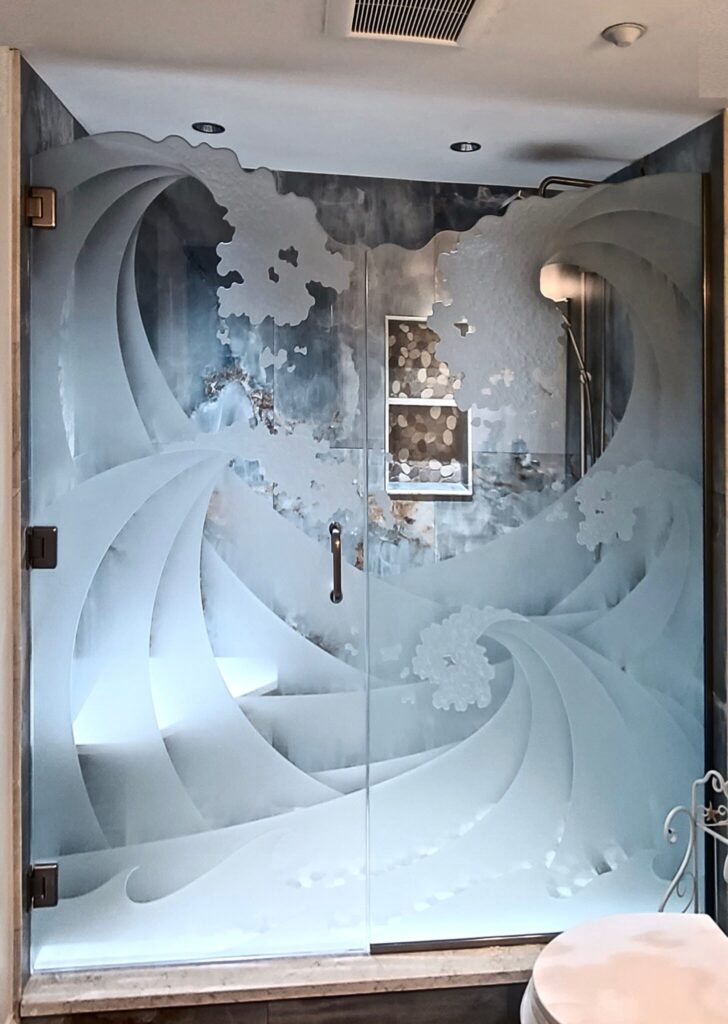
Choosing the right glass plays a major role in the look, privacy level, and performance of a shower enclosure. Common glass options include:
- Clear Glass – Creates a bright, open feel and showcases tile and existing fixtures
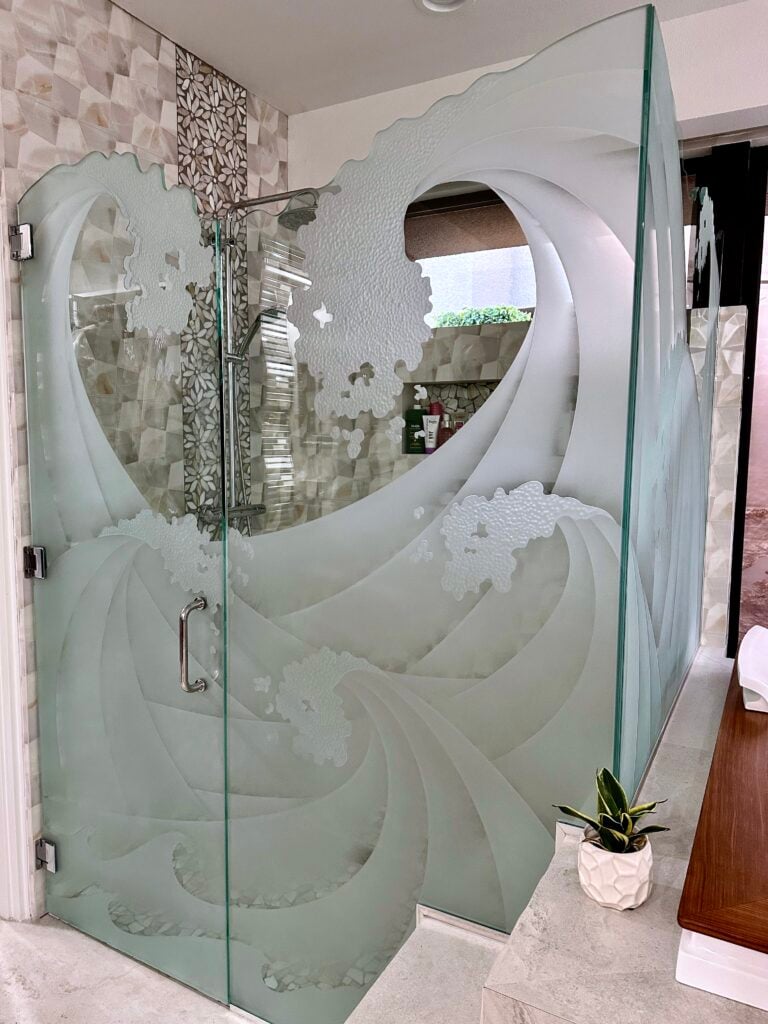
- Frosted Glass – Provides privacy while still allowing light to pass through
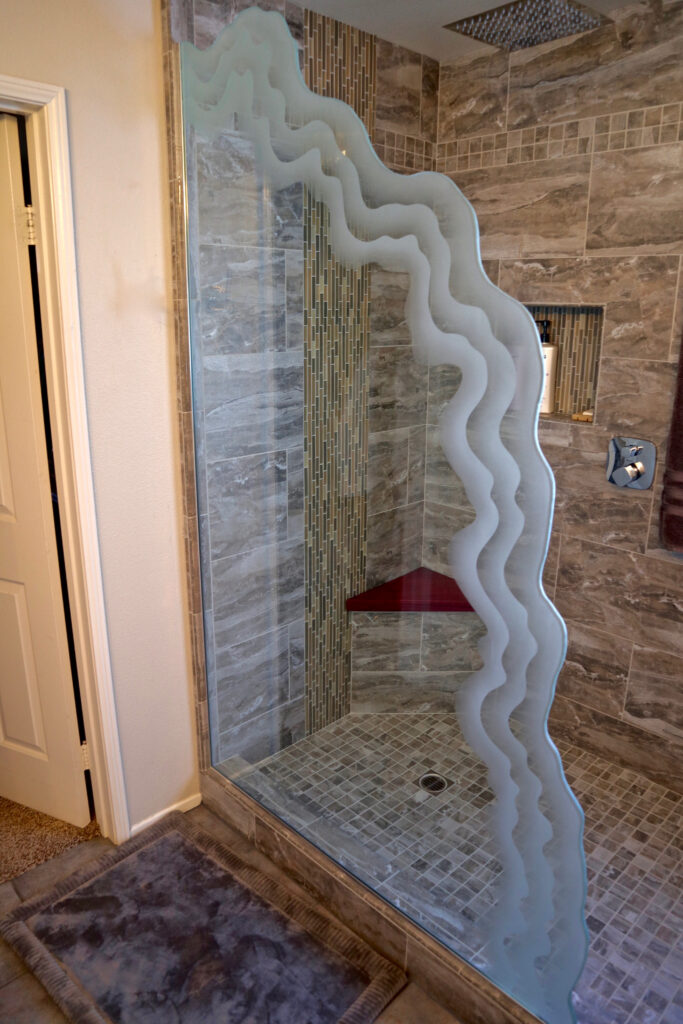
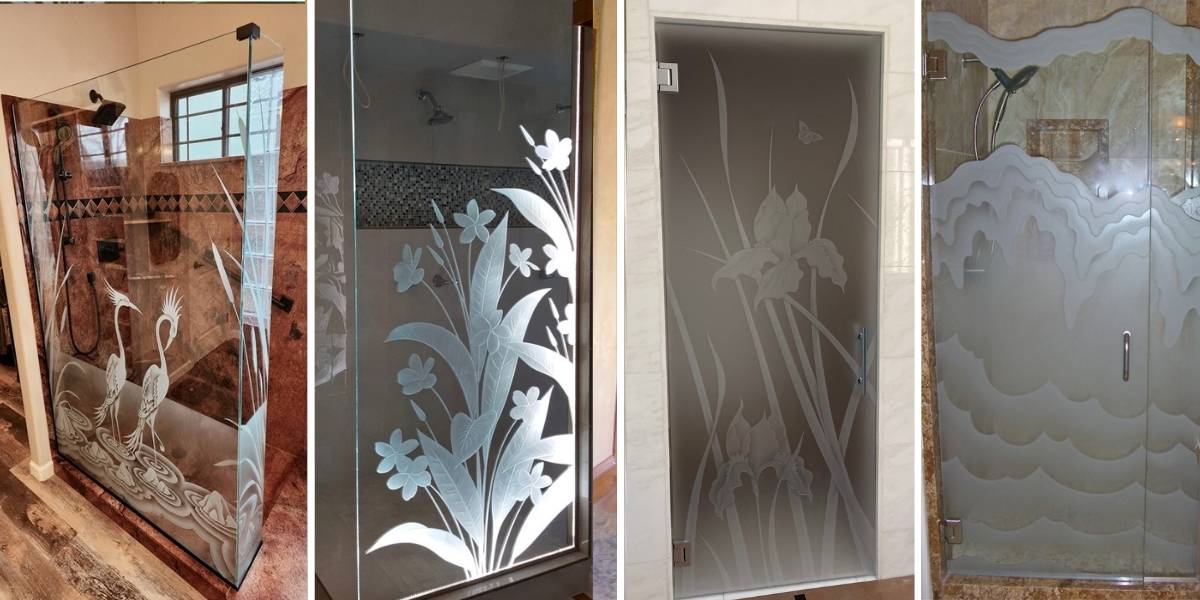
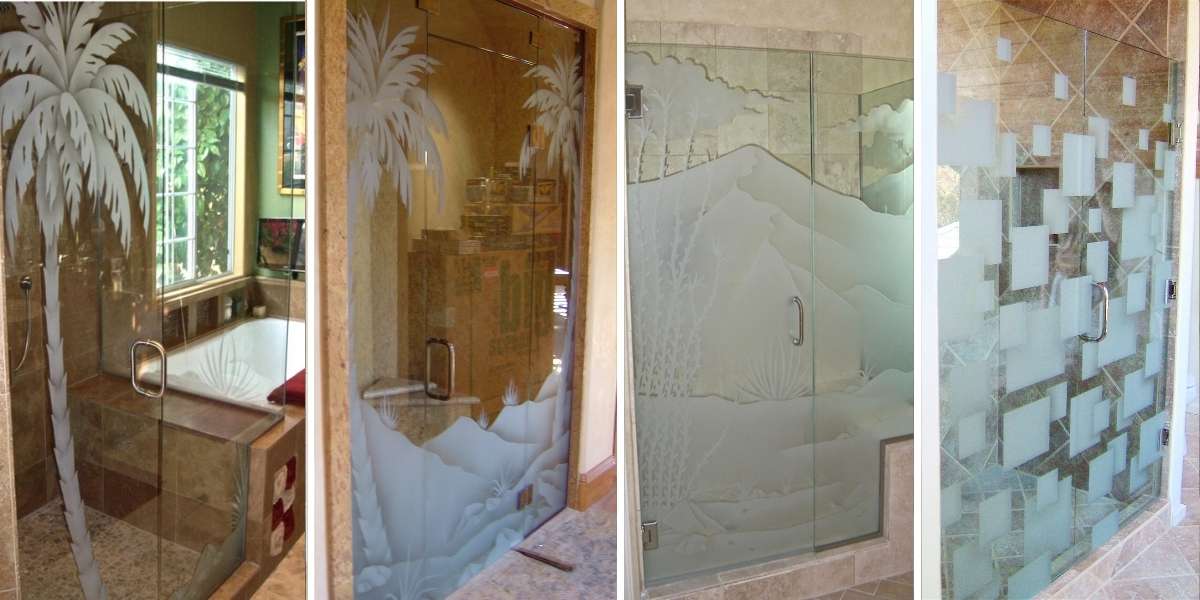
- Etched Glass – Features decorative designs permanently sandblasted into the glass
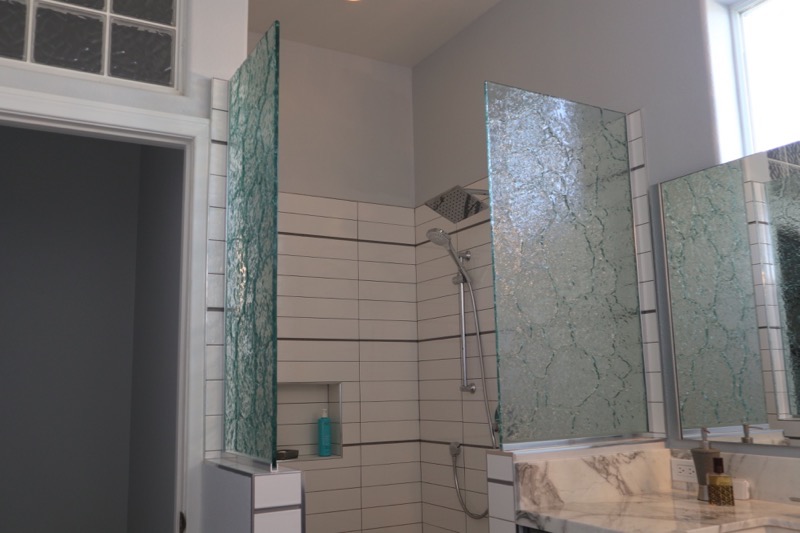
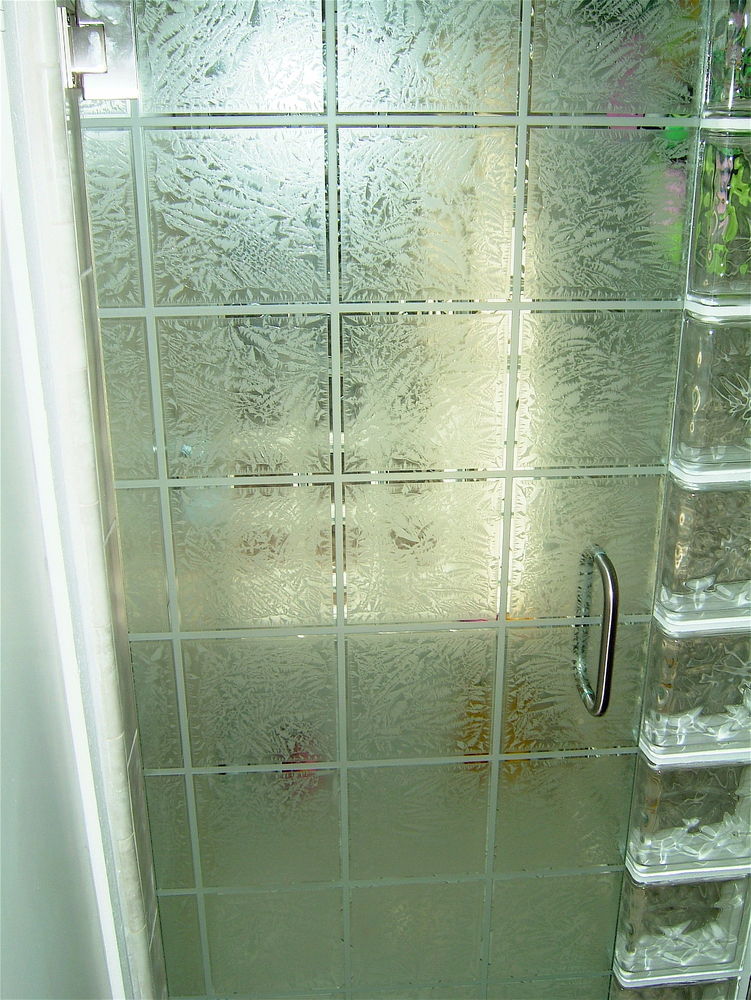
- Patterned Glass – Patterned and textured glass surfaces that obscure visibility and add visual interest
- Low-Iron Glass – Offers extra clarity with minimal green tint for a true, clean look
- Tinted Glass – Subtle color tones that add style while reducing visibility
- Decorative Glass – Custom designs that combine privacy, texture, and artistic detail
Each glass option offers a different balance of privacy, light transmission, and design flexibility, allowing homeowners to tailor their shower enclosure to their personal style and functional needs.
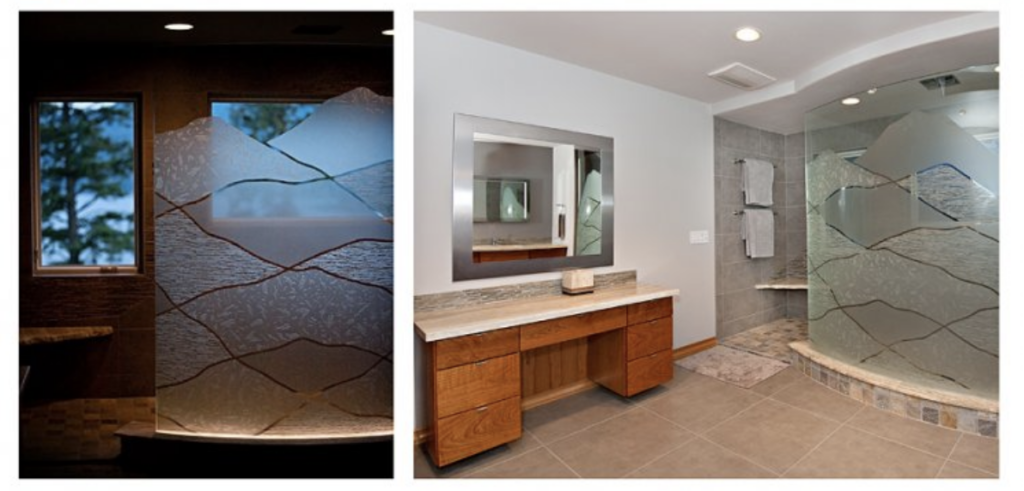
Factors That Affect The Cost of Custom Enclosures
- Size and shape of enclosure
- Glass type and thickness
- Type of door (sliding, hinged, bi-fold)
- Custom versus standard build
- Additional features like coatings or built-in storage
Key Differences Between Shower Doors, Shower Cubicles, and Shower Enclosures
While the terms are often used interchangeably, cubicles, shower doors, shower cubicles, and shower enclosures refer to different types of shower setups. They all provide enclosed spaces for showering. Understanding the differences can help you choose the best option for your bathroom layout, budget, and design goals.
Quick Comparison Overview
- Shower Doors: Glass door only; relies on existing walls
- Shower Cubicles: Pre-built unit with walls, base, and door
- Shower Enclosures: Glass panels and doors forming a complete, custom-fitted system
Shower Doors
Shower doors are glass doors installed onto an existing shower opening, typically between tiled walls. They do not include side panels or structural components and rely on the surrounding walls to contain water. Bathroom shower doors are a good choice when the shower space is already fully built and only needs a glass door for access.
Shower Cubicles
Shower cubicles are prefabricated, self-contained units that include walls, a base, and a door. They are often made from acrylic or fiberglass and are designed for quick installation. While functional and budget-friendly, cubicles offer limited customization and a more utilitarian appearance.
Shower Enclosures
Shower enclosures are custom or semi-custom glass systems that use panels and doors to fully enclose the shower area. Unlike cubicles, custom enclosures do not rely on molded walls and are typically installed over tiled surfaces. Shower enclosures provide greater design flexibility, improved durability, and a more refined, modern look.
Installation Tips

Before installation, confirm whether your shower enclosure will use standard sizes or require custom measurements, as this affects both fit and performance. Because shower enclosures come in various types and configurations, it’s important to plan the layout carefully to ensure proper door clearance, water containment, and ease of use.
Glass selection and panel placement can also be adjusted for more privacy, depending on your needs. If your design includes features like built-in seating or bath tub, make sure the enclosure is positioned to maintain accessibility while preserving a clean, functional layout. Frosted glass showers are an excellent option for enhancing privacy while still allowing light to pass through.
Some shower enclosures are designed for DIY installation, but hiring a professional is recommended for proper sealing and water containment.
Maintenance & Cleaning Tips
Proper care helps your shower enclosure maintain its appearance and performance while protecting the surrounding room from moisture. After each use, a quick wipe-down with a squeegee helps reduce water spots and keeps the glass looking clear. Regular cleaning with a gentle, non-abrasive glass cleaner prevents buildup without damaging seals or hardware.
It’s also important to check seals and sweeps periodically to ensure water stays inside the enclosure. Promptly addressing worn seals or drainage issues helps prevent water damage to nearby walls and floors, preserving both the shower enclosure and the overall condition of your bathroom.
Frequently Asked Questions
What is a glass shower enclosure?
A glass shower enclosure is a fully contained shower system made of glass panels and a door designed to keep water inside the shower area. It creates a clean, finished look while improving water control, durability, and overall bathroom aesthetics.
Is a shower enclosure right for your bathroom?
A shower enclosure is a great option if you want a modern look, better water containment, and easier maintenance. They work well in both small and large bathrooms and can be tailored to fit different layouts, styles, and privacy needs.
How much does a shower enclosure cost?
The cost of a shower enclosure varies based on size, glass type, framing style, and level of customization. Basic framed enclosures are typically more affordable, while custom frameless designs with specialty glass and hardware fall at a higher price point.
Can you customize a shower enclosure?
Yes, shower enclosures can be fully customized. Options include custom sizing, glass type, privacy level, door style, and hardware finishes to match your bathroom’s design and functional requirements.
How long does a shower enclosure last?
A well-made shower enclosure can last for decades. Tempered glass is highly durable, and with professional installation and routine maintenance, the enclosure and hardware can perform reliably for many years.
How do you clean and maintain a shower enclosure?
Shower enclosures are easy to maintain with regular cleaning. Using a squeegee after showers, gentle glass cleaners, and avoiding abrasive tools helps keep the glass clear and prevents buildup over time.
Is a shower enclosure better than a curtain?
For many homeowners, yes. Shower enclosures provide better water containment, a cleaner appearance, improved durability, and easier maintenance compared to shower curtains, which often trap moisture and require frequent replacement.
Are shower enclosures waterproof?
Shower enclosures are designed to be water-resistant and highly effective at containing water when properly installed. Seals, sweeps, and precise glass alignment help prevent water leakage during normal use.
Do shower enclosures leak?
A properly designed and installed shower enclosure should not leak. Issues typically occur only if seals wear out over time or if installation is incorrect, both of which are easily addressed with routine maintenance.
What’s the difference between a shower enclosure and other shower stalls?
The main difference between a shower enclosure and standard shower stalls is construction and customization. Shower stalls are often prefabricated units with molded walls, while many enclosures use glass panels installed over tile for a more refined look. Shower enclosures offer greater flexibility in size, materials, and overall bathroom decor. Frameless shower enclosures require heavier glass, making professional installation advisable due to the complexity.
What is a tub shower enclosure?
A tub shower enclosure is a glass enclosure installed around a bathtub to contain water when the tub is used as a shower. It typically includes fixed glass panels and/or a glass door mounted along the tub’s edge, replacing a shower curtain. Tub shower enclosures help improve water containment, reduce splashing, and create a more finished, durable shower setup while still allowing the bathtub to be used normally.
Does a shower enclosure require a shower base or tray?
Yes, most enclosures are installed over a shower base or shower tray designed to direct water toward proper drainage. The base works with the enclosure to protect the bathroom floor from moisture and ensures long-term water control. Some custom designs may also be installed over tiled floors with a built-in slope.
Do shower enclosures require professional installation?
In most cases, shower enclosures require professional installation to ensure proper alignment, sealing, and drainage. Correct installation is critical for preventing leaks and protecting surrounding materials. Because glass panels are heavy and precise, proper installation also ensures safety and long-term performance.
How do I choose the right enclosure and door type for my space?
Choosing the right enclosure depends on your bathroom’s layout, available square footage, and how the door will function in the space. Hinged doors work well in larger bathrooms, while sliding doors are ideal for tighter layouts. The door type should allow easy access without interfering with fixtures or traffic flow.
Can shower enclosure hardware match my bathroom decor?
Yes, shower enclosure hardware is available in a range of finishes to complement your bathroom decor and built-in shelving. Popular options include matte black and brushed nickel for a clean, modern look. Oil rubbed bronze and chrome for warmer, more traditional spaces. Coordinating hardware helps the enclosure feel intentional and cohesive within the overall design.
Can a shower enclosure be custom sized?
Yes, shower enclosures can be custom sized to fit unique spaces, including non-standard layouts, remodels, and walk-in designs. Custom sizing ensures a precise fit and optimal performance.
Final Thoughts
Understanding what is a shower enclosure makes it easier to choose a solution that enhances both the function and style of your bathroom. Shower enclosures offer better water control, a cleaner look, proper drainage, and long-term durability. With a wide range of layouts, glass options, and customization possibilities, full enclosures can be tailored to fit nearly any space requirements or design preference.
Whether you’re planning a full remodel or upgrading an existing shower, a thoughtfully designed shower enclosure provides a lasting combination of comfort, beauty, and performance.
About Sans Soucie Art Glass
Founded in 1976, Sans Soucie Art Glass is a nationally recognized studio specializing in handcrafted decorative glass. Known for precision sandblast etching, carving, and custom frosted glass designs, every piece is made by hand to order. From shower enclosures and doors to windows and architectural glass, Sans Soucie Art Glass blends artistry, craftsmanship, and durability to create timeless glass features that balance privacy, light, and design.


Sans Soucie Art Glass: Decorative, Custom & Frosted Glass Doors, Windows, Showers & Stained Glass Since 1976
Family-owned and operated since 1976, Sans Soucie Art Glass leads the industry in decorative glass and custom glass design — from sandblast frosted glass and carved glass to hand-painted and stained glass art — transforming ordinary glass into Works of Art Captured in Glass recognized worldwide.
Innovative Frosted Glass Door Designer Tool
In 2010, we invented and launched our Frosted Glass Pantry Door Designer – a fun, easy-to-use tool that makes it simple for anyone to design and customize not only pantry doors, but a wide range of frosted glass doors for every room.
Explore our Frosted Glass Doors Collection
Our custom frosted glass doors include a beautiful variety for every style and space:
- Pantry Doors
- Frosted Glass Interior Door
- Interior Doors with Frosted Glass
- Frosted Glass French Doors
- Frosted Glass Front Door
- Front Doors with Frosted Glass
- Interior Glass Doors
- Glass Barn Doors
- Frosted Glass Barn Door
- Sliding Glass Barn Door
- All Glass Doors Interior
- All Glass Front Doors
- Bathroom Doors with Frosted Glass
- Laundry Room Doors
- Wine Room Doors
If you already have a door, and only need the glass insert, we also offer:
- Frosted Glass for Interior Doors
- Door Glass Inserts for Front Doors
- Glass Panels for Pantry Doors
- Frosted Glass Inserts for Bathroom Doors
- Laundry Room Door Glass Inserts
- Glass Panels for Interior Wine Cellar Doors
Elegant Frosted Glass Throughout Your Home
While our frosted glass doors are a top choice, we also create stunning glass products for every area of your home, including:
- Frosted Glass Shower Doors
- Glass Shower Partition
- Frosted Glass Shower Panel
- Frosted Glass Showers
- Frosted Glass Windows
- Bathroom Window Frosted Glass
- Decorative Window Glass, Window Frosting
- Custom Glass Dining Table
- Custom Glass Coffee Table
- Glass Shelves, Custom Glass Shelves
- Hand Carved & Painted Mirrors
- Frosted Glass Signs, Etched Glass Signs
- Cabinet Door Glass Inserts, Frosted Glass Inserts for Cabinet Doors
- Glass Wall Art, Wall Art on Glass
Looking for Inspiration? Explore Our Galleries
Discover visual idea boards, style concepts, décor applications, real project photos, and helpful information in our expanding gallery collection:
- Custom Glass
- Custom Glass Edges
- Custom Mirror
- Decorative Glass
- Decorative Glass Doors
- Decorative Glass Front Doors
- Decorative Glass Interior Doors
- Decorative Glass Window
- Stained Glass
- Stained Glass Doors
- Stained Glass Front Doors
- Stained Glass Windows
Free Shipping. Expert Packing, Peace of Mind
With FREE SHIPPING on most orders and worldwide delivery from our studio in Palm Desert, California, every order is packed in-house by our expert glaziers using custom materials and proven methods — ensuring safe arrival with a damage rate of less than 1%!
Explore our complete frosted glass doors collection and find the perfect frosted glass door for your space. Have questions? Contact us today!
Copyright © 2025, Sans Soucie Art Glass. All rights reserved.