How to Replace a Front Door: A Simple Step-by-Step Guide
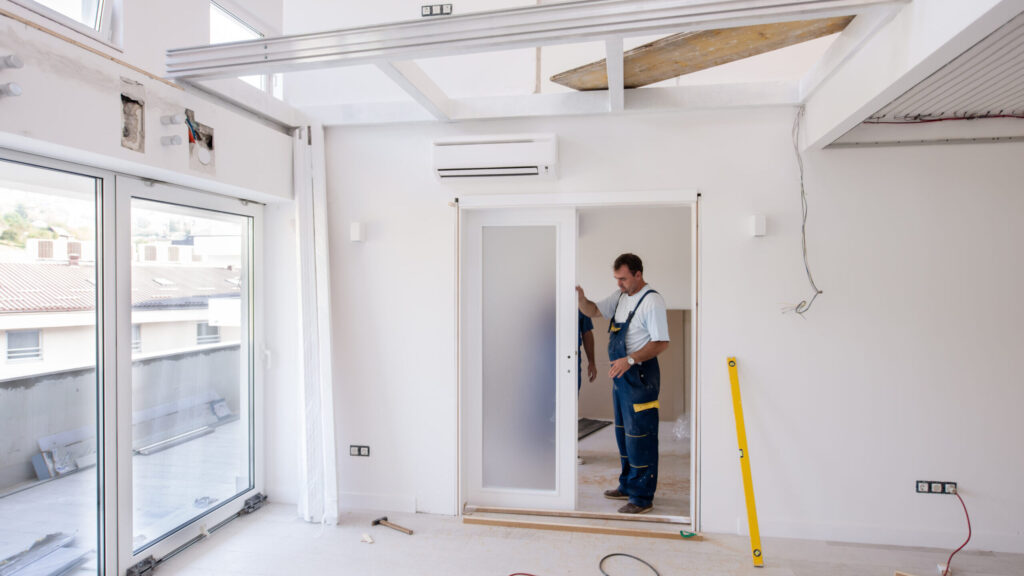
Replacing your front door is one of the most effective ways to boost curb appeal and improve your home’s energy efficiency. While it might seem like a daunting DIY project, understanding how to replace a front door boils down to a few precise steps.
This guide focuses on installing a pre-hung door, which comes already attached to the frame. Installing a pre-hung door is the easiest option for most homeowners.
▶️ Watch: If You Have a Fiberglass Door, Here’s How to Replace the Glass
If you have a fiberglass front door, watch this video to learn how to safely remove the existing glass and install a new panel, step by step.
Tools and Materials for Your Front Door Replacement
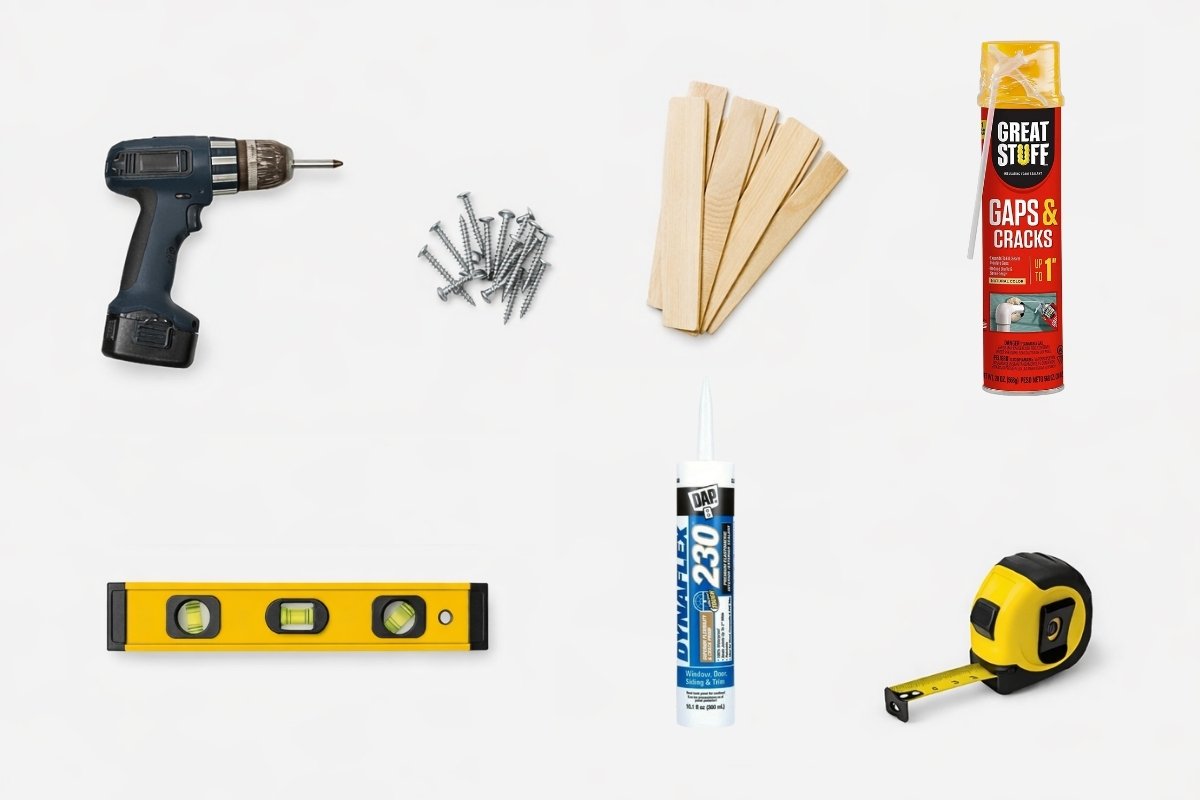
Before you begin, gather these essentials:
- New pre-hung front door
- Hammer and nails (or a power drill and screws)
- Spirit level
- Wooden shims
- Expanding foam insulation or fiberglass batting
- Exterior-grade caulk
- Measuring tape
Step 1: Measure Your Opening
Before buying your replacement door, you must ensure it fits. Measure the width and height of your current door frame from the inside to determine your door size.
Pro Tip: Measure in three places (top, middle, bottom) and use the smallest dimension to ensure the new unit fits into the “rough opening.”
Get Your Glass Measurements Right the First Time!
Don’t guess when it comes to sizing your glass panels—use our Square Footage Calculator to find the total square footage and our Glass Size Calculator to get the exact dimensions you need for a perfect fit. Accurate measurements lead to flawless door installations!
Step 2: Remove the Old Door and Trim
Start by popping the hinge pins with a hammer and screwdriver to lift the old door off. Next, use a pry bar to carefully remove the interior and exterior trim. Finally, unscrew the old door frame (the jamb) from the wall studs and remove the entire unit.
Step 3: Prep the Subsill
Check the floor where the door sits. It must be perfectly level. If it isn’t, use shims or a leveling compound. Apply three thick beads of exterior caulk across the doorsill to create a watertight seal before setting the new door in place.
Step 4: Set the New Door in the Opening
With a partner’s help, lift the new pre-hung door into the opening. Tilt the bottom in first, then the top.
Important: Ensure the door is “plumb” (perfectly vertical) and “square.” Use wooden shims between the door frame and the wall studs to adjust the fit.
Step 5: Secure the Frame
Once the door is level, drive 3-inch screws through the hinges and into the wall studs. This provides the structural support needed to keep the door from sagging over time. Check the swing of the door; if it sticks, adjust your shims.
Step 6: Insulate and Seal
Fill the gaps between the door frame and the house frame with low-expansion spray foam. Once dry, replace your interior and exterior trim. Apply a final bead of caulk around the exterior trim to prevent air leaks and water damage.
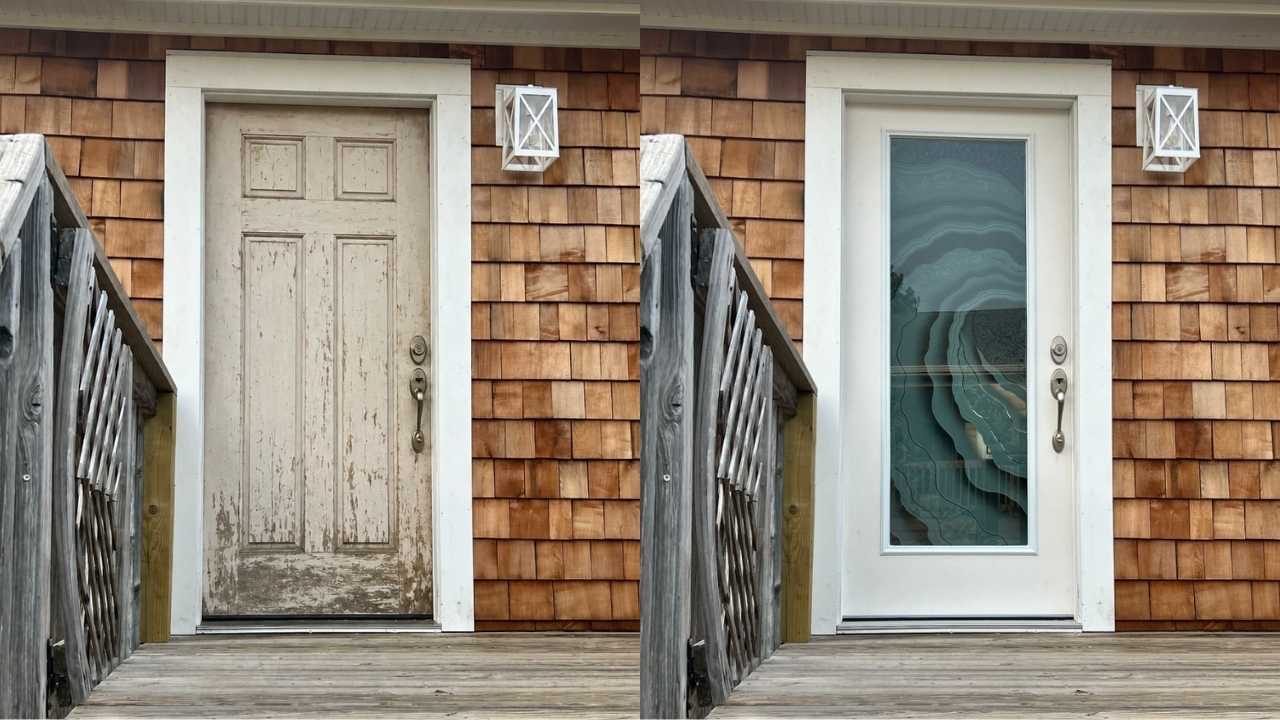
Before and After
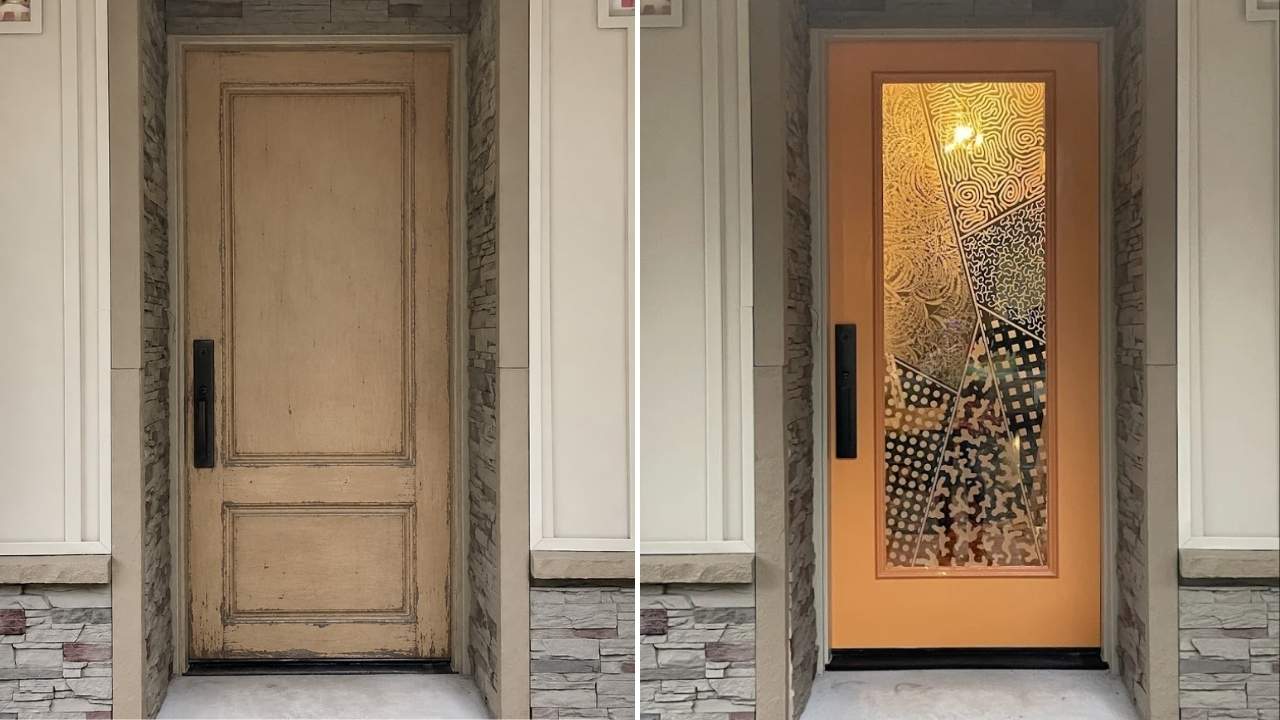
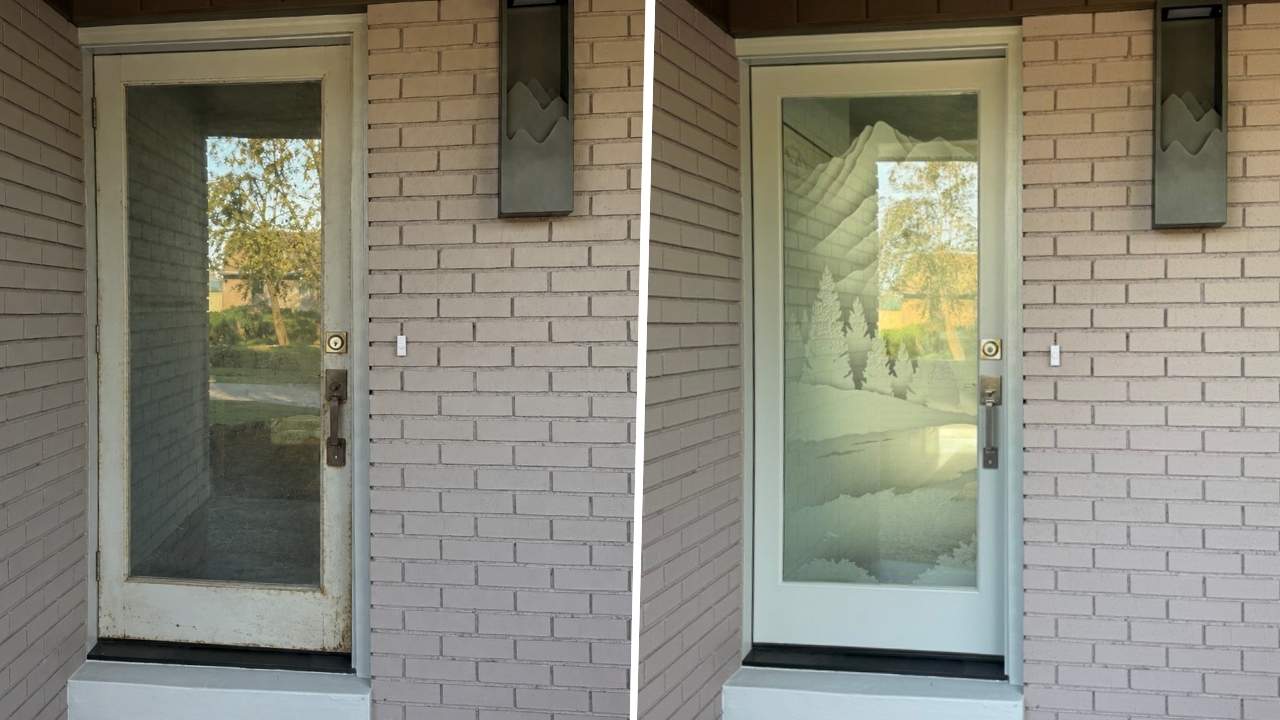
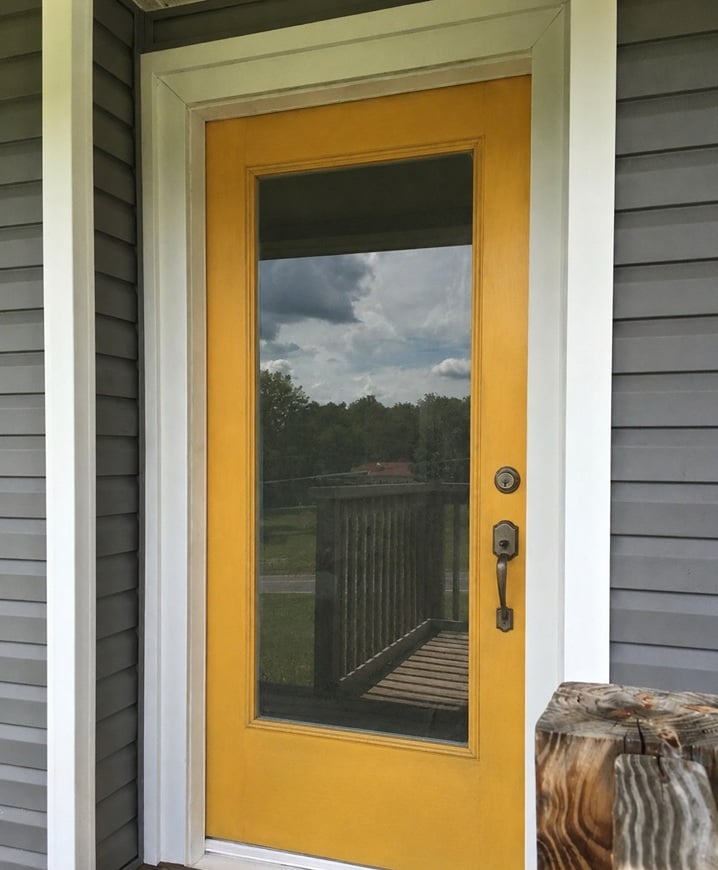

Why DIY Your Front Door Replacement?
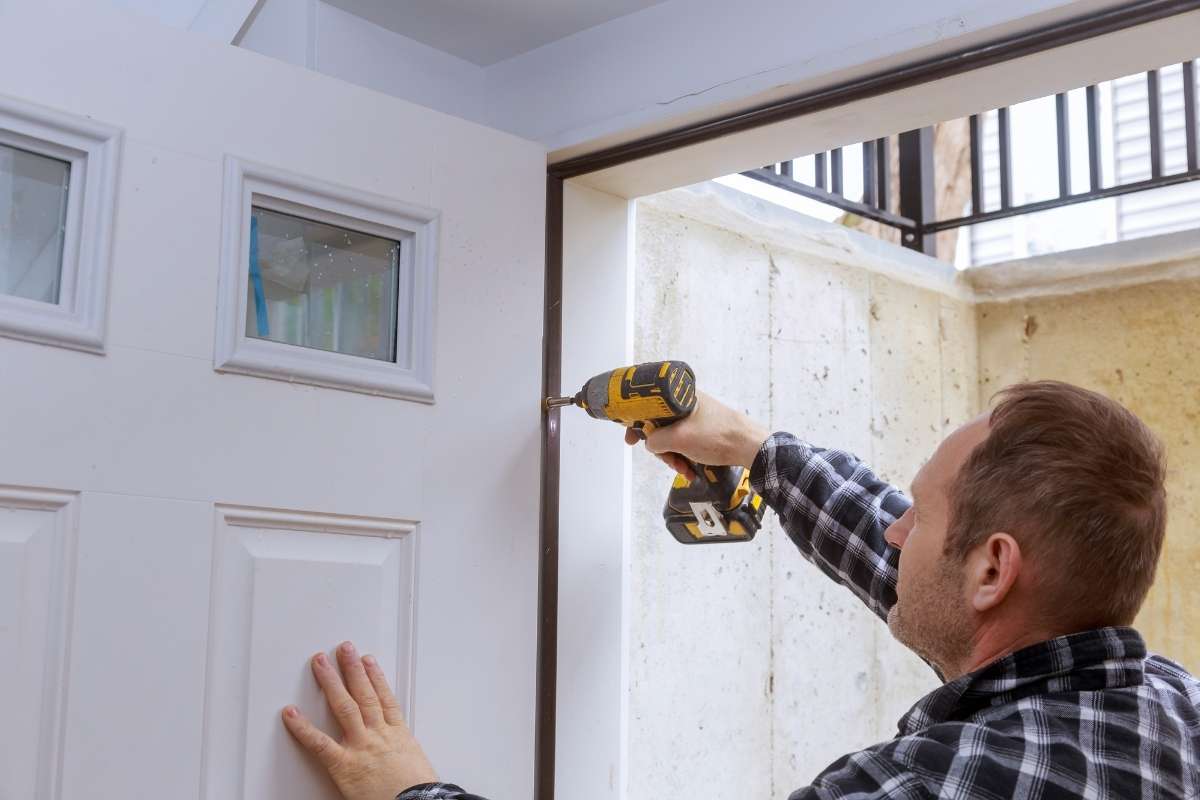
Learning how to replace an entry door can save you hundreds of dollars in labor costs. Plus, a properly installed door eliminates drafts, lowering your monthly energy bills.
Always check your local building codes or HOA guidelines before changing the style or color of your front entrance.
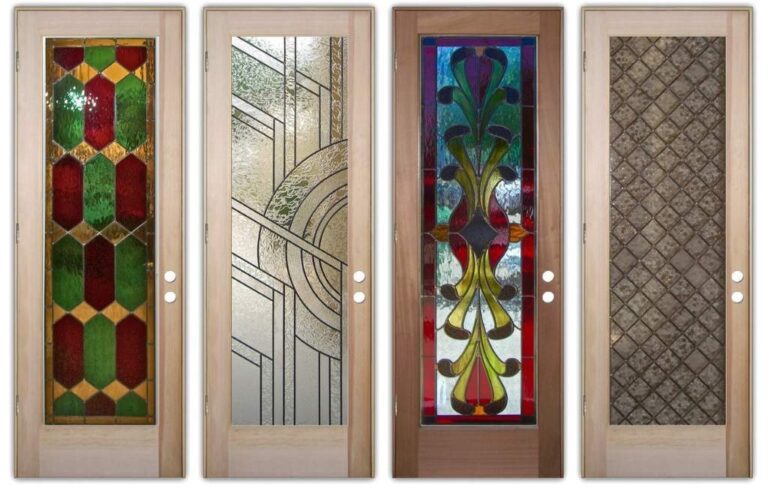
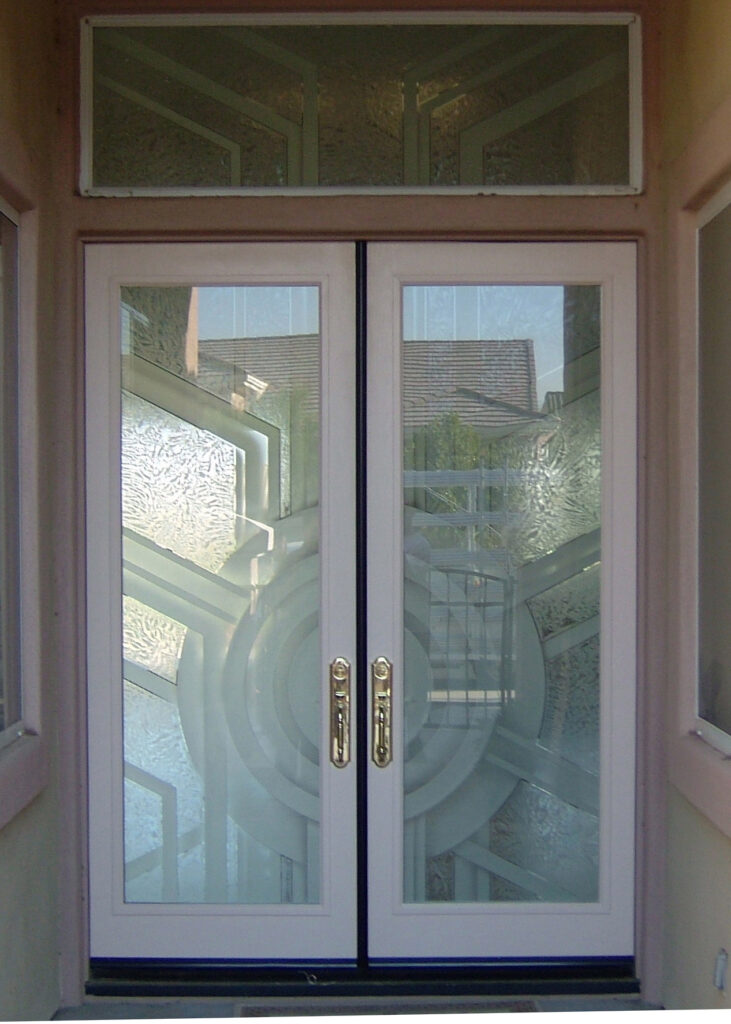
Expert Upgrade: If you are looking to increase your home’s value, glass front doors are a top choice for 2025. They provide an instant contemporary facelift and work beautifully with both modern and craftsman-style homes.

Final Notes
By following these steps, you can achieve a professional-grade installation that saves you hundreds in labor costs. Learning how to replace a front door is about improving your home’s security, stopping expensive energy leaks, and creating a welcoming entrance.
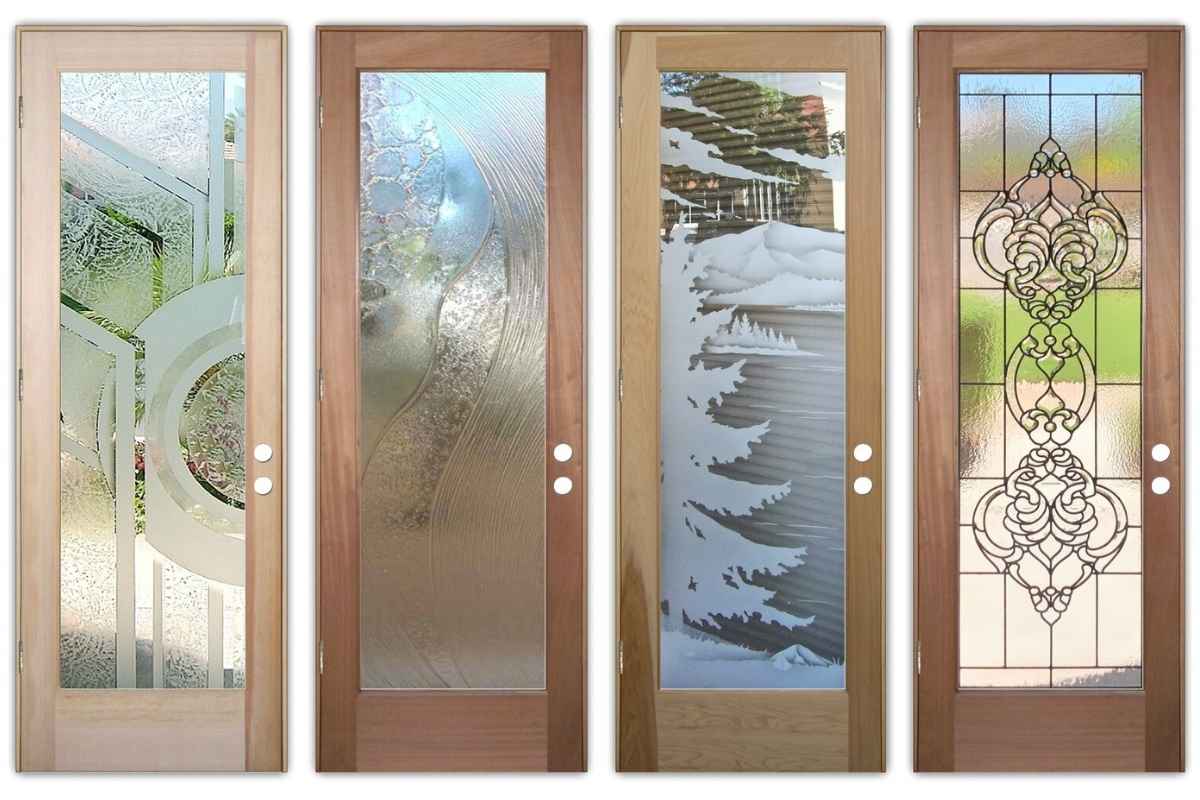
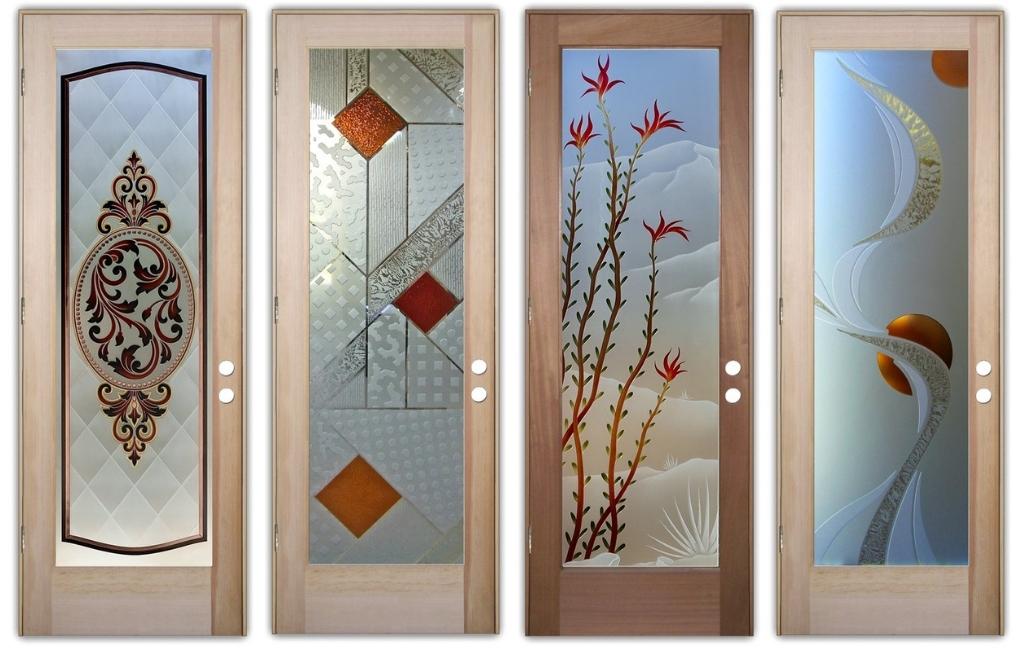
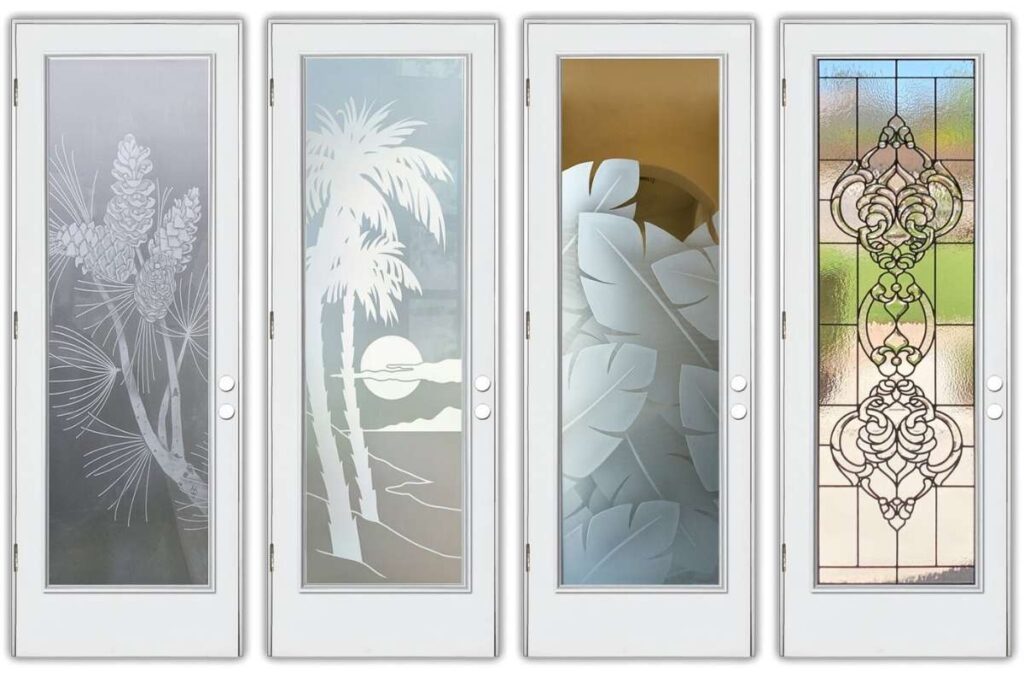
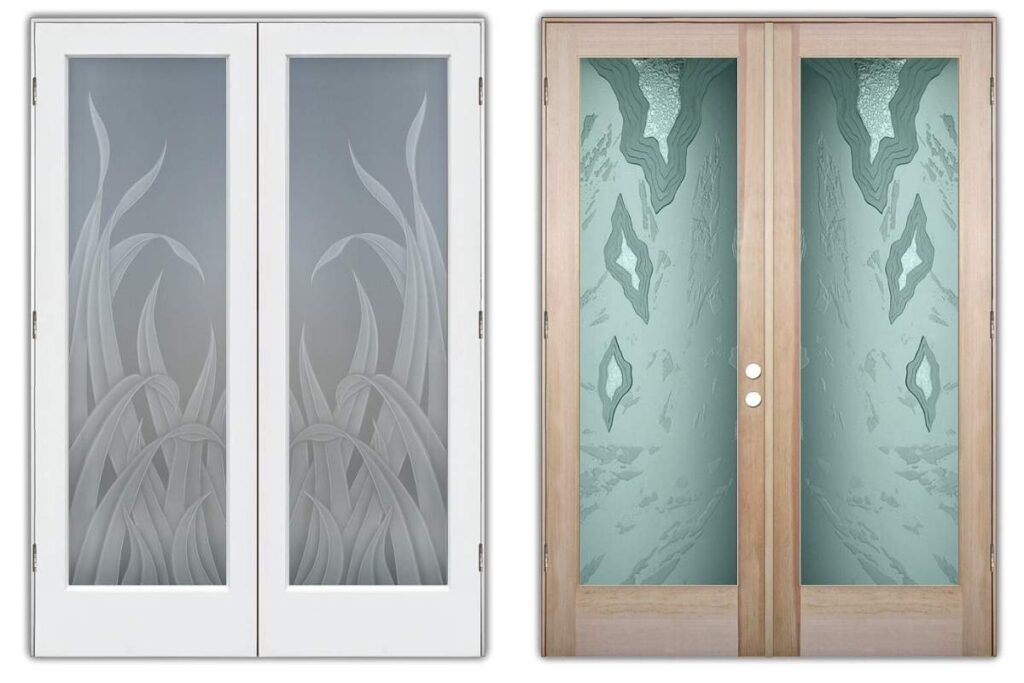
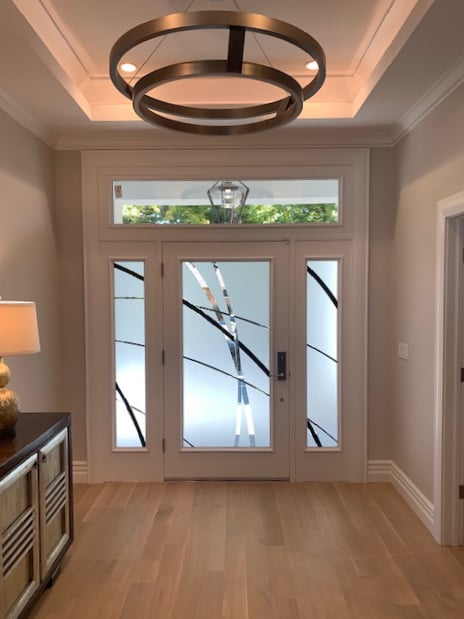
If you’re ready to take your curb appeal to the next level, a frosted glass front door is the ultimate upgrade. It offers the perfect balance of modern sophistication and practical functionality, allowing you to enjoy a sun-drenched foyer without compromising your family’s privacy.
Ready to get started? Explore our exclusive collection of premium front doors with frosted glass—engineered for maximum durability, weather resistance, and timeless style. Whether you are looking for a sleek modern design or a classic craftsman look, we have the perfect door to complete your DIY project.
Frequently Asked Questions
How long does it take to replace a front door?
For a DIYer with the right tools, it typically takes 4 to 6 hours. Having a second person to help lift the door into place can speed up the process significantly.
Can I replace just the door and not the frame?
Yes, this is called a “slab-only” replacement. However, it is much more difficult because you must mortise the hinges and align the lockset perfectly. For most homeowners, a pre-hung door (which includes the frame) is a much easier and more reliable option.
How do I know if my door frame is rotted and needs replacing?
Before installing your new door, inspect the wooden “rough opening” for soft spots, discoloration, or a musty smell. If the wood crumbles when poked with a screwdriver, you must replace the rotted sections before the new door goes in to ensure a secure, airtight fit.
Are frosted glass front doors energy efficient?
Absolutely. Modern frosted glass entry doors feature tempered glass, double-pane glass with thermal breaks, providing excellent insulation while still letting in light.
What is the best material for a front door?
Fiberglass and steel are the most popular. Fiberglass is highly durable, low-maintenance, and can be easily paired with decorative glass designs for a high-end look that lasts for decades.
Can I install a new front door in the winter?
Yes, but you should be prepared. Have the new door unboxed and ready to go before you remove the old one to minimize the time your home is exposed to the cold. Use a “fast-set” caulk that is rated for low temperatures to ensure a proper seal.
How do I choose the right “handing” or swing for my new door?
To determine if you need a “Right-Hand” or “Left-Hand” door, stand in the open doorway with your back to the hinges. If the door is on your right, it’s a right-hand door; if it’s on your left, it’s a left-hand door. For frosted glass front doors, ensure the “textured” side of the glass faces the direction recommended by the manufacturer (usually the interior).
What is the difference between a “Rough Opening” and “Finished Opening”?
The rough opening is the space between the wall studs before any trim or door frame is installed. The finished opening is the space within the door frame itself. Always buy your door based on the rough opening measurements to ensure the entire unit fits inside the wall.
Will a frosted glass door affect my home security?
Actually, frosted glass entry doors can enhance security. They allow you to see that someone is at the door without them being able to see into your home. Additionally, most quality frosted doors use tempered safety glass, which is much harder to break than standard window glass.
HELPFUL RESOURCES:
- Decorative Glass Front Door
- Stained Glass Front Door
- Decorative Glass
- Stained Glass Door
- Custom Glass


Sans Soucie Art Glass: Decorative, Custom & Frosted Glass Doors, Windows, Showers & Stained Glass Since 1976
Family-owned and operated since 1976, Sans Soucie Art Glass leads the industry in decorative glass and custom glass design — from sandblast frosted glass and carved glass to hand-painted and stained glass art — transforming ordinary glass into Works of Art Captured in Glass recognized worldwide.
Innovative Frosted Glass Door Designer Tool
In 2010, we invented and launched our Frosted Glass Pantry Door Designer – a fun, easy-to-use tool that makes it simple for anyone to design and customize not only pantry doors, but a wide range of frosted glass doors for every room.
Explore our Frosted Glass Doors Collection
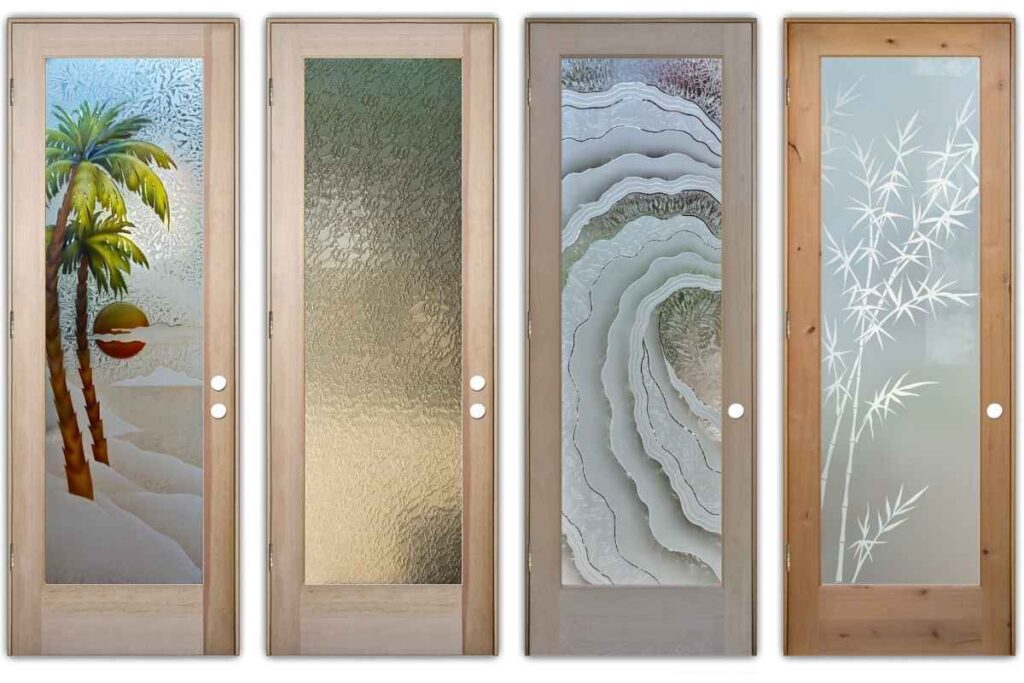
Our custom frosted glass doors include a beautiful variety for every style and space:
- Pantry Doors
- Frosted Glass Interior Door
- Interior Doors with Frosted Glass
- Frosted Glass French Doors
- Frosted Glass Front Door
- Front Doors with Frosted Glass
- Interior Glass Doors
- Glass Barn Doors
- Frosted Glass Barn Door
- Sliding Glass Barn Door
- All Glass Doors Interior
- All Glass Front Doors
- Bathroom Doors with Frosted Glass
- Laundry Room Doors
- Wine Room Doors
If you already have a door, and only need the glass insert, we also offer:
- Frosted Glass for Interior Doors
- Door Glass Inserts for Front Doors
- Glass Panels for Pantry Doors
- Frosted Glass Inserts for Bathroom Doors
- Laundry Room Door Glass Inserts
- Glass Panels for Interior Wine Cellar Doors
Elegant Frosted Glass Throughout Your Home
While our frosted glass doors are a top choice, we also create stunning glass products for every area of your home, including:
- Frosted Glass Shower Doors
- Glass Shower Partition
- Frosted Glass Shower Panel
- Frosted Glass Showers
- Frosted Glass Windows
- Bathroom Window Frosted Glass
- Decorative Window Glass, Window Frosting
- Custom Glass Dining Table
- Custom Glass Coffee Table
- Glass Shelves, Custom Glass Shelves
- Hand Carved & Painted Mirrors
- Frosted Glass Signs, Etched Glass Signs
- Cabinet Door Glass Inserts, Frosted Glass Inserts for Cabinet Doors
- Glass Wall Art, Wall Art on Glass
Looking for Inspiration? Explore Our Galleries
Discover visual idea boards, style concepts, décor applications, real project photos, and helpful information in our expanding gallery collection:
- Custom Glass
- Custom Glass Edges
- Custom Mirror
- Decorative Glass
- Decorative Glass Doors
- Decorative Glass Front Doors
- Decorative Glass Interior Doors
- Decorative Glass Window
- Stained Glass
- Stained Glass Doors
- Stained Glass Front Doors
- Stained Glass Windows
Free Shipping. Expert Packing, Peace of Mind
With FREE SHIPPING on most orders and worldwide delivery from our studio in Palm Desert, California, every order is packed in-house by our expert glaziers using custom materials and proven methods — ensuring safe arrival with a damage rate of less than 1%!
Explore our complete frosted glass doors collection and find the perfect frosted glass door for your space. Have questions? Contact us today!
Copyright © 2025, Sans Soucie Art Glass. All rights reserved.