Decorative Stained Beveled Glass
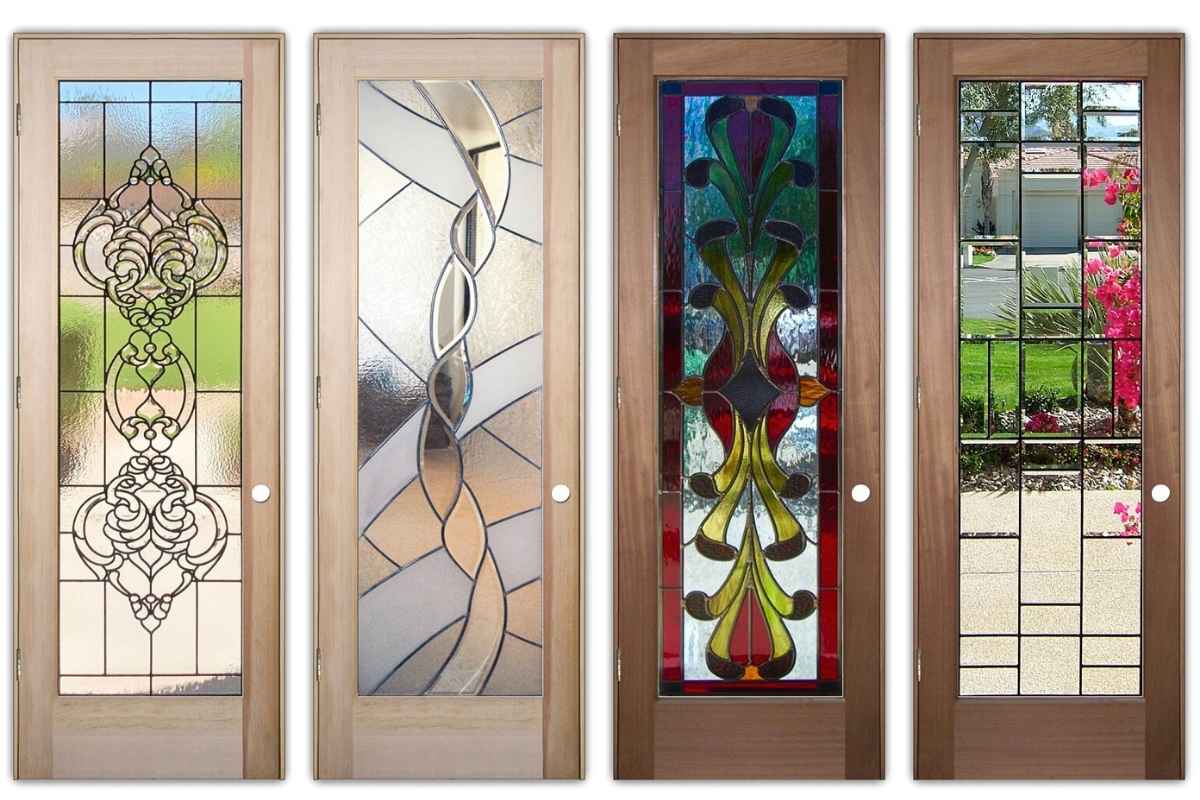
Sans Soucie has been creating stained glass since 1976. Many homeowners incorporate beveled glass interior doors to brighten interior spaces while adding refined architectural detail. A custom stained glass interior door can also help define rooms such as offices, dining areas, or hallways while still allowing natural light to flow throughout the home.
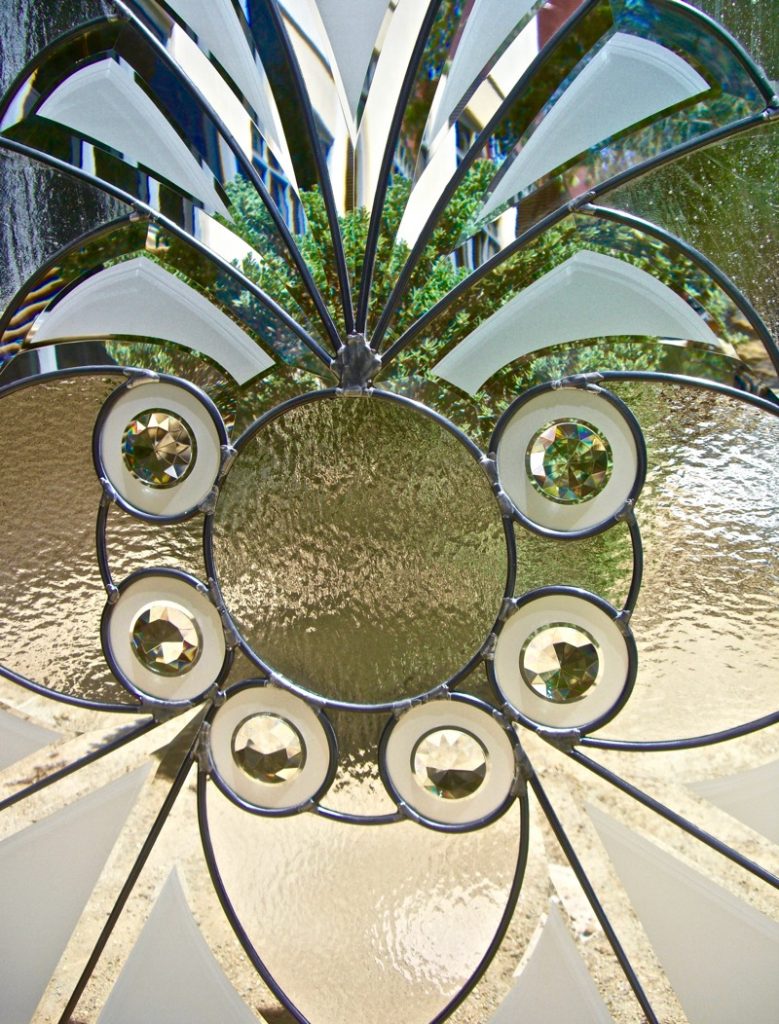
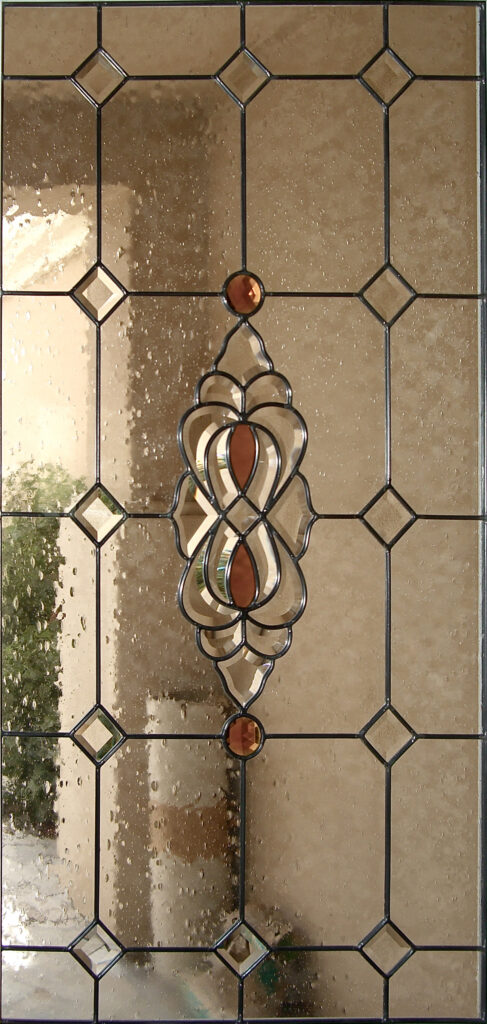
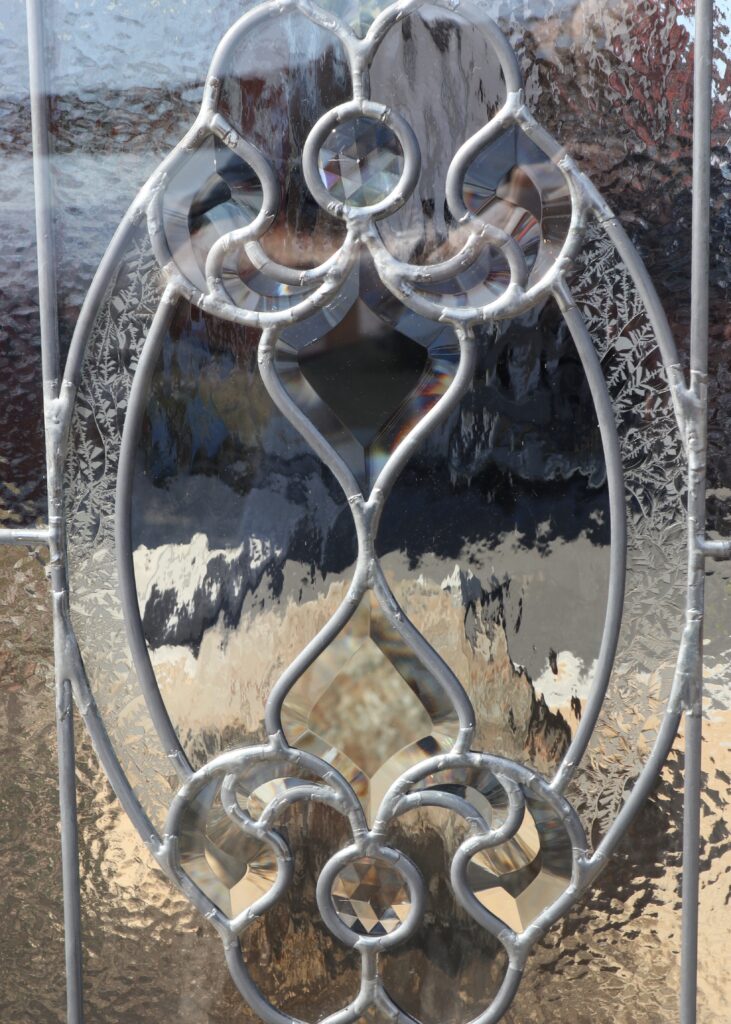
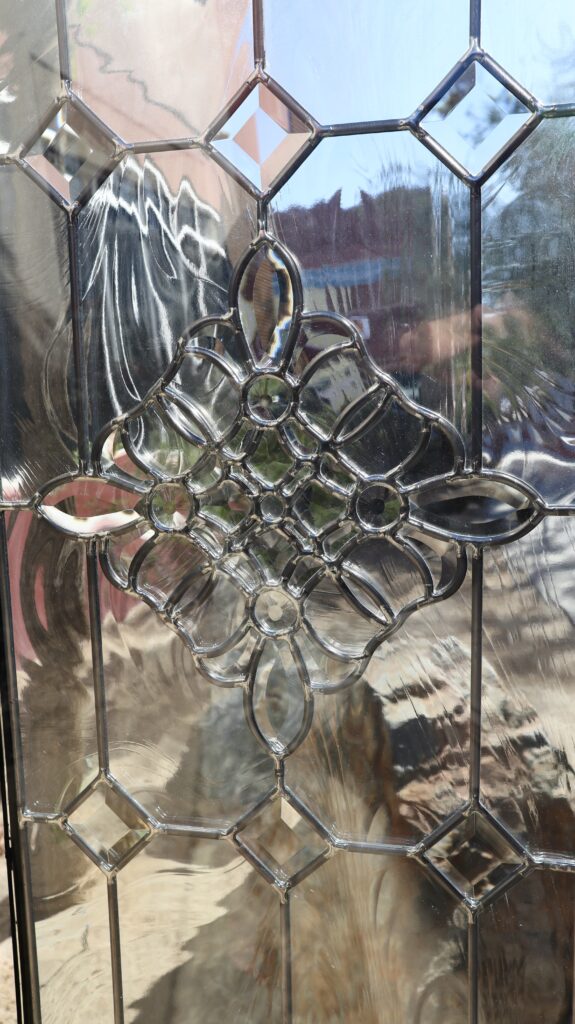
Beveled glass remains one of the most beautiful looks and effects for stained and leaded glass pieces. Much like diamonds, that beautiful faceted, prism effect will never go out of style and are used inside both traditional or contemporary designs. The distinctive sparkle of beveled glass comes from its angled, polished edges that refract natural light and add dimension to decorative glass panels.
When leaded or stained glass panels are used for an exterior application (for a window or door), most often, the decorative panel is sealed in between two layers of glass, a “triple pane” unit, providing ultimate protection from the elements outside as well as easy cleaning and maintenance.
Glass colors and almost limitless textures that can be implemented.
Visit our Stained Glass Gallery to view dozens of stunning pieces created over the years.

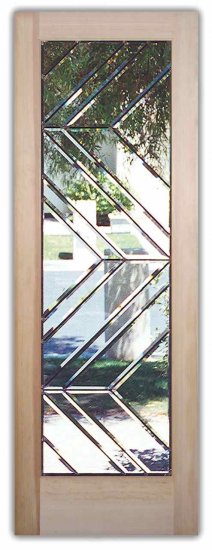
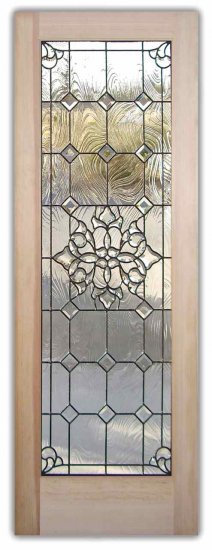
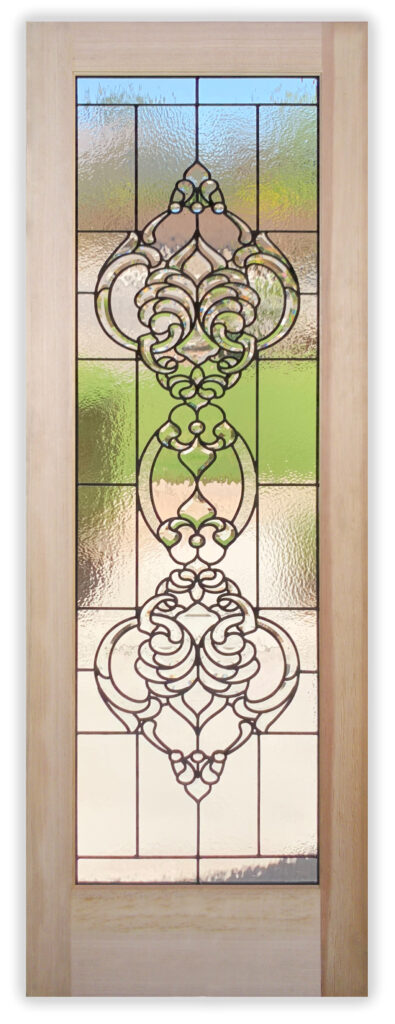
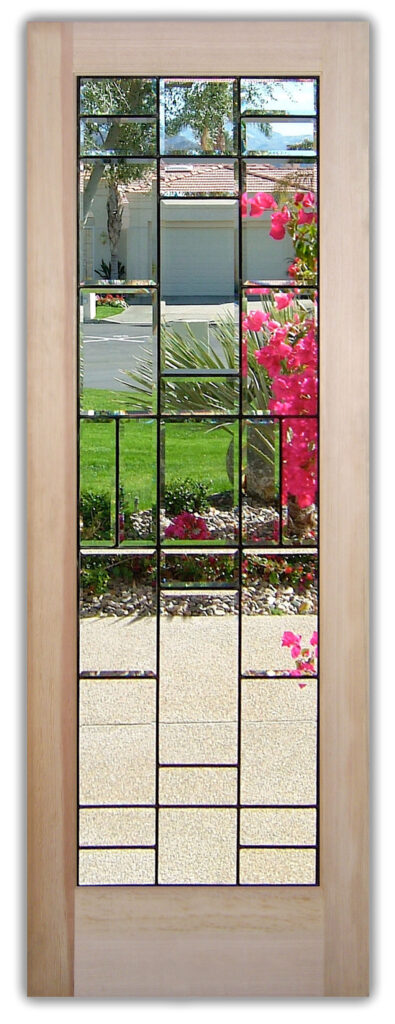
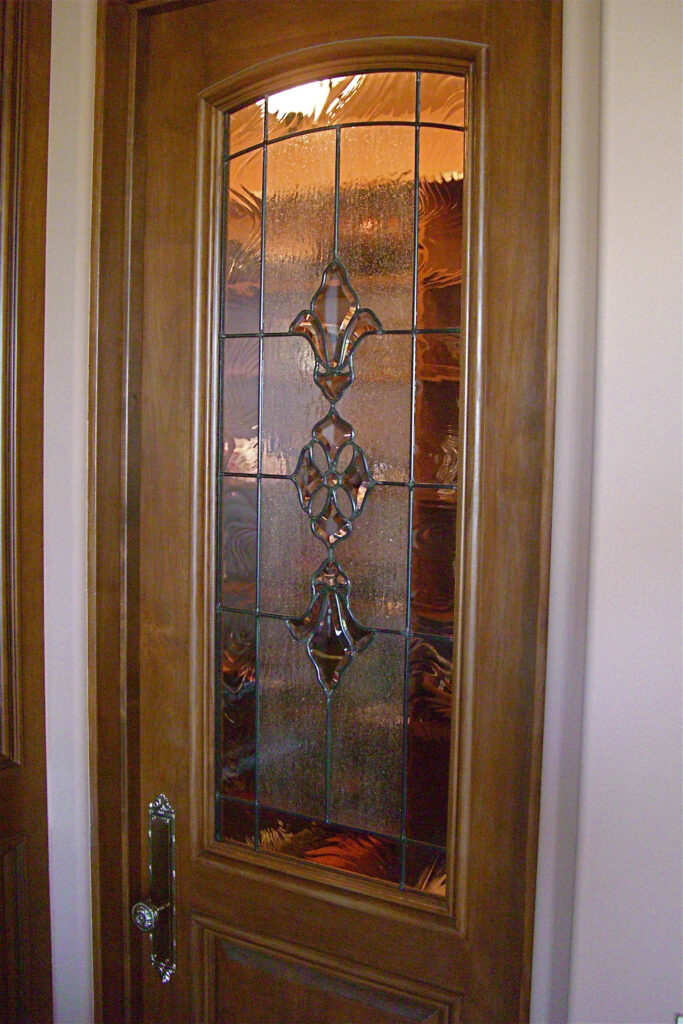
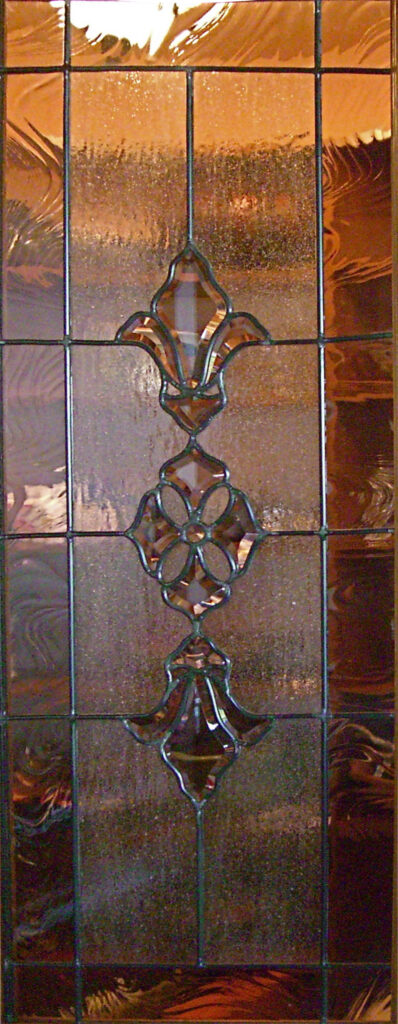
The Unique Beauty of Beveled Glass
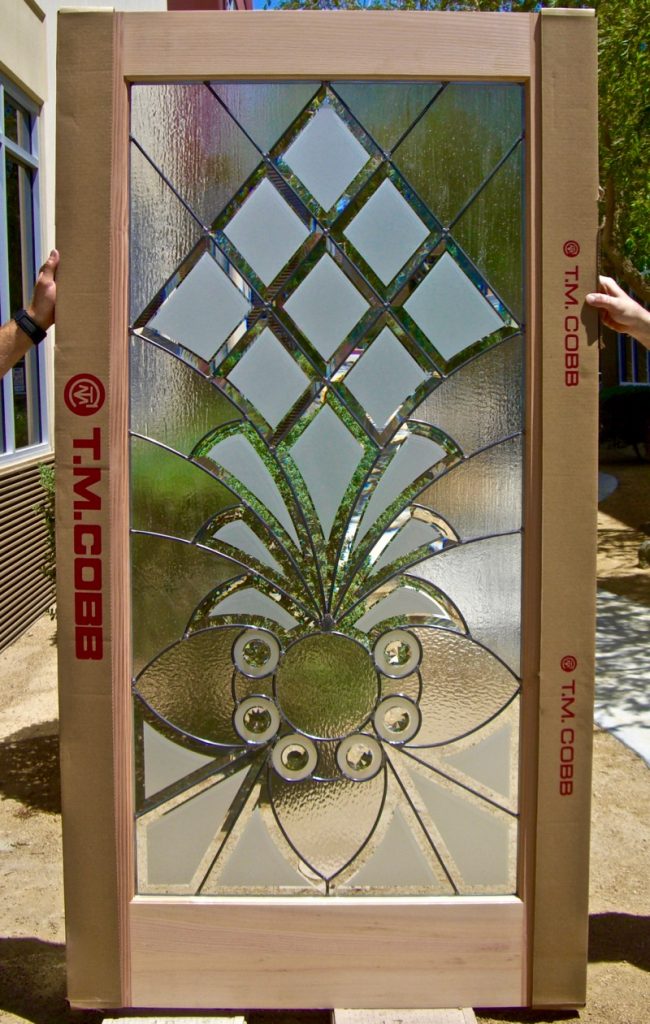
The Prism Light Effect
Beveled glass edges act like tiny prisms. When sunlight hits the angled edges, it bends and scatters the light into soft rainbow reflections that move throughout the space during the day.
This natural light interaction is one of the defining features that makes beveled glass so visually captivating.
Dimensional Depth


Unlike flat glass pieces, beveled glass introduces a sculptural effect. The faceted edges create highlights and shadows that give the panel a layered, dimensional appearance.
This depth enhances both traditional stained glass patterns and modern geometric designs.
Where Decorative Beveled Glass Is Used
Decorative stained beveled glass can be incorporated into many architectural features throughout the home.
Entry Doors
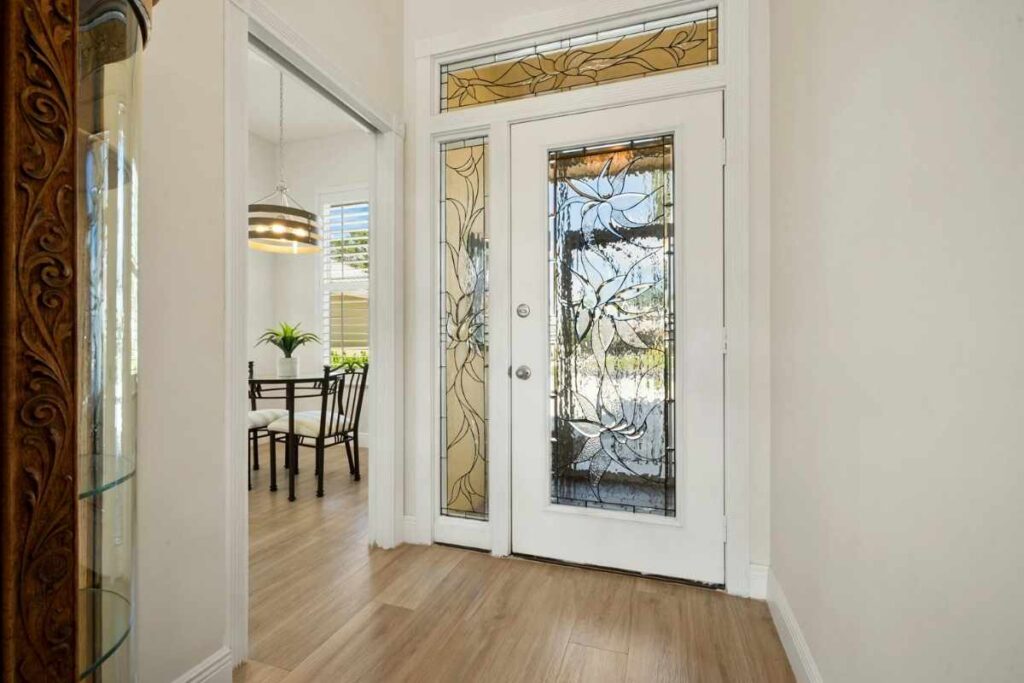
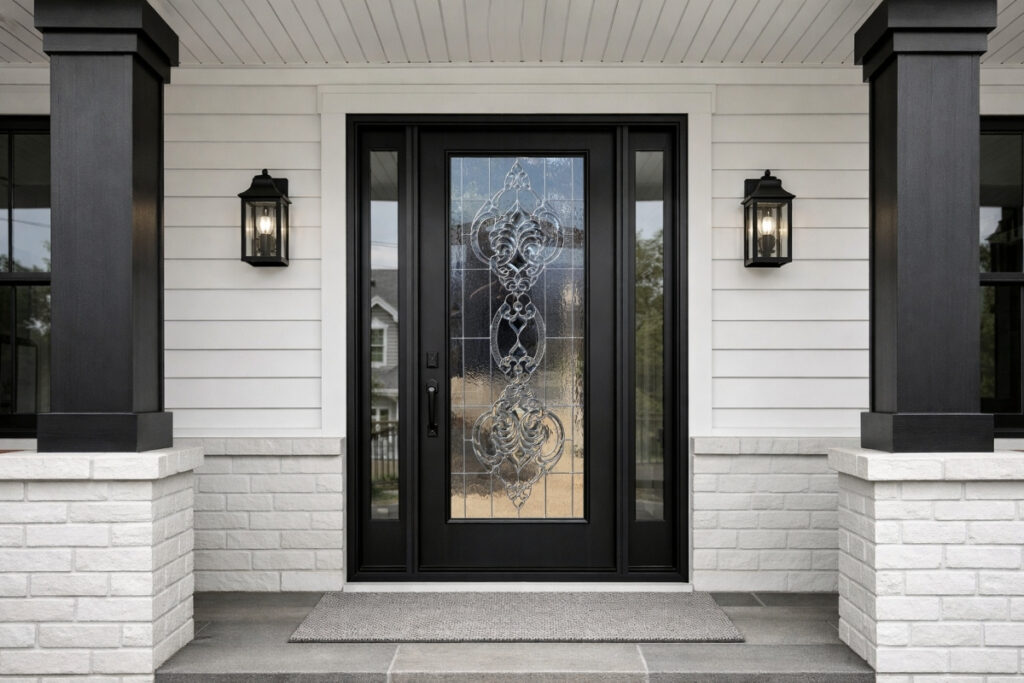
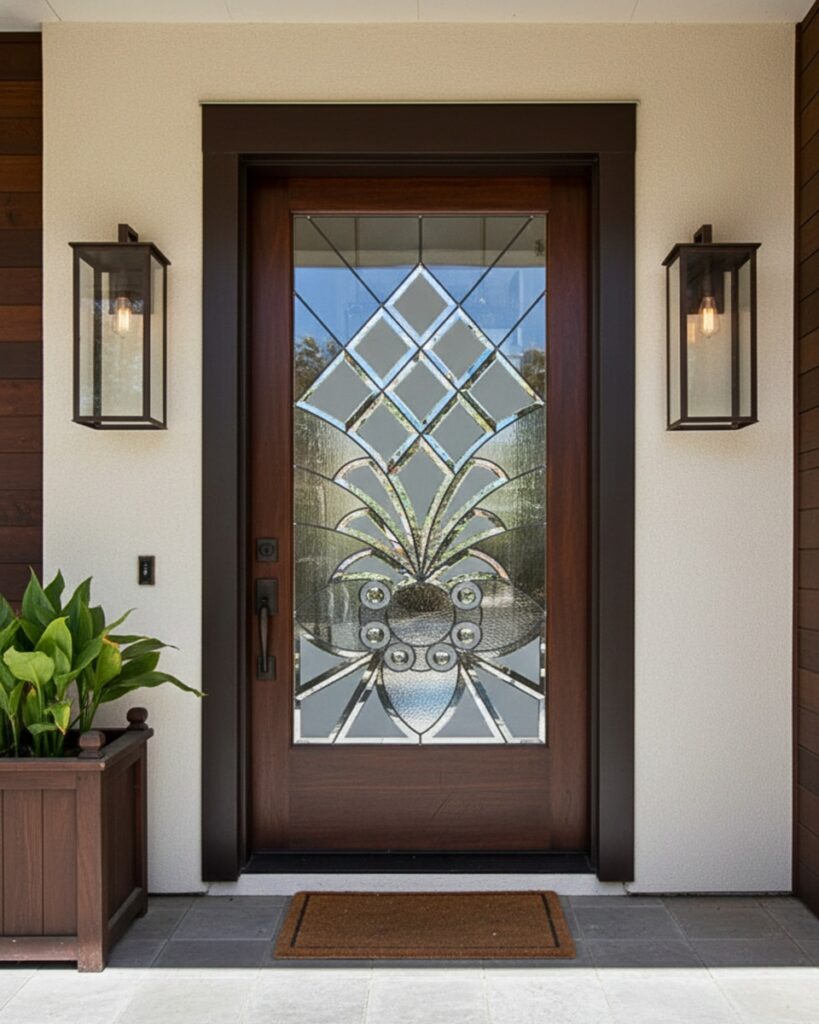
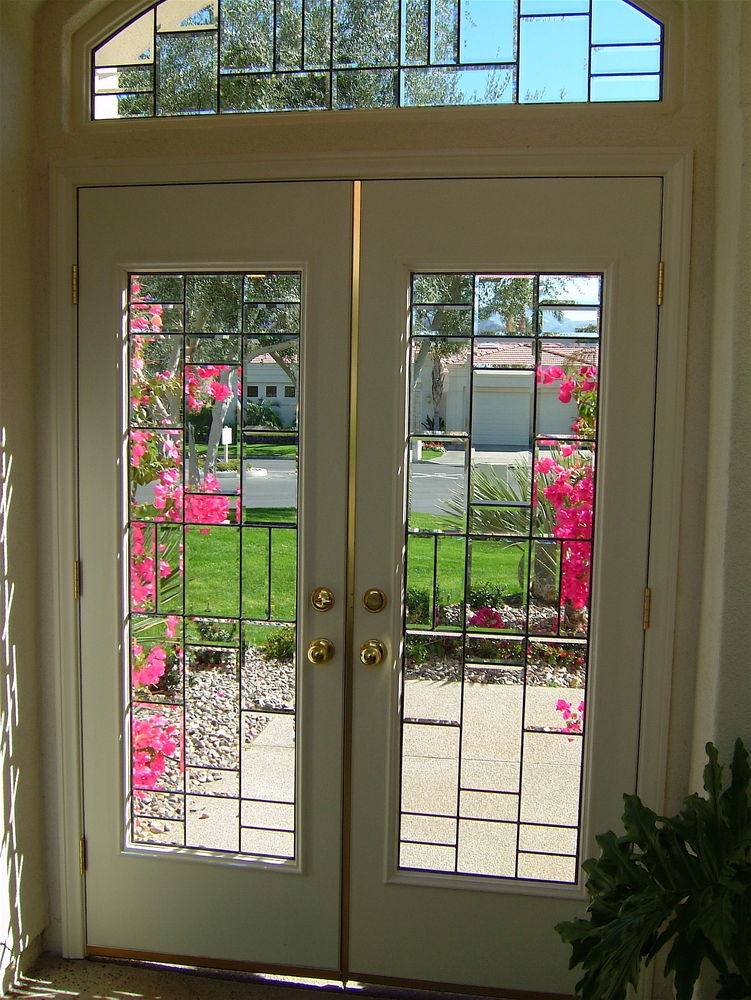
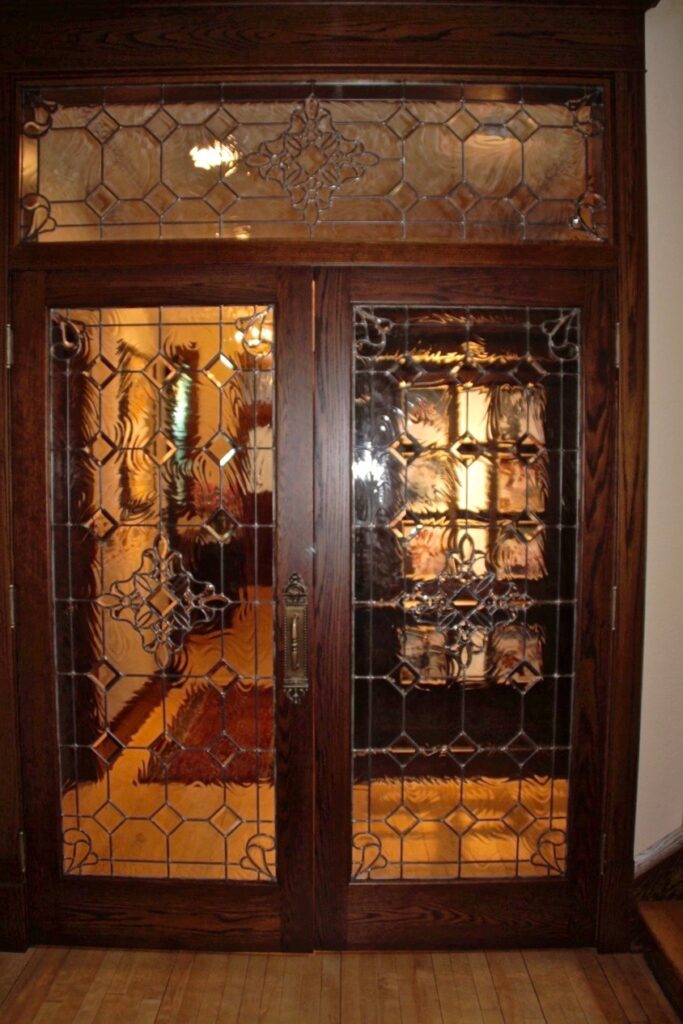
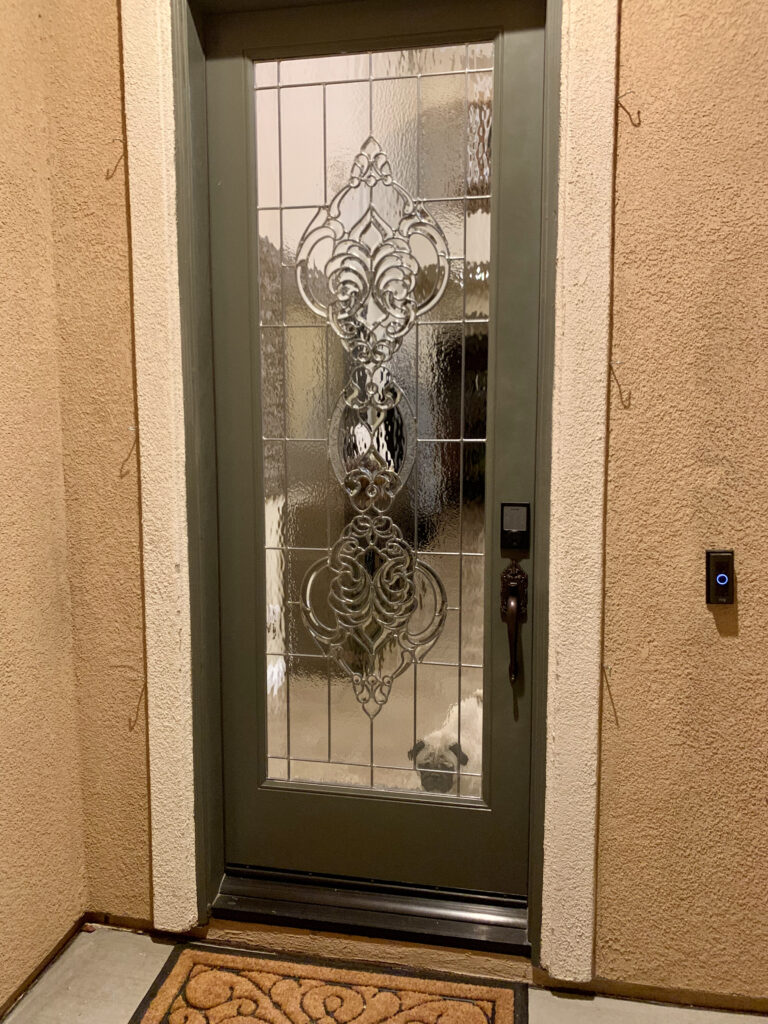
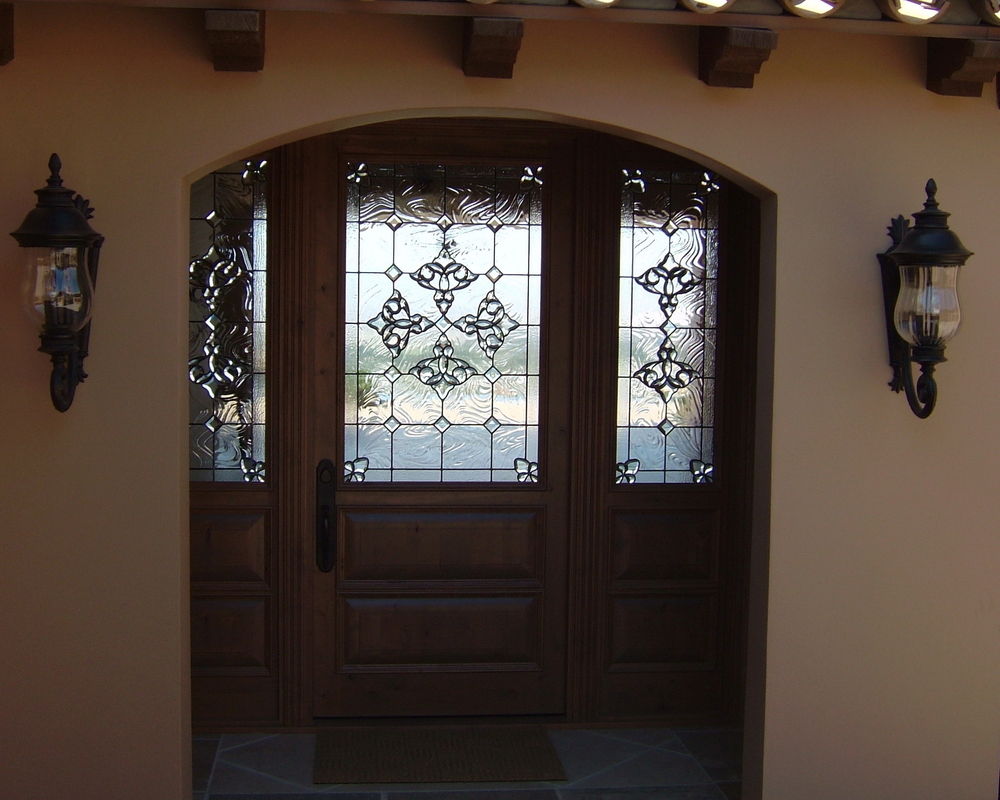
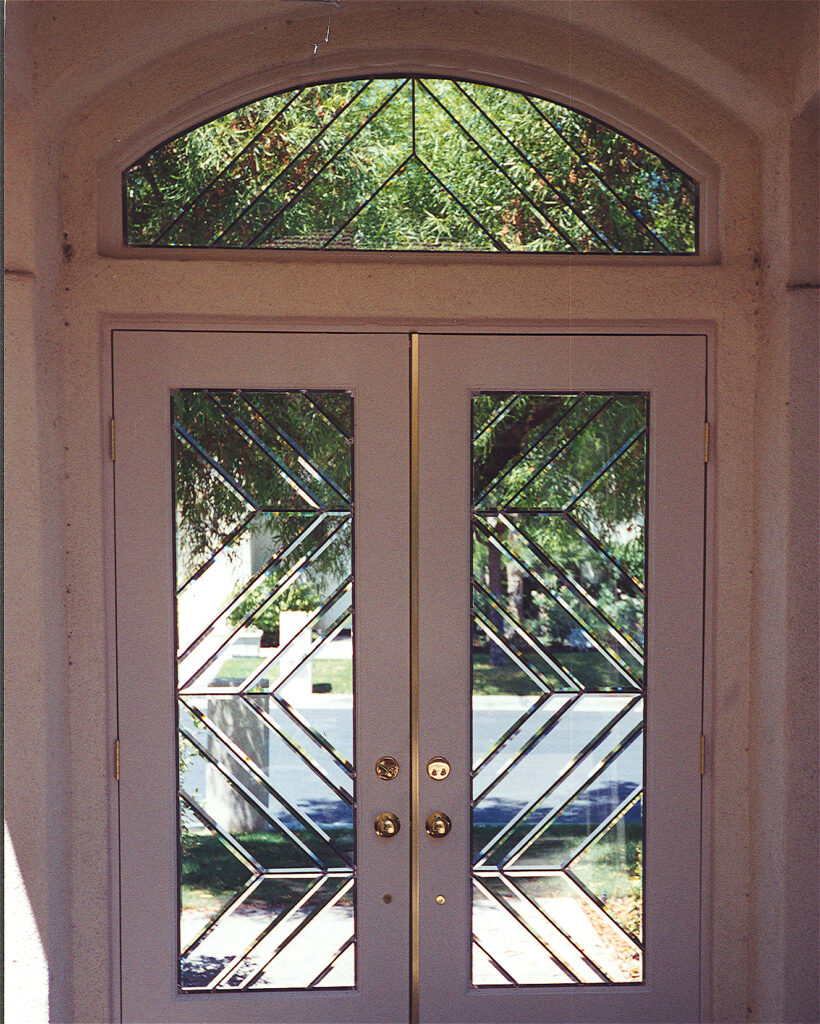
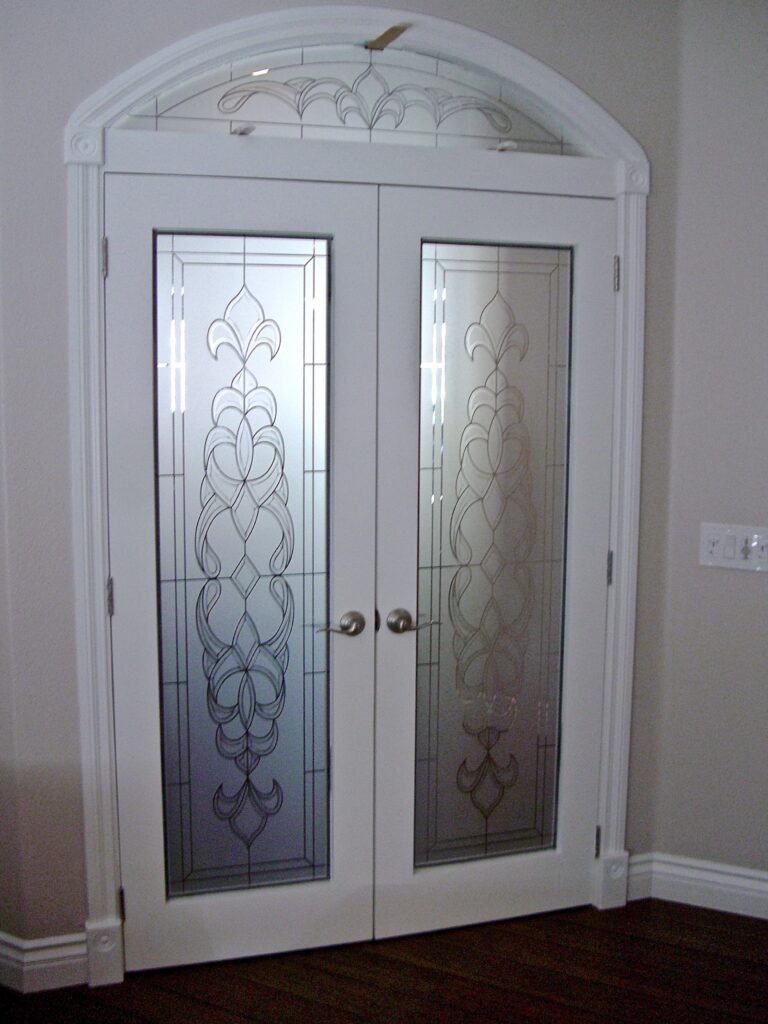
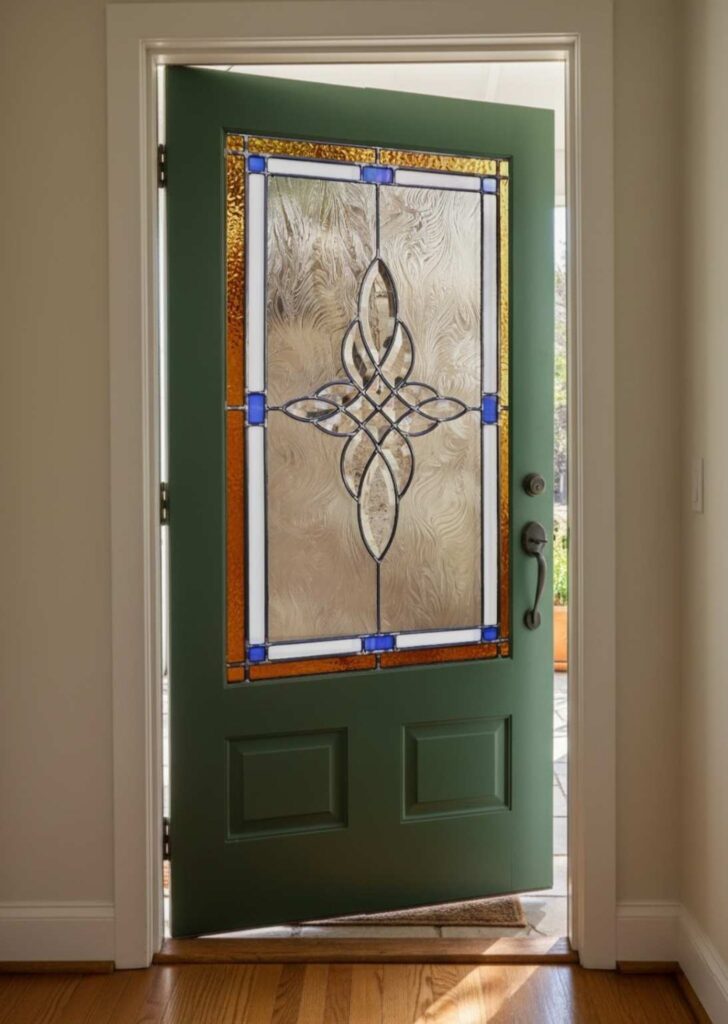
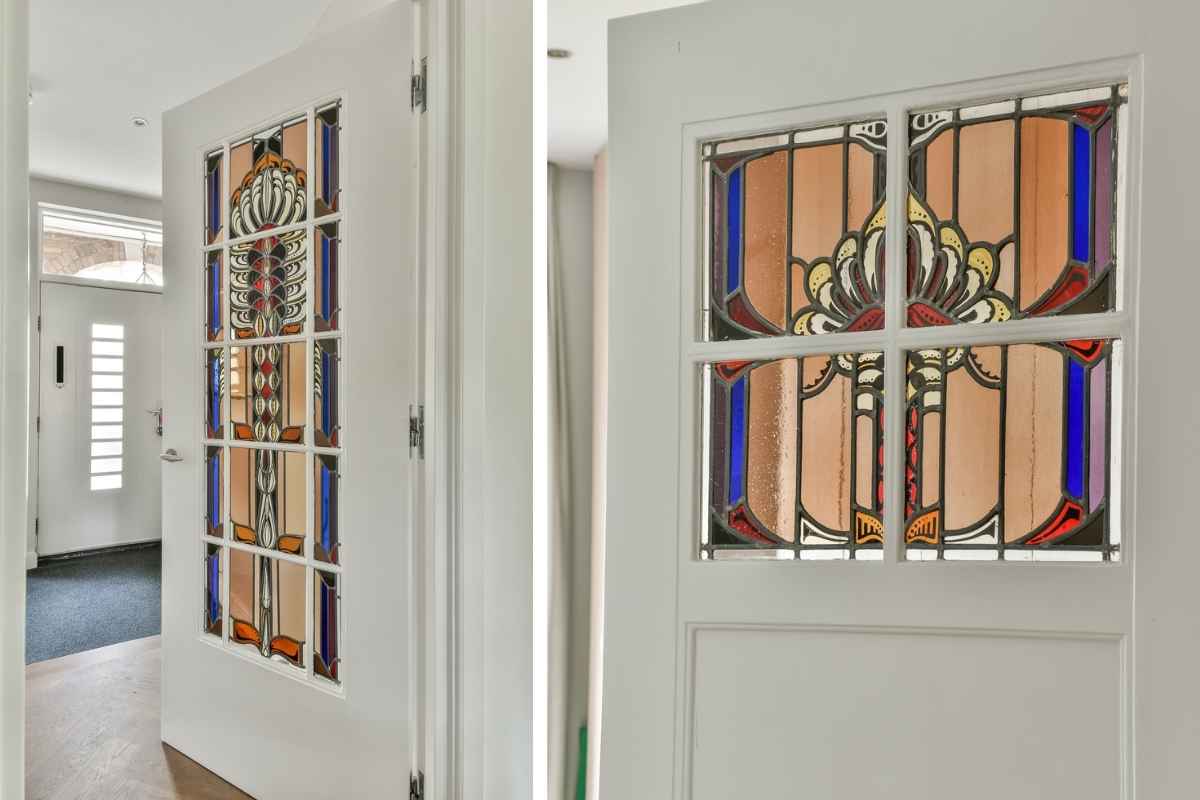
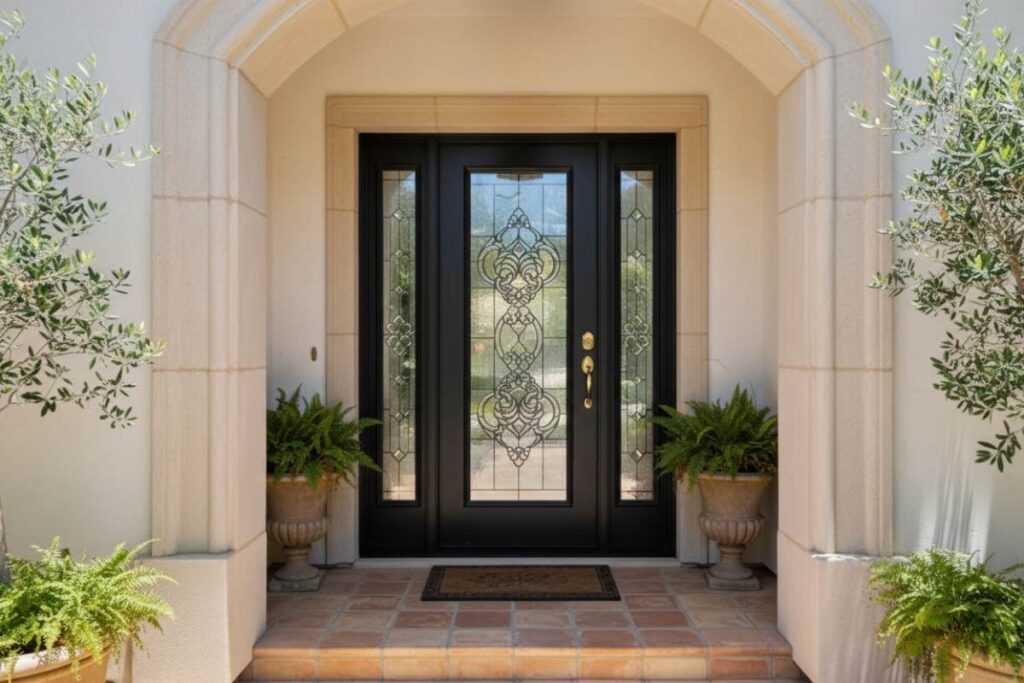
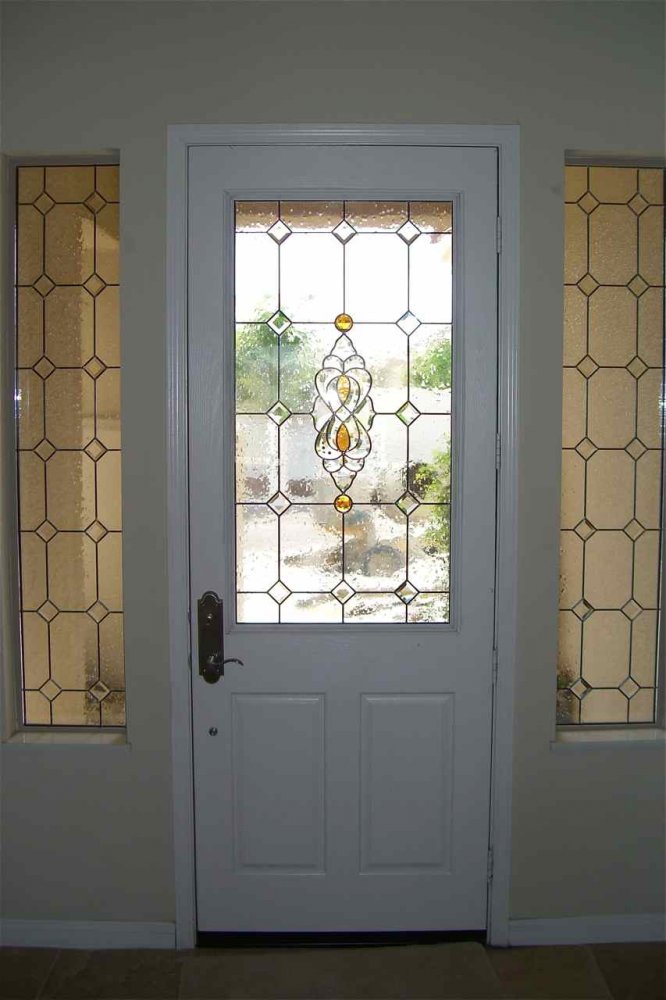
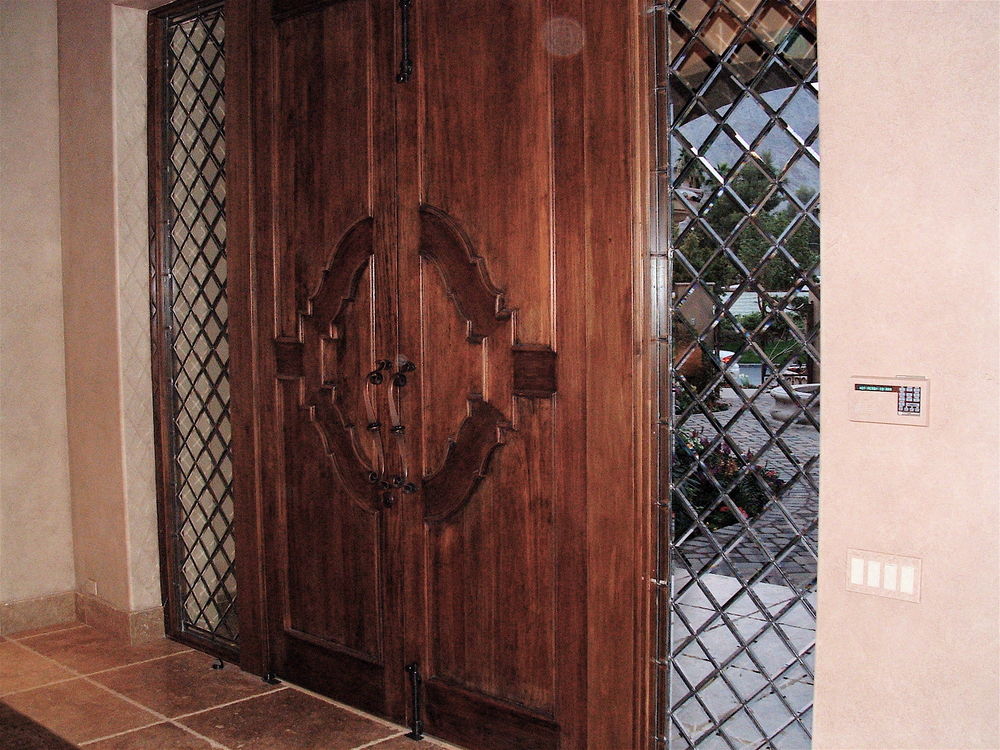
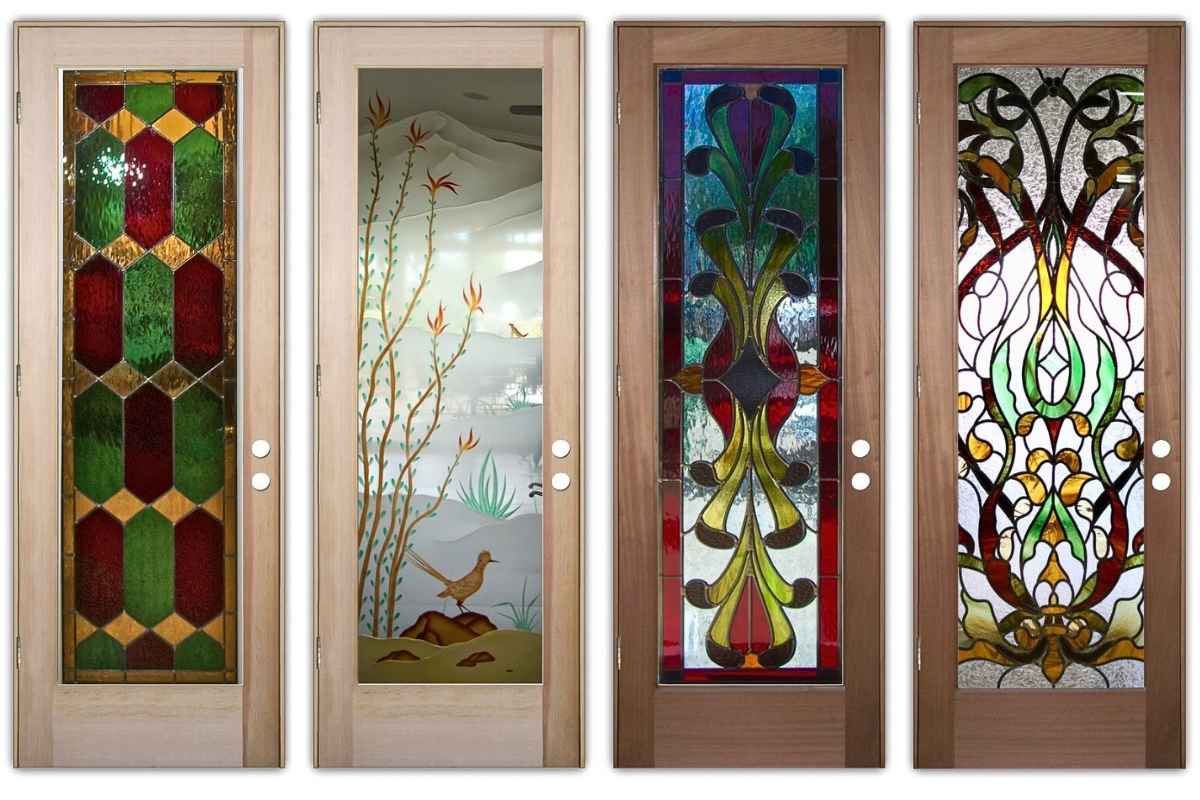
A beveled stained glass insert instantly elevates a front entry, creating a welcoming focal point while still allowing natural light to enter. Below are several examples of decorative beveled glass doors featuring traditional leaded glass patterns, geometric designs, and custom entry door installations.


Interior Doors
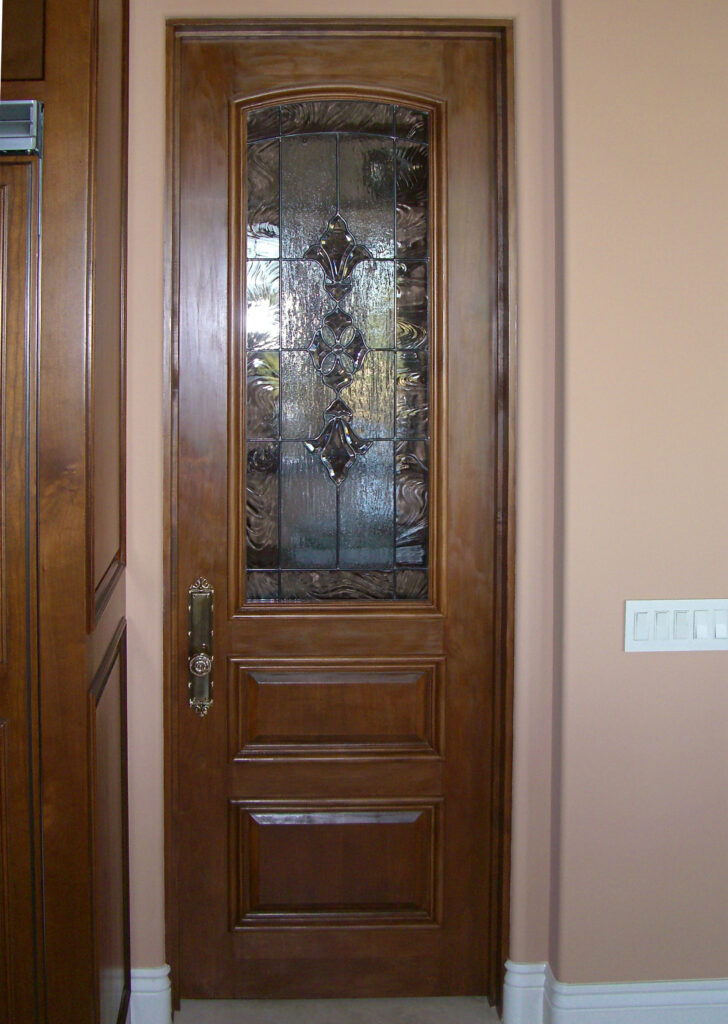
Interior doors with beveled glass designs can add elegance between rooms while maintaining visual openness.


Windows
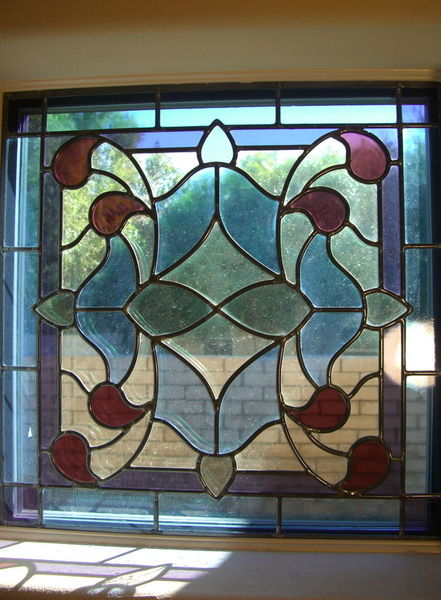
Decorative windows allow sunlight to interact with beveled glass, creating dynamic light patterns that change throughout the day.

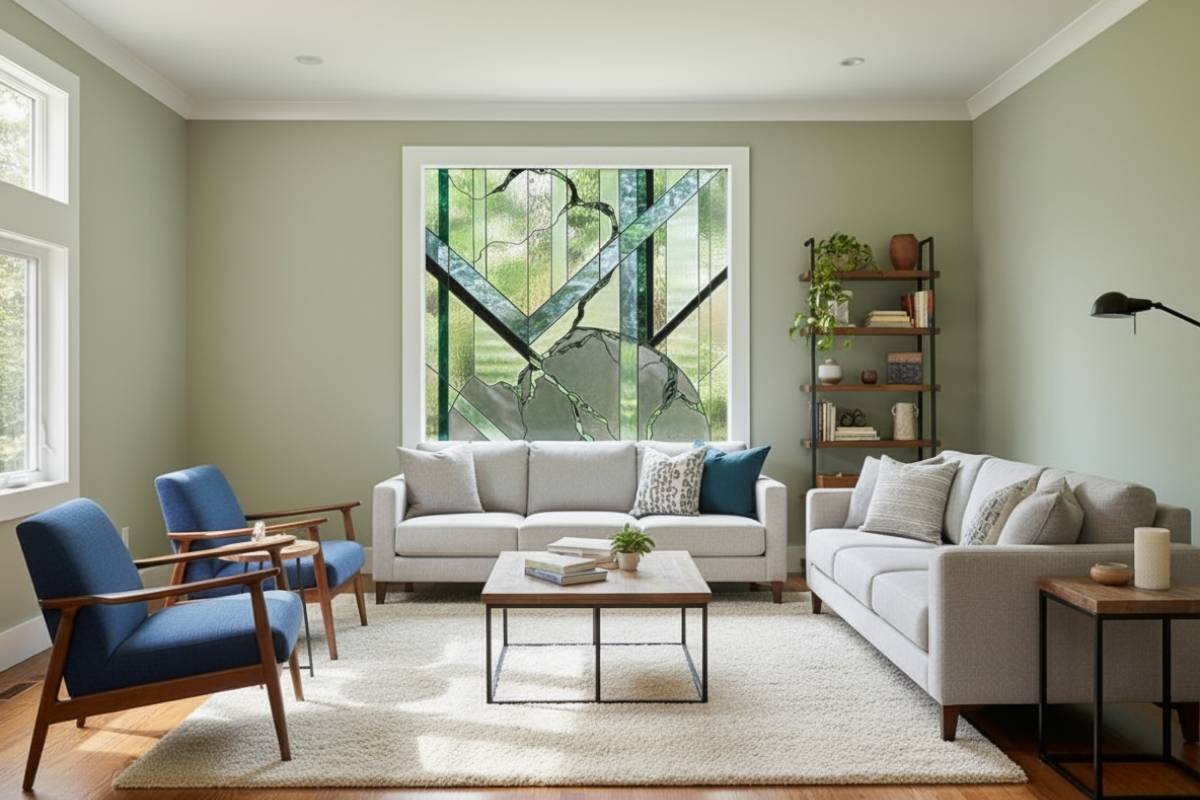
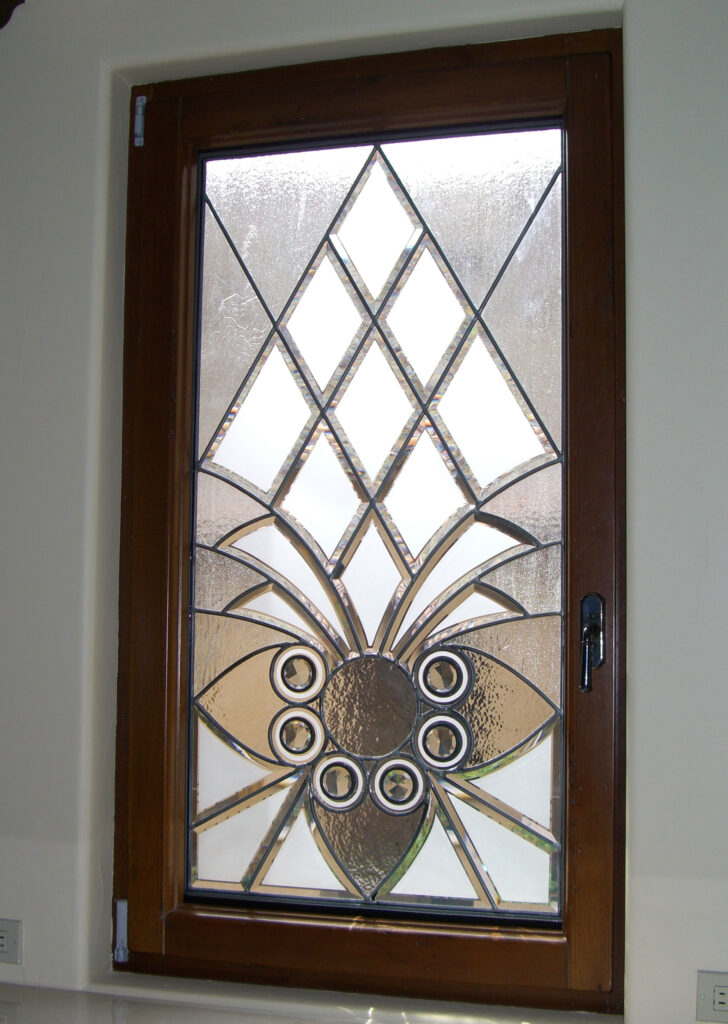
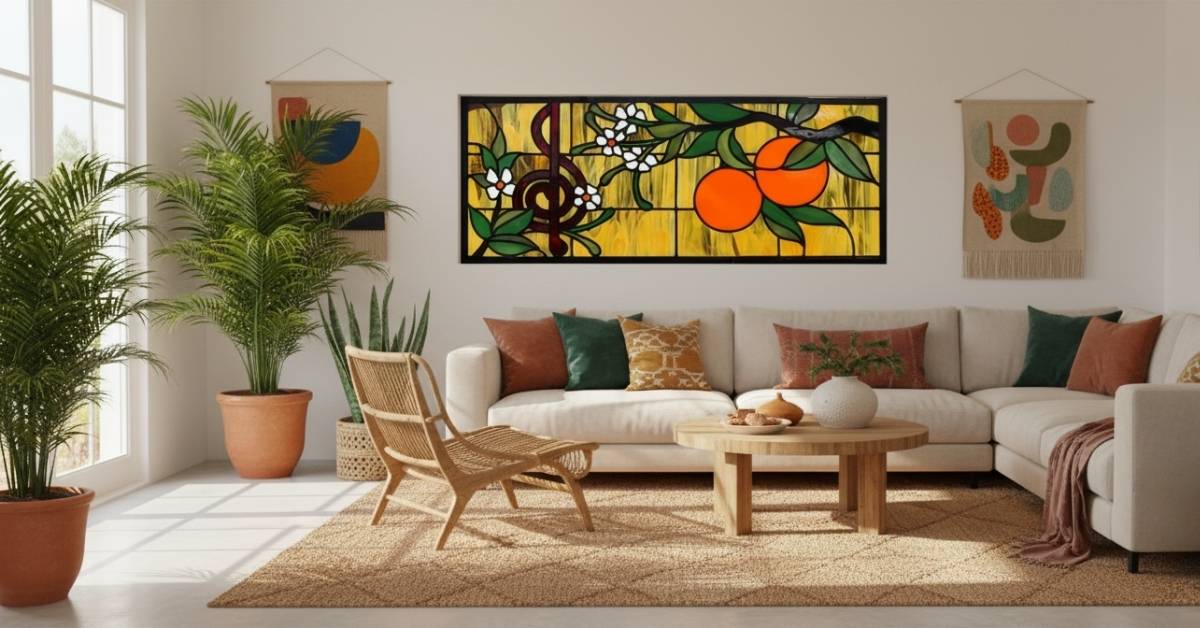


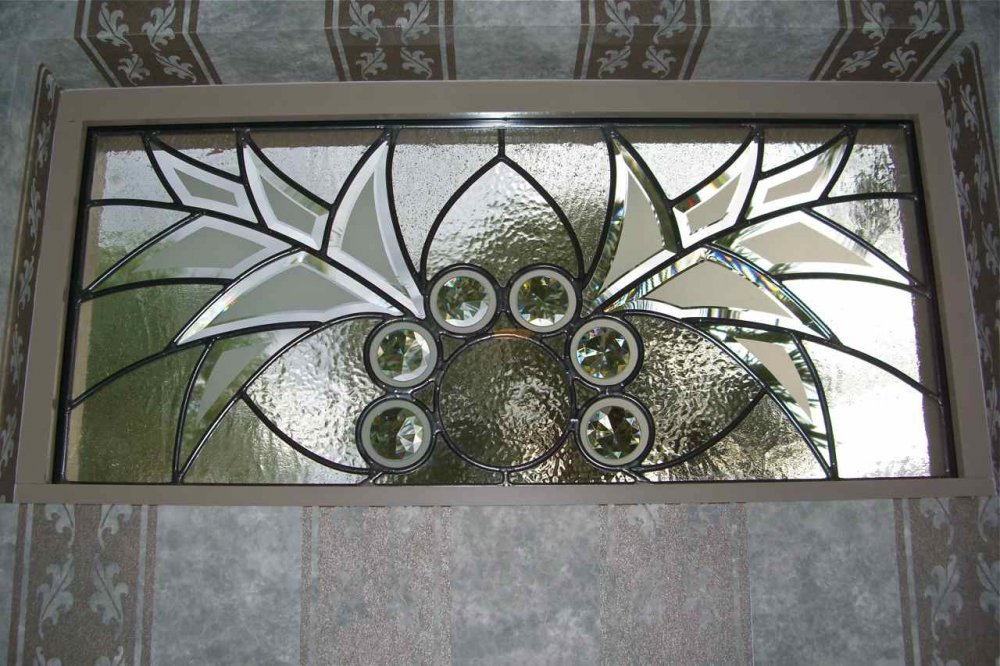
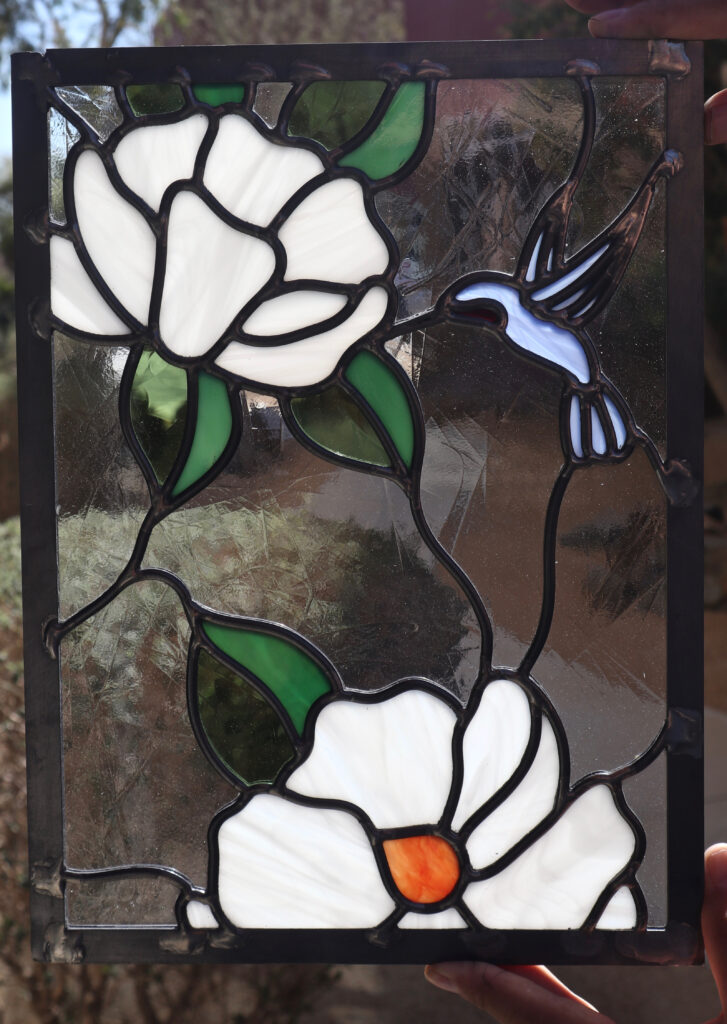
Stained Glass Windows
Transoms and Sidelights
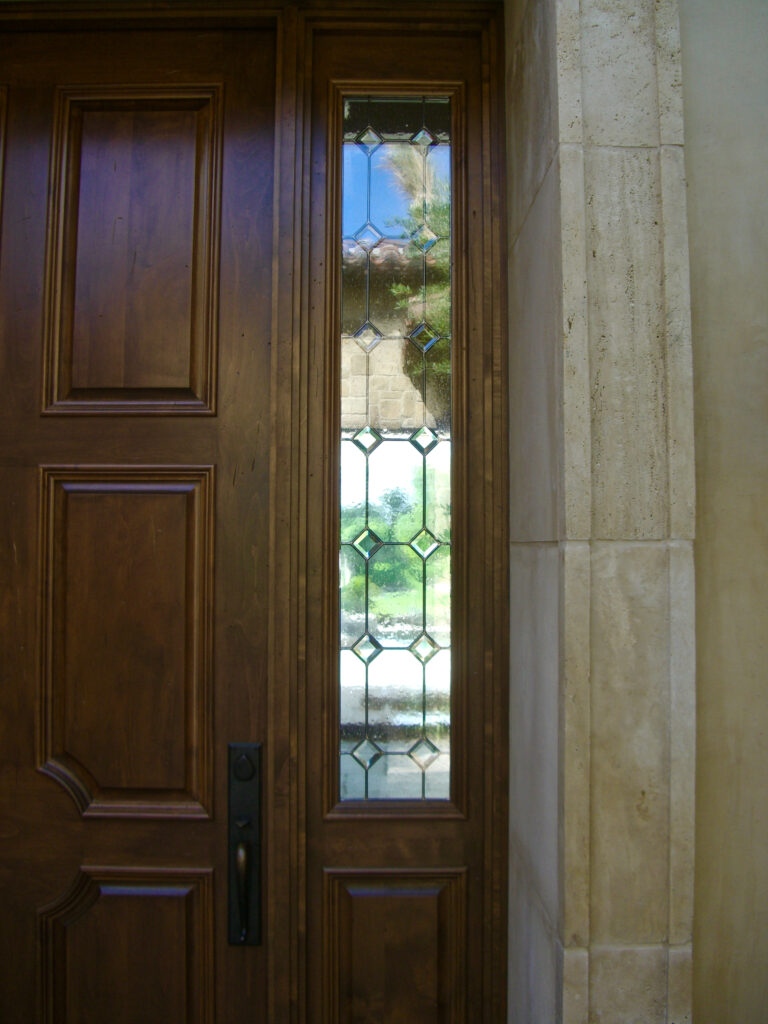
These smaller architectural elements are ideal for decorative glass because they allow intricate designs to shine without overpowering the surrounding space.


Decorative Wall Panels
Some homeowners choose stained beveled glass purely as wall art or feature panels within cabinetry or partitions.
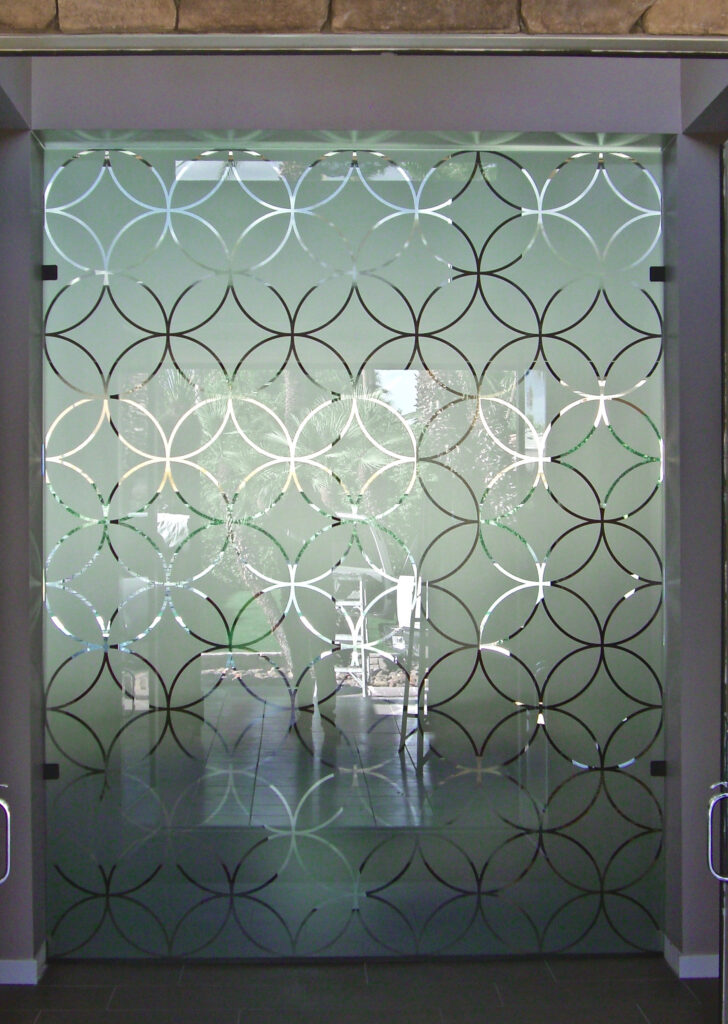
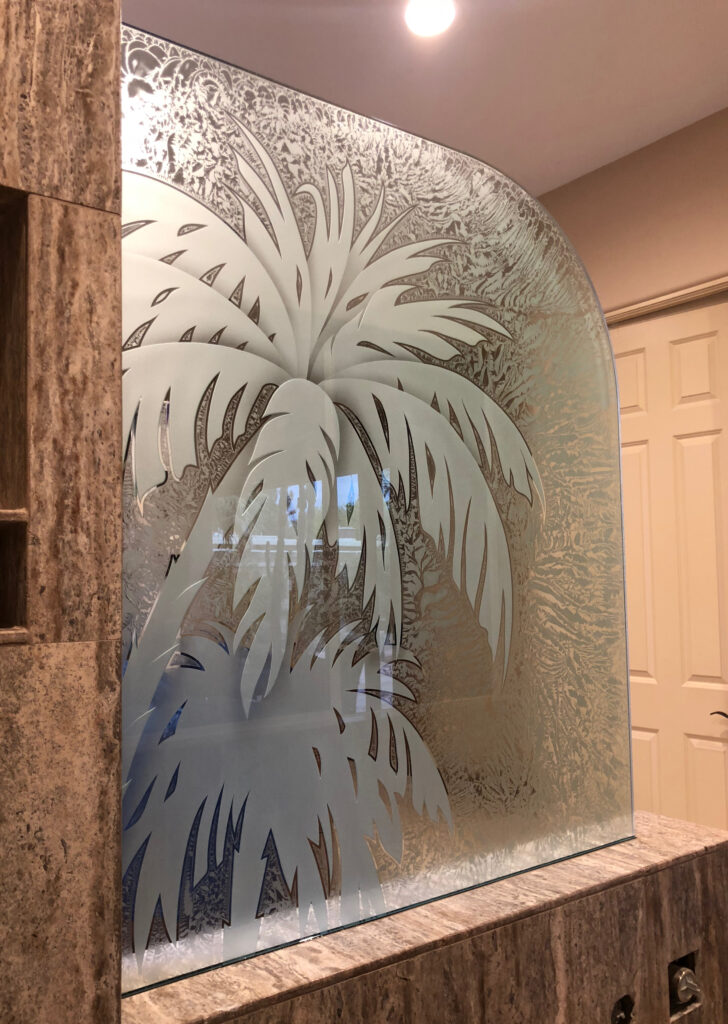
Decorative Etched Glass Panels
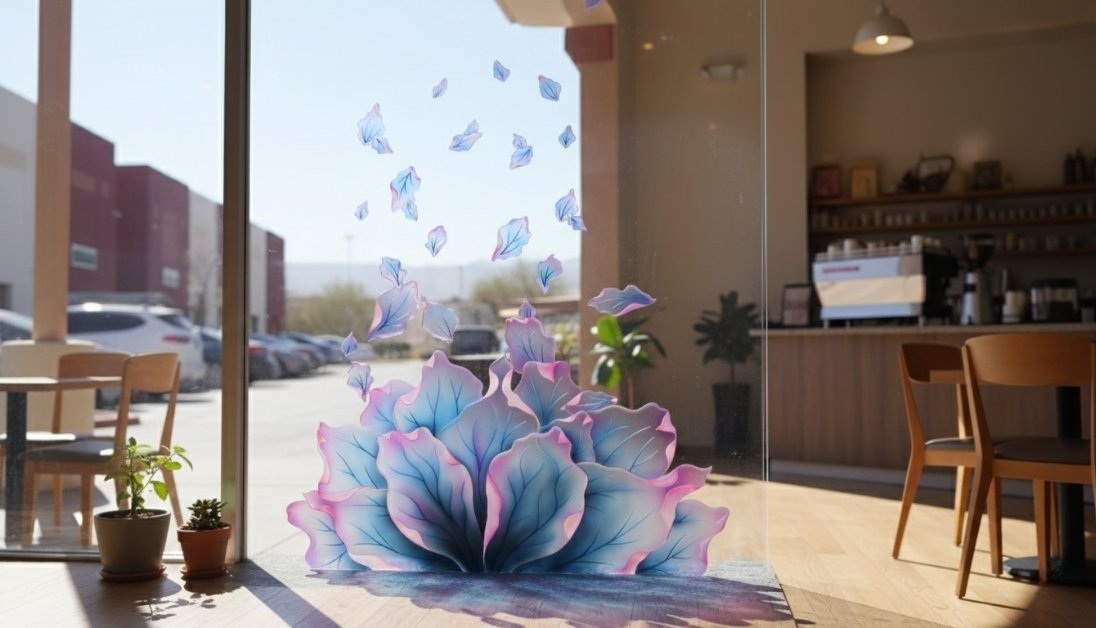
Custom Built Beveled Glass Interior Doors

Looking for a one-of-a-kind decorative glass design for your home? The Sans Soucie Art Glass team of skilled artists and decorative glass experts has been creating stunning custom glass for doors, windows, and architectural features since 1976. Whether you have a clear vision or just an idea to start with, our team is here to help bring it to life.
Request a custom quote today, or call or email our team to discuss your project—we’d love to help you create a beautiful piece of glass art for your space.

Benefits of Decorative Beveled Glass
Timeless Design Appeal
Beveled glass has remained popular for centuries because its faceted look pairs beautifully with many architectural styles, from Victorian and traditional homes to contemporary interiors.
Increased Natural Light
Unlike solid materials, decorative glass allows light to pass through while still adding artistic character to the space.
Custom Design Possibilities
Stained beveled glass can be created in virtually any design style, including:
- Floral motifs
- Geometric patterns
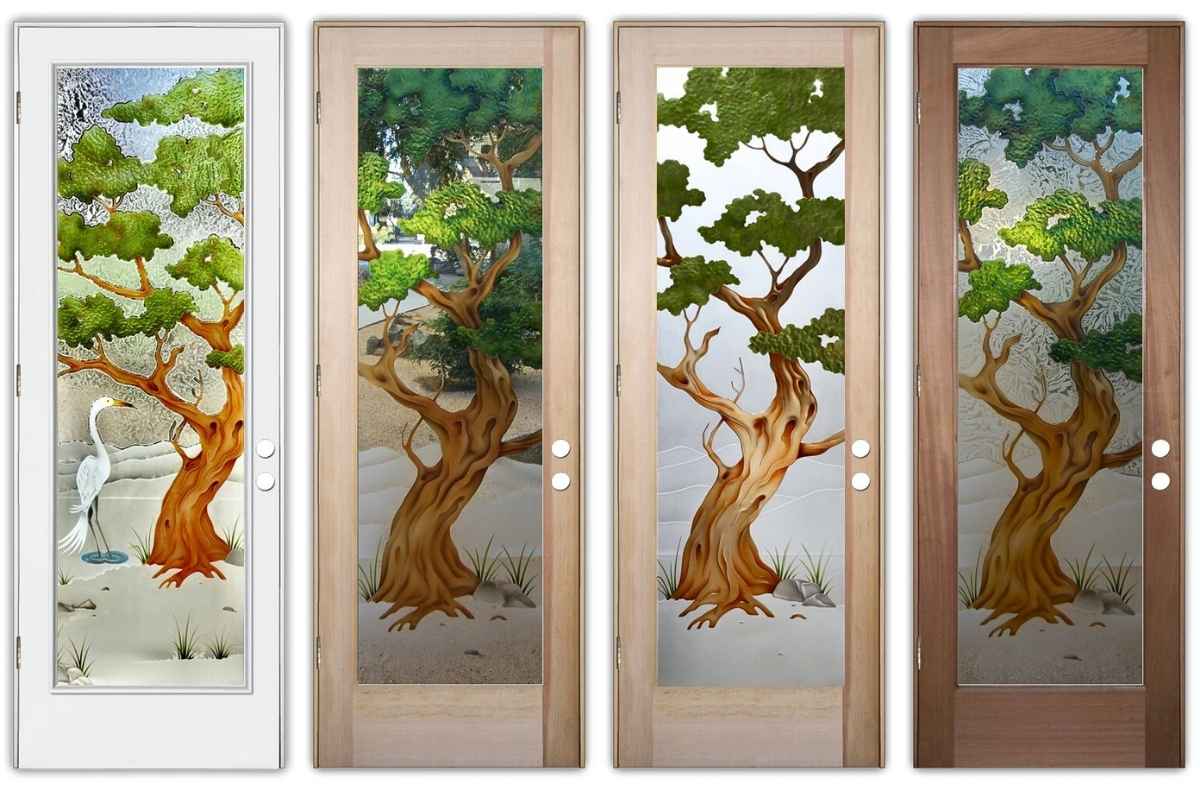
- Nature-inspired scenes
- Traditional leaded patterns
- Modern abstract layouts
This flexibility allows the glass to complement nearly any interior design theme.
Stained Glass vs Beveled Glass Doors: What’s the Difference?
Feature |
Stained Glass Doors |
Beveled Glass Doors |
|---|---|---|
Appearance |
Colored glass pieces arranged in artistic designs |
Clear glass pieces with angled edges that refract light |
Light Effect |
Rich colors and patterns filter light |
Prism-like reflections create sparkle |
Style Compatibility |
Traditional, Victorian, Art Nouveau |
Traditional, transitional, and modern |
Maintenance |
Typically sealed within insulated glass units |
Often combined with leaded glass panels |
Visual Impact |
Bold decorative statement |
Elegant, subtle dimensional effect |
Both styles can be combined to create doors with beveled glass and stained elements that provide both color and light refraction.
ALSO READ: What Is a Stained Glass Door? Benefits, Styles, and Uses
Designs for Stained and Beveled Glass
Traditional Floral Patterns
Floral designs remain one of the most popular stained glass styles. Beveled glass elements can form petals, borders, or highlights within the design.
Geometric Beveled Designs
Modern homes often feature geometric patterns using clear beveled glass shapes arranged in repeating layouts.
Nature-Inspired Themes
Designs inspired by leaves, vines, birds, or landscapes can be enhanced with beveled accents that create sparkle within the composition.
Classic Victorian Styles
Victorian stained glass panels frequently combine rich colors with beveled borders and decorative symmetry.
How Beveled Glass Is Made
Creating beveled glass involves a specialized process that transforms thick glass into sparkling, faceted elements used within decorative panels.
Cutting and Shaping the Glass
Each piece begins as a thicker sheet of clear glass. The glass is carefully cut into the desired shape using precision tools to match the design pattern of the panel.
Grinding the Bevel
The edges of the glass are then ground at an angle, forming the characteristic beveled edge. This angled surface is what produces the prism effect when light passes through the glass.
Polishing the Surface
After grinding, the bevel is polished to a crystal-clear finish. This polishing stage is essential because it allows the glass to refract light beautifully and produce the shimmering reflections beveled glass is known for.
Assembling the Decorative Panel
Once the beveled pieces are completed, they are assembled together with colored glass pieces using traditional stained glass methods such as lead came or copper foil. The finished panel becomes a cohesive piece of decorative art that combines color, light, and dimension.
How to Choose the Right Beveled Glass Design for Your Home
Selecting the right decorative glass design involves balancing architectural style, privacy needs, and the overall look you want to achieve in the space.
Consider Your Home’s Architectural Style
Traditional homes often look best with classic leaded patterns, floral motifs, or symmetrical beveled designs. Contemporary homes may benefit from geometric layouts, clean lines, or minimalist beveled accents.
Matching the design style to the architecture helps the glass feel integrated rather than decorative for decoration’s sake.
Think About Privacy Levels
Different glass textures and colors can increase privacy while still allowing natural light to pass through. Clear beveled pieces are often combined with textured or frosted glass backgrounds to provide both beauty and privacy.
Balance Color and Light
Colored glass adds dramatic visual interest, while clear beveled glass enhances brightness and sparkle. A balanced design often combines both elements so the panel remains vibrant without blocking too much light.
Consider Glass Size and Layout
Large door or window panels allow for more intricate compositions, while smaller areas such as sidelights or transoms benefit from simpler designs that remain visually balanced within the space.
HELPFUL RESOURCES:
Maintenance and Cleaning Tips for Decorative Glass Panels
Decorative stained beveled glass is designed to last for decades, and maintaining its beauty requires only minimal care.
Cleaning Exterior Glass Surfaces
For insulated units used in doors or windows, cleaning is simple. The decorative panel is sealed between layers of glass, so you only need to clean the exterior surfaces just as you would any standard window.
A soft cloth with a mild glass cleaner is typically all that is required.
Protecting Interior Decorative Panels
Interior decorative glass panels can be cleaned with a soft microfiber cloth and gentle glass cleaner. Avoid abrasive pads or harsh chemicals that could scratch the surface.
Preserving the Lead or Solder
If the decorative panel is exposed (not sealed within an insulated unit), occasional gentle dusting will keep the lead lines and solder joints looking their best.
Long-Term Durability
Well-crafted stained beveled glass can remain beautiful for generations. With proper care and thoughtful installation, decorative glass panels continue to sparkle and enhance the space for many years.
Modern Decorative Glass Alternatives
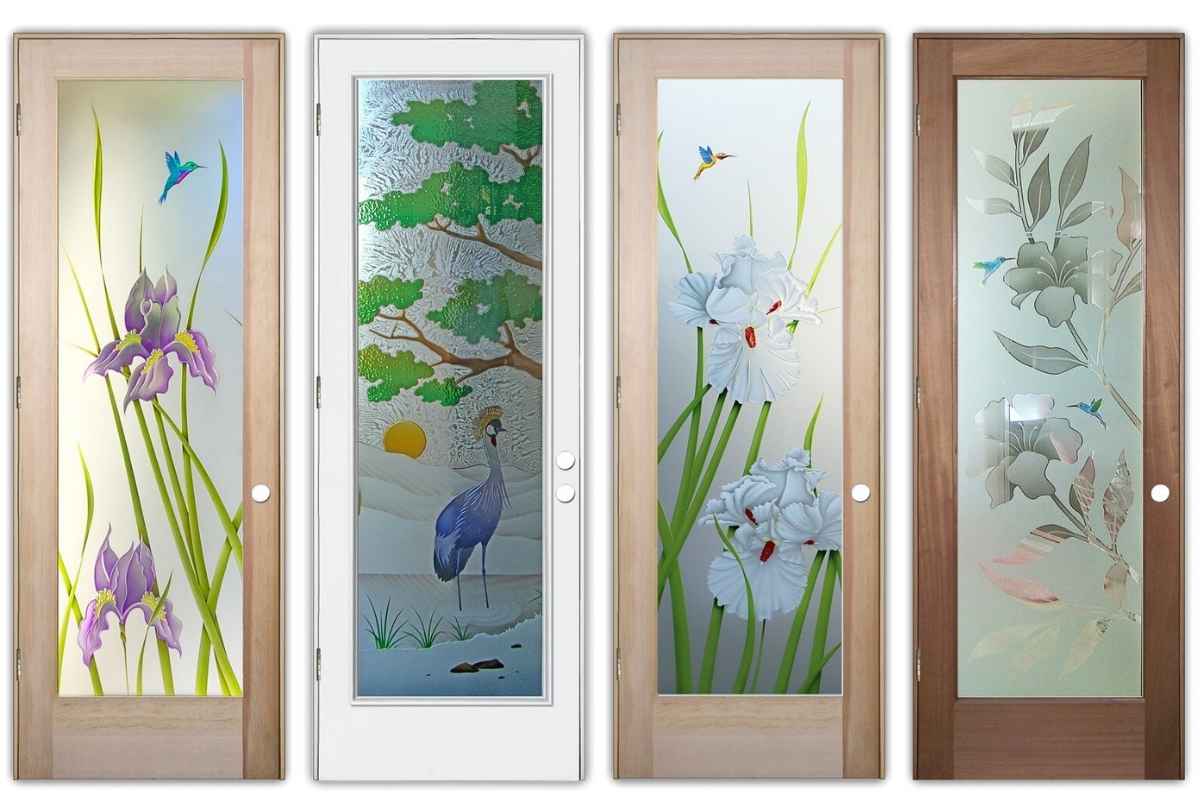
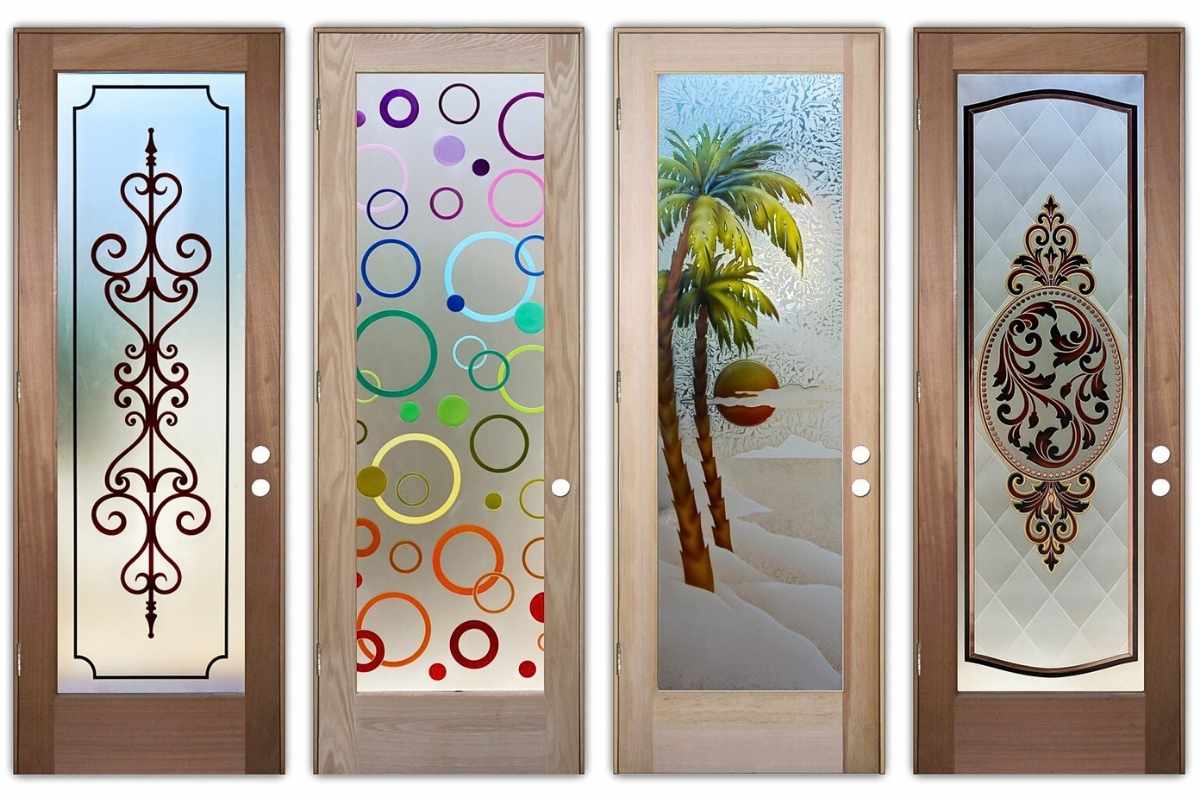
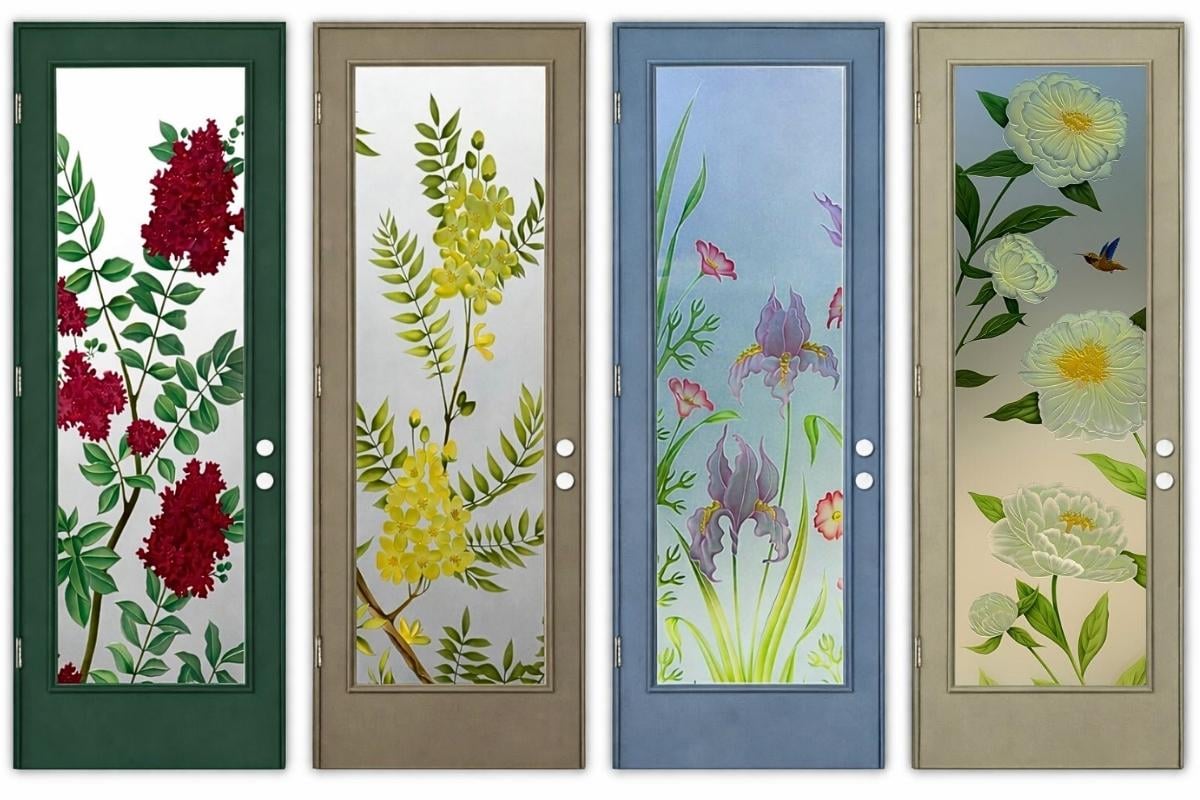
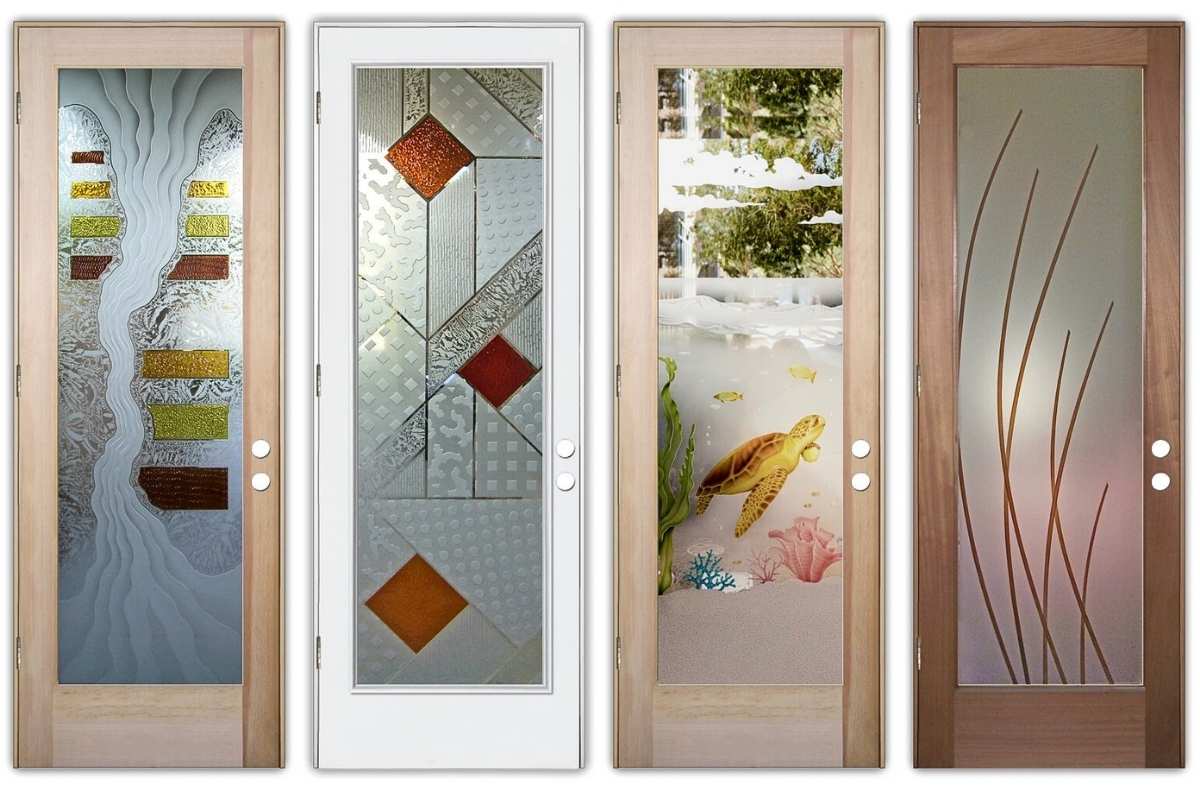
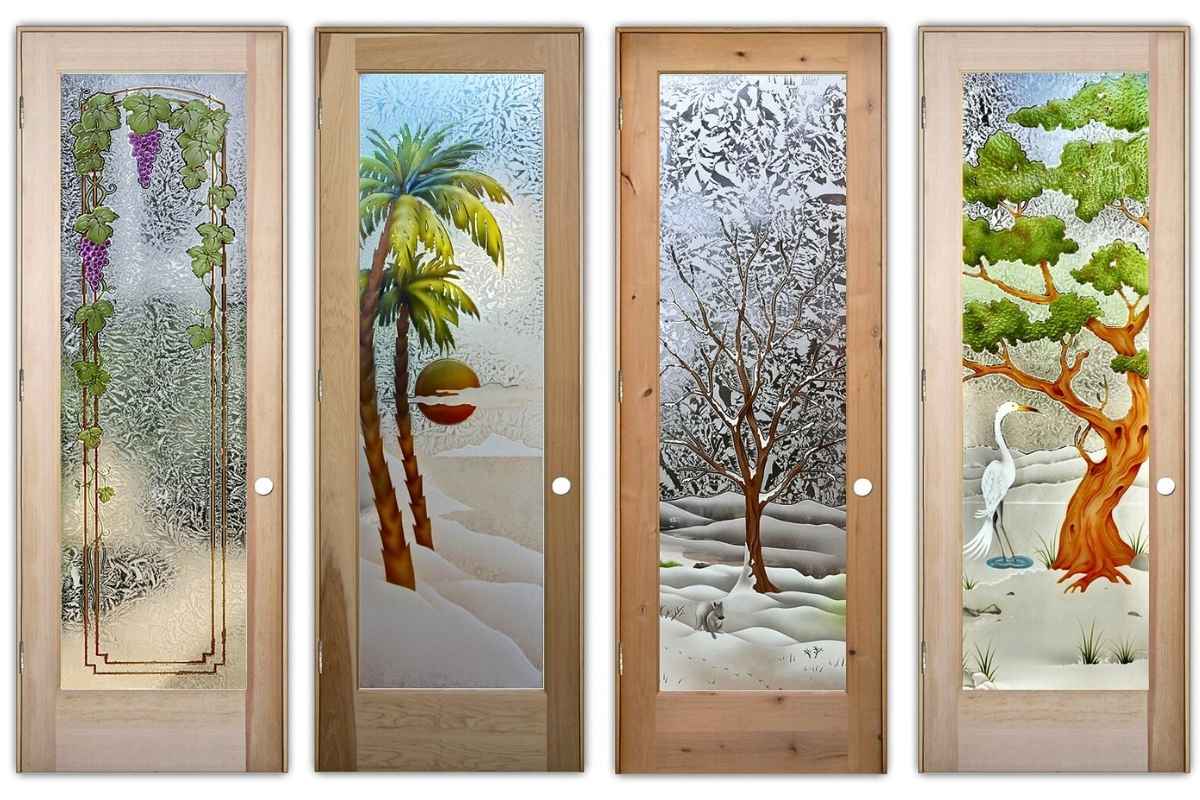
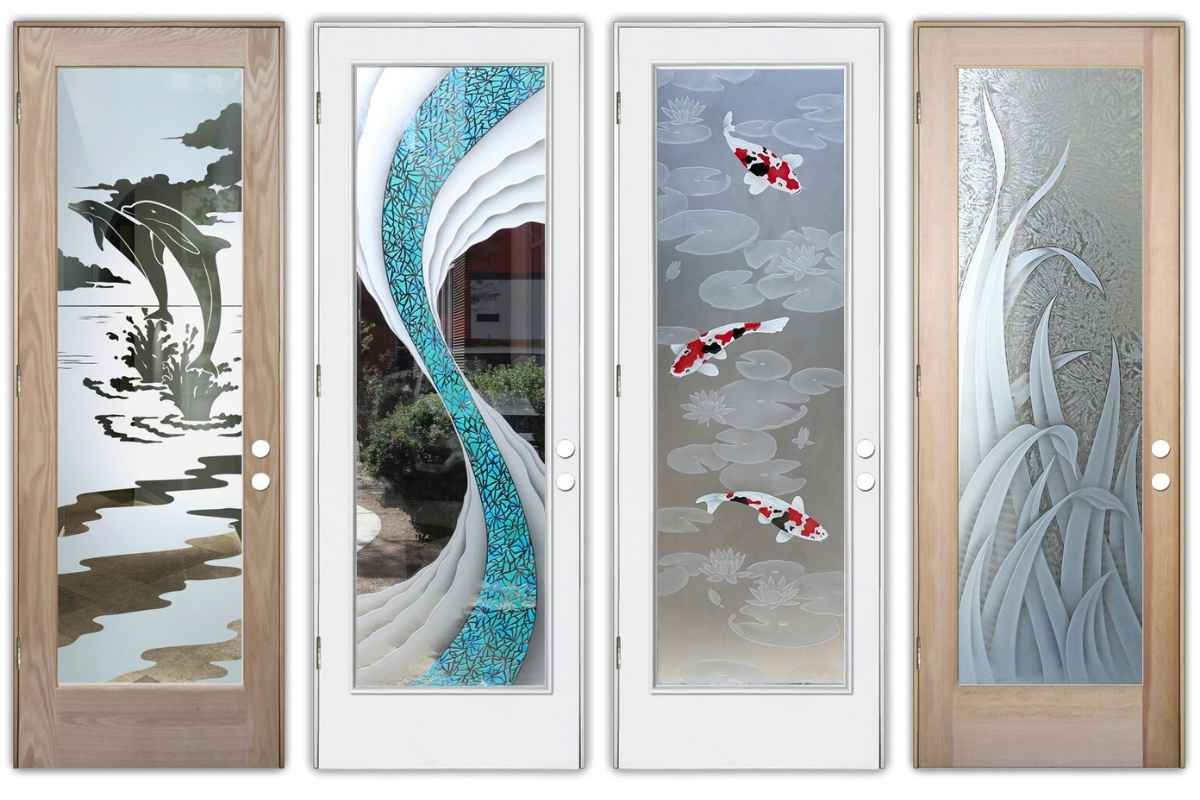
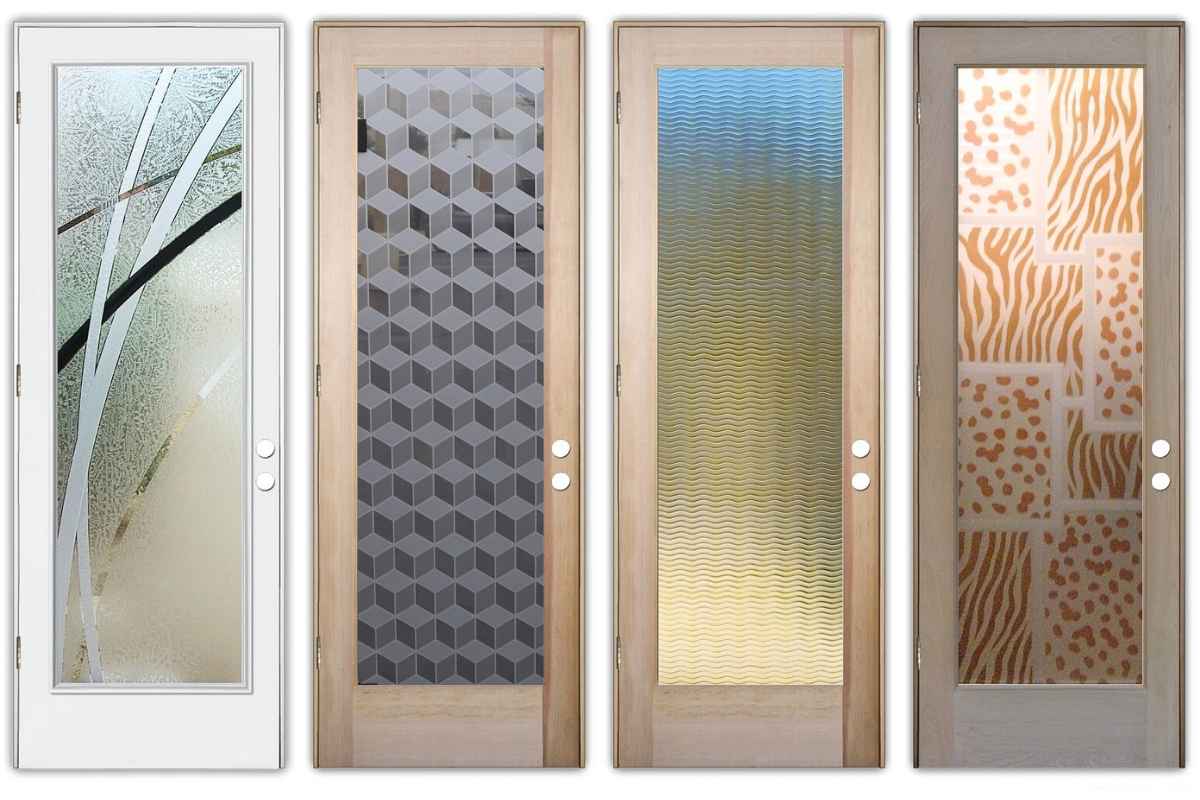
While traditional stained glass remains beautiful, modern decorative glass techniques offer new ways to achieve a similar artistic look with greater durability and flexibility. Today, many decorative doors use sandblasting, carving, or etched designs on a single solid panel of tempered glass. These methods create elegant frosted patterns that diffuse light while providing privacy.


FREE SHIPPING on Most Orders
Modern decorative glass can also incorporate elements that resemble classic stained glass, such as clear bevels or textured glass details. These approaches allow homeowners to enjoy the look of doors with beveled glass or stained-style artwork while benefiting from the strength and easier maintenance of contemporary glass fabrication. The result is a beveled glass interior door that captures the beauty of traditional decorative glass while fitting seamlessly into modern homes.
Custom Decorative Glass by Sans Soucie
For nearly five decades, Sans Soucie Art Glass has specialized in creating decorative glass designs for doors, windows, and architectural features. Each design is carefully crafted to balance artistic beauty with practical functionality, allowing homeowners to enjoy both privacy and natural light.
Request a custom quote or explore decorative glass designs to discover the many styles and possibilities available with decorative stained beveled glass.
Frequently Asked Questions
What thickness of glass is typically used for beveled glass panels?
Beveled glass is usually made from thicker glass, often around 3/16″ to 1/4″, because the grinding process removes material from the edges to create the angled bevel. The additional thickness allows the glass to maintain strength while still producing the distinctive faceted edge that refracts light.
Can beveled glass be combined with frosted or textured glass?
Yes. Many decorative panels combine clear beveled pieces with frosted or textured glass backgrounds. This pairing allows the beveled elements to sparkle while the surrounding glass diffuses light and provides additional privacy.
Does beveled glass affect the amount of light entering a room?
Beveled glass actually enhances the way light enters a space. While the glass remains clear, the angled edges bend and scatter light slightly, creating soft reflections and highlights without significantly reducing brightness.
Is beveled glass suitable for modern home designs?
Absolutely. While beveled glass is often associated with traditional or Victorian styles, modern designs frequently use simple geometric bevel layouts with clean lines. These designs complement contemporary architecture while adding subtle visual interest.
How durable are decorative beveled glass panels in doors and windows?
When properly fabricated and installed—especially when sealed within insulated glass units—beveled glass panels are extremely durable. The protective outer layers shield the decorative panel from weather, moisture, and physical contact.
Can decorative beveled glass designs be customized?
Yes. Beveled glass pieces can be cut into many shapes and arranged into custom patterns. Designers often combine bevel clusters, borders, and geometric layouts with colored or textured glass to create unique panels tailored to the home’s architecture.
Do beveled glass panels require special cleaning products?
No special cleaners are required. A standard glass cleaner and soft cloth are typically all that is needed. Because many decorative panels are sealed between glass layers, the intricate bevel design itself is protected from dirt and fingerprints.
Why do some beveled glass designs sparkle more than others?
The sparkle depends on the size, angle, and number of bevels within the panel. Designs with larger bevel clusters or multiple angled pieces create more surfaces for light to refract, producing stronger prism-like reflections throughout the space.
Can decorative beveled glass be made for different door or window sizes?
Yes. Decorative panels are available in many size options and can be designed to fit standard doors, sidelights, transoms, or custom openings. Because each panel is custom built, the design can be scaled and adjusted to match the exact proportions of the glass area.
What is the difference between single and insulated glass for decorative panels?
Single decorative panels are often used for interior applications such as interior doors or partitions. For exterior doors and windows, decorative panels are typically sealed inside insulated glass units, which protect the artwork while improving durability and energy efficiency.
What materials hold the glass pieces together in stained and beveled panels?
Traditional decorative panels are commonly assembled using lead came or zinc caming. Zinc caming is often used for larger panels because it provides added structural strength while maintaining the classic look of stained glass construction.
Can the metal lines in stained glass be different colors?
Yes. The metal caming or solder lines can be treated with a patina finish to change their appearance. This allows the lines to be darkened or aged slightly so they better complement the design and blend beautifully with the surrounding glass.
How do I choose a beveled glass design that fits the style of my home?
Start by considering the architecture and overall taste of the house. Traditional homes often pair well with floral or symmetrical designs, while contemporary homes may look best with geometric patterns and clean lines. The goal is to choose a design that feels natural and inviting within the space.
Can decorative beveled glass be used in rooms other than entryways?
Absolutely. While entry doors are popular locations, decorative panels are also commonly installed in kitchens, interior doors, cabinets, and windows. A well-placed panel can introduce natural light while adding artistic character to the room.
Are beveled glass designs inspired by historical styles?
Many designs draw inspiration from historical European stained glass traditions, where bevel clusters and geometric layouts were frequently used in doors and windows. These classic influences still guide many decorative glass patterns created today.
How can I communicate the design style I want for a custom panel?
It helps to gather inspiration images or reference examples of patterns, textures, or themes you like. Sharing a visual reference allows the designer to better understand your vision and create a panel that reflects your personal style and experience within the home.
Is decorative beveled glass a good long-term investment for a home?
Yes. Well-crafted decorative glass panels can last for generations and often become a signature design feature within the house. Because each panel is custom built, it adds a level of craftsmanship and character that families can enjoy for many years.

Sans Soucie Art Glass: Decorative, Custom & Frosted Glass Doors, Windows, Showers & Stained Glass Since 1976
Family-owned and operated since 1976, Sans Soucie Art Glass leads the industry in decorative glass and custom glass design — from sandblast frosted glass and carved glass to hand-painted and stained glass art — transforming ordinary glass into Works of Art Captured in Glass recognized worldwide.
Innovative Frosted Glass Door Designer Tool
In 2010, we invented and launched our Frosted Glass Pantry Door Designer – a fun, easy-to-use tool that makes it simple for anyone to design and customize not only pantry doors, but a wide range of frosted glass doors for every room.
Explore our Frosted Glass Doors Collection
Our custom frosted glass doors include a beautiful variety for every style and space:
- Pantry Doors
- Frosted Glass Interior Door
- Interior Doors with Frosted Glass
- Frosted Glass French Doors
- Frosted Glass Front Door
- Front Doors with Frosted Glass
- Interior Glass Doors
- Glass Barn Doors
- Frosted Glass Barn Door
- Sliding Glass Barn Door
- All Glass Doors Interior
- All Glass Front Doors
- Bathroom Doors with Frosted Glass
- Laundry Room Doors
- Wine Room Doors
If you already have a door, and only need the glass insert, we also offer:
- Frosted Glass for Interior Doors
- Door Glass Inserts for Front Doors
- Glass Panels for Pantry Doors
- Frosted Glass Inserts for Bathroom Doors
- Laundry Room Door Glass Inserts
- Glass Panels for Interior Wine Cellar Doors
Elegant Frosted Glass Throughout Your Home
While our frosted glass doors are a top choice, we also create stunning glass products for every area of your home, including:
- Frosted Glass Shower Doors
- Glass Shower Partition
- Frosted Glass Shower Panel
- Frosted Glass Showers
- Frosted Glass Windows
- Bathroom Window Frosted Glass
- Decorative Window Glass, Window Frosting
- Custom Glass Dining Table
- Custom Glass Coffee Table
- Glass Shelves, Custom Glass Shelves
- Hand Carved & Painted Mirrors
- Frosted Glass Signs, Etched Glass Signs
- Cabinet Door Glass Inserts, Frosted Glass Inserts for Cabinet Doors
- Glass Wall Art, Wall Art on Glass
Looking for Inspiration? Explore Our Galleries
Discover visual idea boards, style concepts, décor applications, real project photos, and helpful information in our expanding gallery collection:
- Custom Glass
- Custom Glass Edges
- Custom Mirror
- Decorative Glass
- Decorative Glass Doors
- Decorative Glass Front Doors
- Decorative Glass Interior Doors
- Decorative Glass Window
- Stained Glass
- Stained Glass Doors
- Stained Glass Front Doors
- Stained Glass Windows
Free Shipping. Expert Packing, Peace of Mind
With FREE SHIPPING on most orders and worldwide delivery from our studio in Palm Desert, California, every order is packed in-house by our expert glaziers using custom materials and proven methods — ensuring safe arrival with a damage rate of less than 1%!
Explore our complete frosted glass doors collection and find the perfect frosted glass door for your space. Have questions? Contact us today!
Copyright © 2025, Sans Soucie Art Glass. All rights reserved.