Etched Glass, Carved Glass. What do you mean?
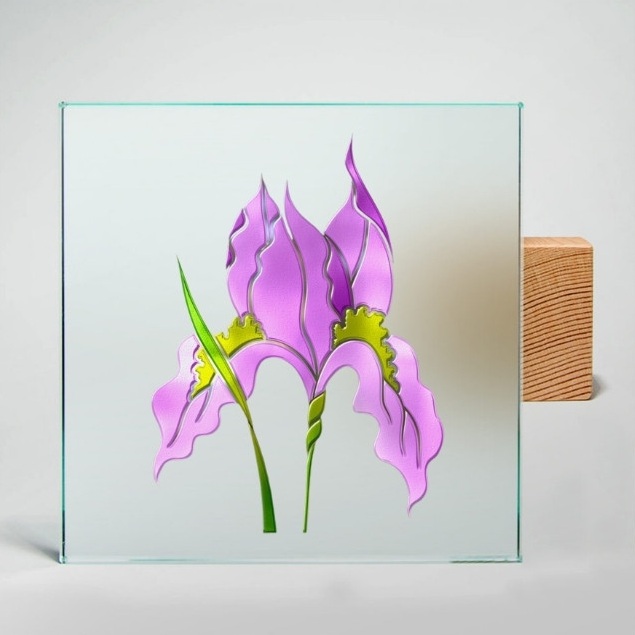
The term “etched glass” can have a number of different meanings, pointing to a number of different “etching techniques”.
Most people have a basic picture in their minds when they hear the term “etched glass” .. basically visualizing that the glass surface has been turned white! It’s no longer “clear”. This is true, it’s just that there are a number of different techniques that can be used to achieve this effect, AND there’s a number of different effects or “looks” of etched glass, all different, but all falling under the definition “etched glass”.
What Is Etched Glass? Definition, Techniques, and Finishes
“Etched glass” is a generic term for the treatment of the glass surface to diffuse transmitted light, reduce glare and give the glass a white, frosted appearance. A couple detailed definitions include:
“Glass decorated through the process of sandblasting or the use of hydroflouroc acid”. (source picassomio.com).
“A type of glassware whose decorative design has been cut into the surface by the corrosive action of an acid. An etched-glass surface may be either rough and frosted or satiny smooth and translucent, depending largely on the composition of the glass and the amount of time the glass is exposed to the acid.” (source britannica.com).
Another term that’s basically interchangeable with “etched glass”, is the term frosted glass.
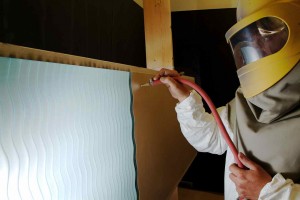
The method used by Sans Soucie for frosted or etched glass, is sandblasting, whereby we are etching the surface of the glass by spraying it with compressed air and sand. It takes a very gifted and well trained hand to be able to achieve a level of quality in the art of sandblasted glass!
Etched Glass vs. Carved Glass: Key Differences Explained
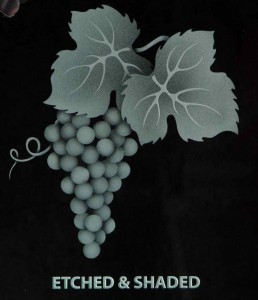
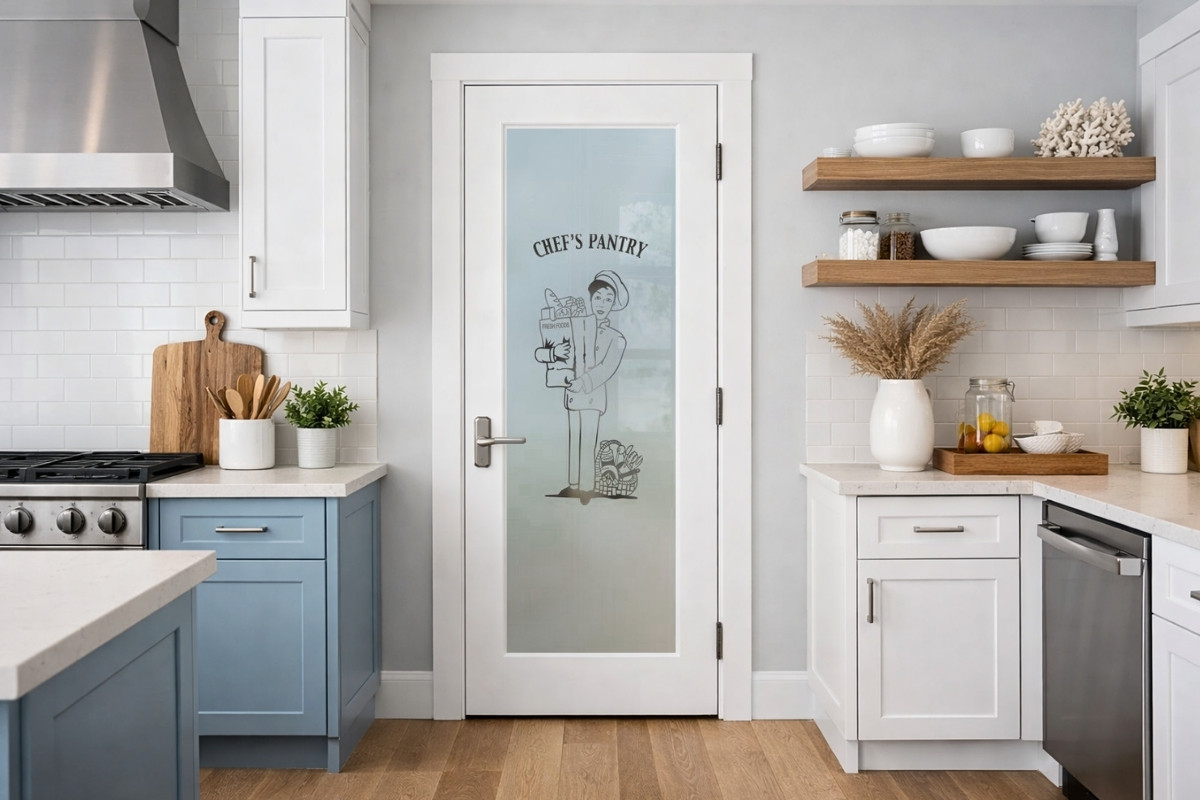
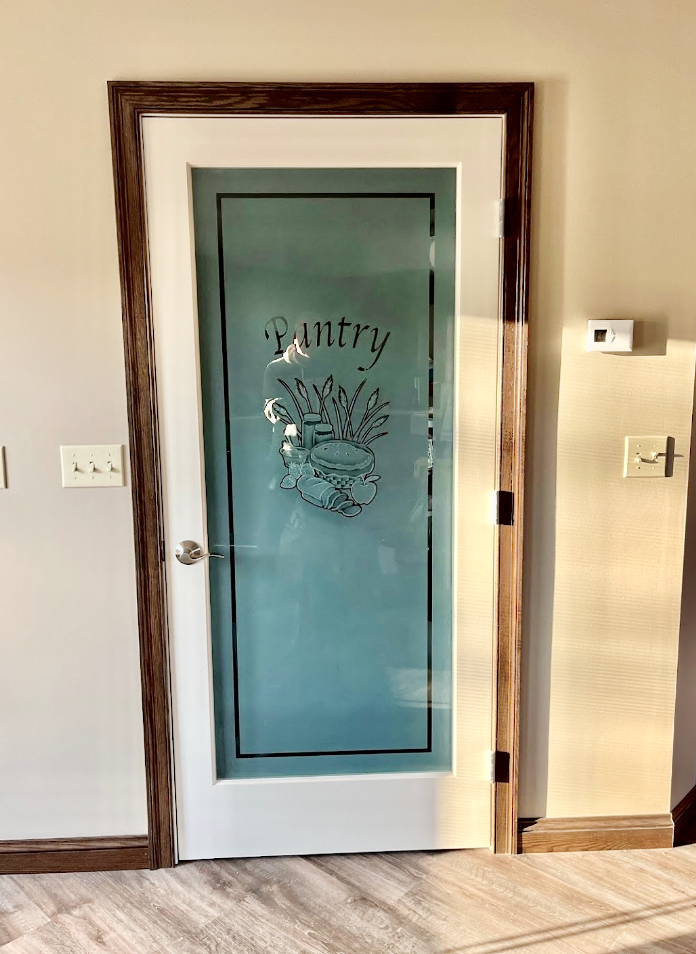
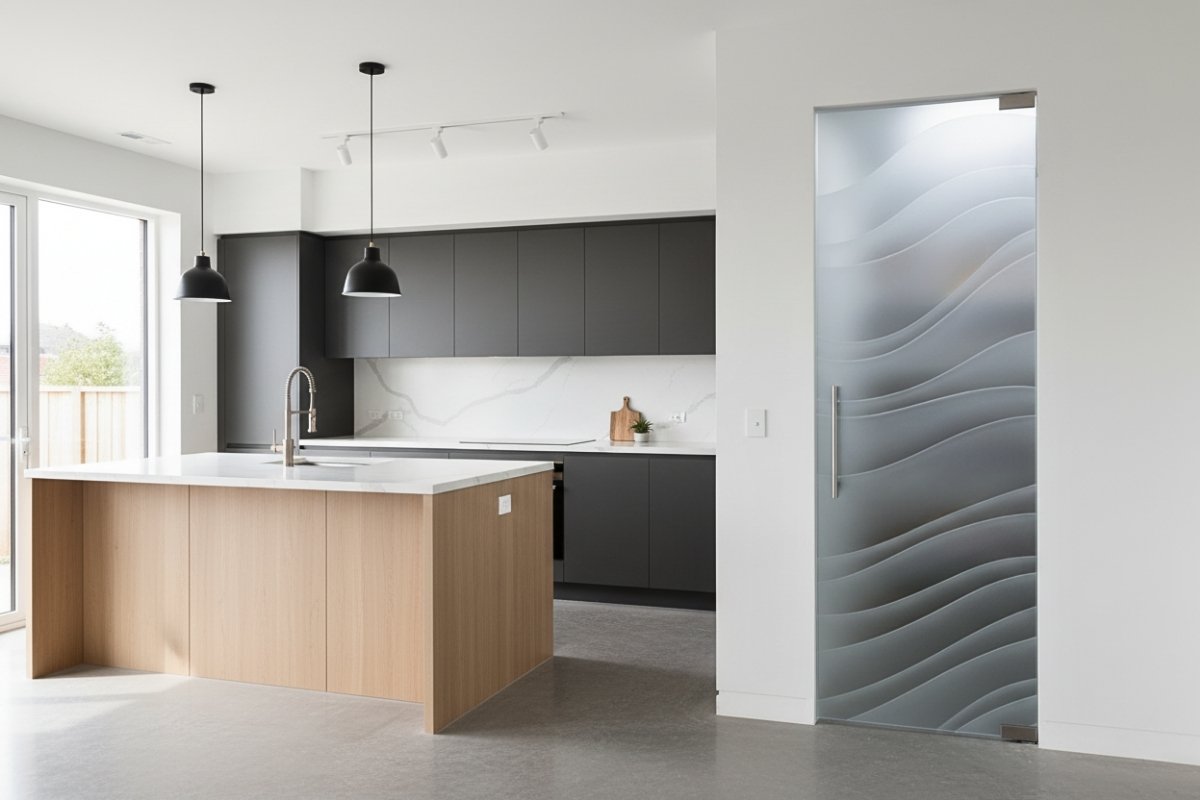
But then there’s further meaning for us, as we describe our sandblast techniques and effects. When we use the term “etched”, we really mean “surface etched”, where we have sandblasted the glass enough to effect the “surface only”. “Etching” does not go deep into the glass and creates a one-dimensional effect.
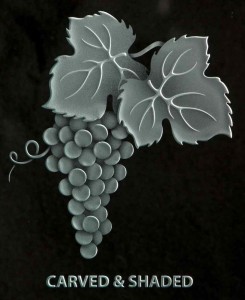
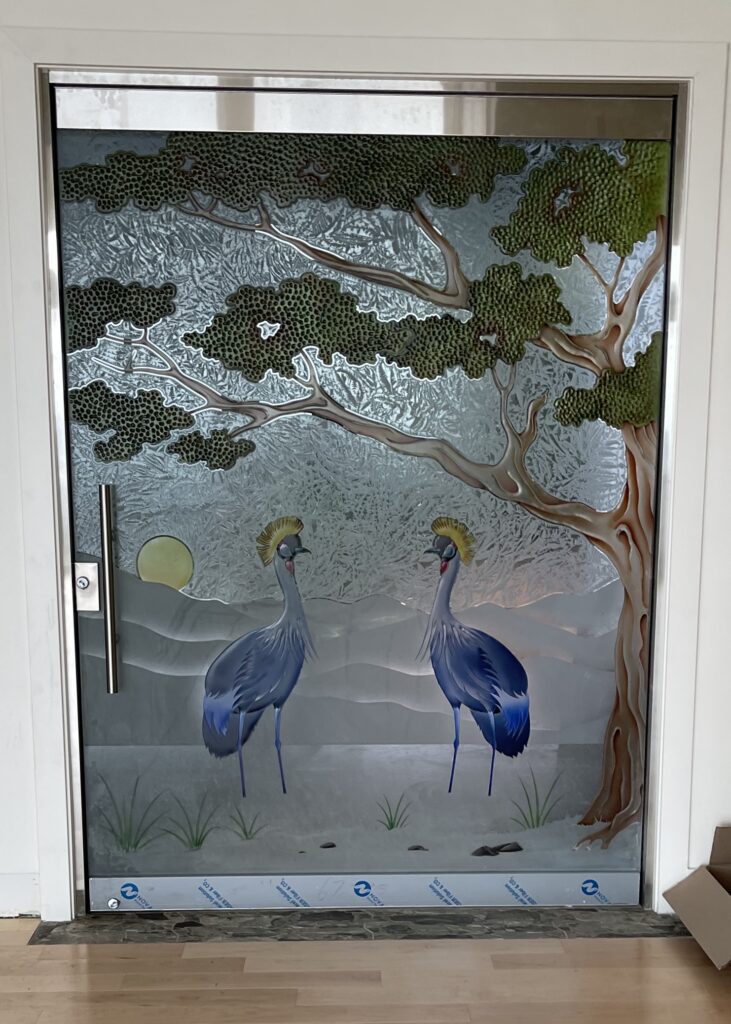
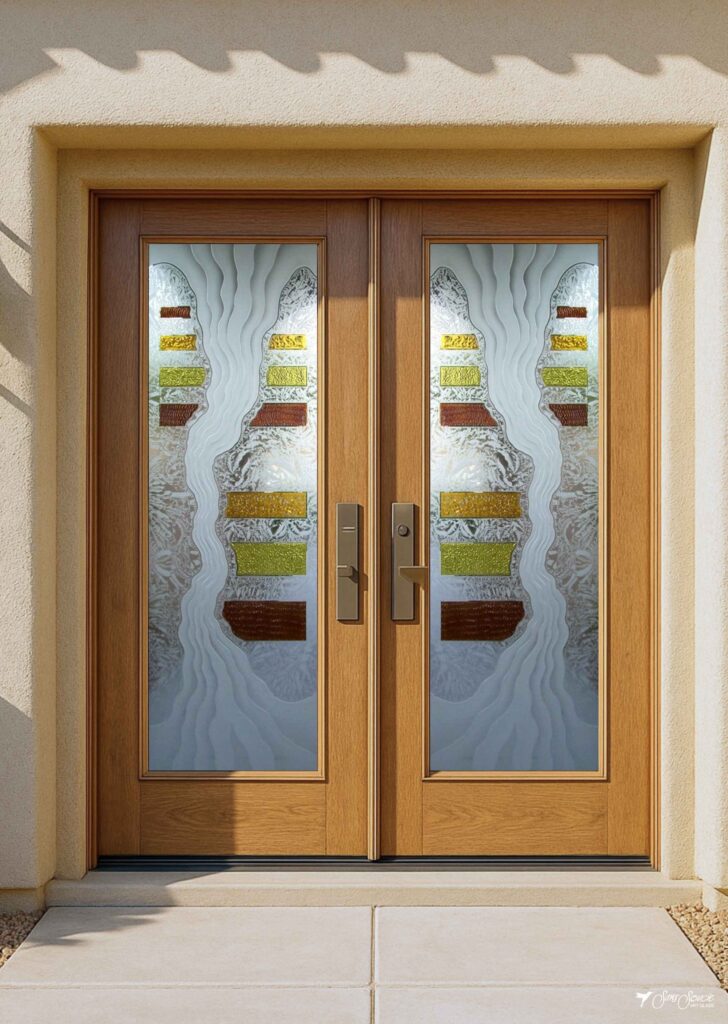
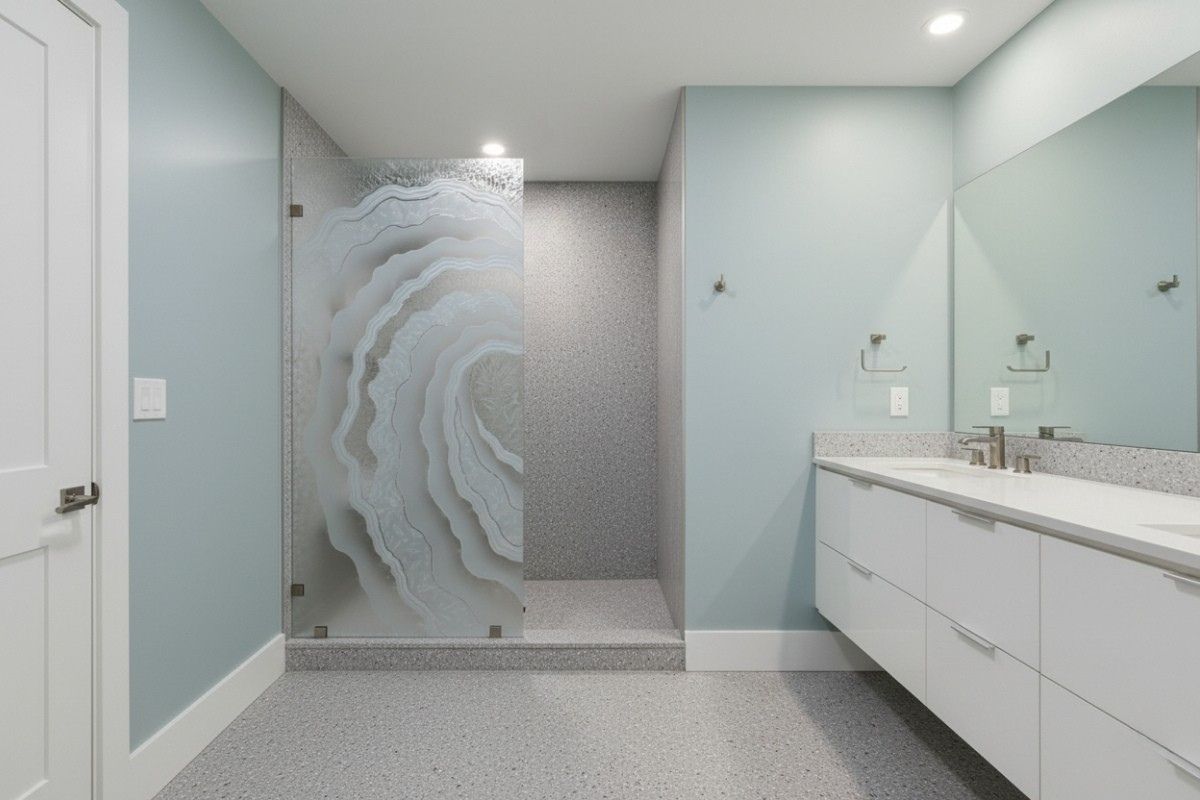
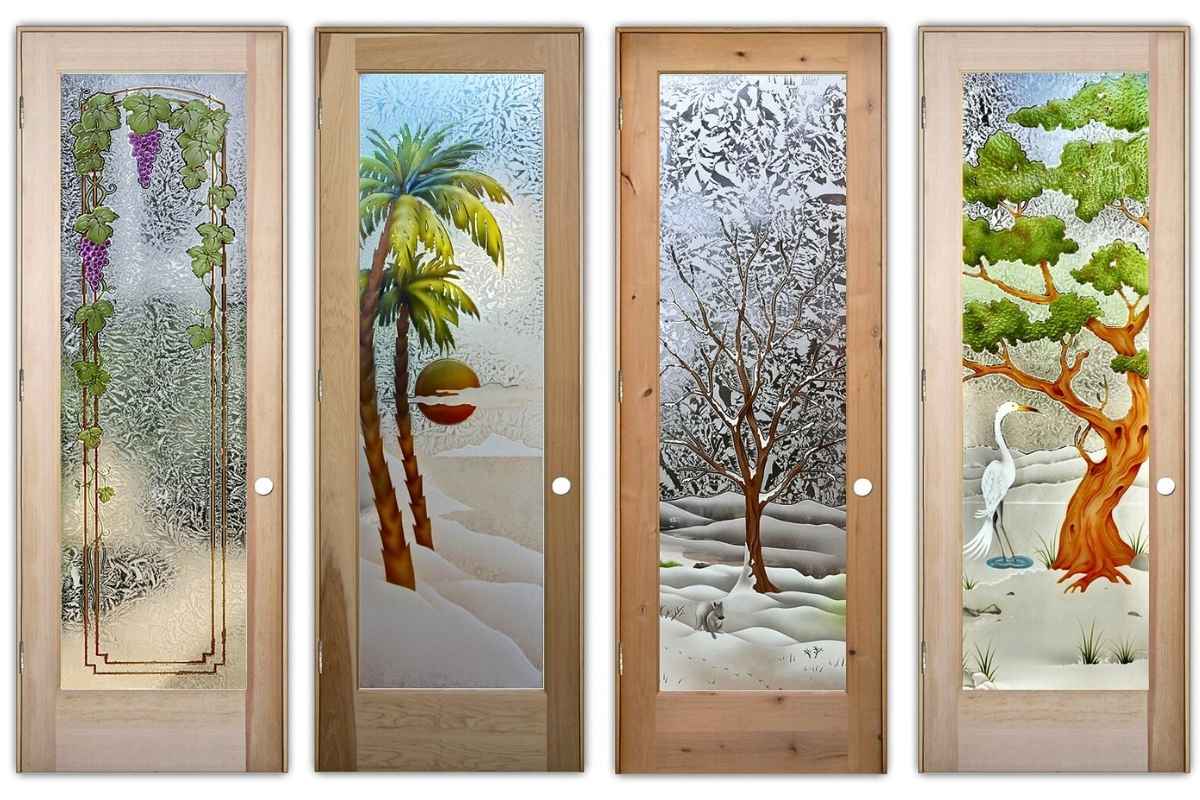
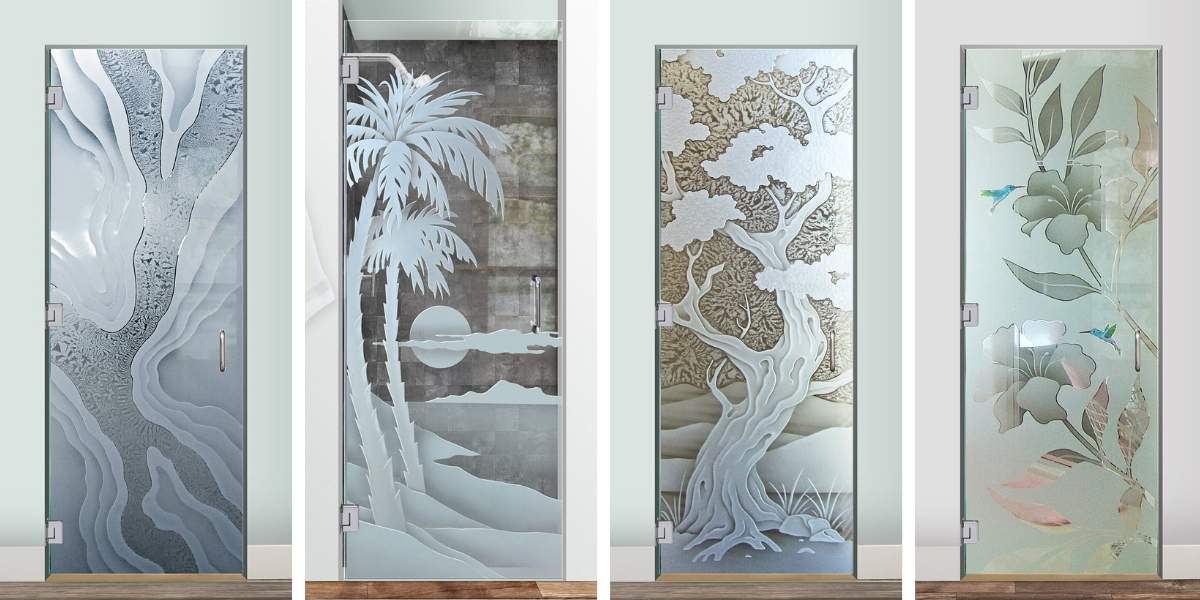
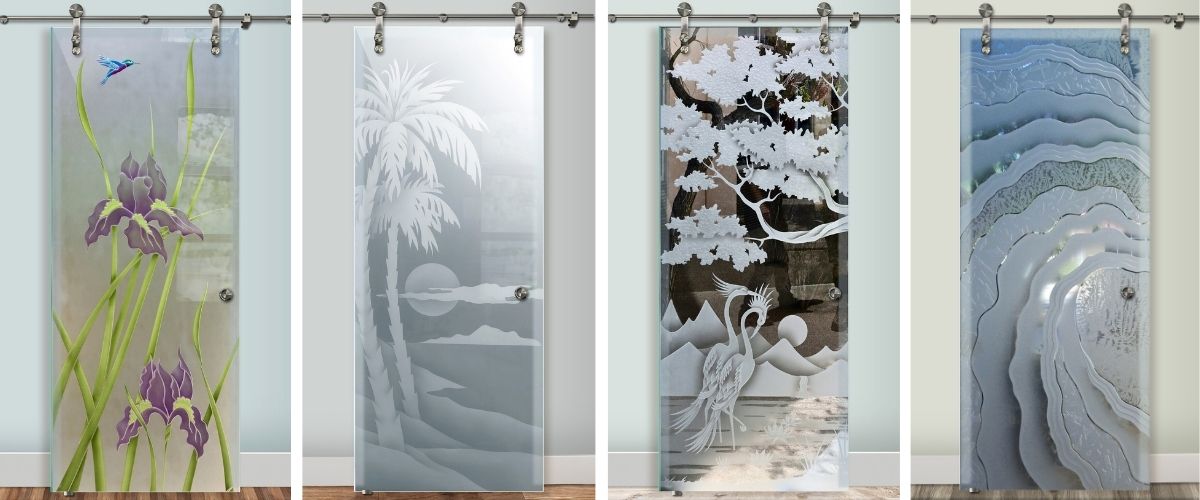
When we “go deeper” into the glass, we call that “carving” or “sculpture carving” the glass. Carving means we have sandblasted DEEPER into the glass surface, creating a three-dimensional sculpted image, carving a relief design which is a much more detailed effect, obtaining differing depths within the carved image. The carved EDGES within the design image will actually appear whiter and brighter, as they pick up and reflect the surrounding light. The image will appear three dimensional, as if it is floating within the glass.
Types of Etched Glass: Surface Etch, Solid Frosted, and Deep Carved Designs
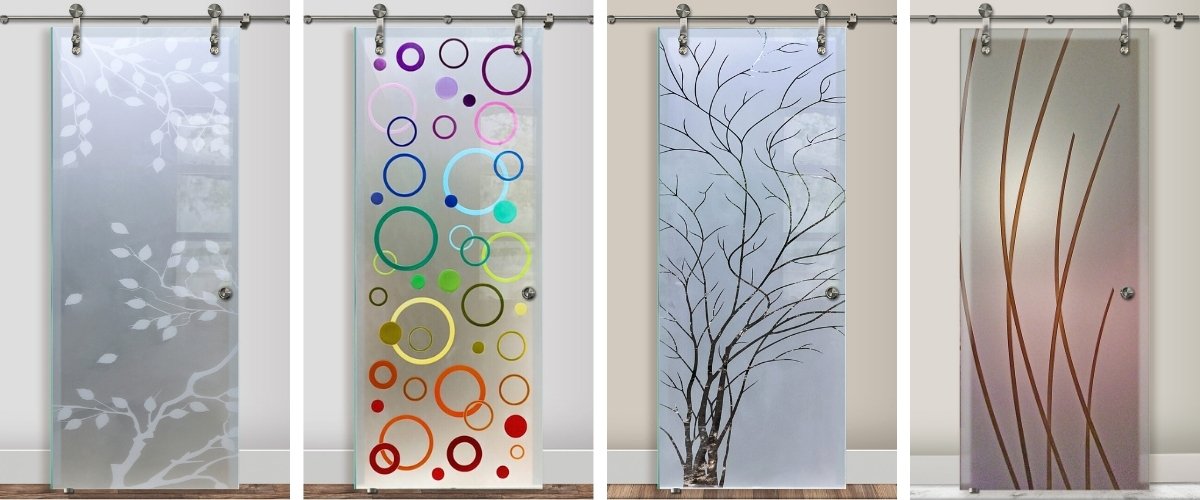
Another, more basic method or really more common “etched glass is look” is called a “solid etch”. This is a “single stage sandblast” technique, where there is no “shading” (shading is the term we use for leaving clear areas within the design). And by the way, this is the ONLY effect that can be achieved through other means of etching, such as acid or laser etching. This is where the design is a “solid white”, if you will. The effect is one-dimensional and does not create any “depth” or dimension in the design.
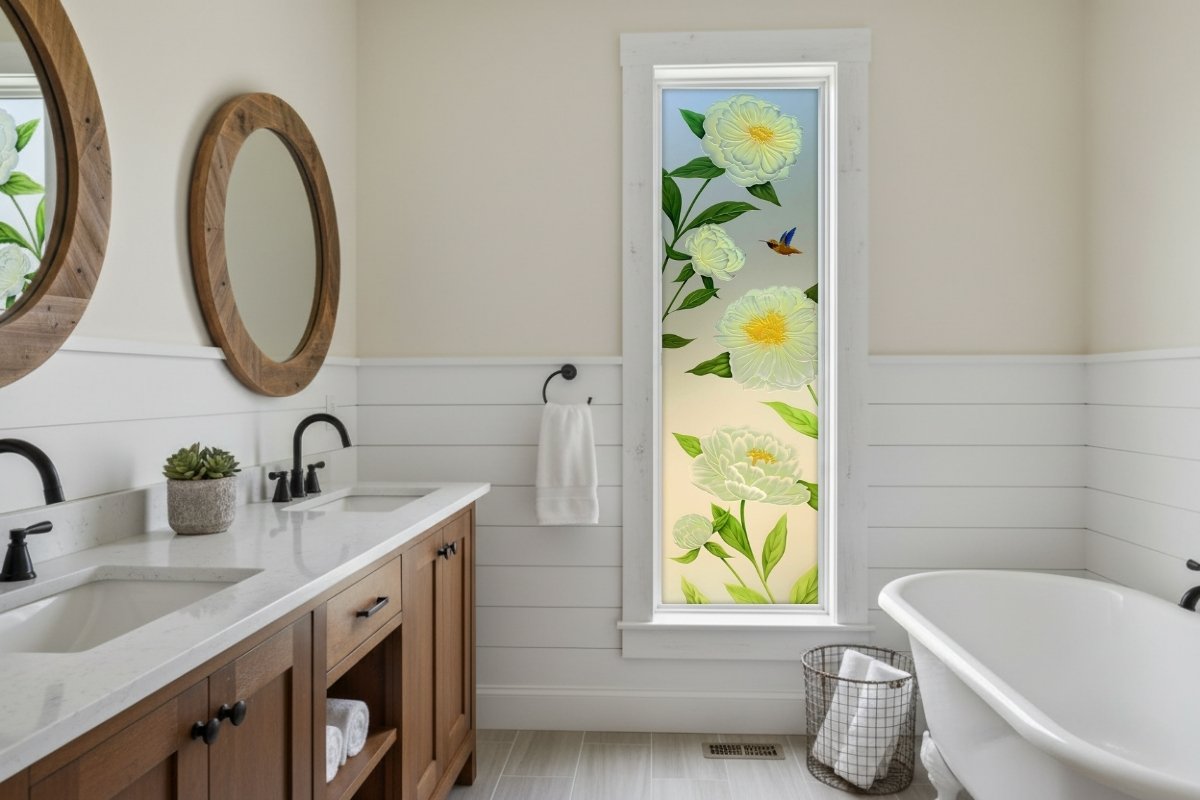
Another technique or effect that Sans Soucie glass features, is adding color to the glass design. This of course adds a dramatic element and since any color can be applied, this allows for a limitless, custom feature of our glass.
For more information about techniques and effects, as well other commonly asked questions, visit our FAQ’s page on our web site!
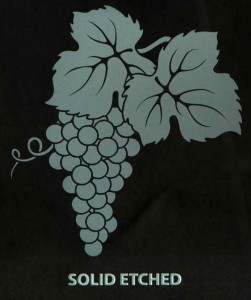
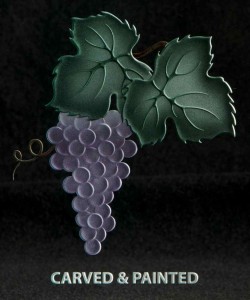
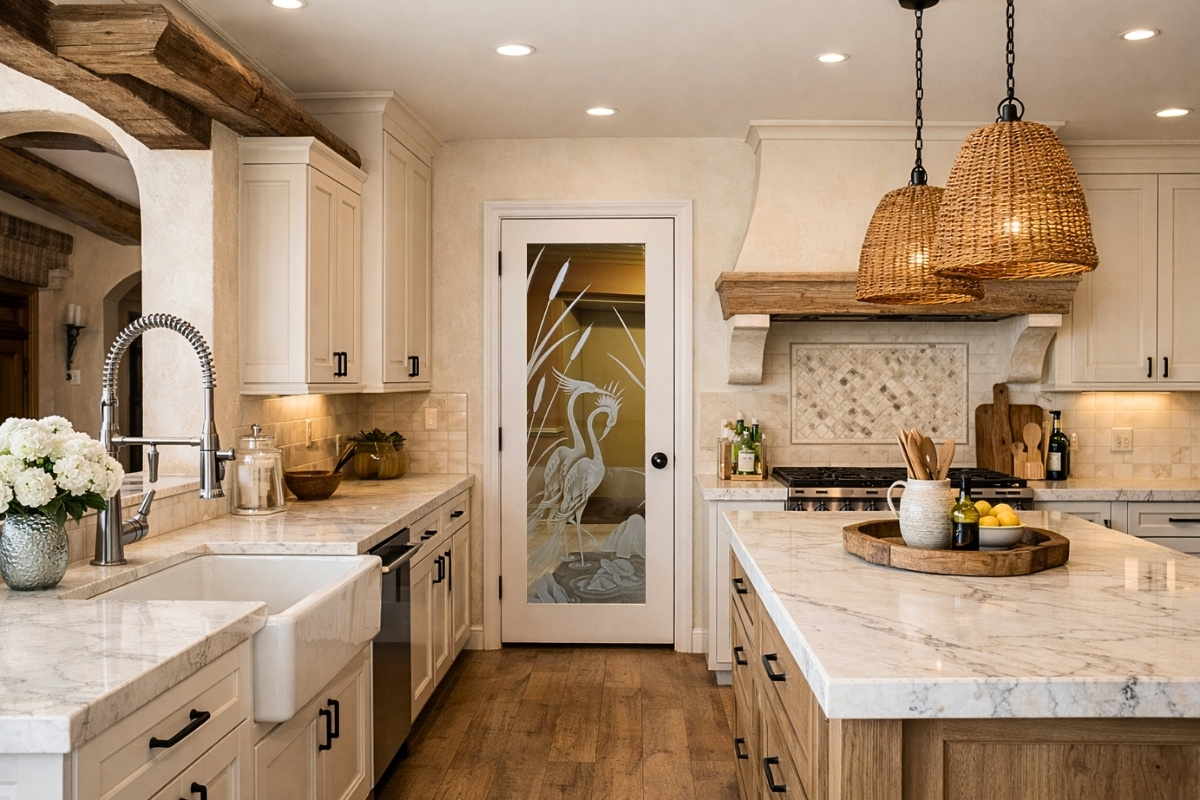
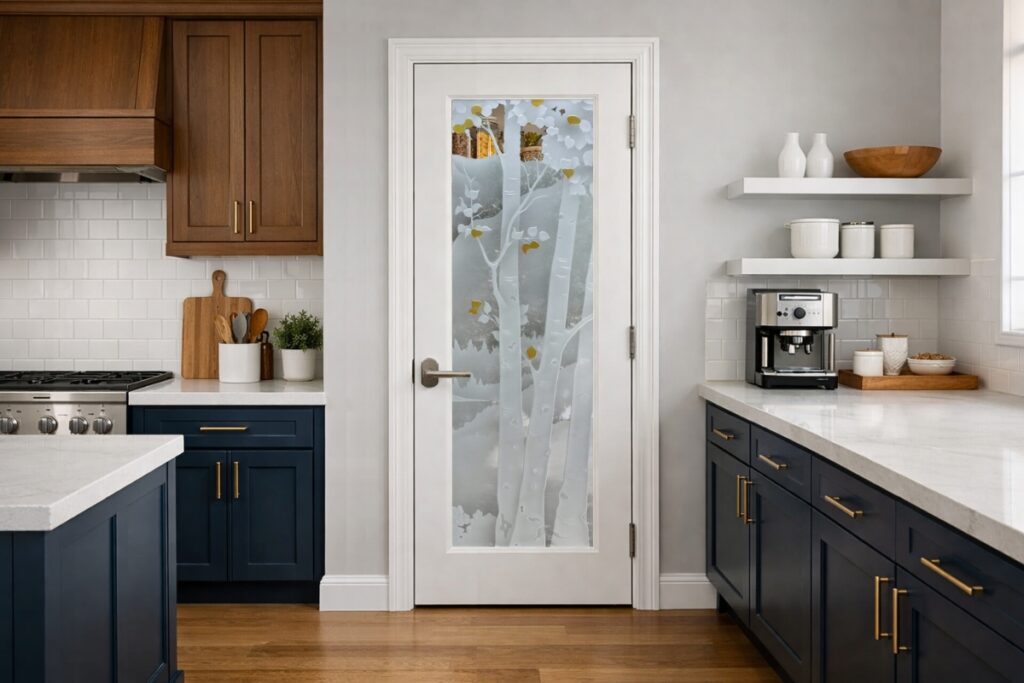
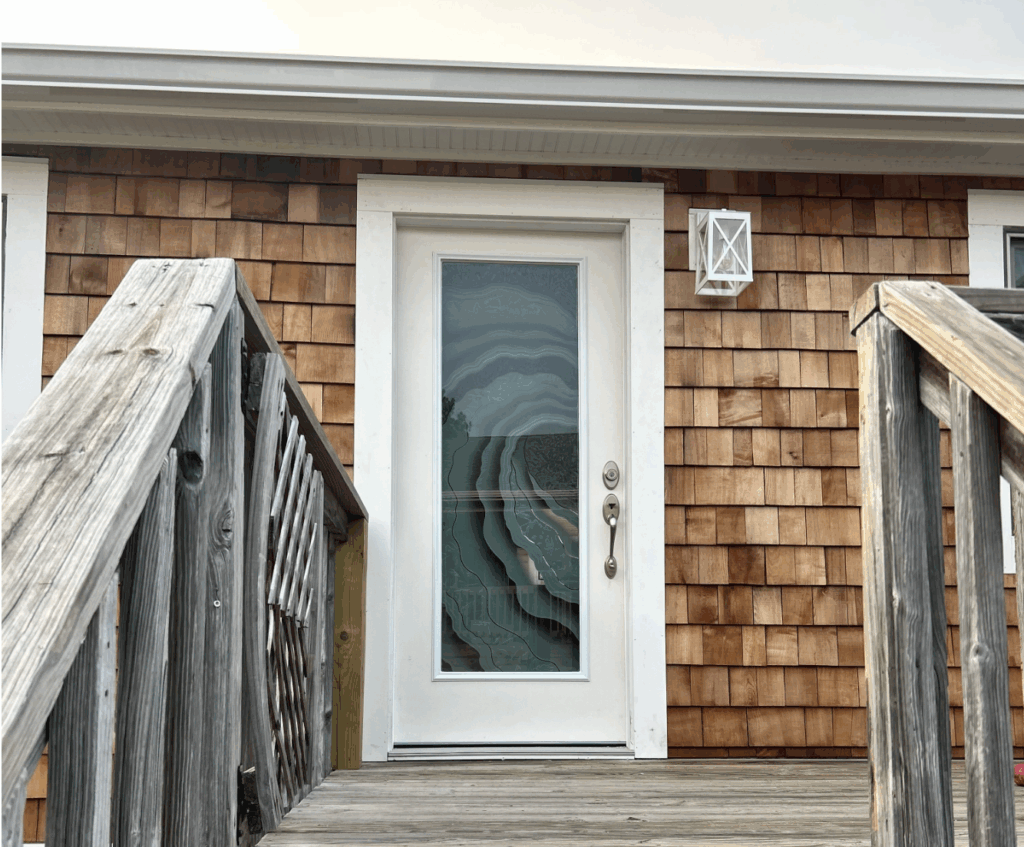
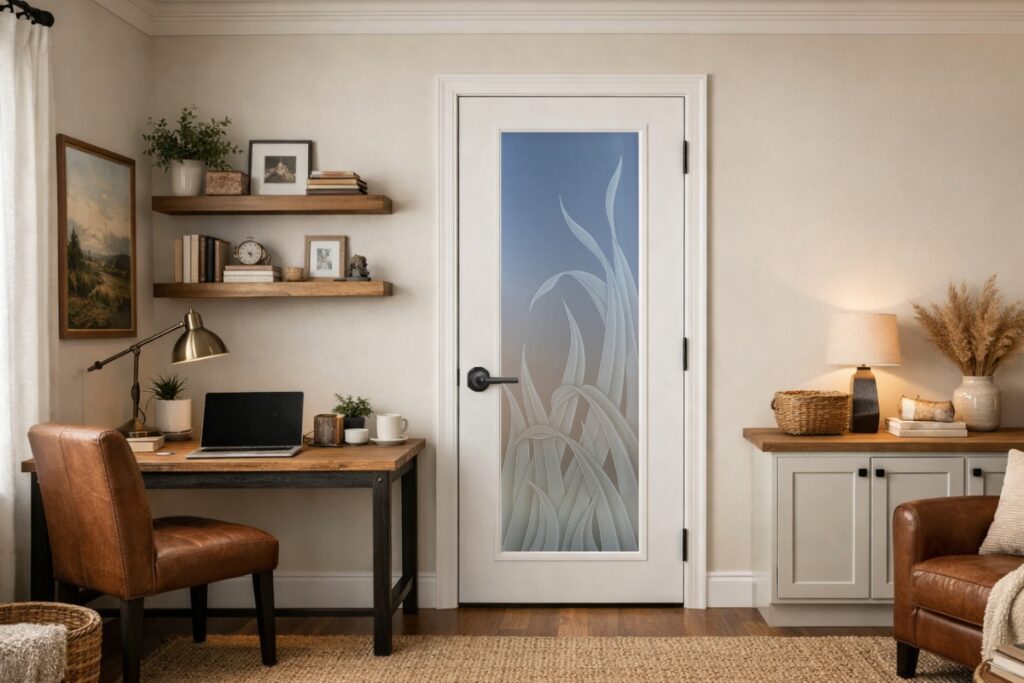
Visual Guide: Surface Etch vs. Deep Carved Glass
Surface Etched Glass (One-dimensional Effect)
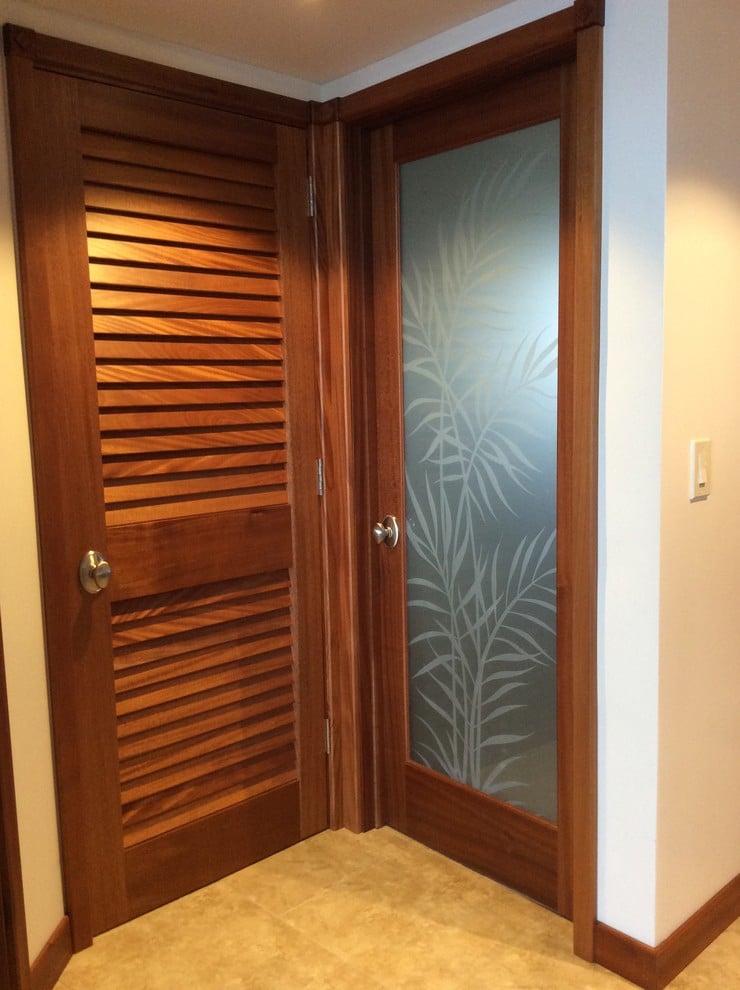

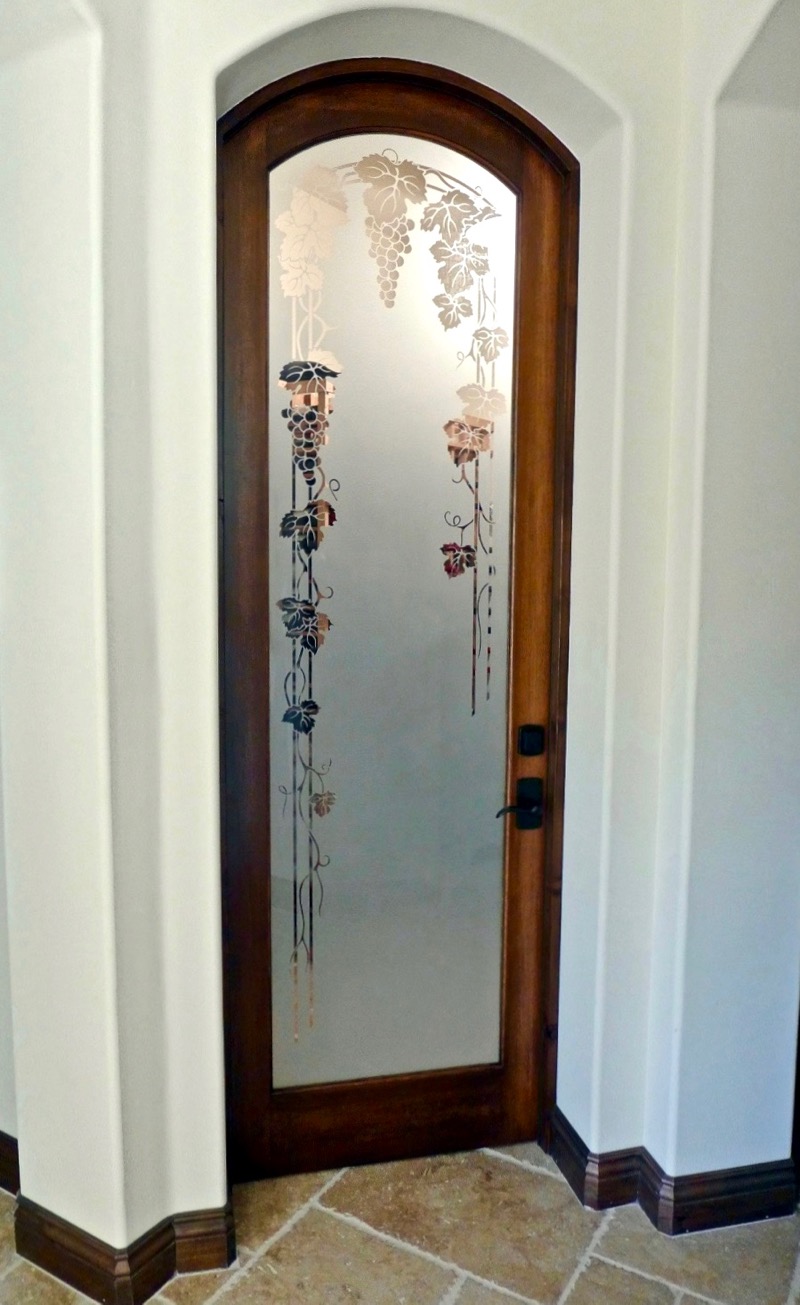
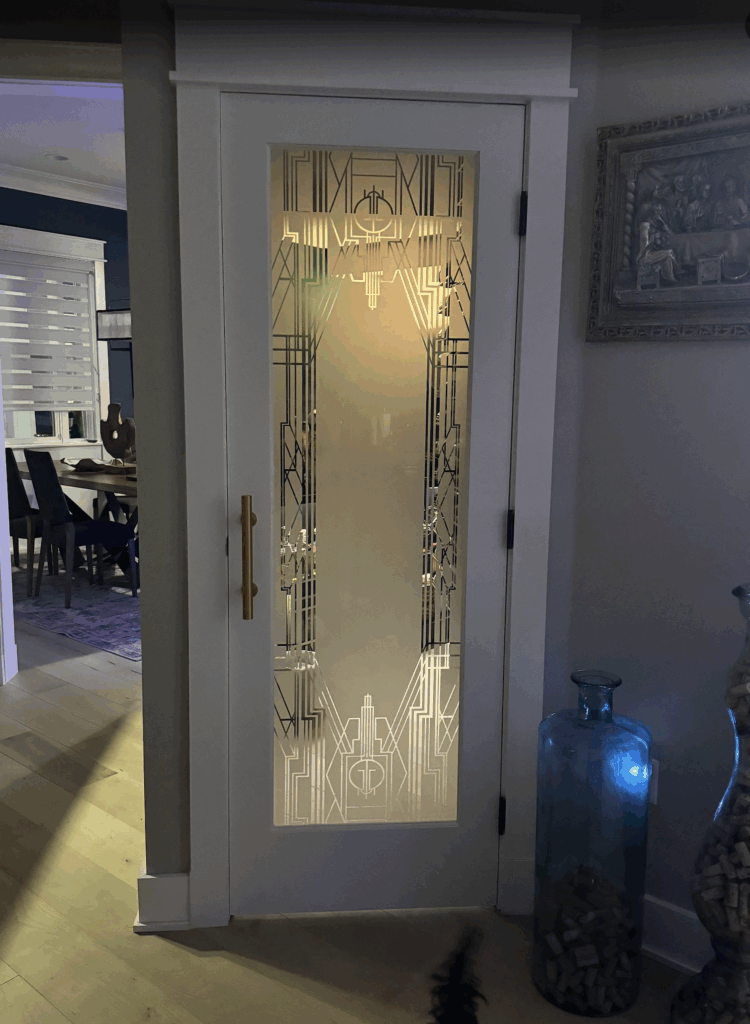

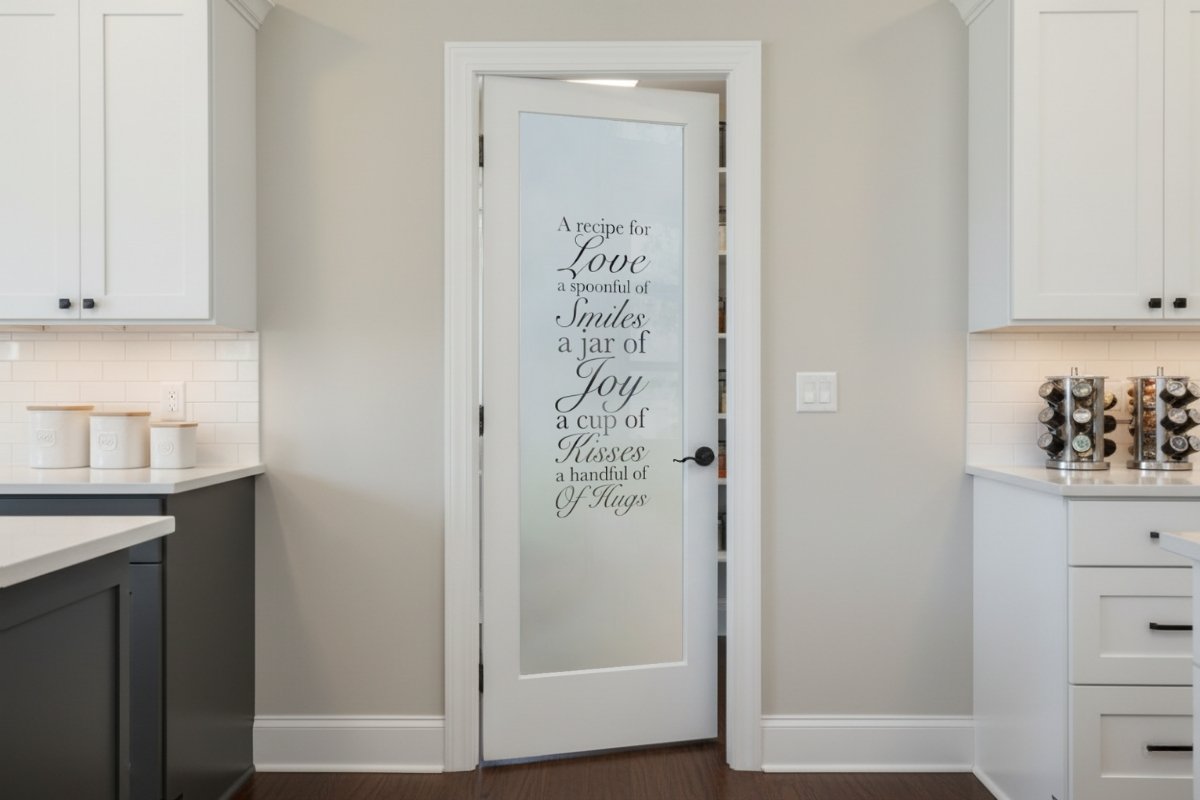
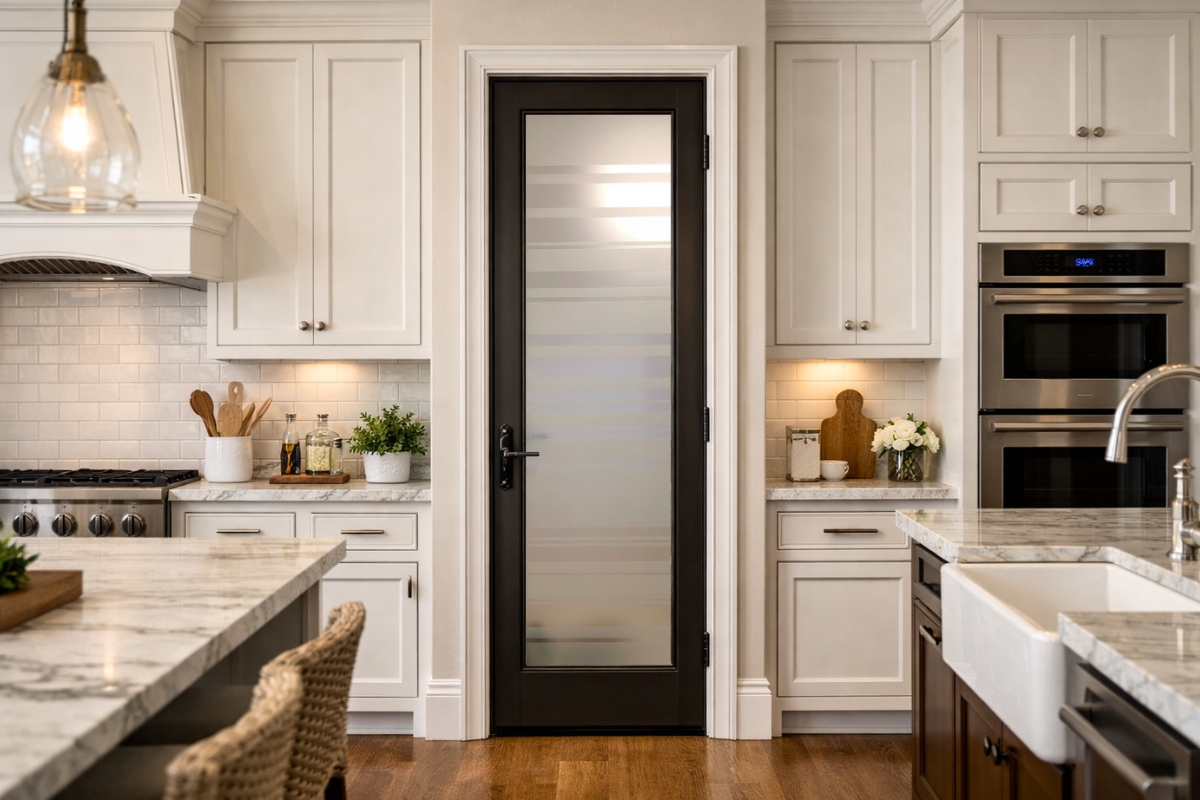
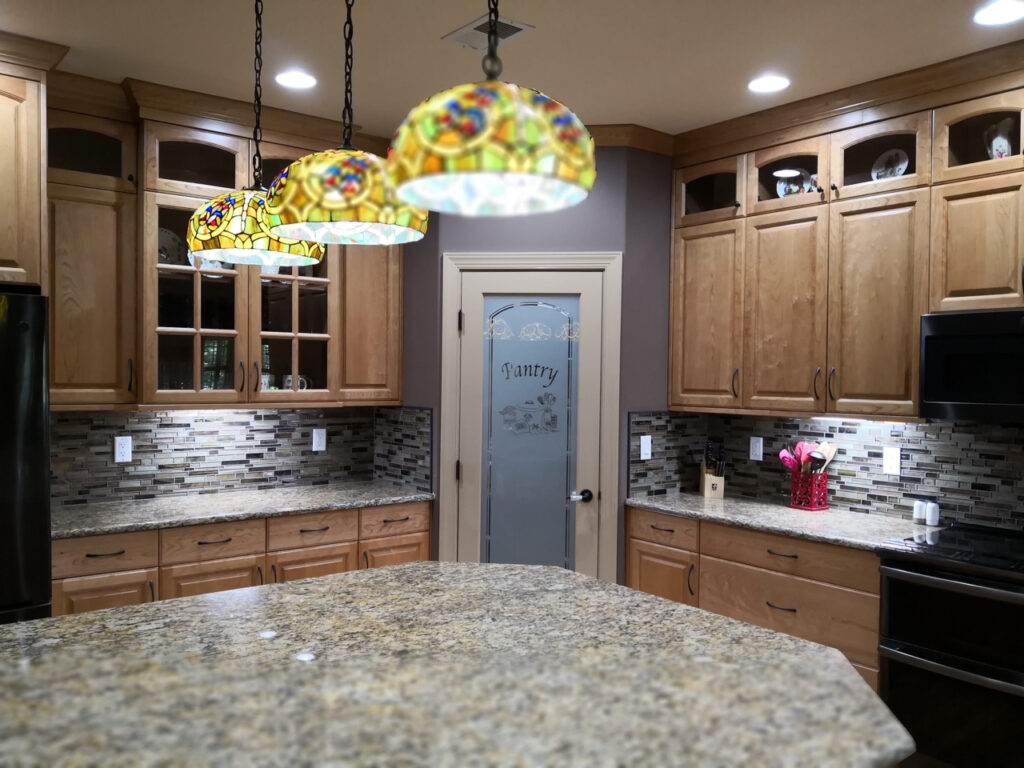
Deep Carved Glass (Three-Dimensional Sculpted Design)


What Are the Benefits of Etched Glass? Privacy, Natural Light, and Aesthetic Appeal
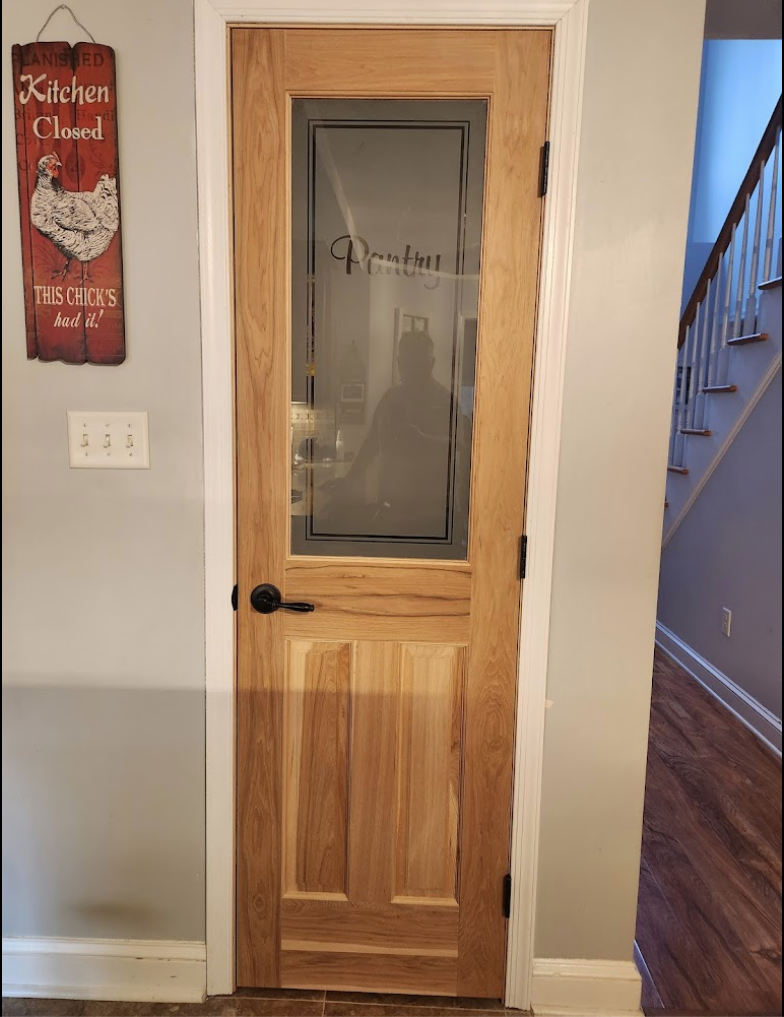
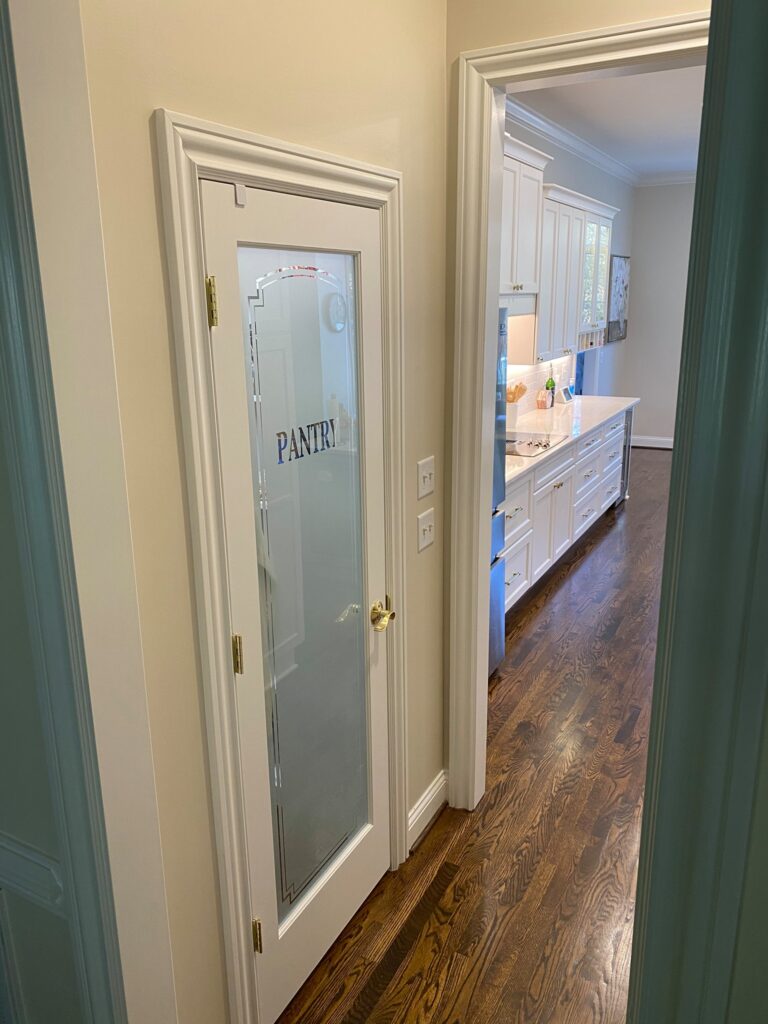
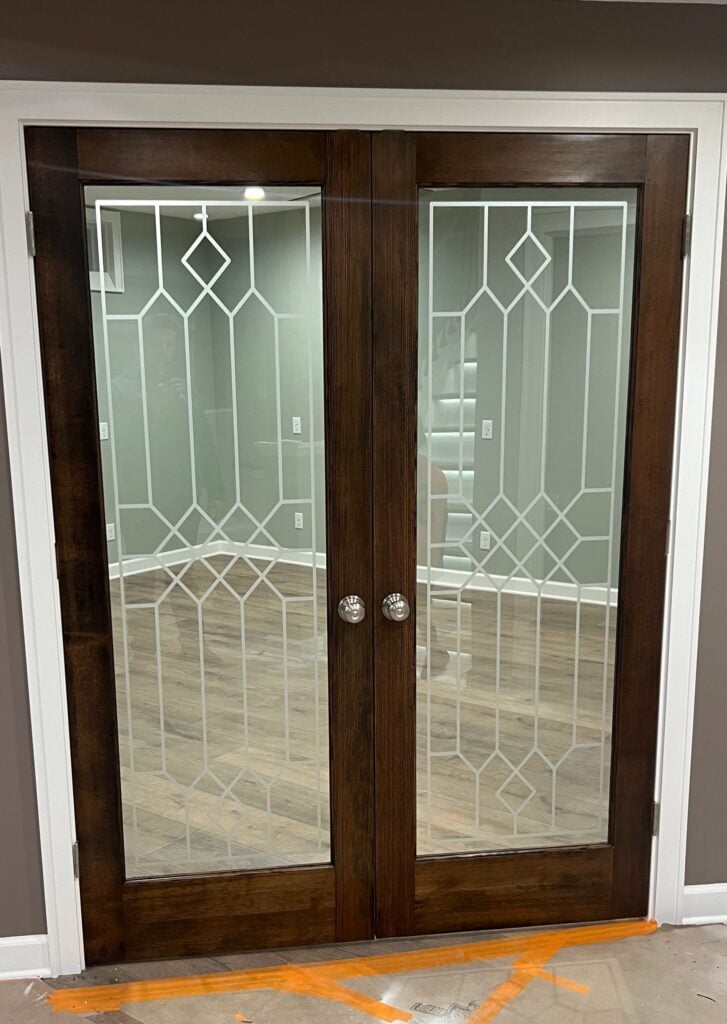
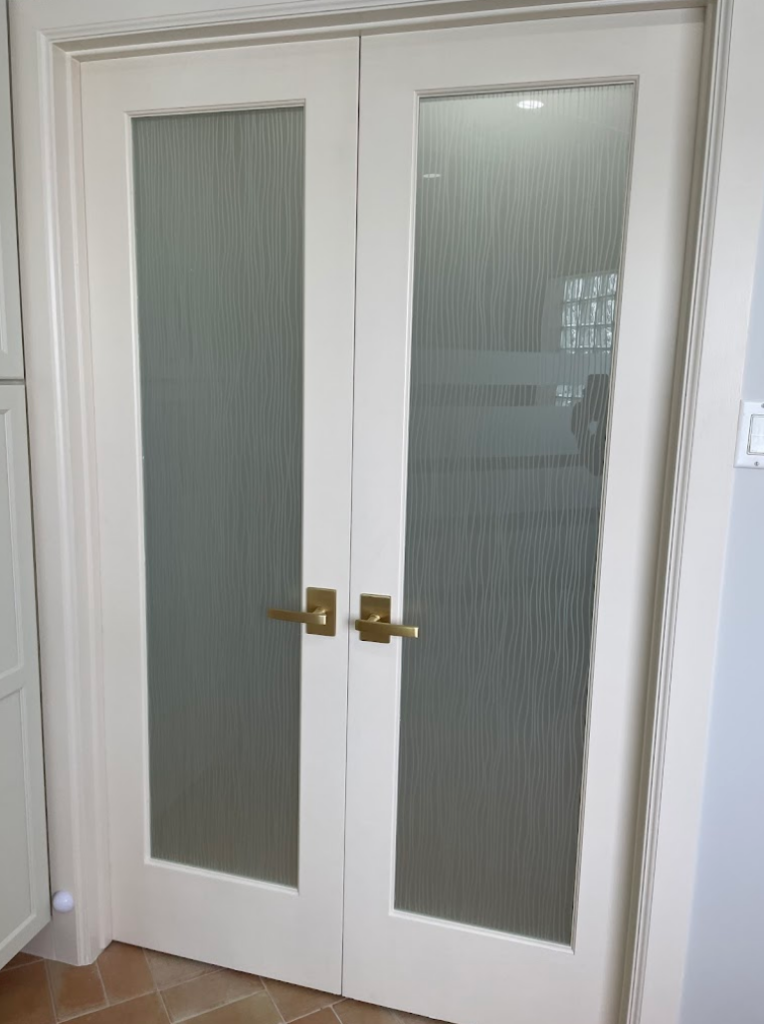
One of the main reasons homeowners and designers choose etched or frosted glass is the balance between privacy and natural light. Unlike solid walls or opaque materials, etched glass allows daylight to pass through while diffusing visibility. This makes it ideal for bathrooms, entryways, partitions, and even commercial office environments.
Because the surface is textured at a microscopic level, etched glass also reduces glare and softens incoming light, subtly enhancing a space without darkening it. It offers strong aesthetic appeal, transforming a plain sheet of glass into a unique piece of architectural art.
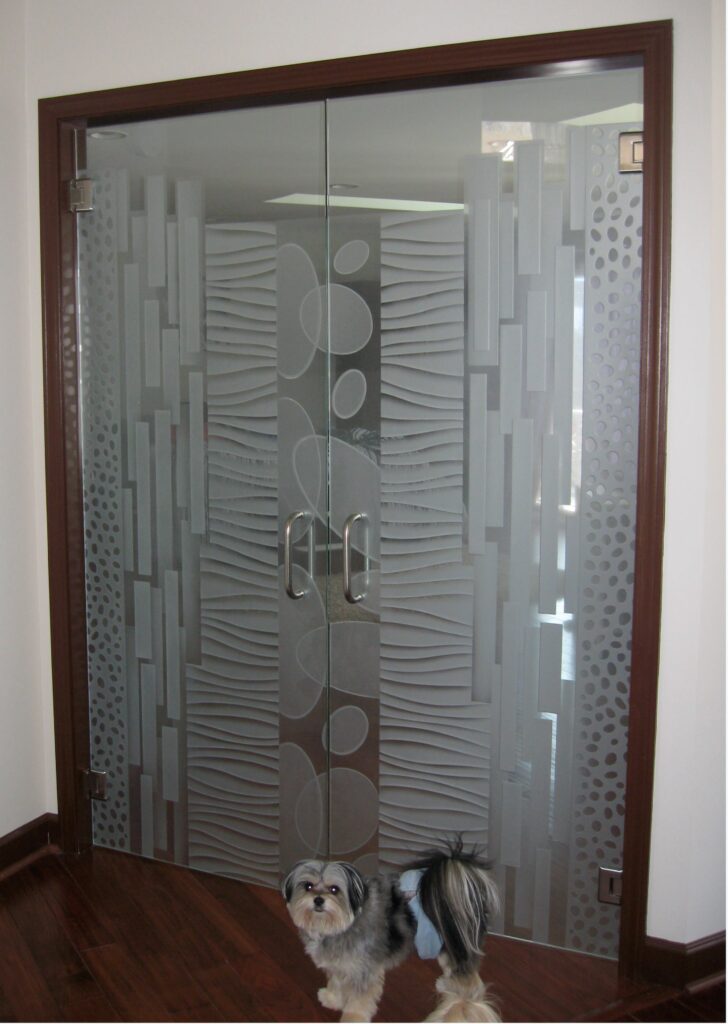
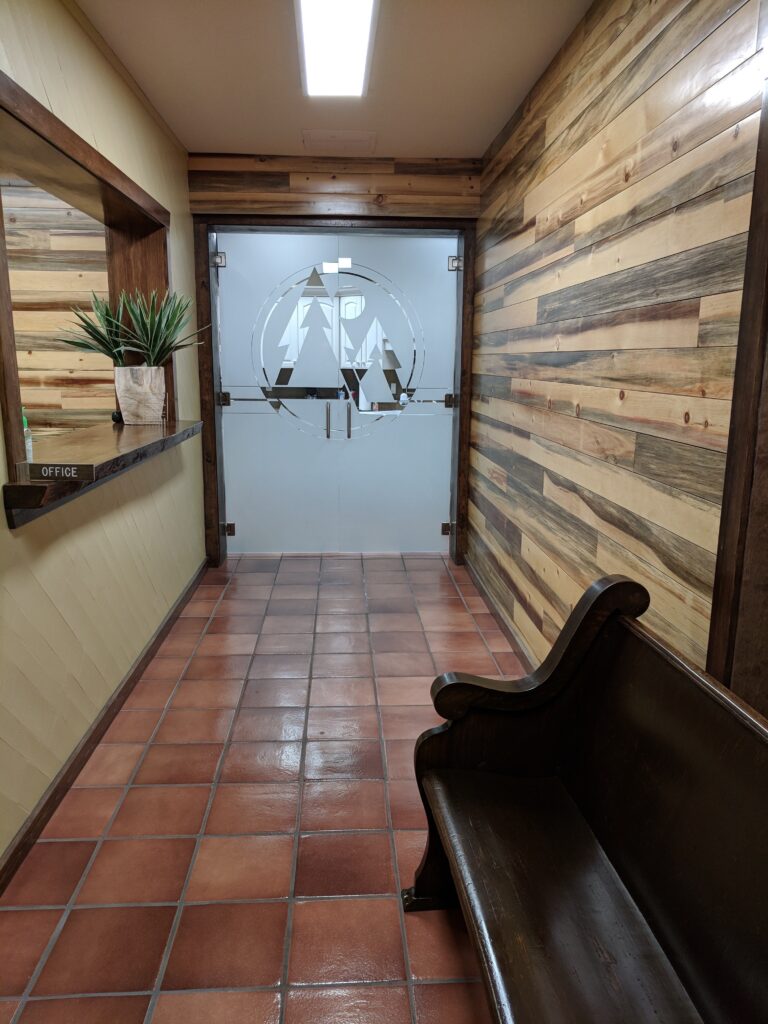
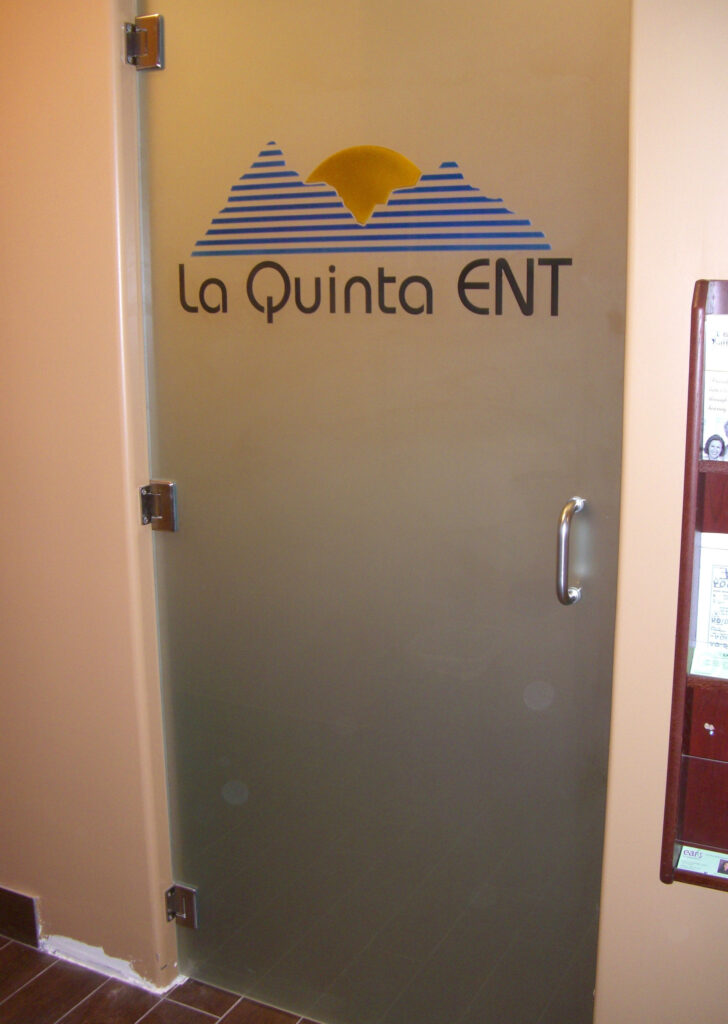
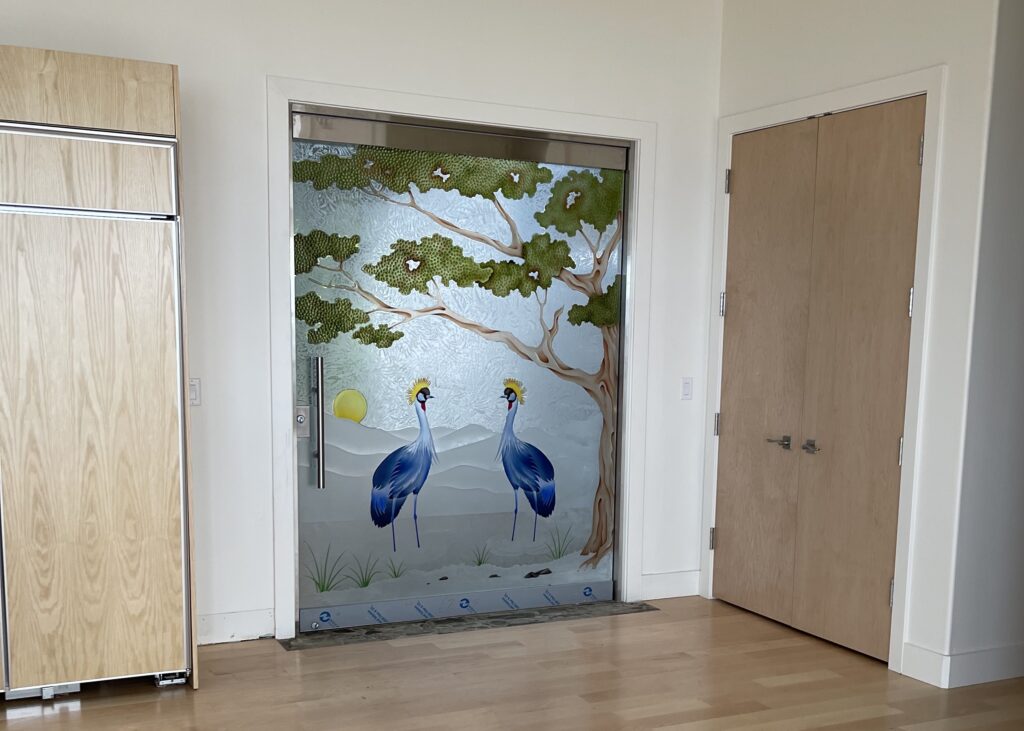
Etched glass can also incorporate logos, custom pattern designs, and decorative elements, making it suitable for both residential and business applications. From a modern house to a professional office setting, the design possibilities are extensive.
Frequently Asked Questions About Etched Glass
Is acid etched glass the same as frosted glass?
Not always — but they’re closely related. Acid etched glass is one type of frosted glass, created when the surface is chemically treated to produce a smooth, translucent finish. Sandblasted frosted glass achieves a similar look using abrasive media instead of acid. Both diffuse light and provide privacy, but the texture, depth, and design flexibility can vary depending on the technique used.
Does etched glass block natural light?
No. One of the biggest advantages of etched glass is that it allows natural light to pass through while obscuring visibility. Instead of blocking daylight like a solid wall or curtain, it diffuses light, softens glare, and brightens a room while still maintaining privacy. This makes it ideal for bathrooms, entryways, interior partitions, and office spaces.
Can etched glass be used for logos or custom patterns?
Yes. Etched glass can feature detailed logos, decorative patterns, borders, or full-panel artwork. Designs are created using a stencil or mask that protects certain areas while the exposed sections are etched. Once the resist is removed, the design becomes a permanent part of the glass. This makes etched glass a popular choice for business entrances, conference rooms, and branded office partitions.
Is etched glass easy to clean?
Etched glass is simple to maintain, but the textured surface can collect a bit of dirt or show occasional fingerprints. Regular glass cleaner and a soft cloth are typically all that’s required. Unlike films or decals, the etched design cannot peel or be removed — it is permanently altered into the surface.
Can etched glass be reversed or repaired?
Etched glass cannot be reversed because the surface itself has been permanently altered. Once the design is etched, it becomes part of the glass panel. However, because the design is permanent, it will not fade, chip, or wear away under normal conditions.
Where is etched glass most commonly used in a house?
Etched glass is frequently used in windows, decorative mirrors, shower enclosures, cabinet inserts, and interior glass panels. It’s especially popular where homeowners want privacy without sacrificing light — such as bathroom windows, pantry doors, or interior partitions.
What’s the difference between solid frosted glass and decorative etched glass?
Solid frosted glass creates a uniform white appearance across the entire panel. Decorative etched glass allows clear and frosted areas to form a design, border, or custom artwork. Solid frosting offers privacy, while decorative etching adds aesthetic appeal and architectural interest.
Explore Custom Etched Glass Panels & Sandblasted Glass for Your Next Project
If you’re exploring etched glass panels for your home or business, Sans Soucie Art Glass offers the perfect balance of artistry, privacy, and light. Whether your vision is accomplished through one of the two ways glass can be etched — surface etching or deep sculpted carving — our expert sandblast artists transform each piece into a true work of art.
From elegant entry doors and windows to partitions, showers, and statement features, every project is custom designed to fit your exact glass size and style. Our sandblasted glass techniques allow for detailed designs, dimensional carving, and even custom artwork tailored specifically to your space.
Ready to begin? Simply browse our frosted glass design collections, visit a product page that fits your needs, or contact our team to discuss your ideas. We’ll help you explore the possibilities and create something truly unique for your next project.
When you’re ready to move forward, accept nothing less than handcrafted quality — because your glass should be more than functional. It should be art.
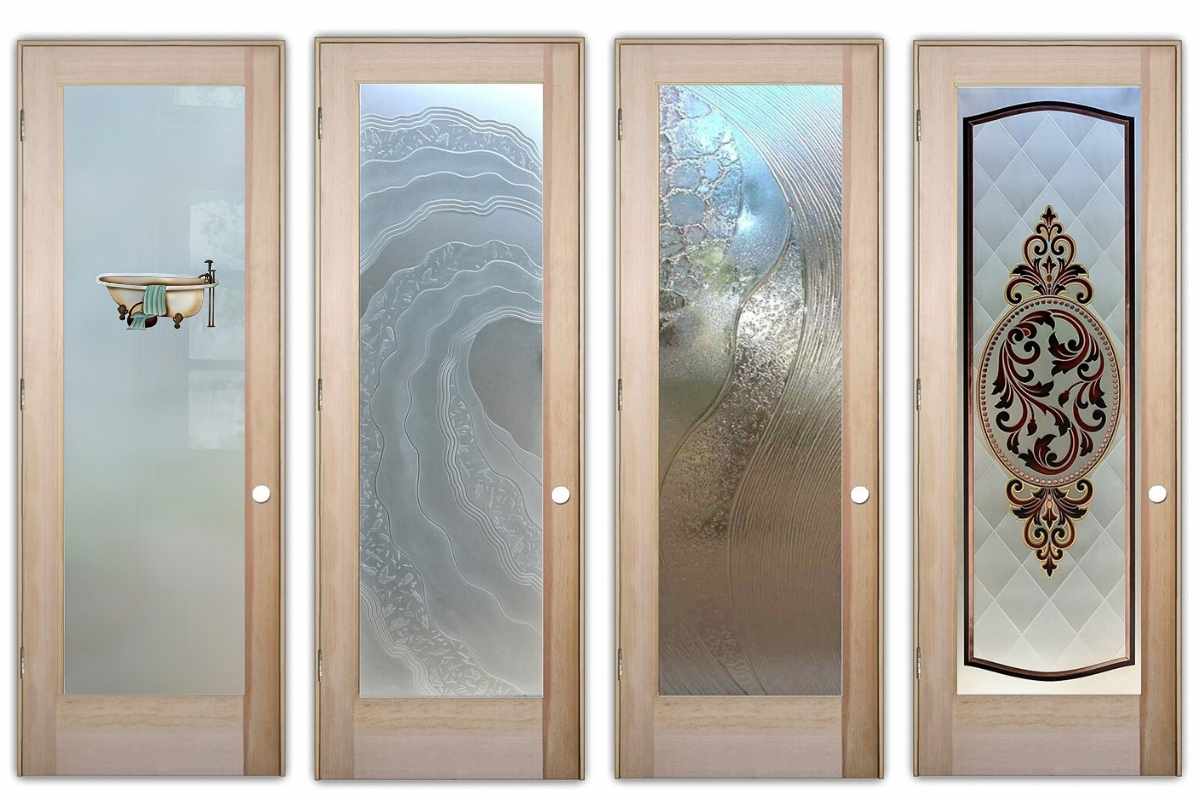
Private Etched Glass Panels
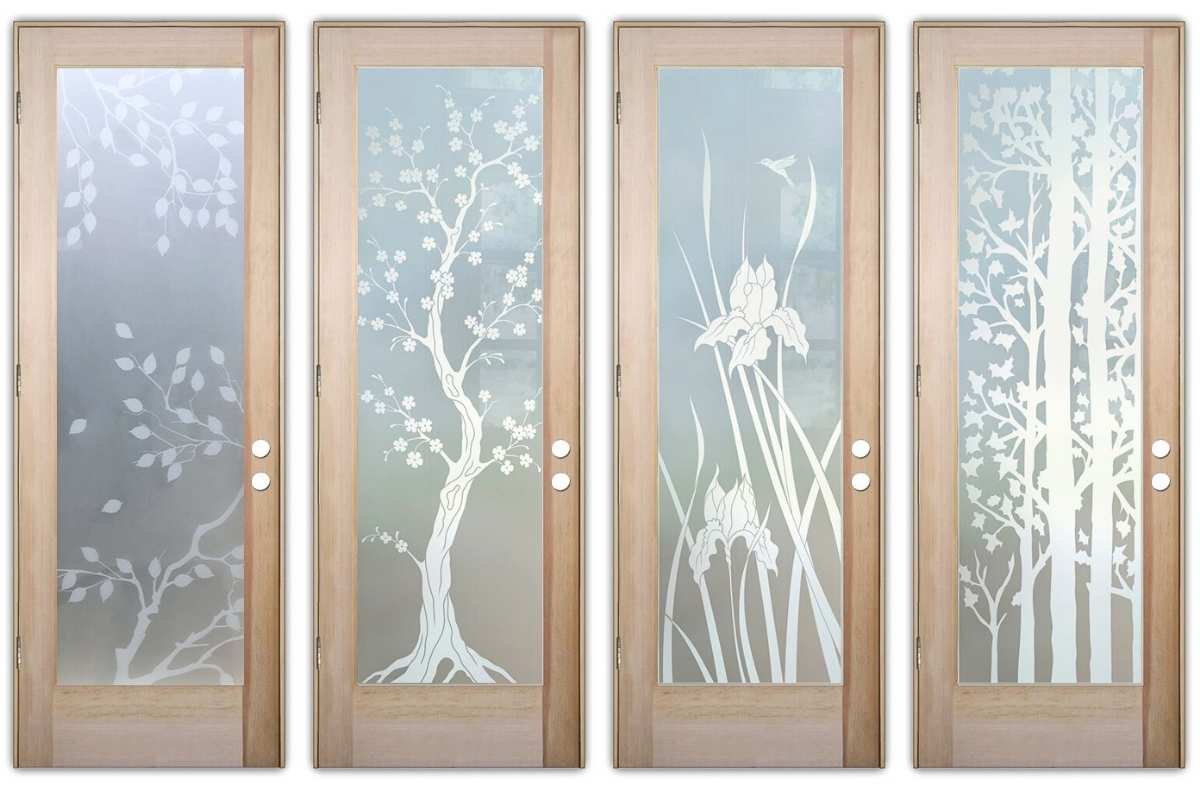
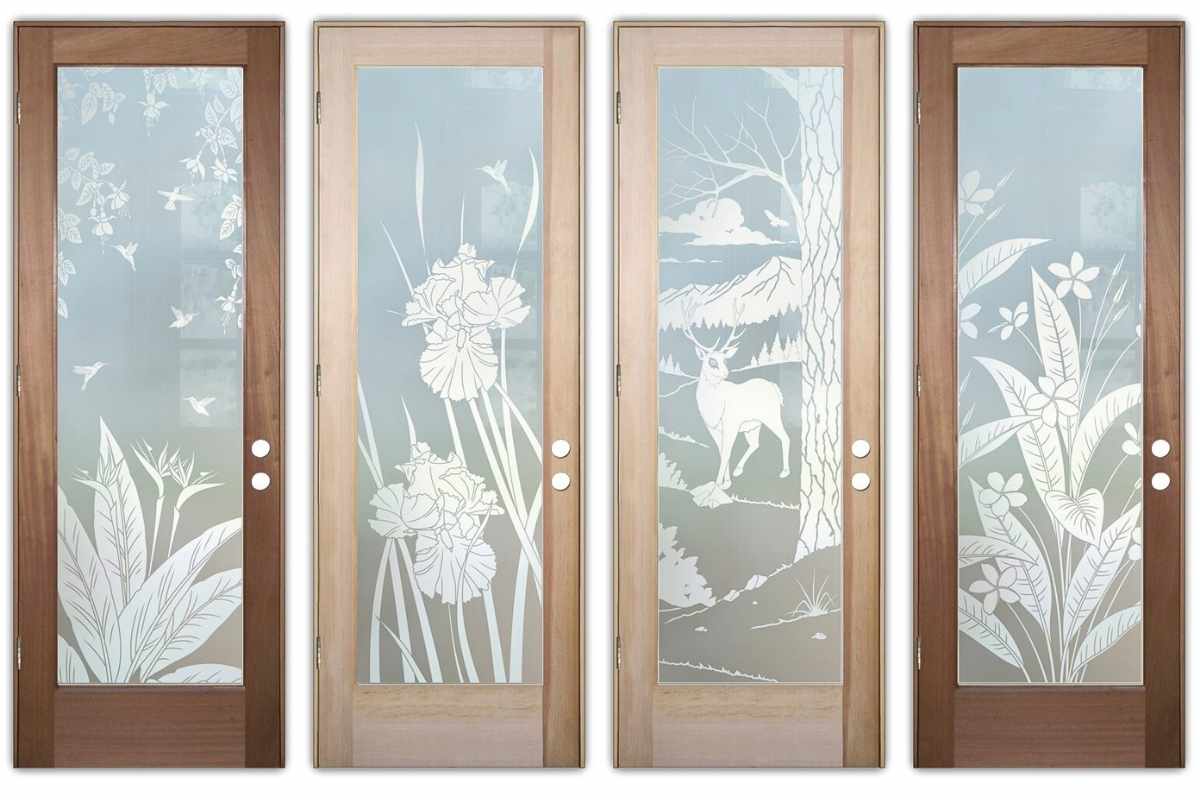
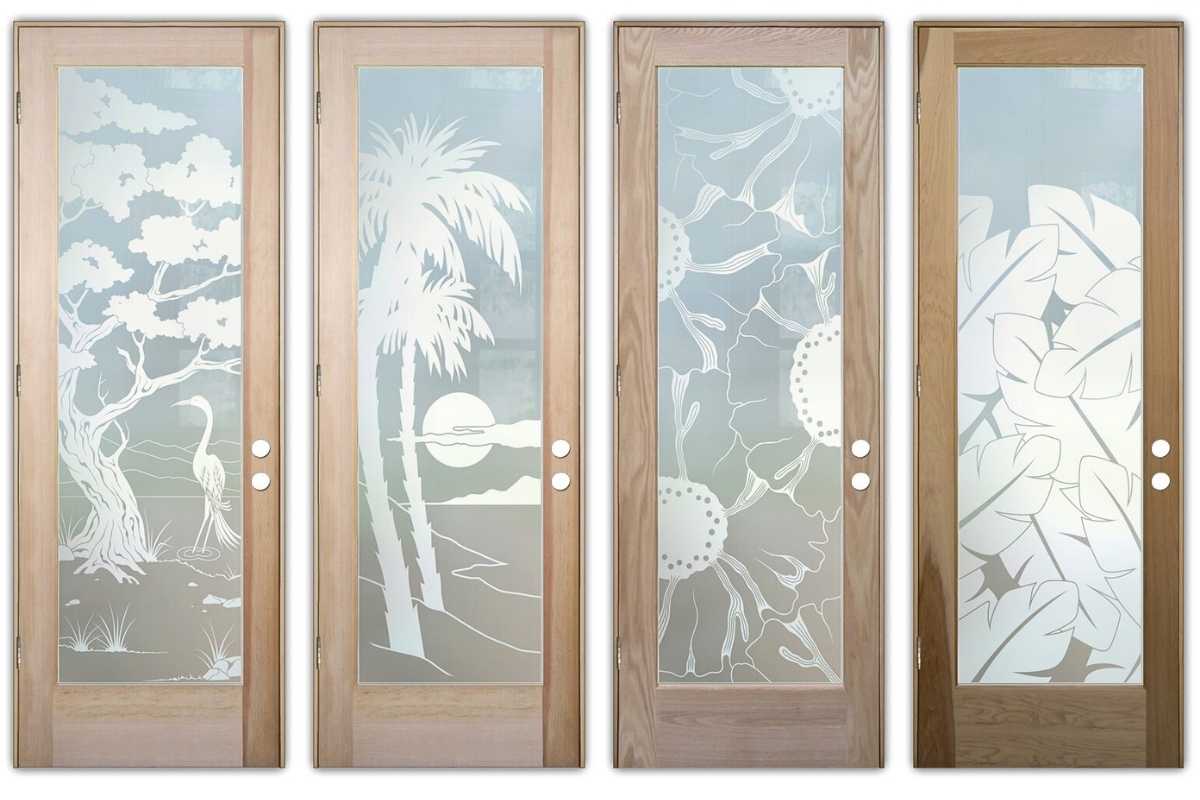
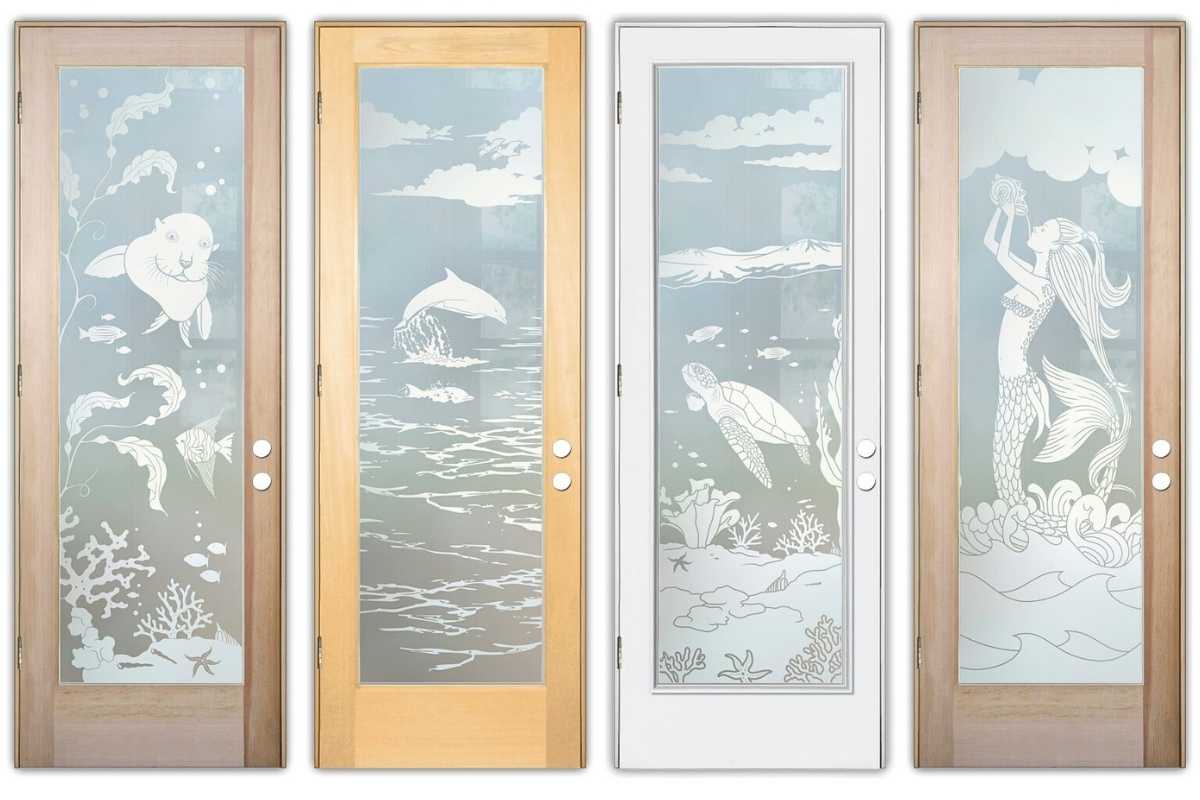
Semi-Private Etched Glass
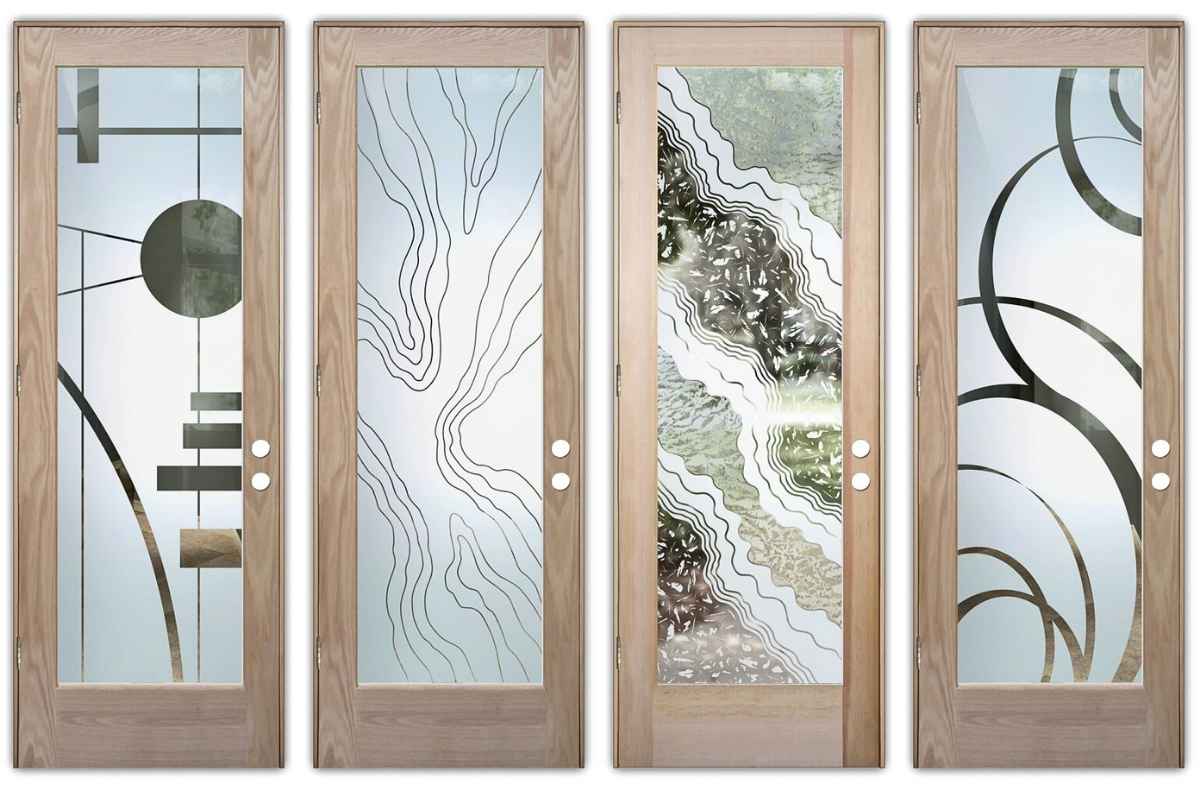
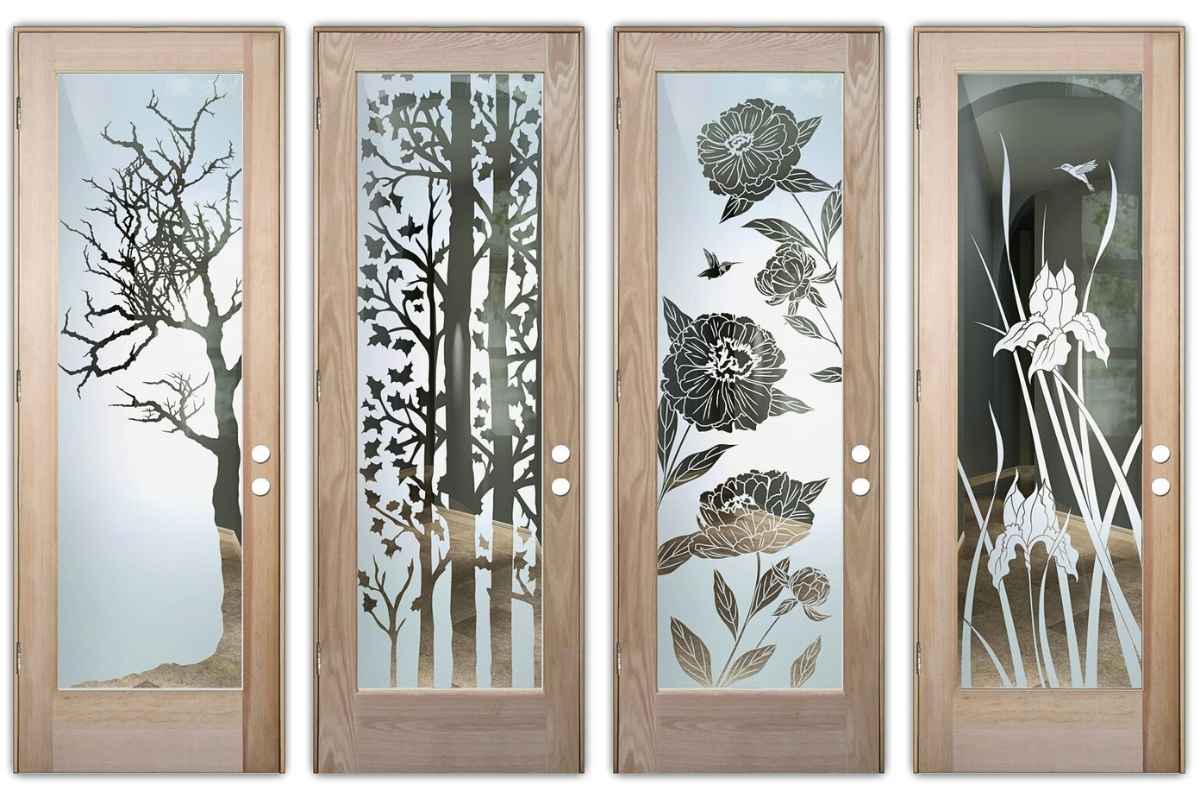
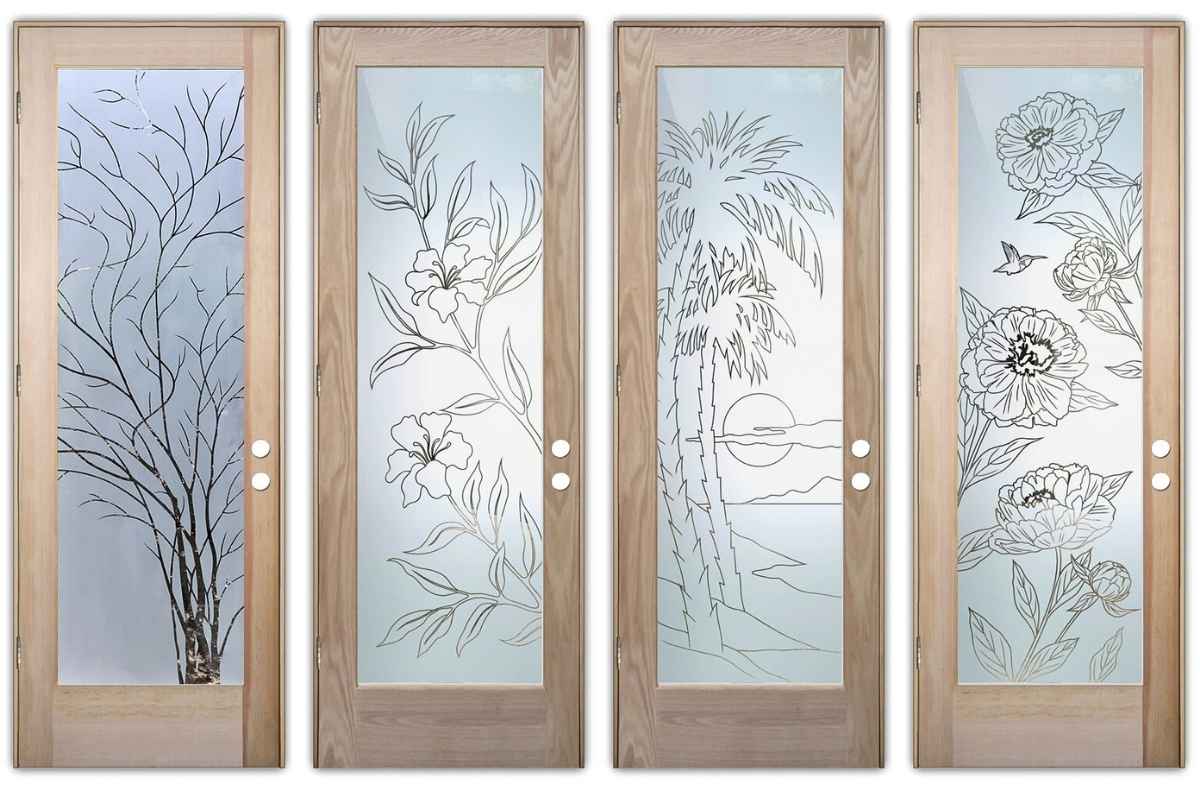
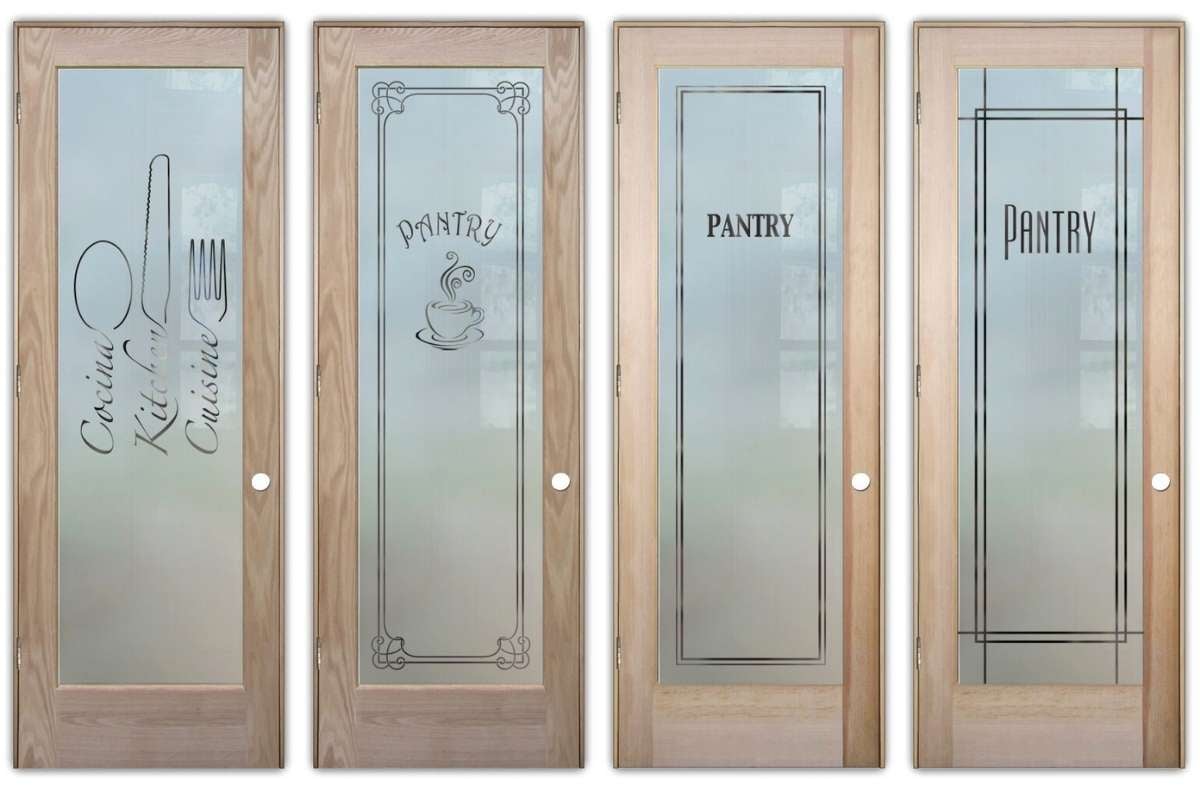
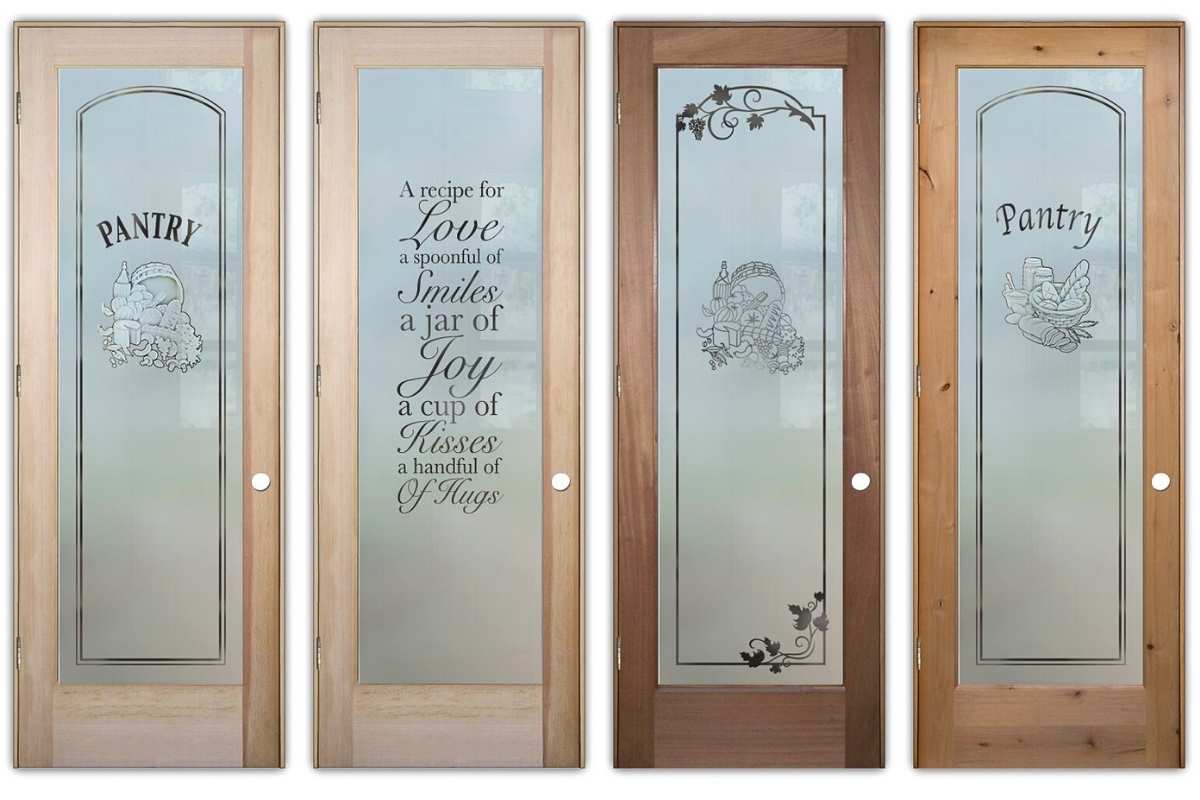
Carved Glass (3D and Painted Effects)
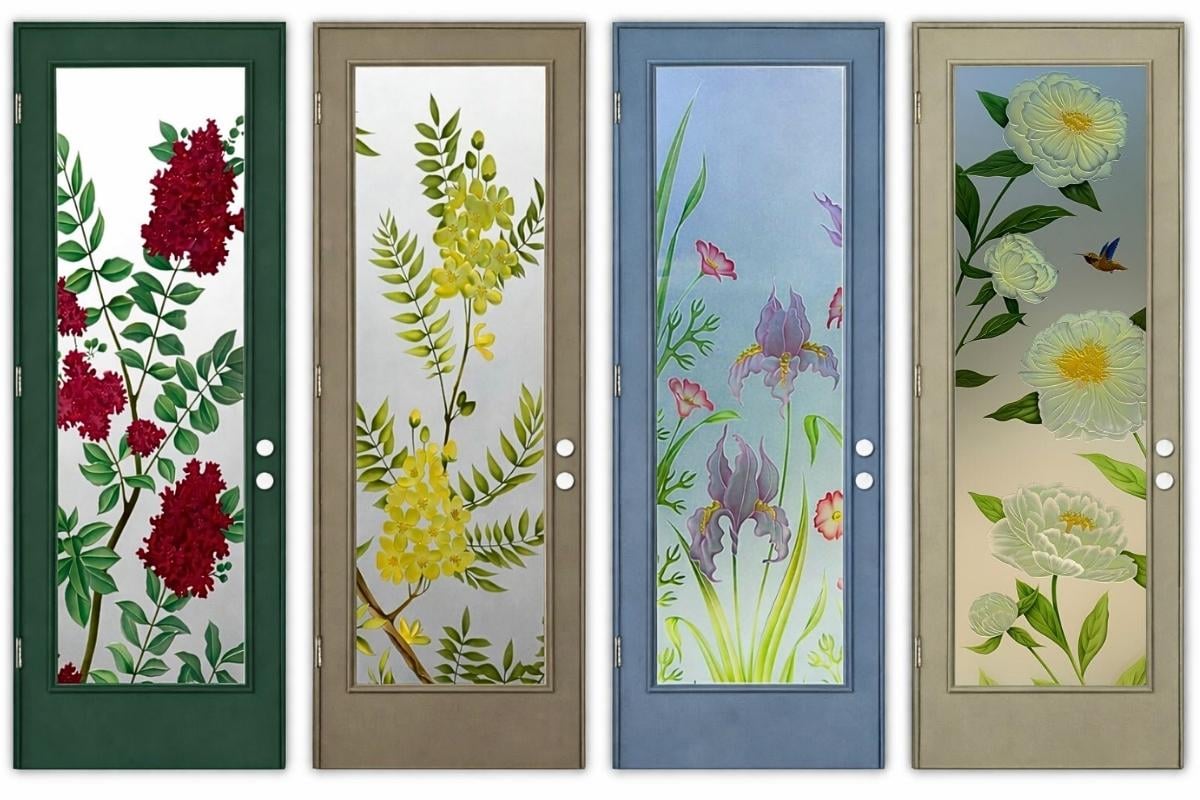
3D Carved Glass Doors

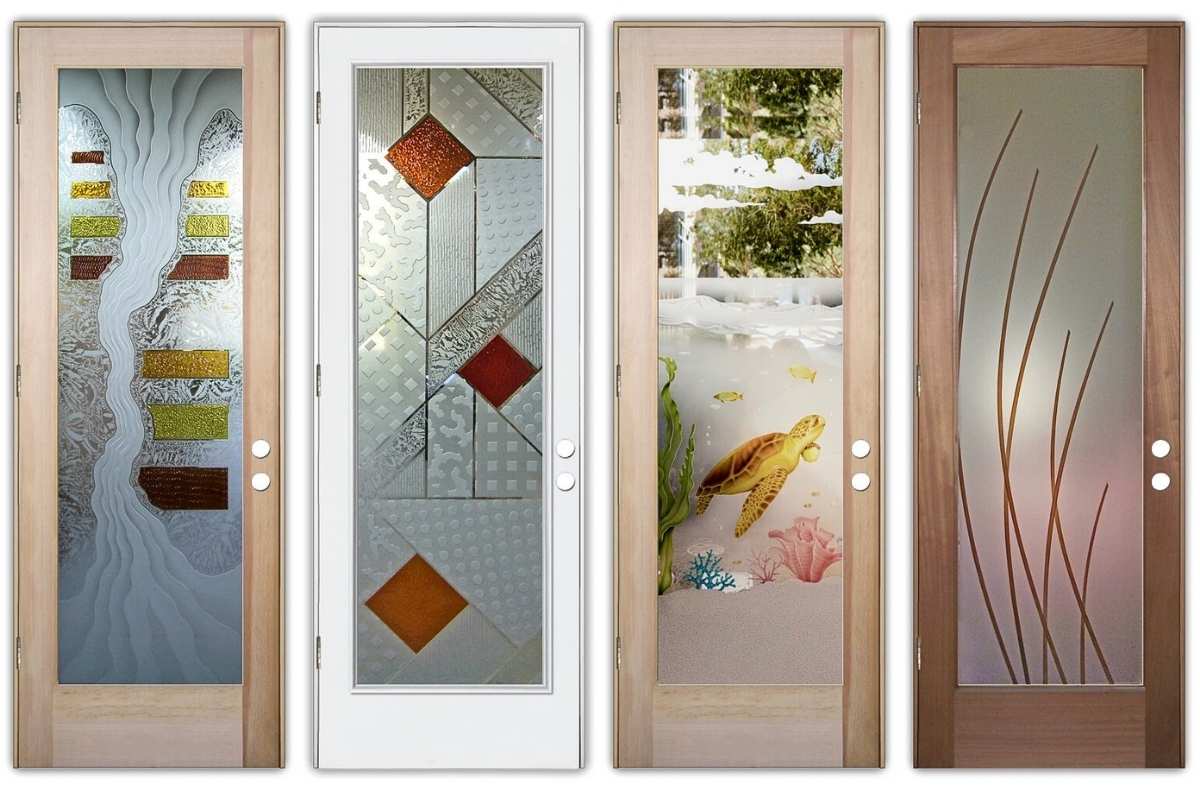
Frameless Frosted Glass Interior Doors

Glass Barn Doors

Sans Soucie Art Glass: Decorative, Custom & Frosted Glass Doors, Windows, Showers & Stained Glass Since 1976
Family-owned and operated since 1976, Sans Soucie Art Glass leads the industry in decorative glass and custom glass design — from sandblast frosted glass and carved glass to hand-painted and stained glass art — transforming ordinary glass into Works of Art Captured in Glass recognized worldwide.
Innovative Frosted Glass Door Designer Tool
In 2010, we invented and launched our Frosted Glass Pantry Door Designer – a fun, easy-to-use tool that makes it simple for anyone to design and customize not only pantry doors, but a wide range of frosted glass doors for every room.
Explore our Frosted Glass Doors Collection
Our custom frosted glass doors include a beautiful variety for every style and space:
- Pantry Doors
- Frosted Glass Interior Door
- Interior Doors with Frosted Glass
- Frosted Glass French Doors
- Frosted Glass Front Door
- Front Doors with Frosted Glass
- Interior Glass Doors
- Glass Barn Doors
- Frosted Glass Barn Door
- Sliding Glass Barn Door
- All Glass Doors Interior
- All Glass Front Doors
- Bathroom Doors with Frosted Glass
- Laundry Room Doors
- Wine Room Doors
If you already have a door, and only need the glass insert, we also offer:
- Frosted Glass for Interior Doors
- Door Glass Inserts for Front Doors
- Glass Panels for Pantry Doors
- Frosted Glass Inserts for Bathroom Doors
- Laundry Room Door Glass Inserts
- Glass Panels for Interior Wine Cellar Doors
Elegant Frosted Glass Throughout Your Home
While our frosted glass doors are a top choice, we also create stunning glass products for every area of your home, including:
- Frosted Glass Shower Doors
- Glass Shower Partition
- Frosted Glass Shower Panel
- Frosted Glass Showers
- Frosted Glass Windows
- Bathroom Window Frosted Glass
- Decorative Window Glass, Window Frosting
- Custom Glass Dining Table
- Custom Glass Coffee Table
- Glass Shelves, Custom Glass Shelves
- Hand Carved & Painted Mirrors
- Frosted Glass Signs, Etched Glass Signs
- Cabinet Door Glass Inserts, Frosted Glass Inserts for Cabinet Doors
- Glass Wall Art, Wall Art on Glass
Looking for Inspiration? Explore Our Galleries
Discover visual idea boards, style concepts, décor applications, real project photos, and helpful information in our expanding gallery collection:
- Custom Glass
- Custom Glass Edges
- Custom Mirror
- Decorative Glass
- Decorative Glass Doors
- Decorative Glass Front Doors
- Decorative Glass Interior Doors
- Decorative Glass Window
- Stained Glass
- Stained Glass Doors
- Stained Glass Front Doors
- Stained Glass Windows
Free Shipping. Expert Packing, Peace of Mind
With FREE SHIPPING on most orders and worldwide delivery from our studio in Palm Desert, California, every order is packed in-house by our expert glaziers using custom materials and proven methods — ensuring safe arrival with a damage rate of less than 1%!
Explore our complete frosted glass doors collection and find the perfect frosted glass door for your space. Have questions? Contact us today!
Copyright © 2025, Sans Soucie Art Glass. All rights reserved.