What Is Tempered Glass? Benefits, Safety Standards, and Uses

When it comes to glass, safety is just as important as style. That’s why most modern homes and businesses rely on tempered glass. Tempered glass is stronger than standard glass and is designed to break safely. It is often required by building codes in areas like bathrooms, entryways, kitchens, and other spaces where safety cannot be compromised. It also serves as the perfect canvas for frosted glass, where custom designs turn safety glass into a work of art.
What Is Tempered Glass?
Tempered glass, sometimes called toughened glass, is a type of safety glass that goes through a special manufacturing process to make it stronger than standard glass. The process involves heating the glass to extremely high temperatures and then cooling it rapidly. This sudden change creates internal stresses that make the glass four to five times stronger than regular annealed glass.
What makes tempered glass especially important for homes is how it behaves when broken. Instead of shattering into sharp, jagged pieces, it breaks into small, pebble-like fragments that are far less likely to cause injury. That’s why it’s often required by building codes in areas where safety matters most, such as bathroom doors, shower enclosures, and entryways.
In short, tempered glass is designed to give you the look of regular glass with the added benefits of strength, durability, and peace of mind—qualities that make it the standard choice for every premium frosted glass door we create at Sans Soucie.
Key Benefits of Tempered Glass

Enhanced Strength
Tempered glass is up to four to five times stronger than standard annealed glass. During the tempering process, the outer surfaces are put into compression while the inner core is in tension, creating a balance that resists everyday impact. This makes it far less likely to crack from accidental bumps, door slams, or pressure changes.
Safety When Broken
Unlike regular glass, which shatters into dangerous, razor-sharp shards, tempered glass breaks into small, blunt pebble-like pieces. This fracture pattern greatly reduces the risk of serious injury, which is why it’s required by building codes in doors, showers, and other high-contact areas.
Heat and Thermal Resistance
The manufacturing process gives tempered glass superior resistance to sudden temperature changes. It can withstand heat up to about 470°F (250°C) before breaking, compared to ordinary glass that may crack under much lower thermal stress. This makes it ideal for sun-exposed windows, kitchens, and bathrooms where temperature fluctuations are common.
Building Code Compliance
Modern building standards mandate tempered glass in specific areas such as bathrooms, entry doors, and windows near the floor because of its safety benefits. By choosing tempered glass, you’re ensuring your home meets legal requirements and safety regulations.
Long-Term Durability
Tempered glass is designed to handle daily use without losing its integrity. Its increased impact resistance means fewer cracks or breaks over time, making it a cost-effective investment. When combined with custom etching or frosted finishes, it provides both artistry and longevity in one product.
Tempered Glass vs Regular Glass
At first glance, tempered glass looks just like ordinary glass. But the difference lies in how it’s made and how it performs. Here’s how the two compare:
|
Feature |
Tempered Glass (Safety Glass) |
Regular Glass (Annealed Glass) |
|---|---|---|
|
Strength |
4–5 times stronger than standard glass |
Breaks easily under impact |
|
Break Pattern |
Crumbles into small, blunt fragments |
Shatters into large, sharp shards |
|
Heat Resistance |
Withstands sudden temperature changes |
More likely to crack with heat stress |
|
Safety Standards |
Required by building codes in doors, windows, showers, and entryways |
Rarely meets safety requirements in high-impact areas |
|
Applications |
Doors, bathroom enclosures, windows, partitions, entryways, transportation, furniture |
Low-impact uses like picture frames or small interior panes |
|
Scratch Resistance |
More resistant to scratches and daily wear |
Scratches easily with use |
In short, tempered glass is engineered for safety and strength, while regular glass is best suited for low-risk areas. That’s why every frosted glass door at Sans Soucie is built on tempered glass—it gives you the beauty of custom design with the peace of mind that your door is code-compliant and safe for daily use.
Where Is Tempered Glass Used?
Because of its strength and safety, tempered glass is required in many parts of the home and workplace. Here’s where you’ll commonly find it:
Automotive and Transportation
Tempered glass is widely used in vehicles, especially in side and rear windows. Its ability to resist impact and break into small, blunt fragments makes it an essential safety feature in transportation. Beyond cars, it is also used in buses, trains, and other public vehicles where passenger safety is a priority.
Furniture and Décor
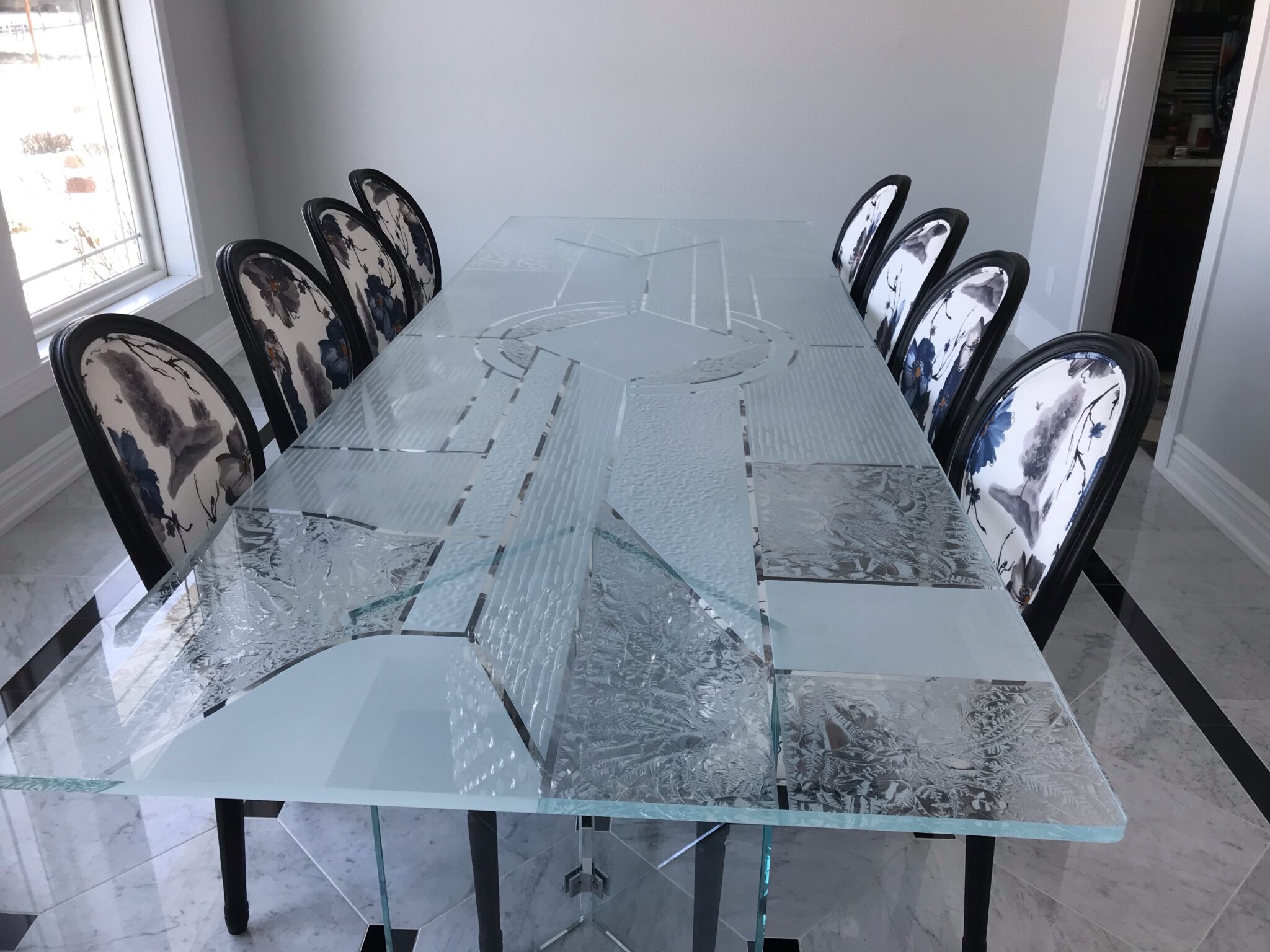
In everyday life, tempered glass appears in furniture such as dining tables, coffee tables, shelving, and cabinets. The added strength allows it to handle weight and frequent use, while its safety properties reduce risks in busy households. Because of its versatility, it has become a preferred choice for both functional and decorative applications.
Public and Specialty Spaces
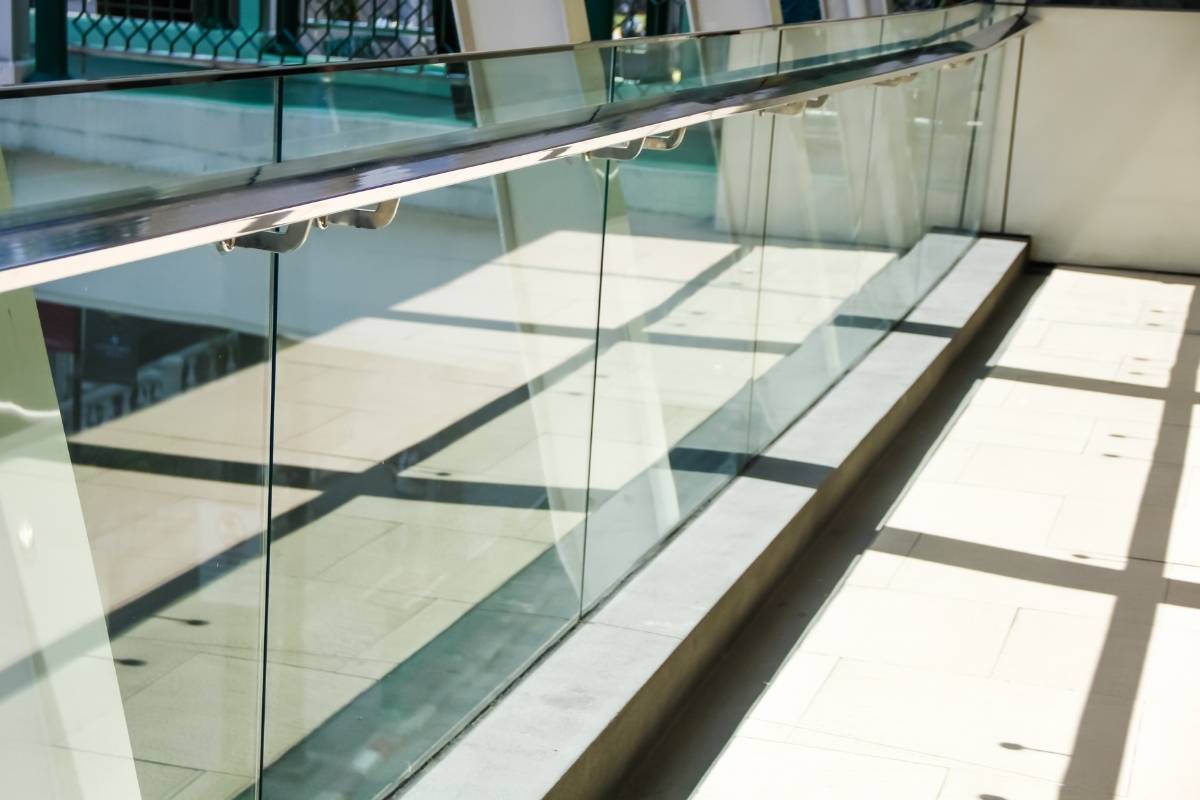
Tempered glass is a standard material in public buildings, airports, and stadiums. It is often used in railings, partitions, skylights, and other architectural features where safety and durability are required. Its ability to withstand heavy use and meet building codes makes it a reliable solution in high-traffic environments.
Interior Doors

Tempered glass is the standard for interior applications where safety and design go hand in hand. This includes bathroom doors, pantry doors, and sliding glass partitions inside the home. Using tempered glass ensures that even in high-traffic areas, the door can withstand daily impact while meeting safety codes. When combined with high-quality frosted glass crafted by skilled artisans, interior tempered glass doors provide both privacy and a decorative element that elevates the look of any room.
Exterior Doors
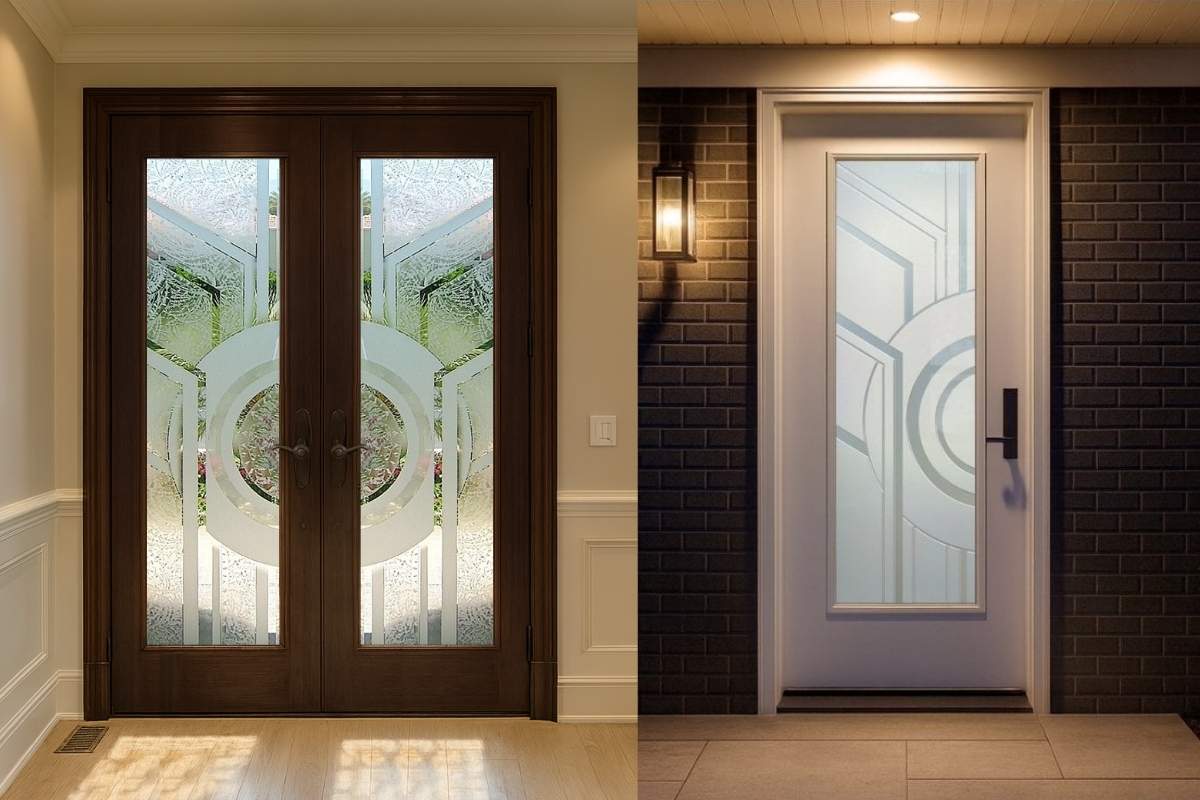
For exterior use, tempered glass is essential due to its strength and ability to handle changing weather conditions. Entry doors, sidelights, and patio doors made from tempered glass resist impact better than regular glass and reduce the risk of injury if broken. Homeowners often choose exterior frosted glass doors for a balance of privacy, natural light, and curb appeal, knowing they’re backed by the safety of tempered construction.
RELATED: Top Types of Front Doors With Glass: A Visual Guide
Bathroom Doors and Showers
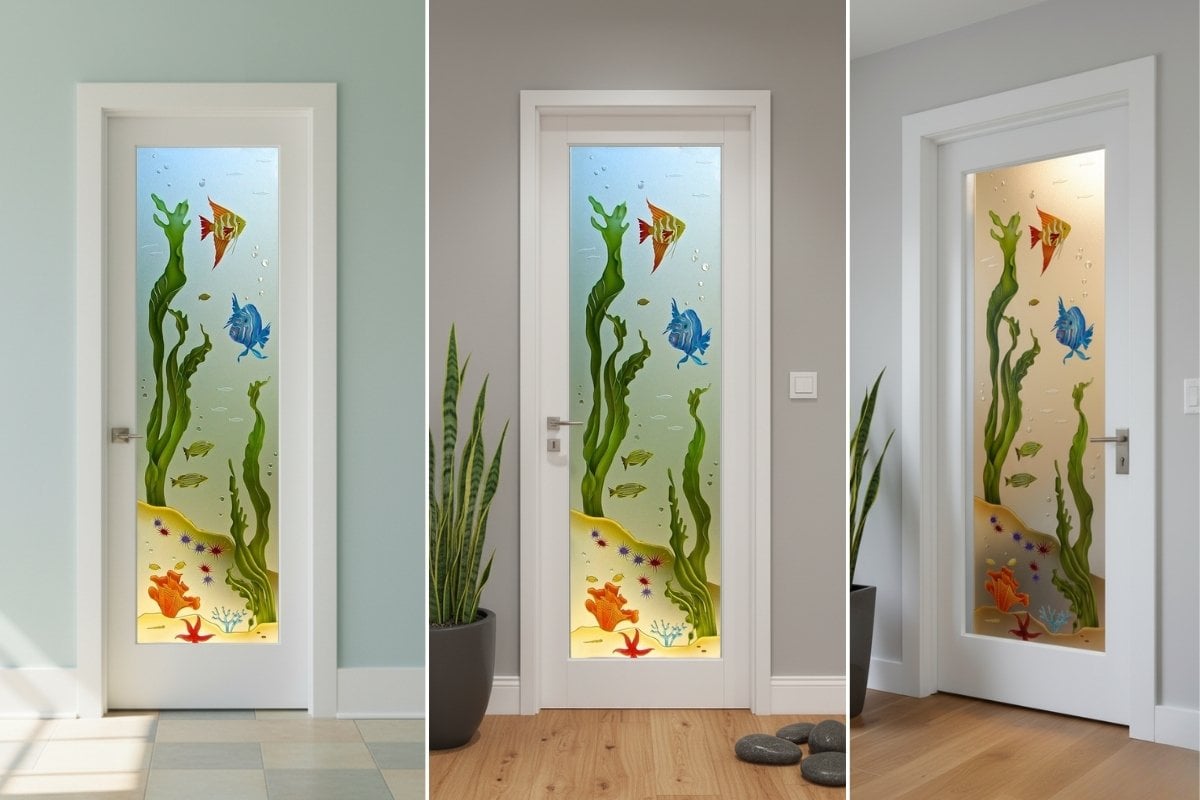
Bathrooms are one of the most regulated areas when it comes to safety glass. Shower enclosures, bathroom doors, and tub surrounds must use tempered glass because of the moisture, heat, and constant daily use. Paired with scratch-resistant frosted glass or etched finishes, tempered glass offers the privacy you need without sacrificing natural light.
Windows and Sidelights


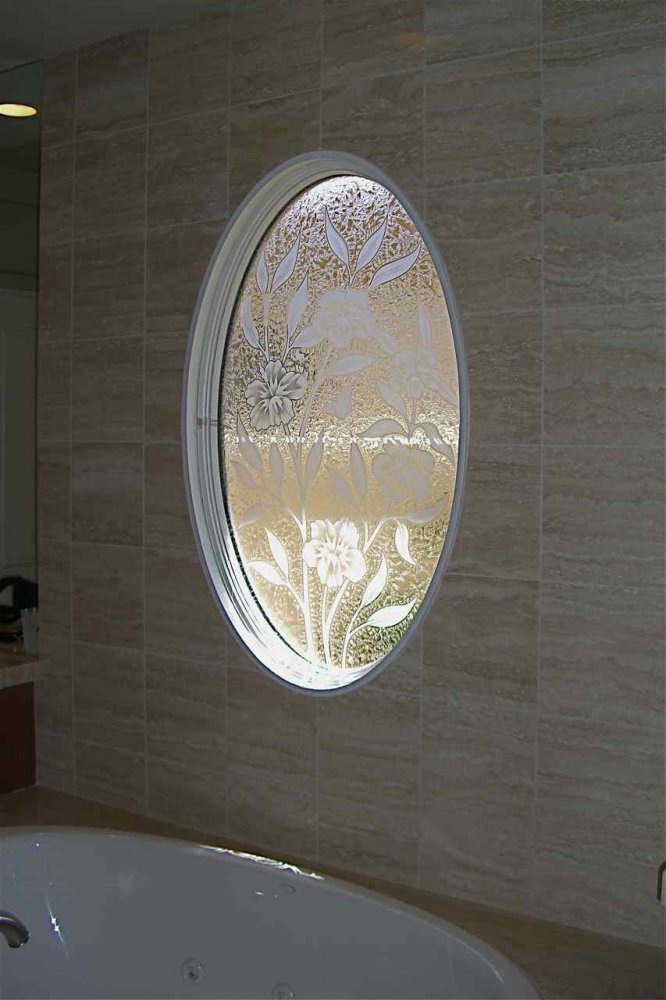

Tempered glass is often required in windows close to the floor, near stairways, or alongside entry doors (sidelights). These areas are more likely to be bumped or leaned against, making tempered safety glass the safer and smarter option. In addition, tempered windows resist thermal stress, making them suitable for areas with significant sun exposure.

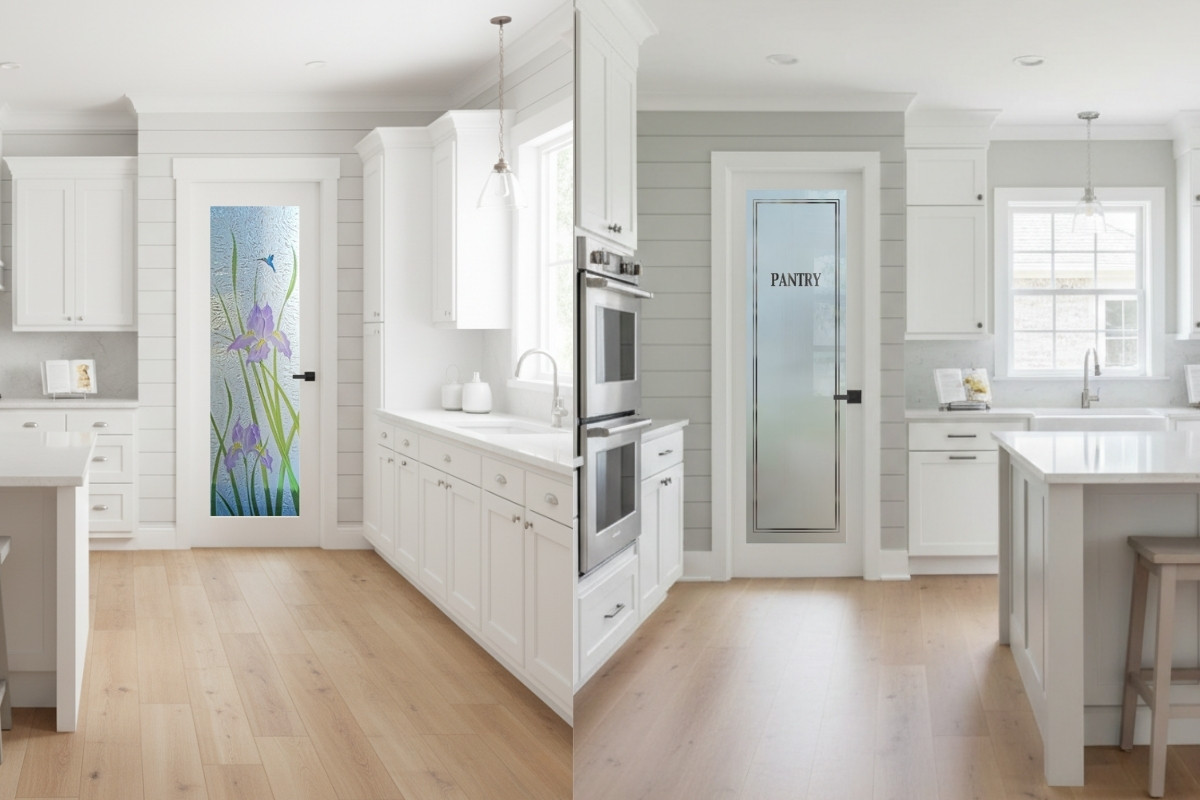
Kitchen and Pantry Doors
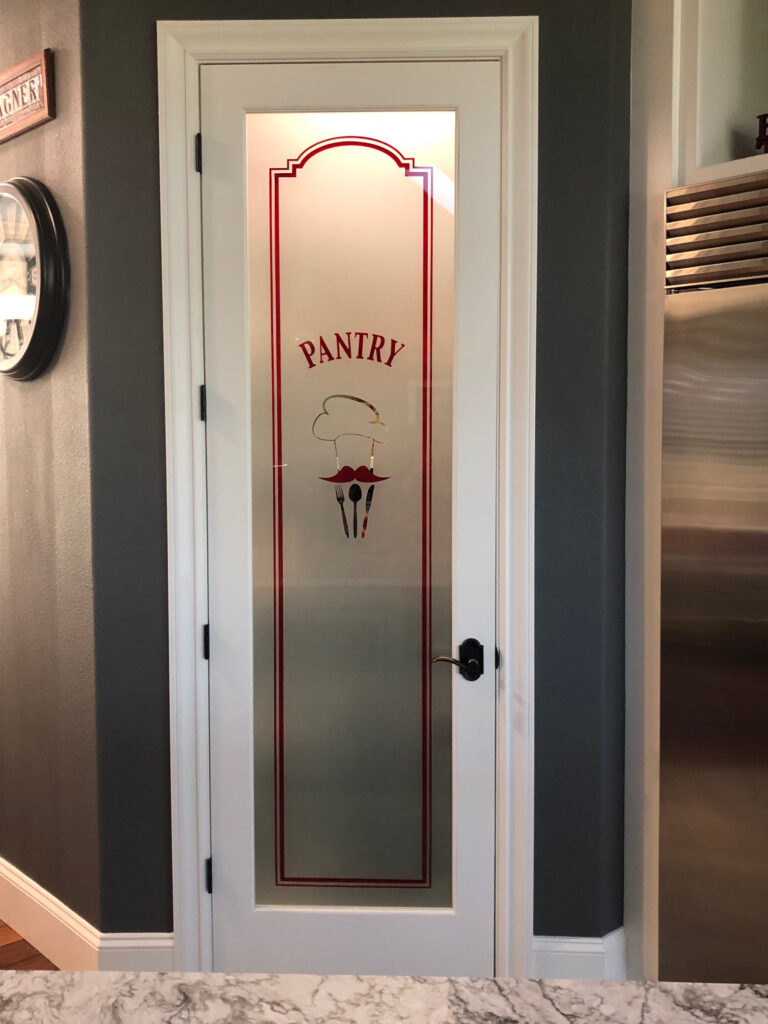
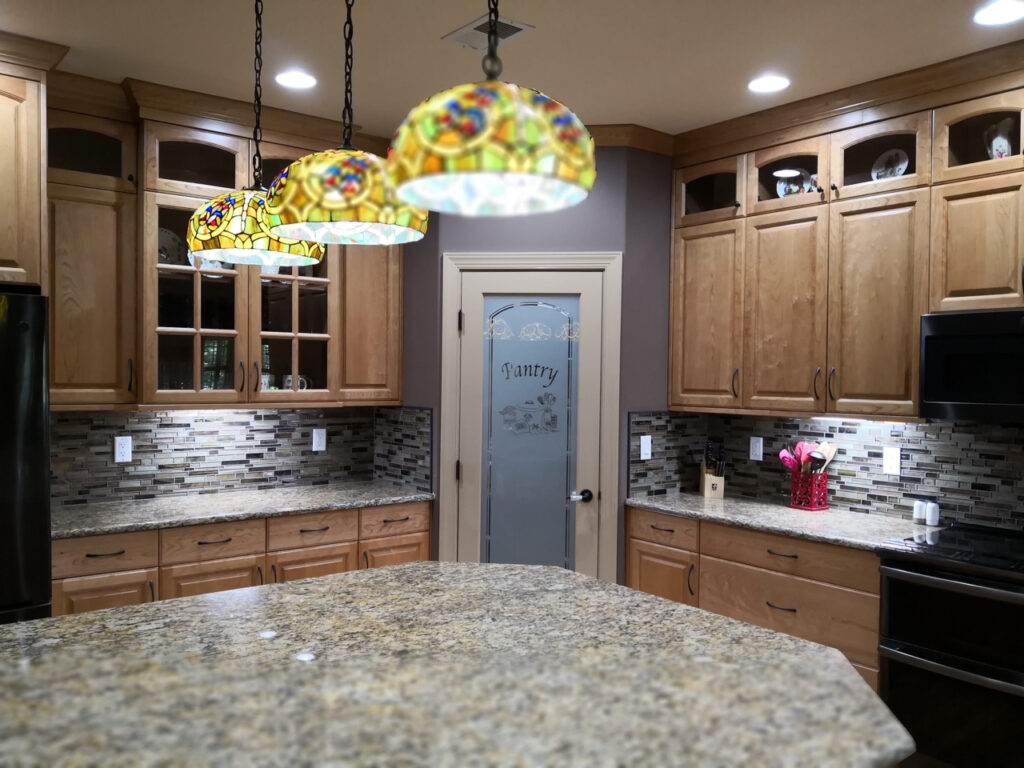

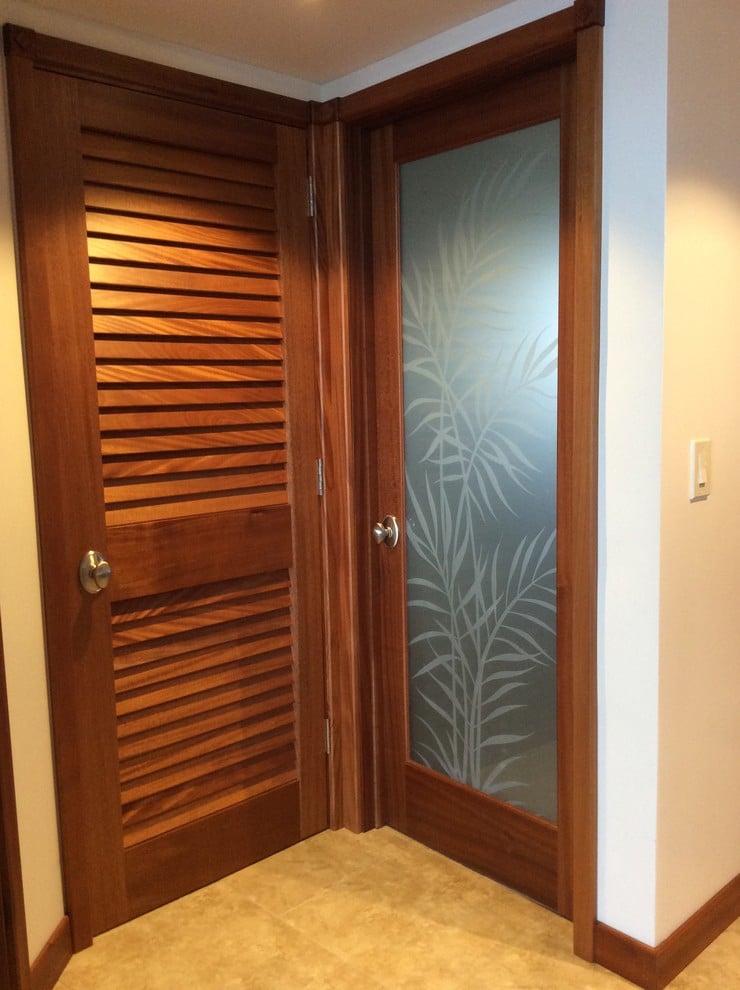
Kitchens are busy, high-activity spaces where safety and durability are key. Using tempered glass for pantry doors not only provides strength but also allows for decorative frosted glass doors with etched patterns that conceal clutter while letting in light. This creates a balance of functionality and aesthetics, turning a simple pantry entry into a design highlight.
Commercial Spaces


From office partitions to restaurant dividers and storefront doors, tempered glass is the industry standard. It provides the required safety for public use while offering flexibility in design. Businesses often choose frosted or etched tempered glass to achieve privacy zones, branded designs, or stylish partitions that meet both function and safety requirements.
Glass Railings and Balustrades
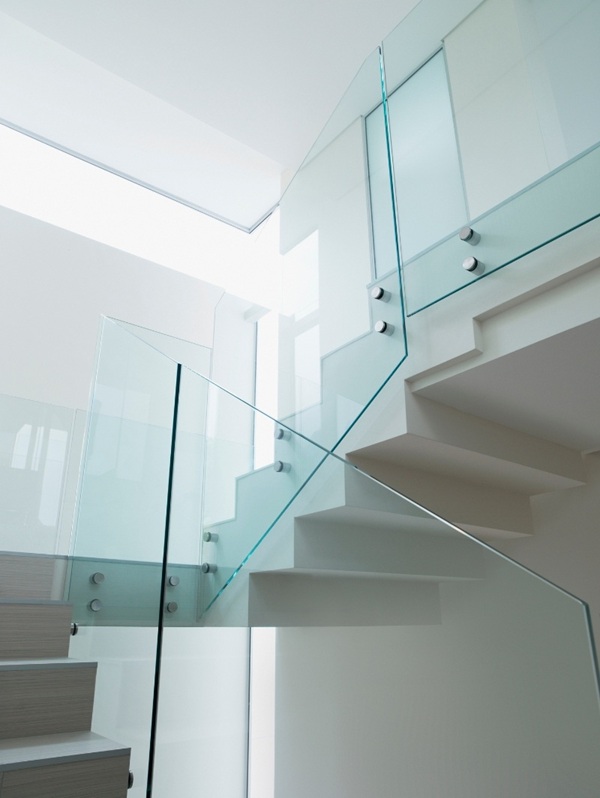
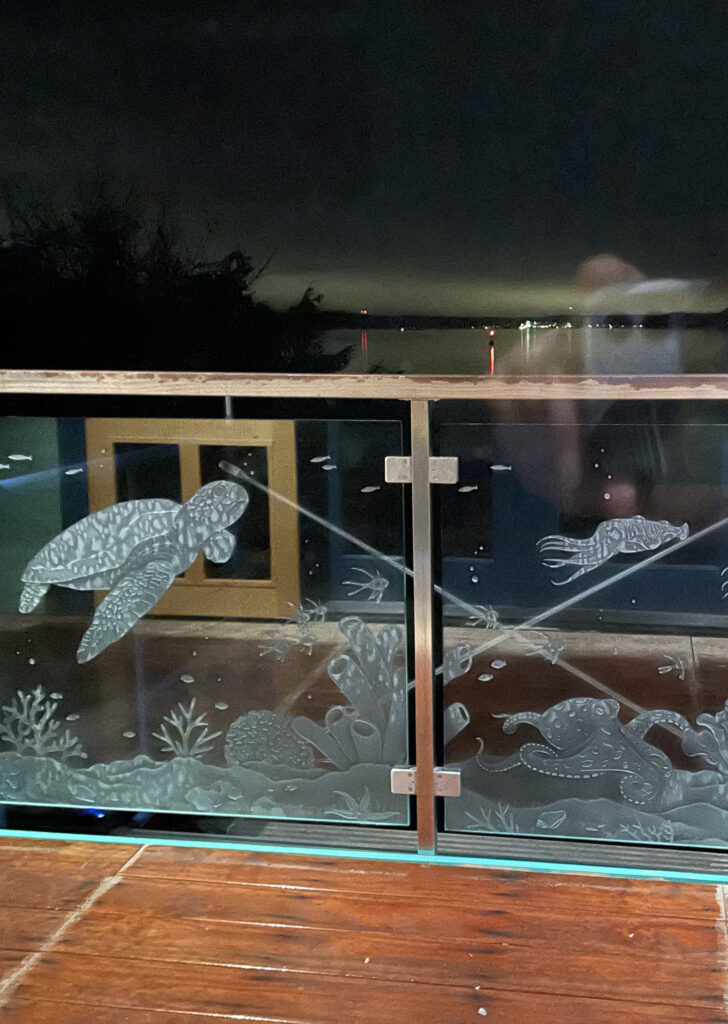
Tempered glass is commonly used in stair railings, balcony systems, deck railings, and mezzanines. Because these areas involve fall protection and heavy human contact, building codes often require safety glazing. Frameless glass railings made with tempered glass create a clean, modern appearance while maintaining visibility and strength.
Skylights and Glass Roof Systems
Overhead glass installations such as skylights, sunrooms, and glass canopies frequently use tempered glass because of its ability to withstand thermal stress, wind loads, and impact. If broken, the safer fracture pattern helps reduce hazards in overhead applications.
Fireplace Screens and Hearth Glass
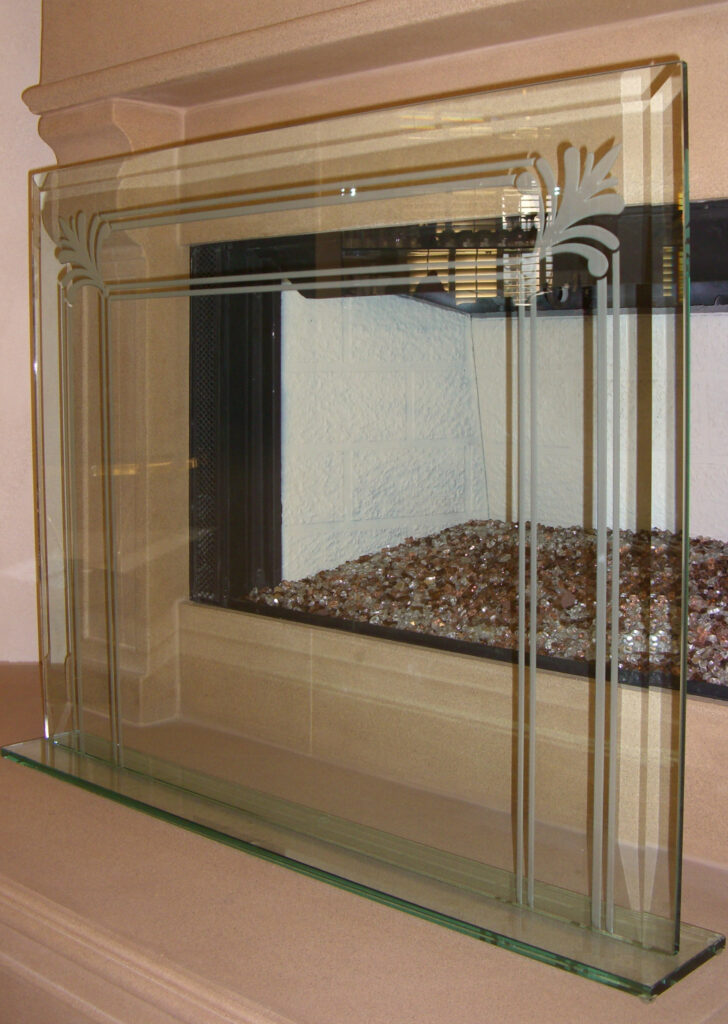
Tempered glass is often used for fireplace doors and protective screens because it can tolerate elevated temperatures better than regular glass. It allows homeowners to enjoy the look of open flames while adding an important layer of safety.
Appliance Glass
Many household appliances rely on tempered glass due to its heat resistance and durability. Common examples include:
- Oven doors
- Microwave doors
- Refrigerator shelves
- Washing machine lids
- Glass stovetop covers
Its ability to handle repeated heating and cooling cycles makes it ideal for these applications.
Mobile Devices and Electronics
Tempered glass is widely used in:
- Smartphone screen protectors
- Tablet screens
- Computer monitor covers
- Touchscreen kiosks
- Television panels
The added strength helps resist scratches, impacts, and daily wear.
Retail Storefronts and Display Cases
Retail environments often use tempered glass in storefront entrances, display cases, jewelry showcases, and shelving. It provides better protection against accidental impact while maintaining crystal-clear visibility for merchandise.
Elevator Interiors and Doors
Modern elevators frequently incorporate tempered glass panels in both doors and interior walls. This improves passenger safety while creating an open, upscale architectural appearance in hotels, office buildings, and shopping centers.
Sports Facilities and Recreation Areas
Tempered glass is commonly used in:
- Hockey rink barriers
- Gymnasium viewing panels
- Swimming pool fencing
- Racquetball and squash courts
Its strength and safer break pattern make it well-suited for active, high-impact environments.
Security and Protective Glazing Systems
While laminated glass is often preferred for forced-entry resistance, tempered glass is also used in certain security applications because of its increased strength. It may be incorporated into layered glazing systems for schools, offices, and public buildings.
Solar Panels and Energy Applications
Solar panels frequently use tempered glass as the outer protective layer. The glass must withstand hail, wind, temperature fluctuations, and long-term outdoor exposure while protecting delicate photovoltaic cells.
Laboratory and Medical Environments
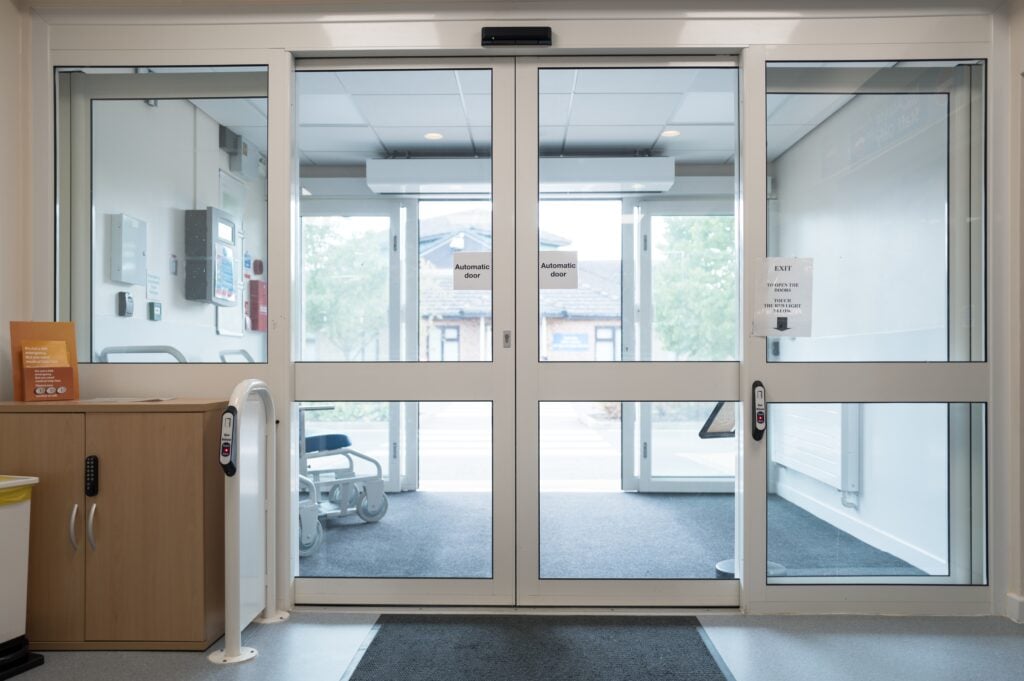
Hospitals, laboratories, and healthcare facilities use tempered glass in partitions, viewing windows, and equipment enclosures because it is durable, easy to sanitize, and safer in high-traffic professional environments.
Soundproof and Acoustic Glass Systems
Tempered glass is often used in acoustic partitions and conference room walls. When paired with laminated layers or insulated units, it helps reduce sound transmission while maintaining a sleek, open design.
Patio Furniture and Outdoor Applications
Outdoor dining tables, patio inserts, windbreak panels, and pool fencing commonly use tempered glass because it resists weather exposure and temperature fluctuations better than standard glass.
Bullet-Resistant and Specialty Laminated Systems
Certain bullet-resistant glazing systems combine multiple layers of glass, including tempered layers, to improve impact resistance and structural performance.
Aquarium and Specialty Display Tanks
Large aquariums and specialty water features sometimes incorporate tempered glass because of its strength under pressure, especially in commercial installations and custom architectural water displays.
Office Cubicles and Conference Rooms
Modern commercial interiors frequently use tempered glass for:
- Office partitions
- Conference room walls
- Sliding office doors
- Privacy dividers
Frosted tempered glass is especially popular because it creates privacy while still allowing natural light to flow throughout the workspace.
Greenhouses and Architectural Glazing
Tempered glass is often used in greenhouses and large architectural glazing systems because it can better withstand environmental stress, wind pressure, and sudden temperature changes.
Glass Flooring and Stair Treads
Specially engineered tempered glass panels are sometimes used in glass floors, stair treads, and walkways for dramatic architectural effects. These systems are typically multi-layered and designed for heavy structural loads.
Signage and Decorative Architectural Features
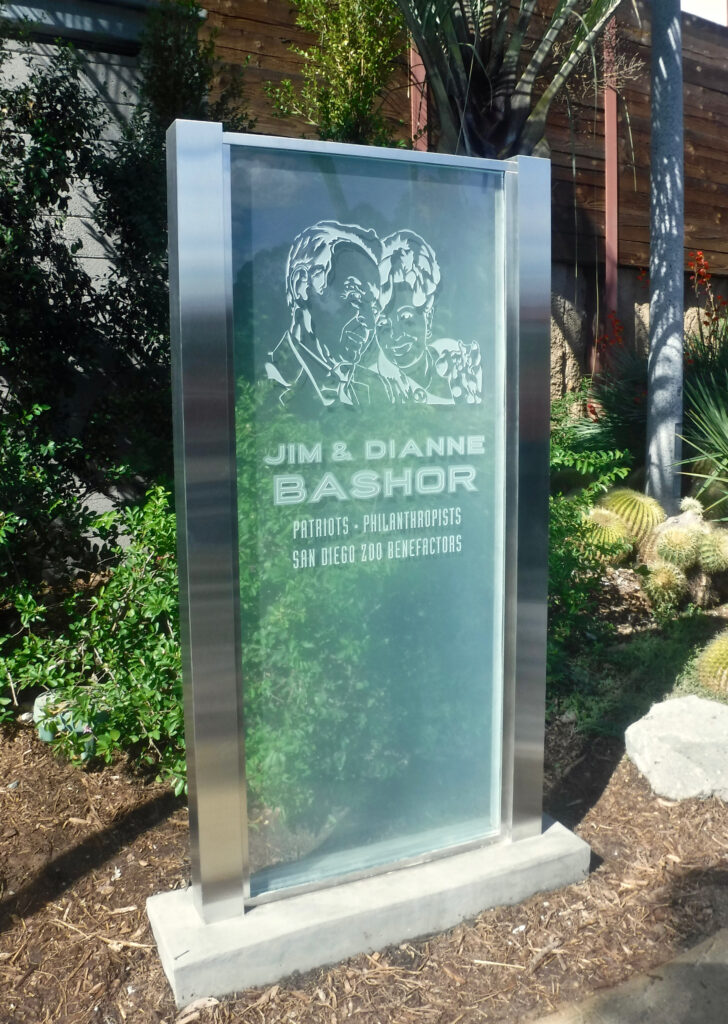
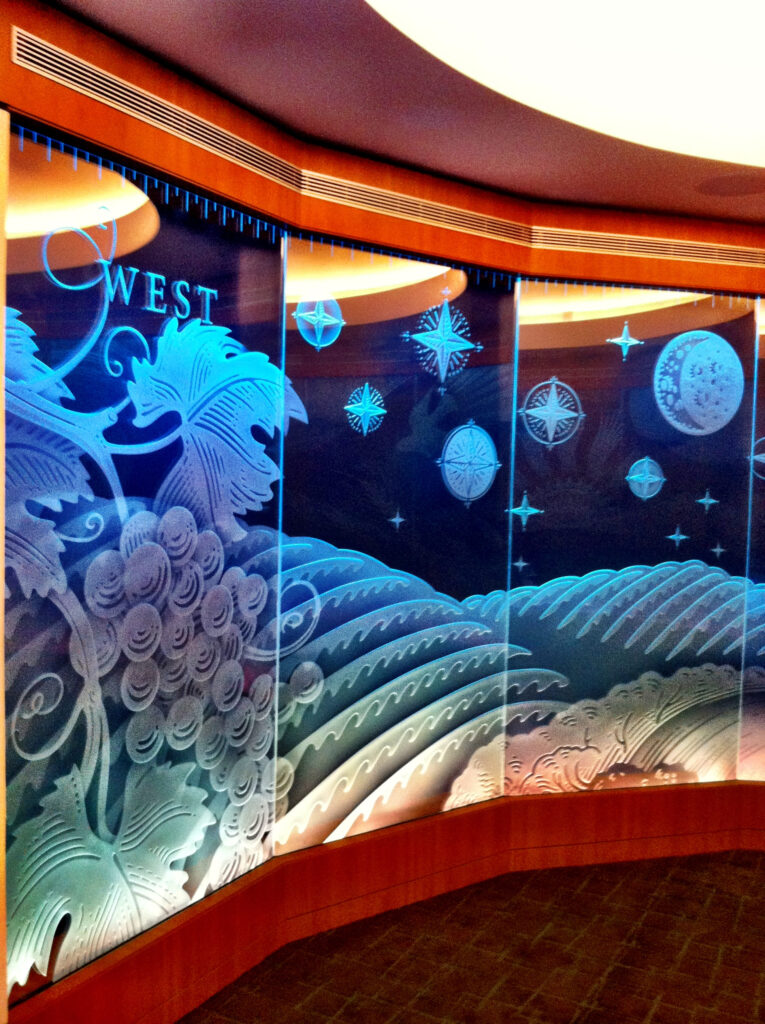
Decorative signs, monument signs, glass murals, etched branding panels, and artistic architectural features frequently use tempered glass because it combines durability with visual sophistication. This is especially relevant to Sans Soucie Art Glass products such as carved glass signs, privacy partitions, and decorative wall art.
Tempered Glass in Frosted Glass Doors
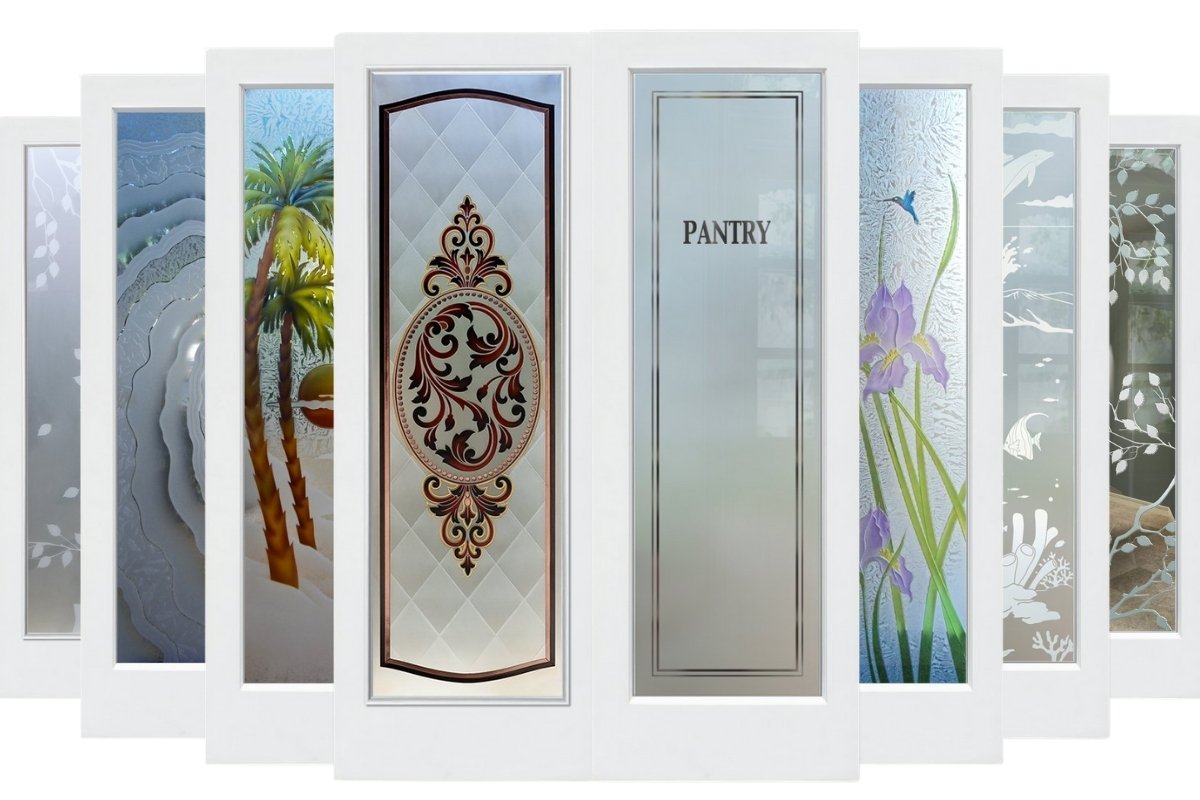
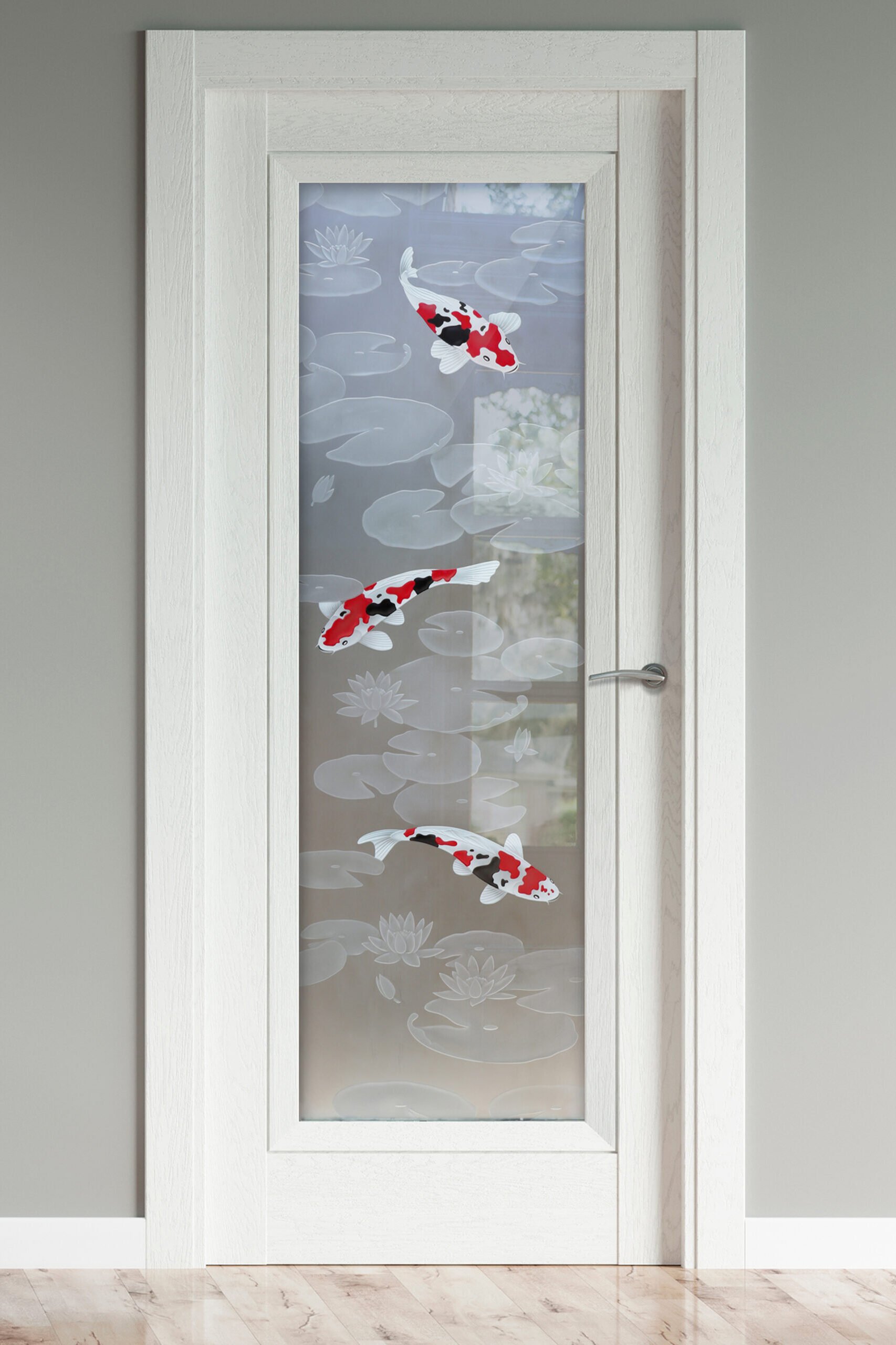
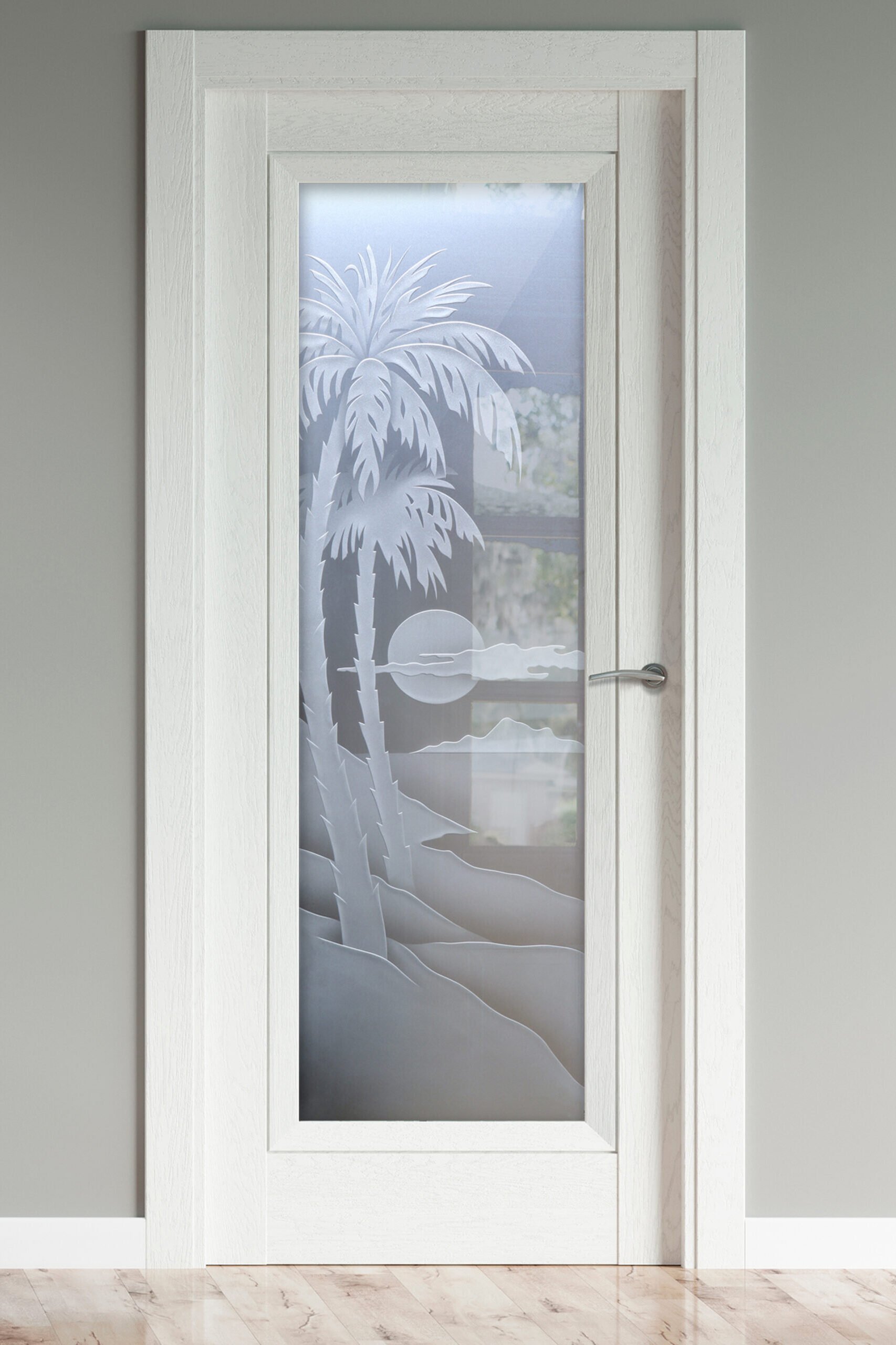
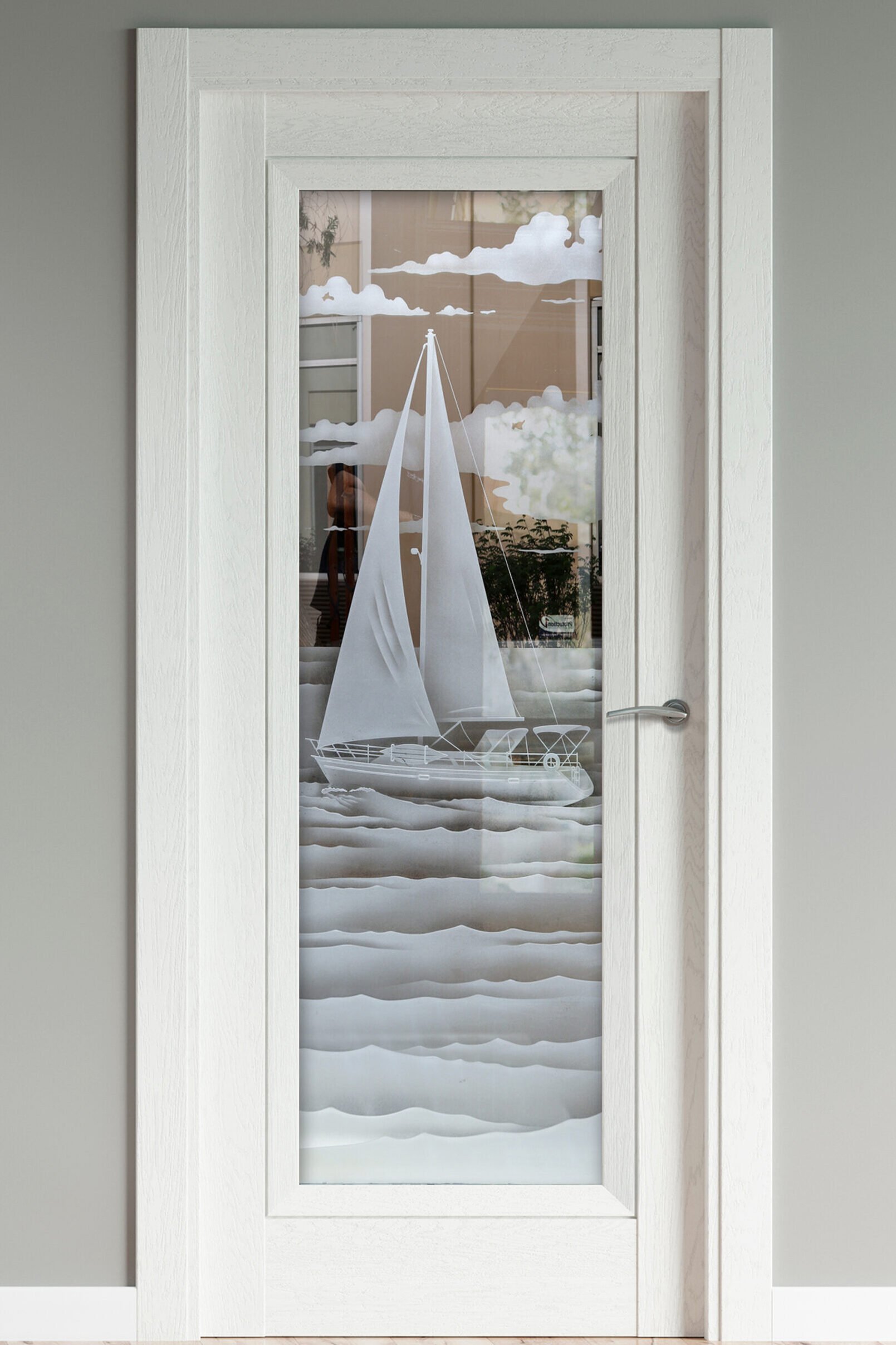
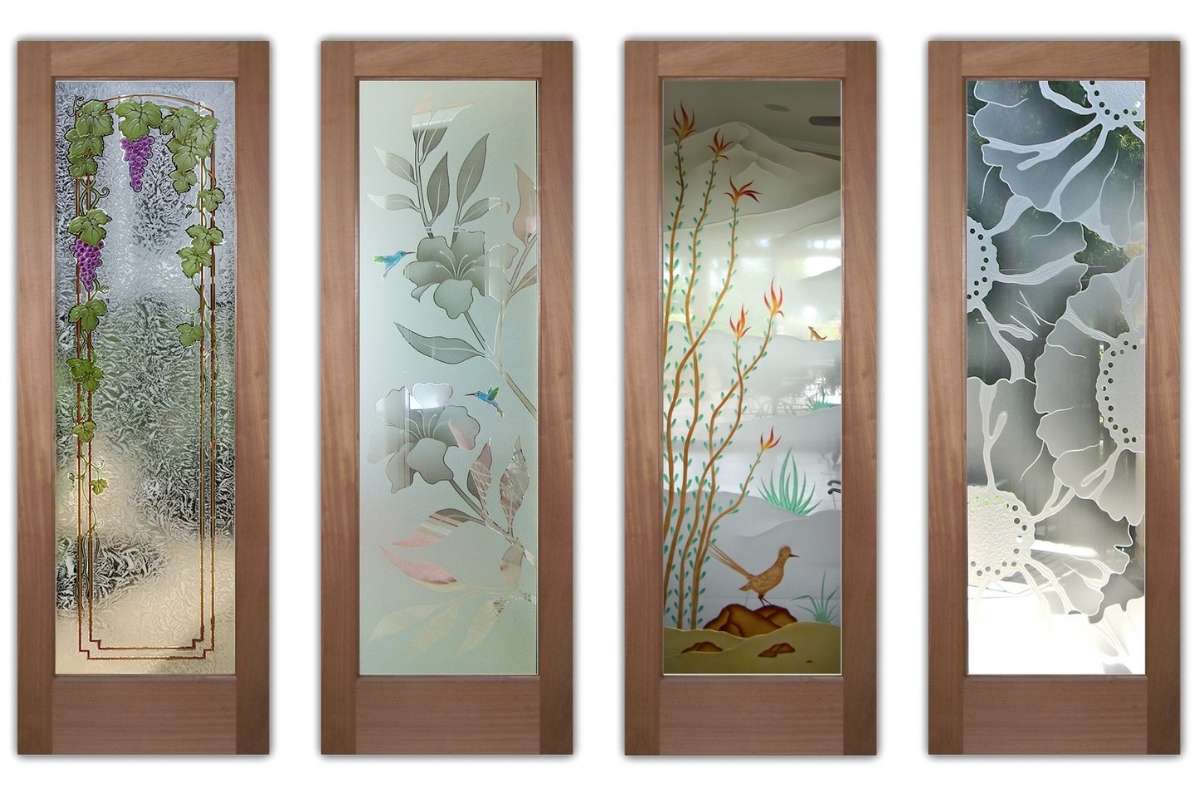
While tempered glass is essential for safety, it also provides the perfect foundation for decorative artistry. At Sans Soucie, every handcrafted frosted glass door begins with tempered safety glass. This ensures that the door not only meets building code requirements but also delivers lasting durability in everyday use.
What sets our frosted glass doors apart is the way we combine safety with design. Using advanced sandblast etching and carving techniques, we transform tempered glass into works of art—whether it’s a simple frosted finish for full privacy or a detailed 3D carved design that doubles as a focal point. Because the glass is tempered, homeowners don’t have to choose between beauty and security—you get both in one piece.
By pairing sandblasted frosted glass artwork with the strength of tempered glass, our doors provide:
- 100% safety compliance for bathrooms, entryways, and kitchens.
- Permanent, durable designs that won’t peel, fade, or wear out.
- Functional artistry, turning a code requirement into a personalized statement.
RELATED READ: Exploring the Benefits of a Frosted Door
Frequently Asked Questions About Tempered Glass
How is tempered glass made?
Tempered glass is created through a controlled process of heating and rapid cooling. The surface is put into compression while the core remains in tension, which makes the glass four to five times stronger than standard annealed glass. This unique process also gives tempered safety glass its ability to break into small, blunt fragments instead of sharp shards. 👉 Watch this video for more information!
Can tempered glass withstand heat?
Yes. Tempered glass is heat-treated during manufacturing, which makes it resistant to sudden temperature changes. It can tolerate fluctuations up to 470°F (250°C), making tempered glass panels ideal for sun-exposed windows, kitchen doors, and even some cooktops.
Can tempered glass be cut or drilled after manufacturing?
No. Once tempered, the glass cannot be cut, drilled, or reshaped. All fabrication—such as cutting to size, adding holes for hardware, or shaping edges—must be completed before the glass undergoes the tempering process. Attempting to cut tempered glass afterward will cause it to shatter.
How long does tempered glass last?
Tempered glass does not weaken over time. As long as it’s properly installed and not damaged at the edges, tempered safety glass can last for decades, maintaining both its strength and its safety properties.
Does tempered glass block UV rays?
Tempered glass does provide some UV protection, but not complete blockage. By itself, tempered glass can reduce a portion of ultraviolet light, but for stronger UV filtering, it’s often combined with coatings or laminates. Homeowners who want tempered glass doors or windows that also protect furniture from fading should consider additional UV-treated options.
What thicknesses are available for tempered glass?
Tempered glass is commonly manufactured in thicknesses ranging from 1/8 inch (3 mm) to 3/4 inch (19 mm). The thickness you need depends on the application—thinner tempered glass may be suitable for cabinet doors, while thicker panels are required for entry doors or large frameless installations.
What are the disadvantages of tempered glass?
Tempered glass cannot be cut or drilled after tempering, costs more than regular glass, and while safer, it is not unbreakable. Its edges can also chip if struck directly.
What are the alternatives to tempered glass?
Alternatives include laminated glass, which holds together when broken, acrylic or polycarbonate panels that are lightweight but scratch easily, and frosted films that add privacy but are not permanent.
Does tempered glass have a safety certification?
Yes. Certified tempered glass typically carries a small etched mark, known as a “bug stamp,” in the corner. This mark shows it has passed safety standards set by organizations such as ANSI (American National Standards Institute) or SGCC (Safety Glazing Certification Council). This ensures tempered safety glass complies with building codes.
Can tempered glass be recycled?
Yes, tempered glass can be recycled, but the process is more complex than with standard glass. Because of its internal stress pattern, tempered safety glass must be processed separately at specialized recycling facilities that can crush and repurpose it into aggregate material or insulation products.
Conclusion
Tempered glass has become the standard for safety and durability in modern construction. From vehicles and furniture to residential and commercial spaces, its strength and break-safe design make it a trusted choice wherever glass is used. For homeowners, its most important role is in doors, where safety requirements meet daily function. At Sans Soucie, every frosted glass door is crafted from tempered safety glass, combining compliance with artistry so you never have to choose between protection and design.
✨ Ready to upgrade your home with a door that’s as safe as it is stunning? Explore Sans Soucie’s Frosted Glass Doors and discover how custom design meets lasting durability.


Sans Soucie Art Glass: Decorative, Custom & Frosted Glass Doors, Windows, Showers & Stained Glass Since 1976
Family-owned and operated since 1976, Sans Soucie Art Glass leads the industry in decorative glass and custom glass design — from sandblast frosted glass and carved glass to hand-painted and stained glass art — transforming ordinary glass into Works of Art Captured in Glass recognized worldwide.
Innovative Frosted Glass Door Designer Tool
In 2010, we invented and launched our Frosted Glass Pantry Door Designer – a fun, easy-to-use tool that makes it simple for anyone to design and customize not only pantry doors, but a wide range of frosted glass doors for every room.
Explore our Frosted Glass Doors Collection
Our custom frosted glass doors include a beautiful variety for every style and space:
- Pantry Doors
- Frosted Glass Interior Door
- Interior Doors with Frosted Glass
- Frosted Glass French Doors
- Frosted Glass Front Door
- Front Doors with Frosted Glass
- Interior Glass Doors
- Glass Barn Doors
- Frosted Glass Barn Door
- Sliding Glass Barn Door
- All Glass Doors Interior
- All Glass Front Doors
- Bathroom Doors with Frosted Glass
- Laundry Room Doors
- Wine Room Doors
If you already have a door, and only need the glass insert, we also offer:
- Frosted Glass for Interior Doors
- Door Glass Inserts for Front Doors
- Glass Panels for Pantry Doors
- Frosted Glass Inserts for Bathroom Doors
- Laundry Room Door Glass Inserts
- Glass Panels for Interior Wine Cellar Doors
Elegant Frosted Glass Throughout Your Home
While our frosted glass doors are a top choice, we also create stunning glass products for every area of your home, including:
- Frosted Glass Shower Doors
- Glass Shower Partition
- Frosted Glass Shower Panel
- Frosted Glass Showers
- Frosted Glass Windows
- Bathroom Window Frosted Glass
- Decorative Window Glass, Window Frosting
- Custom Glass Dining Table
- Custom Glass Coffee Table
- Glass Shelves, Custom Glass Shelves
- Hand Carved & Painted Mirrors
- Frosted Glass Signs, Etched Glass Signs
- Cabinet Door Glass Inserts, Frosted Glass Inserts for Cabinet Doors
- Glass Wall Art, Wall Art on Glass
Looking for Inspiration? Explore Our Galleries
Discover visual idea boards, style concepts, décor applications, real project photos, and helpful information in our expanding gallery collection:
- Custom Glass
- Custom Glass Edges
- Custom Mirror
- Decorative Glass
- Decorative Glass Doors
- Decorative Glass Front Doors
- Decorative Glass Interior Doors
- Decorative Glass Window
- Stained Glass
- Stained Glass Doors
- Stained Glass Front Doors
- Stained Glass Windows
Free Shipping. Expert Packing, Peace of Mind
With FREE SHIPPING on most orders and worldwide delivery from our studio in Palm Desert, California, every order is packed in-house by our expert glaziers using custom materials and proven methods — ensuring safe arrival with a damage rate of less than 1%!
Explore our complete frosted glass doors collection and find the perfect frosted glass door for your space. Have questions? Contact us today!
Copyright © 2025, Sans Soucie Art Glass. All rights reserved.